
What a Leak Sensor Actually Is
A leak sensor is a small battery-powered device that detects the presence of water and sends an alert to your phone through a connected app, usually via Wi-Fi or a smart home hub. Most models are placed directly on the floor near common problem areas – behind a water heater, under a sump pump, near a washing machine, or beside a sump pit – and trigger an alert the moment moisture touches their sensor pins.
Some higher-end models pair with an automatic shutoff valve, which physically stops water flow to your home the moment a leak is detected, going a step beyond simple notification.
Why It Matters for Basements Specifically
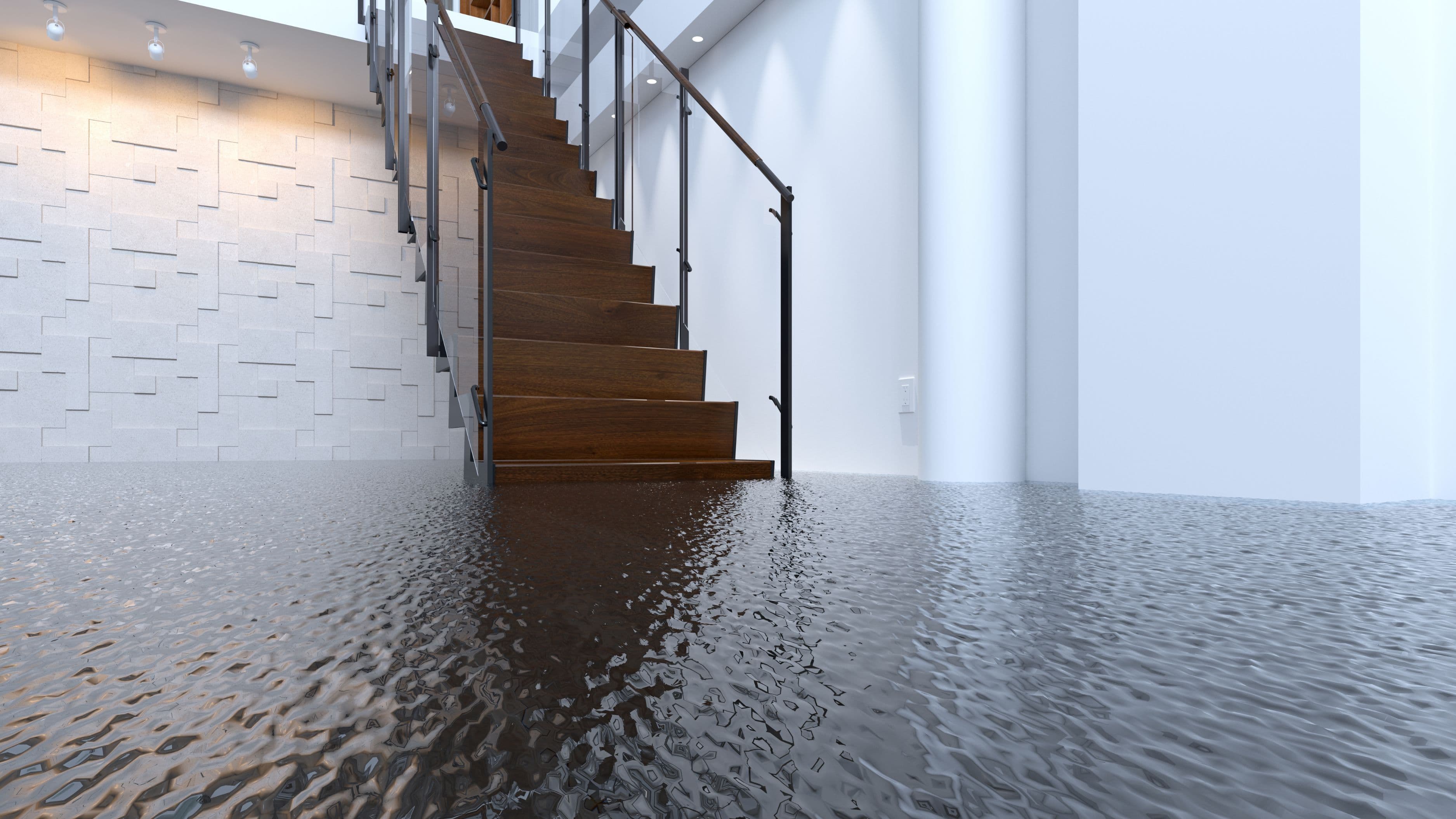
Basements are particularly vulnerable to slow, undetected leaks because they're often the least-visited part of the house. A leak in a kitchen or bathroom tends to get noticed quickly since you're in those rooms daily. A basement leak from a failing sump pump, a cracked pipe, or a struggling water heater can go unnoticed for days, especially if you don't have a regular reason to check that space.
By the time water damage becomes visible – warped flooring, a musty smell, visible standing water – you're often looking at a repair bill in the thousands, plus the headache of mold remediation if the moisture sat long enough. A leak sensor catches the problem in its earliest stage, when a quick fix is still possible instead of a full basement renovation.
How Much Difference Does It Actually Make
The honest answer is that it depends heavily on how quickly you respond to the alert. A leak sensor buys you early warning, but it doesn't fix the problem itself unless paired with an automatic shutoff valve. If you get an alert while you're away for a weekend and can't act on it until you return, you've still limited the damage compared to discovering the leak days later, but you haven't prevented it entirely.
For anyone who travels frequently or has a finished basement with expensive flooring, furniture, or a home theater setup, the combination of a leak sensor with an automatic shutoff valve offers the most complete protection, since the water gets shut off automatically even if you're not home to respond.
Where to Place Leak Sensors for Maximum Value
Near the sump pump. This is one of the highest-value placements, since sump pump failure during heavy rain is one of the most common causes of basement flooding.
Behind or under the water heater. Water heaters commonly fail at the tank seams or connections as they age, and a sensor here catches slow leaks before the tank fully fails.
Near washing machine connections. Supply line failures on washing machines are a surprisingly common source of significant water damage, and this is especially relevant if your washer is located in or near the basement.
Along exterior basement walls, especially near known moisture points. If you've had minor seepage issues in the past during heavy rain, placing a sensor along that wall gives you an early warning if the problem worsens.
What to Look for When Buying One
Prioritize a model with a loud local alarm in addition to phone notifications, since a phone alert does you no good if your phone is on silent or you're not near it. Battery life matters too – look for sensors rated for at least a year of battery life with a low-battery notification feature, since a dead sensor provides zero protection. If you're already using a smart home hub (like SmartThings or a Google/Amazon ecosystem), check that any sensor you buy is actually compatible before purchasing, since sensor ecosystems aren't universally interchangeable.
Cost and Difficulty
Estimated cost: Basic Wi-Fi leak sensors typically run $20–$50 per unit, with sensors that pair with automatic shutoff valves costing considerably more, often $150–$300 for the shutoff valve component alone.
Difficulty: Installing a basic leak sensor is genuinely beginner-friendly – most models simply need batteries installed and a quick app pairing process, taking 10–15 minutes per sensor. Automatic shutoff valves that connect to your main water line are more involved and, depending on your comfort level with plumbing, may be worth having a professional install.
What to Avoid
Don't rely on a single sensor placed in a random spot in the basement and assume you're fully covered – water tends to pool at the lowest point in a room, which may not be anywhere near where the leak actually originated. Placing sensors directly at the most likely failure points (water heater, sump pump, washing machine) gives far better coverage than one sensor in the middle of an open floor. Also avoid skipping the app notification settings; some apps default to quiet or delayed notifications, so double-check yours are set to alert immediately and loudly.
When to Call a Professional
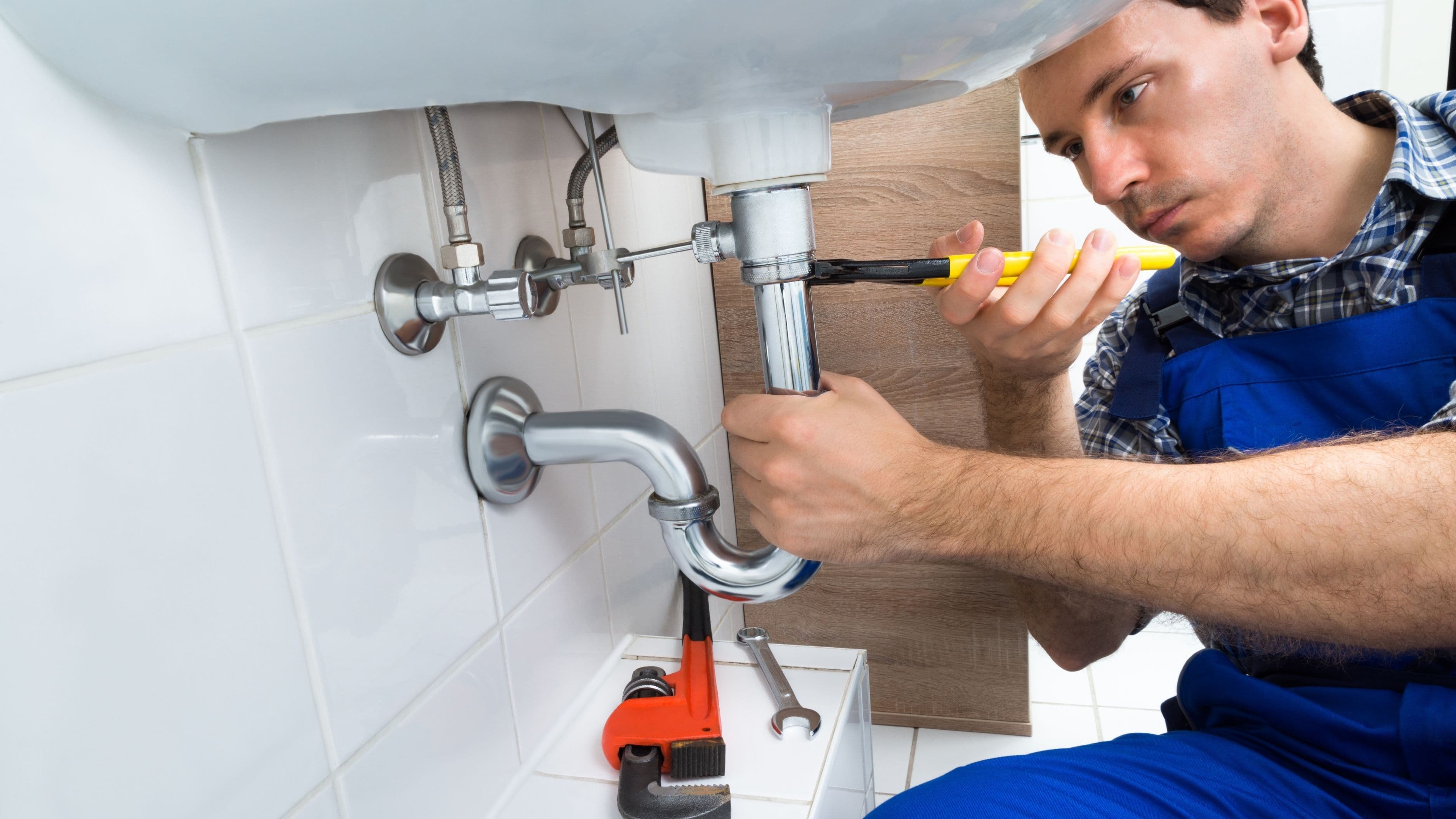
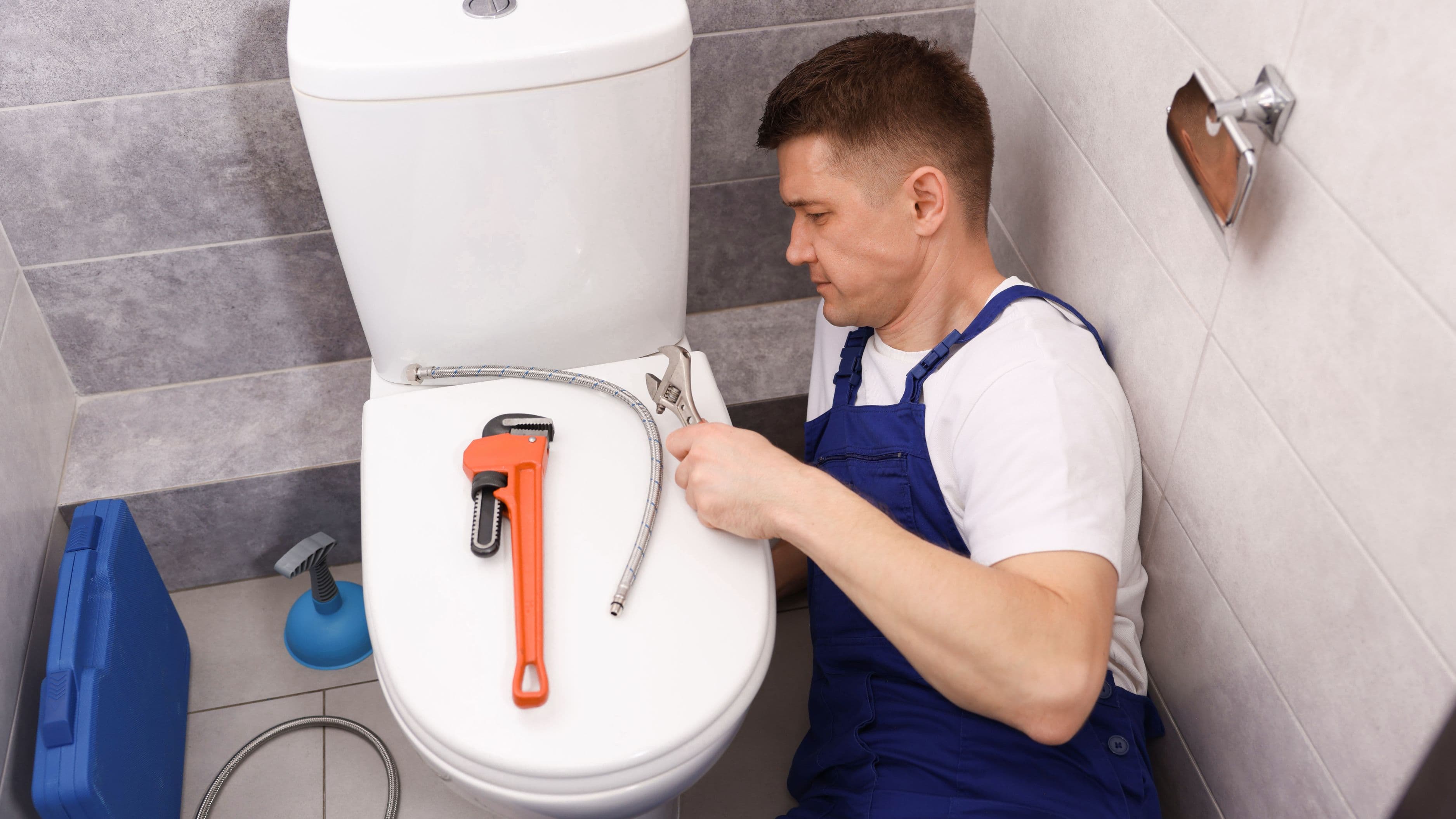
If you're considering an automatic shutoff valve that ties into your main water supply line, and you're not confident working with plumbing connections, this is a reasonable job to hand to a licensed plumber. A poorly installed shutoff valve can create its own leak risk, which defeats the entire purpose of the upgrade.
FAQ
Do leak sensors need Wi-Fi to work? Most models rely on Wi-Fi or a smart hub to send alerts to your phone, though a few basic models offer a local audible alarm only, without smartphone connectivity, for a lower cost.
How often do leak sensor batteries need to be replaced? Most models are rated for 12 months or more of battery life, though this varies by brand and how frequently the sensor connects to Wi-Fi to send updates.
Are leak sensors worth it if I already have a sump pump? Yes – sump pumps fail more often than people expect, whether from power outages, mechanical failure, or being overwhelmed during unusually heavy rain, and a leak sensor specifically monitors for that failure rather than assuming the pump will always work.
📚 Sources
Insurance Institute for Business & Home Safety – Water Damage Prevention – https://www.disastersafety.org/water/
This Old House – Smart Home Water Leak Detection Guide – https://www.thisoldhouse.com/smart-home