
Level 1 Charging: What It Is and How It Works
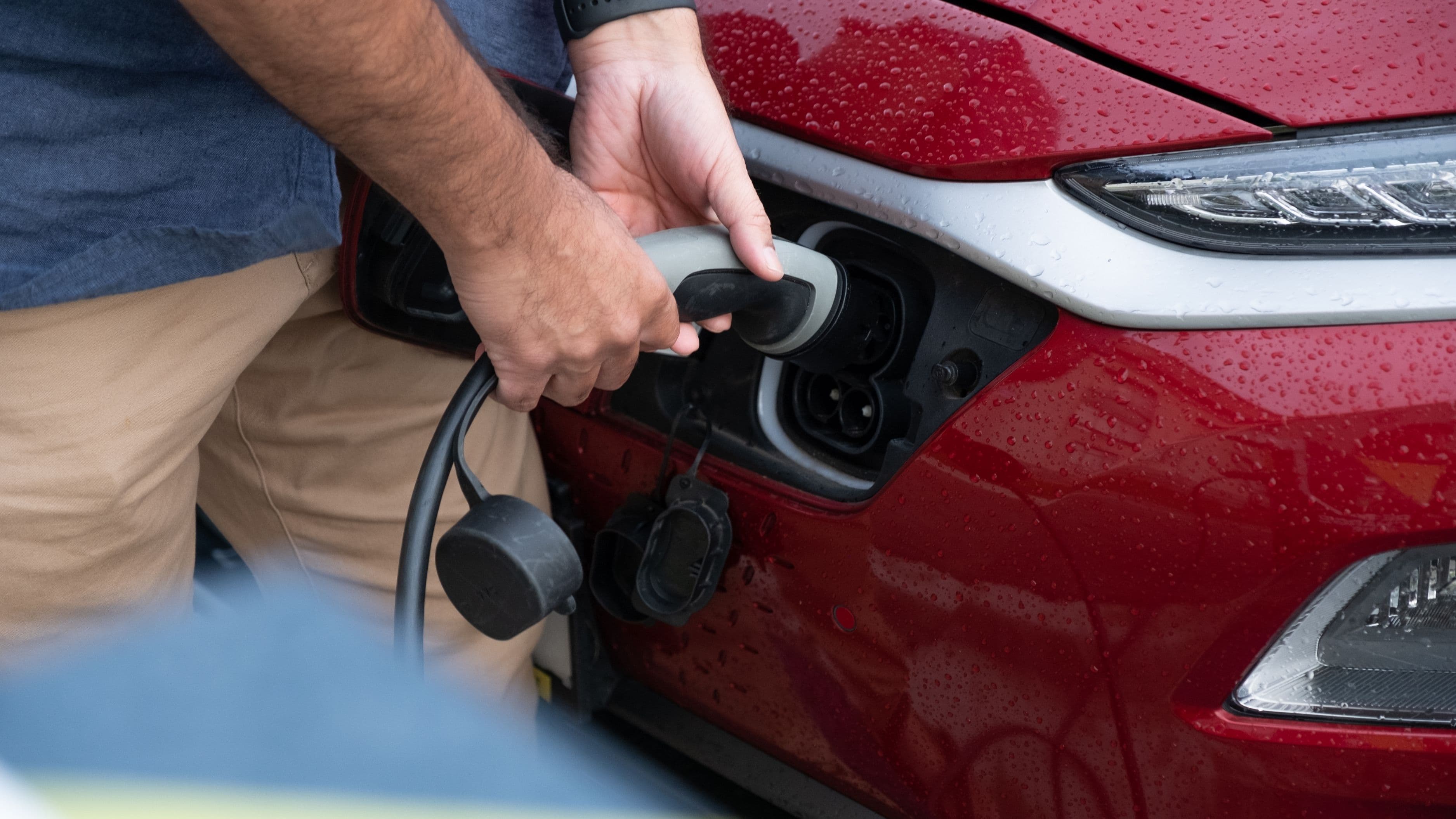
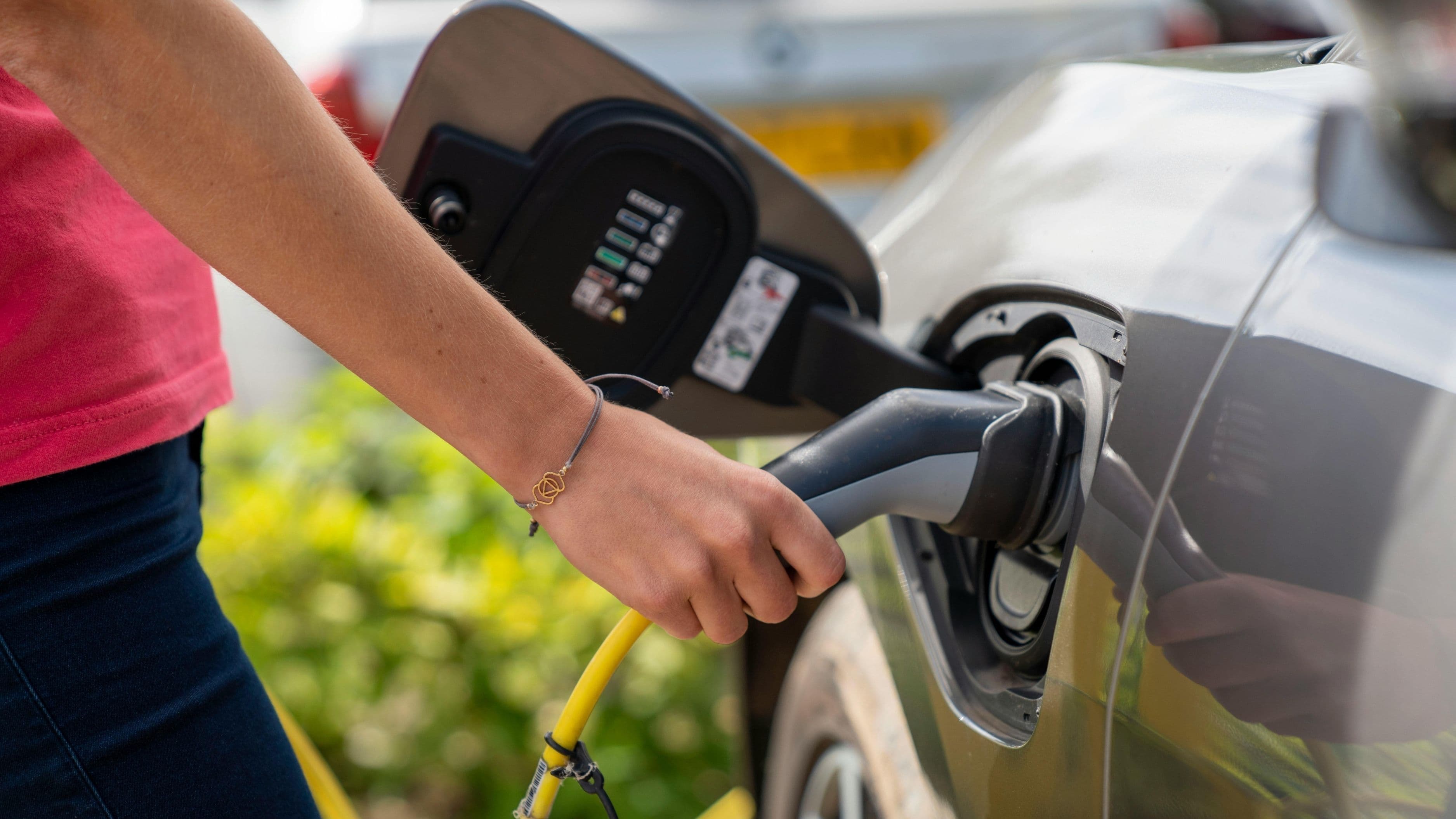
Level 1 charging is the simplest option because it doesn't require any new equipment or electrical work. Your EV comes with a charging cable – called an EVSE (Electric Vehicle Supply Equipment), though most people just call it a charging cord – that plugs directly into a standard 120-volt household outlet, the same type you use for a lamp or a phone charger.
The trade-off for that simplicity is speed. Level 1 charging delivers roughly 3 to 5 miles of range per hour of charging. That means if you plug in for 8 hours overnight, you'll recover about 30 to 40 miles of range. For a fully depleted battery on a long-range EV, a complete Level 1 charge can take 40 to 60 hours or more depending on the vehicle. For most daily commuters driving 30 to 50 miles a day, Level 1 works fine – you plug in when you get home, and by morning you have what you need. But if you drive more than that regularly, or you need to frequently recover a large portion of your battery overnight, Level 1 will leave you frustrated.
The outlet itself matters too. Level 1 charging works best on a dedicated 120V, 15-amp circuit – meaning the outlet has nothing else drawing power from it. Using a heavily loaded shared circuit (one that also powers a refrigerator, microwave, or other appliances) can trip breakers and creates unnecessary wear. If your garage outlet is on a shared circuit, it's worth having an electrician take a look before you rely on it nightly.
Level 2 Charging: What It Is and How It Works
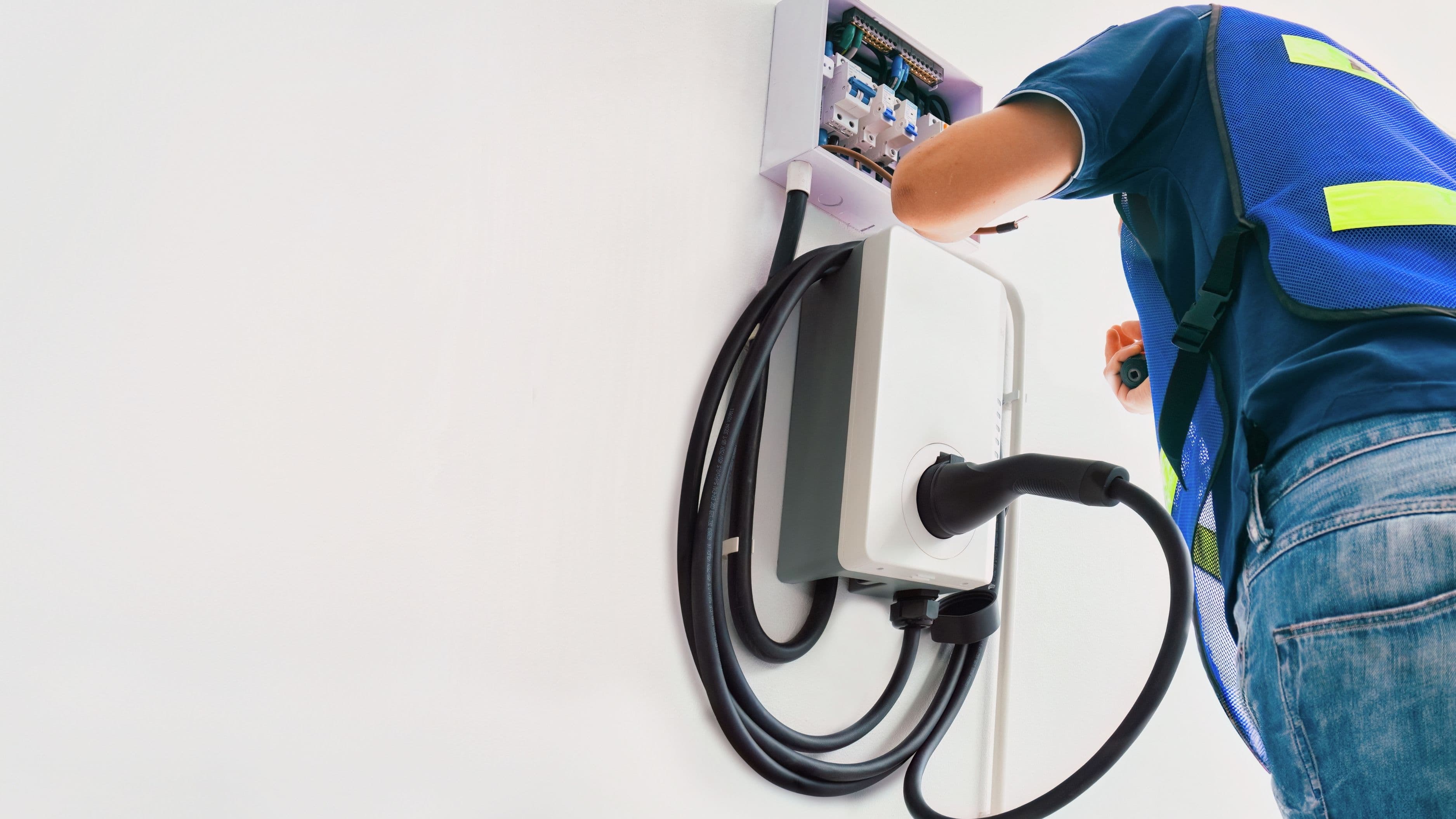
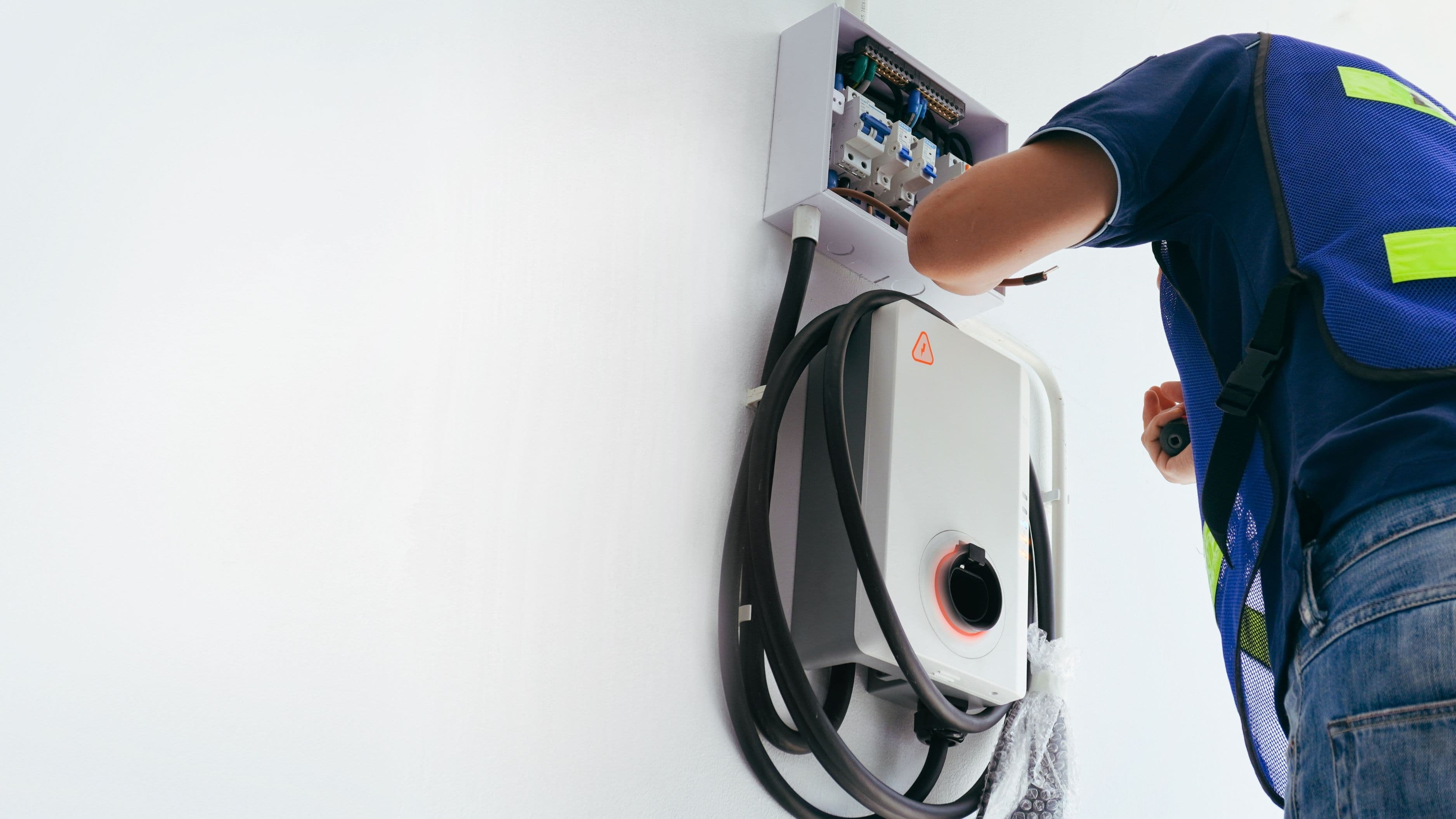
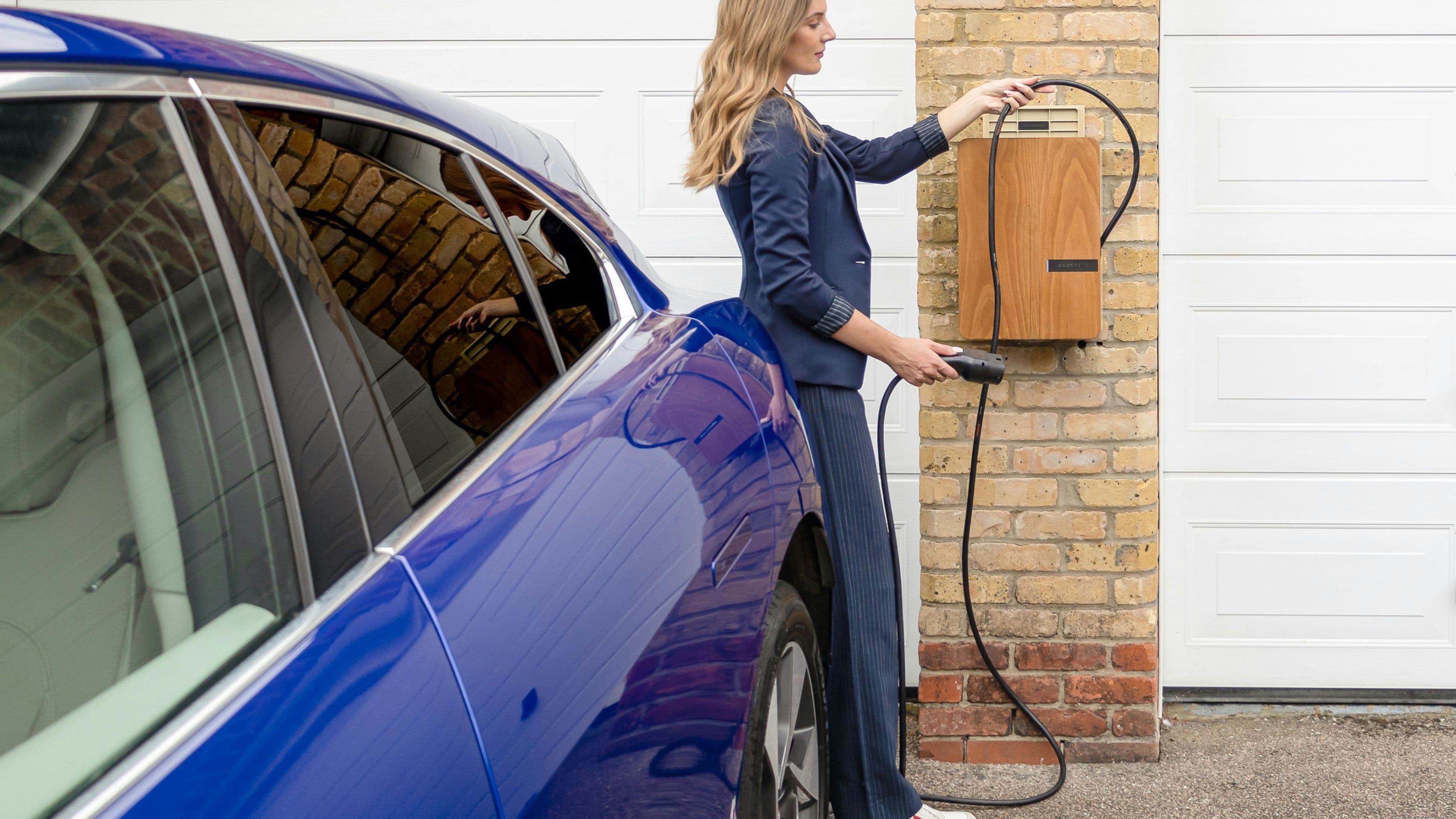
Level 2 charging runs on 240 volts – the same type of circuit that powers a clothes dryer, an electric range, or a central air conditioner. It requires a dedicated EVSE unit (commonly called a home charging station) installed in your garage or near your parking area, wired to a 240V, 40-amp or 50-amp circuit. Most home Level 2 chargers operate at 7.2 to 11.5 kilowatts, which translates to roughly 20 to 35 miles of range per hour of charging.
That speed difference is substantial. A vehicle with a 75 kWh battery that might take 50+ hours to fully charge on Level 1 can be fully charged in 6 to 9 hours on Level 2 – well within a typical overnight window. For most EV owners, Level 2 is the setup that makes owning an EV genuinely convenient rather than just workable. You come home, plug in, and your car is full (or close to it) by the time you need it in the morning.
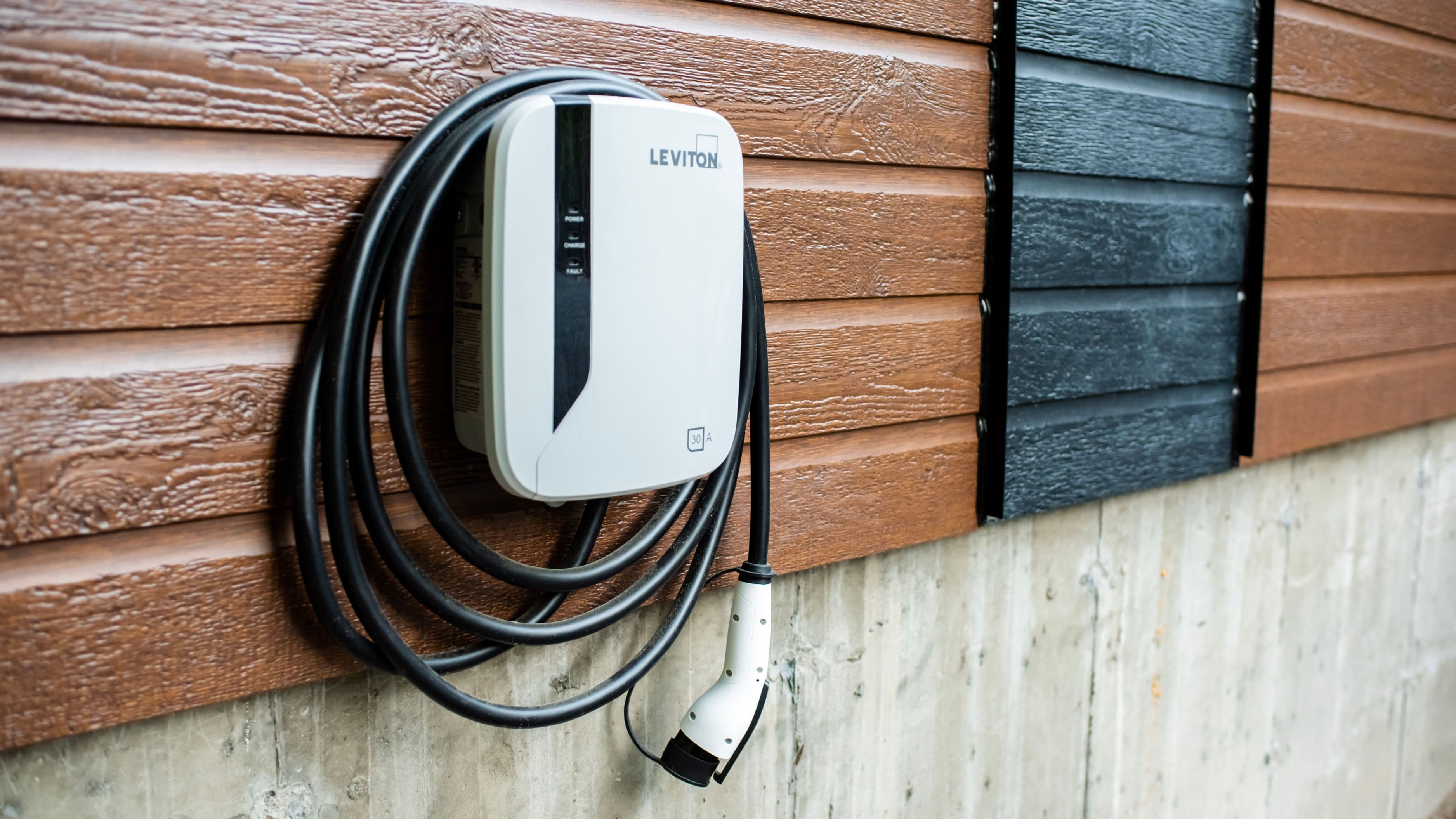
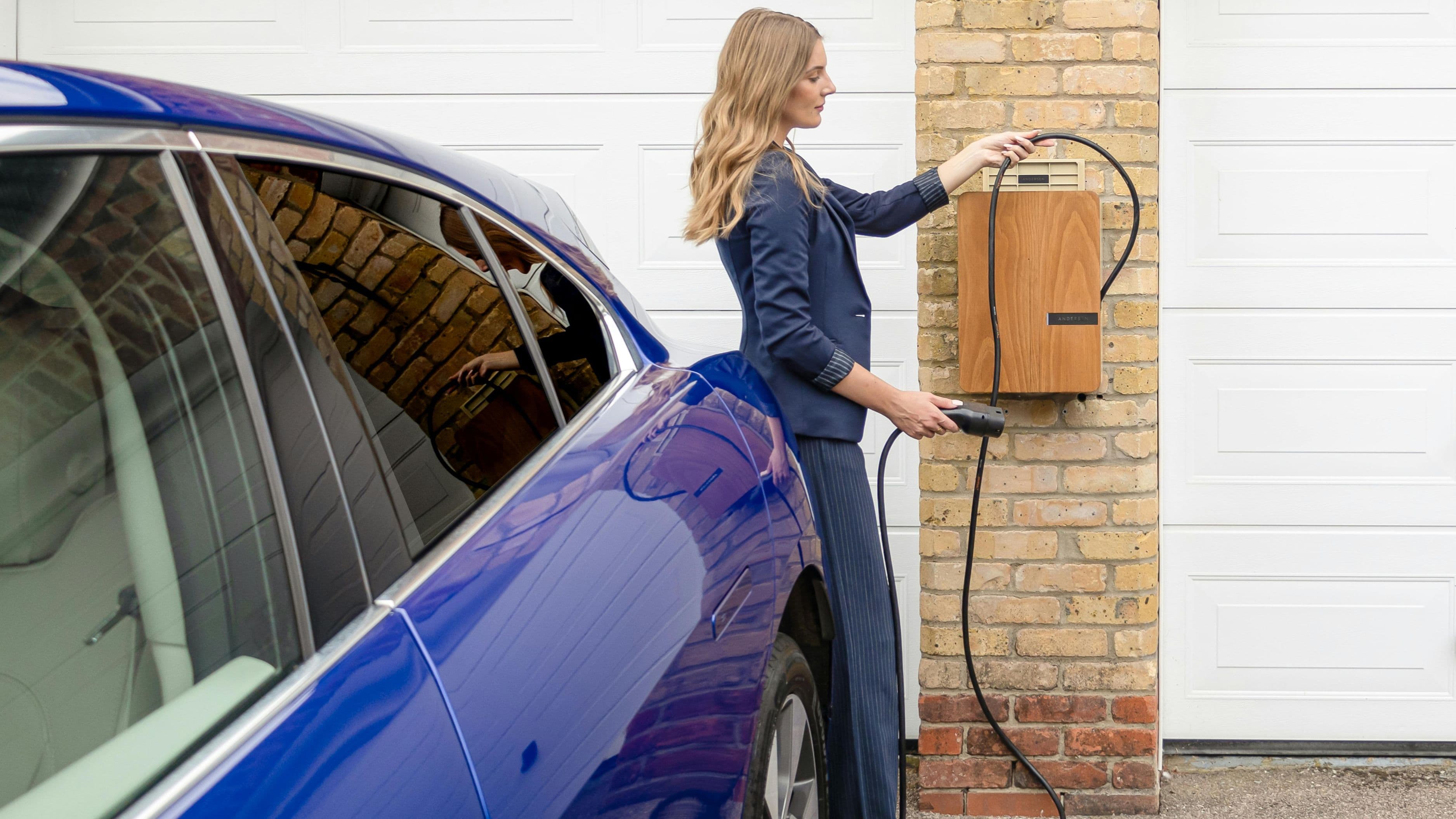
The EVSE unit itself is a hardwired or plug-in device mounted on a wall. Popular residential units include the ChargePoint Home Flex, the Grizzl-E, the JuiceBox 40, and the Tesla Wall Connector (compatible with non-Tesla vehicles via adapter on newer models). Most units include smart features like scheduling, energy monitoring, and app control, though these aren't required for the charging itself to work.
The Electrical Requirements for Level 2
This is where some homeowners need to pause and assess before making any purchases. Level 2 charging requires a 240V circuit with at minimum a 40-amp breaker (though 50-amp is recommended for faster and more flexible charging). Your electrical panel needs to have enough available capacity to support this additional load.
If your panel is modern and has open breaker slots, adding a 240V circuit is a relatively straightforward job for a licensed electrician and typically takes two to four hours. If your panel is older, undersized (100-amp service or less), or already near capacity, you may need a panel upgrade before Level 2 charging is feasible. A panel upgrade adds cost and complexity – usually $1,500 to $4,000 depending on your location and the scope of work – but it's a one-time improvement that also benefits any other major appliances you add in the future.
This is not a DIY electrical project. Running a new 240V circuit and installing an EVSE requires pulling a permit in most jurisdictions, and the work should be done by a licensed electrician to ensure it's code-compliant and safe. The EVSE unit itself can sometimes be installed by a competent homeowner after the circuit is in place (if the unit is plug-in rather than hardwired), but the circuit work always requires a professional.
Cost Comparison: What to Expect
Level 1: Essentially free if you already have a suitable outlet in or near your garage. Your only cost is the electricity itself. If you need a new outlet added or an existing circuit evaluated, expect to pay an electrician $100 to $300 for that work.
Level 2: The EVSE unit itself ranges from about $200 to $800 depending on brand, amperage, and features. Electrician installation of a new 240V circuit typically runs $300 to $800, not including any panel work. All-in, most homeowners budget $500 to $1,500 for a Level 2 home charging setup when the panel can support it. If a panel upgrade is needed, that number rises accordingly.
The federal government offers a tax credit for EV charging equipment installation through the Alternative Fuel Vehicle Refueling Property Credit (IRS Form 8911). As of recent tax law, eligible homeowners can claim up to 30% of the cost of equipment and installation, up to $1,000. Many states and utilities also offer additional rebates on top of the federal credit – it's worth checking your utility's website and your state energy office before you purchase.
Which One Is Right for You?
Level 1 makes sense if you drive 40 miles or less per day, you have a plug-in hybrid rather than a full EV (PHEVs have smaller batteries that charge quickly on 120V), you're renting and can't modify the electrical system, or you want to try EV charging with zero upfront investment before committing to a Level 2 installation. It's genuinely adequate for a significant portion of EV owners – particularly those with shorter daily commutes and predictable schedules.
Level 2 makes sense if you drive more than 40 to 50 miles daily, you have a long-range EV with a large battery, you want the flexibility to do top-up charges without planning around slow recovery times, or you simply want the convenience of waking up to a full battery every morning without thinking about it. For most full EV owners, Level 2 is the setup that makes the vehicle work as seamlessly as it's supposed to.
If you're on the fence, start with Level 1 and live with it for a few weeks after getting your EV. If you find yourself frequently arriving home with a low battery and worrying about whether you'll have enough charge by morning, that's your sign to upgrade. Many EV owners make that transition within the first two to three months.
Installation: What the Process Looks Like
If you decide to move forward with Level 2, here's what the process typically involves:
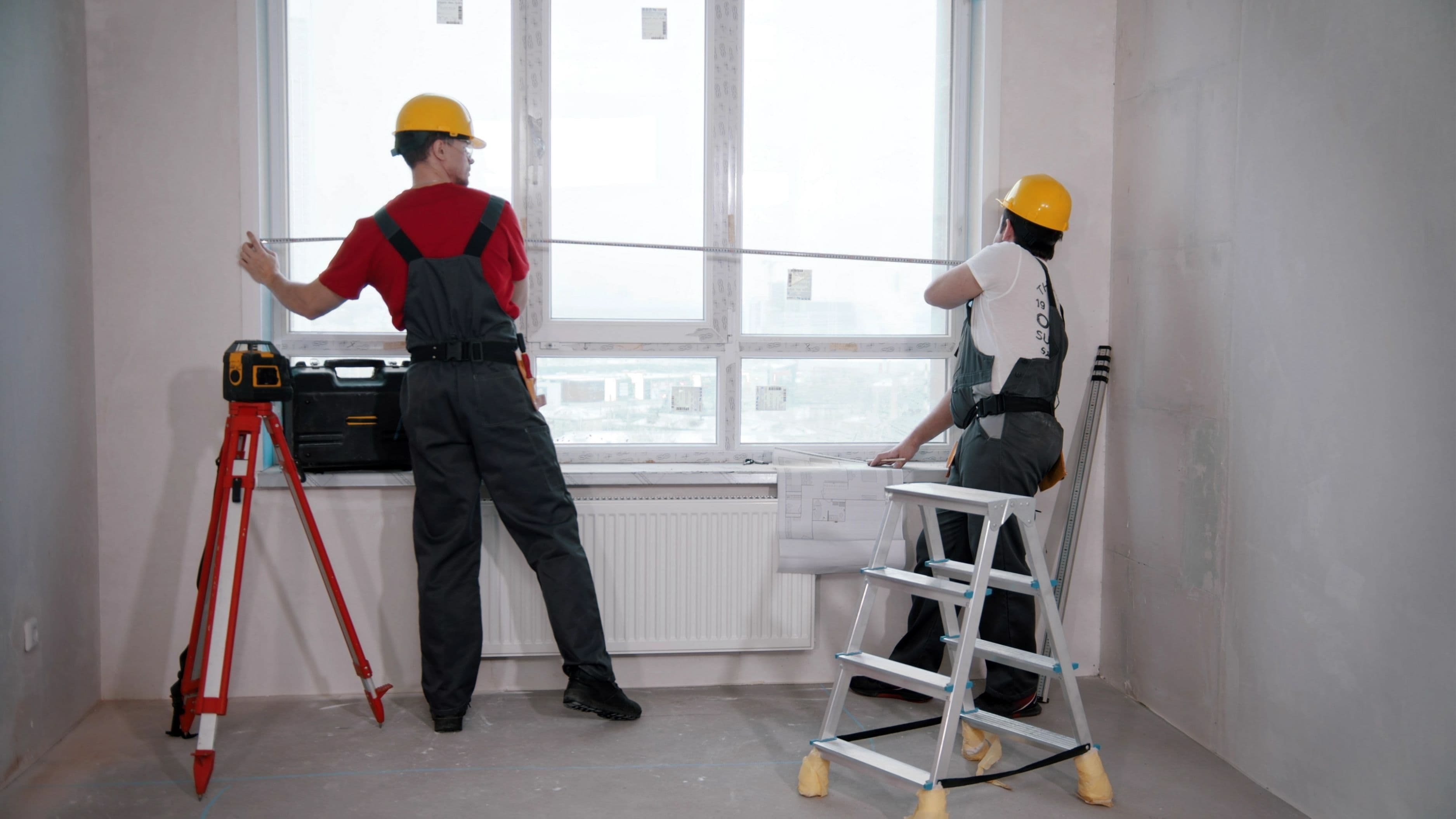
First, assess your electrical panel. Check the main breaker rating (typically printed on the panel door) and count open breaker slots. A 200-amp panel with several open slots is in a good position. A 100-amp panel that's nearly full will need evaluation by an electrician before you proceed.
Next, purchase your EVSE unit. Choose a hardwired unit if you want a permanent installation with no exposed outlet. Choose a NEMA 14-50 plug-in unit if you prefer flexibility – you can take the EVSE with you if you move, and the installation requires only a receptacle rather than direct wiring to the unit. The NEMA 14-50 outlet is the same type used by RVs and is widely compatible with plug-in EV chargers.
Then hire a licensed electrician to run the circuit and install the outlet or hardwire the unit. Get at least two quotes. Ask specifically whether they've done EV charger installations before – most electricians have, but it's worth confirming. Confirm that a permit will be pulled and an inspection scheduled. A permitted installation protects you if you ever sell the home.
Finally, register your EVSE with the manufacturer if it's a smart unit, connect it to your home network, and set up a charging schedule. Most utilities charge less per kilowatt-hour during off-peak hours (typically late night to early morning), so scheduling your charge to run from midnight to 6am can meaningfully reduce your monthly charging cost.
Common Mistakes to Avoid
Using an extension cord for Level 1 charging is the most frequent mistake new EV owners make. Standard extension cords are not rated for the continuous load of EV charging and create a fire risk. Use only the manufacturer-supplied EVSE cable, plugged directly into a wall outlet.
Buying an undersized EVSE unit is another easy mistake. A 16-amp or 24-amp Level 2 unit costs less upfront, but a 40-amp unit gives you significantly faster charging speed and more flexibility as vehicles with larger batteries become more common. The ChargePoint Home Flex, for example, is adjustable from 16 to 50 amps, which lets you match it to whatever circuit you have now and potentially upgrade later without replacing the unit.
Skipping the permit is tempting but creates problems. An unpermitted electrical installation can affect your homeowner's insurance coverage in the event of a fire or incident, and it may need to be redone if discovered during a home sale inspection. The permit process is straightforward for a standard EV charger installation and is worth the small additional cost.
Safety Notes
Always use the EVSE cable that came with your vehicle or a listed aftermarket unit from a reputable manufacturer. EVSE units should carry UL or ETL listing marks, confirming they've been tested to safety standards. Outdoor installations require a GFCI-protected circuit and a weatherproof outlet cover or weatherproof EVSE enclosure. If you smell burning, see scorch marks near the outlet or EVSE, or repeatedly trip breakers during charging, stop charging and have an electrician inspect the circuit before using it again.
Frequently Asked Questions
Can I install a Level 2 charger myself? The EVSE unit itself can sometimes be installed by a handy homeowner if it's a plug-in model and the outlet is already in place. The electrical circuit work – running wire, installing a breaker, and mounting an outlet – must be done by a licensed electrician and permitted in most jurisdictions. Don't skip the professional for the circuit work.
Does Level 2 charging damage the battery? No. Level 2 charging operates well within the parameters the battery management system is designed to handle. The charging stops automatically when the battery reaches its target level. Daily Level 2 charging does not cause accelerated battery degradation under normal use.
How much does Level 2 charging add to my electric bill? This depends on your local electricity rate and how much you drive. The national average cost of electricity is roughly $0.16 per kWh. A 75 kWh battery costs about $12 to fully charge from empty. If you charge daily and drive 40 miles, you're looking at $40 to $60 per month in electricity in most markets – significantly less than a comparable gas bill.
What if I rent my home or apartment? Level 1 is your easiest option as a renter since it requires no modifications. For Level 2, you'll need landlord permission and typically would need to agree on who pays for and owns the equipment. Some states have "right to charge" laws that limit a landlord's ability to unreasonably deny a renter's request to install EV charging – worth researching for your state.
How do I know if my panel can handle Level 2 charging? A 200-amp panel with open slots is almost always sufficient. A 100-amp panel that's running multiple large appliances may need an upgrade. The most reliable way to know is to have a licensed electrician perform a load calculation on your panel before committing to the installation.
For most homeowners with a full EV and a garage, Level 2 charging is worth the upfront investment. The convenience of a full battery every morning – without ever thinking about it – is one of those quality-of-life improvements that's hard to put a number on once you've experienced it. Start by assessing your panel, get a couple of electrician quotes, and you'll have a clear picture of what the upgrade will cost before you commit to anything.
📚 Sources
U.S. Department of Energy – Electric Vehicle Charging at Home: https://www.energy.gov/eere/electricvehicles/charging-home
IRS – Alternative Fuel Vehicle Refueling Property Credit (Form 8911): https://www.irs.gov/credits-deductions/alternative-fuel-vehicle-refueling-property-credit
U.S. Department of Energy – EV Charging Equipment: https://afdc.energy.gov/fuels/electricity_infrastructure.html
National Electrical Code (NFPA 70) – EV Charging Station Installation Requirements: https://www.nfpa.org/codes-and-standards/nfpa-70-standard-for-the-national-electrical-code
ChargePoint – Home Flex EV Charger Specifications: https://www.chargepoint.com/drivers/home/chargepoint-home-flex
Energy.gov – Charging Plug-In Electric Vehicles at Home: https://www.fueleconomy.gov/feg/evtech.shtml