
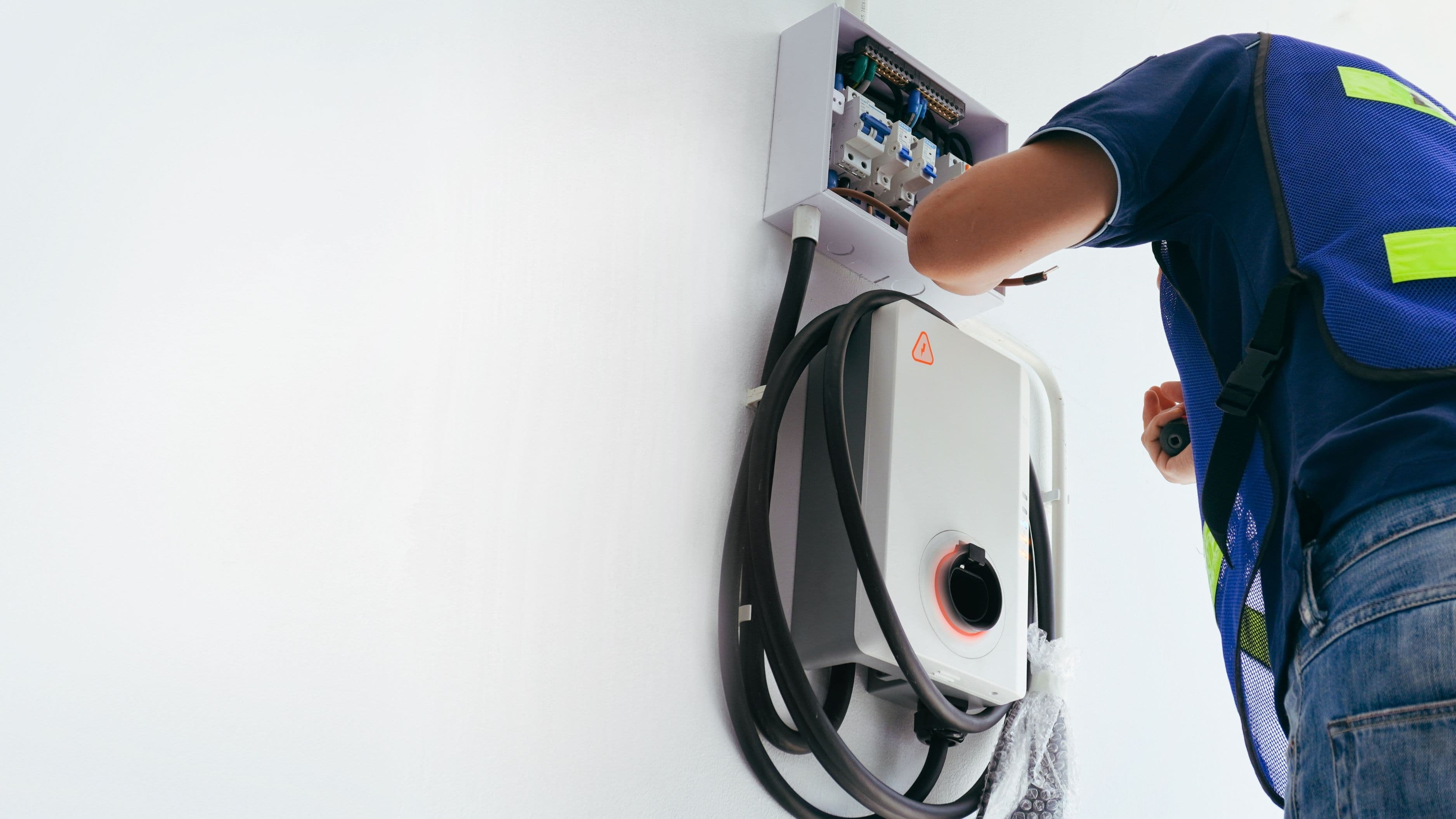
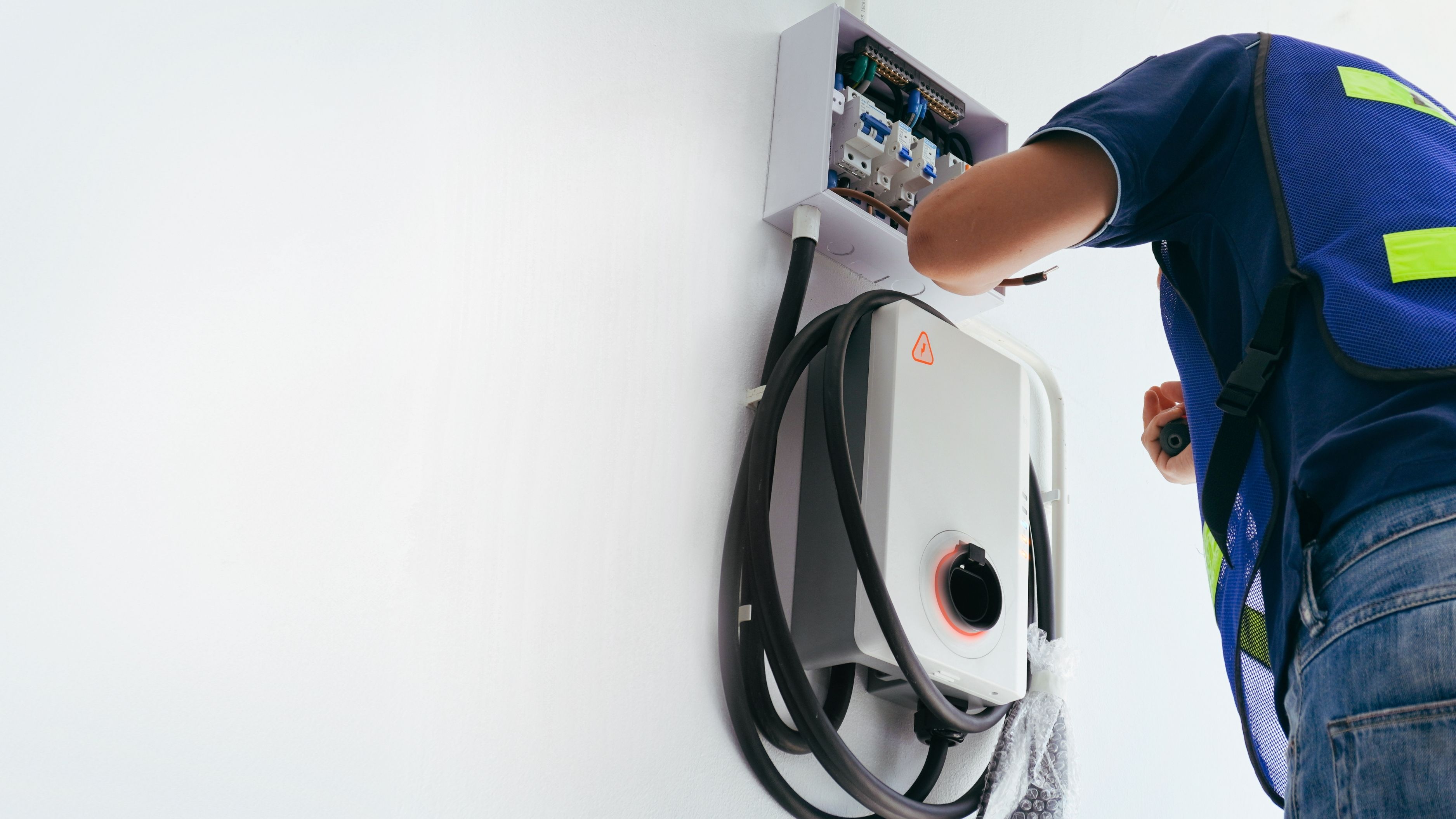
Here's a full breakdown of what you'll actually pay and why.
The Short Answer on Cost
For a straightforward Level 2 charger installation – electrical panel in an attached garage, short wire run, no panel upgrade needed – expect to pay $400–$900 total for labor and materials, not including the charger hardware itself. Add in the charger unit and you're typically looking at $600–$1,400 all-in for a standard install.
More complex jobs push the range higher. Long wire runs, conduit through finished walls, or a detached garage can run $800–$1,800 for labor and materials alone. If your panel needs an upgrade to handle the additional load, add another $1,500–$3,500 on top of the charger installation cost.
Breaking Down the Cost Components
Charger Hardware: $150–$500
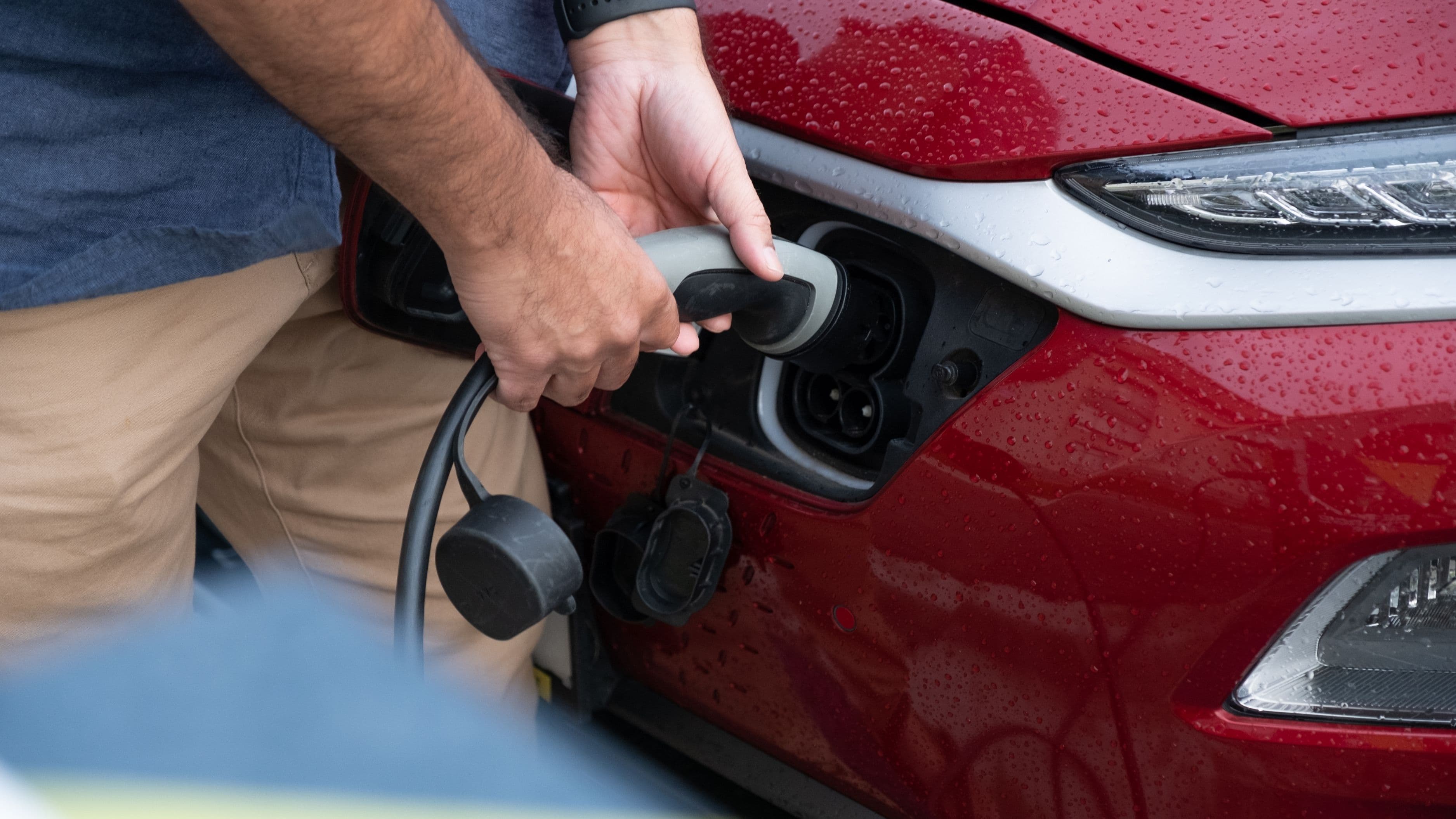
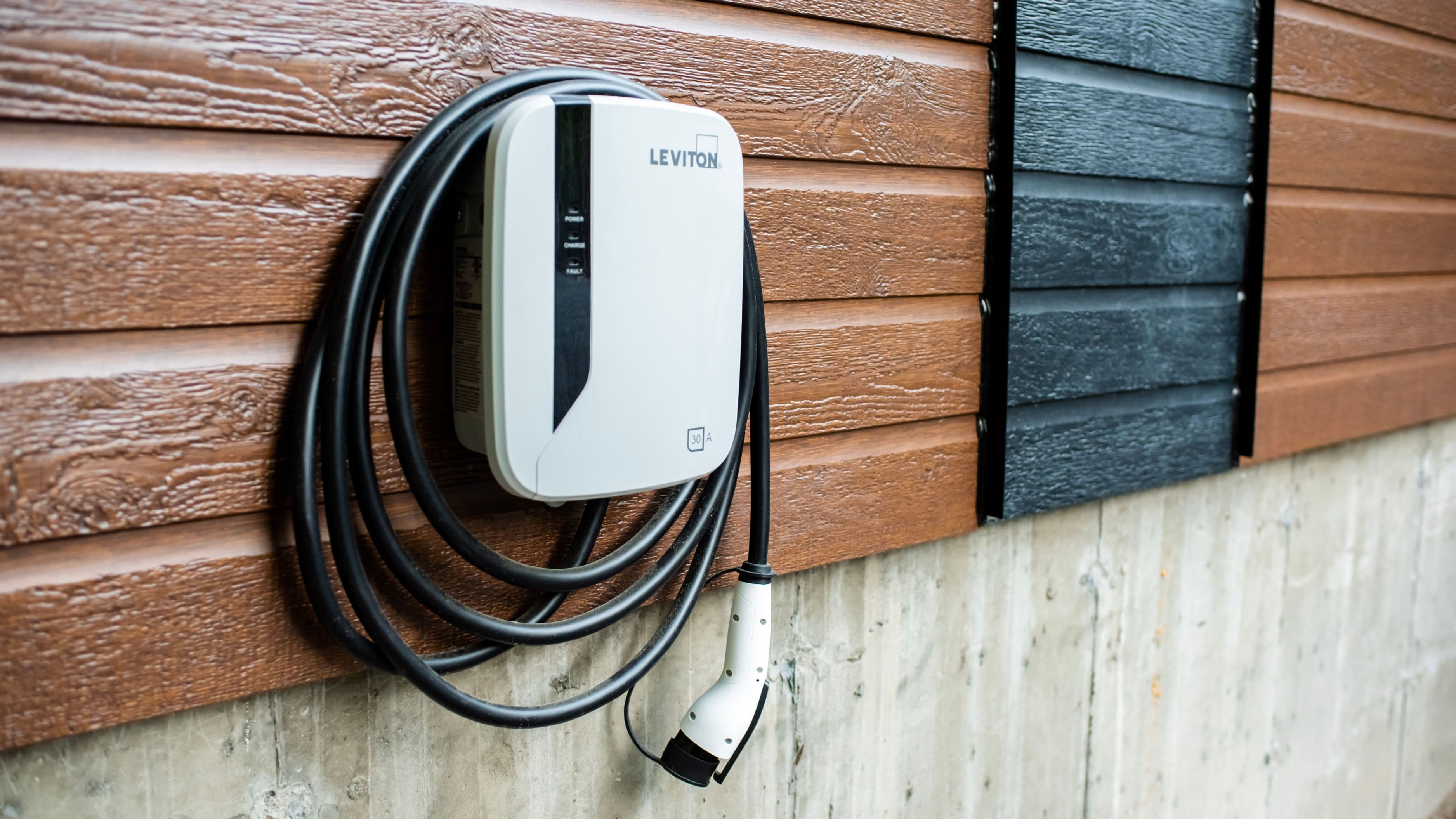
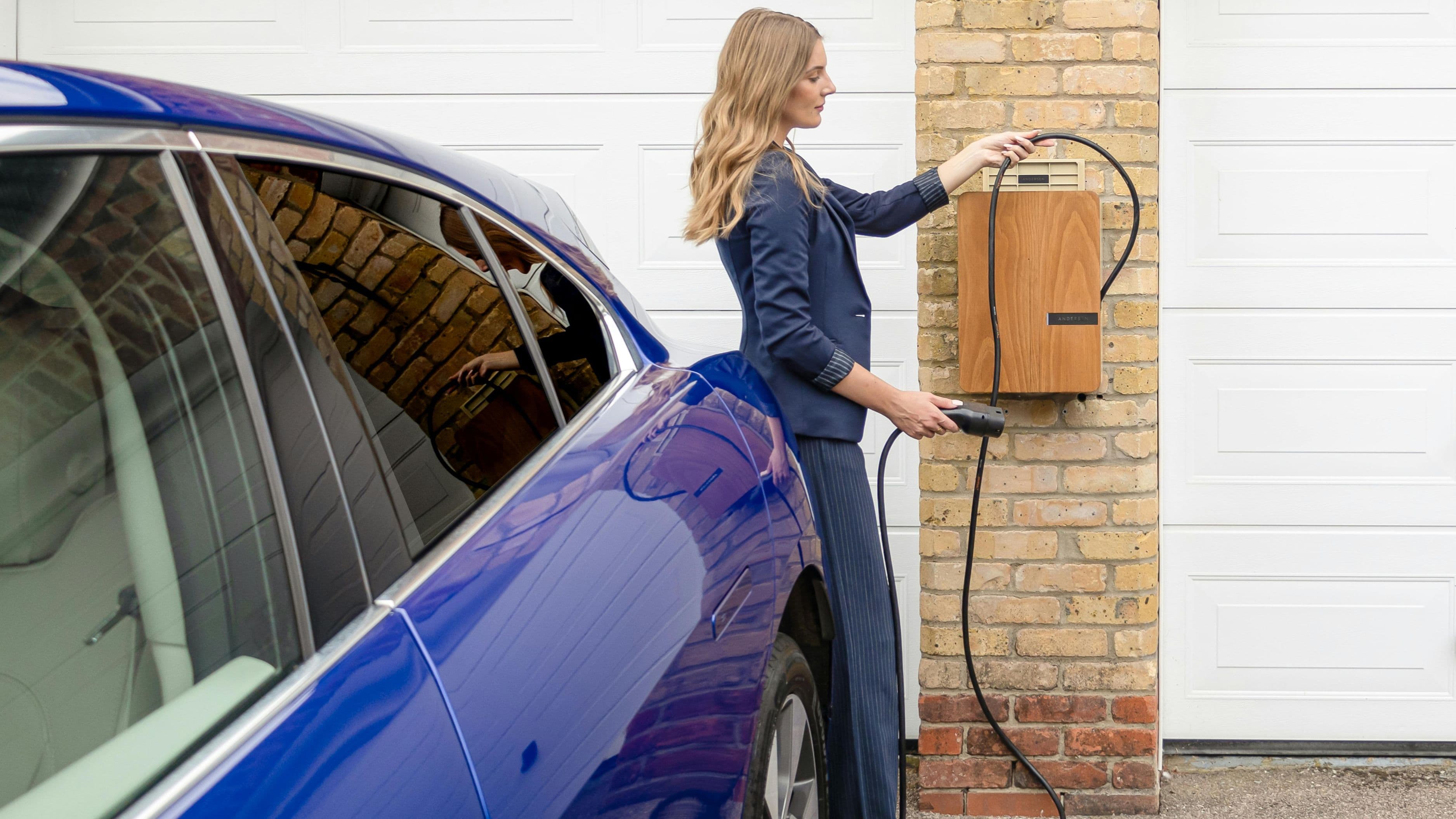
The charger unit itself is a separate cost from the installation. Level 2 chargers for home use fall into two categories: plug-in models that connect to a NEMA 14-50 outlet, and hardwired models that are permanently wired into the wall. Both deliver the same charging speed at a given amp rating, so the choice is mostly about preference and installation setup.
Well-regarded options in the $200–$500 range include the ChargePoint Home Flex, Emporia Eve, Grizzl-E Classic, and Wallbox Pulsar Plus. Budget models closer to $150–$200 exist but tend to have shorter warranties and fewer smart features. If you're getting a hardwired install anyway, spending $250–$350 on a reliable unit is money well spent given that it'll be on your wall for a decade or more.
Electrician Labor: $200–$600
Electrician rates vary by region – licensed electricians in major metro areas typically charge $80–$120 per hour, while rates in smaller markets run $60–$90. A standard EV charger installation takes 2–4 hours, which puts labor at $200–$480 for a simple job. More complex installations involving longer runs, conduit work, or difficult routing through finished walls add hours and cost accordingly.
Always confirm whether a quote includes pulling the permit. Permitting is required for new 240V circuit additions in virtually every US jurisdiction, and the permit fee ($50–$150 in most areas) should be included in or clearly added to the electrician's quote. If an electrician offers to skip the permit to save money, that's a flag worth paying attention to – unpermitted electrical work creates problems with homeowners insurance and surfaces during home sales.
Wire and Materials: $50–$300
The materials required for a Level 2 install include the wire itself (typically 6-gauge or 8-gauge copper, rated for the amperage), a circuit breaker, conduit if the wire run is exposed, outlet hardware for plug-in setups, and miscellaneous connectors and hardware. For a short run with no conduit, materials cost is relatively modest. For a long run in conduit – say, 50 feet from a basement panel to a garage wall – wire and conduit materials alone can add $150–$250 to the job.
The Biggest Cost Variable: Your Panel's Condition
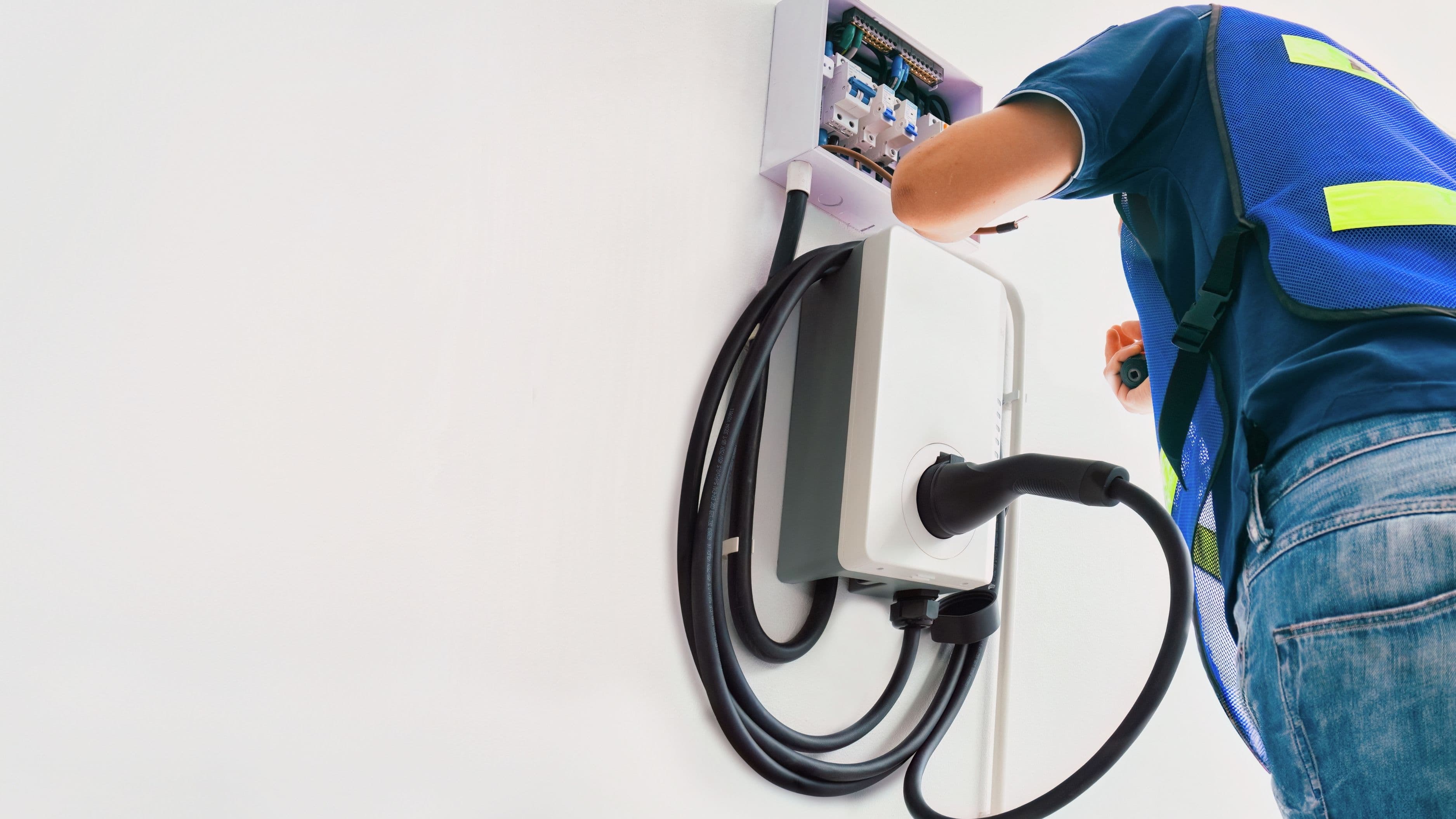
The single factor that most commonly turns a $700 installation into a $2,500+ project is the electrical panel. Before anything else gets quoted, an electrician will assess whether your panel has available capacity for a new 40–50 amp circuit.
Most modern homes wired in the last 30 years have a 200-amp panel with unused breaker slots, and adding a 50-amp circuit for an EV charger is straightforward. Older homes – particularly those built before the 1980s – may have 100-amp or even 60-amp panels that are already running near capacity. In those cases, the panel needs to be upgraded before a Level 2 charger circuit can be safely added.
A panel upgrade from 100 amps to 200 amps runs $1,500–$3,500 depending on your location and utility requirements. It's a bigger project but often a worthwhile one for an older home – you're not just enabling the EV charger, you're also adding headroom for future additions and bringing your home's electrical infrastructure up to current standards.
If you're in an older home and haven't already assessed your panel, ask the electrician to evaluate this as part of the initial quote walkthrough. It's far better to know upfront than to discover mid-project that the scope has doubled.
How Wire Run Distance and Location Affect Cost
After panel capacity, the distance and routing of the wire run is the next biggest cost driver. An electrician charging $80/hour for a four-hour job and an eight-hour job delivers very different invoices, and routing difficulty is what separates those two scenarios.
The easiest and cheapest scenario is a panel located in or adjacent to the garage, with a short 10–20 foot wire run along a wall or ceiling directly to the charger mounting location. This is often completable in 2–3 hours with minimal materials.
Things get more complex – and more expensive – when the panel is in a basement or utility room on the opposite side of the house, when wire needs to pass through finished drywall, when exterior-rated conduit is required for an outdoor run, or when the charger is in a detached garage requiring a buried conduit run underground. A 50-foot underground conduit run to a detached garage, for example, can add $400–$800 in labor and materials beyond a standard attached garage install.
When getting quotes, describe your specific situation as accurately as possible: where your panel is, where you want the charger, what's between them, and whether walls are finished or unfinished. An electrician who quotes without walking the space is guessing, and that guess often gets revised upward once work begins.
Attached Garage vs Detached Garage: What Changes
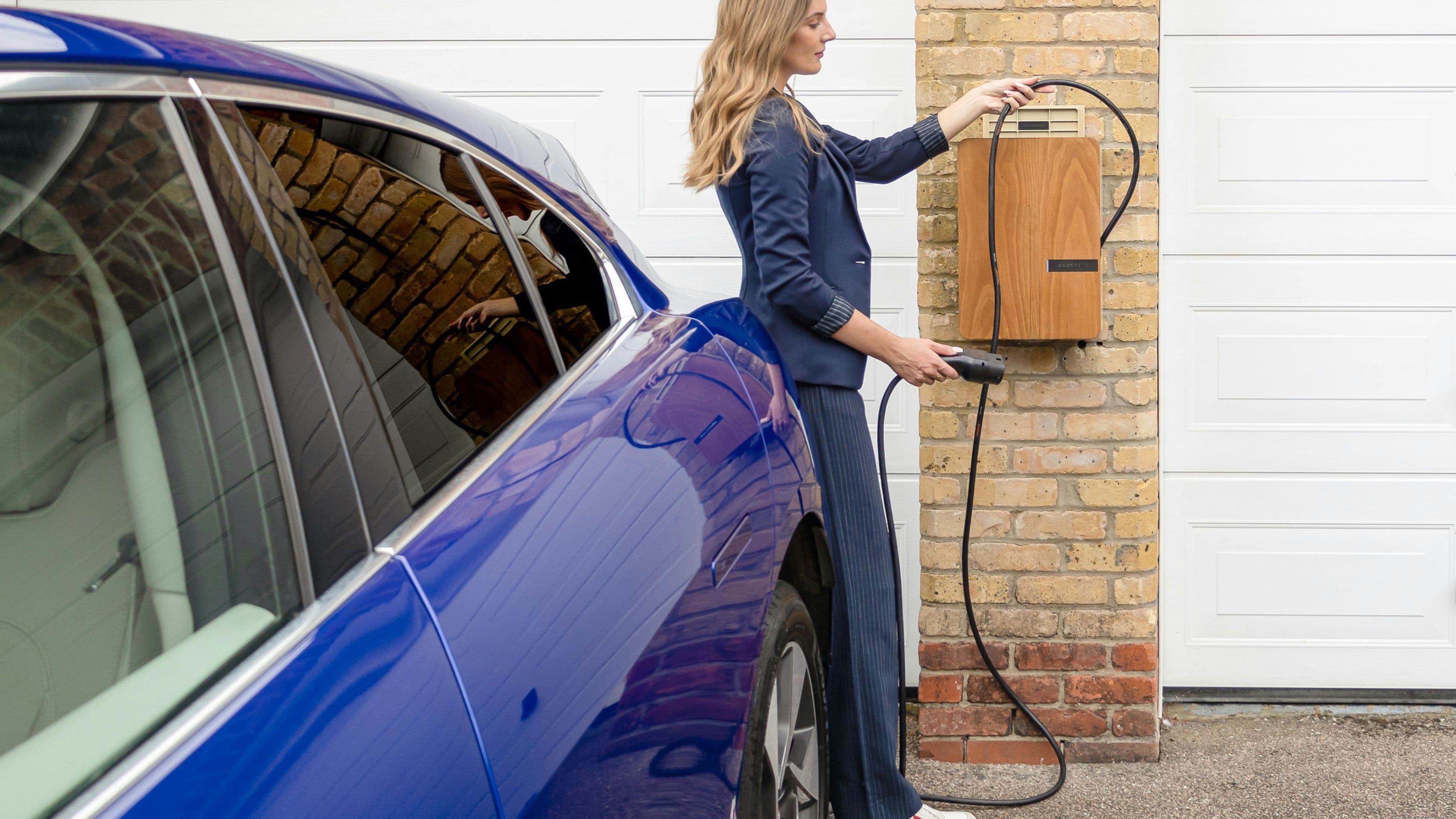
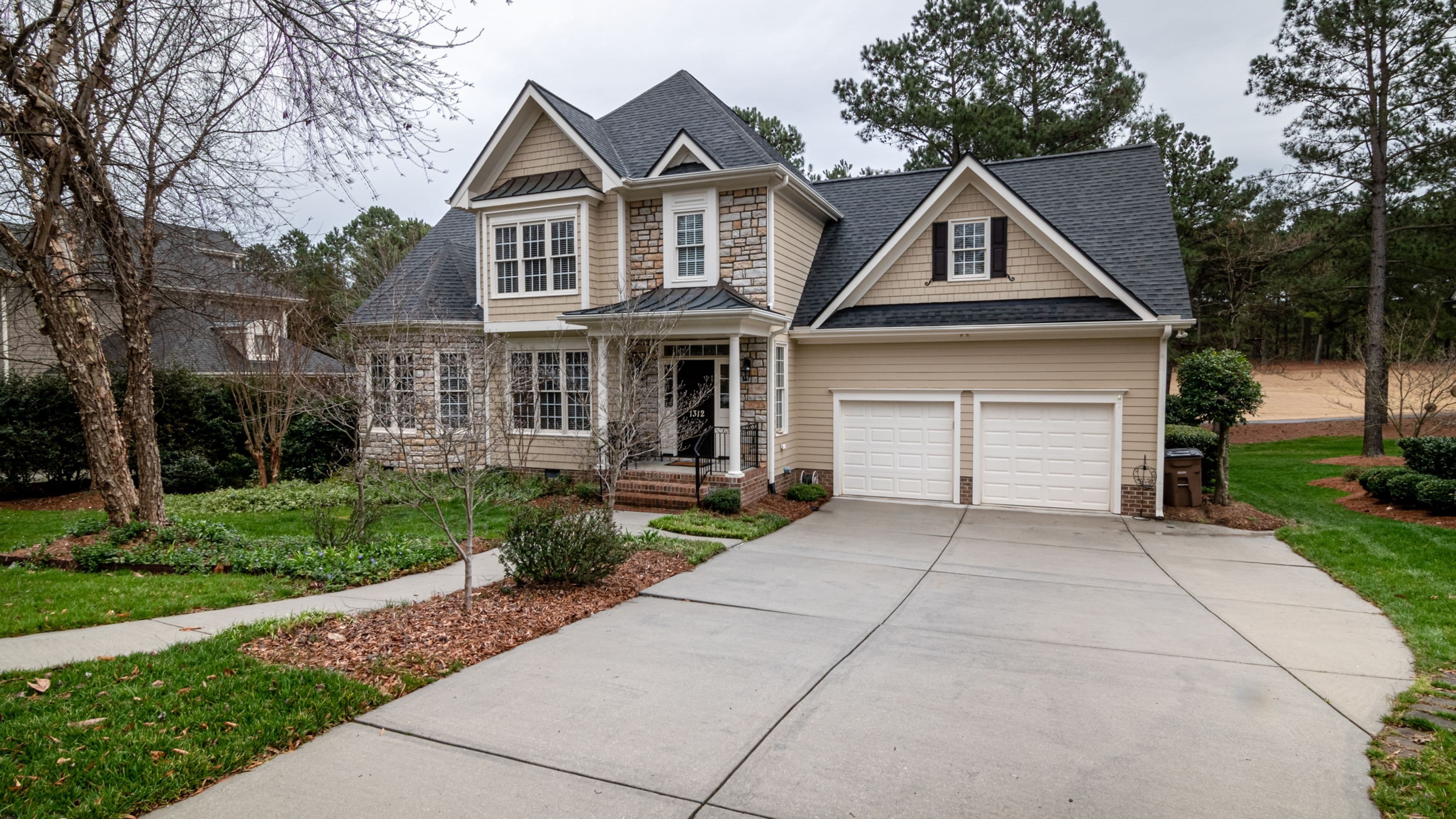
An attached garage installation is almost always the simpler and cheaper option. The panel is nearby, the wire run is short, and everything is typically accessible through unfinished garage ceiling or wall space.
A detached garage changes the picture. Getting power from your home's main panel to a detached structure requires either an overhead line (if code permits and the distance is suitable) or – more commonly – a buried conduit run underground. This involves trenching, conduit, weatherproof connections, and in many cases a small subpanel in the detached garage to properly handle the load. Detached garage EV charger installations commonly run $800–$2,000 for the electrical work alone, depending on distance and local code requirements.
If you're planning a detached garage install, get at least two quotes and make sure each electrician has walked the route and accounted for trenching in their estimate.
Tax Credits and Utility Rebates: Real Money Back
The federal Alternative Fuel Vehicle Refueling Property Credit covers 30% of both equipment and installation costs for home EV charging, up to $1,000. This credit is currently available through 2032 under the Inflation Reduction Act and is claimed on IRS Form 8911. On a $900 all-in installation, that's $270 back at tax time – worth keeping receipts for.
Many utility companies also offer installation rebates, sometimes substantial ones. Pacific Gas & Electric, Duke Energy, Eversource, and many others run programs offering $100–$500 rebates on home EV charger installation, and some utilities subsidize the installation through vetted program installers at a significantly reduced rate. Check your utility's website or call their customer service line before scheduling an electrician – these rebates often require the installation to be done through a program-approved contractor.
Between the federal credit and a utility rebate, it's realistic to recover $300–$700 of your installation cost, which meaningfully changes the net out-of-pocket math.
Getting an Accurate Quote: What to Ask
Before calling electricians, know these four things about your setup: where your electrical panel is located, how far it is from where you want the charger, whether walls between them are finished or unfinished, and whether your garage is attached or detached. These four facts let an electrician give you a grounded estimate rather than a range wide enough to be useless.
When comparing quotes, confirm that each one includes the permit fee and inspection, the circuit breaker, all wire and conduit materials, and the outlet or hardwired connection for the charger. Some quotes are labor-only and require you to supply materials separately – that's fine, just make sure you're comparing apples to apples across multiple bids.
Get at least two quotes, preferably three. Prices vary more than you'd expect even for identical jobs, and a second quote often reveals whether your first one was reasonable or inflated.
Common Mistakes That Add to the Cost
Buying the charger before consulting an electrician is a common one. The charger amperage you can install depends on what your panel can support and how the circuit is sized – buying a 48-amp charger before the electrician confirms your panel can handle a 60-amp circuit for it means you might end up with hardware that doesn't fit the installation.
Not asking about the permit upfront leads to surprises later. Some homeowners are caught off guard when they find out the permit requires an inspection, which adds a few days to the timeline. Knowing this at the start lets you plan around it.
Assuming the job is simple without checking the panel is another one. A quick look at your panel before calling for quotes helps you flag potential issues early – if you see that most breaker slots are occupied or that it's a 100-amp panel in an older home, you'll know to budget for a possible upgrade.
FAQ
What's the average cost to install a Level 2 EV charger at home? For a standard attached garage installation with a panel in good condition, most homeowners pay $600–$1,200 all-in including charger hardware, labor, and materials. Simple jobs come in under $700; complex runs or panel issues push costs higher.
Does the type of charger affect installation cost? The charger hardware cost varies ($150–$500), but the installation cost is driven more by your panel and wire run than by the charger itself. A plug-in model using a NEMA 14-50 outlet may cost slightly less to install than a hardwired unit since the outlet can be reused for other purposes later, but the difference is modest.
Can I install just the NEMA 14-50 outlet myself and plug in the charger? Adding a new 240V outlet requires a new circuit from your panel, which involves working inside the panel – work that requires a licensed electrician in most jurisdictions. The outlet installation itself isn't DIY territory for most homeowners. If a compatible outlet already exists in your garage, plugging in a Level 2 charger yourself is perfectly reasonable.
How long does the installation take? Most standard installations are completed in 2–4 hours. More complex jobs run 4–8 hours. Permit scheduling may extend the overall timeline by a week or two from first contact to final inspection, though the actual installation day is typically fast.
Does a Level 2 charger increase my electric bill significantly? It depends on how much you drive and your utility rate. Charging an average EV from empty to full costs roughly $8–$15 at typical US electricity rates. Most EV owners add $30–$60 per month to their electric bill, which is still significantly less than what they were spending on gas.
📚 Sources
U.S. Department of Energy – Charging at Home: https://afdc.energy.gov/fuels/electricity_charging_home.html
IRS – Alternative Fuel Vehicle Refueling Property Credit (Form 8911): https://www.irs.gov/credits-deductions/alternative-fuel-vehicle-refueling-property-credit
U.S. Department of Energy – Electric Vehicle Charging Equipment: https://afdc.energy.gov/laws/electricity
Eversource – EV Charging Rebate Program: https://www.eversource.com/content/residential/products-services/electric-vehicles/charging-at-home
HomeAdvisor – EV Charger Installation Cost Guide: https://www.homeadvisor.com/cost/garages/install-an-ev-charging-station/