
Why This Matters More Than People Realize
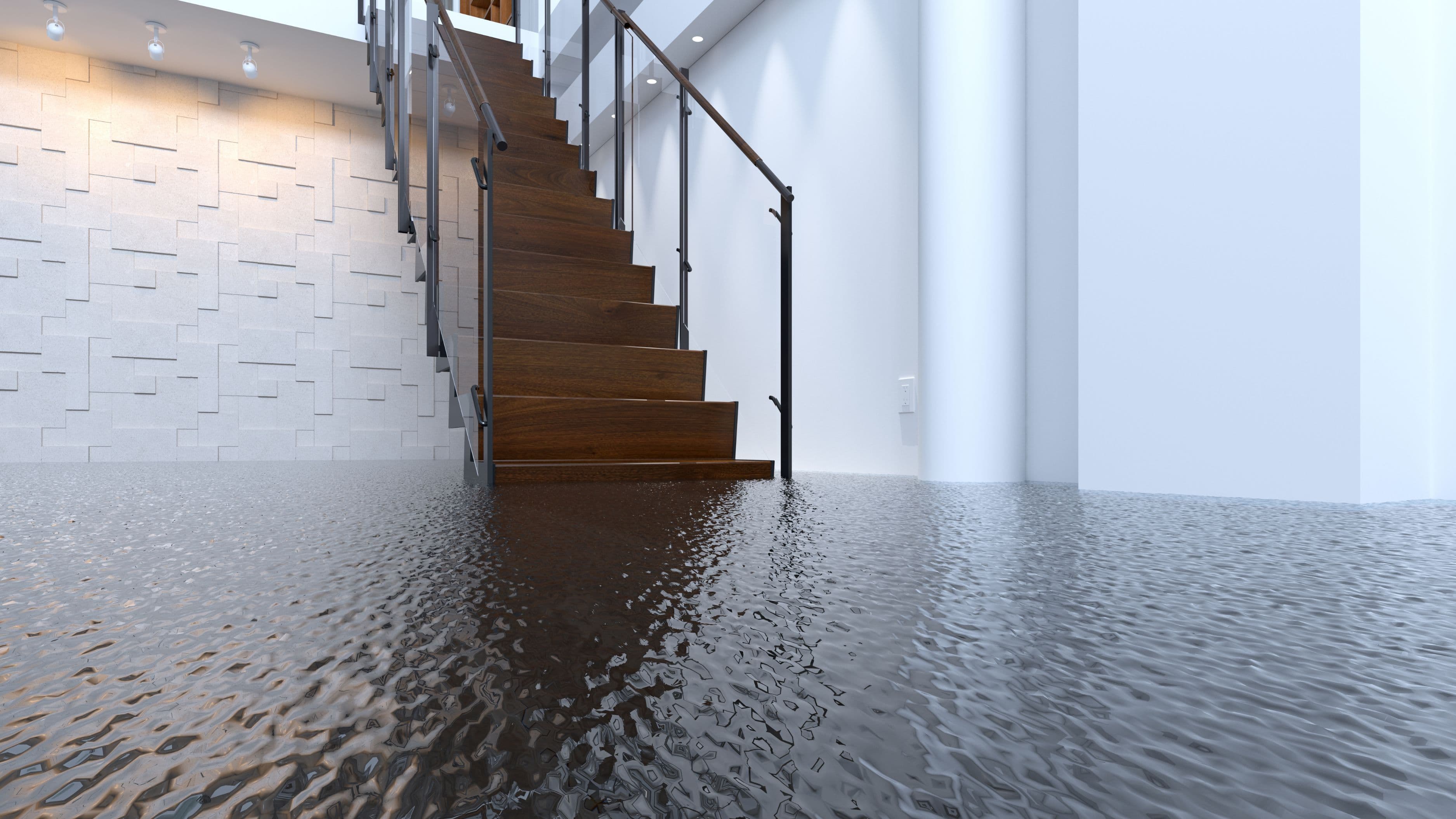
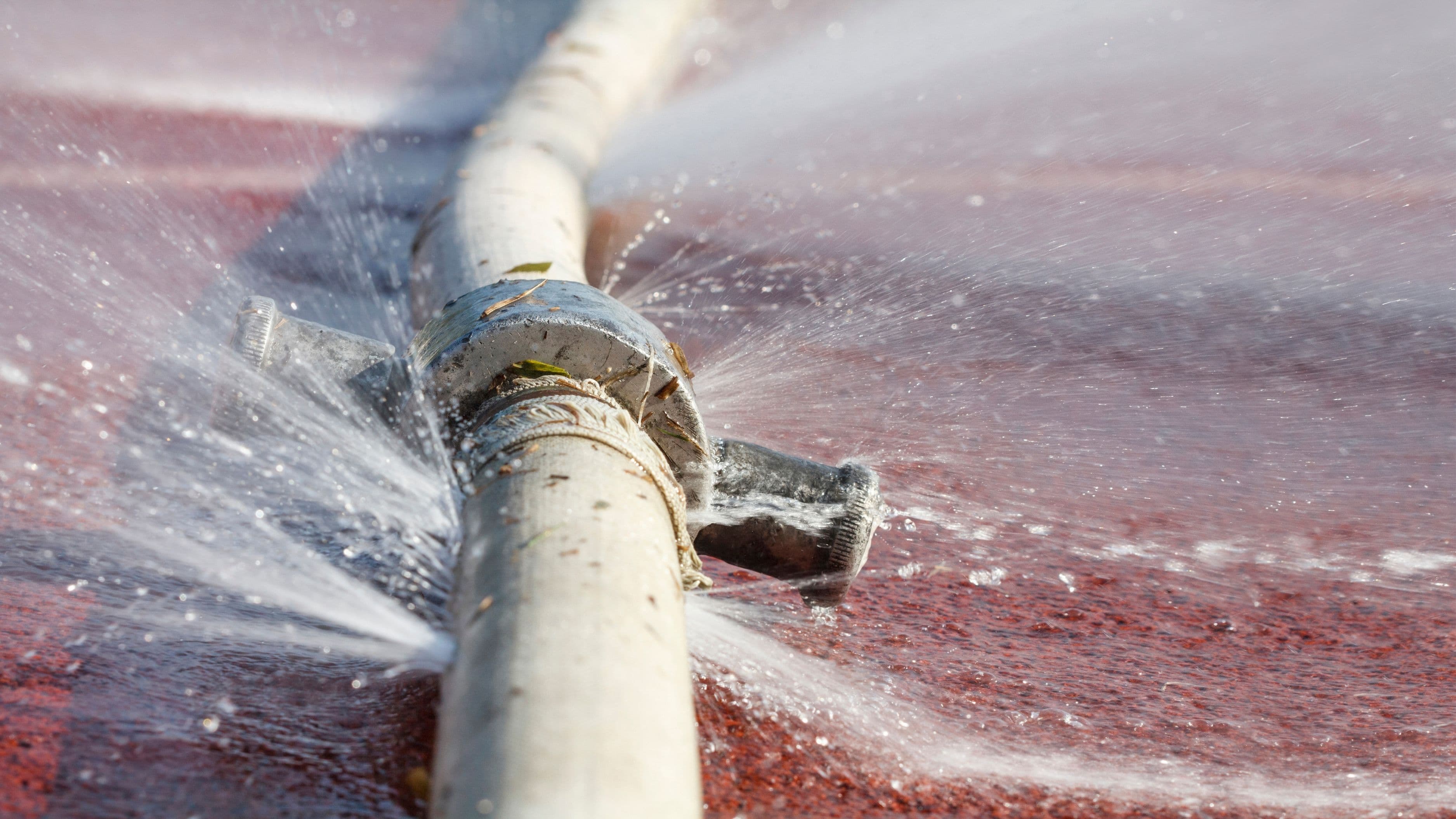
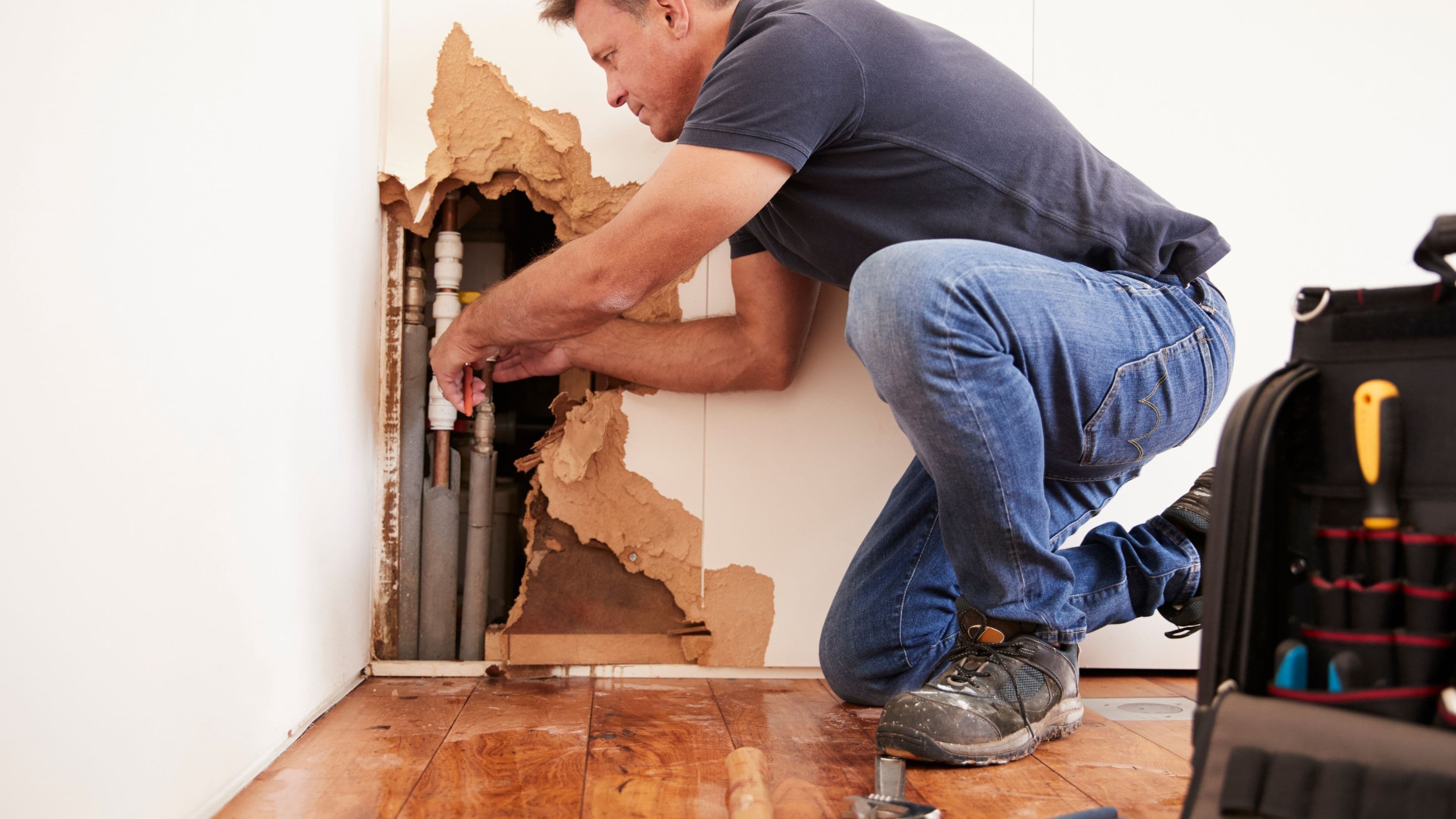
When a pipe bursts, a supply line fails, or a fixture malfunctions, the single most important action you can take is shutting off the water supply to stop the flooding at its source. Every minute spent searching for the shutoff valve during an active leak is a minute of additional water damage to your floors, walls, and belongings. Knowing exactly where it is – and confirming it actually works – before you ever need it removes that entire search-and-panic phase from a genuine emergency.
Step 1: Check Common Locations Based on Your Home Type
Where your main shutoff valve is located depends heavily on your home's construction and region.
Homes with basements: The main shutoff is typically located where the water line enters the house, often near the front of the basement, close to the water meter if you have one indoors.
Homes on a slab foundation: Look near the water heater, in a utility closet, or occasionally in an exterior box near where the water line enters the house from the street.
Homes in warmer climates (no basement): The shutoff is frequently located outside, near an exterior wall closest to the street-facing side of the house, sometimes inside a small concrete box with a metal or plastic lid at ground level.
Homes with a crawl space: Check near the perimeter wall closest to the street, where the main water line typically enters the structure.
Step 2: Look Near the Water Meter
If you have a visible water meter, either inside your home or in a box near the curb, the main shutoff valve is often located very close to it, typically on the house side of the meter. This is one of the most reliable general rules if you're unsure where else to look.
Step 3: Identify the Valve Type
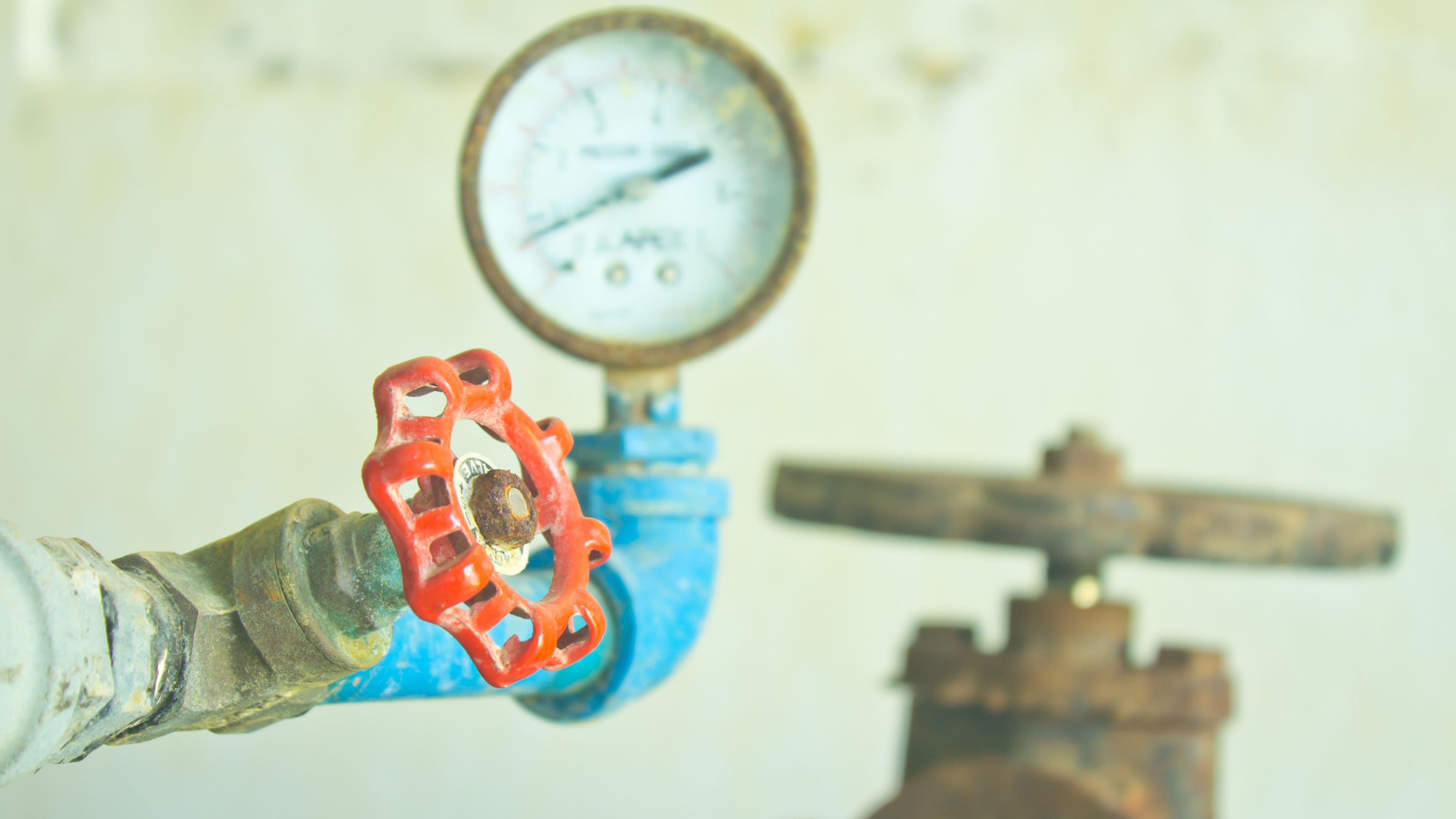
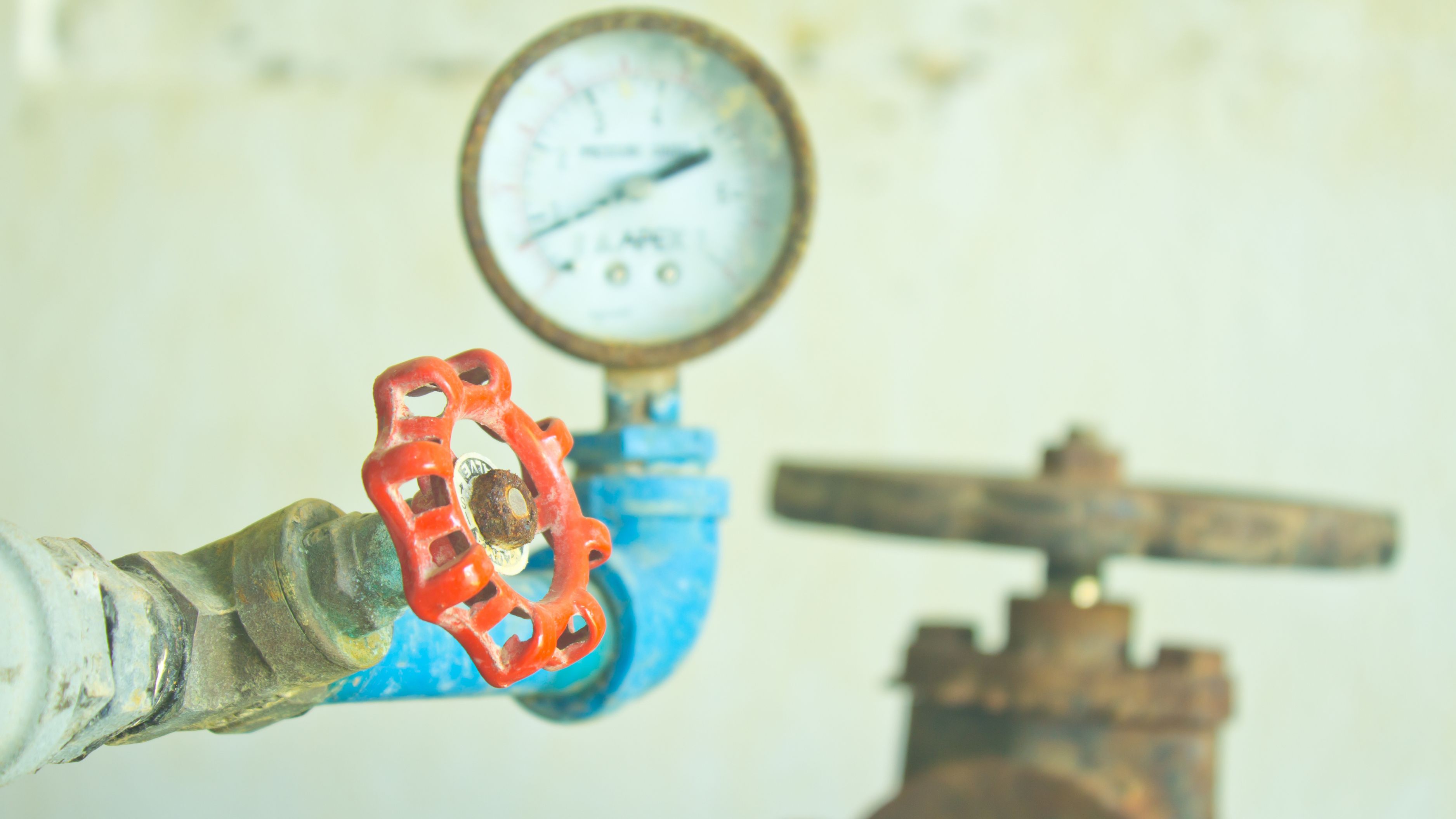
Once you've located a valve you believe is the main shutoff, identify what type it is, since this affects how you'll operate it during an emergency. A gate valve has a round wheel-style handle that you turn multiple times to fully close. A ball valve has a lever-style handle that you turn a quarter turn (90 degrees) to shut off completely. Knowing which type you have means you won't waste precious time during an emergency trying to figure out how it operates.
Step 4: Test It (Carefully) Before You Need It
This step is genuinely worth doing, not skipping. Turn the valve to the fully closed position, then run a faucet somewhere in the house to confirm the water flow actually stops. This confirms two important things: that you've correctly identified the main shutoff, and that the valve itself isn't stuck or seized from years of not being used, which is a surprisingly common issue in older homes.
If the valve is difficult to turn or doesn't fully stop the water flow, this is worth addressing now, while it's a planned test, rather than discovering it during an actual emergency when a stuck valve becomes a much bigger problem.
Step 5: Make Sure Everyone in the Household Knows the Location
Once you've confirmed the valve's location and tested that it works, walk other members of your household through where it is and how to operate it. During an actual emergency, whoever's home when it happens needs to be able to act immediately, not wait for someone else to arrive or explain the location over the phone.
Step 6: Label It Clearly
Consider attaching a simple tag or label near the valve indicating "Main Water Shutoff" along with a note on which direction to turn it. This small step removes any hesitation or confusion during a stressful moment, especially for anyone in the household less familiar with home systems.
What to Avoid
Don't assume the valve nearest your water heater is automatically the main shutoff – some homes have a separate valve just for the water heater itself, distinct from the main house shutoff, and turning off the wrong one during an emergency wastes critical time. Avoid using excessive force if a valve feels stuck; forcing it can crack aging pipe fittings and create a second, more urgent leak in the middle of dealing with the first one. If a valve feels seized or won't budge with reasonable pressure, this is worth having a plumber address proactively rather than during an emergency.
When to Call a Professional
If you can't confidently locate your main shutoff valve after checking these common locations, or if a valve you find is stuck, corroded, or doesn't fully stop water flow when tested, this is a reasonable and inexpensive service call for a plumber. Confirming this now, while nothing is actively going wrong, is far better than discovering the problem for the first time mid-emergency.
FAQ
What if I have well water instead of a municipal supply? Homes on well systems typically have a shutoff valve near the pressure tank, usually located in a basement, utility room, or well house, rather than near a street-facing water meter.
Is it normal for the main shutoff to be hard to turn if it hasn't been used in years? It's common for valves to become stiff from mineral buildup or corrosion if they haven't been operated in a long time, which is exactly why testing it now, rather than waiting for an emergency, matters so much.
Should I shut off my main water valve when I go on vacation? Many homeowners do this specifically to prevent damage from an undetected leak while they're away, and it's a reasonable practice as long as you're comfortable turning the water back on correctly when you return.
📚 Sources
This Old House – How to Shut Off Water in Your Home – https://www.thisoldhouse.com/plumbing
American Red Cross – Home Emergency Preparedness Guide – https://www.redcross.org/get-help/how-to-prepare-for-emergencies.html