
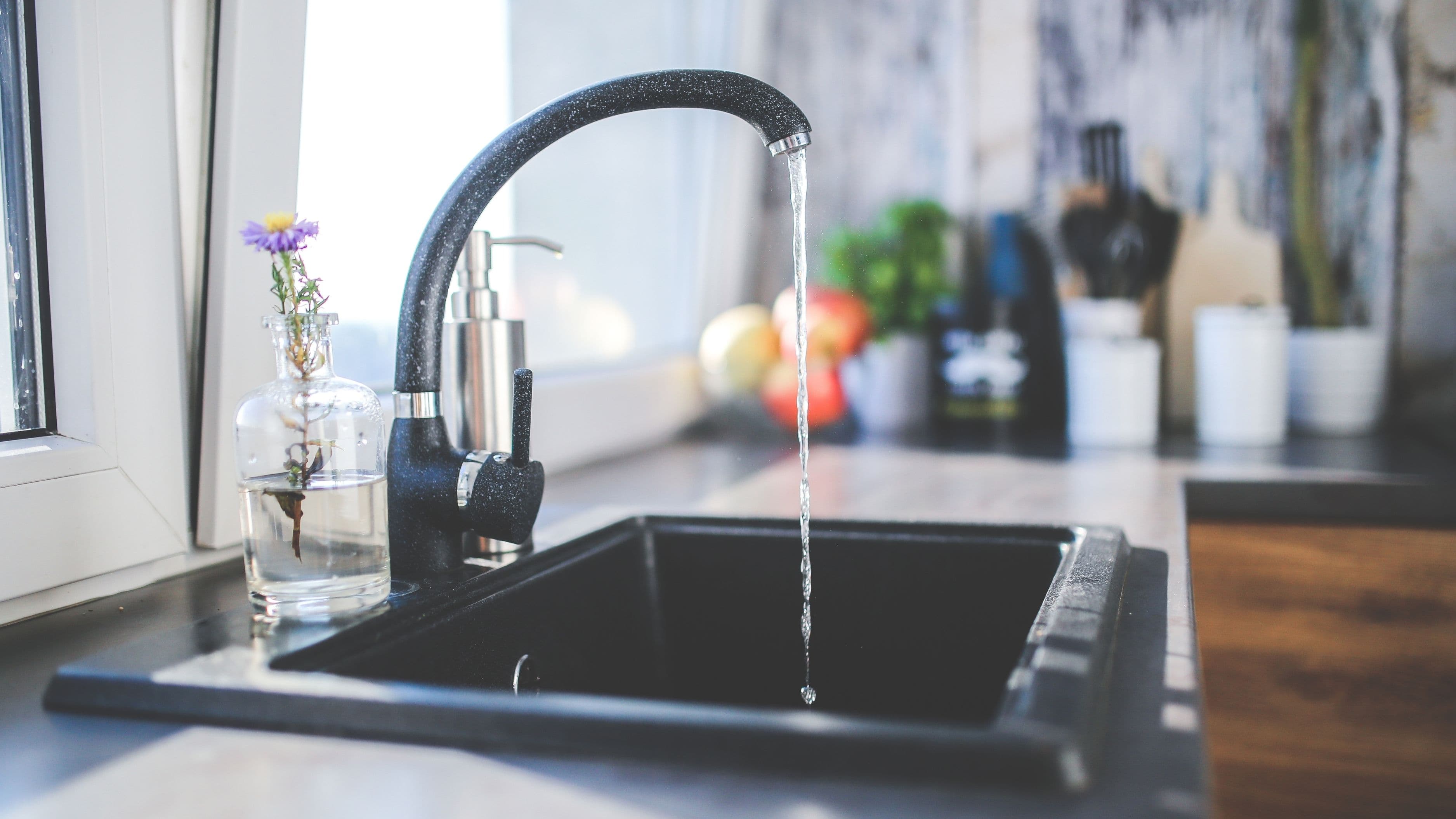
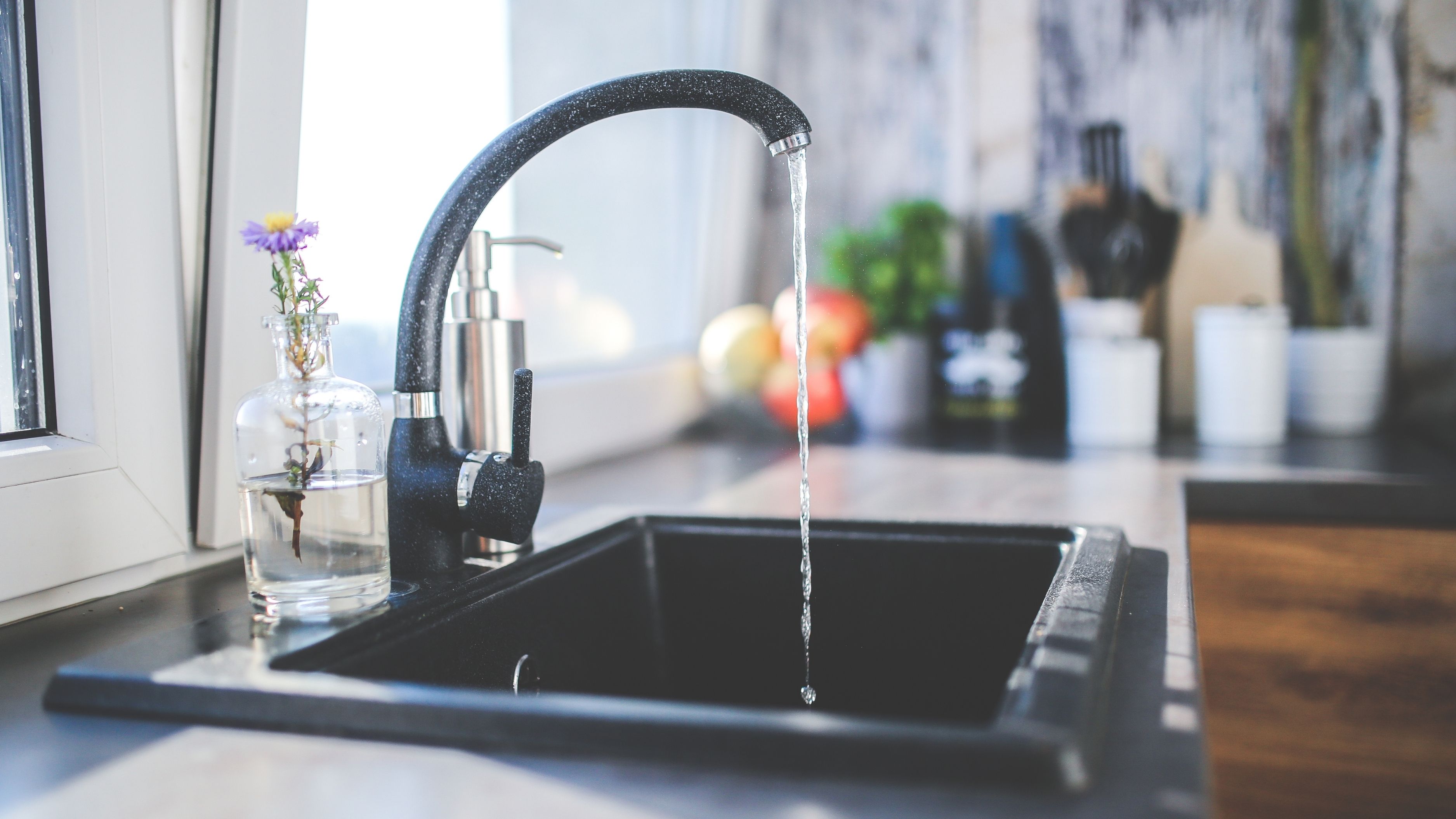
Low pressure at a single faucet typically comes down to four things: a clogged aerator, a partially closed shutoff valve, a worn or failing cartridge, or a blocked supply line. Here's how to work through each one, starting with the easiest and most common.
Check the Aerator First – It's the Most Common Cause
The aerator is the small screen fitting screwed onto the tip of the faucet spout. Its job is to mix air into the water stream, reducing splash and controlling flow. Over time – especially in homes with hard water – mineral deposits, sediment, and debris build up inside the aerator screen and restrict flow. The result is a weak, reduced stream even though your water pressure behind the wall is perfectly fine.
This is the first thing to check because it's fast, free, and more often than not the entire problem. To remove the aerator, grip the faucet tip with your fingers and turn counterclockwise. If it's on tight, wrap the spout tip with a cloth first to protect the finish, then use pliers to loosen it. Once it's off, you'll see a small screen (and sometimes a rubber washer or plastic insert stacked inside). Hold the aerator up to the light – if the screen is clogged with white or brown mineral buildup, that's your culprit.
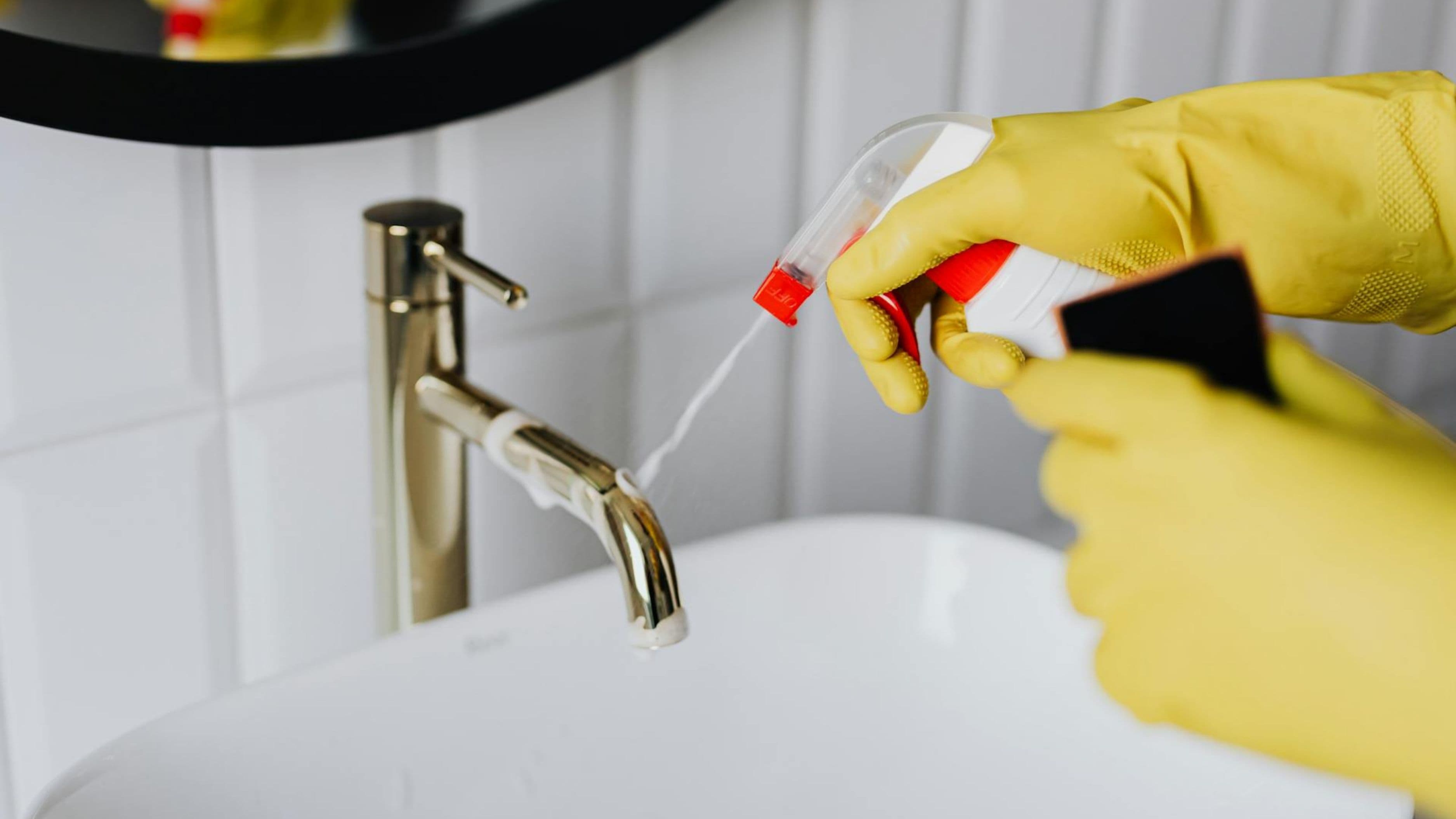
To clean it, soak the aerator in white vinegar for 15–30 minutes, then scrub gently with an old toothbrush. Rinse thoroughly and reassemble. If the screen is damaged or too corroded to clean properly, replacement aerators are available at any hardware store for $3–8 and screw right on. Before reassembling, turn the faucet on briefly to flush any debris out of the spout itself, then reinstall. In many cases, this alone restores full pressure.
Check the Shutoff Valve Under the Sink
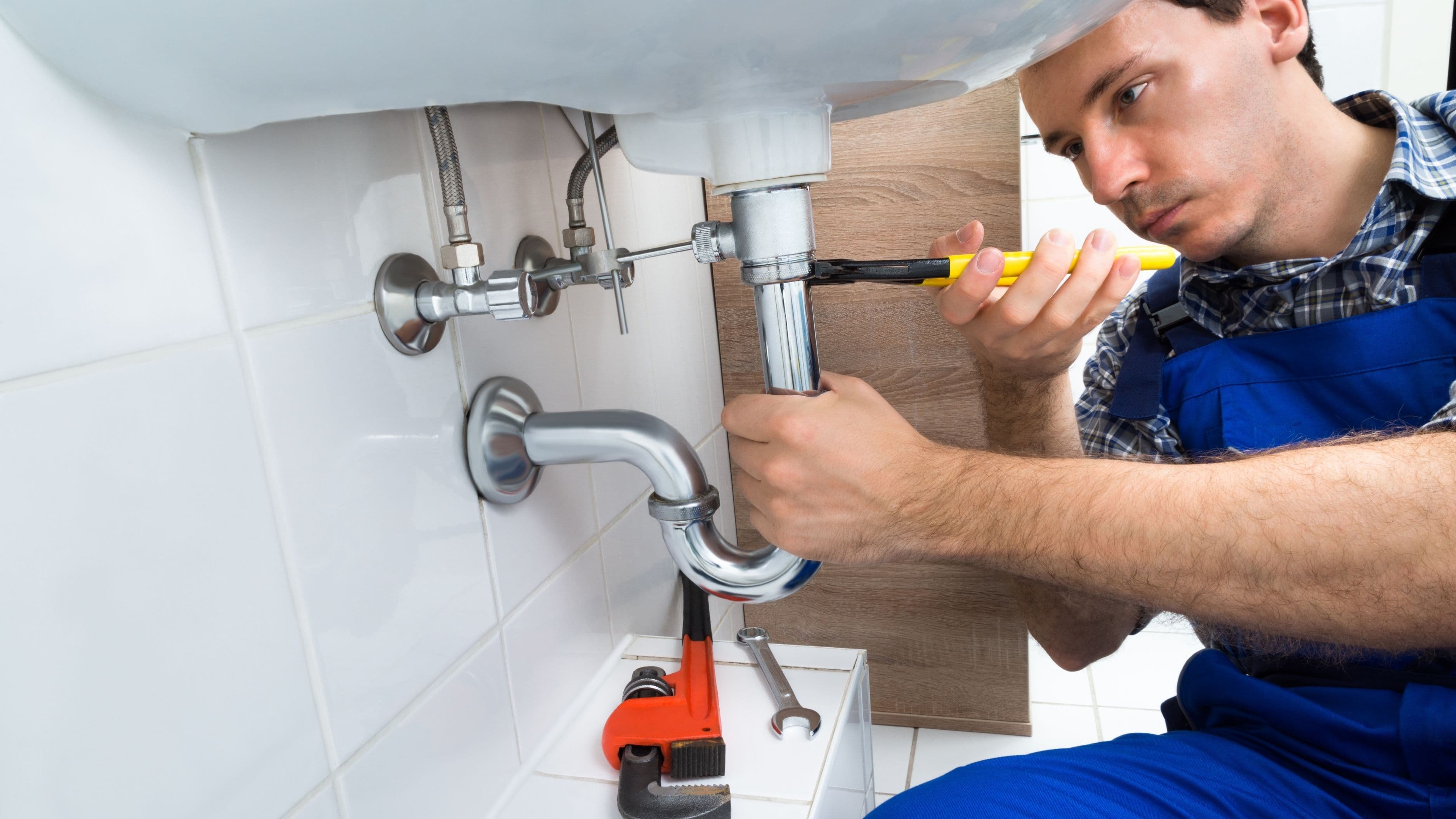
Every faucet has a supply shutoff valve – usually two of them (one for hot, one for cold) – located under the sink on the supply lines. These valves are sometimes accidentally nudged partially closed during cleaning, after repairs under the sink, or by items stored in the cabinet. A valve that's even slightly closed can cut flow noticeably.
Find the valves under the sink and make sure both are fully open. For oval-shaped (compression) valves, turn counterclockwise until they stop. For ball valves (the type with a lever handle), the lever should be parallel to the pipe when fully open – if it's at any angle to the pipe, it's partially or fully closed. Open both valves completely, then test the faucet again. If pressure improves, you found the fix.
Inspect the Faucet Cartridge or Valve Stem
If the aerator is clean and the shutoff valves are fully open, the next likely cause is a worn or debris-clogged cartridge inside the faucet body. The cartridge is the internal valve mechanism that controls water flow and temperature when you move the handle. Over time, the rubber O-rings and washers inside can wear down or debris can settle into the cartridge and restrict flow.
A failing cartridge usually produces one of two patterns: either uniformly low pressure on both hot and cold (which points to a single-handle cartridge issue), or reduced pressure on only one temperature (hot or cold), which points to the cartridge on that side or a problem with that supply line specifically.
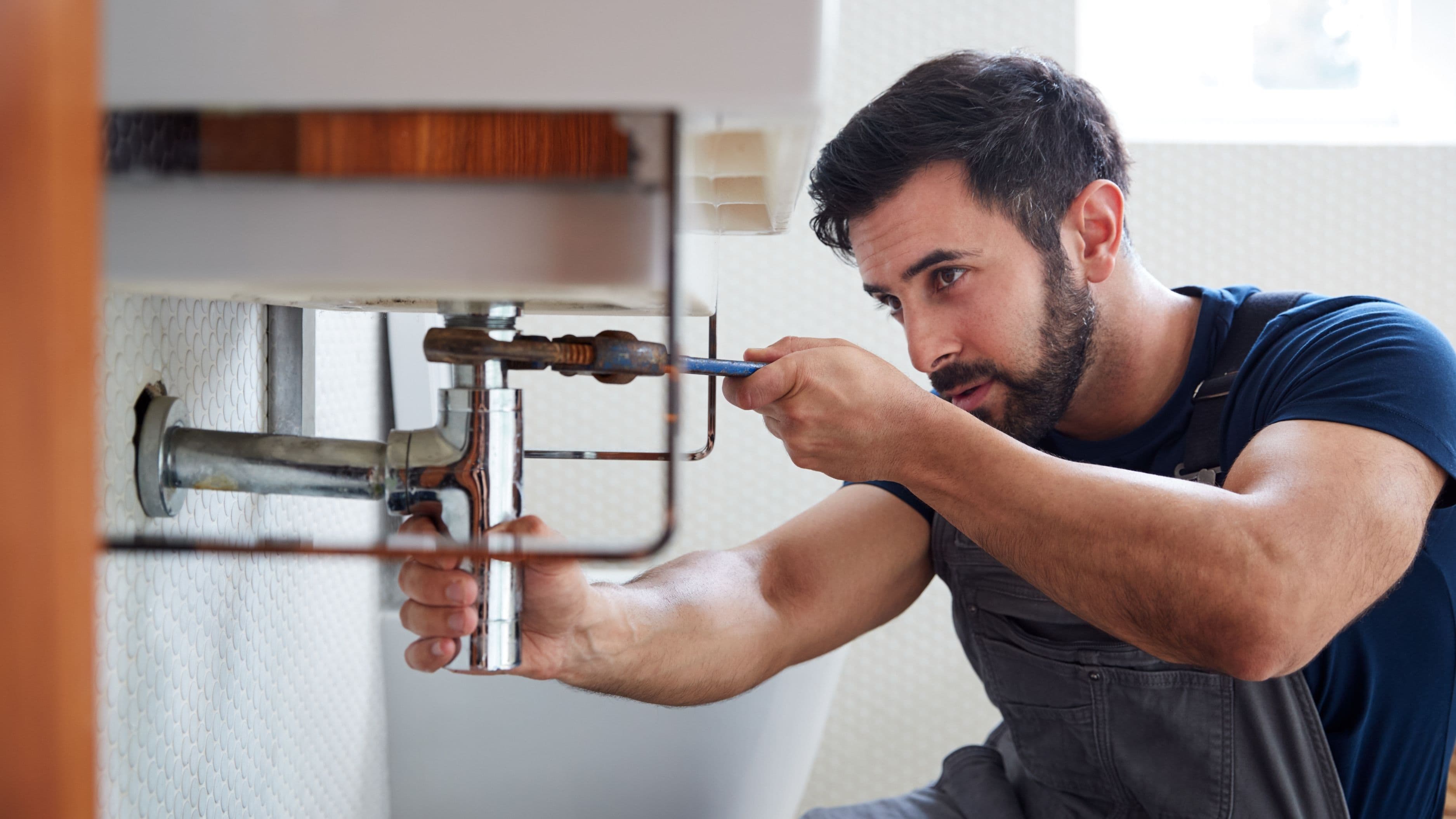
Replacing a cartridge is a more involved repair than cleaning an aerator, but it's still manageable for most DIYers. The process is: turn off the shutoff valves under the sink, remove the faucet handle (usually one screw under a decorative cap), pull out the old cartridge, and install a new one. The key is getting an exact-match replacement – bring the old cartridge to the hardware store or look up your faucet's brand and model to confirm the compatible cartridge number. Faucet manufacturers like Moen, Delta, and Kohler also have detailed installation guides on their websites for every cartridge they make.
Check the Supply Lines for Kinks or Blockages
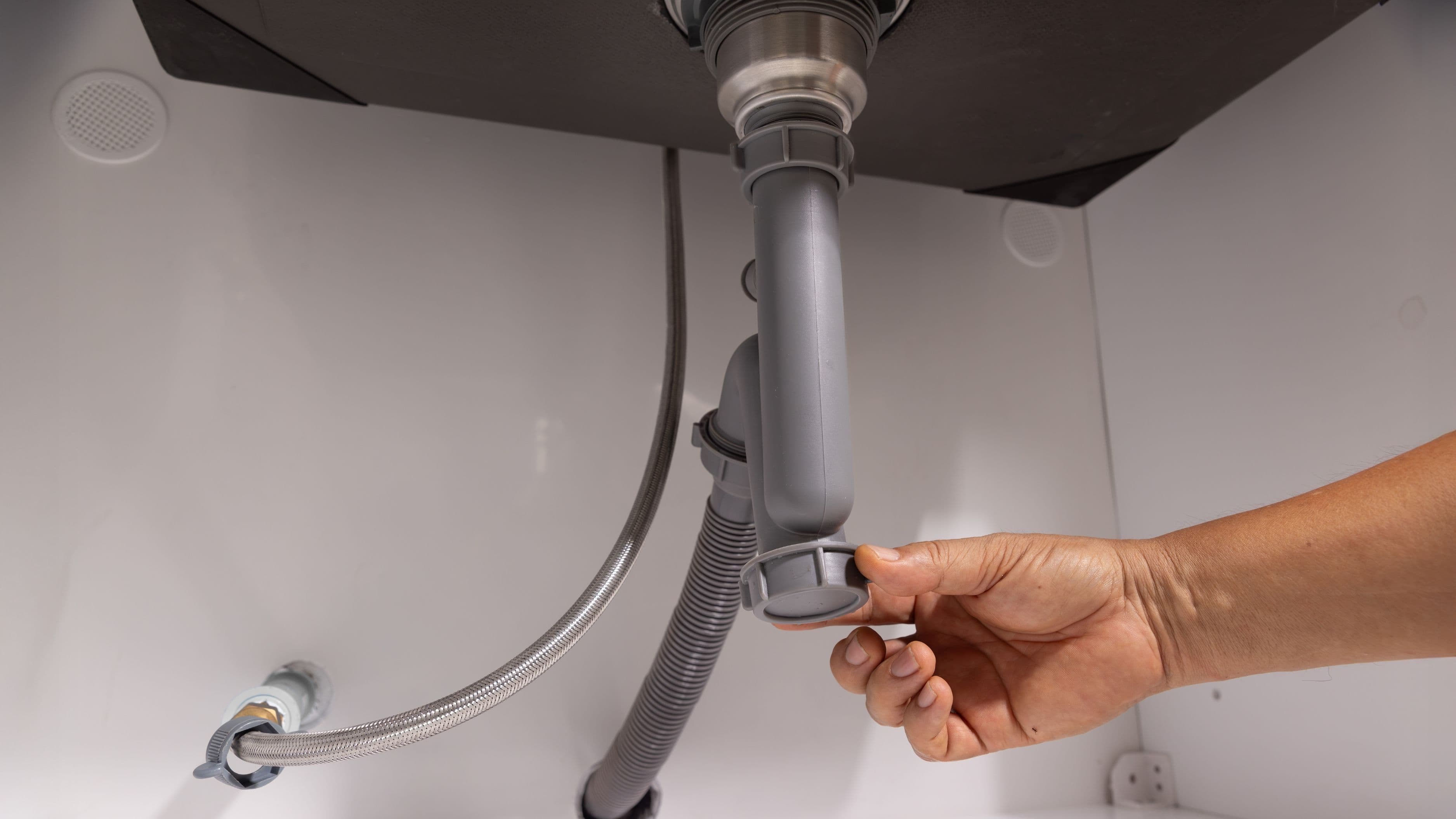
The flexible braided supply lines that run from the shutoff valve up to the faucet can develop internal blockages or physical kinks that restrict flow – particularly in older homes where the supply lines are original. This is less common than the other causes but worth checking if the above steps haven't resolved the issue.
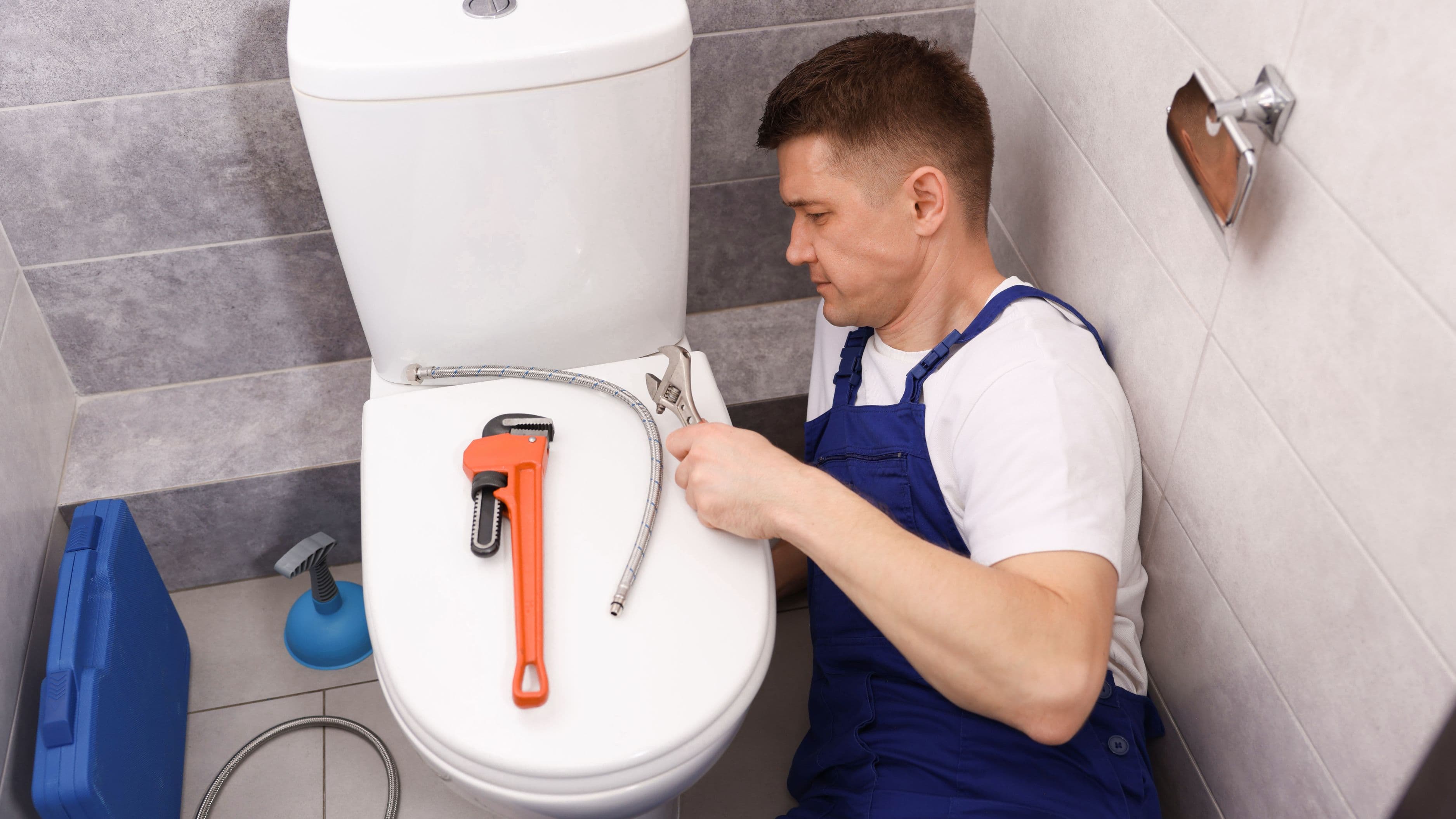
Turn off the shutoff valves, then disconnect the supply line from the faucet inlet and place the end in a bucket. Briefly open the shutoff valve – if you get strong flow into the bucket, the line is clear and the restriction is in the faucet itself. If flow from the line is also weak, the line may be kinked, partially blocked, or the shutoff valve itself may be faulty.
Replacement braided supply lines are inexpensive ($5–15 depending on length) and straightforward to install – they're just hand-tight compression fittings at each end. If your supply lines are more than 10 years old or show any signs of corrosion at the fittings, replacing them is good preventive maintenance regardless.
Hot Water Only? Check the Water Heater Shutoff
If the low pressure is only on the hot side at a specific faucet, one additional thing to check is the shutoff valve on top of your water heater. This valve controls hot water flow to the entire house, and if it's not fully open, you may notice reduced hot water pressure that's most noticeable at fixtures farther from the heater. It's worth verifying it's completely open before assuming the problem is isolated to the faucet itself.
When the Problem Is Sediment in the Supply Line
In older homes with galvanized steel pipes, corrosion and sediment can build up inside the pipes themselves over decades, gradually narrowing the internal diameter and reducing flow. If you've cleaned the aerator, checked the valves, and confirmed the supply lines are clear but pressure is still weak, sediment buildup inside the pipe serving that faucet is a possibility.
You can test for this by removing the supply line and checking whether flow from the stub-out (the pipe coming out of the wall) is strong or weak. Strong flow from the stub-out means the pipe is clear and the restriction is in the faucet or supply line. Weak flow from the stub-out points to the pipe itself, which is a more involved repair that may warrant a plumber – particularly if your home has older galvanized plumbing throughout.
Common Mistakes to Avoid
Skipping the aerator check. It's tempting to jump straight to cartridge replacement, but a clogged aerator is responsible for the majority of single-faucet pressure complaints. Clean it first – it takes five minutes and costs nothing.
Over-tightening the aerator. When reinstalling a cleaned or new aerator, hand-tight is sufficient. Over-tightening can crack the aerator housing or damage the threads on the faucet spout, turning a five-minute fix into a bigger repair.
Using the wrong replacement cartridge. Cartridges are not universal. Installing an incompatible cartridge can result in continued low pressure, leaks, or a handle that doesn't function correctly. Always confirm your faucet model before buying.
Forgetting to flush debris before reassembling. Whenever you remove the aerator or disconnect supply lines, turn the water on briefly before reassembling to flush any loose sediment or debris out of the line. Reassembling without flushing can push that debris directly into the new component.
When to Call a Plumber
Most single-faucet pressure issues are fixable without professional help. Call a plumber if:
Flow from the wall stub-out itself is weak, which indicates a problem inside the pipe rather than at the fixture
The shutoff valve under the sink won't turn or is visibly corroded – forcing a stuck valve can break it, and a failed shutoff valve with water running is an emergency
You're seeing discolored water or sediment coming from the faucet, which may indicate pipe corrosion that needs assessment
The faucet is very old and replacement parts are no longer available – at that point, replacing the faucet entirely is often more practical than attempting to repair it
FAQ
What if both hot and cold pressure are low at the same faucet? If both are affected equally, a clogged aerator or a single-handle cartridge issue is most likely. Work through the aerator check first, then the cartridge if that doesn't resolve it.
Could the pressure reducing valve (PRV) cause low pressure at just one faucet? The PRV is a whole-house device that reduces incoming street pressure to a safe level for your plumbing. If it's failing, you'd typically see low pressure at multiple fixtures, not just one. A single-faucet pressure problem almost always has a localized cause.
My faucet pressure was fine until recently – what changed? A sudden change in pressure at a single faucet often means debris has dislodged from somewhere in the supply line and lodged in the aerator or cartridge. Clean the aerator first. If you recently had work done on the water main or any plumbing elsewhere in the house, sediment disturbance is a likely culprit.
Does faucet brand affect how I approach this? The diagnostic process is the same regardless of brand. Where brand matters is in finding the right replacement cartridge – Moen, Delta, Kohler, and Price Pfister all use proprietary cartridges, so you'll need to identify your specific faucet model to source the right part.
Can low pressure damage my faucet or plumbing? Low pressure itself doesn't cause damage. However, if a failing cartridge is the cause and it's allowed to wear further, it can develop into a leak. It's worth addressing promptly rather than ignoring it.
The Bottom Line
Single-faucet low pressure is almost always something you can fix yourself in under an hour. Start with the aerator – clean or replace it. Confirm the shutoff valves are fully open. If neither of those solves it, a cartridge replacement is the next step. Work through them in order, and the large majority of cases resolve before you need to look further. If you're still stuck after those three checks, that's when it's worth taking a closer look at the supply lines and wall stub-out flow – and calling in a plumber if the problem traces back inside the wall.
📚 Sources
EPA WaterSense – Faucet Efficiency and Maintenance: https://www.epa.gov/watersense/bathroom-faucets
Family Handyman – How to Fix Low Water Pressure: https://www.familyhandyman.com/project/how-to-fix-low-water-pressure/
This Old House – Faucet Repair and Maintenance: https://www.thisoldhouse.com/plumbing/21016053/how-to-fix-a-leaky-faucet
Moen – Faucet Cartridge Replacement Guides: https://www.moen.com/support/how-to-videos
Delta Faucet – Repair Parts and Installation Resources: https://www.deltafaucet.com/customer-service/technical-support