
Understanding What You're Maintaining
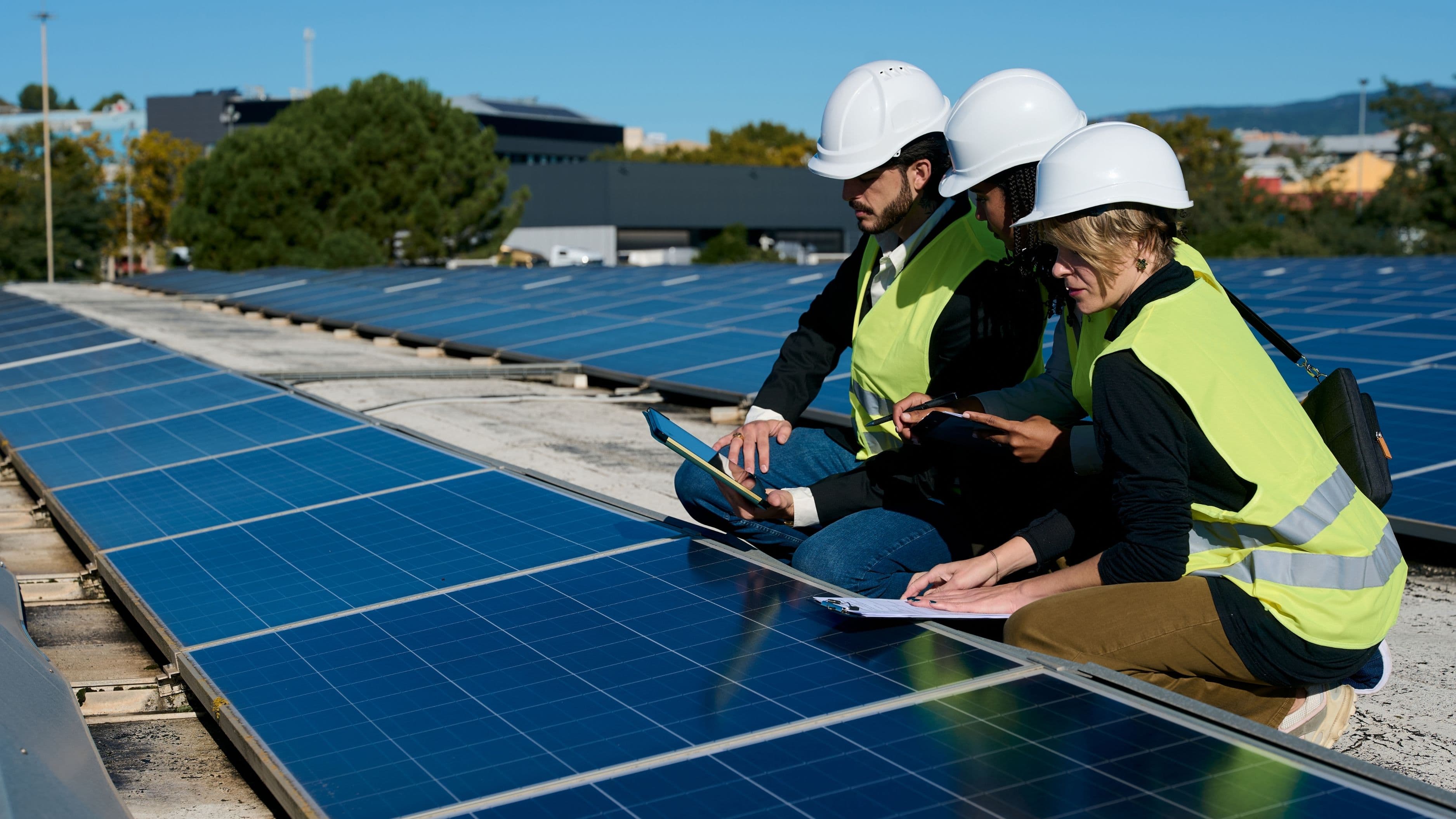
Most residential solar battery systems today use lithium iron phosphate (LFP) chemistry, which is more stable and requires less active maintenance than older lead-acid battery systems. This is good news for homeowners, since it means most of what you're doing is monitoring and light upkeep rather than hands-on physical maintenance like checking fluid levels, which older battery types required.
That said, even maintenance-friendly lithium battery systems benefit from routine attention to temperature conditions, software updates, and connection integrity, since these factors affect both performance and long-term battery lifespan even when the battery itself doesn't need physical servicing.
Step 1: Monitor Temperature Conditions
Difficulty: easy | Estimated cost: free | Frequency: ongoing awareness, checked seasonally
Battery performance and lifespan are directly affected by ambient temperature, with most manufacturers specifying an ideal operating range, typically between 50 and 85 degrees Fahrenheit for most residential lithium battery systems. Batteries installed in an uninsulated garage or an exterior wall exposed to direct summer sun face more temperature stress than those in a climate-controlled or shaded location.
If your battery system was installed in a location prone to temperature extremes, consider whether additional shading, ventilation, or minor insulation could reduce that stress, since consistently operating outside the ideal temperature range accelerates capacity degradation over time.
Step 2: Keep Firmware and Software Updated
Difficulty: easy | Estimated cost: free | Frequency: check quarterly
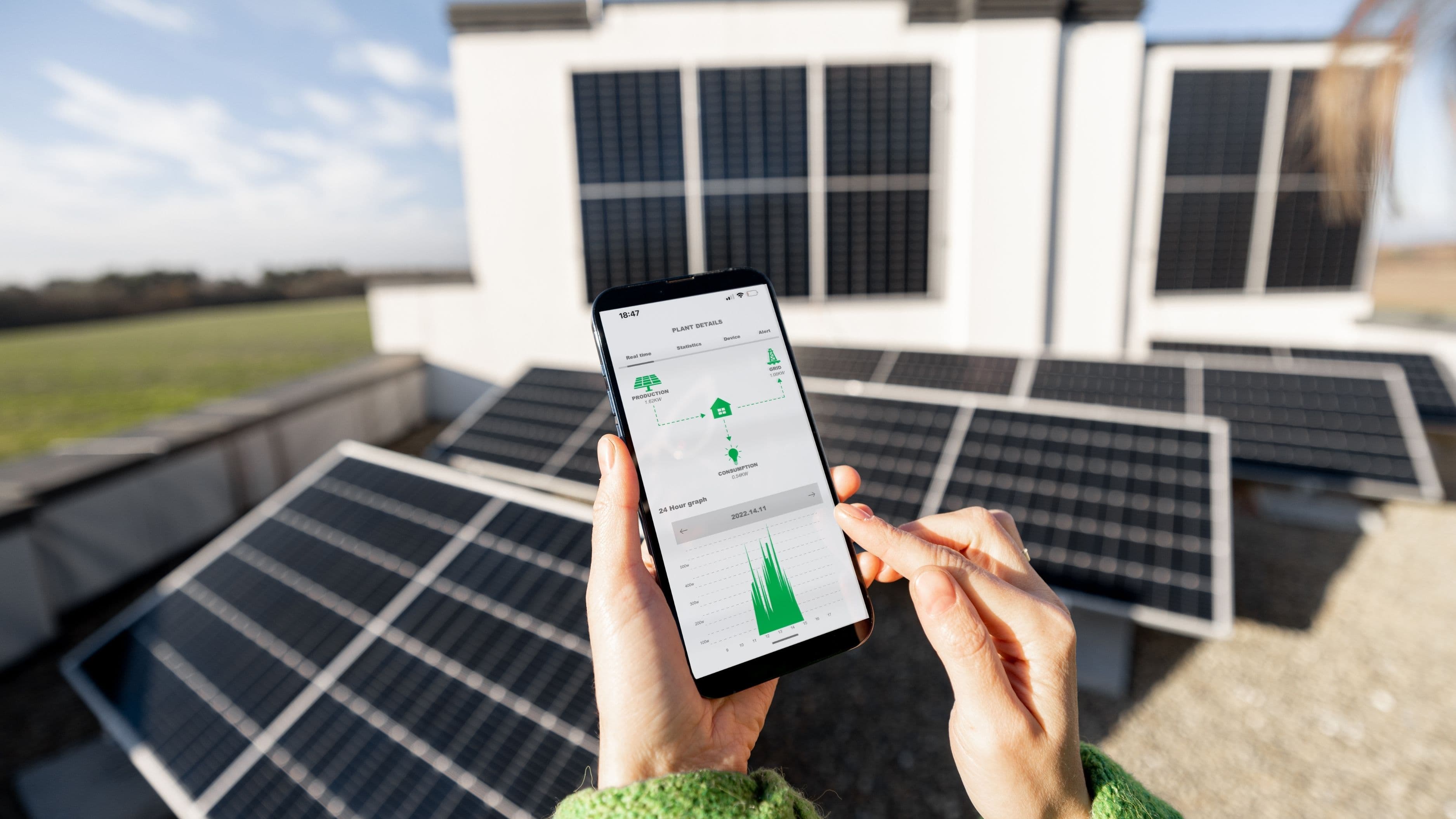
Most modern solar battery systems, including popular options like Tesla Powerwall and Enphase, receive periodic firmware updates that improve charging efficiency, safety monitoring, and system performance. These updates are usually automatic, but it's worth periodically checking your system's companion app to confirm updates have actually been applied rather than assuming it's happening silently in the background.
Step 3: Visually Inspect Connections and Housing
Difficulty: easy | Estimated cost: free | Frequency: every 3 to 6 months
A simple visual inspection of the battery unit's housing and visible connection points can catch early signs of trouble: corrosion, loose mounting hardware, or unusual discoloration that might indicate overheating. This isn't a task that requires opening the unit itself, since most residential battery systems are sealed for safety, but the exterior inspection alone can catch issues before they become serious.
Safety note: never open a sealed battery housing yourself. If you notice signs of damage, unusual odors, or visible corrosion, contact a licensed solar technician rather than investigating further on your own.
Step 4: Monitor Charge Cycles and Capacity Through the App
Difficulty: easy | Estimated cost: free | Frequency: monthly check
Most solar battery systems come with a monitoring app that tracks charge cycles, current capacity relative to when the system was new, and daily performance. Reviewing this monthly helps you catch gradual capacity decline early, which is a normal part of battery aging but worth tracking so you know what to expect as your system ages and can flag anything unusually rapid to your installer.
Step 5: Keep the Area Around the Battery Clear
Difficulty: easy | Estimated cost: free | Frequency: ongoing
Solar batteries need adequate airflow to manage heat effectively, and storing boxes, equipment, or other clutter directly against or on top of the unit can trap heat and interfere with the system's built-in cooling mechanisms. Keeping at least the manufacturer-recommended clearance space around the unit, usually specified in the installation manual, supports both performance and safety.
Realistic Expectations: Time vs Cost
Routine maintenance for a modern lithium solar battery system costs essentially nothing beyond a few minutes of periodic attention, since most of the actual maintenance burden is handled through automatic software updates and passive good practices like keeping the area clear and monitoring temperature exposure. Most residential systems come with warranties covering 10 years or a specified number of charge cycles, and following these basic habits helps ensure your system performs as expected throughout that warranty period rather than degrading faster than anticipated.
What to Avoid
Never attempt to open or physically service the internal components of a sealed battery unit yourself; this is both a safety hazard and typically voids the manufacturer's warranty. Avoid installing or allowing a battery system to sit in direct, unshaded sun exposure in hot climates without addressing ventilation, since sustained heat exposure is one of the more significant factors accelerating capacity loss. If you notice a sudden, sharp drop in capacity, unusual noises, or any physical damage to the unit, contact a licensed solar technician rather than troubleshooting the issue on your own.
FAQ
How long do residential solar batteries typically last? Most lithium-based systems are designed to last 10 to 15 years or a specified number of charge cycles, whichever comes first, with gradual capacity decline over that period being normal.
Do I need to do anything special during winter? Extreme cold can also affect battery performance, so if your system is in an unheated exterior location, check your manufacturer's guidance on cold-weather operating ranges and consider added insulation if needed.
When should I call a professional instead of handling something myself? Anytime you notice physical damage, corrosion, unusual odors, or a rapid unexplained drop in performance, contact a licensed solar technician rather than investigating the internal components yourself.
📚 Sources
U.S. Department of Energy, "Home Energy Storage Systems" – energy.gov
Tesla, "Powerwall Owner's Manual and Maintenance Guidance" – tesla.com