
Symptoms Overview
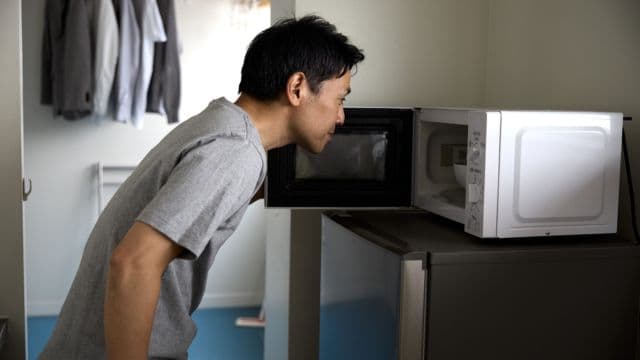
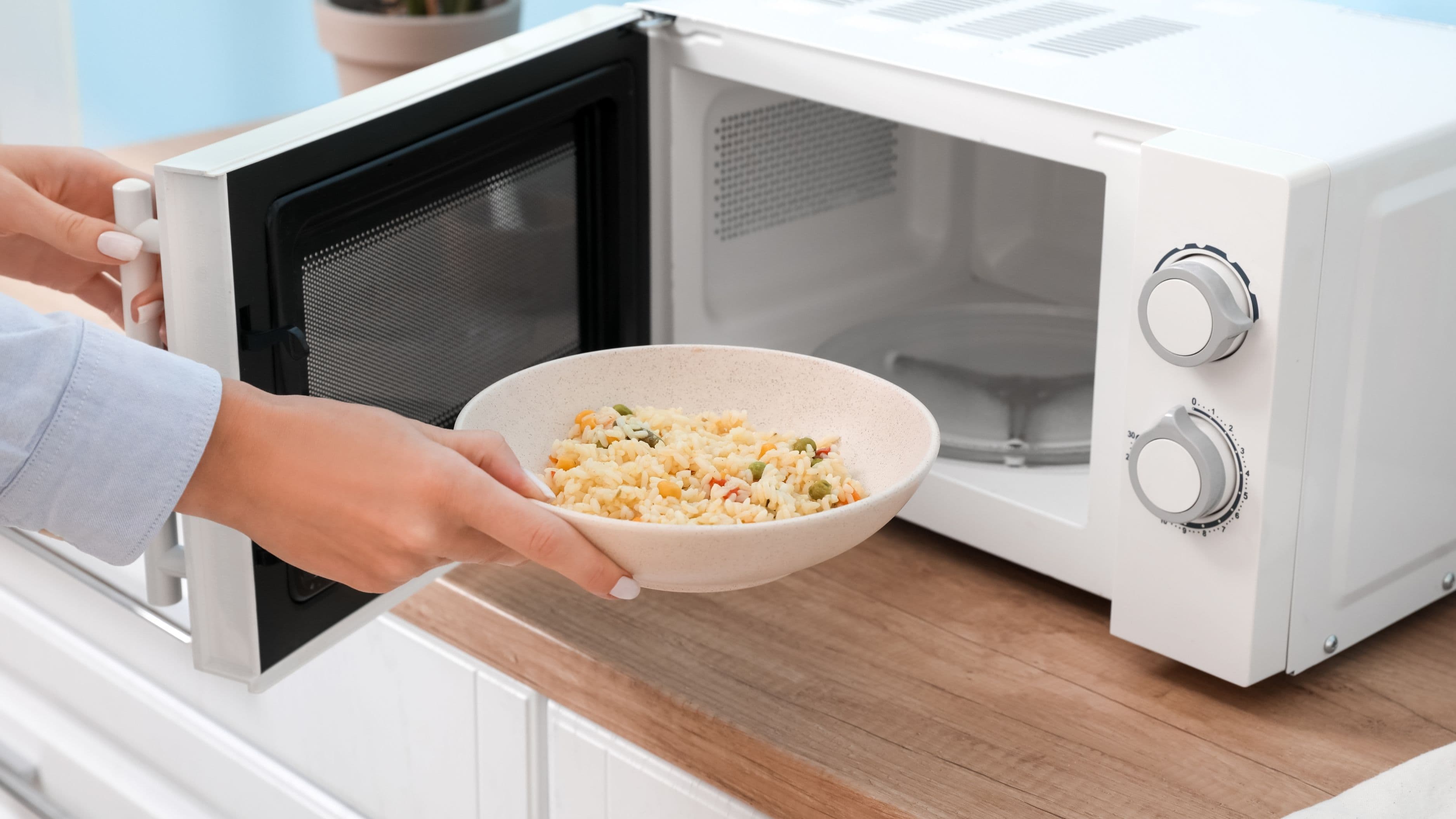
The telltale sign here is a microwave that behaves completely normally in every visible way, the display works, the turntable spins, the fan runs, and the timer counts down, but the food comes out exactly as cold as it went in. This is different from a microwave that heats unevenly or takes longer than it used to, which usually points to a different, less serious set of causes.
If you're noticing this happening consistently rather than occasionally, and you've confirmed it's not a settings or power level issue, it's time to look at the components responsible for actually generating the microwave energy that heats your food.
An Important Safety Note Before You Start
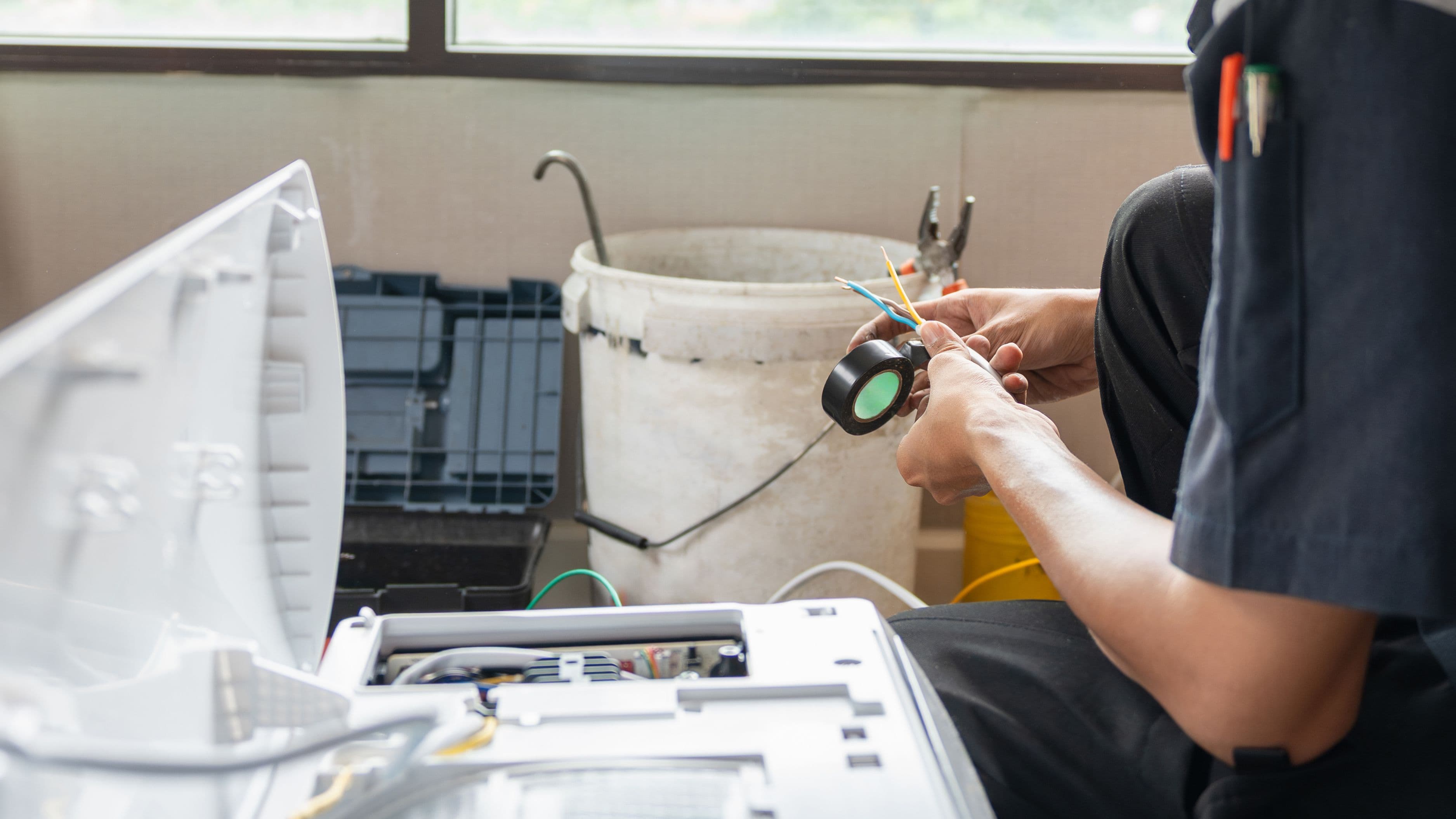
Microwaves contain a component called a high-voltage capacitor that can store a dangerous, potentially lethal electrical charge even after the microwave has been unplugged for a significant amount of time. This is different from most other home appliances, where unplugging the unit makes it safe to open and inspect. Because of this, this guide will help you understand what's likely wrong, but actually opening the microwave's casing and testing or replacing internal components is not a safe DIY task unless you have specific training in discharging high-voltage capacitors safely.
If you're not already familiar with how to properly discharge a microwave capacitor, the safest and most responsible path forward once you've identified a likely internal cause is to call a qualified appliance repair technician rather than attempting to open the unit yourself.
Cause 1: A Failing Magnetron
The magnetron is the component that actually generates the microwave energy responsible for heating your food, and it's one of the most common points of failure in an otherwise normally functioning microwave. Magnetrons naturally degrade over years of use, and once they fail, the rest of the microwave can continue operating normally since the magnetron isn't connected to the display, timer, or turntable function.
What this means for you: If your microwave is several years old and has seen regular daily use, a failed magnetron is a strong possibility. Replacing this component requires accessing the interior of the unit, which brings us back to the capacitor safety concern above, so this is a repair best left to a professional in most cases.
Cause 2: A Blown High-Voltage Diode
The high-voltage diode works alongside the capacitor to convert and direct electrical current in the specific way the magnetron needs to function. When this diode fails, the magnetron doesn't receive the power it needs to generate heat, even though the rest of the microwave's electrical systems remain unaffected.
What this means for you: This is a relatively affordable part to replace in terms of cost, but again, accessing it means opening the microwave's casing and working near the high-voltage capacitor, which carries the same safety concerns as the magnetron repair.
Cause 3: A Failed High-Voltage Capacitor
Sometimes the capacitor itself is the failed component rather than just a hazard during other repairs. A failed capacitor can prevent the magnetron from receiving adequate power, resulting in exactly the symptom you're experiencing: normal operation everywhere except actual heating.
What this means for you: Testing and replacing a capacitor requires proper discharge procedures using an insulated tool, and improper handling can result in a serious electrical shock even from a microwave that's been unplugged for days. This is the clearest example in this whole guide of a repair to leave to a trained technician.
Cause 4: A Faulty Door Switch or Interlock
Microwaves have safety switches, often called interlocks, that are designed to prevent the magnetron from operating unless the door is fully and securely closed. If one of these switches is misaligned, dirty, or failing, the microwave can sometimes still power on and run through its cycle while the safety system is quietly preventing the magnetron from actually engaging.
What this means for you: This is a somewhat more accessible repair than the previous three, since it can sometimes be diagnosed and even fixed without accessing the high-voltage section of the unit, depending on your model's design. That said, if reaching the door switch assembly requires removing the outer casing, the same capacitor caution applies, so proceed carefully or consult your model's specific service documentation.
Cause 5: A Worn Diode or Fuse Related to the Magnetron Circuit
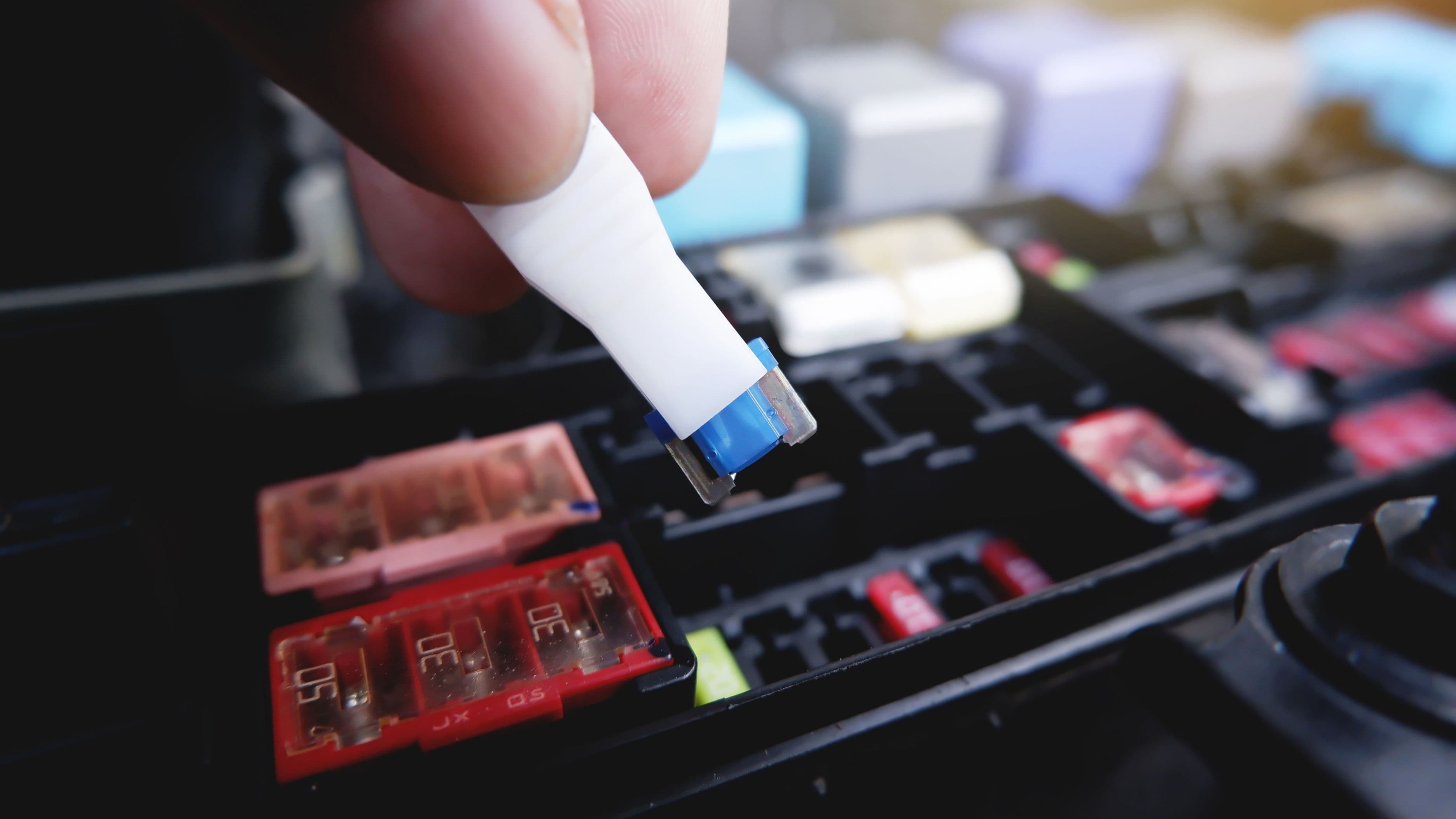
In some models, a specific fuse tied to the magnetron circuit can fail independently of the main power fuse, allowing the rest of the microwave to run normally while cutting power specifically to the heating function. This is a less common cause than a full magnetron or capacitor failure, but it's worth mentioning since it's occasionally the actual culprit behind this exact symptom.
What this means for you: Identifying this specific fuse typically requires a multimeter and some familiarity with your microwave's wiring diagram, which is often available in the manufacturer's service manual. If you're comfortable with electrical testing and have already safely discharged the capacitor, or better yet, are working alongside a technician, this can sometimes be a lower-cost fix than a full magnetron replacement.
When to Call a Professional
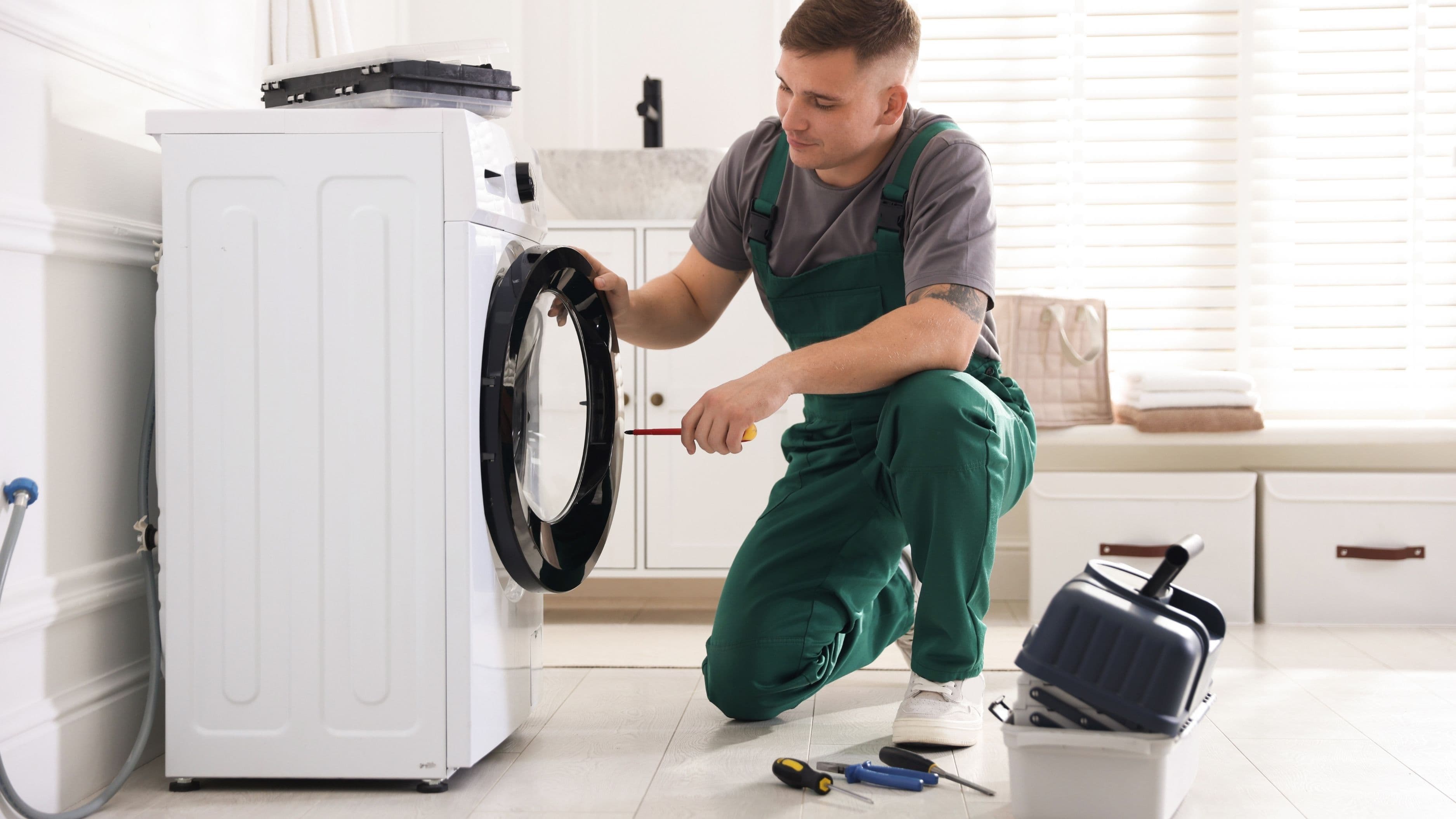
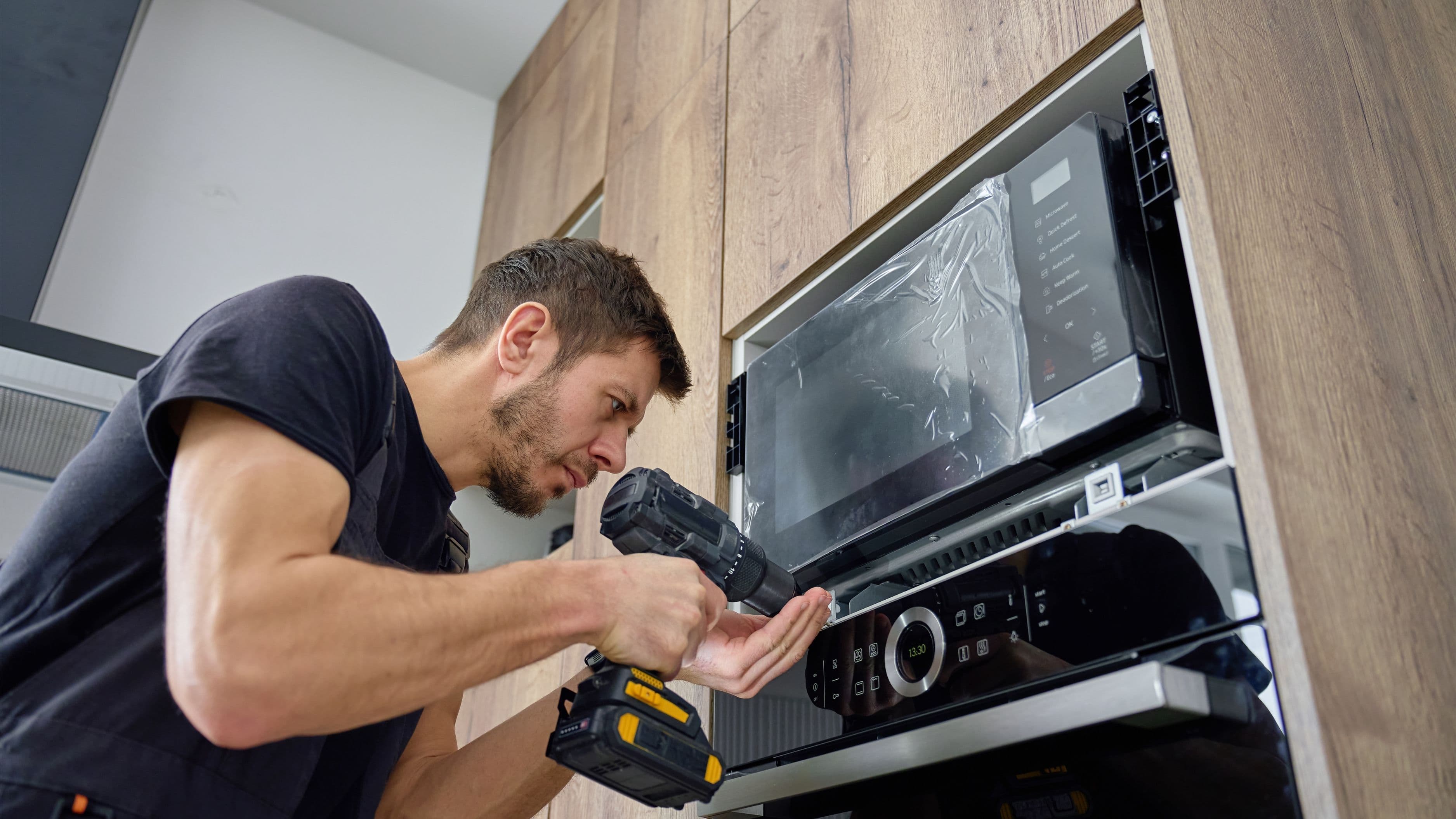
Given how many of the likely causes here involve the microwave's high-voltage capacitor, this is one of the clearer cases in home appliance repair where calling a professional is the responsible default rather than a last resort. A qualified technician has the training and tools to safely discharge the capacitor, diagnose the actual failed component, and complete the repair without the serious injury risk involved in doing it yourself without that training.
It's also worth factoring in the cost comparison here. Given the price of magnetrons, diodes, and labor, along with the average lifespan of a microwave, many repair technicians will tell you honestly when a repair isn't worth it compared to replacing the unit, particularly for older or budget models.
What to Avoid
Do not open the microwave's outer casing or attempt to test or replace the capacitor, diode, or magnetron yourself unless you have specific training in safely discharging high-voltage capacitors. Never assume that unplugging the microwave for a period of time makes these internal components safe to touch, since the capacitor can retain a dangerous charge well beyond that.
Avoid running an empty microwave repeatedly to "test" whether it's heating, since operating a magnetron without anything inside to absorb the microwave energy can damage the magnetron itself.
FAQ
Is it safe to keep using my microwave if it's not heating but everything else works? It won't hurt you to run it, since the safety interlocks that prevent radiation leakage are unrelated to the heating function, but it obviously won't heat your food. There's no benefit to continuing to use it in this state.
How much does it typically cost to repair a microwave that's not heating? Costs vary widely depending on which component failed and your specific model, but repair costs can sometimes approach the price of a new mid-range microwave, which is worth weighing before committing to a repair.
Can I test the magnetron or capacitor myself with a multimeter? Testing these components safely requires first properly discharging the capacitor, which carries real injury risk if done incorrectly. This is best left to someone trained in this specific procedure.
A microwave that runs but won't heat almost always points to one of a small handful of internal components, but this is one appliance repair where safety concerns genuinely outweigh the appeal of a DIY fix. Diagnose what you can from the outside, then bring in a professional for anything requiring you to open the casing.
📚 Sources
U.S. Food and Drug Administration – Microwave Oven Radiation – https://www.fda.gov/radiation-emitting-products/resources-you-radiation-emitting-products/microwave-oven-radiation
U.S. Consumer Product Safety Commission – Electrical Safety – https://www.cpsc.gov/Safety-Education/Safety-Education-Centers/Electrical-Safety