
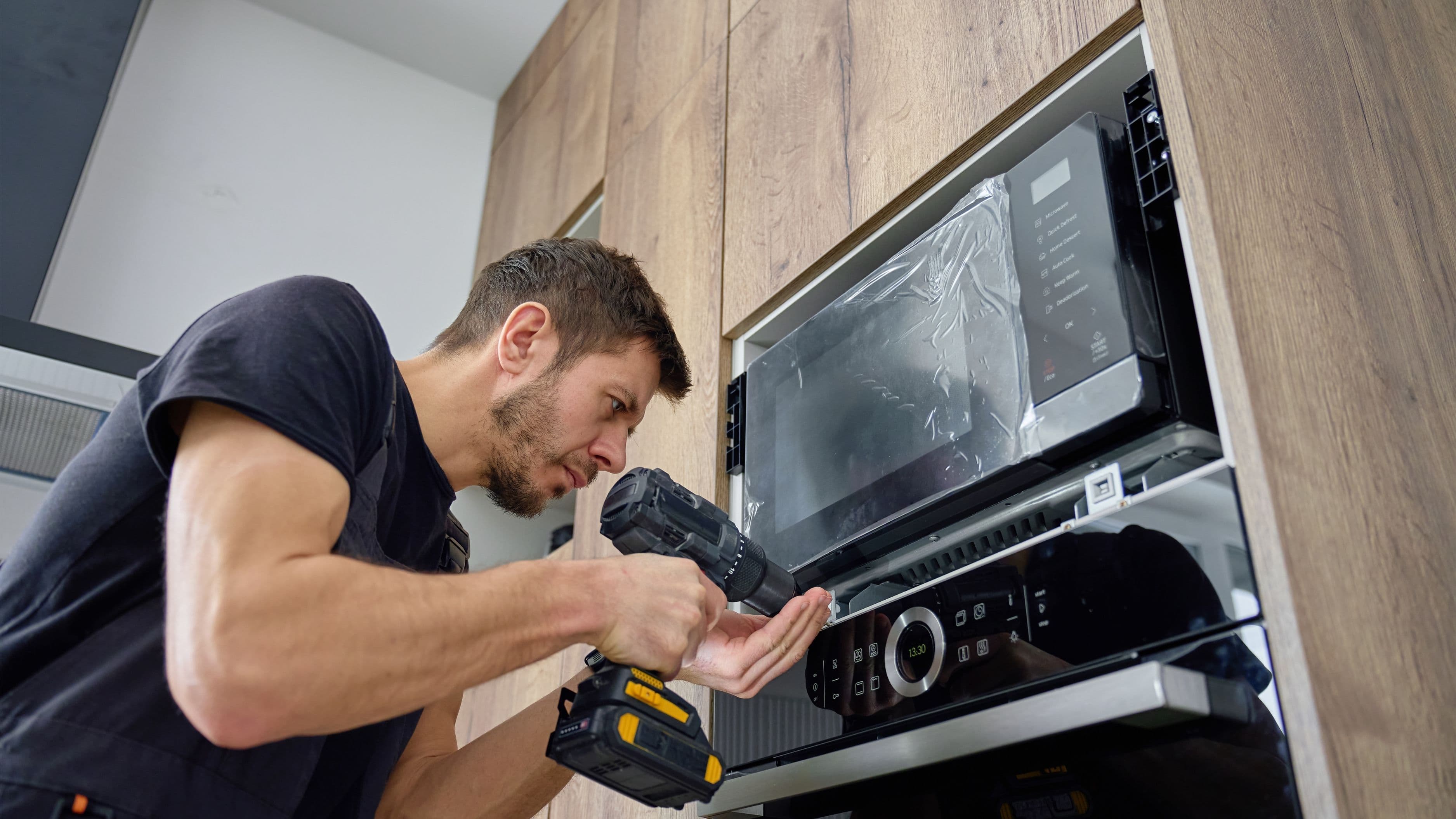
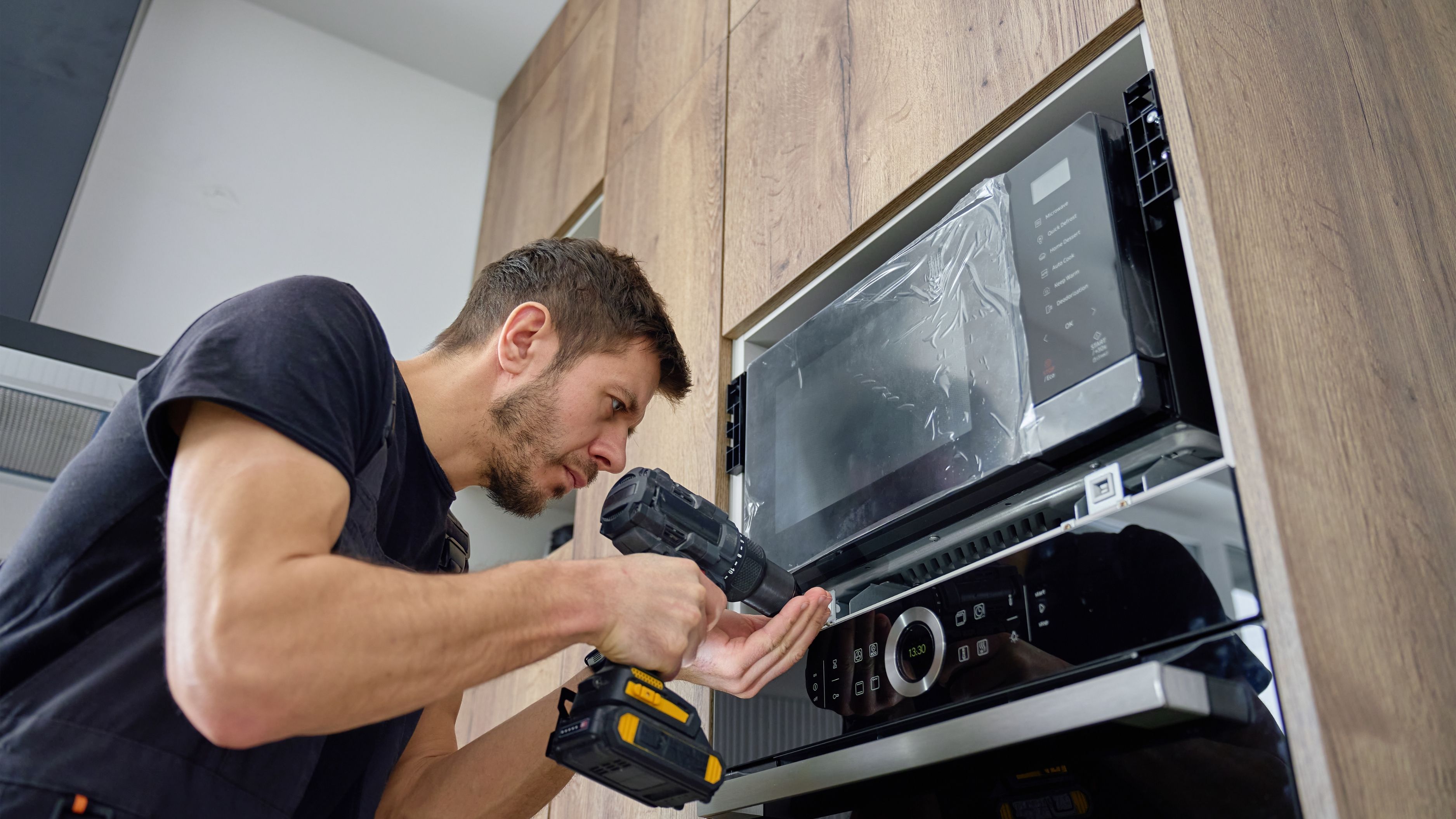
That said, microwaves operate at high voltage and the fix really does depend on what's causing the sparking. This guide walks through each cause, what to look for, and what to do about it – including being honest about which situations call for a professional.
Stop the Microwave Immediately
Before anything else: if your microwave is currently sparking, stop it. Open the door or hit the cancel button, unplug it from the wall, and don't use it again until you've identified and addressed the cause. Running a sparking microwave risks damaging the magnetron – the component that generates the microwave energy – and in serious cases can start a fire. The troubleshooting steps below assume the microwave is unplugged and cool.
The Most Common Causes of Microwave Sparking
Metal or Foil Inside the Cavity
This is the single most common cause, and the one most people already know about. Metal inside a microwave creates arcing – the electrical discharge that shows up as sparking or flashing. This includes the obvious culprits like forks and spoons, but also things people forget about: the metallic trim on some plates and mugs, staples in takeout containers, twist ties on bread bags, and the foil lining on some yogurt lids.
If you saw sparking and you had any kind of food container or dishware inside, that's where to start. Remove everything, inspect for metallic elements, and run the microwave empty for 30 seconds (once you've confirmed nothing else is wrong) to see if the issue is gone. If it was a fork you accidentally left in there, you got lucky – check the interior walls and ceiling for any scorch marks or burn spots, but otherwise you're likely fine.
A Damaged or Dirty Waveguide Cover
The waveguide cover is the rectangular panel mounted to the interior side wall of your microwave – it's usually made of mica or a similar material and looks like a pale, flat sheet. Its job is to protect the opening through which microwave energy enters the cooking cavity. Over time, food splatter burns onto the cover, and those carbonized spots can absorb microwave energy and spark or arc.
This is an extremely common cause of sparking in microwaves that are more than a year or two old, and it's almost always overlooked during cleaning. The fix is straightforward: inspect the cover for dark spots, burn marks, or holes. If it's lightly soiled, carefully remove it (they usually lift out or are held by a single screw) and clean it with a damp cloth – do not use abrasive cleaners or submerge it. If it's cracked, burned through, or has holes in it, replace it. Waveguide covers are inexpensive parts (often $5–$15) and are model-specific, so search your microwave's model number followed by "waveguide cover" to find the correct replacement. This is a beginner-level repair that takes about 10 minutes.
Food Debris or Grease Buildup on Interior Walls
Dried food and grease residue on the walls, ceiling, or turntable area of the microwave can absorb microwave energy and create hot spots that spark or char further. If you've noticed your microwave hasn't been cleaned in a while and the sparking is accompanied by a burning smell, this is a likely contributor.
The fix here is a thorough cleaning. Wipe down all interior surfaces with a damp cloth or a mild cleaning solution – a bowl of water with a few tablespoons of white vinegar microwaved for 3–5 minutes will loosen built-on grime and make wiping easier. Pay particular attention to the ceiling and the area around the waveguide cover. If there are carbonized spots that won't wipe off, the microwave may continue to spark in those areas even after cleaning; at that point the interior wall damage is the issue rather than simple debris.
A Damaged or Chipped Interior Coating
If the interior paint or coating of your microwave has chipped, peeled, or been scratched – sometimes from abrasive cleaning pads or metal utensils accidentally scraped against the walls – the exposed metal underneath can cause arcing. Look carefully at the interior ceiling and walls under good light for any areas where the coating looks damaged, discolored, or absent.
Minor chips can sometimes be addressed with microwave-safe interior paint or touch-up kits, but this is a judgment call. If the damage is small and isolated, a repair kit rated for microwave use can seal the exposed metal. If the damage is extensive, or if you're not sure whether a repair kit will adhere properly, it's better to price out a replacement microwave. A microwave with significant interior coating damage is not safe to run as-is, and repair kits are a temporary measure at best.
A Failing or Damaged Diode, Magnetron, or Capacitor
If you've checked all of the above – no metal inside, the waveguide cover is intact and clean, the interior is clean and undamaged – and the microwave is still sparking, the issue is likely internal and electrical. The diode, magnetron, and capacitor are the high-voltage components that generate and direct microwave energy. When any of these fail, sparking, burning smells, humming noises, or complete failure to heat are common symptoms.
This category of repair is not DIY territory for most homeowners. The capacitor in a microwave can hold a lethal charge of several thousand volts even after the unit is unplugged, and discharging it safely requires specific tools and knowledge. Unless you have electronics repair experience and understand high-voltage safety procedures, do not open the microwave cabinet to investigate internal components. The cost of professional repair for a magnetron or diode replacement is often significant – sometimes approaching the cost of a new microwave – which makes this a natural point to weigh repair versus replacement.
How to Assess Repair vs. Replace
For a microwave that's less than 3–4 years old and otherwise working well, most of the common fixes above are worth attempting – waveguide cover replacement, cleaning, and minor coating touch-up are all low-cost and low-effort. For a microwave that's 7–10+ years old, or one where the internal components are the problem, the economics usually favor replacement.
A basic countertop microwave in the 1,000–1,100 watt range costs between $60 and $150 new. If a repair quote comes back at $80–$120 for a unit that's already aging, a new microwave is almost always the smarter move. Over-the-range microwaves are more expensive both to buy and to install, so repair becomes more financially justifiable there even at higher service costs.
When to Call a Professional
Call a qualified appliance technician if any of the following apply:
The sparking was severe, accompanied by smoke, or left a visible burn mark on the interior walls beyond surface carbonization. The microwave sparked from internal components rather than anything inside the cavity. You've replaced the waveguide cover and cleaned the interior and sparking continues. The microwave is tripping your circuit breaker or the plug or outlet shows signs of heat damage. You suspect internal electrical component failure.
A reputable appliance repair technician can diagnose the issue safely and give you an honest repair estimate. For built-in or over-the-range units where replacement involves installation work, a service call is almost always the right first step regardless of the cause.
Preventing Future Sparking
The most effective thing you can do is keep the interior clean and inspect the waveguide cover as part of your regular appliance maintenance. A quick wipe-down of the interior after messy cooking sessions takes 60 seconds and prevents the carbonized buildup that causes most recurring sparking issues. Replace the waveguide cover at the first sign of burn spots or damage – it's a cheap part and the difference between a minor maintenance item and a damaged cavity wall.
Develop the habit of checking your dishes before microwaving. Some dishware is microwave-safe for the dish itself but has a metallic rim glaze that arcs under microwave energy. When in doubt, check the manufacturer's labeling or run a quick test: place the empty dish in the microwave alongside a cup of water and run it for 60 seconds. If the dish is noticeably warm but the water isn't, the dish is absorbing microwave energy and shouldn't be used.
Never run the microwave empty intentionally. With nothing in the cavity to absorb the microwave energy, that energy reflects back into the magnetron and can damage it over time or cause it to fail prematurely.
FAQ
Is it safe to use the microwave after it sparked once? It depends on the cause. If you've identified and removed the metal object or food debris that caused it, and there's no visible interior damage, a single sparking incident from a known cause is unlikely to have caused lasting harm. Inspect the interior carefully for scorch marks or damage to the waveguide cover before using it again. If you can't identify what caused the spark, don't use the microwave until you've worked through the troubleshooting steps above.
Can I repair a damaged waveguide cover myself? Yes, waveguide cover replacement is one of the most beginner-friendly microwave repairs. The cover is a non-electrical component – it simply sits in a slot or is held by a single mounting point. Find your microwave's model number (usually on a label inside the door frame), order the correct replacement part, and swap it out. The whole process takes under 15 minutes.
My microwave sparked and now it won't heat. What happened? Sustained arcing or sparking can damage the magnetron, which is the component responsible for generating heat. If your microwave runs but no longer heats food after a sparking incident, the magnetron may have been damaged. This is an internal repair that requires a technician to diagnose safely. Given the cost of magnetron replacement, weigh this against the cost of a replacement unit.
Can food cause sparking even if there's no metal present? Certain foods can cause minor sparking under specific conditions. Foods with very high sugar or fat content can create hot spots that arc slightly. Whole grapes and some other round, water-rich foods can create plasma under specific microwave frequencies. These are less common but real. If sparking occurs with no metal present and no waveguide cover damage, consider whether the food itself might be the variable.
How often should I replace the waveguide cover? There's no fixed schedule – replace it when you see darkening, burn marks, or any physical damage. In a microwave used daily with occasional splatter, inspecting it every 6 months is a reasonable habit. A clean, undamaged waveguide cover significantly reduces the risk of sparking and helps the microwave run more efficiently.
📚 Sources
U.S. Food and Drug Administration – Microwave Oven Radiation Safety: https://www.fda.gov/radiation-emitting-products/resources-you-radiation-emitting-products/microwave-oven-radiation
Consumer Reports – Microwave Safety and Troubleshooting Guide: https://www.consumerreports.org/microwave-ovens/microwave-oven-buying-guide/
U.S. Fire Administration – Home Appliance Fire Statistics: https://www.usfa.fema.gov/statistics/residential-fires/appliances/
Family Handyman – How to Repair a Microwave: https://www.familyhandyman.com/appliances/microwave-repair/