
Why Moss Grows on Roofs in the First Place
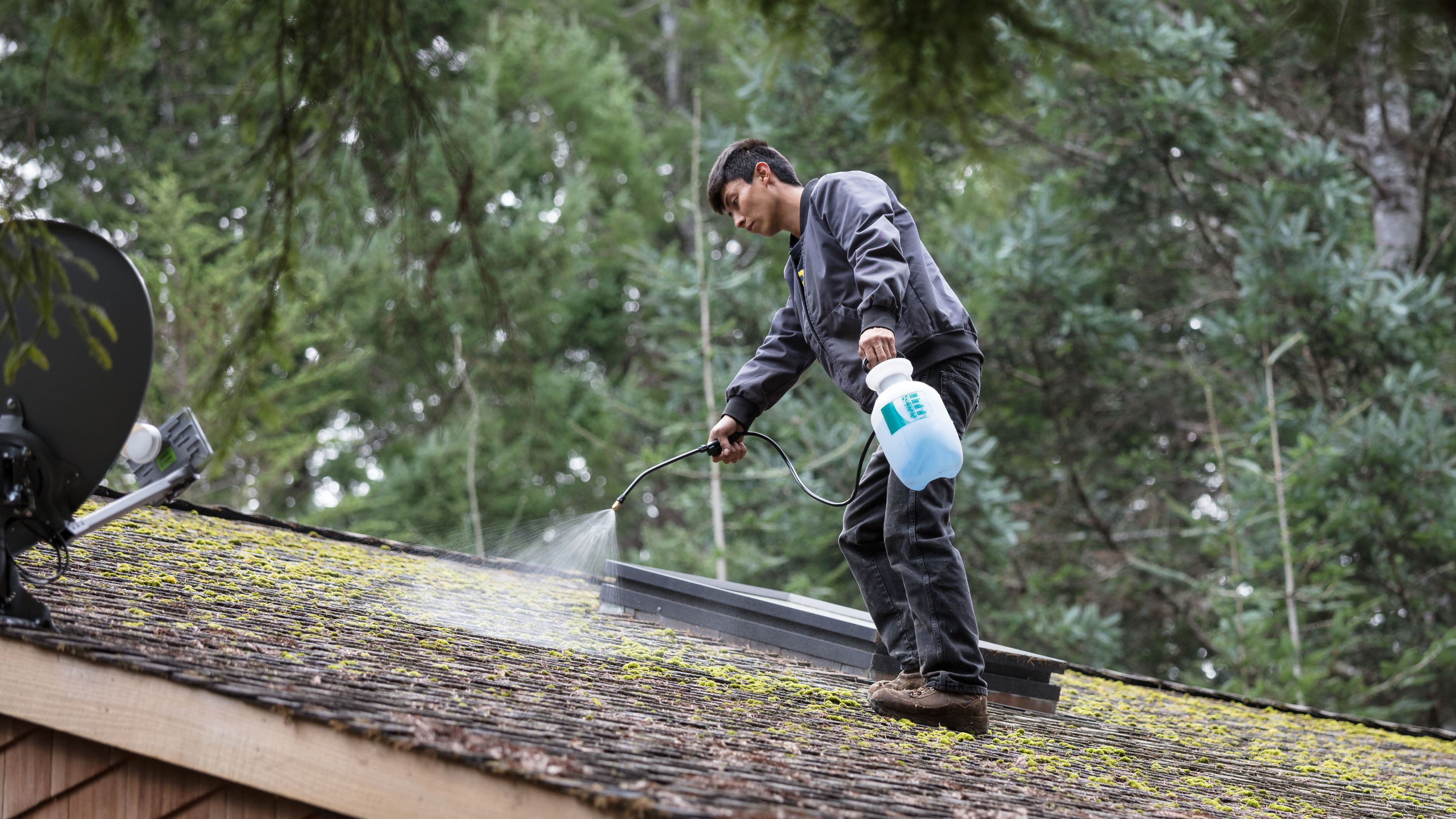
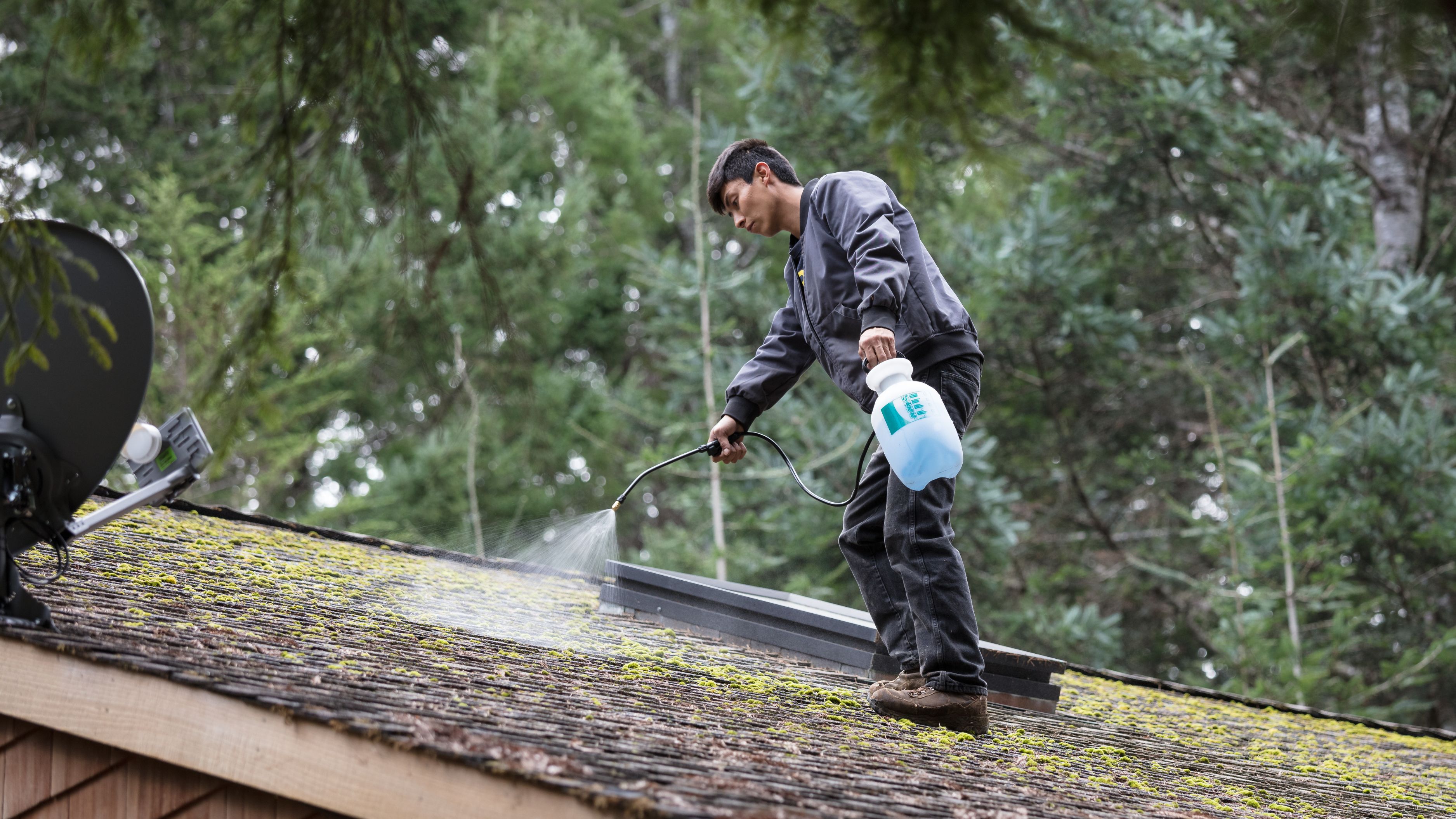
Moss thrives in damp, shaded conditions, which is why it tends to show up most on the north-facing side of a roof or in areas shaded by overhanging trees, where sunlight doesn't dry the surface quickly after rain. Asphalt shingles, in particular, provide a surface texture that traps moisture and debris, giving moss spores – which travel easily through wind and can be carried in on debris or even bird activity – a place to take hold and establish.
Once established, moss actually accelerates its own growth conditions. It retains moisture against the shingle surface even after the surrounding roof has dried, creating a persistently damp microenvironment that both encourages further moss growth and gradually degrades the shingles underneath.
Why It's More Than a Cosmetic Problem
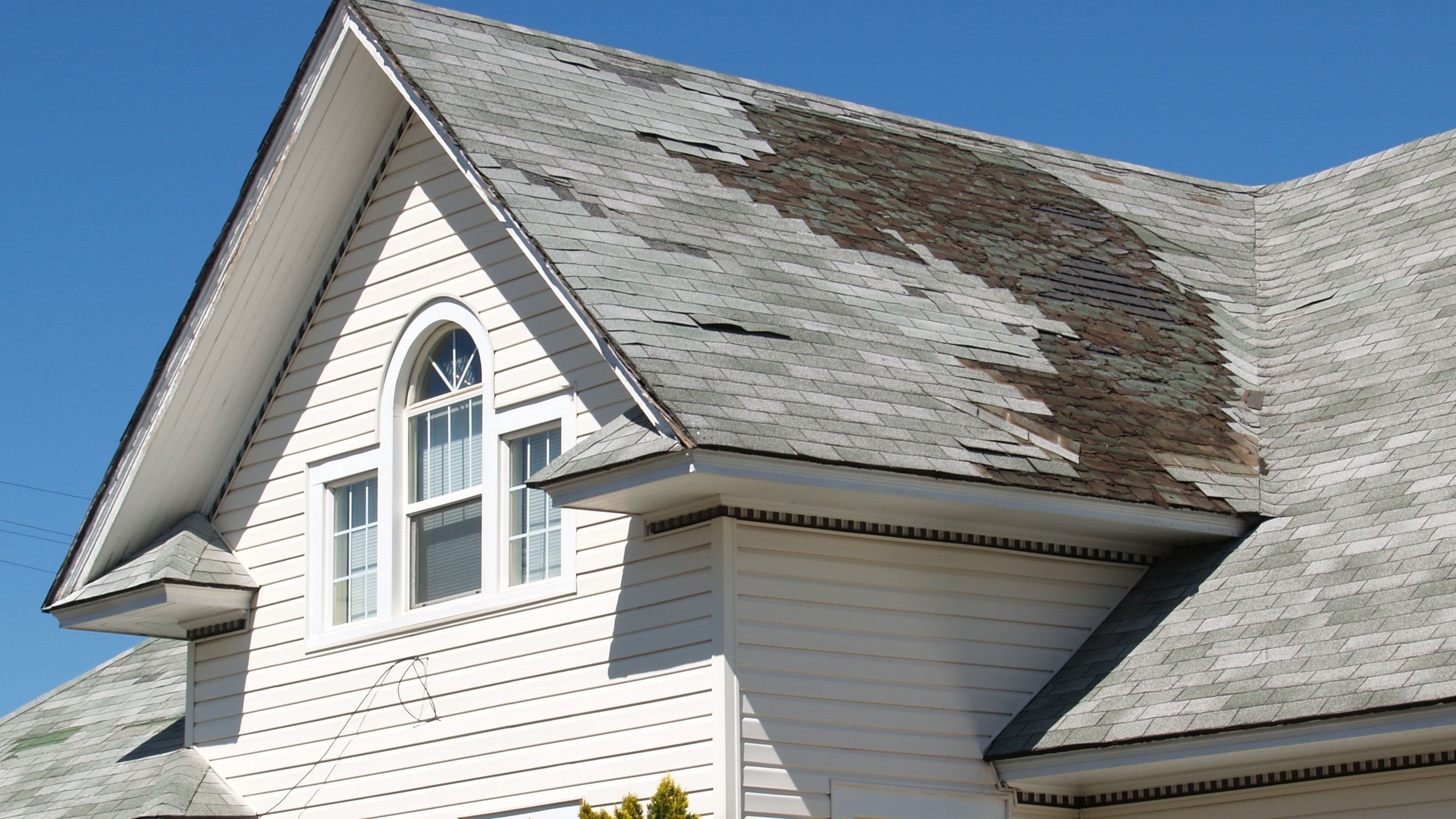
As moss grows, its root-like structures (called rhizoids) work their way under shingle edges, gradually lifting them and creating small gaps where water can penetrate more easily during rain. Over time, this trapped moisture can lead to shingle granule loss, accelerated shingle aging, and in more advanced cases, water intrusion into the roof deck itself.
This is why moss removal is worth taking seriously even when it looks like a minor issue – a roof with unchecked moss growth for several years often shows measurably faster deterioration than a similar roof kept clear, which translates into a shorter roof lifespan and earlier replacement costs.
How to Remove Moss Safely
1. Choose a dry day and work from the top down. Wet moss is more slippery and harder to remove cleanly, so pick a dry day and always work from the ridge of the roof downward, rather than pushing debris and moss further under shingles below.
2. Use a soft-bristle brush, not a pressure washer. A stiff push broom or specifically designed roof brush works well to gently lift moss away from the shingle surface. Pressure washers, while tempting for speed, can force water under shingles and strip away protective granules, causing more damage than the moss itself.
3. Apply a moss-killing treatment. After manually removing what you can, a roof-safe moss killer (look for products specifically labeled for asphalt shingles) can be applied to kill remaining spores and roots that manual removal alone won't fully eliminate. Follow the product's specific instructions for application and rinse timing.
4. Rinse gently from the top down. Once the treatment has had time to work, a gentle rinse with a garden hose (not a pressure washer) clears away dead moss and treatment residue without risking shingle damage.
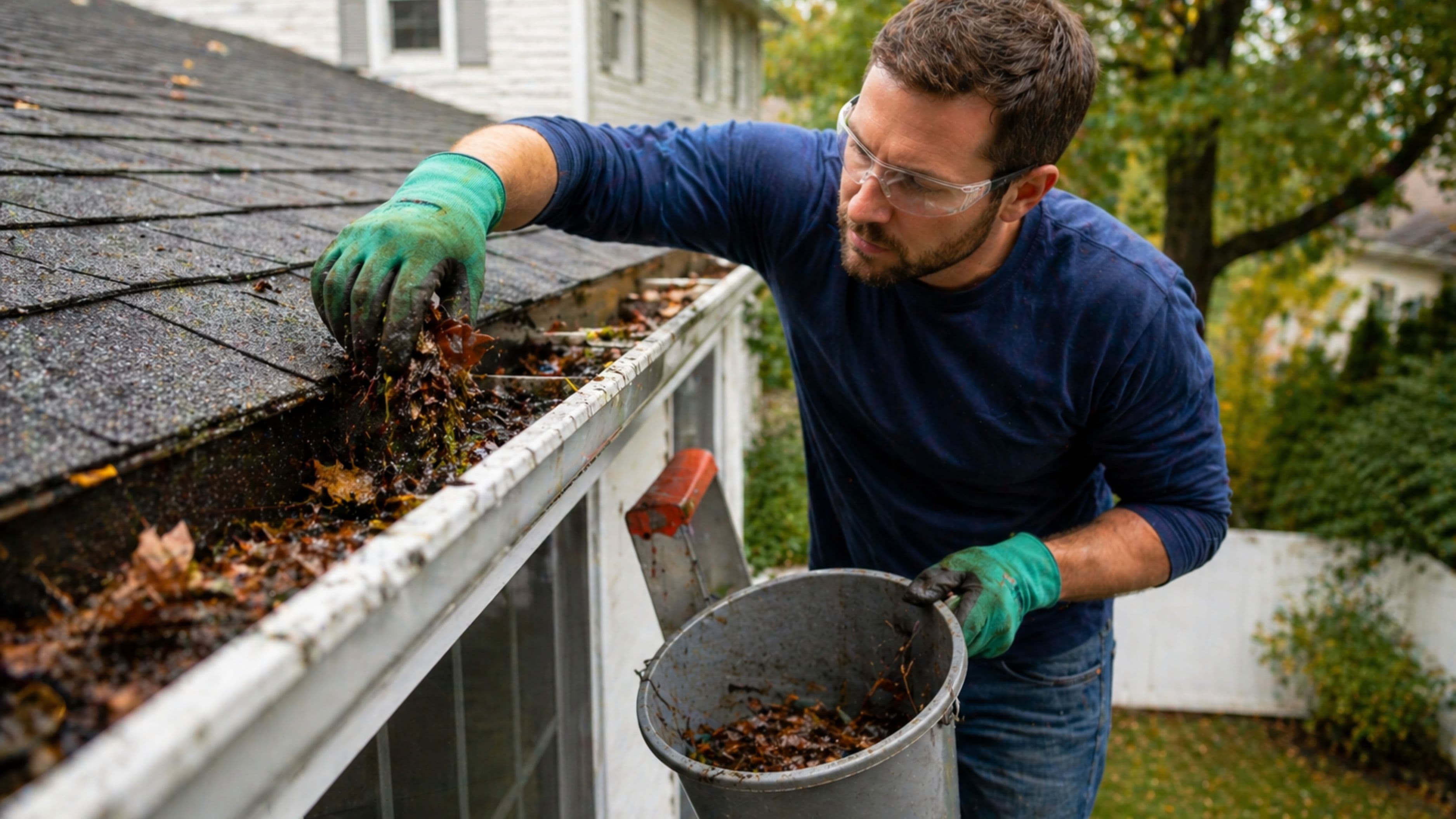
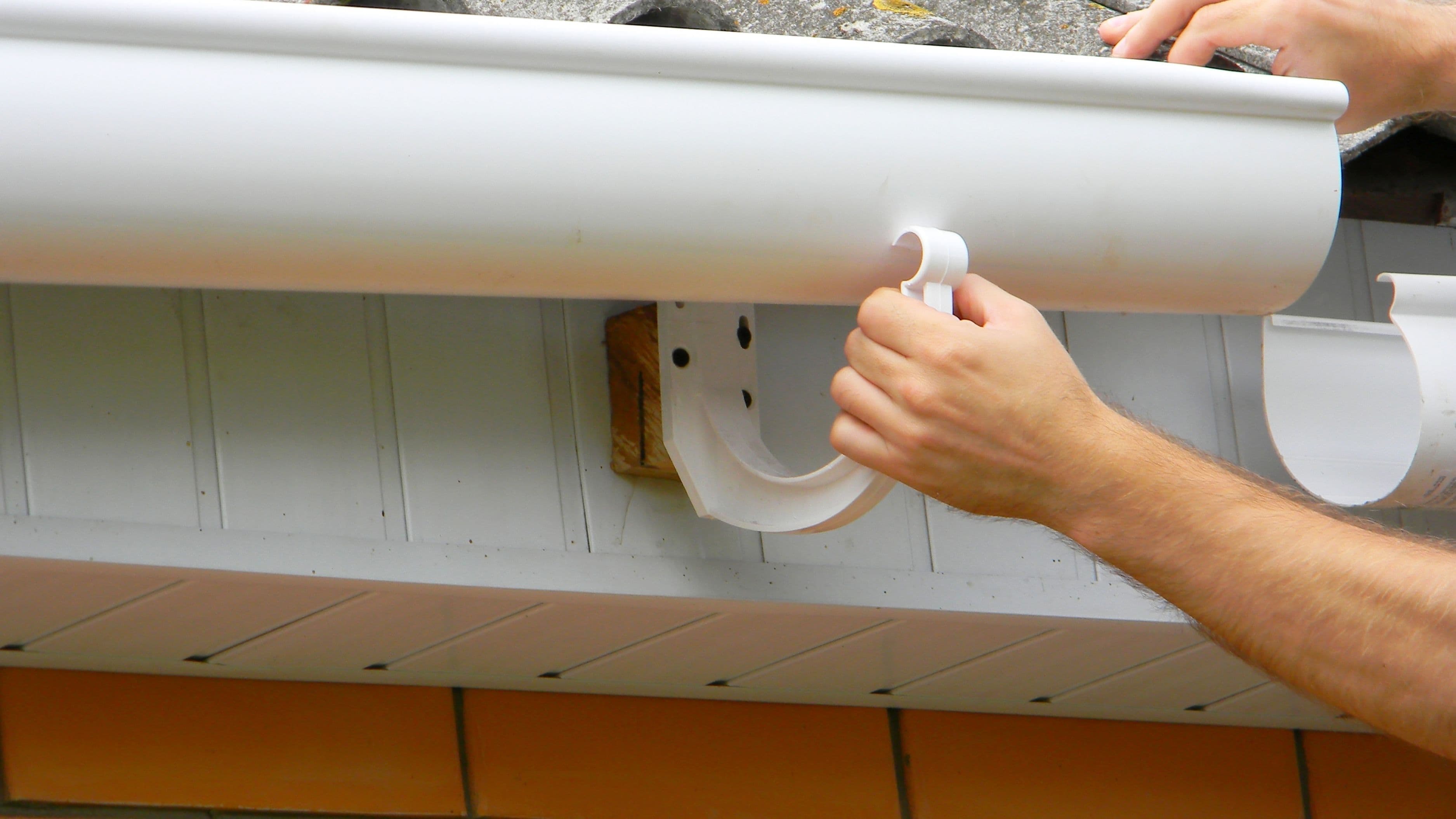
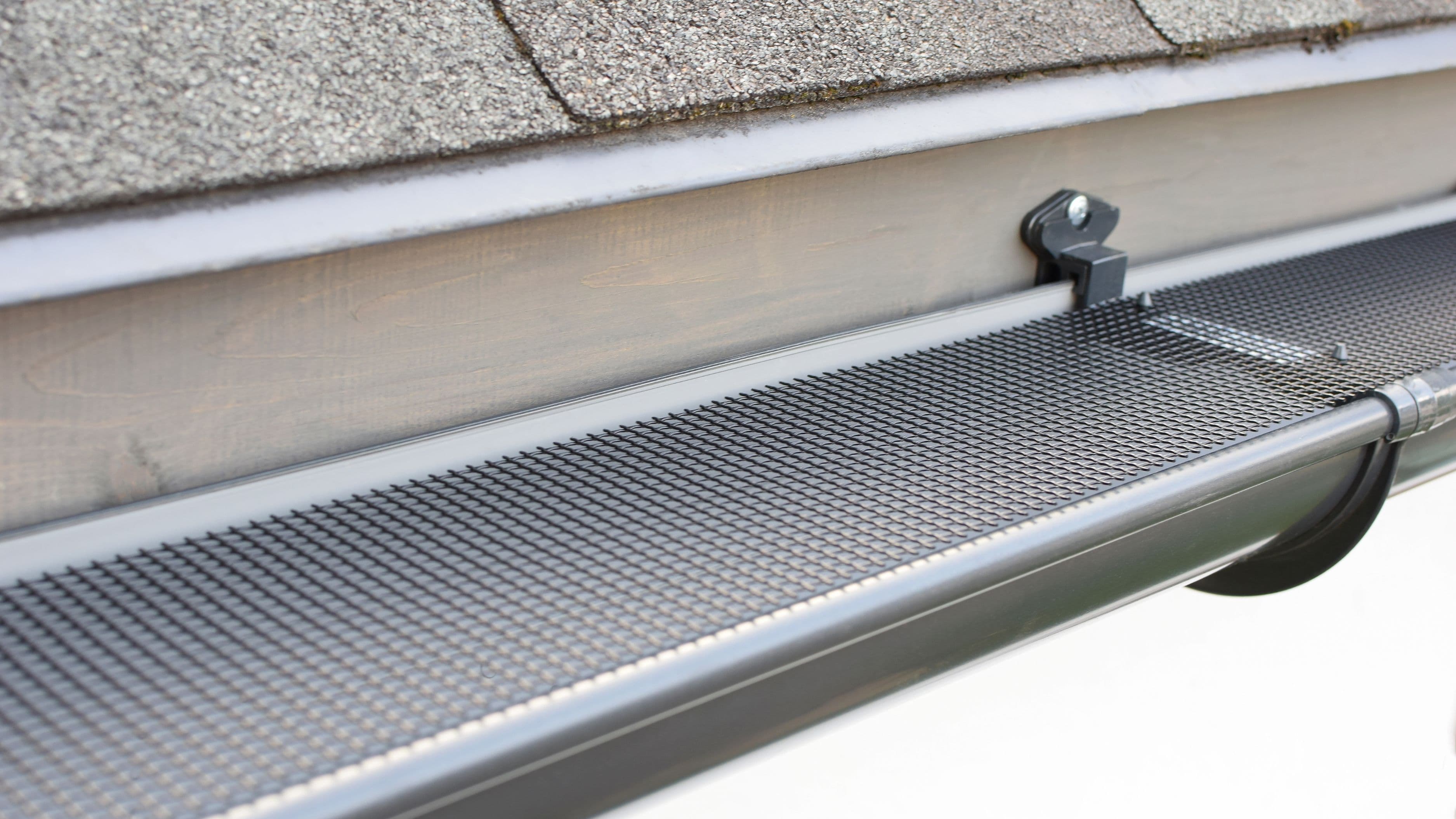
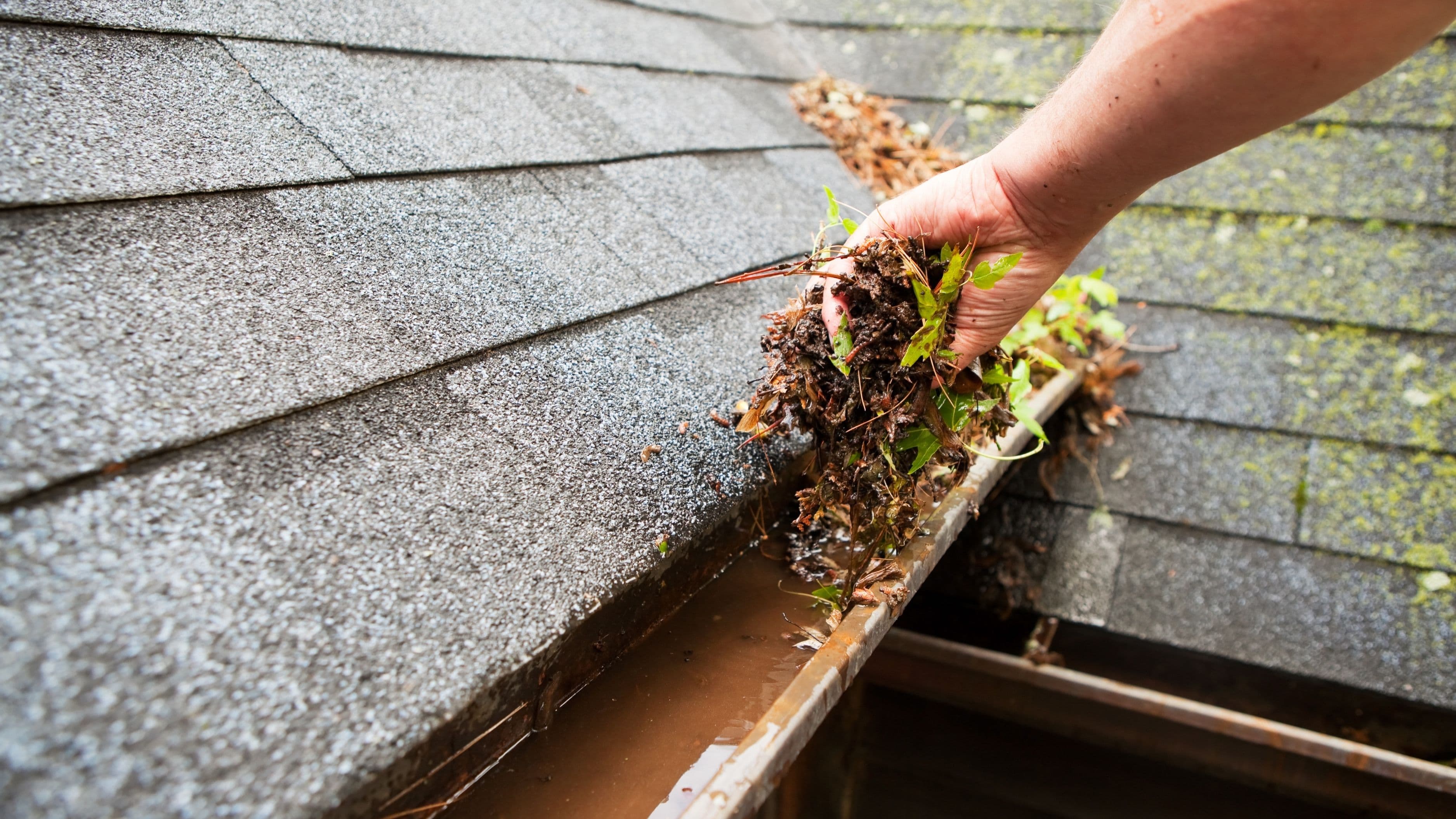
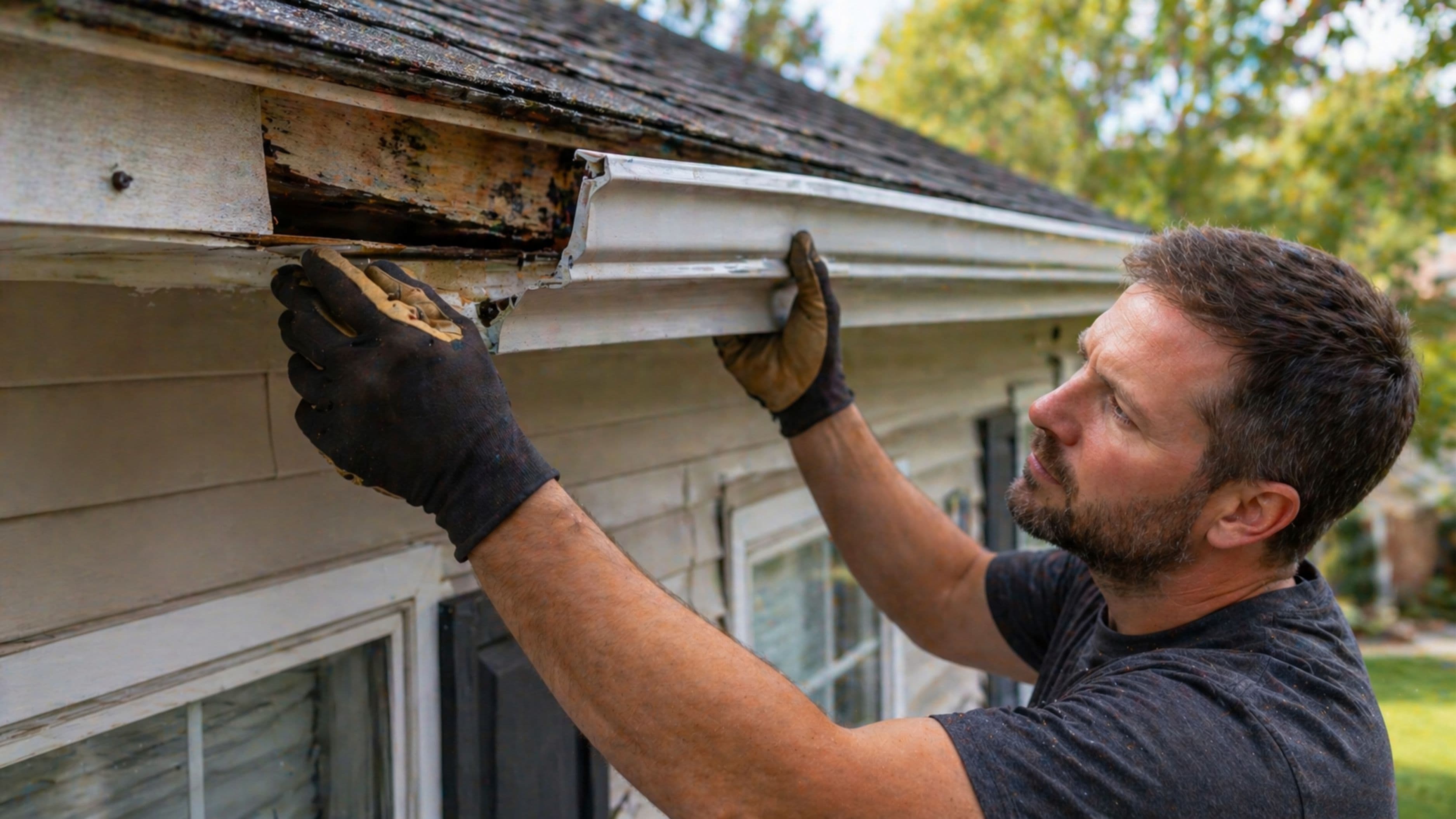
5. Clear gutters and debris. Moss removal is a good opportunity to clear out gutters and any accumulated debris on the roof surface, since trapped leaves and organic matter are part of what creates the damp conditions moss needs to establish in the first place.
Preventing Moss From Coming Back
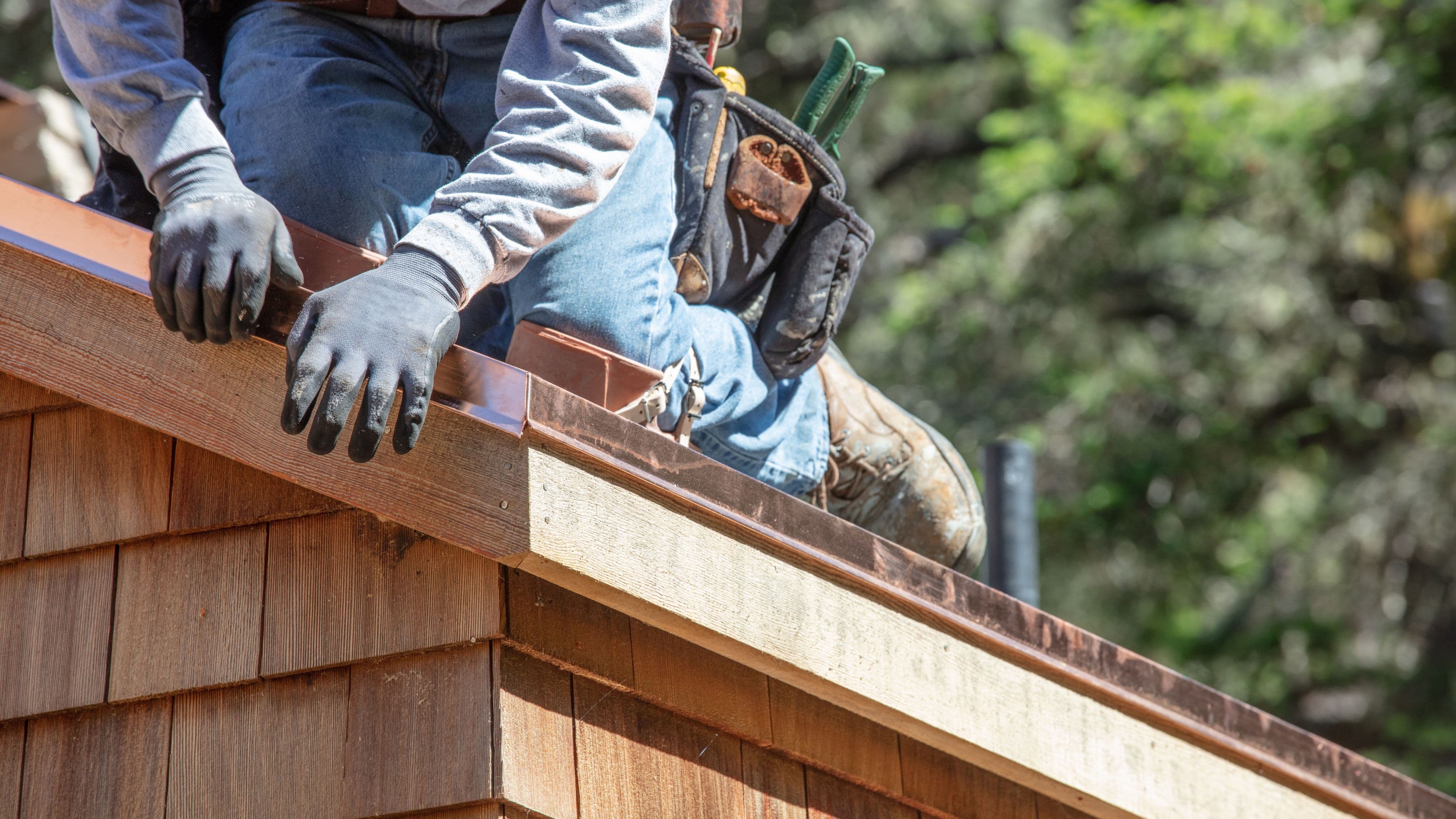
Trimming back overhanging tree branches to allow more sunlight and airflow onto the roof surface is one of the most effective long-term prevention steps, since it directly addresses the shaded, damp conditions moss depends on. Installing zinc or copper strips near the roof ridge is another widely used preventive measure – rainwater passing over these metals carries trace amounts that inhibit moss and algae growth on the shingles below.
Regular gutter cleaning and roof debris removal, ideally twice a year, also helps prevent the buildup of organic material that retains moisture and gives moss spores a foothold. None of these steps eliminate moss risk entirely, but combined, they significantly reduce how quickly and aggressively it returns after a proper cleaning.
Common Mistakes to Avoid
Using a pressure washer is the most common and most damaging mistake in DIY moss removal – it strips protective granules from shingles and can force water underneath them, creating leaks that didn't exist before the "cleaning." It's also worth avoiding harsh chlorine bleach solutions without proper dilution and roof-safe formulation, since undiluted bleach can damage shingles, harm surrounding plants, and pose a safety risk during application.
Scraping moss aggressively with a metal tool is another common error – this can gouge and damage shingle surfaces, creating more vulnerability to water intrusion than the moss itself was causing.
When to Call a Professional
If moss has been established for several years, or if you notice soft spots, sagging, or visible shingle damage once the moss is cleared, this points to potential underlying water damage that goes beyond a surface cleaning. A professional roof inspection at that point is a smarter move than continuing DIY treatment, since addressing structural or deck-level damage requires expertise beyond moss removal itself.
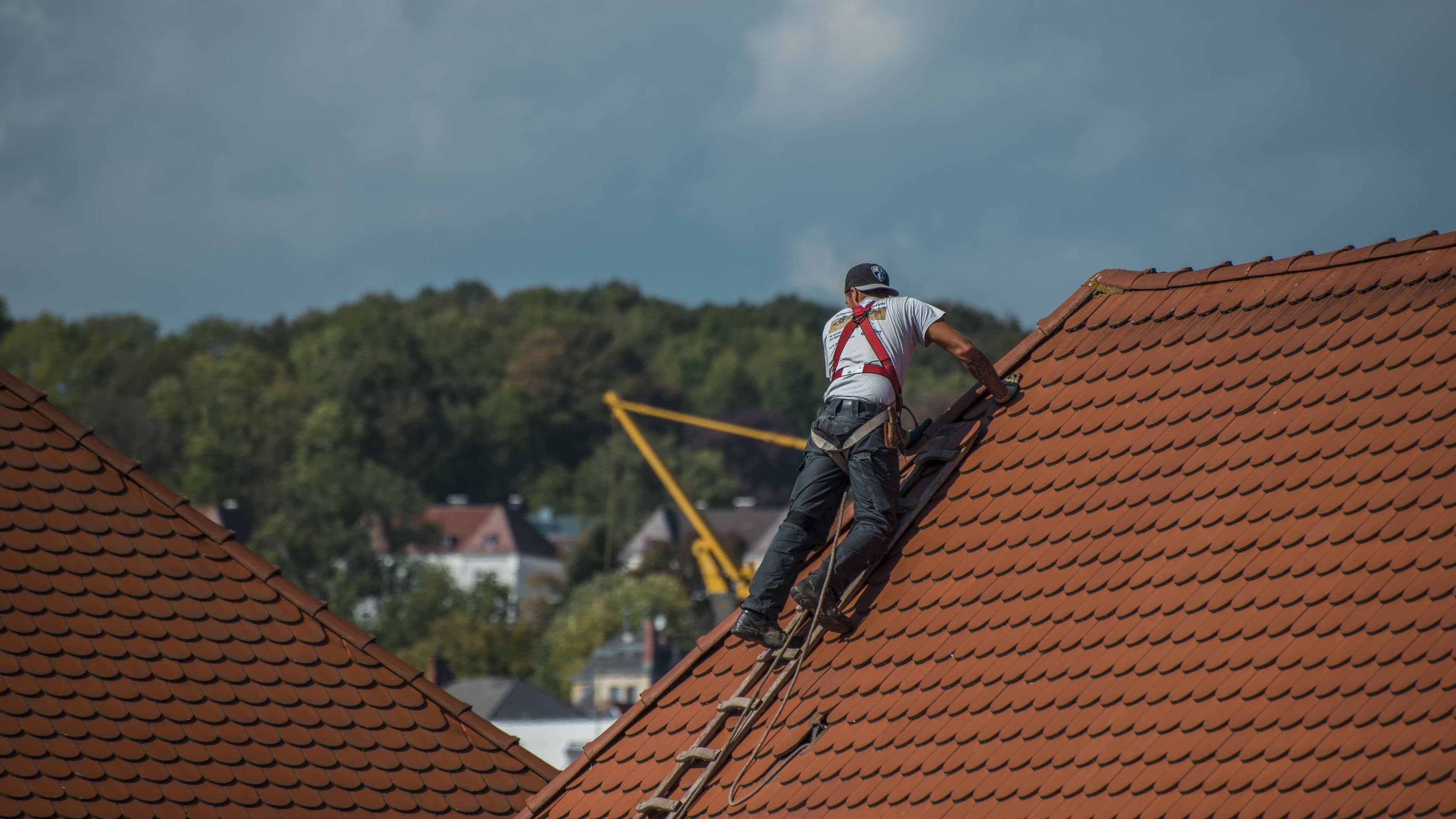
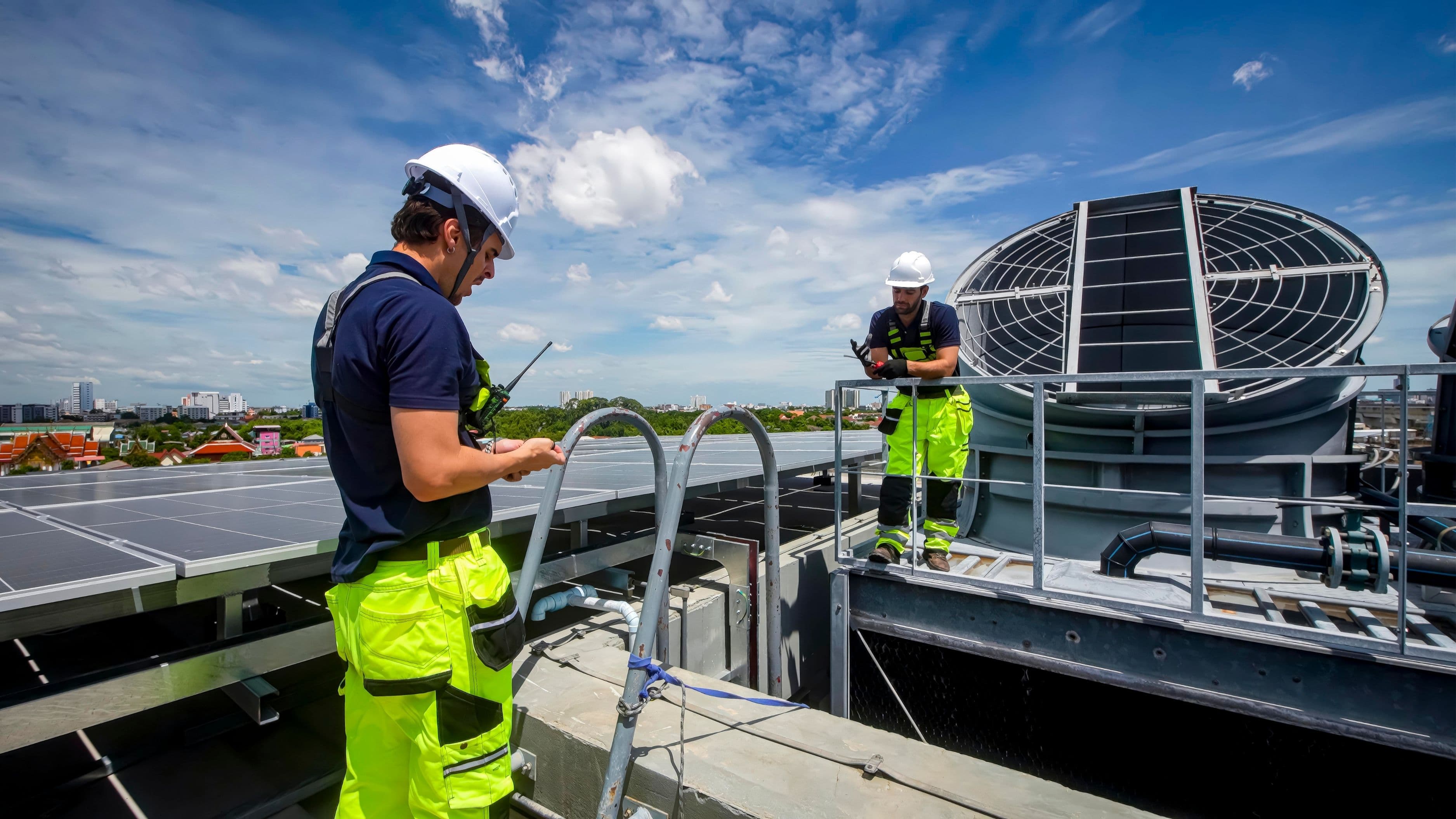
Steep roof pitches, roofs higher than a single story, or any roof where you're not fully comfortable navigating the surface safely are also good reasons to call a professional rather than attempting the removal yourself.
Realistic Expectations
A thorough moss removal and treatment, combined with prevention steps like tree trimming and zinc strips, can reasonably keep a roof largely moss-free for several years, though light regrowth in particularly shaded or damp areas is common and usually just requires a lighter annual touch-up rather than a full repeat treatment. This is a project that typically takes a few hours for an average-sized roof and costs relatively little in materials, making it one of the more accessible preventive maintenance tasks for a homeowner willing to work safely at height.
FAQ
Is it safe to use a pressure washer to remove roof moss? No, pressure washers can strip protective granules and force water under shingles, causing more damage than the moss itself. A soft-bristle brush and gentle hose rinse are safer and equally effective.
How often should I check my roof for moss? A visual check twice a year, ideally in spring and fall, helps catch moss early before it has time to establish deep root structures under the shingles.
Do zinc strips actually work to prevent moss? Yes, zinc and copper strips installed near the roof ridge release trace metals that inhibit moss and algae growth as rainwater carries them down the roof surface, and they're a widely recommended long-term prevention method.