


The good news is that an uneven room temperature almost always has a diagnosable cause. Most of them are fixable without calling anyone, and even the ones that do need a professional are usually inexpensive to address once you know what you're dealing with. This guide walks through every common cause, what to look for, and what to actually do about it.
Start With the Obvious: Check the Vent and Return Air
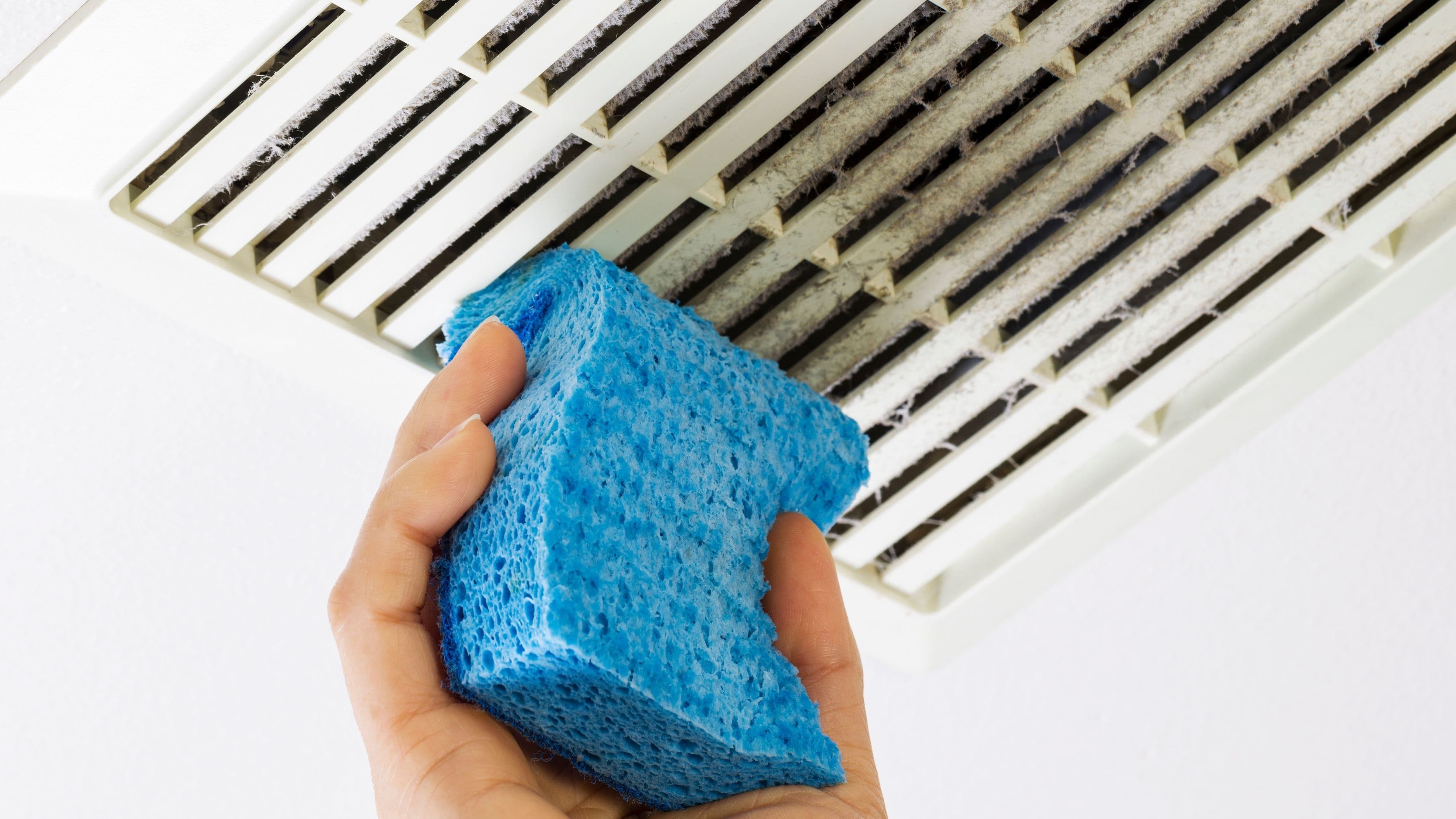
Before anything else, go to the room that's too hot and check the supply vent – the rectangular or square grille on the ceiling, wall, or floor where conditioned air comes out. Make sure it's fully open and not blocked by furniture, curtains, or rugs. A couch pushed against a floor vent, or a bookshelf sitting in front of a wall vent, will dramatically reduce airflow into that room without you ever noticing it.
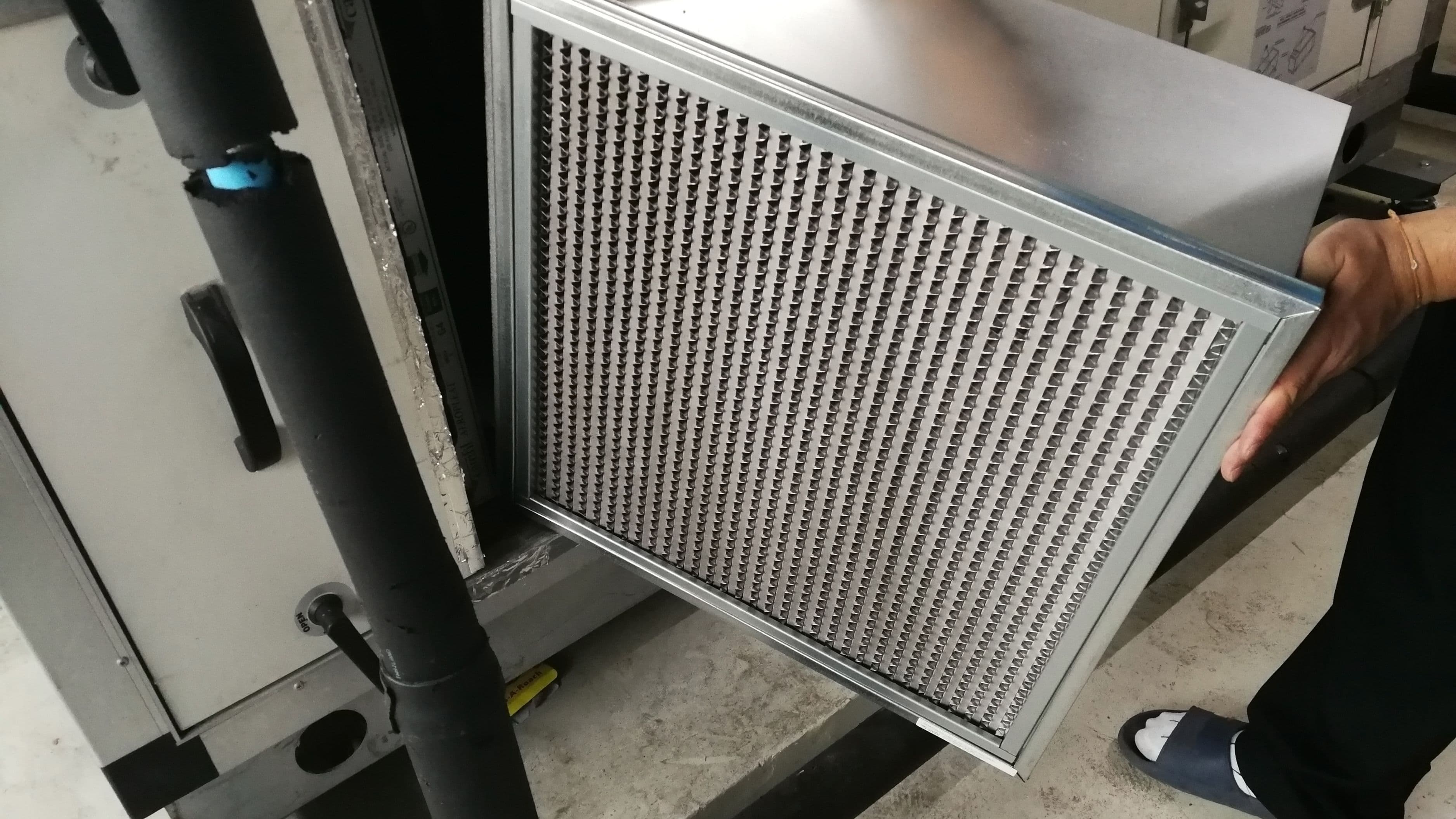
Then look for a return air vent – the larger grille that pulls air back to the system. Not every room has one, but if yours does, make sure it isn't blocked either. A clogged or blocked return starves the system of the air it needs to circulate properly, and the room at the end of the duct run pays for it with poor cooling. If the return vent has a filter built in, check whether it's dirty – a clogged filter restricts airflow across the whole system and can make problem rooms noticeably worse.
Cause 1: Closed or Partially Closed Dampers
What it is: Most forced-air HVAC systems have dampers inside the ductwork – adjustable plates that control how much airflow goes to each branch of the system. These are often set during initial installation and rarely touched again. Over time, they can shift, or they may simply never have been balanced correctly for your home's layout.
How to check: Look for a small lever or handle sticking out of the ductwork, usually near where the duct branches off the main trunk line. This is often in a basement, crawl space, attic, or utility closet. If the lever is perpendicular to the duct, the damper is closed or partially closed. Parallel to the duct means open.
The fix: Open the damper for the duct branch serving the hot room, then adjust dampers in other branches slightly to rebalance airflow. This is a trial-and-error process – you may need to make small adjustments, run the system for a day, and check temperatures again before landing on the right balance. It takes some patience but costs nothing and can make a significant difference.
Cause 2: Leaky or Poorly Insulated Ductwork
What it is: The ducts that carry conditioned air to each room aren't always as airtight as they should be. Joints can separate, insulation can deteriorate, and in many homes – particularly those built before the 1980s – ductwork was never properly sealed to begin with. If the ducts serving the hot room run through an unconditioned attic or crawl space, that problem compounds: in summer, attic temperatures can reach 130–150°F, and any conditioned air traveling through poorly insulated ducts picks up that heat before it even arrives at the vent.
How to check: Go into your attic or crawl space (during a cooler part of the day) and look at the ductwork. Disconnected joints are obvious – you'll see gaps, separated sections, or duct material pulling away from connectors. For smaller leaks, hold your hand near joints while the system is running and feel for air escaping. Foil-backed duct insulation that's torn, missing, or compressed into a tight bundle isn't doing its job.
The fix: Disconnected joints can be reconnected and sealed with metallic foil tape or mastic sealant – not standard duct tape, which fails quickly under heat cycling. Add duct insulation wrap where it's missing or damaged, especially in unconditioned spaces. If the ductwork is in rough shape throughout, or if you find significant leakage, a professional duct sealing service (sometimes called Aeroseal) can address the whole system at once and is often worth the cost in both comfort and energy savings.
Difficulty: Moderate. Attic and crawl space work can be physically demanding and uncomfortable. Safety note: always work in these spaces during cooler hours in summer, wear a dust mask, and be careful where you step if you're in an attic with exposed joists.
Cause 3: Insufficient Duct Size for the Room
What it is: HVAC systems are designed with specific duct sizes to deliver the right volume of air to each room based on its square footage and heat load. If the duct serving the hot room is undersized – either from the original design or from modifications made over time – it simply can't deliver enough conditioned air to keep up, no matter how well everything else is working.
How to check: This one is harder to evaluate without professional tools, but a rough indicator is to hold your hand in front of the vent when the system is running. If the airflow feels weak compared to vents in other rooms, and the duct is open and unblocked, sizing may be the issue. Compare vent sizes – a small 4-inch round duct feeding a large bedroom while other rooms have 6-inch or larger ducts is a sign of imbalance.
The fix: Upsizing ductwork is a job for an HVAC professional. However, before going that route, make sure dampers, filters, and duct condition have been addressed – these are much cheaper to fix and may resolve the issue. If after everything else the airflow is still clearly weak, an HVAC technician can perform a Manual J calculation to verify whether the duct sizing is the root problem.
Cause 4: Sun Exposure and Poor Window Insulation
What it is: A room with large west- or south-facing windows in summer is fighting a direct heat source that your HVAC system wasn't necessarily sized to handle. Sunlight through glass is a powerful heat load – a single large, unshaded south-facing window can add significant BTUs to a room during peak afternoon hours. Add thin, single-pane, or poorly sealed windows and you're compounding the problem.
How to check: Pay attention to when the room gets hottest. If it's consistently in the afternoon and the windows face west or south, sun exposure is almost certainly a major contributor. Check whether the windows seal tightly – run your hand around the frame while it's windy outside and feel for drafts. Old caulking that's cracked or peeling is a sign of air infiltration.
The fix: Window treatments make a surprising difference. Cellular shades, blackout curtains, or exterior solar shades block a significant portion of solar heat gain before it even enters the room. Reflective window film is another option – it's inexpensive, DIY-installable, and reduces heat transmission without blocking the view as much as heavy curtains. For drafty windows, recaulking around the frame is a simple, inexpensive fix that can reduce both heat gain and energy loss. Replacing old single-pane windows with double-pane Low-E glass is a larger investment but addresses the problem permanently.
Cause 5: Inadequate Attic Insulation Above the Room
What it is: If the hot room is on the top floor, the ceiling is your primary barrier between the living space and a superheated attic. Attics in summer routinely reach 130°F or higher. If the insulation between the attic floor and your ceiling is thin, compressed, or missing in spots, that heat transfers directly into the room below and overwhelms the cooling system's ability to keep up.
How to check: The recommended minimum for attic insulation in most US climates is R-38 to R-60, which corresponds to roughly 10–15 inches of blown fiberglass or cellulose insulation. You can look into the attic hatch with a flashlight and measure the depth with a ruler. Insulation that's heavily compressed or matted down is also underperforming – compression reduces its effectiveness significantly.
The fix: Adding attic insulation is one of the highest-return home improvements available for comfort and energy costs. Blown-in insulation is the most practical for topping up existing insulation and can be done as a DIY project with equipment rented from most home improvement stores, or hired out for a few hundred to a few thousand dollars depending on the attic size. Also check that the attic has adequate ventilation – ridge vents and soffit vents that work together to exhaust hot air are essential for keeping attic temperatures from becoming extreme.
Cause 6: The Room Is on a Second Floor
What it is: Heat rises, and two-story homes naturally develop a temperature differential between floors. This is physics, not a malfunction. If the problem room is upstairs, it's experiencing both the accumulated heat rising from the lower level and proximity to the attic. Many HVAC systems also deliver more airflow to the lower floor simply because those ducts are shorter and easier to reach.
The fix: There's no single solution here, but a combination of approaches helps. Ceiling fans running counterclockwise in summer push cool air down and make the room feel noticeably cooler without changing the actual temperature. Adjusting dampers to push slightly more airflow upstairs during summer helps balance the floors. A mini-split ductless unit installed in a chronically hot second-floor room provides dedicated, highly efficient cooling for that space without touching the main system – this is increasingly popular and a genuine long-term fix for homes where the main system simply isn't up to the task.
When to Call a Professional
Most of what's described above is DIY-friendly, but there are situations where a professional is the right call. If you've checked vents, cleaned filters, confirmed dampers are open, and the room is still significantly hotter than the rest of the house, an HVAC technician can perform a proper load calculation and airflow test to identify exactly what's happening. If the ductwork needs major repairs or replacement, or if a zoning system or mini-split is the right solution, those installations are best handled by a licensed contractor.
Getting a professional assessment isn't admitting defeat – it's the efficient move when you've ruled out the basics and still don't have an answer.
Common Mistakes to Avoid
Closing vents in rooms you're not using to "redirect" airflow elsewhere is a widespread misconception. Modern forced-air systems are sized and balanced assuming all vents are open – closing vents increases static pressure in the system, reduces efficiency, and can damage the equipment over time. Keep all vents open and adjust through dampers and professional balancing instead.
Don't assume the problem is the HVAC unit itself before investigating the simpler causes. A system that's underperforming in one room is usually a distribution problem, not a unit problem. Replacing or upgrading the unit won't fix a damper issue, a duct leak, or poor attic insulation.
FAQ
Can a portable AC unit fix the problem in the short term? Yes, as a stop-gap. A portable unit or window AC can make a hot room livable while you investigate and address the root cause. It's not a permanent solution – they're less efficient than central systems and don't fix whatever is causing the imbalance – but if you need relief now, it works.
What's the most common cause in older homes? Leaky, poorly insulated ductwork running through unconditioned spaces, combined with inadequate attic insulation. Both are common in homes built before the 1980s, and both are very fixable. Start there if you're dealing with an older house.
How much does professional duct sealing cost? Professional duct sealing with Aeroseal typically runs $1,500–$3,000 depending on home size and duct extent. It can significantly reduce energy bills and comfort complaints throughout the house, making it a reasonable investment if duct leakage is widespread.
Can a ceiling fan actually make a room cooler? A ceiling fan doesn't lower air temperature, but the moving air creates a wind chill effect that makes the room feel 4–6°F cooler. Running the fan counterclockwise in summer (standard direction for most fans on the summer setting) pushes air straight down and maximizes this effect.
📚 Sources
US Department of Energy – Heating and Cooling: Duct Sealing: https://www.energy.gov/energysaver/articles/duct-sealing
US Department of Energy – Home Insulation: https://www.energy.gov/energysaver/insulation
ENERGY STAR – Duct Leakage and Home Comfort: https://www.energystar.gov/saveathome/seal_insulate/ducts
US Department of Energy – Window Types and Technologies: https://www.energy.gov/energysaver/window-types-and-technologies
US Department of Energy – Fans for Cooling: https://www.energy.gov/energysaver/fans-cooling
ASHRAE – Residential HVAC Load Calculations (Manual J Overview): https://www.ashrae.org/technical-resources/bookstore/load-calculation-applications-manual