
Why This Matters Before You Buy Anything
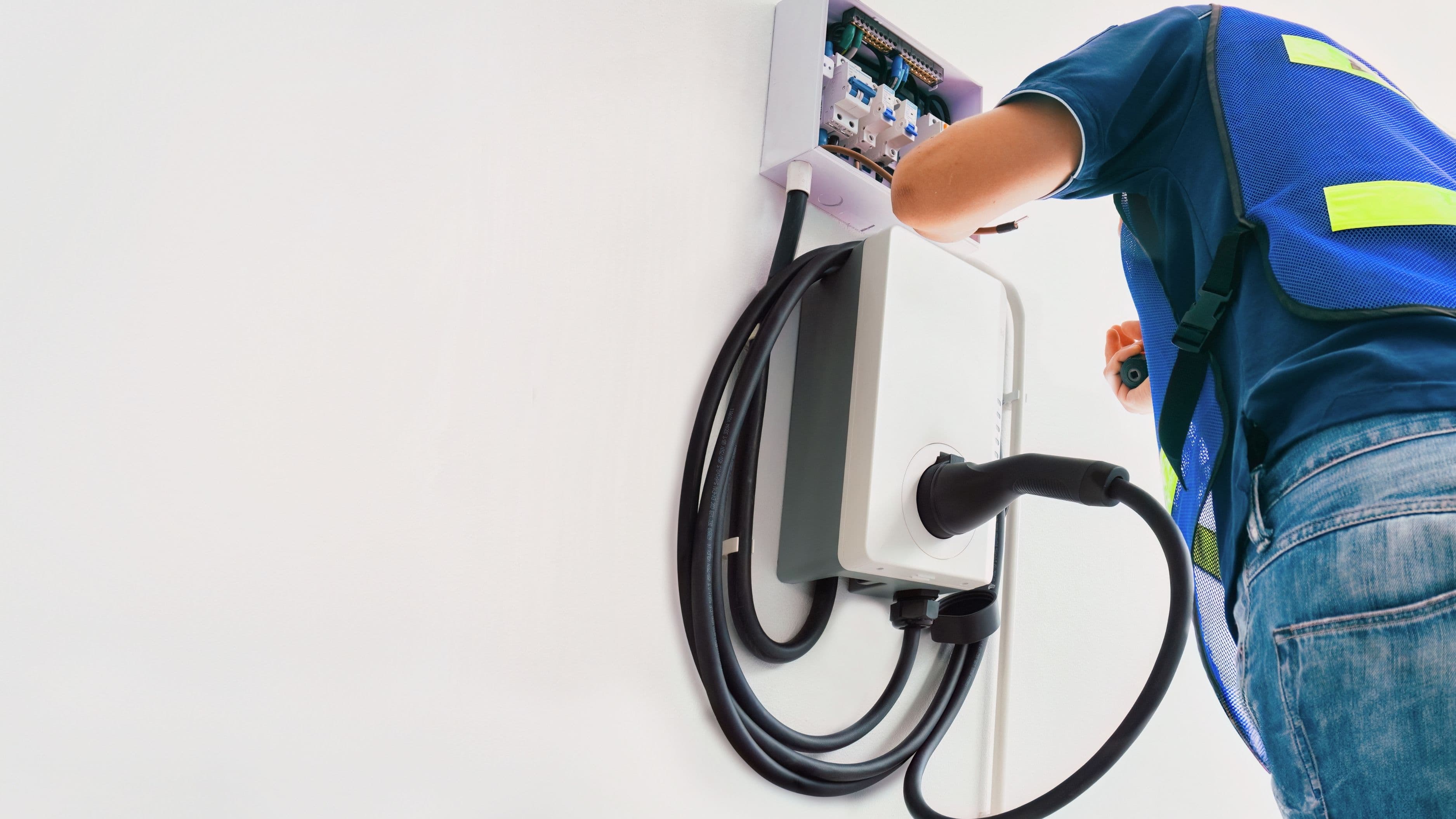
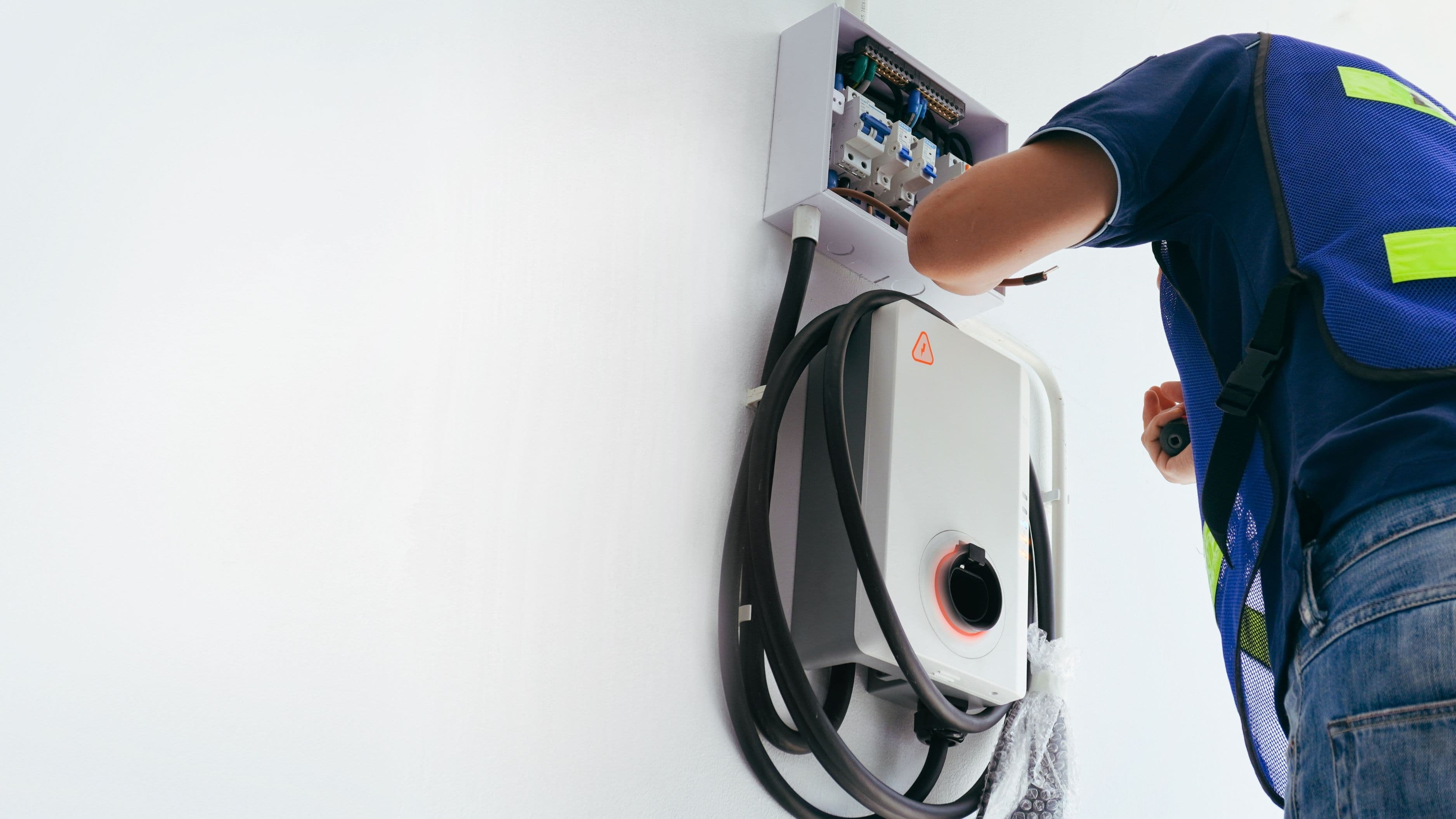
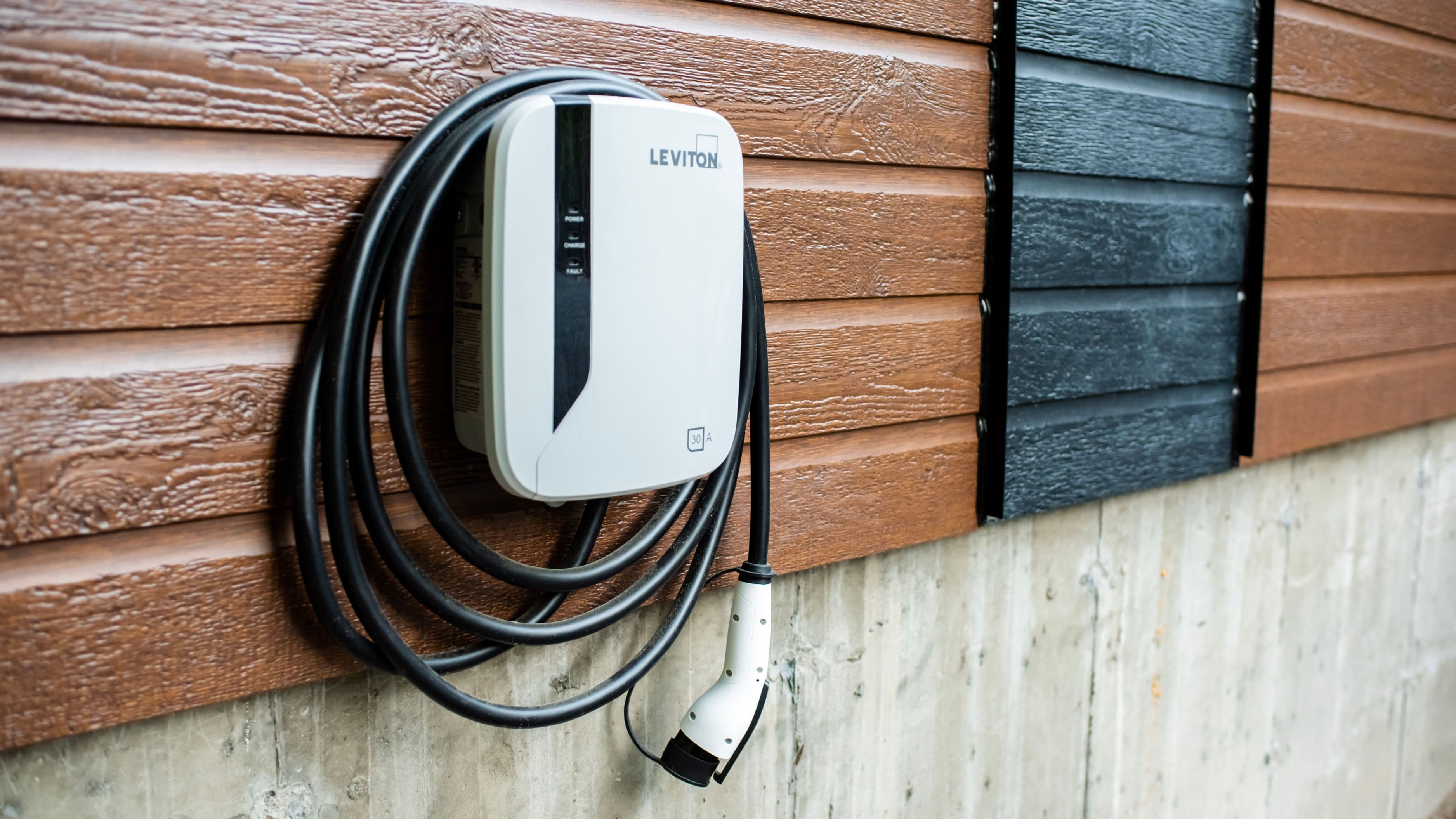
A Level 2 EV charger typically draws 30–50 amps continuously while charging, which is a significant, sustained electrical load compared to most household appliances. Your panel needs enough spare capacity to support this load safely, on top of everything else already running in your home – HVAC, water heater, kitchen appliances, and general household circuits. Older homes, and even some newer ones with smaller panels, often don't have this headroom without some kind of upgrade.
This isn't a step you want to skip or guess on. Overloading a panel isn't just an inconvenience – it's a genuine fire risk, which is exactly why this particular project sits firmly in "hire a licensed electrician" territory rather than weekend DIY, even for homeowners comfortable with basic electrical work.
Step 1: Check Your Panel's Total Amperage
Your panel's total rated capacity is usually printed on the inside of the panel door or on the main breaker itself, commonly listed as 100A, 150A, or 200A. This number represents your home's total available electrical capacity, not what's currently being used, so it's the first thing you or an electrician will check.
Homes built before the 1990s frequently have 100A panels, which were adequate for household needs at the time but often leave little to no spare capacity for a 30–50 amp EV charger circuit once your existing electrical load is factored in. Newer homes built with 200A panels generally have more breathing room, though this isn't guaranteed and still needs to be confirmed rather than assumed.
Step 2: Have an Electrician Calculate Your Actual Load
Total panel amperage doesn't tell you how much spare capacity you actually have – that requires a load calculation, which accounts for everything currently drawing power in your home. This is a standard part of what a licensed electrician does during an EV charger consultation, and it's not something to estimate yourself, since it involves specific formulas outlined in the National Electrical Code that account for how different appliances cycle on and off.
This calculation determines whether your existing panel has enough spare capacity for the new circuit, or whether you'll need one of the upgrade paths below. It's worth asking the electrician to walk you through the numbers, since this directly affects your options and cost going forward.
The Three Most Common Upgrade Paths
Path 1: No Upgrade Needed – Just a New Circuit
If your panel already has sufficient spare capacity and open breaker slots, installing an EV charger might only require adding a new dedicated circuit and breaker, without touching the panel itself. This is the simplest and least expensive scenario, and it's more common in newer homes with 200A service and moderate existing electrical load.
Path 2: Panel Upgrade From 100A to 200A
This is the most common upgrade for older homes, replacing the main panel entirely with a higher-capacity unit. This involves the utility company briefly disconnecting service, installing new panel hardware, and often upgrading the service line and meter equipment to match the new capacity. It's a more involved job, typically requiring a permit and inspection, and should only be done by a licensed electrician given the direct connection to utility service.
Path 3: Load Management Device Instead of a Full Panel Upgrade
For homes where a full panel replacement isn't in the budget or isn't practical, a load management device – sometimes called an energy management system – can monitor total household draw and automatically reduce power to the EV charger when other high-demand appliances are running. This allows a charger to be installed safely on a panel that wouldn't otherwise have enough spare capacity for the charger's full rated draw at all times. It's a legitimate, code-compliant solution in many cases, though it's worth discussing directly with your electrician whether it fits your specific situation and charging needs.
Realistic Cost Expectations
A straightforward new circuit addition on a panel with existing spare capacity typically runs $300–800 depending on the distance between the panel and charger location. A full panel upgrade from 100A to 200A generally runs $1,800–4,000, with variation based on your utility company's specific requirements, whether the service line itself needs upgrading, and local permit costs. Load management devices as an alternative to a full panel upgrade typically add $400–1,000 to the installation cost, which is often significantly less than a full panel replacement.
These are general ranges, and your actual cost will depend on your specific electrical setup, local labor rates, and permit requirements in your area. Getting quotes from two or three licensed electricians is a reasonable way to confirm you're getting a fair price for your specific situation.
Safety Notes and Why This Isn't a DIY Project
Panel work involves direct connection to your home's main electrical service, and mistakes here carry serious risk – electrical fire, equipment damage, and personal injury among them. This is true even for homeowners who are comfortable handling other electrical tasks like replacing outlets or light fixtures. Panel upgrades also require utility coordination and permits in virtually every jurisdiction, meaning unpermitted work can create real problems later, including complications with home insurance claims or when selling your home.
This project should always be handled by a licensed electrician, and the resulting work should be inspected and permitted according to your local building codes. This isn't about being overly cautious for its own sake – it reflects the genuine severity of what's at stake when a home's main electrical service is involved.
Common Mistakes to Avoid
One common mistake is purchasing an EV charger before confirming your panel's capacity, only to find out later that a panel upgrade adds significantly more cost and time to the project than expected. Getting an electrician's assessment first prevents this kind of surprise and lets you make a more informed decision about which charger and installation path actually fits your home.
Another frequent mistake is assuming a "smart" or app-connected charger eliminates the need for proper panel capacity, when in reality, these features don't change the physical electrical requirements at all. Smart features can help you monitor and schedule charging, but they don't substitute for having a properly sized, code-compliant electrical setup underneath.
When to Call a Pro
For this entire project, from the initial load calculation through final installation, a licensed electrician should be involved at every stage. This is one of the clearest examples of a home project where DIY isn't a reasonable option, regardless of your general comfort level with home repairs. A qualified electrician will handle the load calculation, recommend the right upgrade path for your specific panel and home, pull the necessary permits, and ensure the finished installation passes inspection.
FAQ
How long does a typical panel upgrade take? Most panel upgrades take one full day for the physical installation, though scheduling around utility company coordination and permit inspection can extend the overall timeline to one to two weeks.
Will I lose power during the upgrade? Yes, typically for a few hours during the day of installation while the old panel is disconnected and the new one is installed and connected.
Can I install the EV charger myself if the panel already has enough capacity? Even with sufficient panel capacity, running a new dedicated circuit for a Level 2 charger still involves electrical work that should be handled by a licensed electrician, both for safety and to meet local code and permit requirements.
Do all EV chargers require a panel upgrade? No – Level 1 chargers, which plug into a standard household outlet, don't require any panel work, though they charge significantly slower than Level 2 chargers, often adding only 3–5 miles of range per hour of charging.
📚 Sources
U.S. Department of Energy – Electric Vehicle Charging Station Installation Guide
National Fire Protection Association – Electrical Safety in the Home