
Why a Permit Is Usually Required
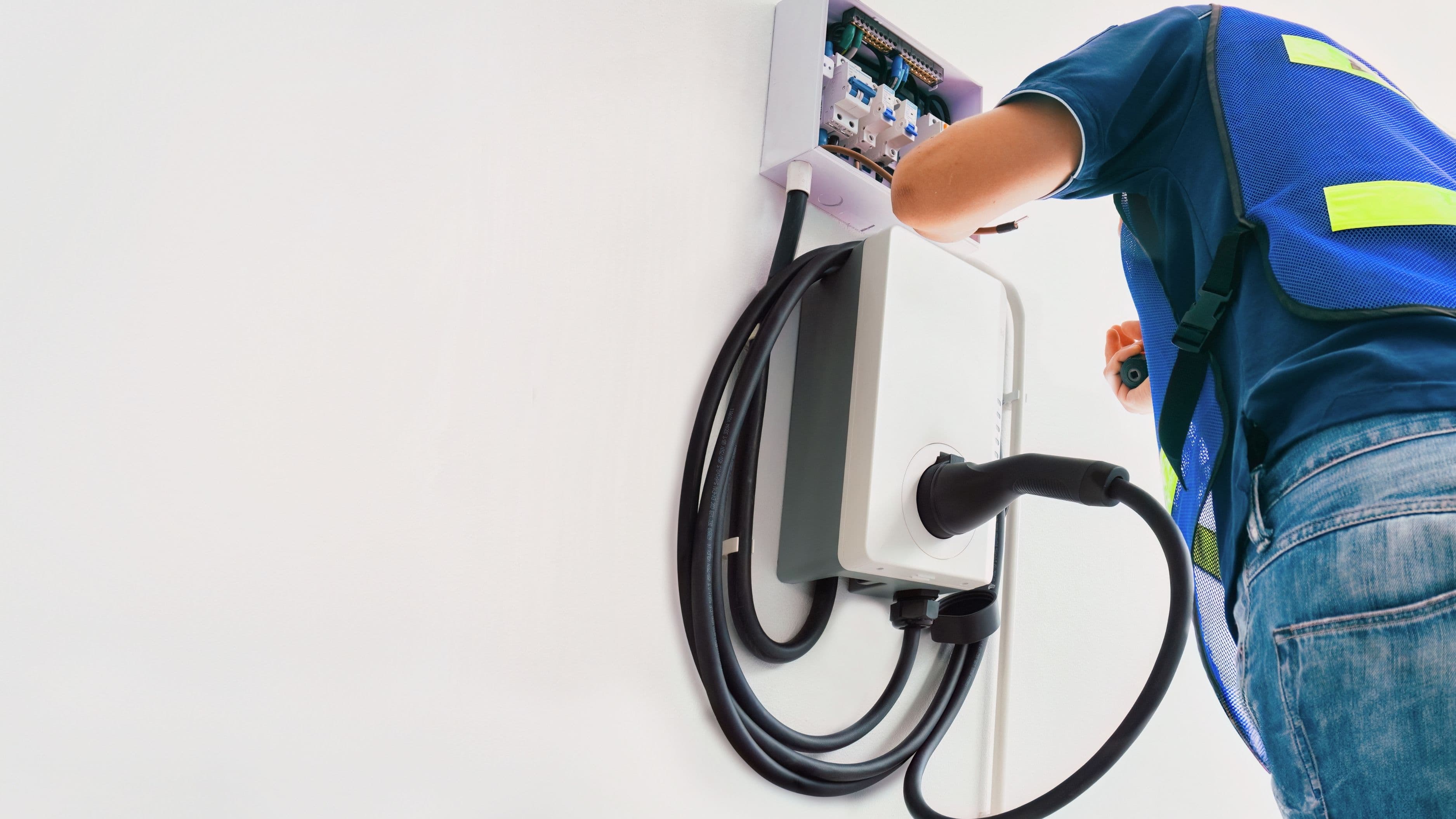
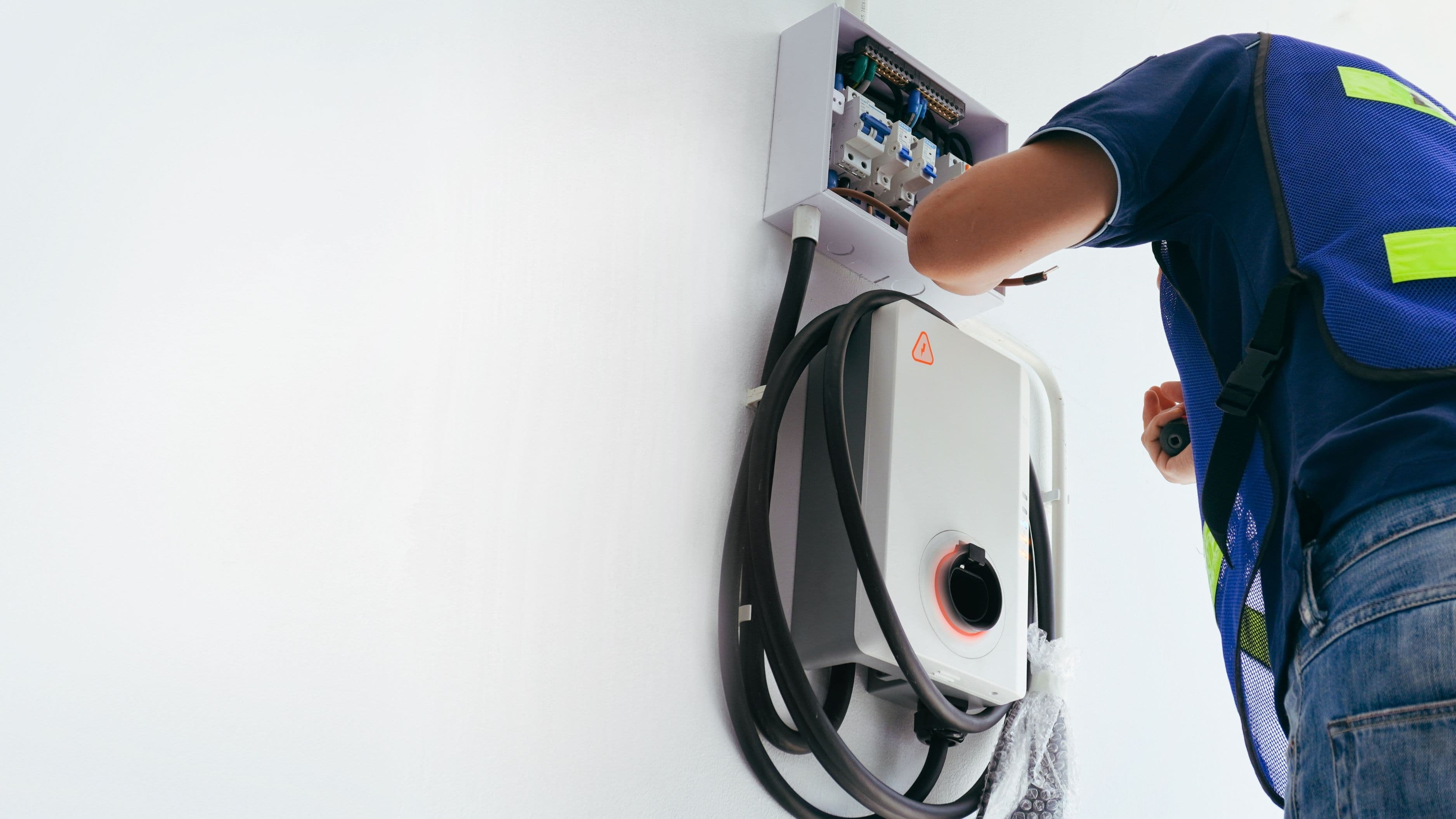
Installing a Level 2 EV charger typically means adding a new dedicated 240V circuit to your electrical panel, which is exactly the kind of work most local building codes require a permit for, regardless of whether you're hiring an electrician or technically capable of doing it yourself. Permits exist specifically because incorrectly installed high-amperage circuits represent a genuine fire and safety risk, and the permit and inspection process confirms the work meets code before it's covered up behind walls or left live in your garage.
This isn't just bureaucratic red tape. An inspector checking the completed work confirms things like proper wire gauge for the circuit's amperage, correct breaker sizing, adequate grounding, and appropriate weatherproofing if the charger is installed outdoors – all details that matter for both safety and long-term reliability.
The Typical Permit Process
Most municipalities require an electrical permit application, usually submitted by the licensed electrician doing the work rather than the homeowner directly, though this varies by location. The application typically includes basic details about the panel's current capacity, the proposed circuit specifications, and the charger's electrical requirements.
Once approved, the electrician completes the installation, and a local building inspector schedules a visit to review the finished work before it's considered code-compliant. This inspection typically happens fairly quickly after installation, though timing varies significantly by municipality and current inspector workload, ranging anywhere from a few days to a few weeks in busier areas.
Panel Capacity: The Step That Often Comes First
Before a permit can even move forward in some cases, your electrician needs to confirm your home's electrical panel has adequate capacity to support the new circuit alongside your existing electrical load. Older homes, particularly those with 100-amp panels rather than newer 200-amp standard panels, sometimes don't have enough spare capacity for a Level 2 charger without either downsizing the charger's amperage or upgrading the panel itself.
A panel upgrade, if required, is a separate and larger project with its own permit requirements, and it's worth having this capacity assessment done early in the process rather than discovering it's needed after you've already purchased a charger.
HOA Approval: A Separate Requirement in Some Areas
If you live in a community governed by a homeowners association, you may need HOA approval in addition to your municipal permit, particularly for any exterior modifications like a charger mounted on an outside wall or a new conduit run visible from the street. Many states have passed "right to charge" laws that limit an HOA's ability to outright deny EV charger installations, but the specifics of what an HOA can still require – like specific mounting locations or aesthetic guidelines – vary by state and by the individual HOA's governing documents.
Checking your state's specific right to charge protections, if applicable, alongside your HOA's guidelines before starting the project can save significant back-and-forth later.
What Happens If You Skip the Permit
Installing an EV charger circuit without a required permit creates several potential problems beyond the immediate safety risk of unverified work. If you ever sell your home, unpermitted electrical work often surfaces during a buyer's inspection or when reviewing permit history with the local building department, which can complicate or delay a sale, or require retroactive permitting and inspection before closing.
Home insurance claims involving electrical fires can also be affected if unpermitted work is found to be a contributing factor, potentially complicating or reducing coverage. Given that a permit typically adds a modest cost and short timeline to the overall project, the risk of skipping it rarely outweighs the savings.
Rebates and Incentives Often Require Permitted Work
Many utility company and government rebate programs for EV charger installation specifically require proof of a permitted, inspected installation as a condition of the rebate. Skipping the permit process to save time or money can therefore end up costing you access to incentives that would have more than covered the permit cost in the first place.
Realistic Timeline
Between permit application, approval, installation, and final inspection, expect the full process to take anywhere from one to three weeks in most areas, though this can extend if a panel upgrade is required or if your local permitting office has a longer processing backlog. Building in this timeline expectation from the start avoids unnecessary frustration if the process takes a bit longer than the installation work itself.
What to Avoid
Don't hire an electrician who suggests skipping the permit process to save time or money. A licensed, reputable electrician should include permitting as a standard part of the project, and reluctance to do so is a legitimate red flag about the quality and legality of their work.
Avoid assuming your HOA has no say simply because your state has right to charge protections. These laws typically limit outright denial but often still allow reasonable restrictions on installation location or aesthetics, so checking your specific situation avoids conflict later.
Don't attempt the electrical work yourself to avoid permit costs if your local code requires licensed electrician work for circuits at this amperage, which most jurisdictions do. Beyond the legal risk, incorrectly wired high-amperage circuits are a genuine home fire hazard.
FAQ
Do I need a permit for a Level 1 charger that plugs into a standard outlet? Generally no, since Level 1 charging typically uses your home's existing standard outlet without requiring new electrical work, though always confirm with your local building department if you're uncertain.
How much does an EV charger installation permit typically cost? Permit fees vary significantly by municipality, generally ranging from around $50 to a few hundred dollars, and this is usually a small fraction of the overall installation cost.
Can I get a permit myself instead of having my electrician handle it? In some areas yes, but many municipalities require permits for electrical work to be pulled by a licensed electrician specifically, so check with your local building department before assuming you can handle this step yourself.
📚 Sources
U.S. Department of Energy – "Home Charging Station Installation" – https://www.energy.gov/eere/electricvehicles/charging-home
National Conference of State Legislatures – "State Right to Charge Laws" – https://www.ncsl.org/