
Why Pipes Burst: The Actual Cause
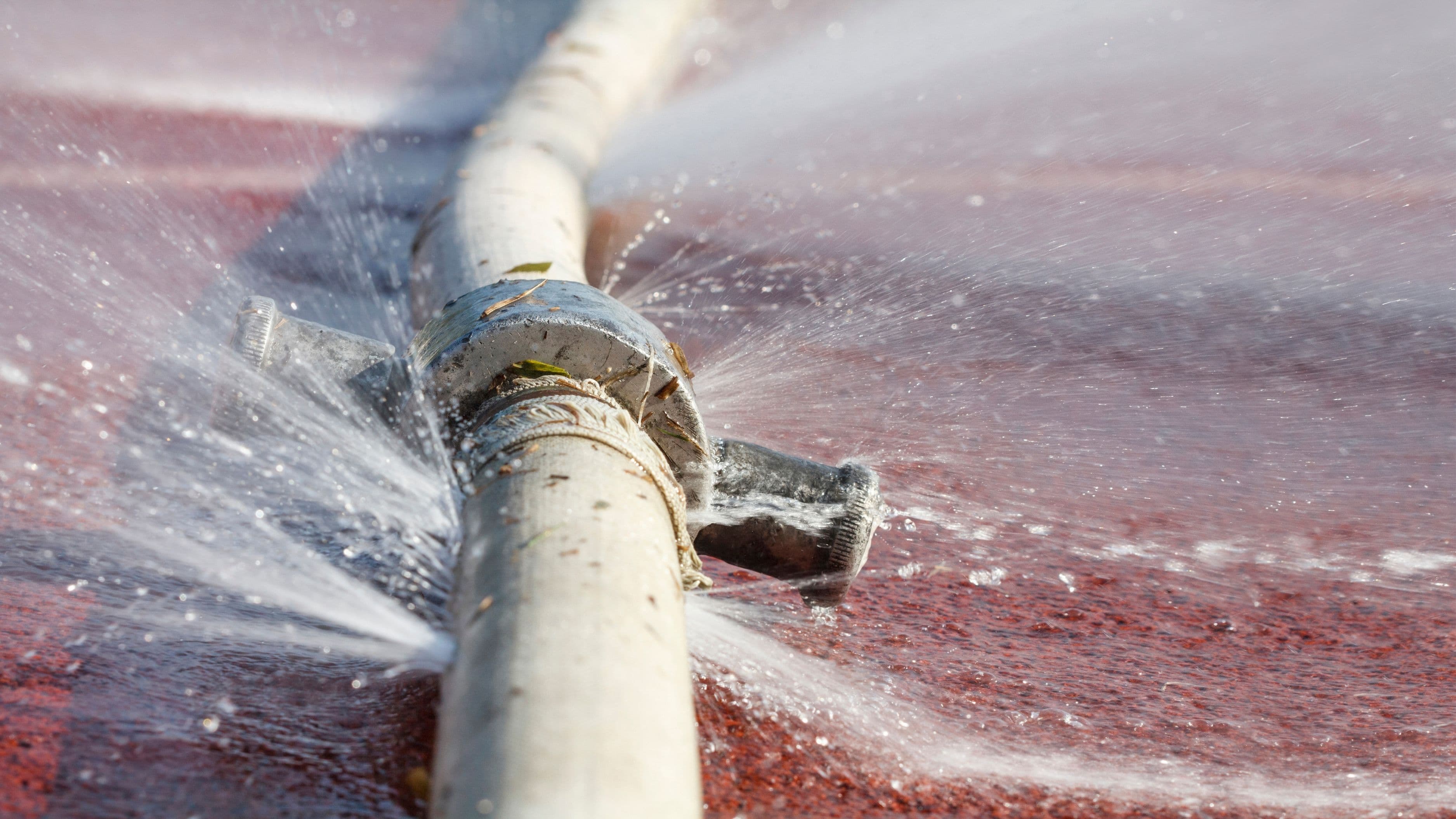
Most people assume pipes burst because the water inside them freezes solid and expands. That part is true – water does expand about 9% when it freezes – but expansion alone isn't the whole story. If it were, the pipe would just bulge slightly at the freeze point. What actually causes the burst is pressure.
When a section of pipe freezes, it creates a blockage. Water continues to push through the rest of the pipe on the house side of the freeze, and that water has nowhere to go. The pressure builds between the frozen blockage and a closed fixture like a faucet or shutoff valve. That pressure – not the ice itself – is what eventually forces the pipe wall to fail. The burst often happens at a point away from the freeze, where the pipe is weakest or where the pressure accumulates.
This is why pipes can freeze on a cold night and burst hours later when temperatures rise slightly. As the ice thaws, water flow resumes through a pipe that's already cracked or weakened from the pressure buildup. The leak often isn't discovered until the water is already running.
Which Pipes Are Most at Risk
Not all pipes in your home face the same level of risk. The most vulnerable are pipes that run through unheated or poorly insulated spaces. These include pipes in exterior walls, crawl spaces, attics, garages, and unheated basements. Any pipe that runs along an outside-facing wall with minimal insulation between it and the cold exterior is a candidate for freezing when temperatures drop significantly.
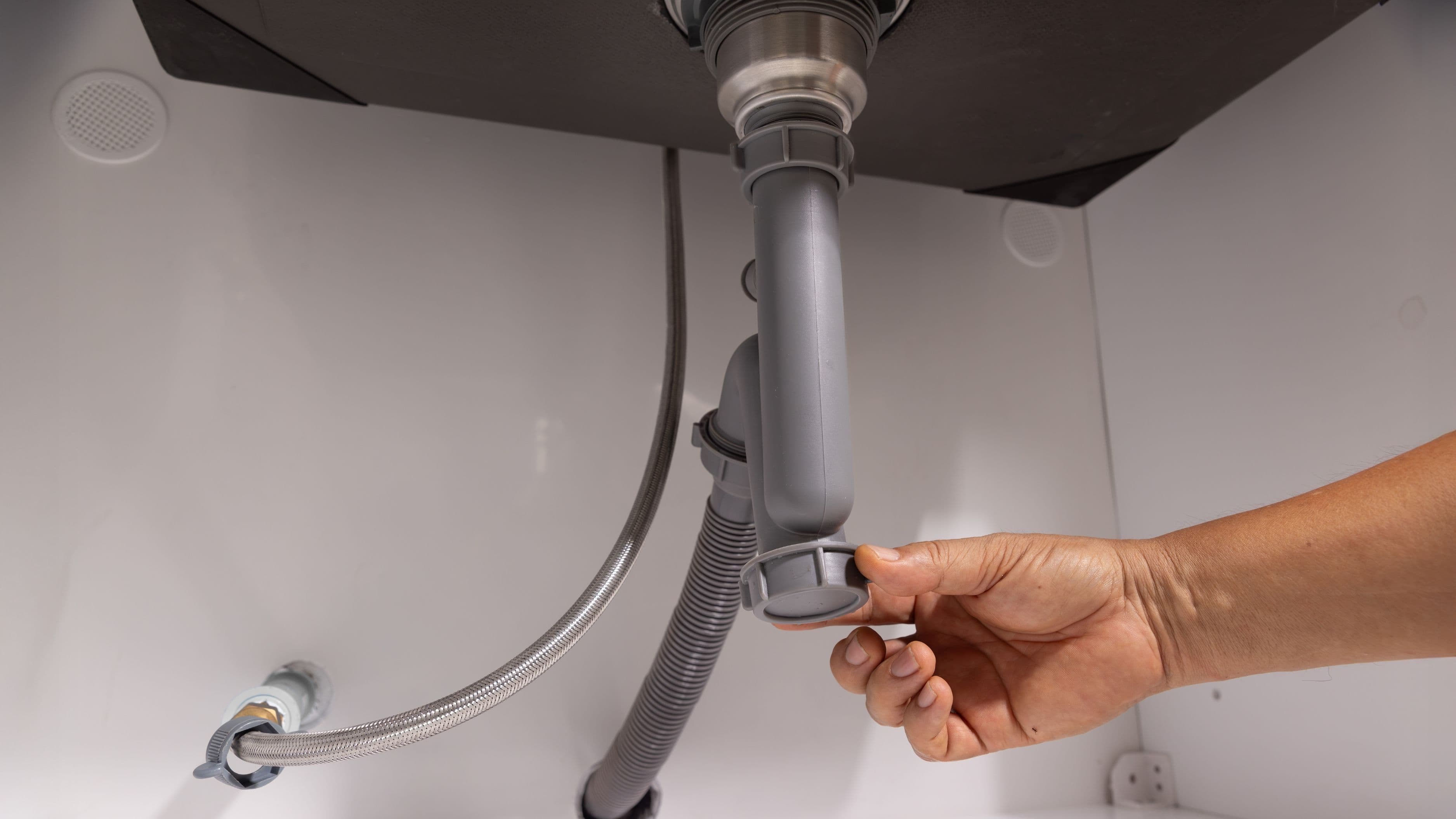
Pipes in cabinets on exterior walls – like under a kitchen sink on an outside-facing wall – are also at higher risk than most homeowners realize. The cabinet blocks the warm air in the room from reaching the pipe, while the exterior wall transfers cold from outside. This is a common source of freeze-ups that surprises people because the pipe is technically "inside" the house.
Outdoor hose bibs, irrigation lines, and any pipe running through a crawl space without vapor barrier and adequate insulation round out the highest-risk locations. In regions that experience occasional severe cold but aren't typically extreme winter climates – parts of the South, the Pacific Northwest, and lower elevation areas of the Southwest – pipes are often installed without the freeze protection that colder-climate construction takes for granted. A single hard freeze in those areas can cause widespread damage because the infrastructure wasn't designed with it in mind.
Step 1: Insulate Exposed Pipes Before Cold Weather Arrives
Pipe insulation is inexpensive, straightforward to install, and genuinely effective. Pre-slit foam pipe insulation sleeves are available at any hardware store and cost roughly $0.50 to $2.00 per linear foot depending on diameter and thickness. You slide them over the pipe and secure the slit edge with tape. For pipes in especially cold areas like crawl spaces or attics, use insulation with a higher R-value or wrap foam insulation with additional heat tape for added protection.
Focus your insulation effort on pipes in unheated spaces first: the crawl space, the garage, the attic, and any section of pipe running through an exterior wall cavity. For pipes inside exterior wall cavities that you can't easily access, improving the wall's insulation is a longer-term solution. In the short term, keeping cabinet doors under exterior-wall sinks open during cold spells allows warm room air to circulate around the pipes, which is a simple and effective stopgap.
When insulating, don't leave gaps. A fully insulated pipe with a 6-inch uninsulated section is still vulnerable at that gap. Overlap sections slightly and tape seams securely to create continuous coverage.
Step 2: Disconnect and Drain Outdoor Hoses and Irrigation Systems
This is one of the easiest preventive steps and one of the most commonly skipped. A garden hose left connected to an outdoor spigot through winter creates a problem even if the hose bib has a frost-free design. Frost-free spigots are designed to drain the water back away from the exterior when you shut them off – but only if the hose is disconnected. A connected hose traps water in the spigot, defeating the frost-free mechanism and allowing the fitting to freeze and crack.
Disconnect all garden hoses before the first hard freeze, drain them, and store them inside or in a protected area. If you have a dedicated shutoff valve for outdoor spigots inside your home, close it and then open the outdoor spigot briefly to let any remaining water drain out before closing the exterior valve again.
For in-ground irrigation systems, winterization is a separate process that typically involves blowing compressed air through the lines to clear standing water from every zone. In climates where irrigation systems are common and freezing is a seasonal reality, this is standard fall maintenance. If you're not familiar with the process, a licensed irrigation contractor can winterize the system in an hour or two for a modest service fee – far less expensive than replacing cracked irrigation lines in spring.
Step 3: Insulate or Seal Crawl Spaces and Exposed Foundations
Crawl spaces are one of the leading environments for frozen pipes because cold air enters from multiple directions – through foundation vents, gaps in the foundation wall, and the uninsulated floor structure above. Pipes running through crawl spaces are exposed to ambient temperatures that can drop well below freezing in severe weather.
Closing crawl space vents in winter is recommended in cold climates to limit cold air intrusion. Some building codes now favor unvented, conditioned crawl spaces with insulated walls rather than the older vented model, specifically because vented crawl spaces create freezing and moisture problems. If your crawl space has open vents, closing them with foam vent covers before temperatures drop significantly reduces heat loss and cold air infiltration.
Adding a vapor barrier to the crawl space floor and insulating the foundation walls rather than the floor above is the more complete solution. If your crawl space currently has no insulation and exposed pipes, adding fiberglass batt insulation between floor joists above the pipes provides a meaningful buffer. Wrap any pipes that remain exposed in the crawl space with foam insulation sleeves as an additional layer.
Step 4: Keep the Heat On – Even When You're Away
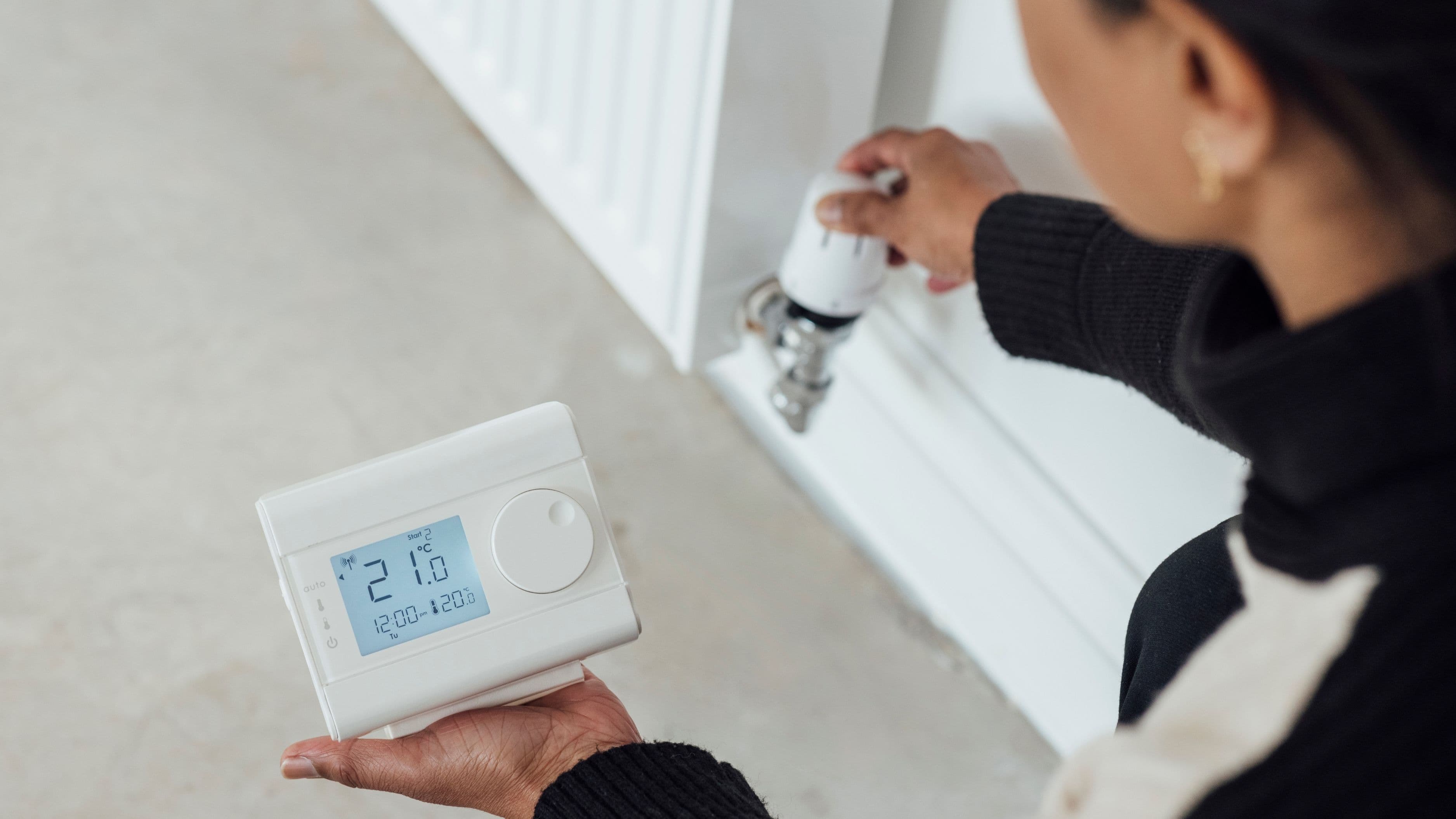
When temperatures drop below freezing outside, the heat inside your home is what's protecting your pipes. Turning the thermostat down to 55°F or lower in an unoccupied house during a cold snap is a common cause of freeze-ups in vacation properties and in homes where owners try to save on heating costs during a trip.
The general rule: keep the thermostat set to at least 55°F even when the house is empty. The small cost in heating fuel is negligible compared to the cost of a burst pipe repair. If you'll be away for an extended period in cold weather, ask a neighbor to check the house periodically, or install a smart thermostat that lets you monitor and adjust temperature remotely.
If a pipe does freeze while you're away and you don't catch it before it thaws, the burst may go undetected for days while water runs freely inside the house. A smart water leak sensor connected to your Wi-Fi that sends phone alerts provides an additional layer of protection for these situations.
Step 5: Let Faucets Drip During Extreme Cold
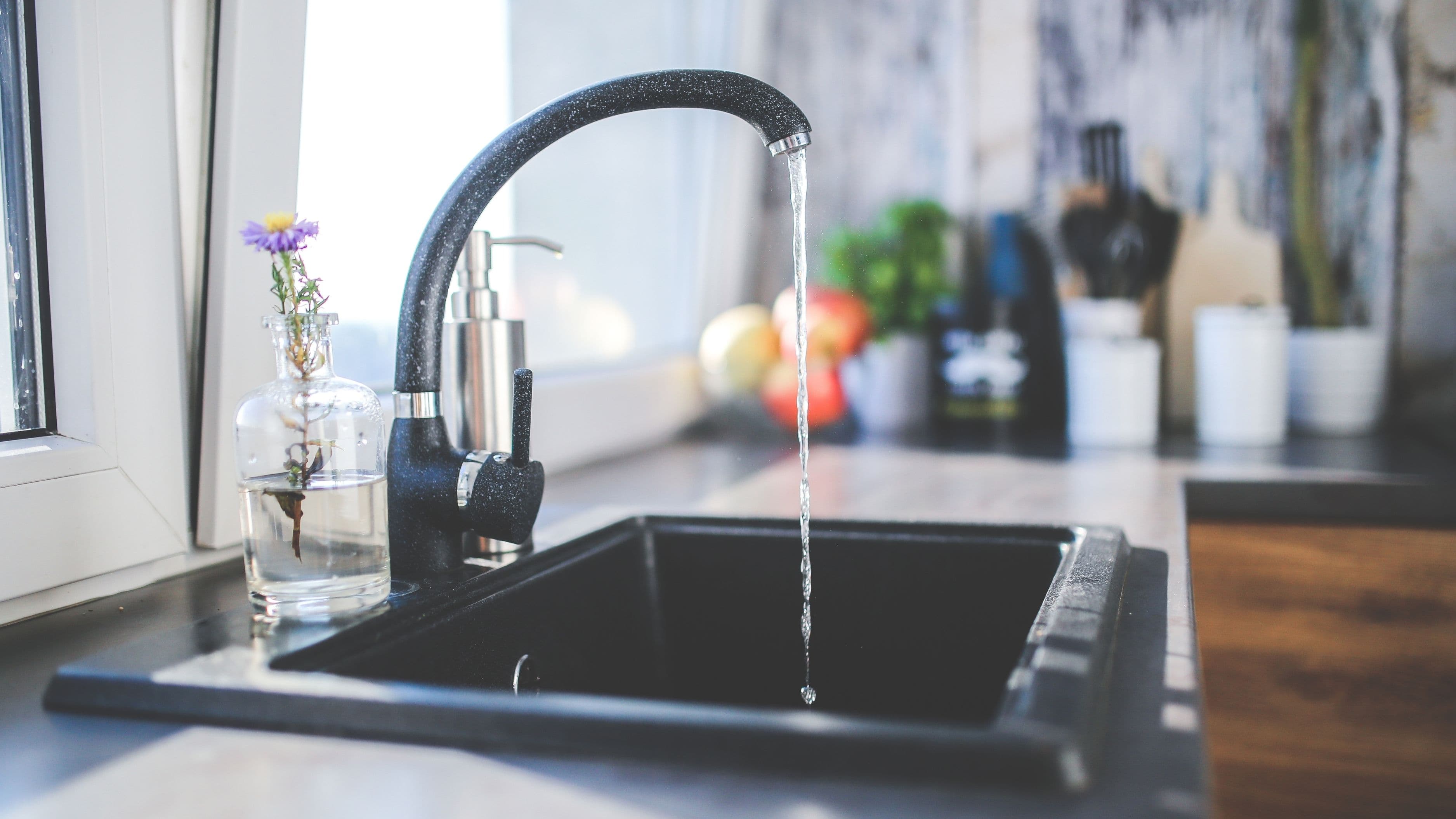
Letting a faucet drip slightly during periods of extreme cold is a time-tested prevention method that works by two mechanisms. First, the slow movement of water through the pipe makes it much harder for a freeze to form and hold – moving water requires much lower temperatures to freeze than standing water. Second, if a freeze does start to develop, the open faucet allows the pressure buildup between the freeze and the fixture to relieve itself, which is what prevents the burst.
You don't need to leave every faucet dripping. Focus on faucets that are fed by pipes running through exterior walls or unheated spaces. Even a very slow drip – just enough to keep water moving – is effective. During a particularly severe cold event, doing this for one to two nights and then returning to normal once temperatures rise is a reasonable precaution without a meaningful impact on your water bill.
Step 6: Know Where Your Main Shutoff Is Before You Need It
Every homeowner should know where the main water shutoff valve is located and be able to operate it quickly. If a pipe bursts, the first and most important action is shutting off the water supply to limit the volume of water released. Every minute the water runs freely after a burst adds to the cleanup and repair cost.
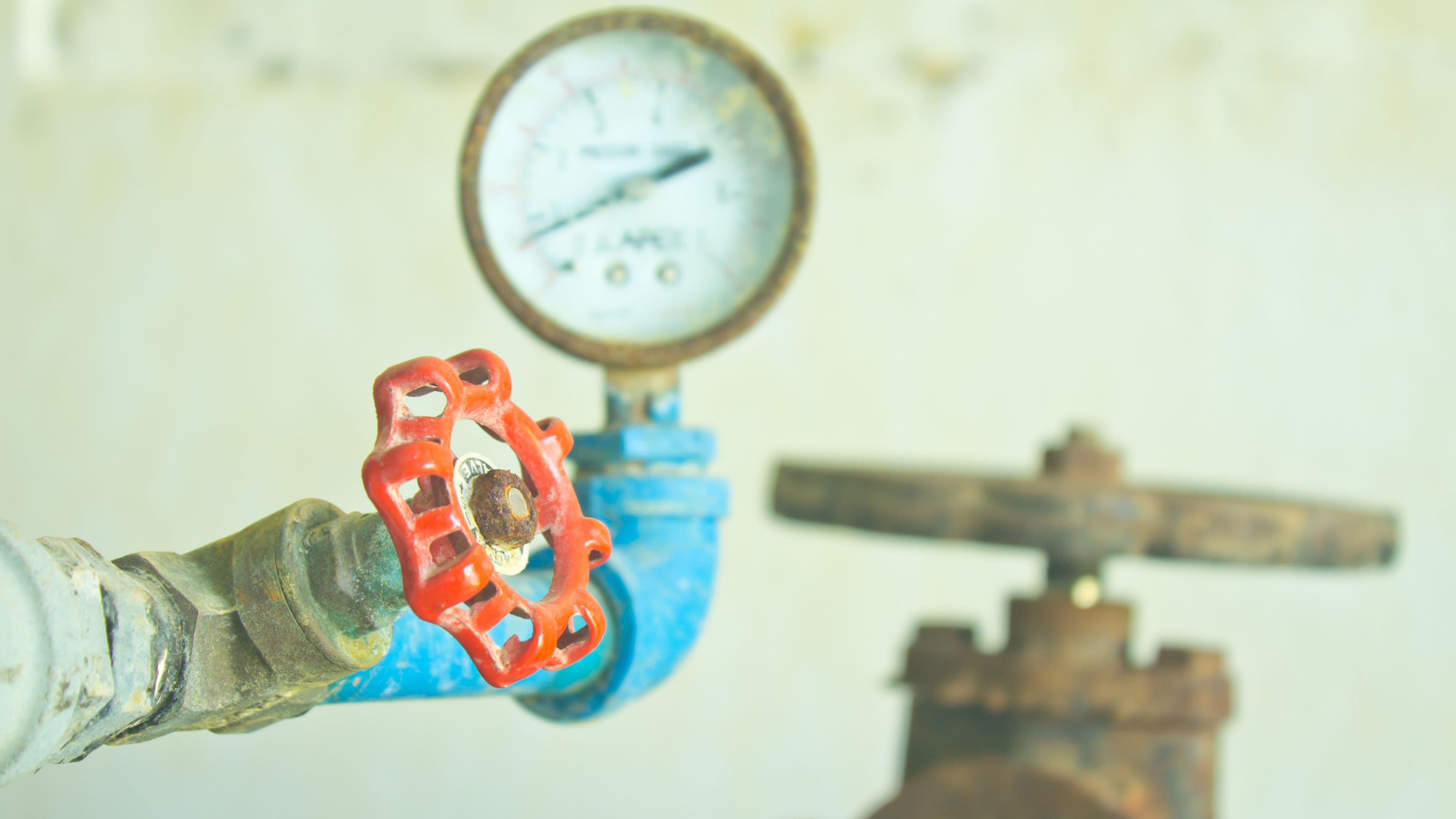
The main shutoff is typically located where the water supply enters the house – near the water meter in the basement, a utility room, or along an exterior foundation wall. It's usually a gate valve (a wheel-handled valve that turns multiple times to close) or a ball valve (a lever that turns 90 degrees to close). If you don't know where yours is, find it now and make sure it operates smoothly. If the handle is corroded or difficult to turn, that's worth addressing before an emergency.
Common Mistakes to Avoid
Relying on a frost-free spigot without disconnecting hoses is probably the single most common mistake. As mentioned, leaving a hose connected negates the frost-free design entirely.
Opening cabinet doors under exterior-wall sinks is often skipped because it feels too simple to make a real difference. It does make a real difference – warm room air circulating around the pipes under the sink is genuinely protective, and it costs nothing.
Ignoring an isolated slow drip from a faucet on an outside wall during or after a cold spell is a mistake. That drip may indicate a pipe is already partially frozen or has developed a small crack. Turn off the water supply to that section of the house and investigate before the situation worsens.
Trying to thaw a frozen pipe with an open flame is dangerous and has caused house fires. If you suspect a pipe is frozen and want to thaw it yourself, use a hair dryer on low heat, warm towels, or an electric heating pad – never a propane torch or any open flame source.
When to Call a Professional
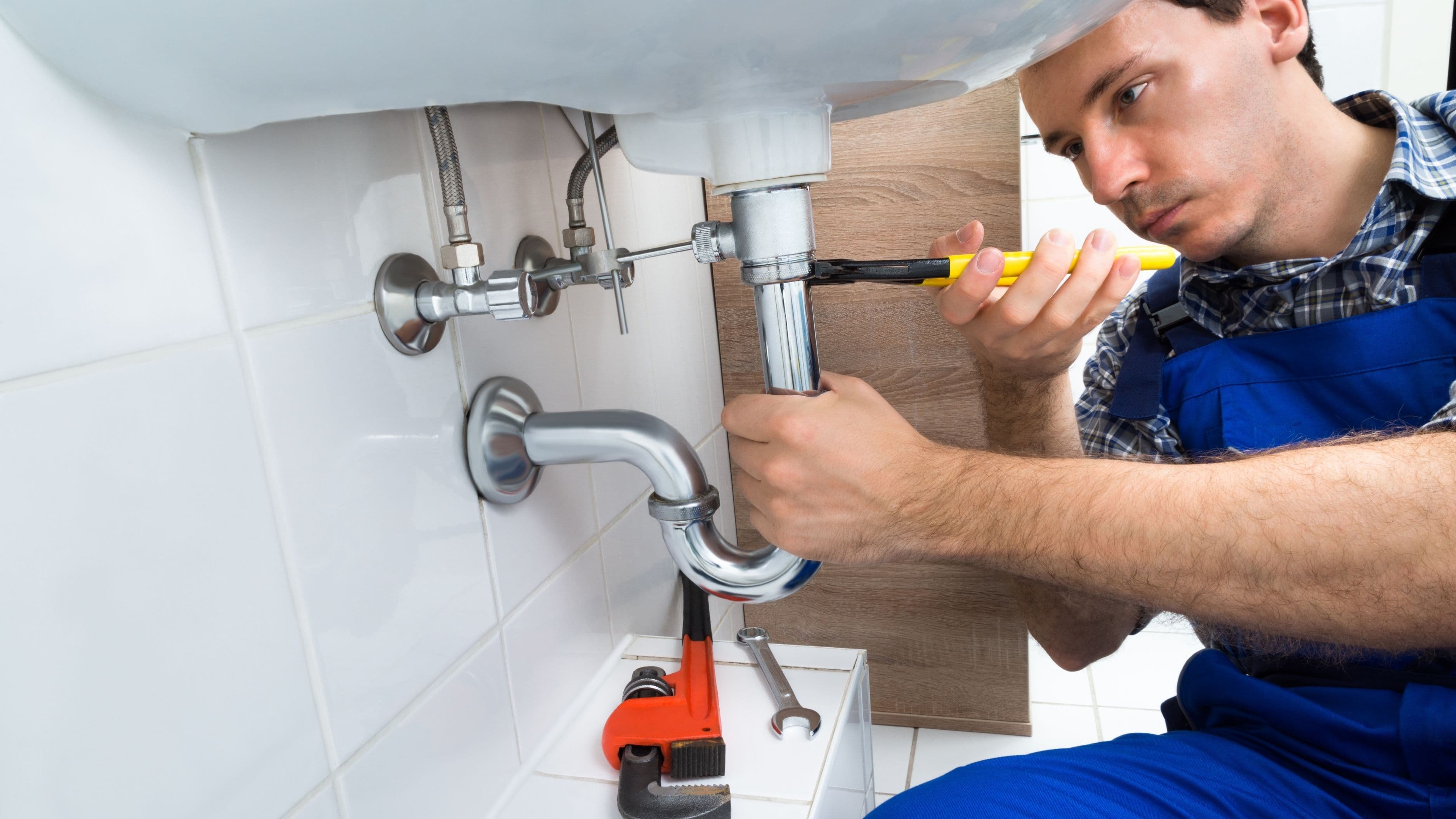
If you suspect a pipe is frozen but can't locate or access it, call a plumber. Guessing at the location and opening walls unnecessarily can cause more problems than it solves. Plumbers have tools to detect frozen sections in wall cavities without destructive investigation.
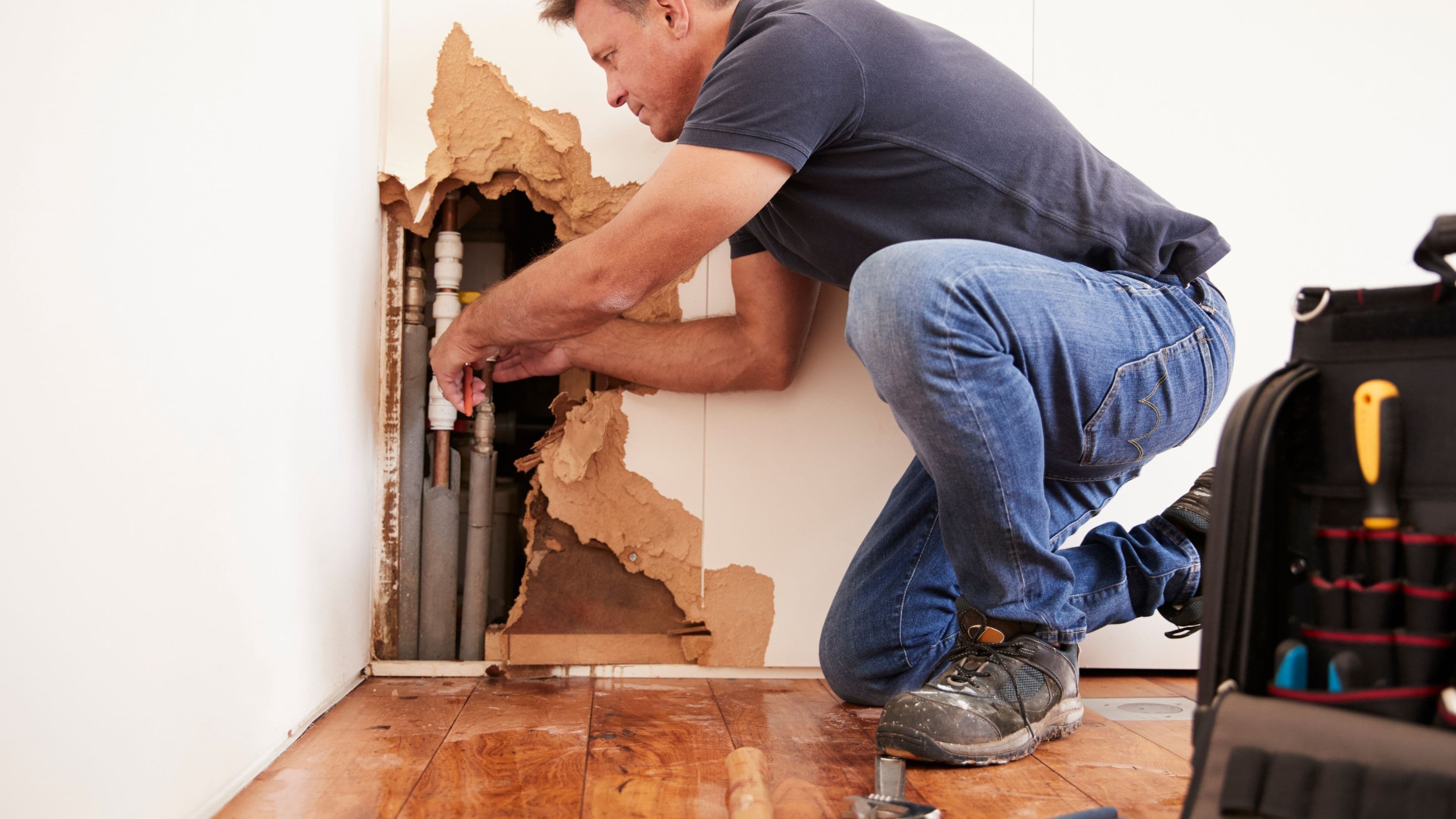
If a pipe has already burst, shut off the main water supply, document the damage with photos for your insurance claim, and call a licensed plumber to make the repair. Burst pipes inside walls or under floors require professional assessment to ensure the repair is complete and the surrounding structure isn't damaged. Water that has soaked into framing, insulation, or subfloor needs to be dried properly to prevent mold – which may require a water damage restoration company in addition to the plumber.
FAQ
At what temperature do pipes typically freeze? Water begins to freeze at 32°F, but pipes in reasonably well-insulated homes generally don't reach that temperature until outdoor conditions drop to around 20°F or below for a sustained period. Pipes in unheated crawl spaces, attics, or exterior wall cavities can freeze at higher outdoor temperatures because they're exposed to more cold and less home heating.
How do I know if a pipe is frozen? The most common sign is reduced or no water flow at a specific fixture when others in the home work normally. If you turn on a faucet and get a trickle or nothing, and the temperature has been below freezing overnight, a frozen pipe is likely. Check the pipes in the most exposed areas first.
Can I thaw a frozen pipe myself? Yes, if you can locate and access it. Use a hair dryer, heat lamp, electric heating pad, or hot wet towels applied to the frozen section. Work from the faucet end toward the frozen blockage, not from the middle outward. Never use open flame. If you can't locate the frozen section, call a plumber.
Is foam pipe insulation enough for very cold climates? Foam insulation alone is adequate for mild cold. In regions with sustained extreme cold, pairing foam insulation with electric heat tape (also called heat cable) on particularly vulnerable pipes provides more reliable protection. Heat tape is a low-wattage electric element that wraps around the pipe and keeps it above freezing – it's widely available and straightforward to install.
Should I turn off the water supply when I leave for vacation in winter? In very cold climates or if you'll be away for more than a week, turning off the main water supply and draining the pipes is the safest approach. Open a faucet on the lowest floor after shutting off the main to help drain remaining water from the lines.
📚 Sources
Insurance Information Institute – Homeowners Insurance Claims Statistics: https://www.iii.org/fact-statistic/facts-statistics-homeowners-and-renters-insurance
American Red Cross – Preventing and Thawing Frozen Pipes: https://www.redcross.org/get-help/how-to-prepare-for-emergencies/types-of-emergencies/winter-storm/frozen-pipes.html
U.S. Department of Energy – Insulating Your Home: https://www.energy.gov/energysaver/insulation
International Association of Certified Home Inspectors – Crawl Space Inspection: https://www.nachi.org/crawlspace.htm
This Old House – How to Prevent Pipes From Freezing: https://www.thisoldhouse.com/plumbing/21015085/how-to-prevent-pipes-from-freezing