
The Short Answer
Yes, you can pour new concrete over old cracked concrete in many situations, a technique often called a concrete overlay or resurfacing, but it only works reliably when the underlying slab is structurally sound and the cracking is cosmetic rather than a sign of deeper movement or settling. Pouring over a slab that's actively shifting, heaving, or crumbling will almost always cause the new layer to crack in the same places within a year or two, since the new concrete simply follows whatever the old slab beneath it is doing.
When It's a Good Idea
Overlaying works well when the existing slab has surface-level cracking from age, minor settling, or cosmetic wear, but remains stable underfoot with no significant shifting or major structural damage. It's also a solid option when the goal is primarily cosmetic, like refreshing a faded or stained driveway, rather than fixing a structural issue. This approach saves significant time, labor, and cost compared to full demolition and repour, since you're skipping the most labor-intensive and expensive part of a concrete project entirely.
When It's a Bad Idea
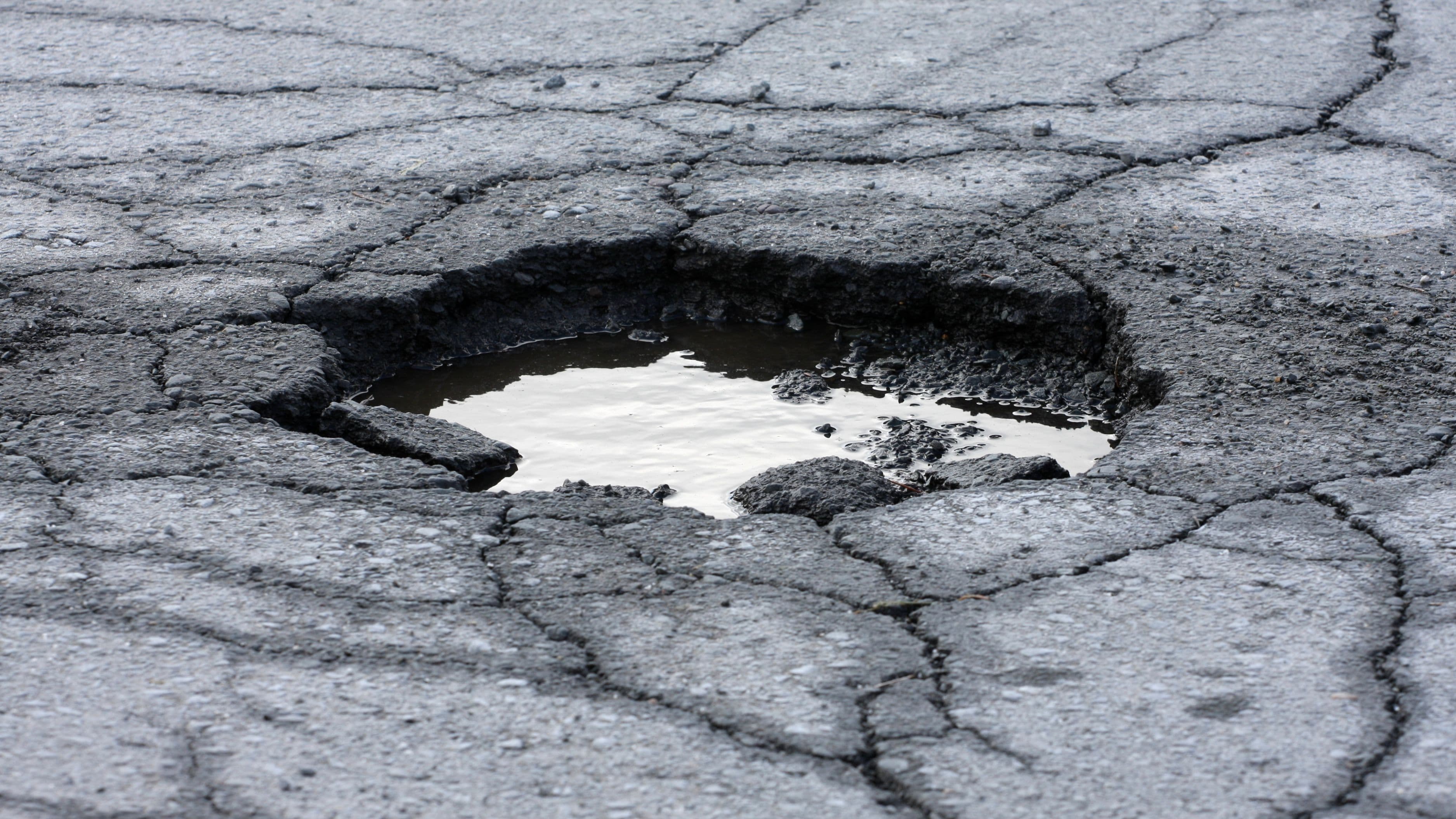
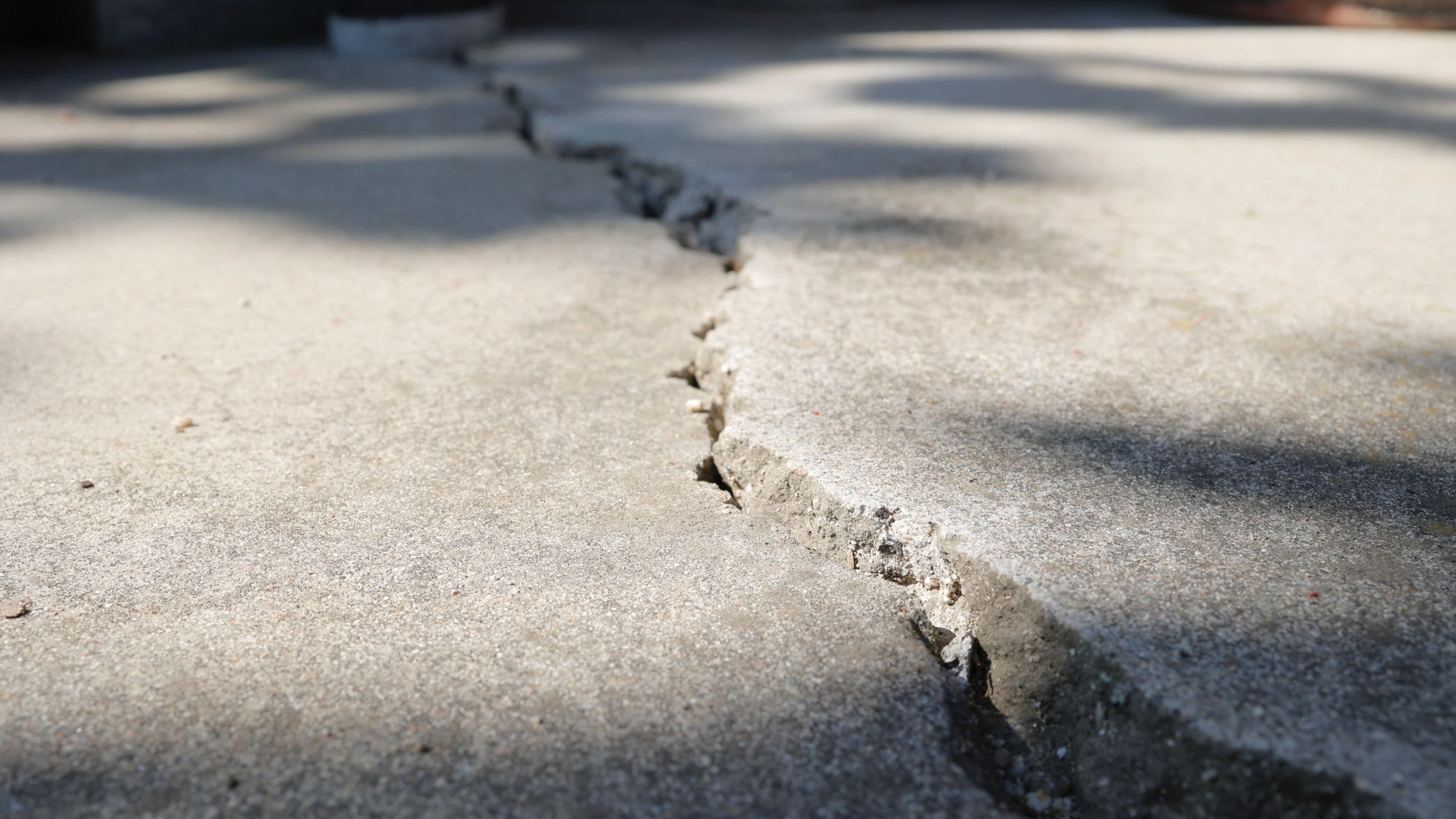
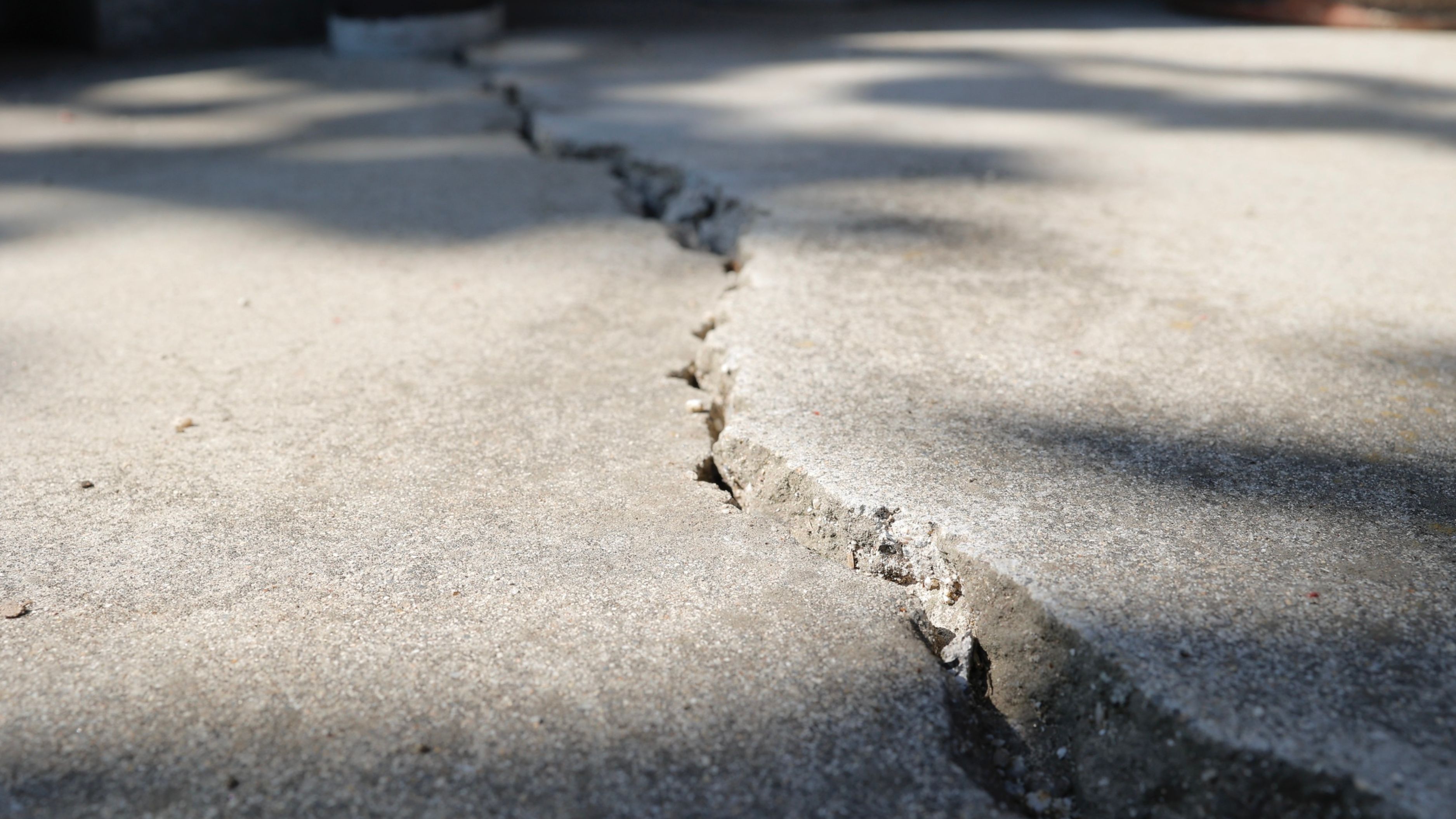
Overlaying is the wrong move when cracks are wide, actively growing, or accompanied by noticeable height differences between sections of the slab, since these are usually signs of foundation movement, poor drainage, or soil erosion happening underneath. Pouring over this kind of damage doesn't fix the underlying cause, it just delays the visible symptom while the same forces continue working on the new layer from below. It's also a poor choice if the old slab has significant scaling, spalling, or crumbling concrete, since a new layer needs a stable, solid base to properly bond to, and pouring over deteriorating material often leads to the new layer separating or cracking prematurely.
Step-by-Step Process If Your Slab Qualifies
Step 1: Assess the Damage Honestly
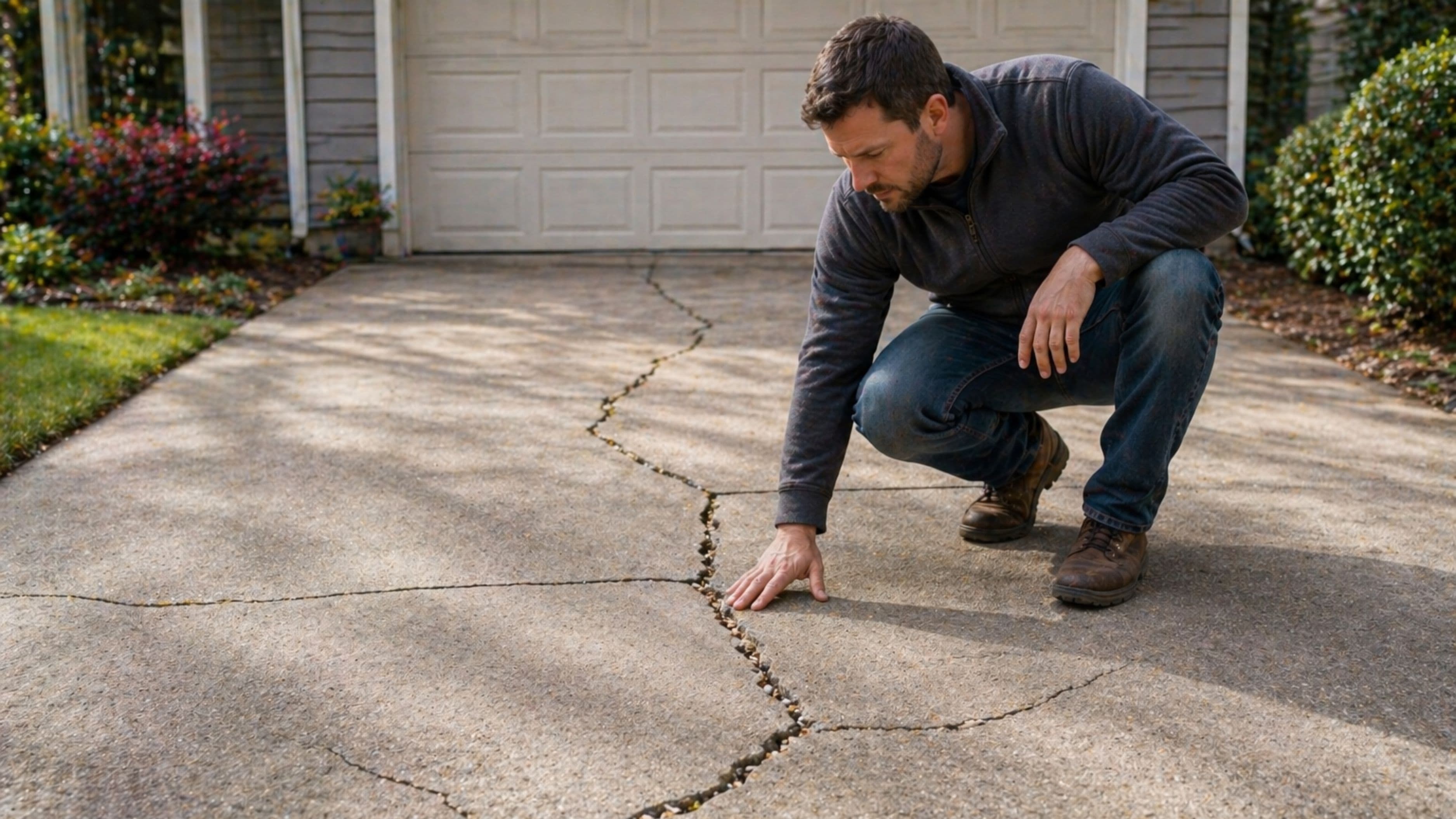
Walk the entire slab and note where cracks appear, how wide they are, and whether any sections have shifted relative to others. Cracks under about a quarter inch wide with no height difference on either side are generally good candidates for overlay. Wider cracks, especially ones where you can feel a step between the two sides, usually indicate movement that an overlay won't solve.
Step 2: Clean the Surface Thoroughly
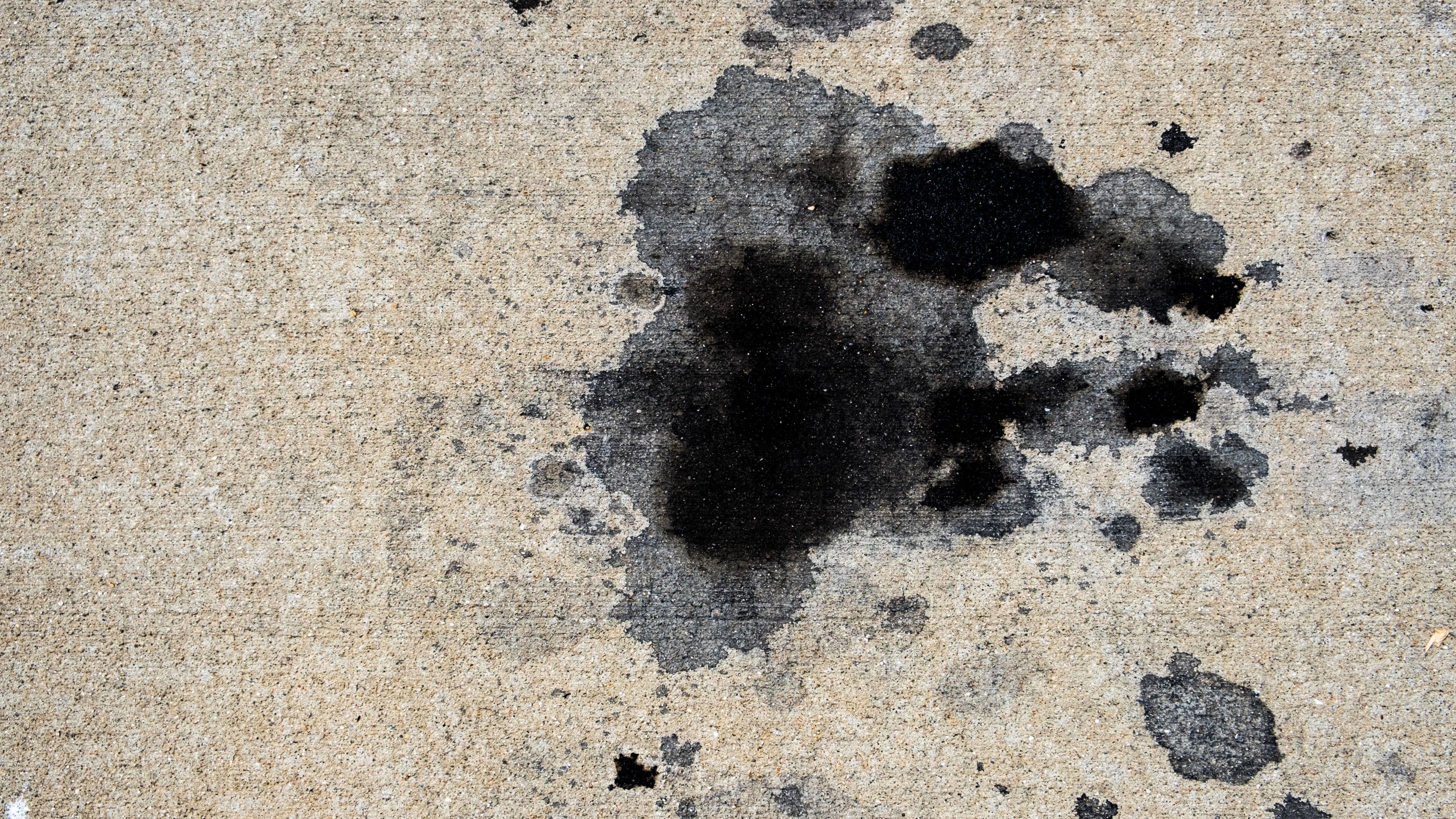
Remove all dirt, oil stains, loose debris, and any flaking concrete using a pressure washer, followed by a concrete degreaser for any oil or grease stains. This step matters more than most people expect, since the new layer's bond strength depends heavily on how clean and porous the existing surface is when the new material goes down.
Step 3: Repair Major Cracks and Low Spots First
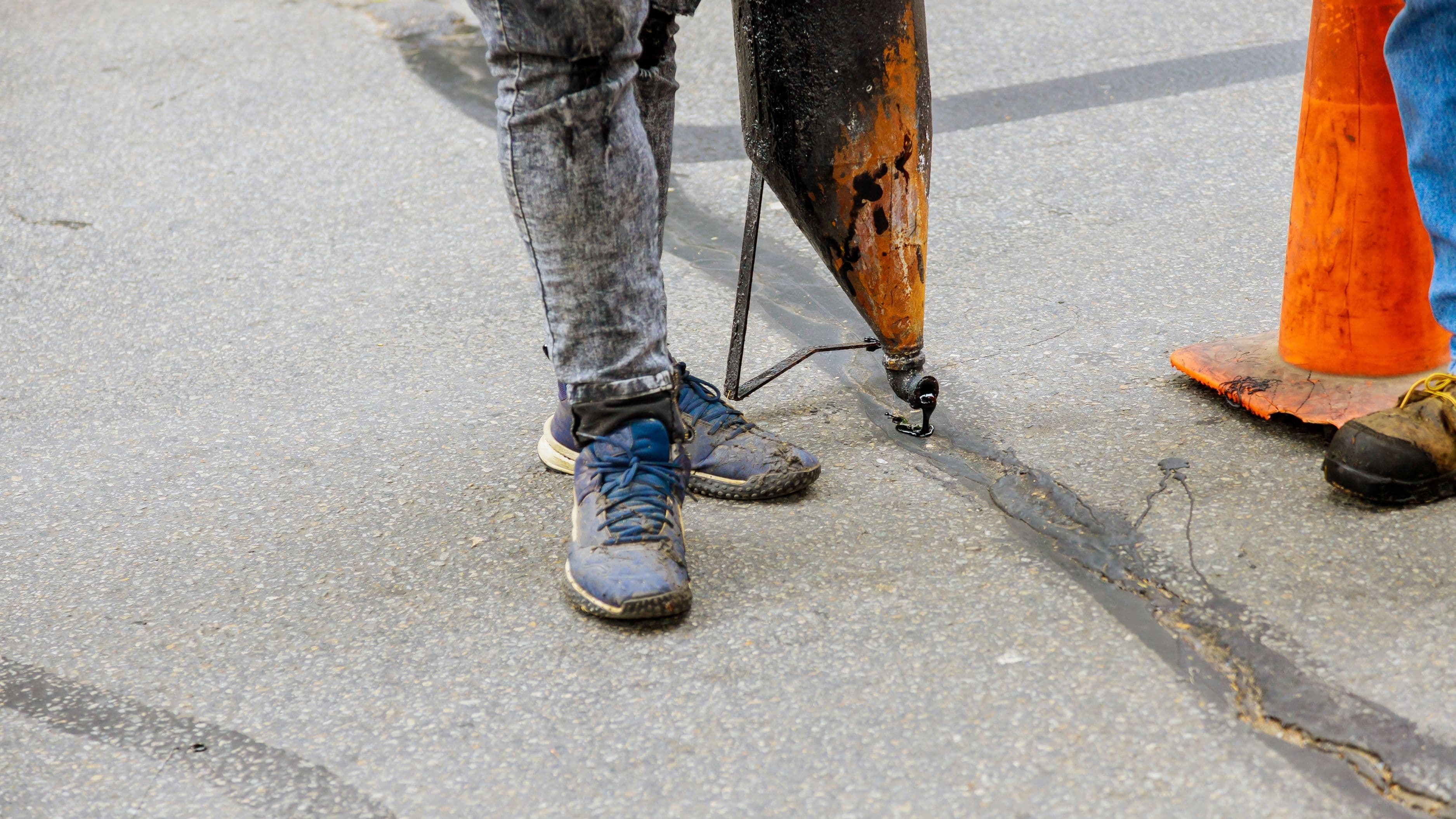
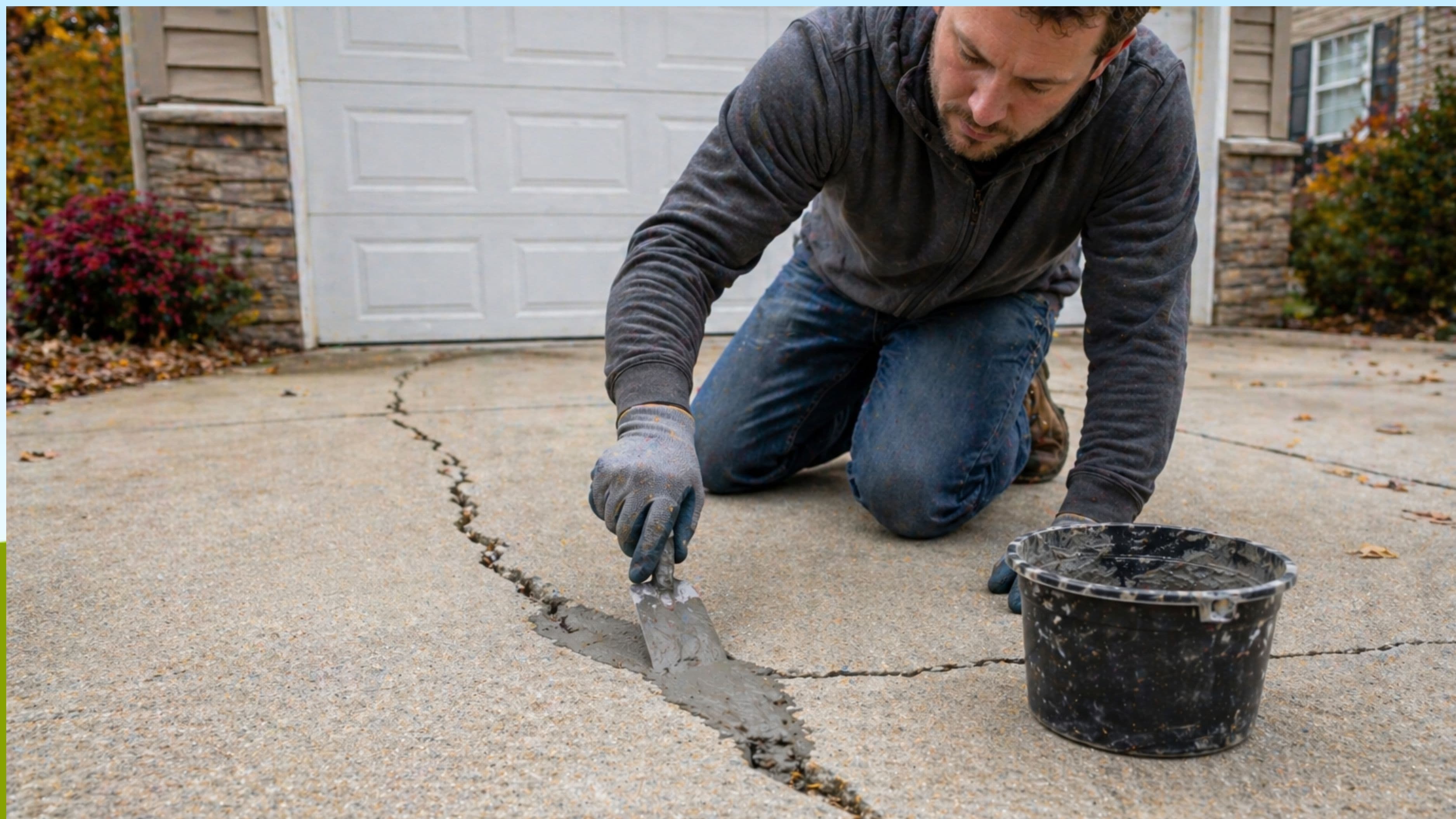
Fill any significant cracks with a concrete crack filler or epoxy injection product designed for structural repair, and address any low spots with a concrete patching compound, allowing full cure time according to the product's instructions before moving forward. Skipping this step means those weak points telegraph directly through the new overlay.
Step 4: Apply a Bonding Agent
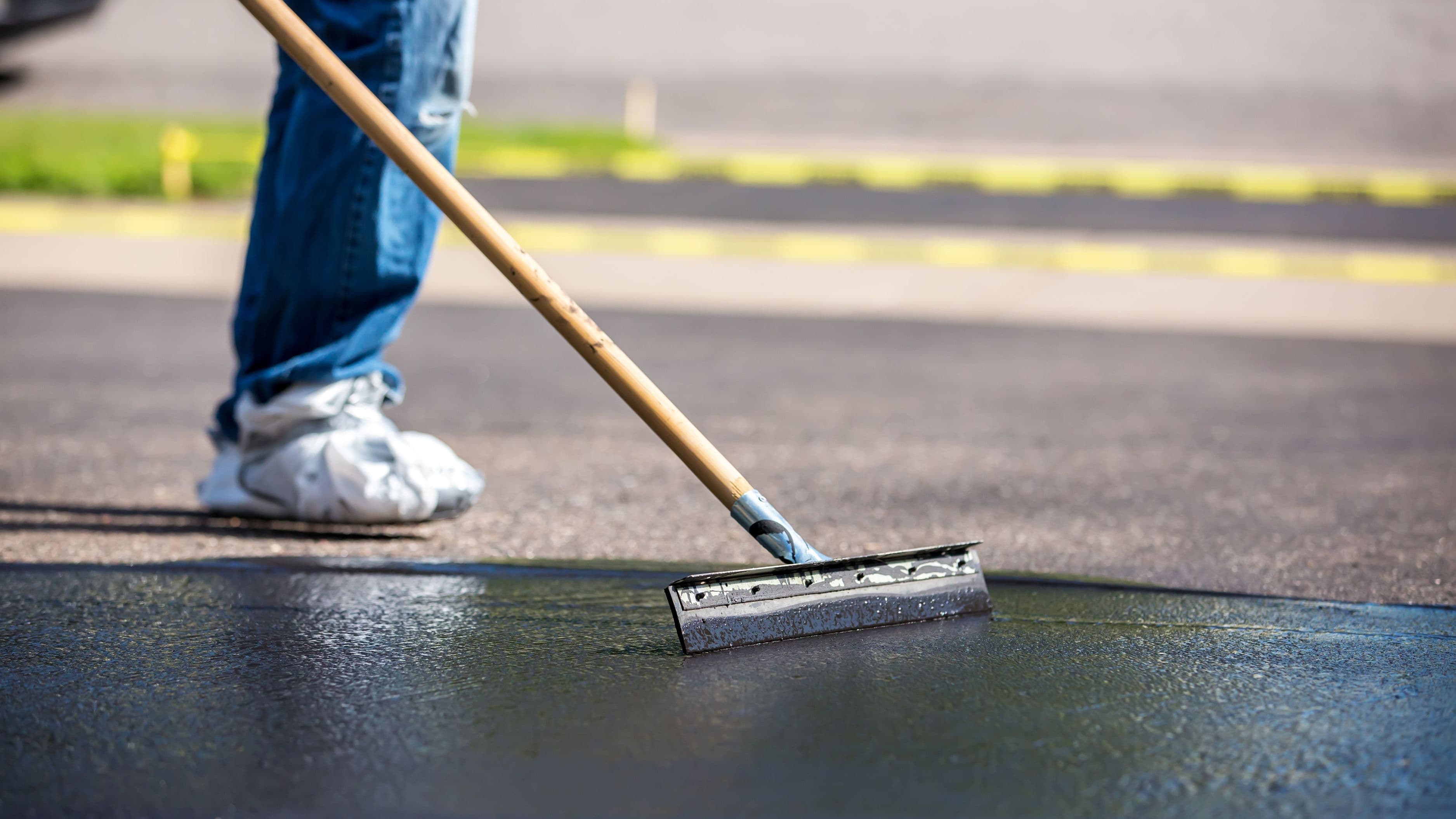
A concrete bonding agent, brushed or rolled onto the cleaned surface, significantly improves how well the new layer adheres to the old slab. Skipping this step is one of the most common reasons overlay projects fail prematurely, since without it, the new concrete relies purely on mechanical grip rather than a true chemical bond.
Step 5: Pour the Overlay at the Correct Thickness
Most concrete overlay products are designed for a minimum thickness, often around 1.5 to 2 inches depending on the specific product, since going thinner risks cracking under normal foot or vehicle traffic. Follow the manufacturer's mixing and application instructions closely, since overlay-specific concrete mixes are formulated differently than standard pour concrete to bond and cure properly at thinner depths.
Step 6: Cure Properly Before Use
Keep the new surface protected from foot traffic, vehicles, and heavy rain for the manufacturer's specified curing period, which is often several days for light use and up to a month for full strength depending on the product and weather conditions. Rushing this step is a common cause of surface cracking and weak spots that show up within the first year.
Safety Notes
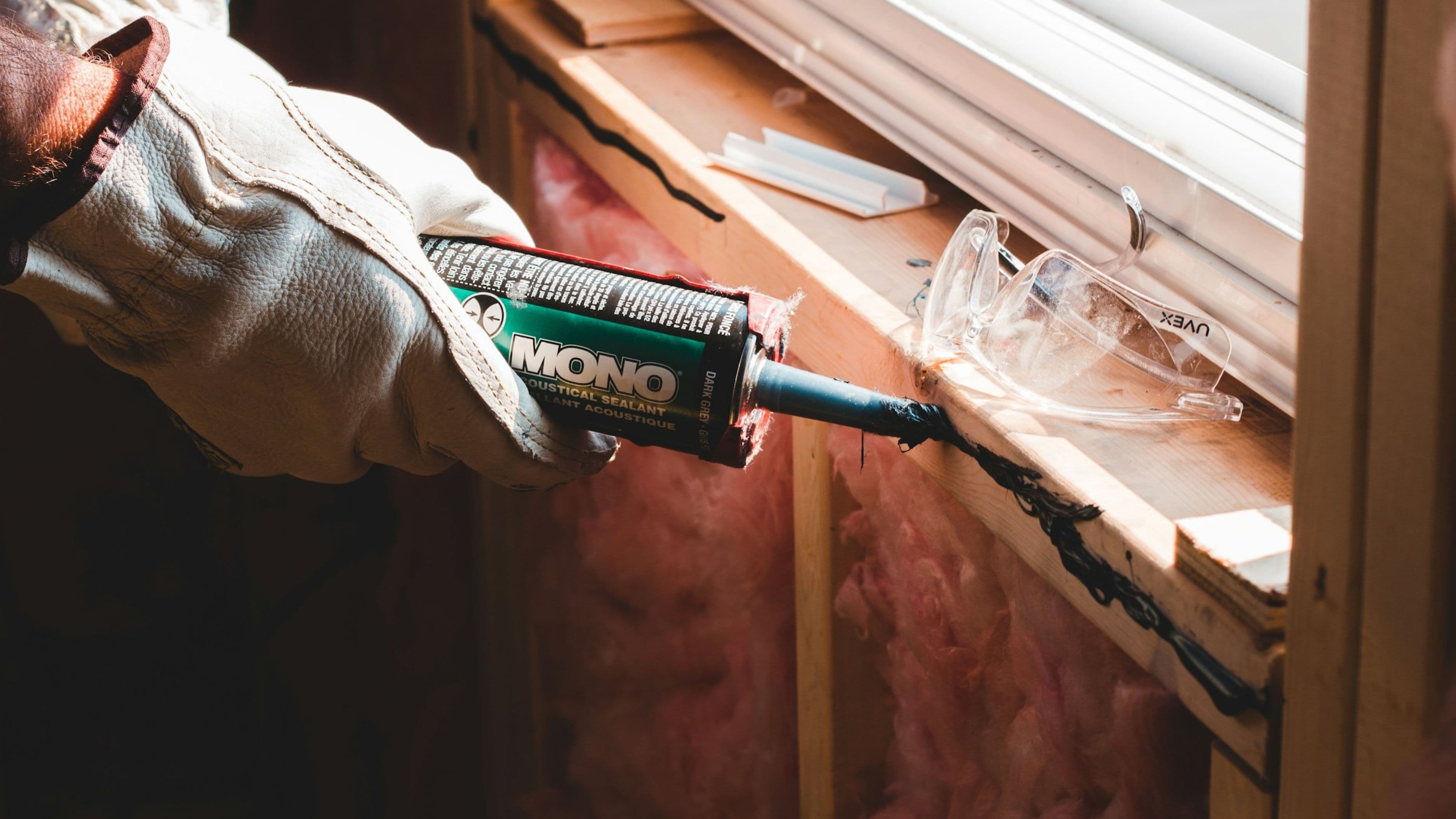
Wear gloves and eye protection when working with concrete bonding agents and patching compounds, since many contain caustic or irritant chemicals. If you're using a pressure washer for surface prep, be cautious of kickback and always point the nozzle away from yourself and others. Concrete dust from grinding or cutting during crack repair can be a respiratory hazard, so wear a proper dust mask during any cutting or grinding work.
Common Mistakes to Avoid
Skipping the bonding agent to save time or money is the most frequent reason overlay projects fail early, since without it, the new layer can delaminate from the old slab within a year or two, especially in climates with significant freeze-thaw cycles. Pouring standard concrete mix instead of an overlay-specific product is another common error, since standard mixes generally aren't formulated to bond and perform well at the thinner depths an overlay requires. It's also a mistake to overlay a slab with unresolved drainage issues nearby, since standing water against the edge of a new overlay can undermine it from the sides even if the surface itself was prepared correctly.
When to Call a Professional
If your slab shows signs of significant structural movement, large cracks with height differences, or if the damage spans a large area like an entire driveway rather than a small patio section, it's worth having a concrete contractor assess the underlying cause before attempting any overlay yourself. A professional can also determine whether the issue stems from soil movement, drainage, or the original slab's installation, which affects whether an overlay will actually hold or whether full replacement is the more cost-effective long-term solution despite the higher upfront cost.
FAQ
How long does a concrete overlay typically last? With proper prep and a stable base slab, a well-installed overlay can last ten to fifteen years or more, though this depends heavily on climate, traffic, and how well the original slab holds up underneath.
Can I overlay concrete myself, or does this require a professional? Smaller patios and walkways are reasonable DIY projects for someone comfortable with basic concrete work, but larger driveways or slabs with any structural concerns are generally better handled by a professional due to the risk of costly redo work if the prep or application goes wrong.
Is overlay cheaper than full replacement? Generally yes, often significantly so, since you're avoiding the cost and labor of demolition and disposal of the old slab, though this only holds true if the existing slab genuinely qualifies for an overlay rather than needing full replacement anyway.
📚 Sources
Portland Cement Association – "Concrete Overlays and Resurfacing." https://www.cement.org/
This Old House – "Repairing and Resurfacing Concrete." https://www.thisoldhouse.com/
American Concrete Institute – "Guide to Concrete Repair." https://www.concrete.org/