
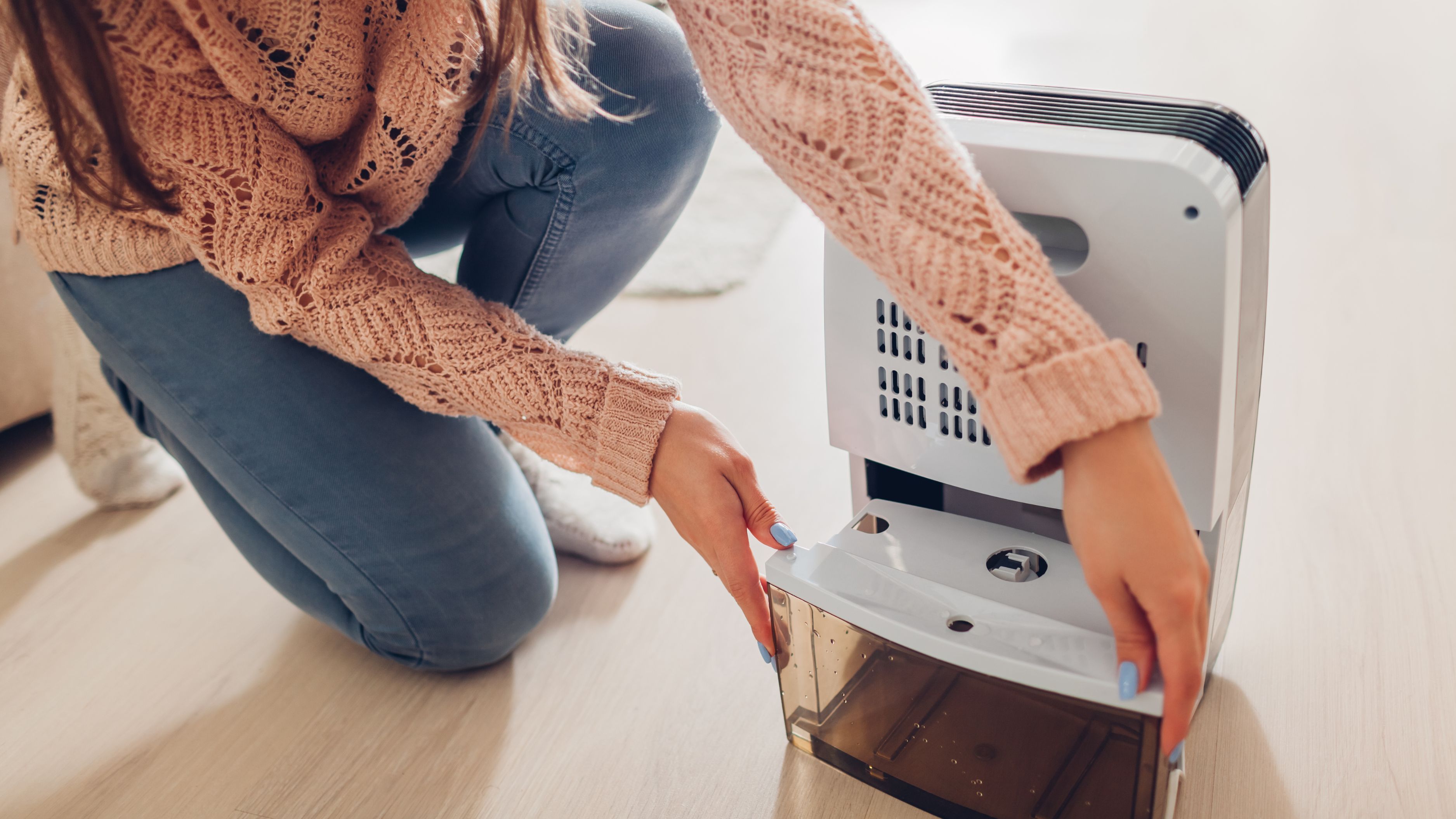
Why Moisture Control Is the Real Mold Prevention Strategy
Mold requires moisture to grow, and it doesn't need an obvious leak or water event to find it – consistently elevated ambient humidity throughout a home provides sufficient moisture for mold growth in favorable conditions, particularly in less ventilated spaces like closets, basements, and behind furniture placed against exterior walls. This is precisely why addressing whole-home humidity levels, rather than just cleaning visible mold after it appears, represents genuine prevention rather than repeated reactive cleanup.
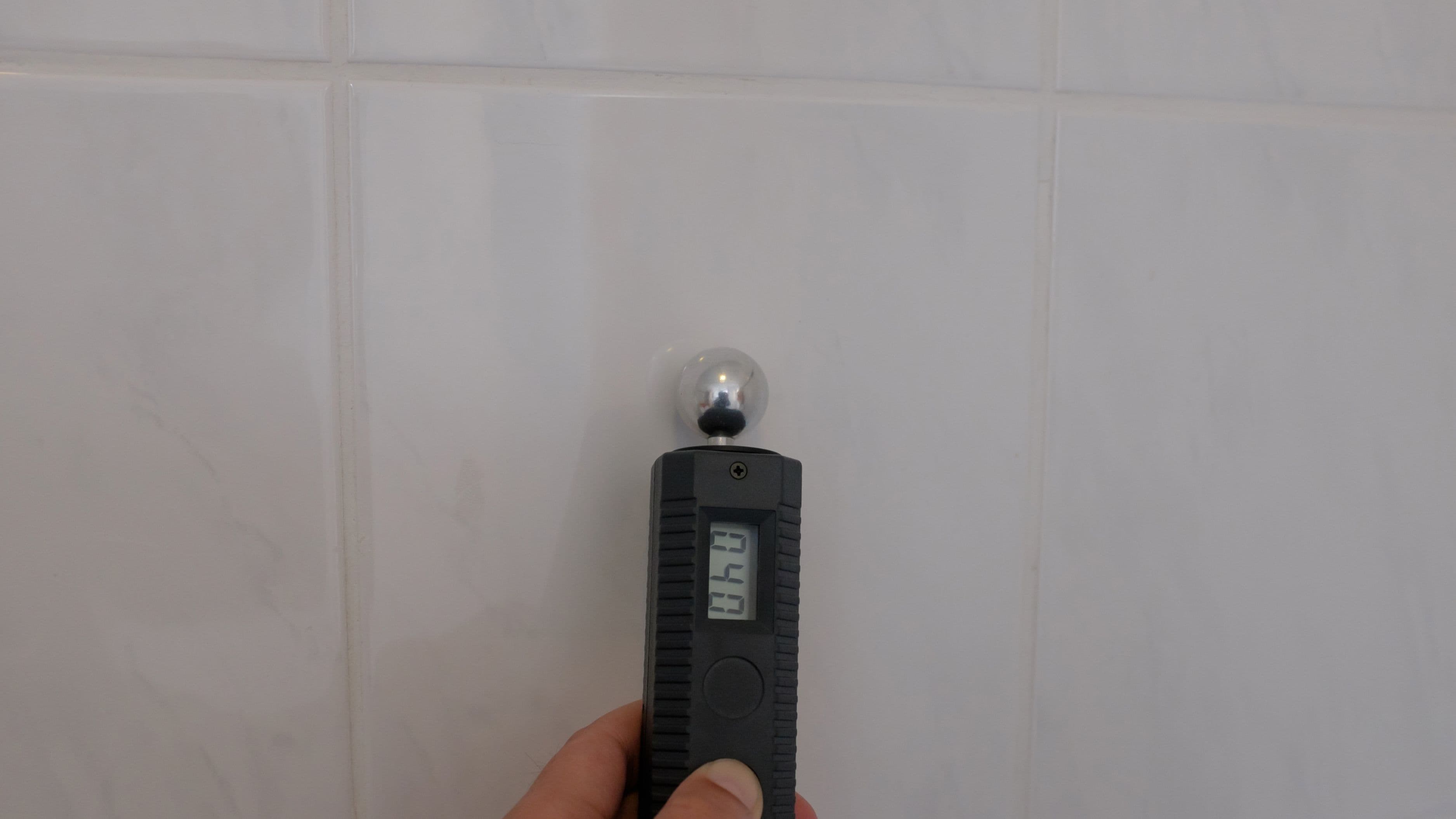
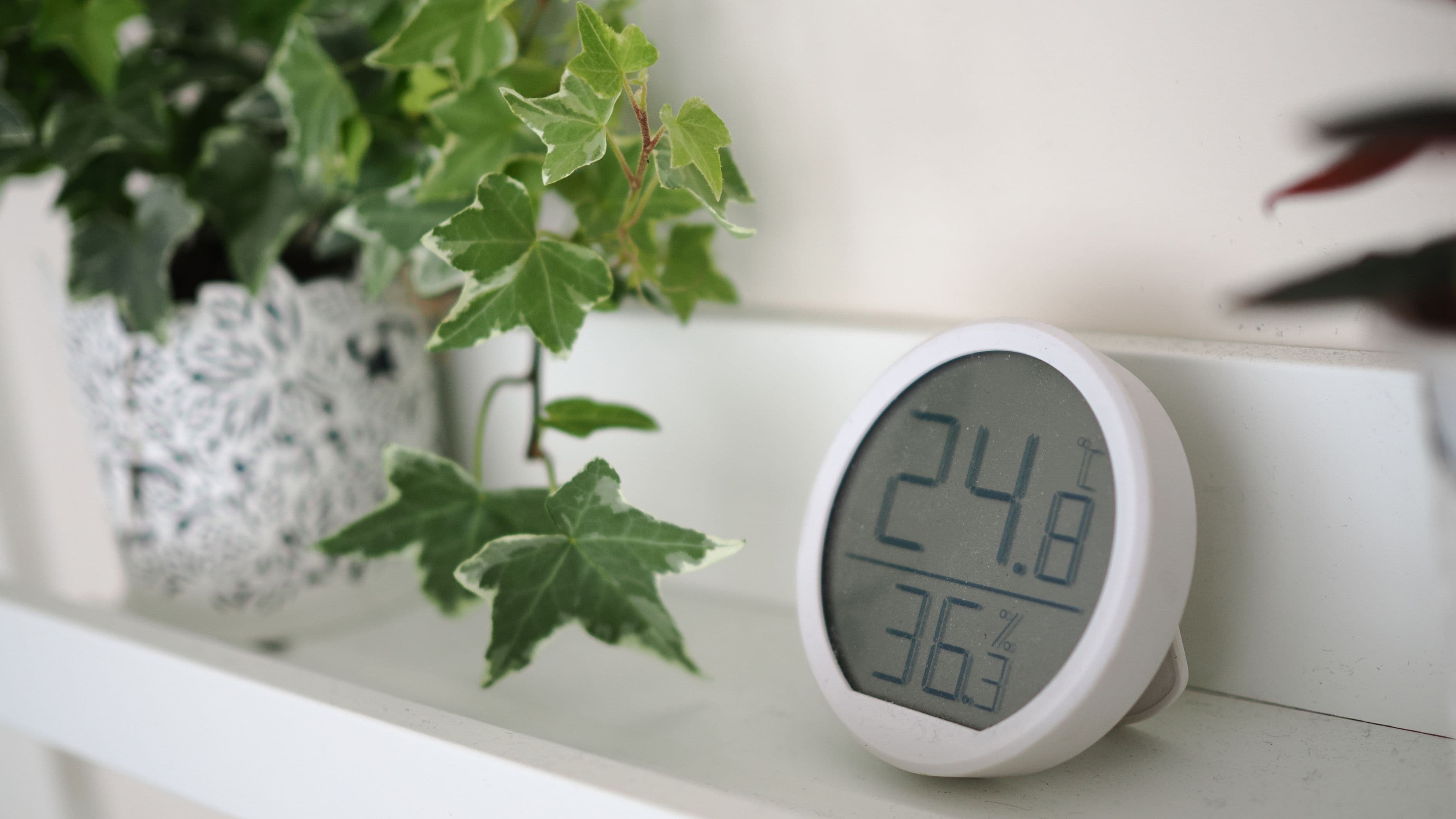
Relative humidity consistently above 60% creates meaningfully increased mold growth risk, and a whole-home dehumidifier's core function is keeping your entire house below this threshold consistently, rather than requiring you to manage individual rooms separately with portable units.
How Whole-Home Dehumidifiers Actually Work
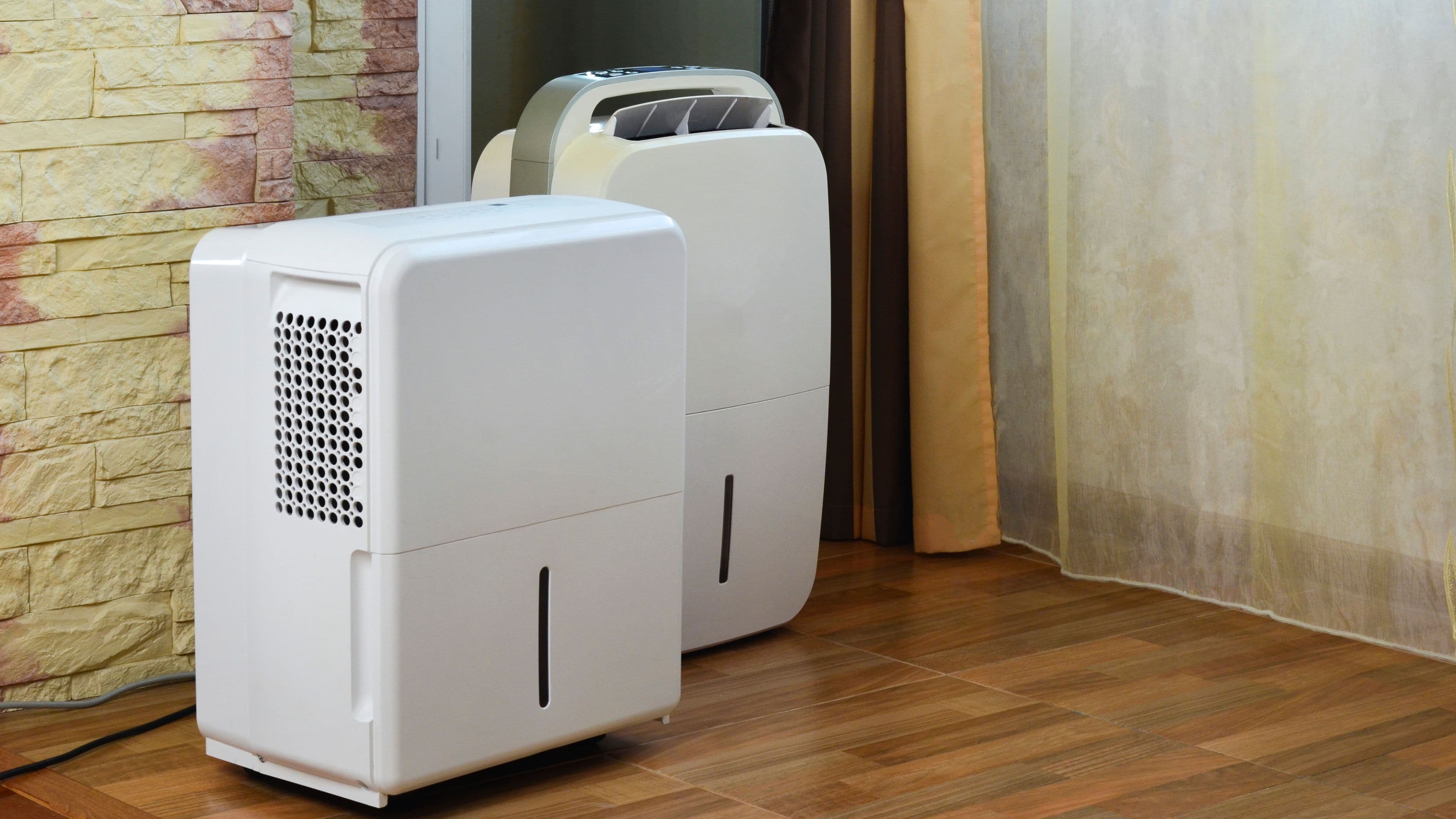
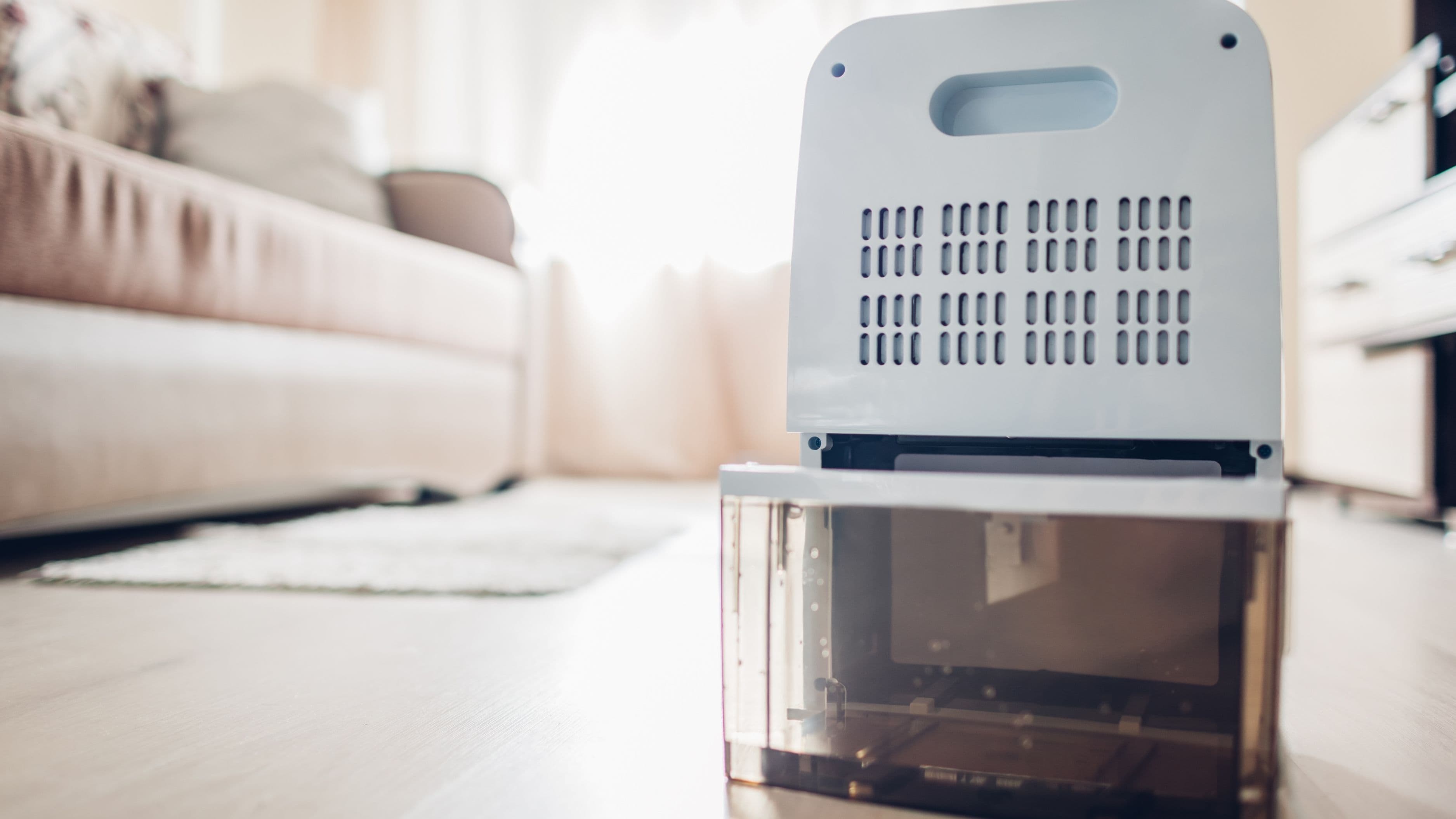
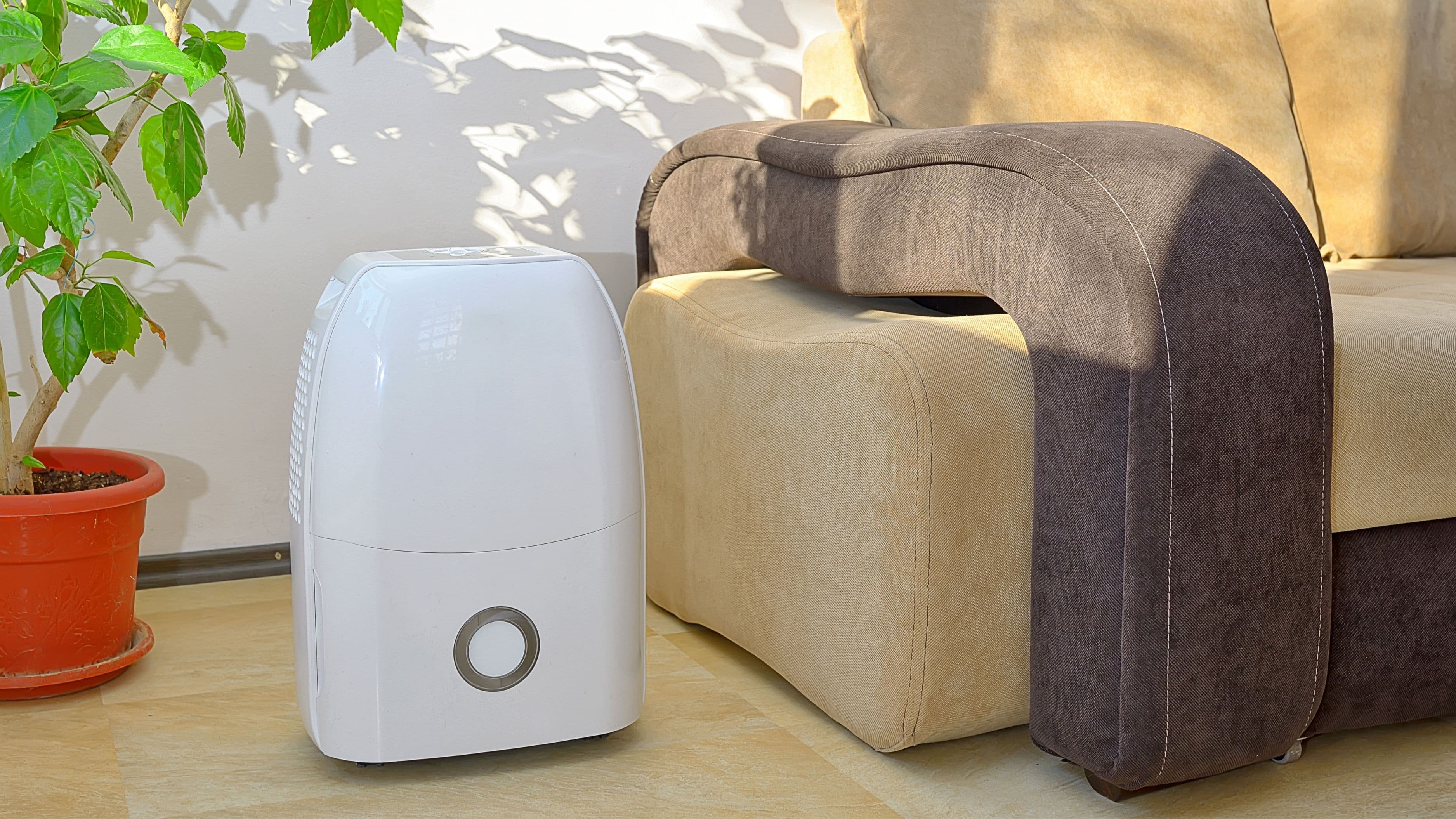
Unlike portable dehumidifiers that treat a single room, whole-home dehumidifiers integrate directly into your HVAC ductwork, treating air throughout your entire home as it circulates through your existing heating and cooling system. This provides consistent, house-wide humidity control without requiring you to run and empty multiple portable units throughout your home.
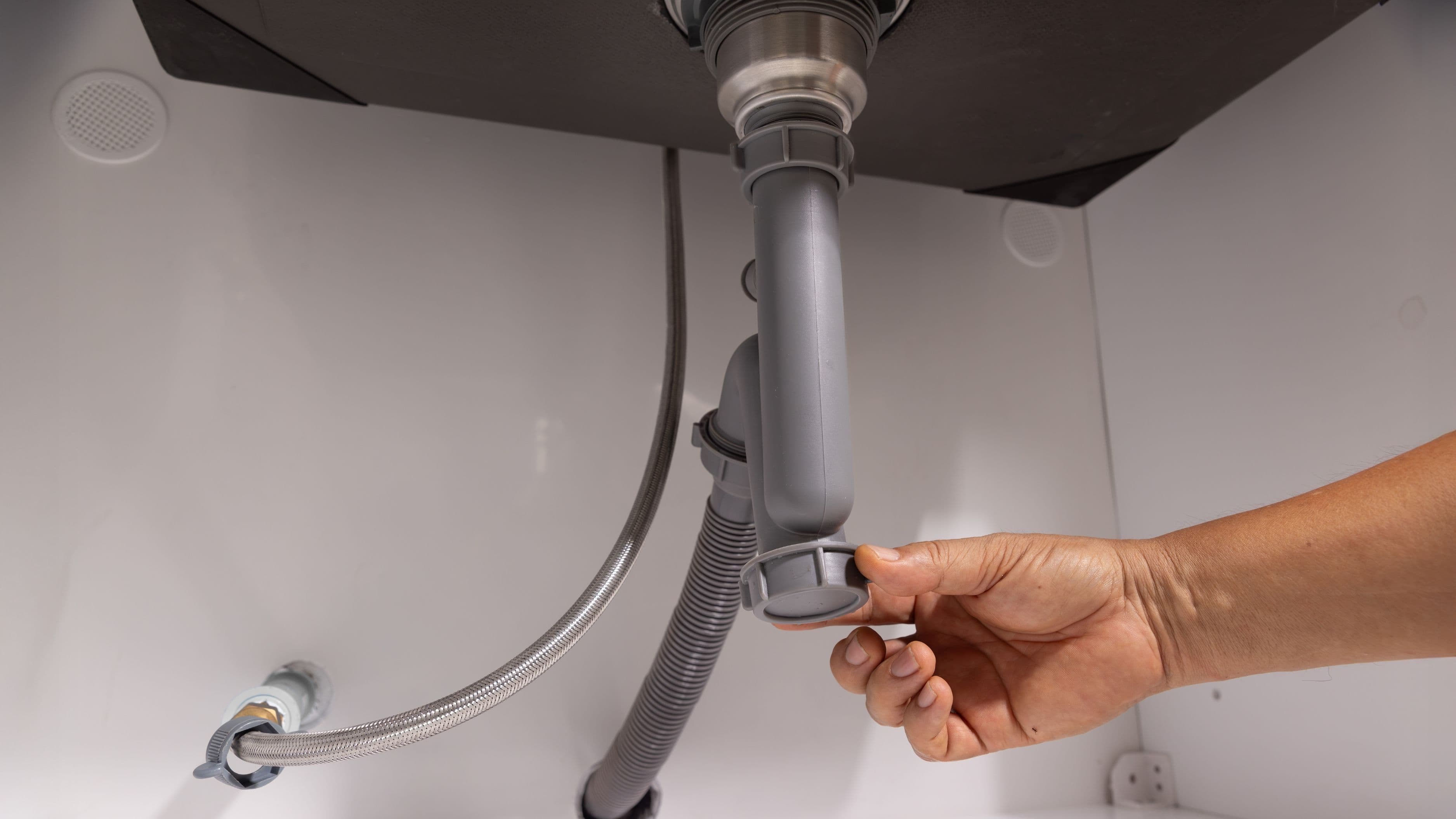
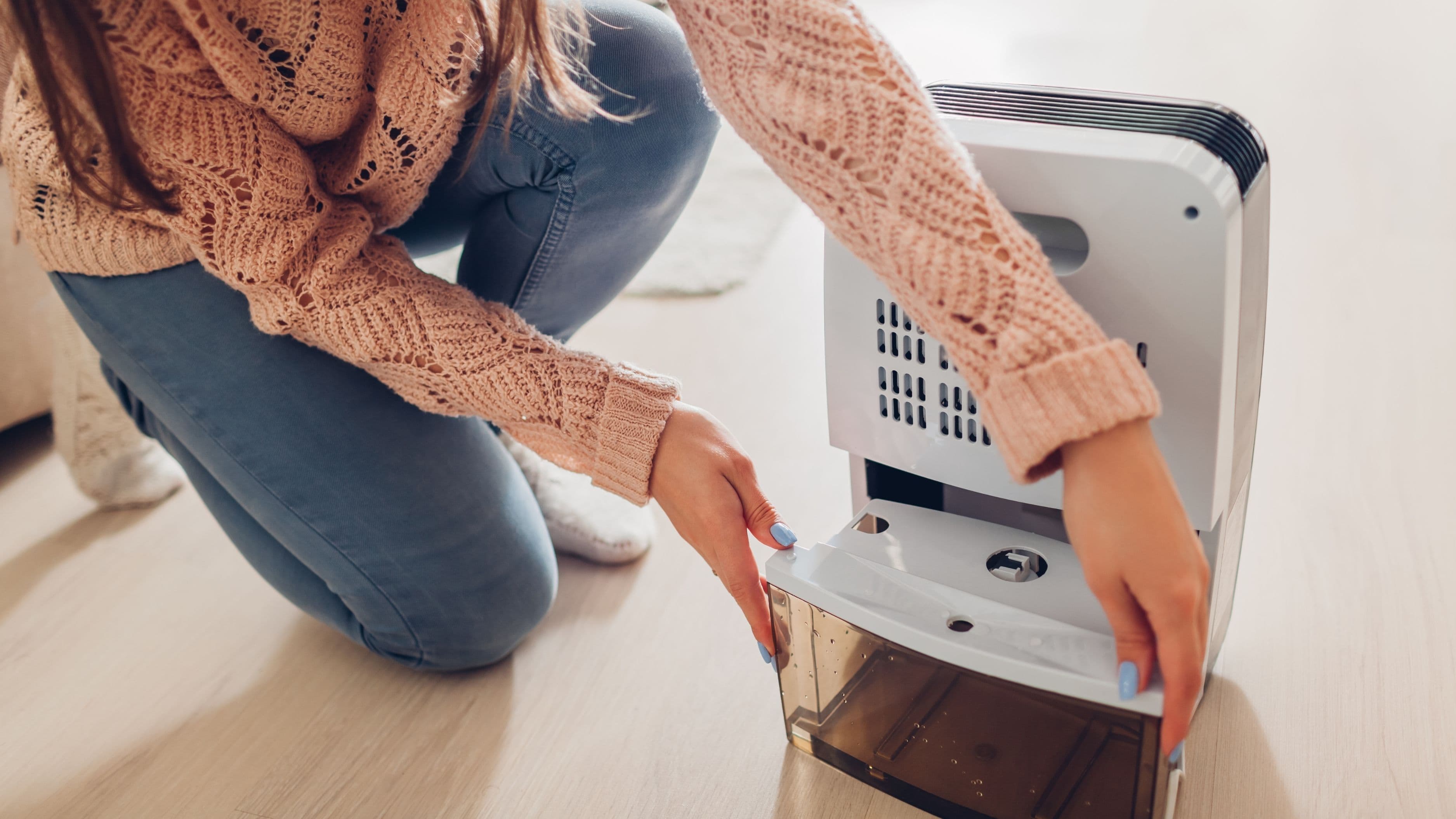
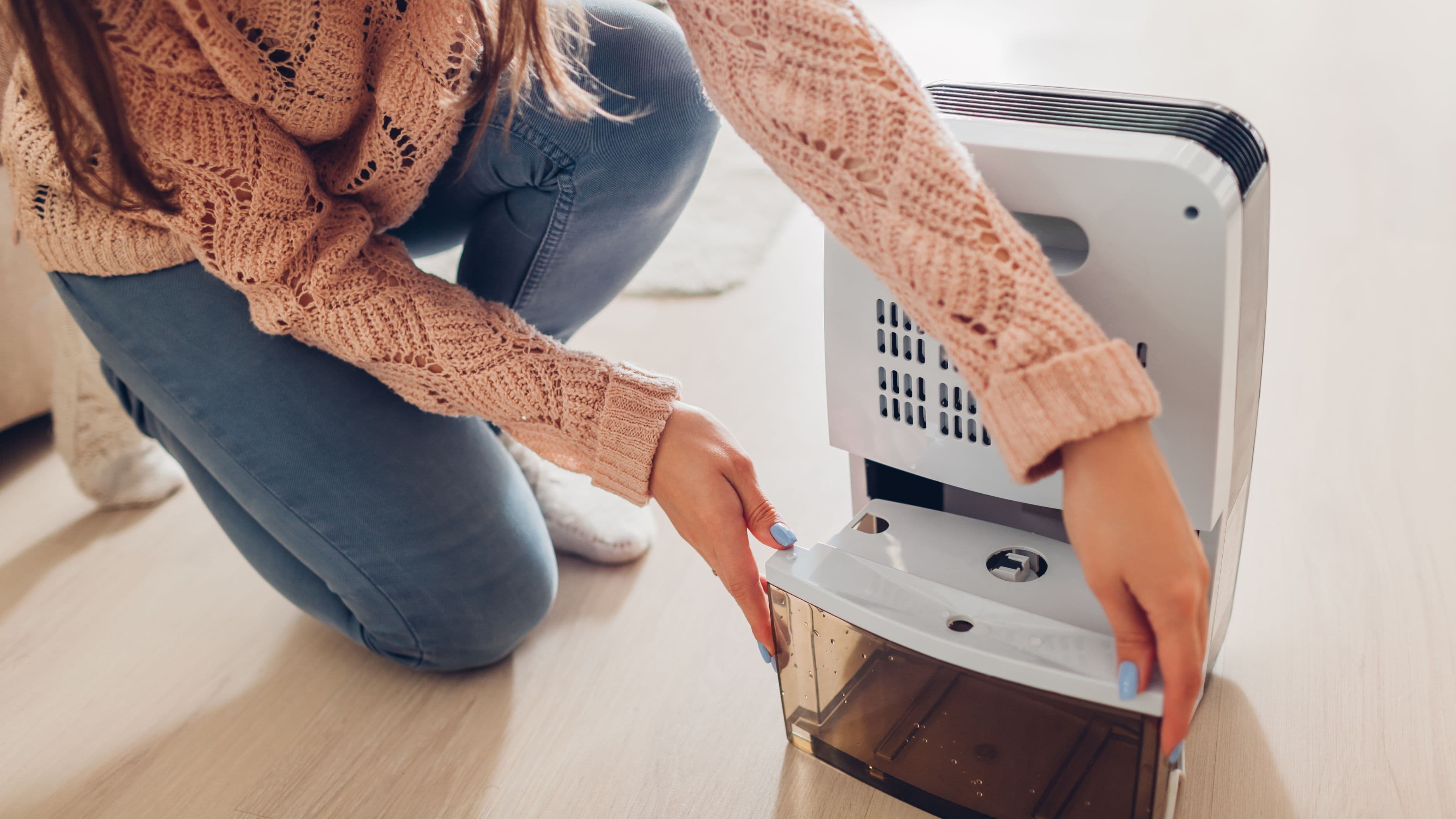
Most whole-home systems connect directly to a drain line, allowing collected moisture to drain away automatically rather than requiring manual emptying, which is a meaningful convenience advantage over portable units that need regular attention to empty their water collection reservoirs.
Installation Considerations
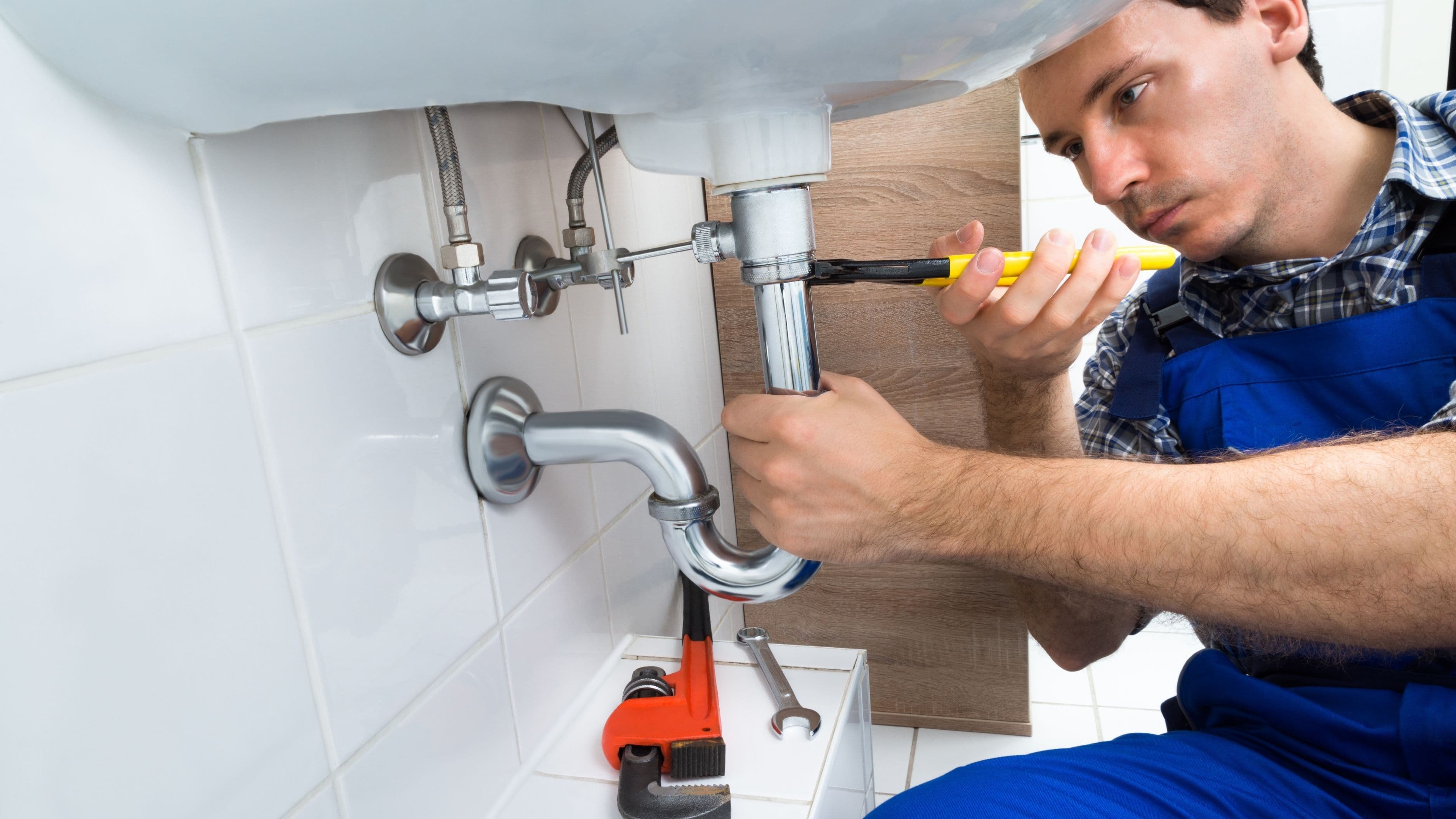
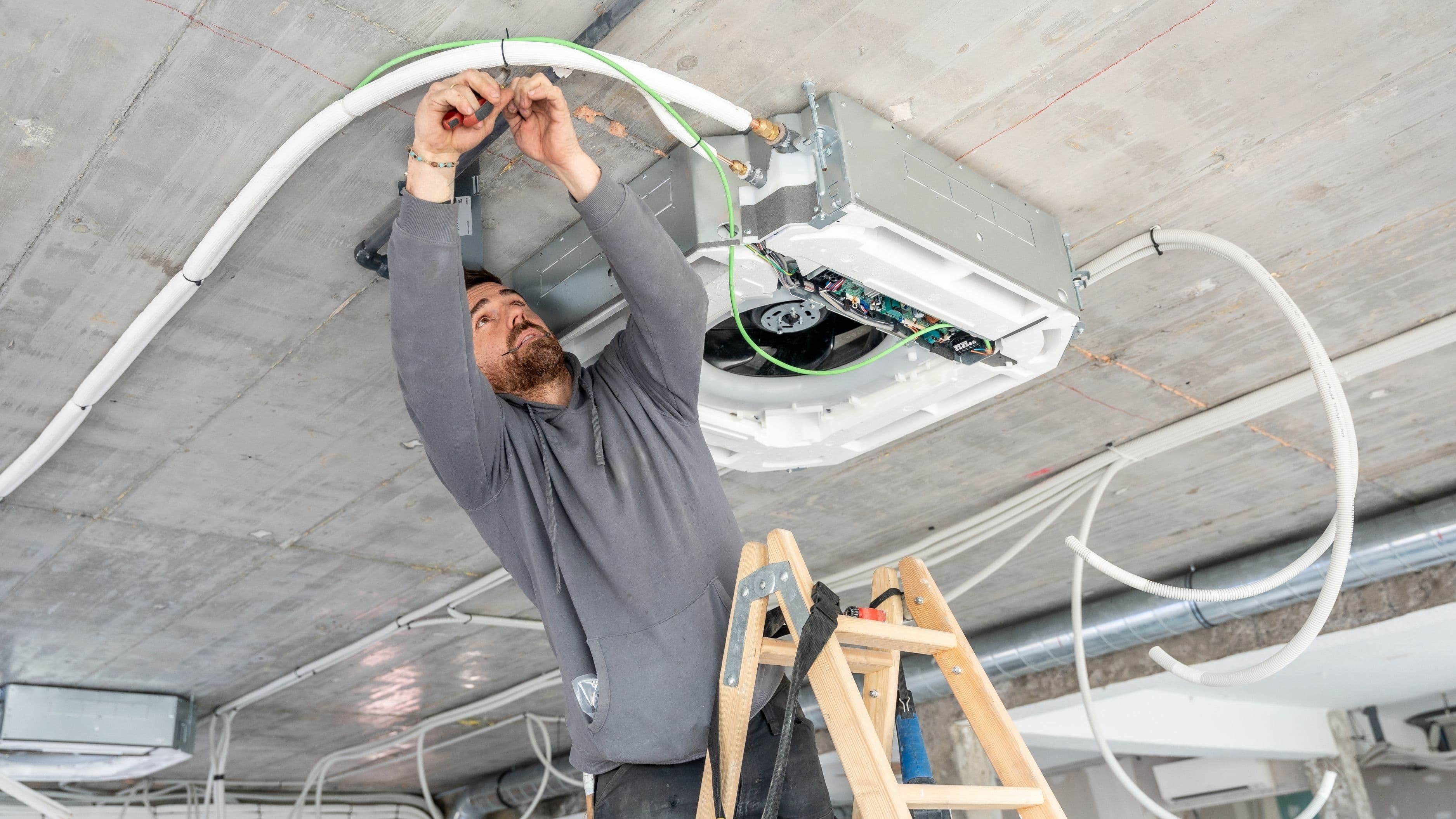
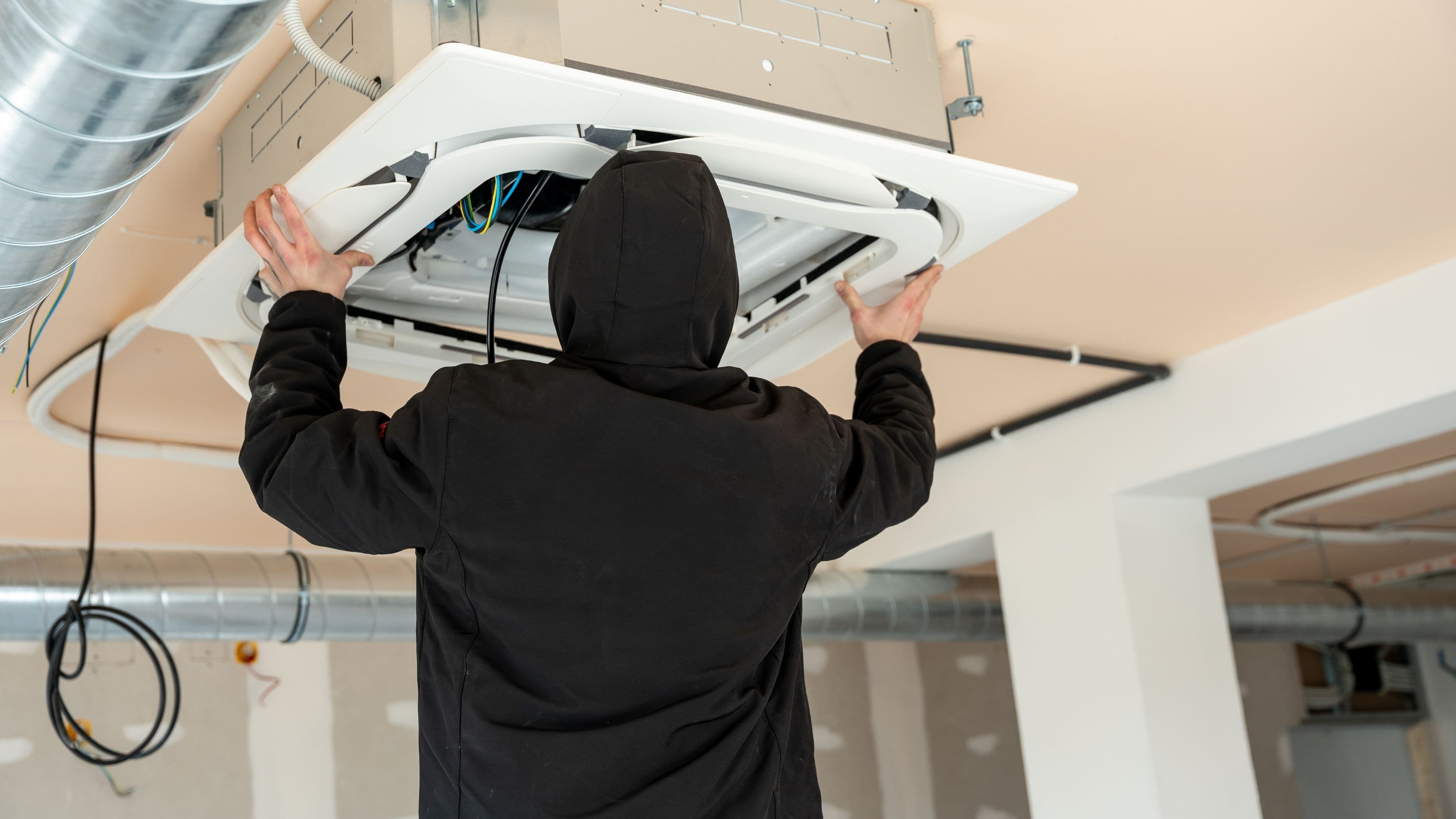
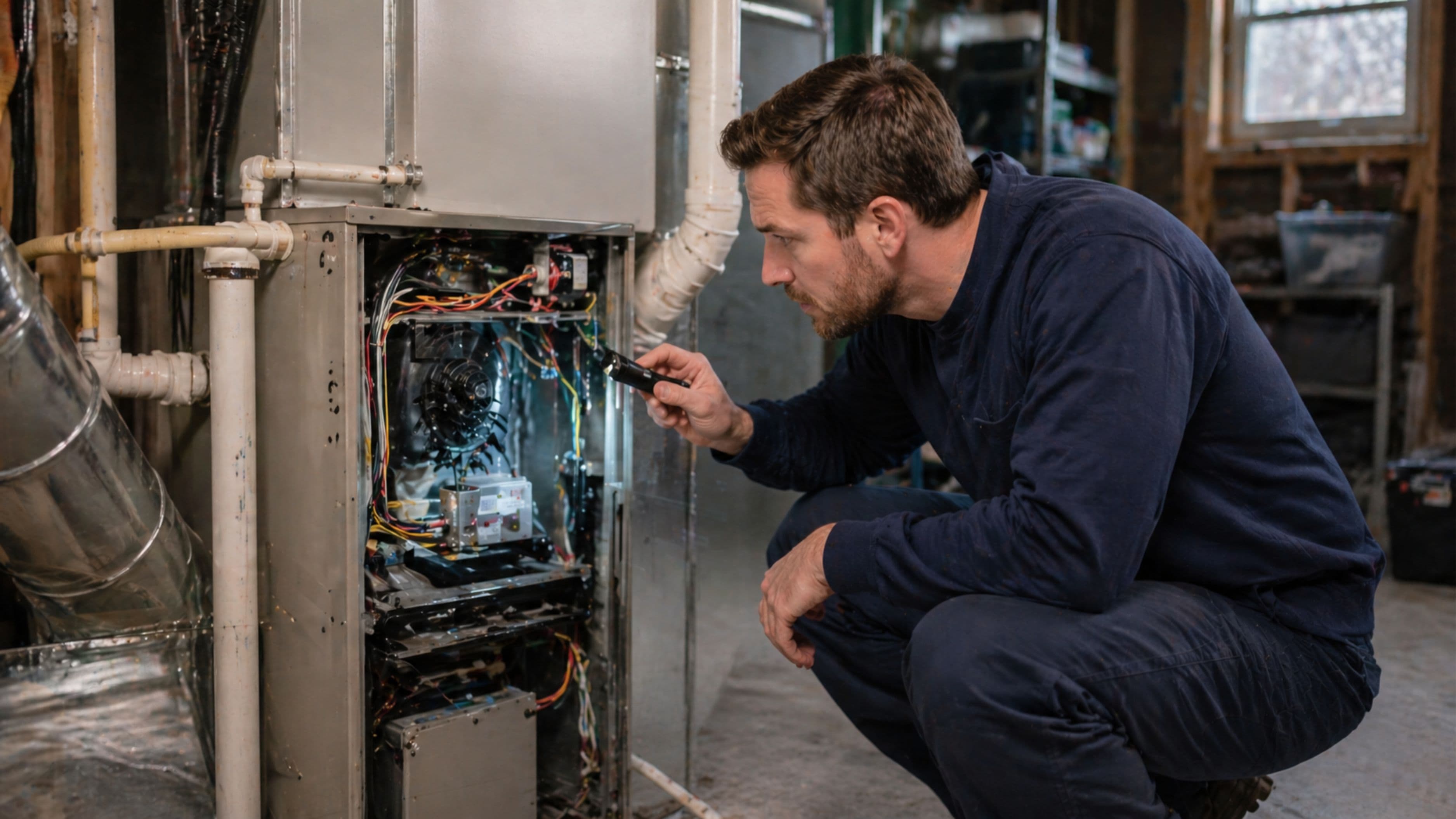
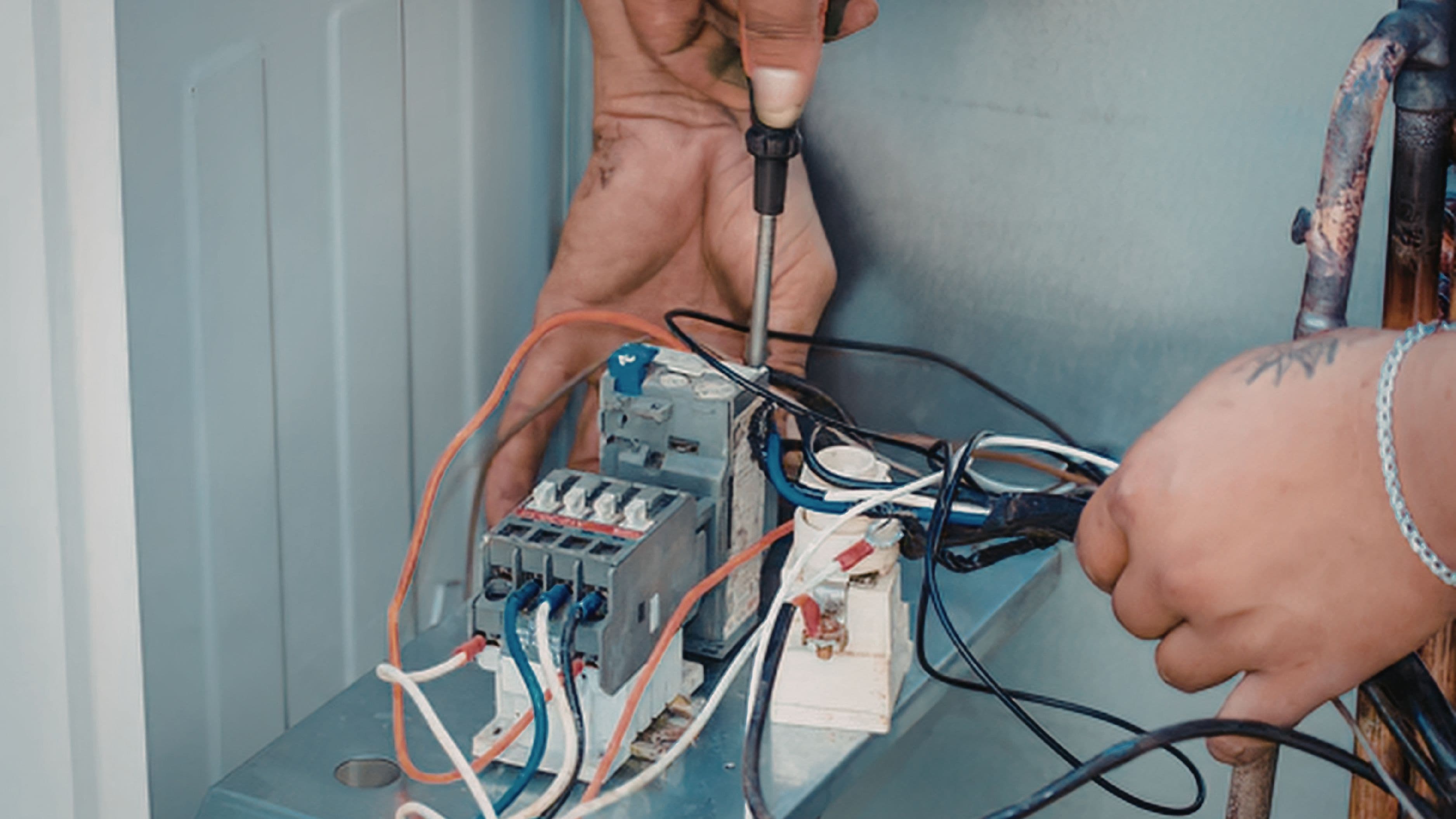
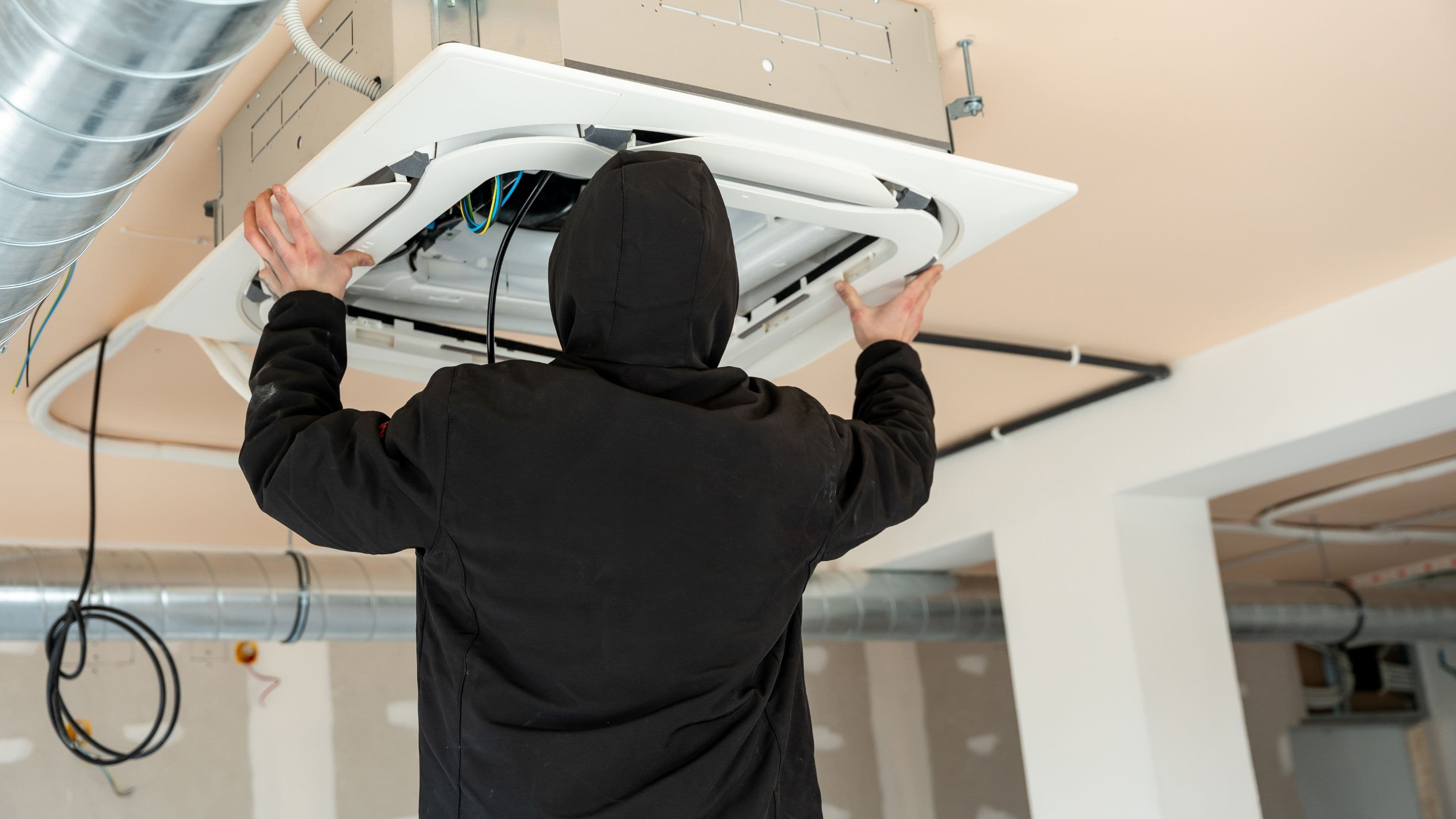
Whole-home dehumidifier installation typically requires integration with your existing ductwork and, in many cases, connection to your home's electrical system and a drain line, making this a project generally requiring professional HVAC installation rather than a DIY undertaking. An HVAC professional will assess your home's specific humidity issues, square footage, and existing ductwork configuration to recommend an appropriately sized unit, since undersizing a whole-home dehumidifier for your home's actual square footage and moisture load will result in inadequate humidity control despite the investment.
Installation cost for a whole-home dehumidifier typically runs $1,500-2,800 including the unit and professional installation, varying based on your home's size, existing ductwork accessibility, and regional labor costs.
Where Whole-Home Dehumidifiers Provide the Most Value
Homes in naturally humid climates, particularly those without basements prone to trapping moisture, benefit considerably from whole-home dehumidification, since these homes often struggle to maintain healthy humidity levels through air conditioning alone, particularly during shoulder seasons when air conditioning runs less consistently but outdoor humidity remains elevated.
Homes with finished basements, which are naturally more prone to elevated humidity given their below-grade location and closer proximity to soil moisture, also benefit significantly from whole-home systems, since basements often represent the specific area where humidity-related mold risk concentrates most heavily within an otherwise reasonably managed home.
Maintaining Your Whole-Home Dehumidifier for Continued Effectiveness
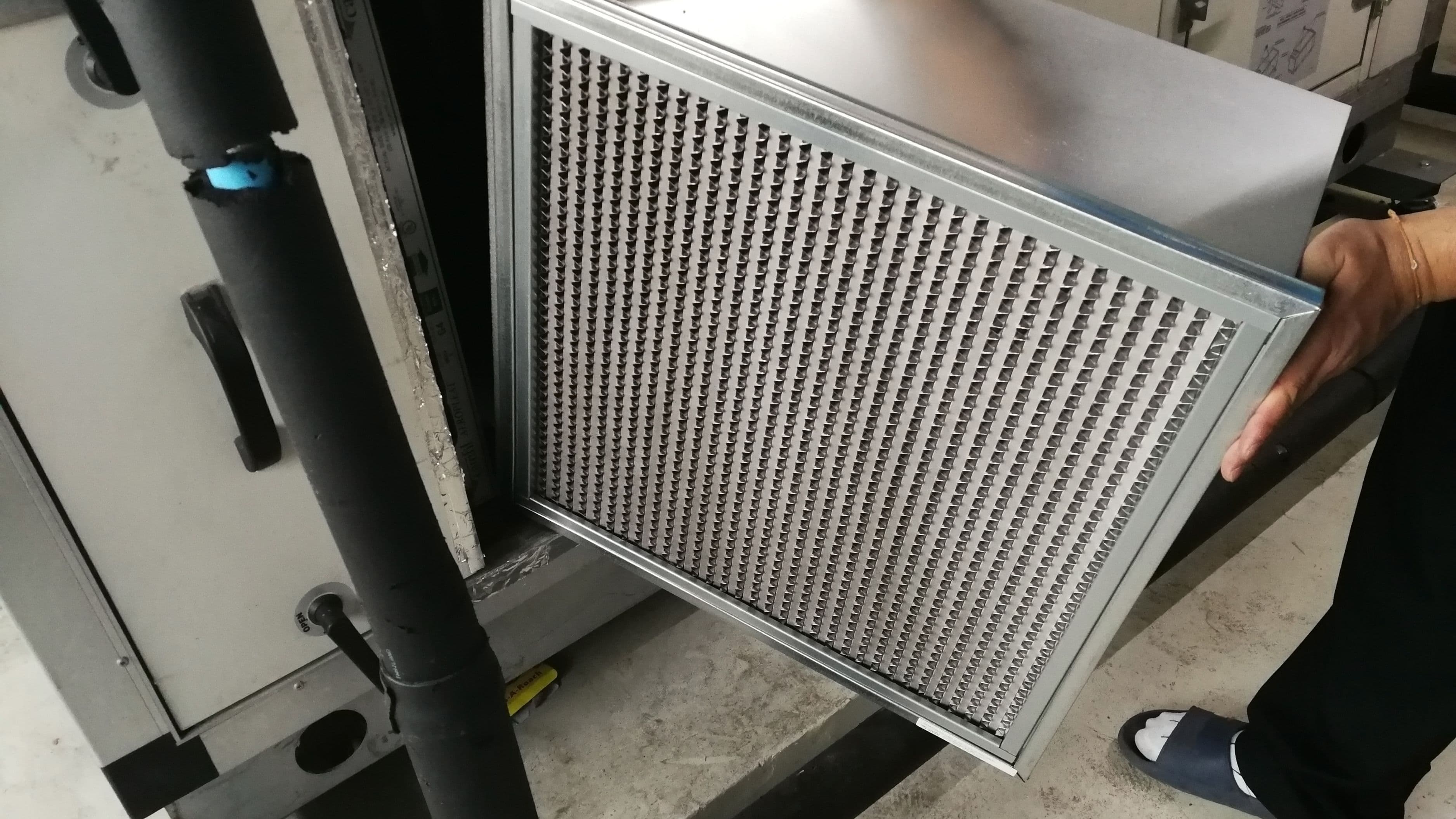
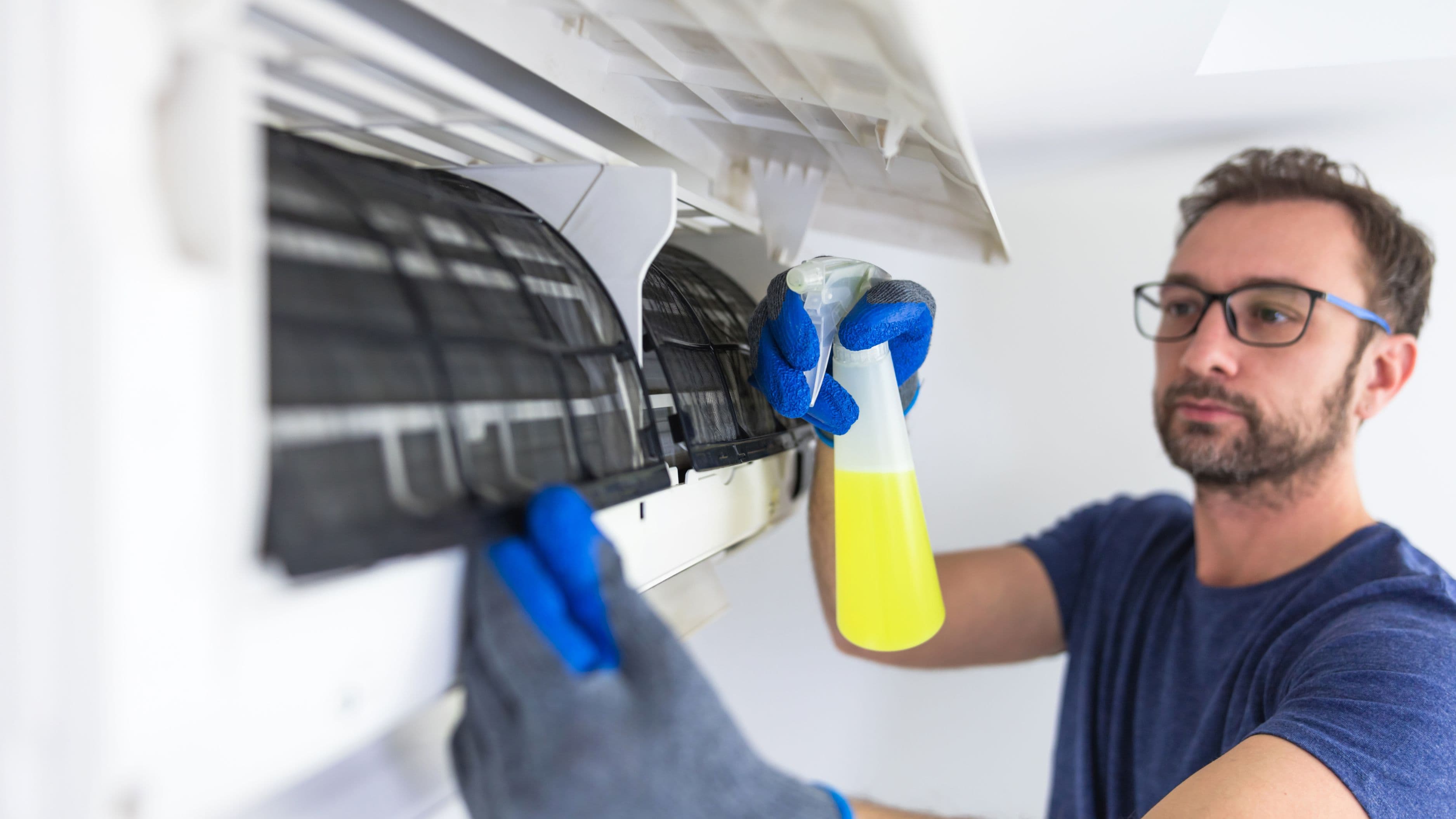
Regular filter changes, following your specific unit's manufacturer recommendations, typically every one to three months depending on the model and usage, keep the system operating efficiently and prevent reduced performance over time. Periodically checking the drain line for clogs or blockages also matters, since a blocked drain can cause water backup issues, undermining the exact moisture control the system is meant to provide.
Annual professional maintenance checks, similar to standard HVAC system maintenance, help catch any developing issues before they affect the system's performance, and this is worth bundling with your regular HVAC maintenance service if your provider offers combined service visits.
Combining Dehumidification With Other Mold Prevention Practices
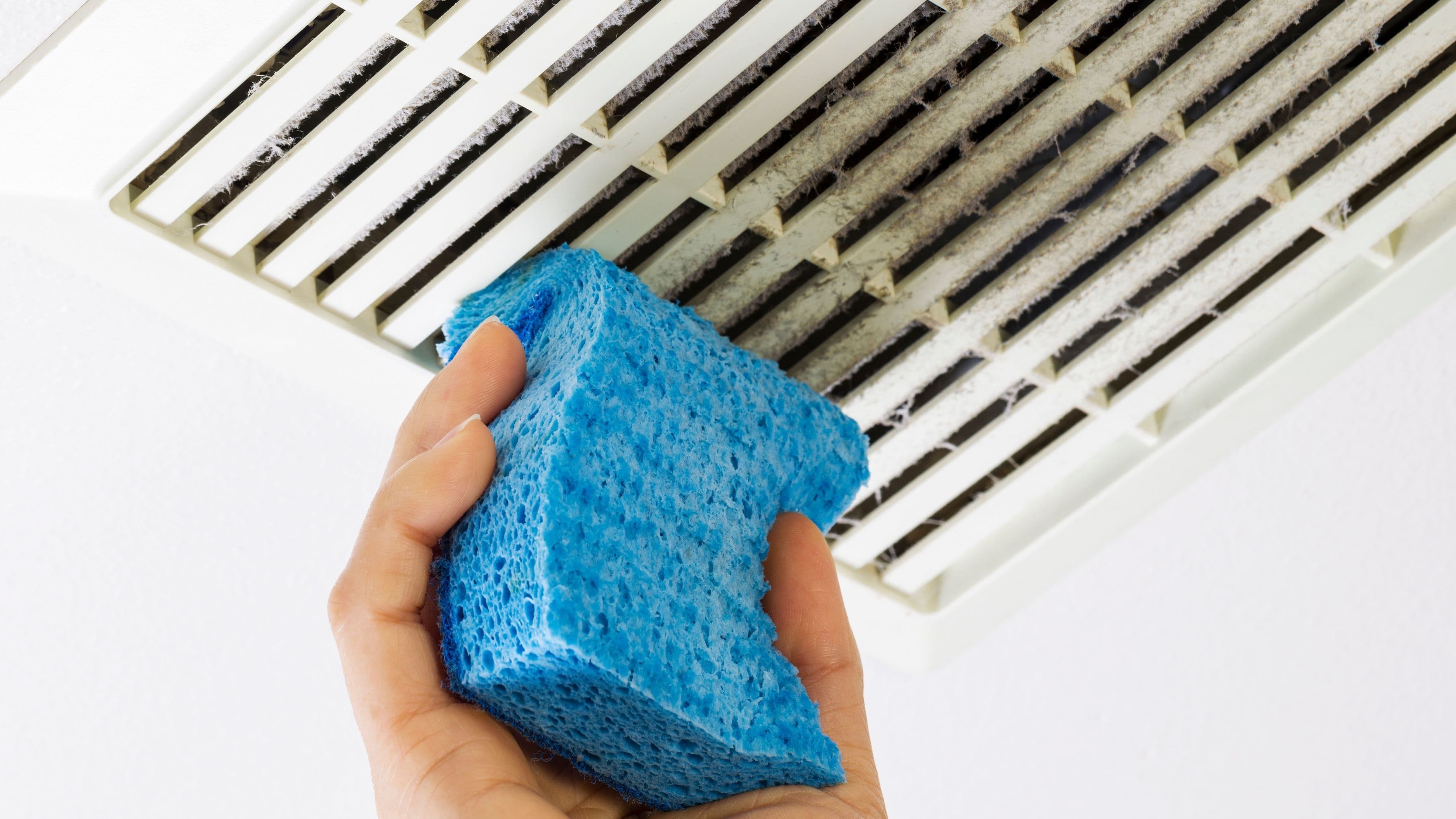
A whole-home dehumidifier addresses ambient humidity, but it's most effective as part of a broader mold prevention approach that also includes proper ventilation in high-moisture areas like bathrooms and kitchens through functioning exhaust fans, prompt attention to any actual water leaks or intrusion, and periodic visual inspection of typically vulnerable areas like basements, crawl spaces, and areas around windows and plumbing fixtures.
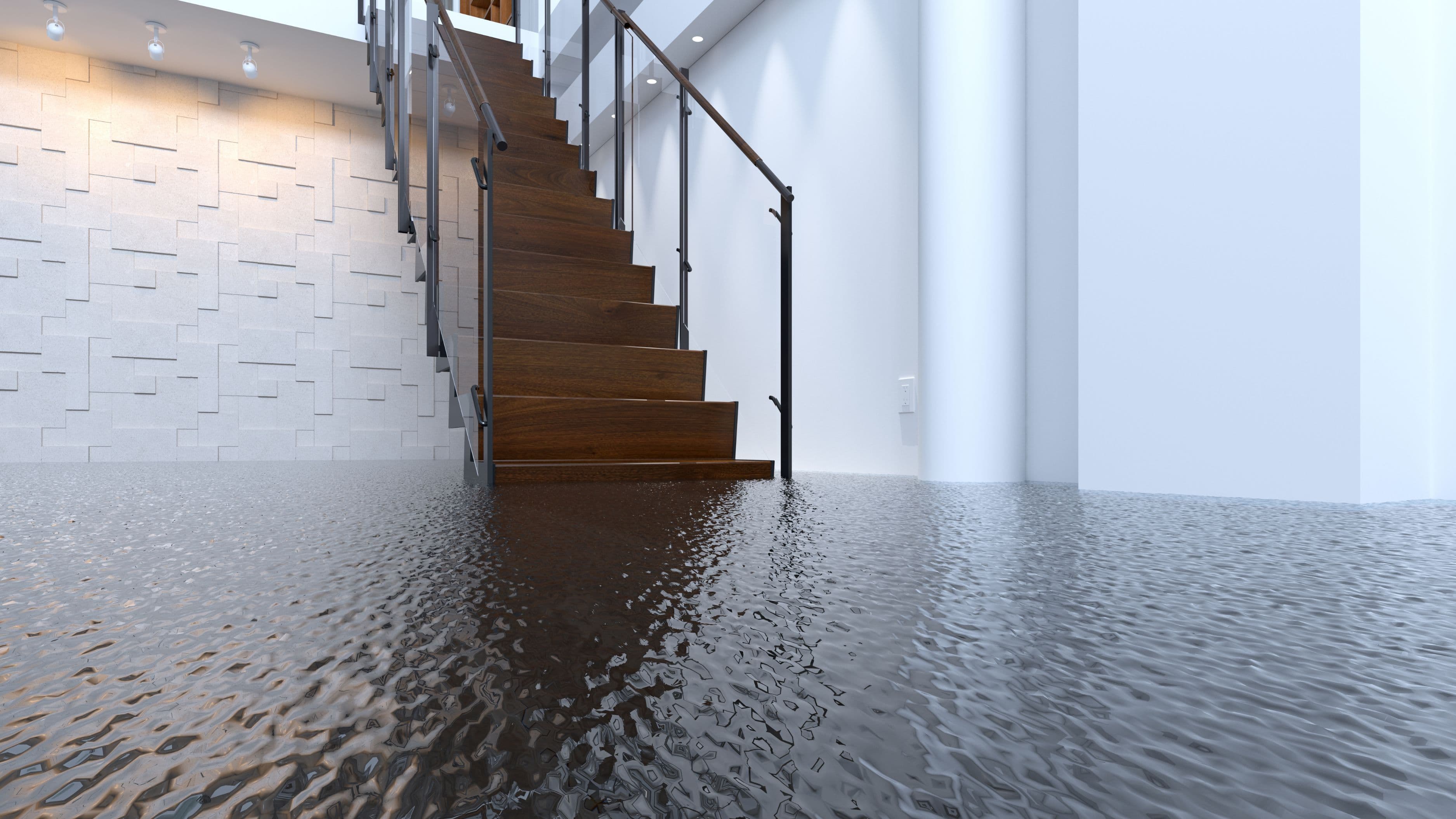
Relying purely on a dehumidifier without addressing an active water leak or intrusion source won't fully prevent mold growth in that specific affected area, since a whole-home system manages ambient air moisture, not a concentrated, ongoing water source feeding a specific localized problem.
What to Avoid
Avoid undersizing your whole-home dehumidifier system relative to your home's actual square footage and specific moisture challenges, since an undersized unit will run continuously without ever achieving the humidity reduction you're actually trying to accomplish, wasting energy without solving the underlying problem. It's also worth avoiding neglecting regular filter maintenance, since a clogged or dirty filter reduces system efficiency considerably, even if the unit itself remains mechanically functional.
FAQ
How long does it typically take to notice reduced humidity after installing a whole-home dehumidifier? Most homeowners notice measurably reduced humidity within the first few days of proper operation, though reaching a fully stable, consistent target humidity level throughout the entire home may take one to two weeks depending on your home's specific starting conditions.
Can a whole-home dehumidifier eliminate existing mold, or does it only prevent new growth? It primarily prevents new mold growth by addressing ambient moisture conditions; existing visible mold still needs to be properly cleaned and remediated separately, ideally by a professional for any significant mold presence.
Is a whole-home dehumidifier worth it if I already have central air conditioning? Air conditioning does remove some humidity as a byproduct of cooling, but it's not specifically optimized for humidity control and can leave humidity elevated during shoulder seasons or in naturally humid climates, making a dedicated whole-home dehumidifier a meaningful addition in these situations.
How energy efficient are whole-home dehumidifiers compared to running multiple portable units? Whole-home systems are generally more energy efficient than running several portable units simultaneously to cover the same square footage, given their integration with existing HVAC infrastructure and more consistent, centralized operation.
📚 Sources
U.S. Environmental Protection Agency – Mold Prevention and Moisture Control
Air Conditioning Contractors of America – Whole-Home Dehumidification Standards