
The honest answer is that neither one universally "does more" – it depends entirely on the kind of work you do around your house. Here's how to figure out which one belongs in your collection first, and whether you eventually need both.
What Each Saw Is Built to Do
Understanding the design intent behind each tool makes the comparison much clearer.
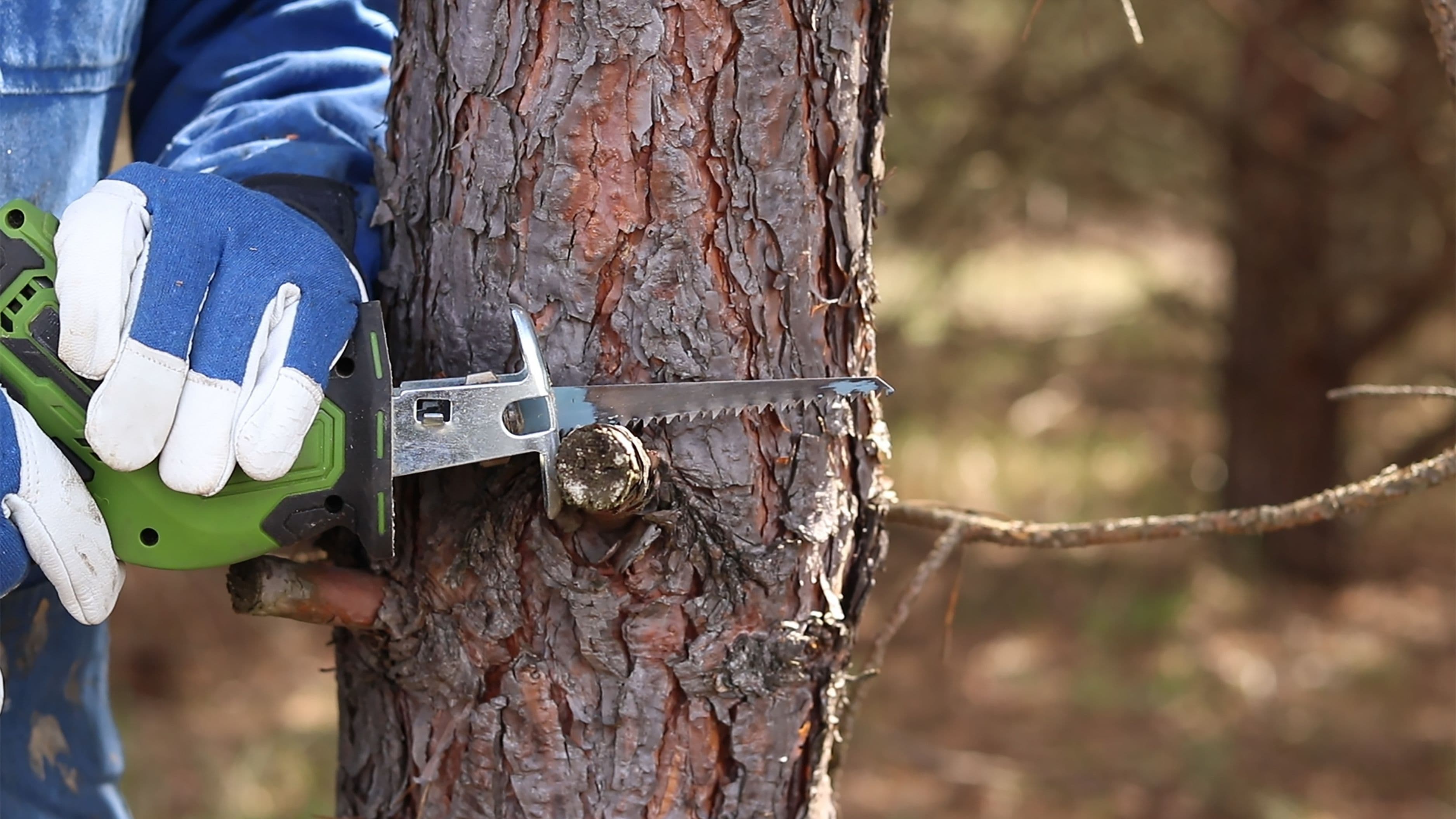
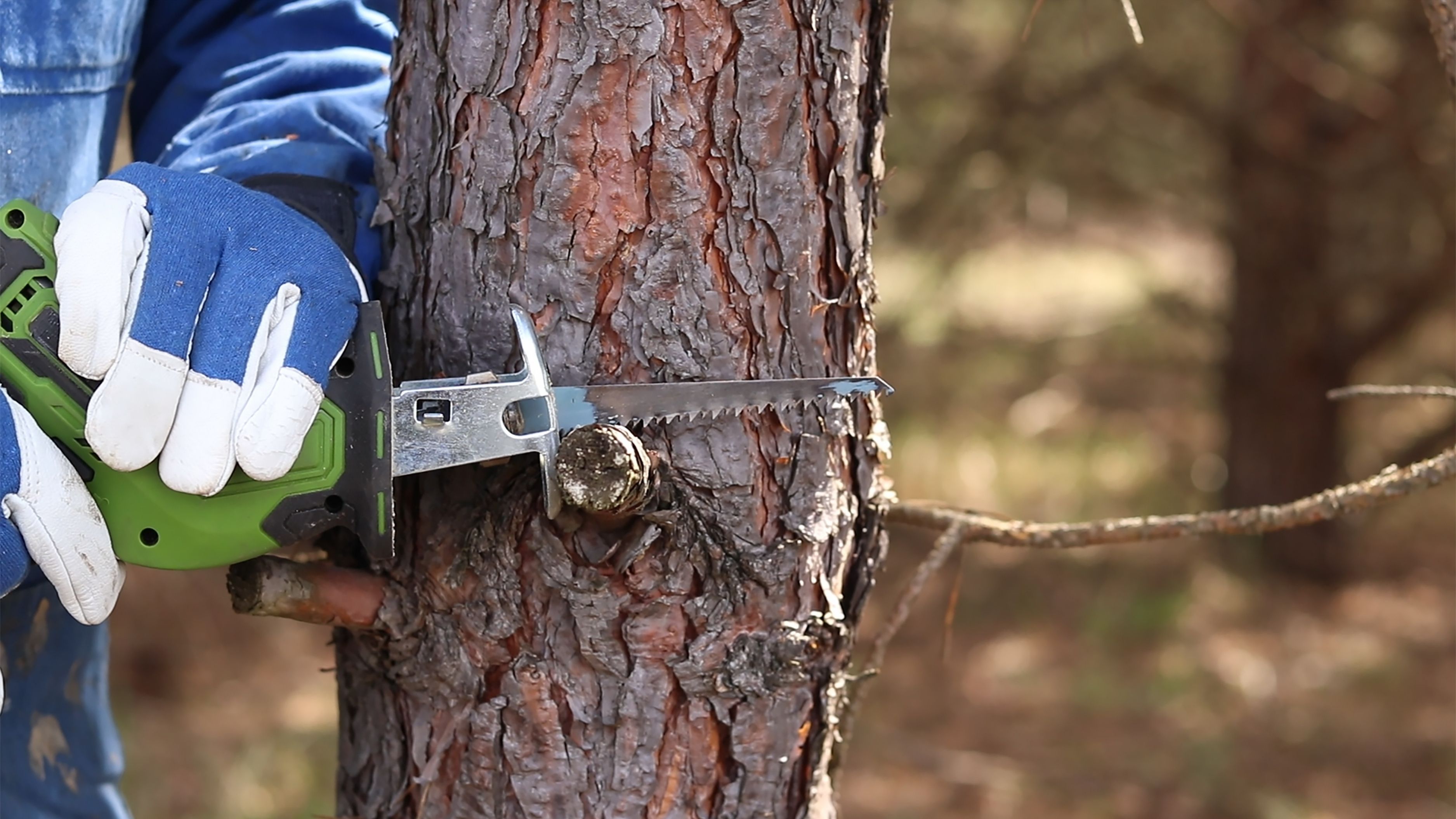
A reciprocating saw – often called a Sawzall, which is Milwaukee's brand name that became a generic term – is a demolition tool at heart. The blade extends forward from the body and plunges in and out in a fast, aggressive stroke. It's designed to cut through almost anything quickly and without much regard for finish quality: lumber, drywall, plastic pipe, metal conduit, nails, screws, tree branches, old roofing material. You can buy blades for virtually any material. The cuts it produces are rough and fast, which is perfect when the goal is removal, not presentation. This is the saw you reach for when something needs to come out.
A jigsaw is a precision cutting tool for curves, shapes, and clean cuts in thinner materials. The blade points downward from the base of the tool, and the shoe – the flat plate that rests on the workpiece – gives you control and stability as you guide the saw along a cut line. It excels at curved cuts in wood, laminate, drywall, and sheet materials; cutouts for outlets and fixtures; notches and plunge cuts in finish flooring; and decorative or shaped cuts that a straight-blade saw simply can't follow. The cuts it produces are cleaner and more controlled, which matters when the result will be visible.
Both saws have their place. The question is which place matches your actual project list.
Where a Reciprocating Saw Earns Its Keep
The reciprocating saw is the right tool when the job involves tearing out, cutting through, or removing material where finish quality doesn't matter.
Demolition is where it shines most. Cutting through a wall to run a pipe or wire, removing a window frame, taking out a section of subfloor, cutting apart old framing – all of this is reciprocating saw territory. It cuts through nails and screws embedded in wood without complaint, which is something no other common handheld saw handles well. If you're doing any kind of renovation that involves opening up walls, removing fixtures, or demolishing a structure, a reciprocating saw removes material faster and with less effort than any alternative.
Plumbing and HVAC work calls for it too. Cutting out a corroded section of copper or galvanized pipe, trimming a PVC drain line in a tight crawl space, cutting metal duct work – the reciprocating saw's reach and blade variety make it the practical tool for these jobs. The long blade lets you cut in confined areas that a circular saw or angle grinder can't reach, and the right bi-metal blade handles metal pipe cleanly.
Tree and yard work is another genuine use case that surprises some homeowners. With a pruning blade, a reciprocating saw cuts through branches up to about 4–5 inches in diameter and handles shrub removal, root cutting, and cleanup work that would take much longer with a hand saw. It won't replace a chainsaw for serious tree work, but for trimming, storm cleanup, and removing small trees, it's fast and effective.
The honest limitation is that a reciprocating saw is not a finishing tool. It vibrates aggressively, the cuts are rough, and controlling a precise cut line requires significant practice. If you need a clean edge – for visible trim, finish flooring, countertops, or furniture – this is not the right saw for that job.
Where a Jigsaw Earns Its Keep
The jigsaw is the right tool when the cut needs to follow a shape, fit a visible space, or land in a finished material without tearing it up.
Cutting outlet and switch holes in drywall is a classic jigsaw job that homeowners run into constantly. The ability to plunge-cut into a surface – starting the cut in the middle of a panel without an entry point from the edge – is something the jigsaw does well and a reciprocating saw does not. Rough-in cutouts for electrical boxes, recessed light fixtures, and HVAC grilles all fall into this category.
Curved and shaped cuts in wood are where the jigsaw genuinely has no peer among common handheld saws. If you're building a shelf with a decorative edge, cutting a rounded notch to fit around a pipe, trimming a piece of baseboard around an uneven floor, or making a template-guided cut in plywood, the jigsaw follows the curve accurately in a way that a circular saw or reciprocating saw cannot.
Countertop cutouts for sinks are almost always made with a jigsaw. The cut needs to follow a template, stay close to a line, and not splinter the laminate surface. A jigsaw with a fine-tooth blade and a slow speed setting handles this cleanly. The same applies to tile cutting when paired with a carbide or diamond-grit blade – though a dedicated tile saw is better for volume work.
Finish flooring installation benefits from a jigsaw too. Scribing around door casings, cutting notches to fit around cabinet kicks, and trimming laminate or hardwood to fit irregular walls all require a curved or angled cut that follows a scribed line. A jigsaw handles this without the splintering that a circular saw would cause on finish-grade material.
The limitation here is the inverse of the reciprocating saw: the jigsaw is not a demolition or heavy-material tool. Cutting through a wall assembly with nails and multiple material layers, removing a window frame, or cutting metal pipe are all tasks it wasn't designed for and doesn't perform well on.
The Overlap: Where Both Could Work
There is some functional overlap in the middle – primarily in drywall and thin sheet material cutting, where both saws can technically do the job.
A reciprocating saw can cut drywall, and some homeowners use it for rough cutouts where finish quality doesn't matter. But it's harder to control near edges, and the blade orientation makes precise cutouts more difficult than with a jigsaw. For rough demolition cuts in drywall, the reciprocating saw is faster. For clean, measured cutouts for electrical boxes and fixtures, the jigsaw is more precise.
Both saws can cut lumber, but neither is ideal for it in the way a circular saw or miter saw is. A reciprocating saw cuts fast and rough. A jigsaw cuts slower but cleaner. For structural lumber work, a circular saw is almost always the better choice – both of these saws are filling different niches.
Which One to Buy First
This depends on the kind of homeowner you are and what your most likely projects look like.
If your projects tend to involve renovation, repair, and maintenance – opening walls, replacing plumbing, removing old fixtures, doing rough framing work, maintaining the yard – the reciprocating saw comes first. It handles the messy, destructive jobs that come with owning a house, and it does things that no other common handheld saw can match, especially in tight spaces with mixed materials. It's also the safer first choice in the sense that its blade doesn't require fine control to be useful – you're cutting for removal, not finish.
If your projects lean toward finish work, building things, and installing materials – putting in flooring, making custom cuts in trim or shelving, doing kitchen or bathroom upgrades involving cutouts and fitted pieces – the jigsaw comes first. It gives you the control and clean-cut capability that finish work demands, and it handles the kind of precision cuts that a circular saw or miter saw can't make.
For most homeowners doing a mix of general repairs and improvement projects, the reciprocating saw tends to get more use because houses are constantly generating demolition and repair work that it's uniquely suited for. A leaky pipe, a rotted window sill, an old fixture that needs to come out, a wall that needs opening – these situations favor the reciprocating saw clearly.
That said, if you already own a circular saw for straight cuts and a miter saw for crosscuts, the jigsaw fills a genuine gap in your collection by adding curved and plunge-cut capability. At that stage, the reciprocating saw is the more situational purchase – invaluable when you need it, but less regularly useful for someone not doing active demolition or renovation.
What to Look for When Buying
For a reciprocating saw, the main variables are corded vs. cordless and stroke length. Cordless models in major battery platforms (DeWalt 20V, Milwaukee M18, Makita 18V) are the practical choice for most homeowners because a reciprocating saw is frequently used in awkward locations – under sinks, in crawl spaces, up on a ladder – where a cord is genuinely annoying. A stroke length of at least 1-1/8 inches gives you enough aggressive cutting action for demolition work. Variable speed trigger is standard on most models and worth having. Budget range: $80–$150 for a cordless tool-only in a platform you already own, or $150–$250 for a kit with battery.
Blade selection matters a great deal with reciprocating saws. Stock up on: a general-purpose bi-metal blade for wood with nails (6 TPI), a fine-tooth metal cutting blade (14–18 TPI) for pipe and conduit, and a pruning blade for yard work. The tool itself is fairly forgiving – the blade selection determines what it can actually cut well.
For a jigsaw, the key variables are orbital action and base plate stability. Orbital action – where the blade moves in a slight oval path rather than purely up and down – improves cutting speed in wood significantly and is worth having on any model you buy. A solid, adjustable base plate that sits flush against the material prevents the saw from tipping during a cut, which directly affects cut accuracy. Variable speed is standard and important for matching speed to material. Budget range: $60–$120 for a solid corded jigsaw, $120–$200 for a quality cordless model.
Blade selection for jigsaws: a T-shank blade system is the current standard and makes blade changes tool-free. Keep a 10 TPI blade for clean wood cuts, a fine-tooth 20 TPI blade for laminates and veneers, and a bi-metal blade for cutting metal when needed.
Safety Notes
Both saws expose the blade during use in ways that deserve attention, particularly if you're new to them.
With a reciprocating saw, the blade extends well beyond the body of the tool and vibrates aggressively. Keep two hands on the tool whenever possible, and when cutting in walls or floors, be aware of what's on the other side – pipes and wires are a real hazard. A stud finder before any wall cut is not optional. Blade guards on reciprocating saws are minimal, so gloves and eye protection are essential.
With a jigsaw, the blade points down through the workpiece. Support the material well so it doesn't pinch the blade as the cut progresses, which causes binding and can break blades. Keep fingers away from the underside of the cutting line. When making plunge cuts, start at low speed and let the blade reach the material gradually rather than forcing it in. Eye protection is important here too – jigsaws can throw fine debris upward from the cut line.
Neither saw is particularly forgiving of dull blades. A dull blade requires more force, produces worse cuts, and increases the chance of binding or kickback. Replace blades when cut quality degrades – they're inexpensive enough that there's no good reason to push a worn blade.
The Bottom Line
If your home regularly generates repair and renovation work – the kind where something needs to come out before something new goes in – start with the reciprocating saw. It handles a range of rough cuts and mixed-material situations that no other common handheld saw manages, and it's the tool that makes demolition and plumbing work dramatically easier.
If your projects center on building, installing, and finishing – and you already have straight-cut capability from a circular saw – add the jigsaw. It fills the curve-cutting and plunge-cut gap that no other tool in a typical homeowner collection covers.
Many homeowners end up owning both within a year or two, because the jobs they handle don't overlap enough to make one truly redundant. At $80–$150 for a solid entry-level version of either, both are accessible enough that the real question is simply which one earns its place sooner given what you're working on right now.
FAQ
Can a jigsaw cut through nails or screws in wood? Not reliably, and attempting it will damage or break the blade quickly. The jigsaw isn't designed for mixed-material cutting the way a reciprocating saw is. If you encounter embedded fasteners, a reciprocating saw with a bi-metal blade is the right tool.
Can a reciprocating saw make curved cuts? Technically yes, with a narrow blade and careful guidance, but the results are rough and imprecise. It's not a tool designed for curve work. If accurate curved cuts matter, the jigsaw is the right choice.
Do I need a cordless version or is corded fine? For a reciprocating saw, cordless is strongly preferred because of where you use it – tight spaces, awkward angles, locations where a cord creates a hazard or limits reach. For a jigsaw, corded is more viable because you're typically working at a bench or on a supported workpiece, but cordless is more convenient. If you're in an established battery platform, cordless makes sense for both.
What's the best reciprocating saw blade for cutting drywall? A drywall-specific blade – typically a short, fine-tooth blade designed to cut through gypsum cleanly without snagging wire lath – is the right choice. General wood blades can cut drywall but tear the paper facing and create more dust. A proper drywall blade makes cleaner, more controlled cuts.
Is a reciprocating saw hard to control for a beginner? The aggressive vibration takes some getting used to, and controlling the cut line in finish material is genuinely difficult. But for demolition work – where you're cutting for removal rather than precision – the threshold for usable results is low. Most beginners find the reciprocating saw approachable for rough work almost immediately. The jigsaw requires more technique to produce clean, accurate cuts along a line, but it's still very manageable once you understand how the base plate and blade speed interact with different materials.
📚 Sources
This Old House – How to Use a Reciprocating Saw: https://www.thisoldhouse.com/tools/21015538/how-to-use-a-reciprocating-saw
Family Handyman – Jigsaw Tips and Techniques: https://www.familyhandyman.com/article/jigsaw-tips/
Fine Homebuilding – Choosing the Right Saw for the Job: https://www.finehomebuilding.com/2019/04/10/choosing-the-right-saw
Popular Mechanics – Best Reciprocating Saws Tested: https://www.popularmechanics.com/home/tools/a32404900/best-reciprocating-saws/
Bob Vila – Jigsaw vs. Reciprocating Saw: When to Use Each: https://www.bobvila.com/articles/jigsaw-vs-reciprocating-saw/