
This guide walks you through the whole process clearly, including what to check first, how to relight safely, and when the pilot light going out is a sign of something that does need a professional's attention.
Before You Start: Understand What a Pilot Light Does
A pilot light is a small, continuously burning flame that ignites the main gas burners when your furnace kicks on. Older furnaces (roughly pre-2000) rely on a standing pilot light – meaning it burns constantly. Newer furnaces use electronic ignition instead, which means they don't have a pilot light at all. If your furnace was manufactured in the last 20 years, check the owner's manual or look for an igniter before assuming a pilot light is the issue.
On furnaces that do have a standing pilot, the flame can go out for several reasons: a strong draft, a temporary gas interruption, a dirty thermocouple, or simply age. In most cases it's a minor inconvenience, not a sign that something is seriously wrong. That said, you should always check for the smell of gas before attempting a relight.
What You'll Need
You don't need much for this job:
A long-reach lighter or long fireplace matches (standard matches or a short lighter will put your hand too close to the burner)
Your furnace owner's manual if you have it
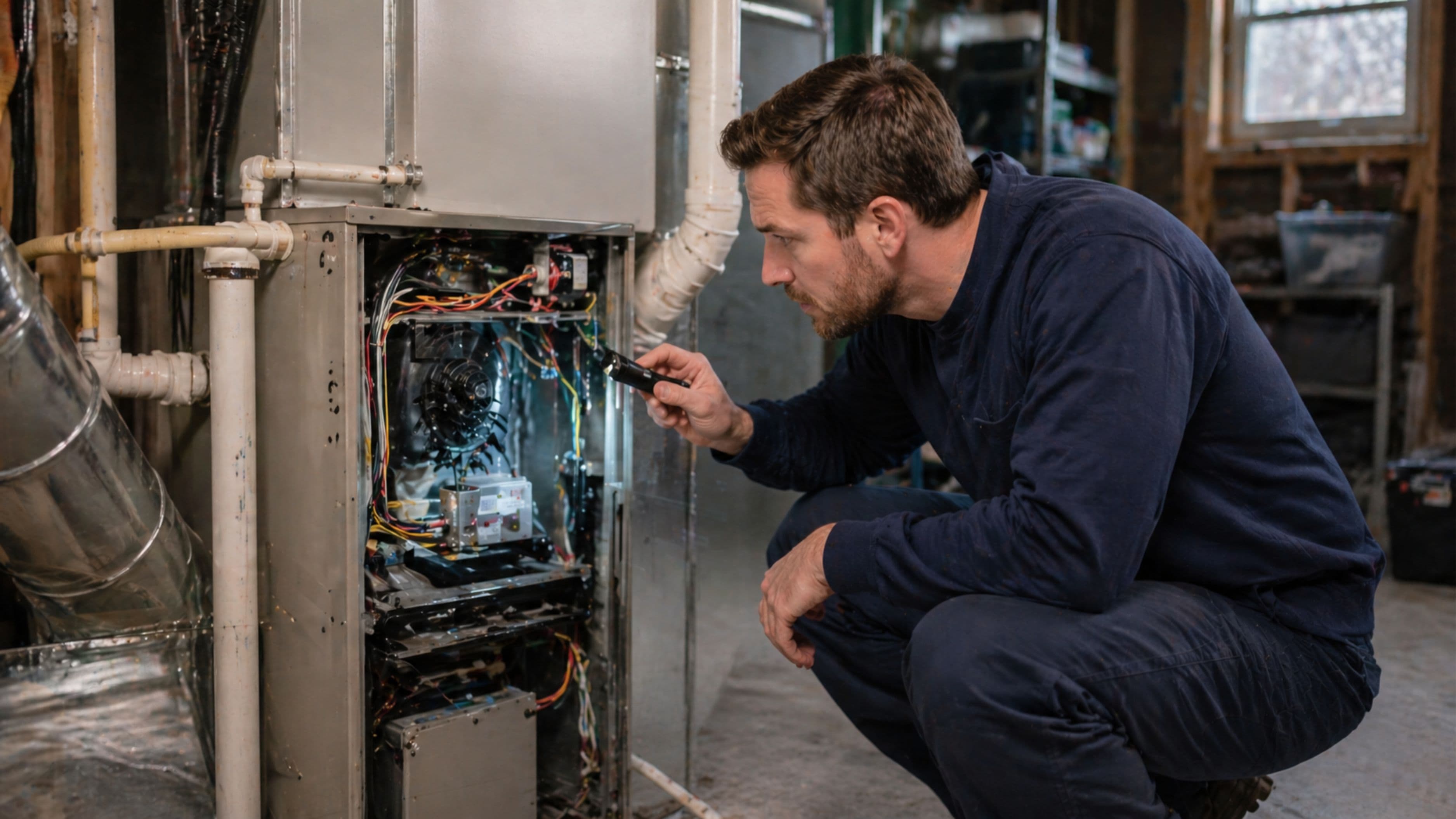
A flashlight to see inside the furnace cabinet
That's genuinely it. No tools, no parts, no special knowledge beyond what this guide covers.
Step 1: Smell for Gas First
This is non-negotiable. Before you open the furnace cabinet or touch any controls, stand near the furnace and take a slow breath. If you smell gas – described as a sulfur or rotten egg smell – do not attempt a relight. Leave the house immediately, leaving doors open as you go. Call your gas utility company from outside or from a neighbor's home. Do not switch any lights on or off, use your phone indoors, or do anything that could create a spark while the smell is present.
If you don't smell gas and the area smells normal, you're clear to proceed. A very faint gas smell that dissipates quickly after you open the cabinet door is usually just residual gas from the extinguished pilot – this is normal and not a cause for alarm, as long as it clears within a minute or two.
Step 2: Locate the Pilot Light Assembly
Open the furnace's front panel or access door – it typically either pulls off or unclips from the bottom of the unit. Once open, look for a small gas valve control near the bottom of the furnace. It will have a knob or dial with three positions marked on it: ON, OFF, and PILOT. The pilot light assembly itself is a small metal tube positioned near the main burner – follow the small copper or aluminum tubing from the gas valve and it will lead you right to it.
If the pilot light is out, you'll see no flame at the tip of that tube. Some furnaces have a small window that lets you see the pilot flame without opening the cabinet at all – check for that first.
Step 3: Turn the Gas Valve to OFF
Before doing anything else, turn the gas valve control knob to the OFF position. Wait a full five minutes. This allows any residual gas that may have accumulated near the pilot assembly to dissipate. Skipping this wait is the most common mistake people make when relighting a pilot, and it's the one that can cause a small flash when the flame finally catches. Five minutes is not a long time – don't shortcut it.
Step 4: Turn the Knob to PILOT and Press Down
After the five-minute wait, turn the knob to the PILOT position. On most furnaces, you'll then press the knob downward (or inward) and hold it. This opens a small bypass valve that allows a limited flow of gas to the pilot tube without flowing to the main burners. Keep the knob pressed while you complete the next step.
Some older furnaces have a separate red or black ignition button nearby. If yours does, you'll press that instead of (or alongside) the knob.
Step 5: Ignite the Pilot
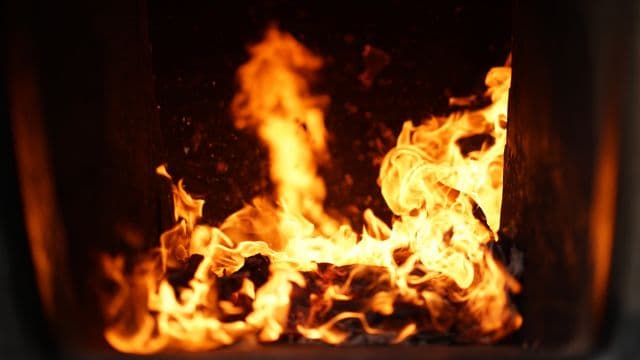
With the knob pressed down and held in the PILOT position, bring your long lighter or lit match to the tip of the pilot tube. The flame should catch almost immediately once the lighter is close to the tip. If it doesn't catch in the first few seconds, don't keep the lighter there indefinitely – pull back, wait another minute, and try again.
Once the pilot flame is lit, continue holding the knob down for a full 30 to 60 seconds. This is important. The heat from the pilot flame needs time to warm a component called the thermocouple – a small sensor that detects whether the pilot is actually burning. If the thermocouple doesn't sense heat, it will cut off the gas supply as a safety measure, and the pilot will go out the moment you release the knob. Holding it down for at least 30 seconds gives the thermocouple time to register the heat and stay open.
Step 6: Release the Knob and Turn to ON
After holding for 30 to 60 seconds, slowly release the knob. Watch the pilot flame closely – if it stays lit, you're in good shape. If it goes out immediately, it usually means the thermocouple didn't get warm enough. Try again and hold the knob down a bit longer this time.
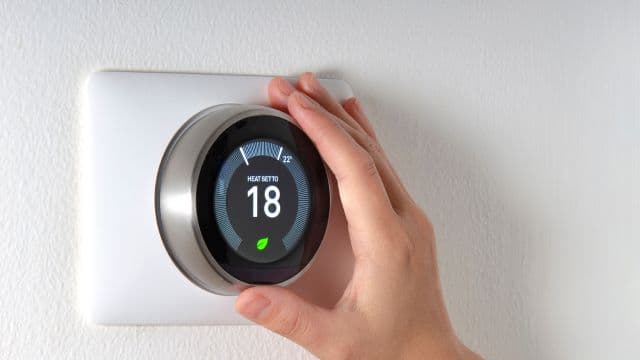
Once the pilot stays lit on its own, turn the control knob from PILOT to ON. You should hear the main burners ignite within a minute or two as the furnace cycles on and begins heating. Close the access panel, adjust your thermostat, and let the furnace run through a full cycle to confirm everything is working.
Common Mistakes to Avoid
Not waiting the full five minutes after turning the valve to OFF is the most frequent error, and it's worth repeating. Residual gas near the pilot assembly can cause a brief flash when it ignites – nothing catastrophic in most cases, but startling, and easily avoided by just waiting.
Releasing the knob too soon after lighting is the second most common issue. If the pilot repeatedly goes out the moment you let go, that's almost always a sign that the thermocouple needs more time to heat up. Try holding for a full 60 seconds before releasing.
Using a short lighter or matches that bring your hand too close to the pilot tube is something to avoid simply for comfort and safety – a long lighter takes this concern off the table entirely.
When the Pilot Light Keeps Going Out
If you successfully relight the pilot but it goes out again within a day or two – or if it refuses to stay lit no matter how long you hold the knob – the most likely culprit is a failing thermocouple. The thermocouple is a small, inexpensive part (typically $10–$25) that a confident DIYer can replace with basic tools. It involves shutting off the gas, removing the old thermocouple from its bracket, and installing the new one. It's not complicated, but it does require more steps than this guide covers – look for a specific thermocouple replacement guide for your furnace model if you want to tackle it yourself.
A pilot light that consistently blows out may also indicate a draft issue inside the furnace cabinet, a clogged pilot orifice, or a gas pressure problem. A clogged orifice can sometimes be cleared by a technician without replacing any parts. Gas pressure issues need a professional.
When to Call a Professional
There are a few situations where you should stop and call a licensed HVAC technician rather than continuing to troubleshoot yourself:
You smell gas that doesn't dissipate after opening the cabinet and waiting a couple of minutes. Any persistent gas smell is a situation for your gas utility emergency line, not a DIY fix.
The pilot relights successfully but the main burners don't ignite after a few minutes. This can indicate a problem with the gas valve itself, the ignition control board, or the main burner orifice – all of which require professional diagnosis.
You notice soot, discoloration, or burn marks around the pilot assembly. These can indicate incomplete combustion, which is a safety concern that goes beyond a simple relight.
The furnace is more than 20–25 years old and has been requiring frequent pilot relights. At that age, it may be more cost-effective to replace the unit than to continue servicing it.
Difficulty, Time, and Cost at a Glance
Relighting a pilot light is one of the easiest HVAC tasks a homeowner can do. Difficulty is genuinely low – if you can follow steps carefully and wait out a five-minute timer, you can handle this. Time from start to finish is typically 10–15 minutes. Cost is zero, unless the underlying issue turns out to be a failed thermocouple, which runs $10–$25 for the part and an hour of your time if you replace it yourself.
Calling a technician for a simple pilot relight runs $75–$150 for a service call in most markets. For a job this straightforward, that's an easy expense to avoid.
FAQ
Why does my pilot light keep going out? The most common cause is a failing thermocouple – the small sensor that detects the pilot flame and keeps the gas valve open. If the thermocouple is worn, it cuts off the gas supply even when the pilot is burning normally, causing the flame to extinguish. A draft in the furnace cabinet and a clogged pilot orifice are less common but possible causes.
Is it safe to relight the pilot light myself? Yes, for most homeowners. The key safety steps are checking for gas smell before you start, waiting five full minutes after turning the valve to OFF before attempting a relight, and using a long lighter to keep your hand away from the pilot tube. If you follow those steps, the process is straightforward and safe.
How do I know if my furnace has a pilot light or electronic ignition? Check the furnace's manufacture date on the label inside the cabinet or in the owner's manual. Furnaces manufactured from the mid-1990s onward increasingly used electronic ignition. If you look inside the cabinet and see no gas valve knob with a PILOT position, your furnace almost certainly uses electronic ignition and doesn't have a standing pilot light.
What does the thermocouple do and how do I know if it's bad? The thermocouple is a heat-sensing probe that sits in the pilot flame. When the flame heats it up, it generates a small electrical current that holds the gas valve open. If the thermocouple is worn or dirty, it generates insufficient current, and the valve closes – extinguishing the pilot. The telltale sign of a bad thermocouple is a pilot that lights fine but goes out the moment you release the control knob, even after holding it for a full minute.
Should I smell any gas at all when relighting the pilot? A very faint, brief whiff of gas when you first open the cabinet or bring the lighter close to the pilot tube is normal – it's residual gas from the unlit pilot. It should be slight and should clear within a minute or two. A strong, persistent gas smell is not normal and means you should not attempt a relight.
📚 Sources
U.S. Department of Energy – Gas Furnace Basics and Maintenance: https://www.energy.gov/energysaver/furnaces-and-boilers
American Gas Association – Gas Appliance Safety Tips: https://www.aga.org/consumers/gas-appliance-safety/
This Old House – How to Relight a Furnace Pilot Light: https://www.thisoldhouse.com/heating-cooling/21016417/how-to-relight-a-furnace-pilot-light
ACCA (Air Conditioning Contractors of America) – Homeowner HVAC Maintenance Guide: https://www.acca.org/home/consumers
National Fire Protection Association – Home Heating Safety: https://www.nfpa.org/Public-Education/Fire-causes-and-risks/Seasonal-fire-causes/Heating
U.S. Consumer Product Safety Commission – Gas Appliance Safety: https://www.cpsc.gov/Safety-Education/Safety-Education-Centers/Carbon-Monoxide-Information-Center
Family Handyman – Thermocouple Testing and Replacement Guide: https://www.familyhandyman.com/article/how-to-replace-a-thermocouple/
Carrier Corporation – Understanding Your Furnace Pilot Light: https://www.carrier.com/residential/en/us/products/furnaces/learning-center/furnace-pilot-light/
Gas Technology Institute – Residential Gas Appliance Safety Reference: https://www.gastechnology.org/research/gti-focus-area/gas-technology/
Angi (formerly Angie's List) – Average Cost of Furnace Service Calls: https://www.angi.com/articles/how-much-does-furnace-repair-cost.htm