
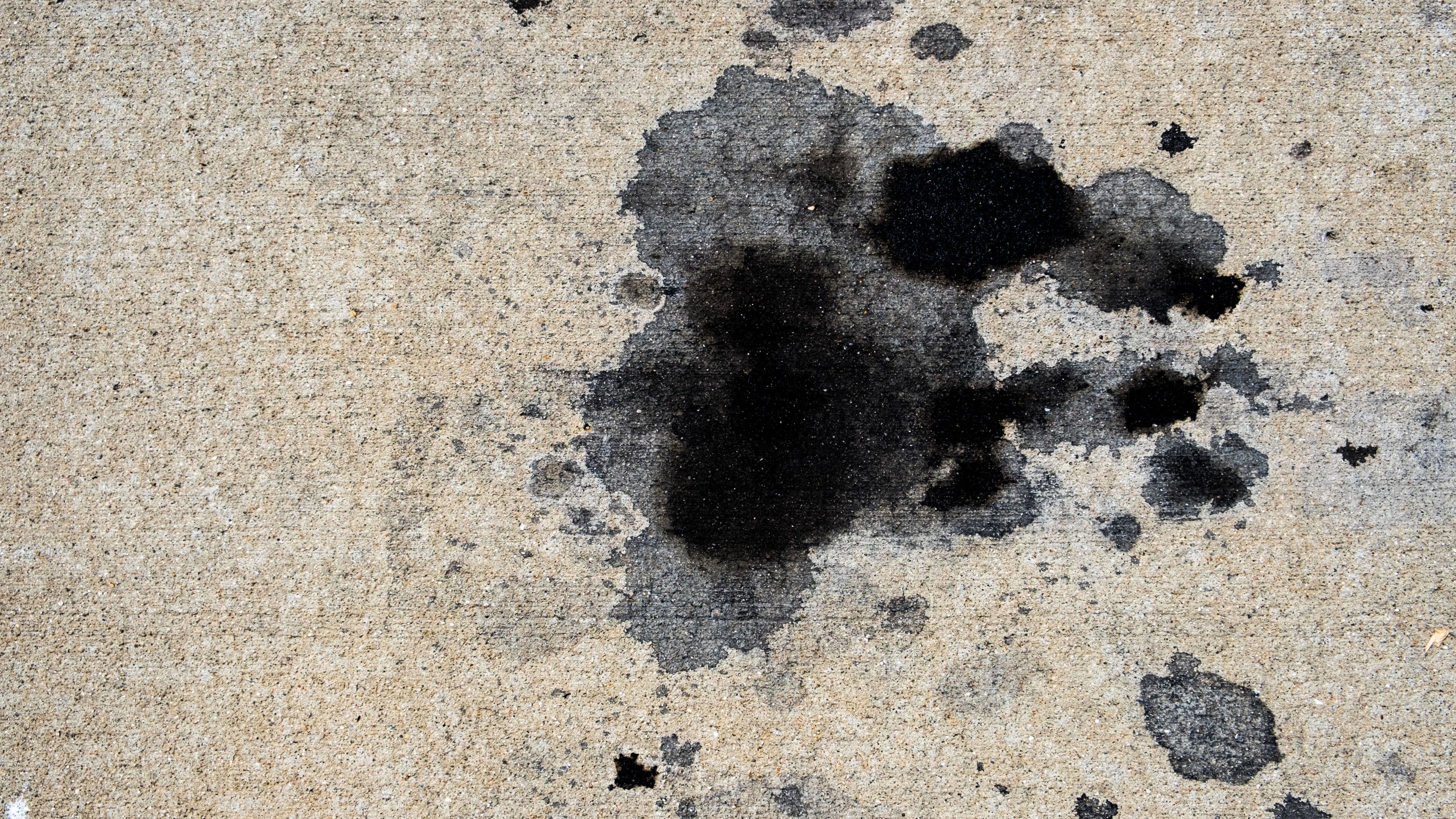
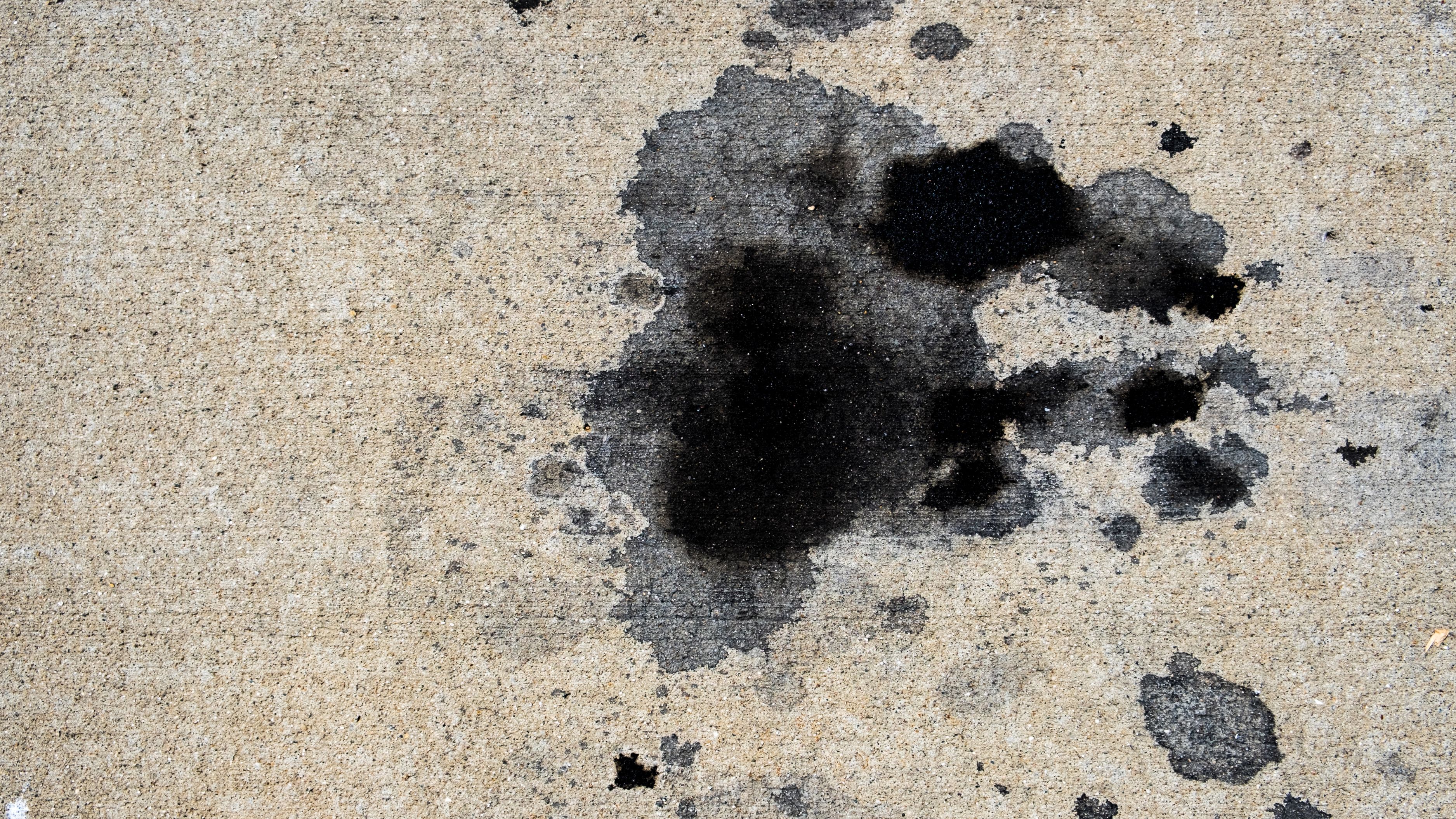
Why Oil Stains Are So Stubborn on Concrete
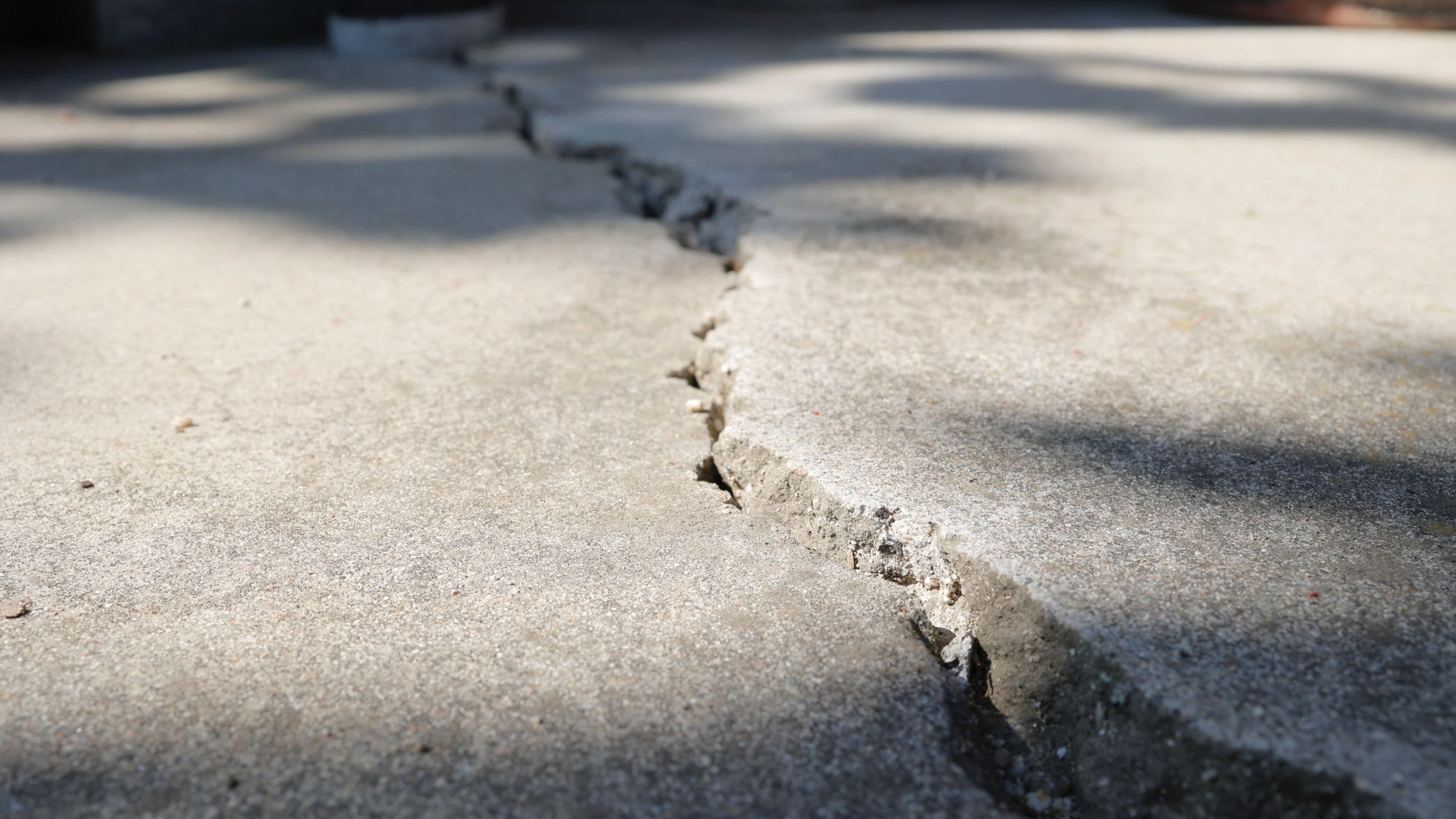
Unlike a spill on a sealed or painted surface, oil dropped on bare concrete gets absorbed into the tiny pores that make up the material's structure. The longer oil sits, the deeper it migrates, which is why a fresh drip from last week comes out far more easily than a stain that's been baked in by sun and traffic for years. Understanding this is useful because it sets realistic expectations: older, deeper stains typically require more attempts and more patience than a quick single scrub.
Tools and Materials Needed
Cat litter (clay-based, unscented) or cornstarch for fresh spills
Dish soap or a dedicated degreaser
A stiff scrub brush
Baking soda
A pressure washer (optional, but helpful for larger areas)
Old rags or paper towels
Plastic sheeting (for the poultice method on deep stains)
Step 1: Address Fresh Spills Immediately
If you catch an oil spill while it's still wet, speed matters more than any cleaning product. Cover the spill immediately with clay-based cat litter or cornstarch, both of which absorb oil effectively. Let it sit for several hours, ideally overnight, then sweep it away. This single step, done promptly, prevents a huge percentage of what would otherwise become a stubborn, set-in stain.
Step 2: Scrub With Dish Soap for Moderate Stains
For stains that have already set but aren't deeply old, a strong dish soap (the grease-cutting kind marketed for dishes works well here) combined with hot water and a stiff scrub brush handles a surprising number of driveway stains. Apply the soap directly to the stain, work it in thoroughly with the brush using a circular motion, and let it sit for 10-15 minutes before rinsing with a hose or pressure washer.
You may need to repeat this process two or three times for a stain to noticeably lighten. This is normal, and it's worth resisting the urge to switch to a harsher chemical after just one attempt, since repeated applications of a milder approach often outperform a single aggressive one.
Step 3: Use Baking Soda for Extra Scrubbing Power
For stains that resist plain dish soap, sprinkle baking soda directly over the dampened stain before scrubbing. Baking soda adds mild abrasive action and helps lift oil that's settled slightly below the surface. Combined with dish soap and hot water, this two-part approach handles most moderate residential driveway stains without needing anything more aggressive.
Step 4: Try a Poultice for Deep, Old Stains
For genuinely old, deeply set stains, the ones that have been there for months or years, a poultice method draws oil out from within the concrete's pores rather than just cleaning the surface. Mix baking soda or cornstarch with a degreasing dish soap into a thick paste, roughly the consistency of peanut butter, and spread it generously over the stain, about a quarter-inch thick.
Cover the paste with plastic sheeting and tape down the edges to slow evaporation, allowing the mixture more time to draw oil out of the concrete rather than drying too quickly on the surface. Leave this in place for 24 to 48 hours, then remove the plastic, let the paste dry completely, and scrape it off before rinsing thoroughly. Deep, old stains often require repeating this poultice process two or three times before you see a significant difference.
Step 5: Consider a Commercial Degreaser for Stubborn Cases
If home remedies aren't cutting it after a few attempts, a concrete-specific commercial degreaser, available at most hardware stores, is a reasonable next step. Follow the product's specific instructions closely, since concentration and dwell time vary between products, and always test on a small, inconspicuous area first to make sure it doesn't discolor your particular concrete.
Safety Notes
Wear gloves when working with degreasers or commercial cleaning products, and ensure good ventilation if you're working in an enclosed garage rather than an open driveway. If you're using a pressure washer, keep the nozzle at a safe distance from the concrete surface, holding it too close can etch or damage concrete, especially older or more porous surfaces.
Common Mistakes to Avoid
Don't scrub aggressively with a wire brush, which can scratch and damage the concrete surface without actually removing more oil than a stiff nylon brush would. Don't skip the poultice step and jump straight to harsh chemicals for old stains, since chemicals alone often can't pull oil out from deep within porous concrete the way a poultice's extended dwell time can. And don't expect a single attempt to fully remove a stain that's been sitting for years; realistic expectations here mean multiple applications over several days, not a one-time fix.
When to Call a Professional
If you've tried the poultice method multiple times without meaningful improvement, or if the stain covers a large area of driveway, professional concrete cleaning services have access to stronger, properly diluted commercial-grade degreasers and pressure washing equipment that can handle what home methods sometimes can't. This is also worth considering if you're planning to seal or resurface the driveway afterward, since a professional can advise on whether sealing over a partially treated stain is a good idea.
Realistic Expectations
Fresh spills, treated promptly, can be fully removed in a single session. Moderate stains a few weeks to months old typically take two to three cleaning attempts spread across a weekend. Deep, old stains may require multiple poultice applications over one to two weeks before showing significant improvement, and in some cases, complete removal simply isn't achievable without professional-grade treatment or resurfacing.
FAQ
Will these methods work on stamped or colored concrete? Use caution and test in an inconspicuous spot first, since some methods, particularly baking soda's mild abrasiveness, can affect colored or coated concrete surfaces differently than plain gray concrete.
How long should I let a poultice sit? 24 to 48 hours generally works well, allowing enough time for the paste to draw oil out as it dries, without needing an excessively long wait.
Can I prevent future oil stains? Sealing your concrete driveway creates a protective barrier that keeps oil from soaking in as deeply, making future spills far easier to clean if caught relatively promptly.
📚 Sources
Portland Cement Association – Concrete Maintenance and Cleaning: https://www.cement.org/
This Old House – Removing Oil Stains From Concrete: https://www.thisoldhouse.com/