


What a Tile Saw Actually Does
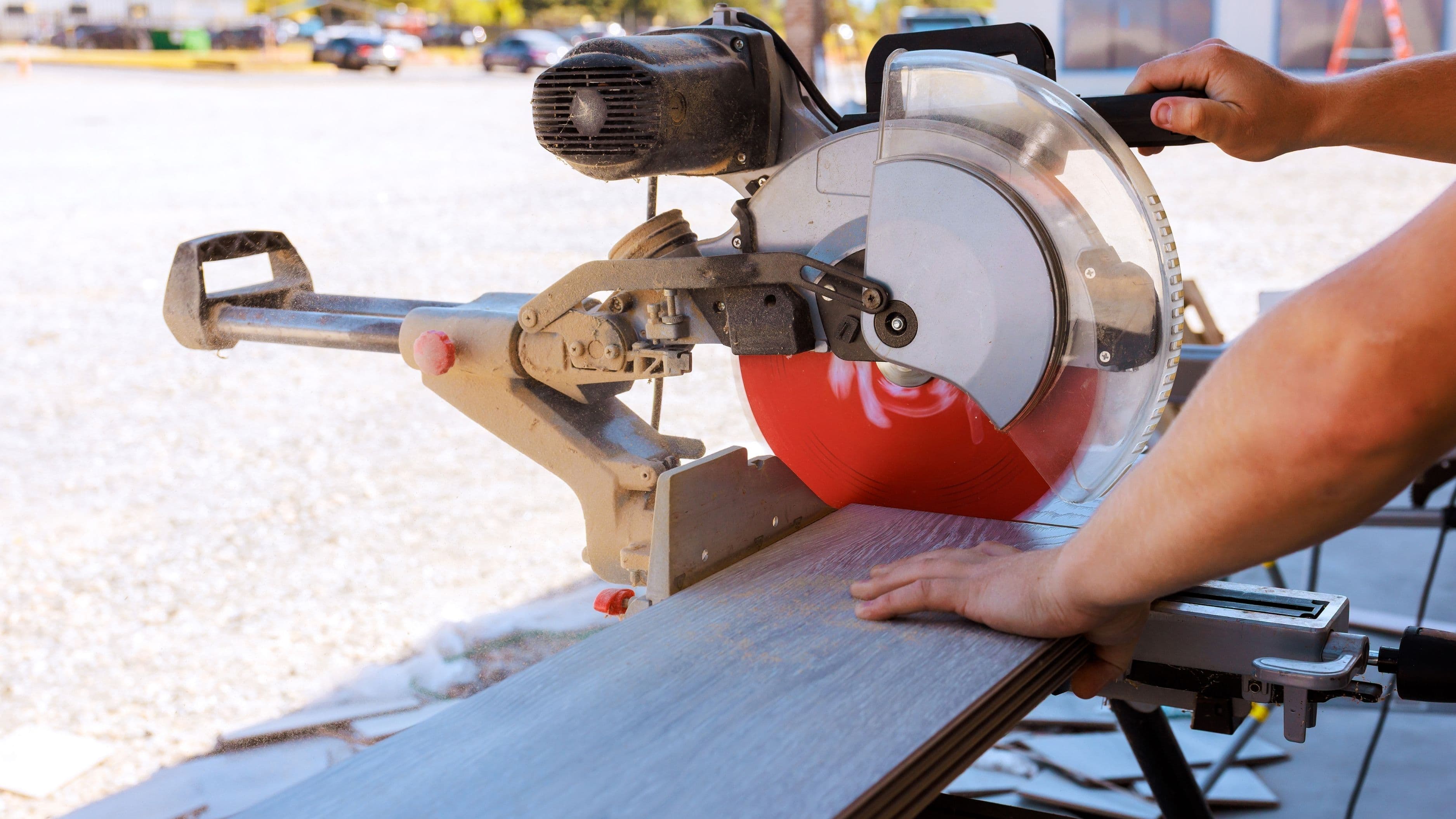
A wet tile saw uses a water-cooled diamond blade to make clean, precise cuts through ceramic, porcelain, and natural stone tile without the chipping or cracking you'd get from a manual tile cutter on anything but the simplest straight cuts. For small jobs with mostly straight cuts, a manual snap cutter can sometimes handle the work, but for anything involving notches, curves, or thicker porcelain and stone, a wet saw becomes close to essential for a clean result.
If your project involves more than a handful of simple cuts, or you're working with harder materials like natural stone, a wet saw isn't a luxury, it's the tool that determines whether your finished tile job looks professional or shows visible chip marks along every edge.
The Case for Renting
For a one-time small job, like a single bathroom floor or a modest backsplash, renting almost always makes more financial sense. Rental costs for a decent wet tile saw typically run in the range of $40 to $75 per day at most home improvement or equipment rental centers, which is a fraction of what a comparable saw costs to purchase outright.
Renting also means you're not responsible for long-term maintenance, blade replacement, or storage space for a tool you might use once every few years. Most rental centers keep their saws in working condition and will swap out a malfunctioning unit, removing the risk of getting stuck mid-project with a tool that isn't performing well.
The Case for Buying
If you're planning multiple tiling projects over the coming months or years, whether that's your own home renovations or helping out family and friends regularly, buying starts to make more financial sense over time. Entry-level wet tile saws suitable for DIY use typically range from $100 to $250, meaning two or three rental sessions could already cover the cost of ownership.
Owning also means you're not constrained by a rental center's hours or availability, which matters if your project timeline is unpredictable or you're working around a demanding schedule. If your tiling plans extend beyond this one project, purchasing a saw you can return to without renting each time is often the more practical long-term choice.
What to Consider Before Deciding
Think honestly about whether this is truly a one-time project or the start of an ongoing interest in DIY tiling work. It's easy to underestimate how often a tool like this comes in handy once you own one, but it's equally easy to overestimate future use and end up with an expensive saw taking up garage space after a single project.
Also factor in the size and complexity of your job. A small backsplash with straight cuts might be manageable with a rented saw for a single afternoon, while a full bathroom floor with intricate cuts around fixtures might benefit from having a saw on hand for the full duration of the project without worrying about a rental return deadline.
What to Avoid
Don't assume a manual tile cutter is an adequate substitute for a wet saw on anything beyond the simplest straight cuts, especially with porcelain or natural stone, since forcing these materials through a manual cutter often results in cracked or chipped tile that ruins your finished look. Also avoid renting a saw for too short a window if your project timeline is uncertain, since rushing tile work to beat a rental return deadline tends to produce sloppier cuts and mistakes.
If you do rent, test the saw briefly on a scrap piece of tile before starting your actual cuts, to get a feel for the blade and confirm it's cutting cleanly before committing to your real material.
The Bottom Line
For a single small tiling job, renting is almost always the more cost-effective and practical choice. If you can see yourself tackling more tile projects down the line, or want the flexibility of having a saw available on your own schedule, buying an entry-level model pays for itself faster than most people expect.
FAQ
Can I use a manual tile cutter instead of a wet saw? For simple straight cuts on softer ceramic tile, yes, but for notches, curves, or harder materials like porcelain and natural stone, a wet saw produces significantly cleaner results.
How much does it cost to rent a tile saw for a weekend project? Expect to pay roughly $40 to $75 per day, though rates vary by location and saw quality, so check with your local rental center for exact pricing.
Is a cheap entry-level tile saw good enough for a DIY project? For most home DIY projects, an entry-level saw in the $100–$250 range is more than sufficient, especially for straightforward tiling jobs without unusually thick or dense material.
📚 Sources
Tile Installation Basics, thisoldhouse.com
Home Depot Tool Rental Pricing Guide, homedepot.com
Choosing the Right Tile Cutting Tool, familyhandyman.com