


This isn't about avoiding replacement forever. It's about recognizing when repair genuinely makes more sense, so you're not spending significantly more than necessary out of assumption rather than actual comparison.
The Real Cost Comparison Most People Skip
When an appliance breaks, the natural comparison that comes to mind is repair cost versus a brand-new replacement's sticker price. That comparison misses several real costs that make repair look even more favorable than it initially appears.
Replacement isn't just the purchase price. It includes delivery fees, installation costs, disposal fees for the old unit, and often the cost of adapting your space if the new model's dimensions or connections differ slightly from the old one. These add-on costs frequently run several hundred dollars beyond the sticker price, and they're easy to underestimate when you're comparing options quickly.
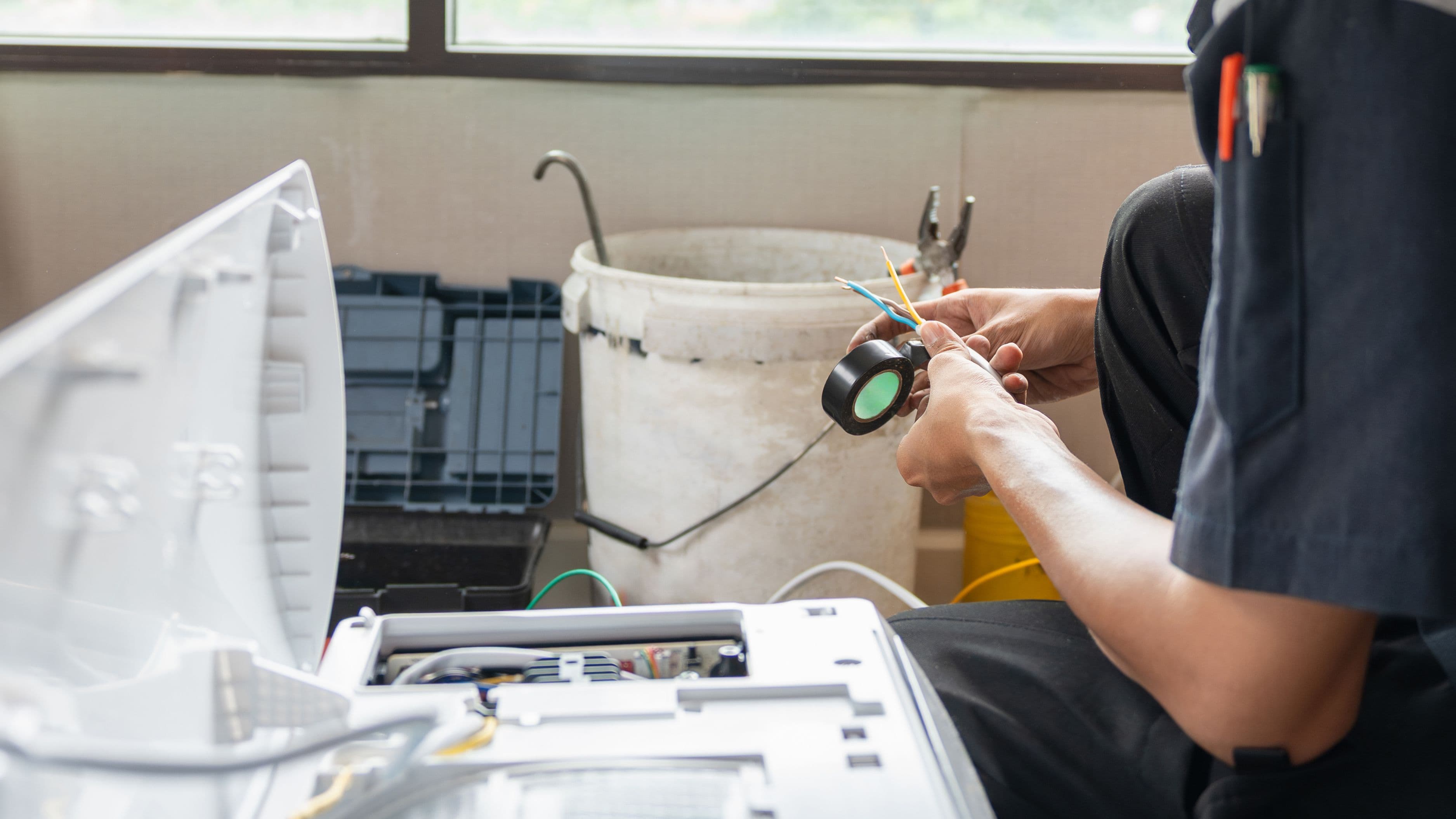
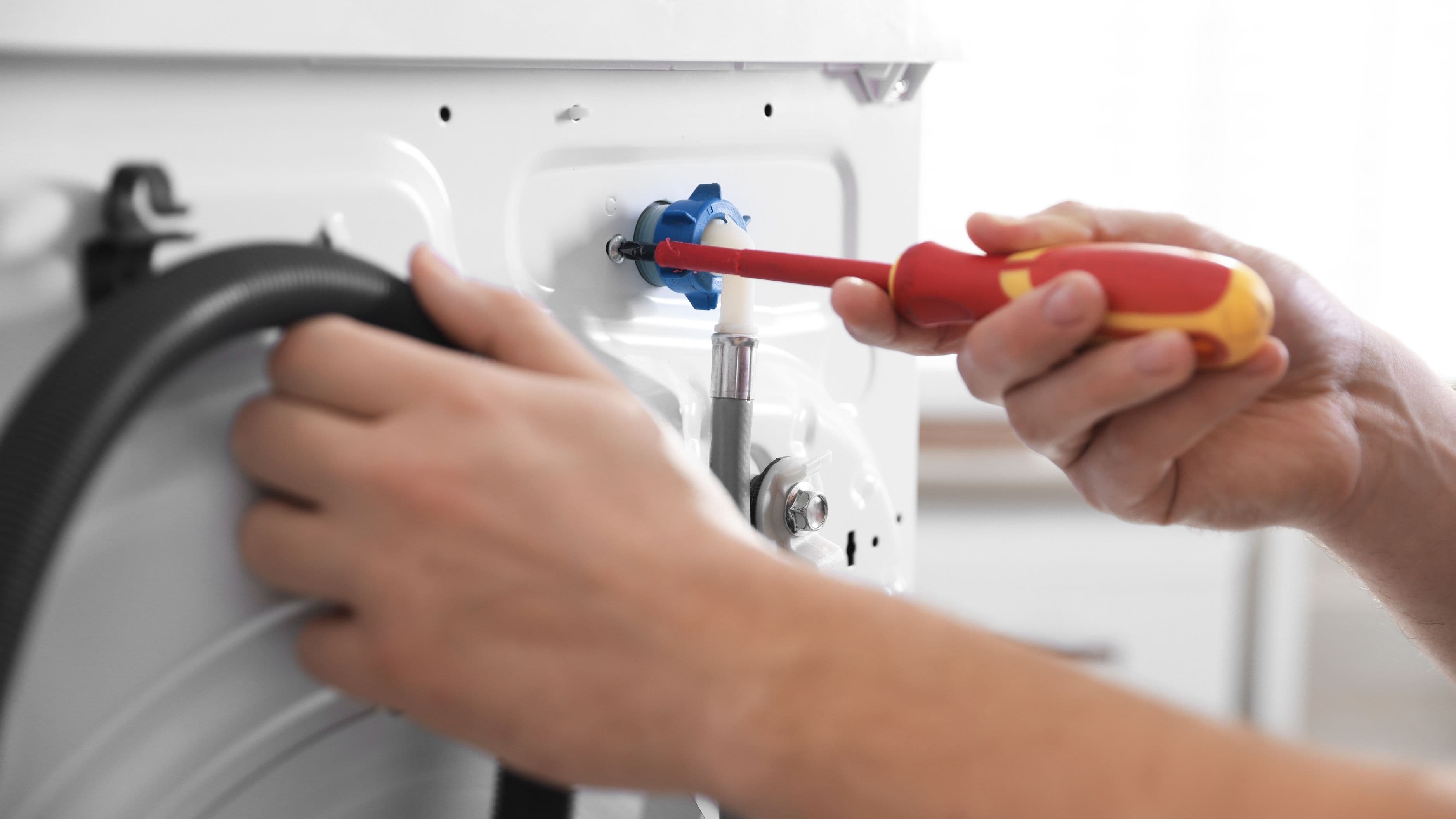
Repair costs, by contrast, are usually more contained and predictable. A diagnostic fee plus parts and labor for a specific issue typically comes with a clear, itemized cost, without the hidden extras that come with a full replacement.
Why the First Year Specifically Matters
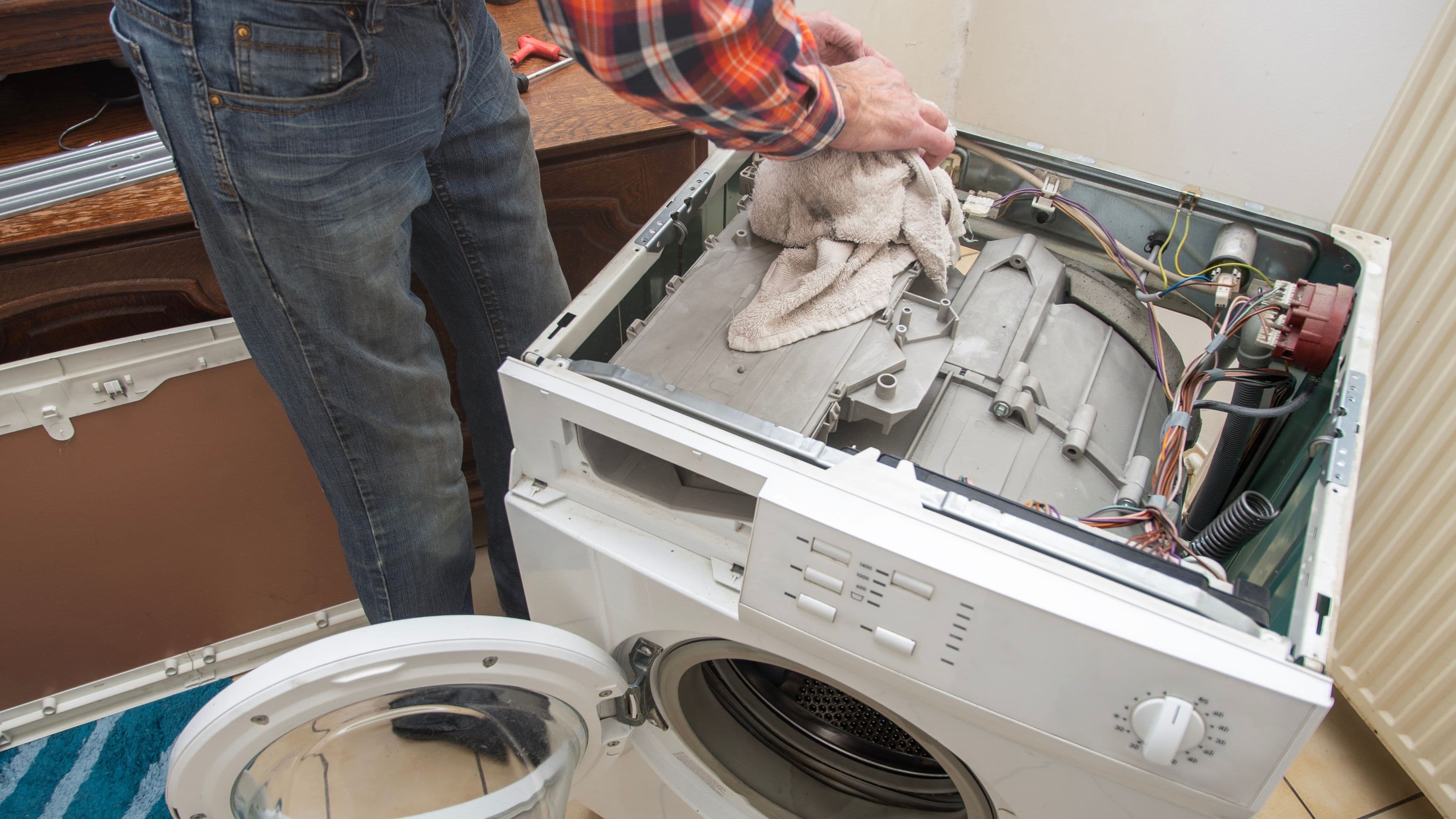
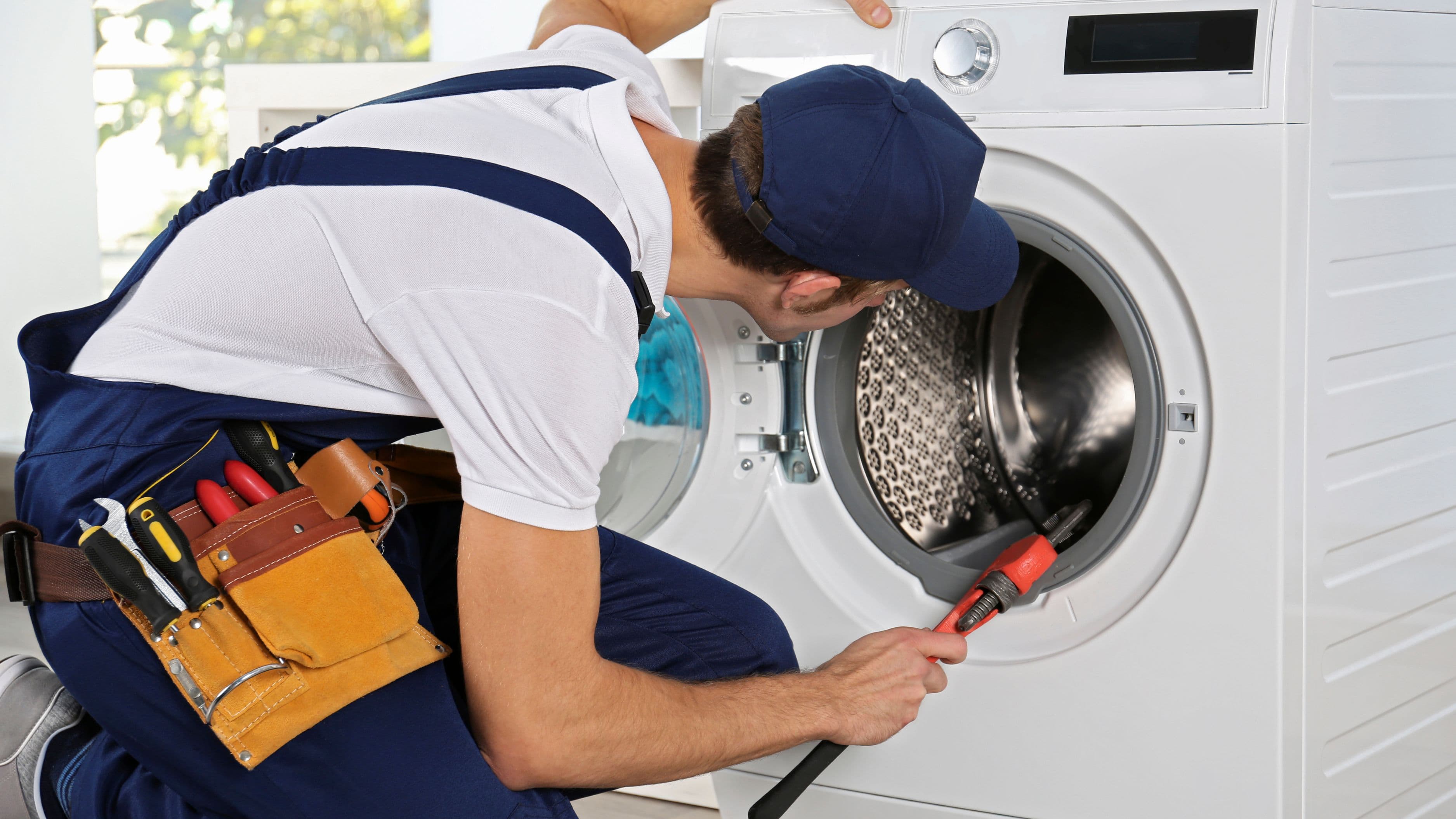
The "first year" framing matters because most appliances and home systems are designed with a lifespan significantly longer than the point at which a single component fails. A washing machine rated for 10 to 12 years that develops a pump issue in year 3 or 4 still has the majority of its useful life ahead of it, assuming the rest of the unit is in reasonable condition.
Replacing an appliance that's failed early in its expected lifespan means you're essentially throwing away most of the value you originally paid for, then paying full price again for a new unit that will eventually face its own early-life issues. Repair, in this window, captures the remaining value of an investment you've already made.
The 50% Rule, and Why It's a Reasonable Starting Point
A commonly used guideline in the repair industry is that if a repair costs less than 50% of a replacement's price, and the unit isn't nearing the end of its expected lifespan, repair is generally the better financial decision. This isn't a strict rule for every situation, but it's a reasonable starting point for most common household breakdowns.
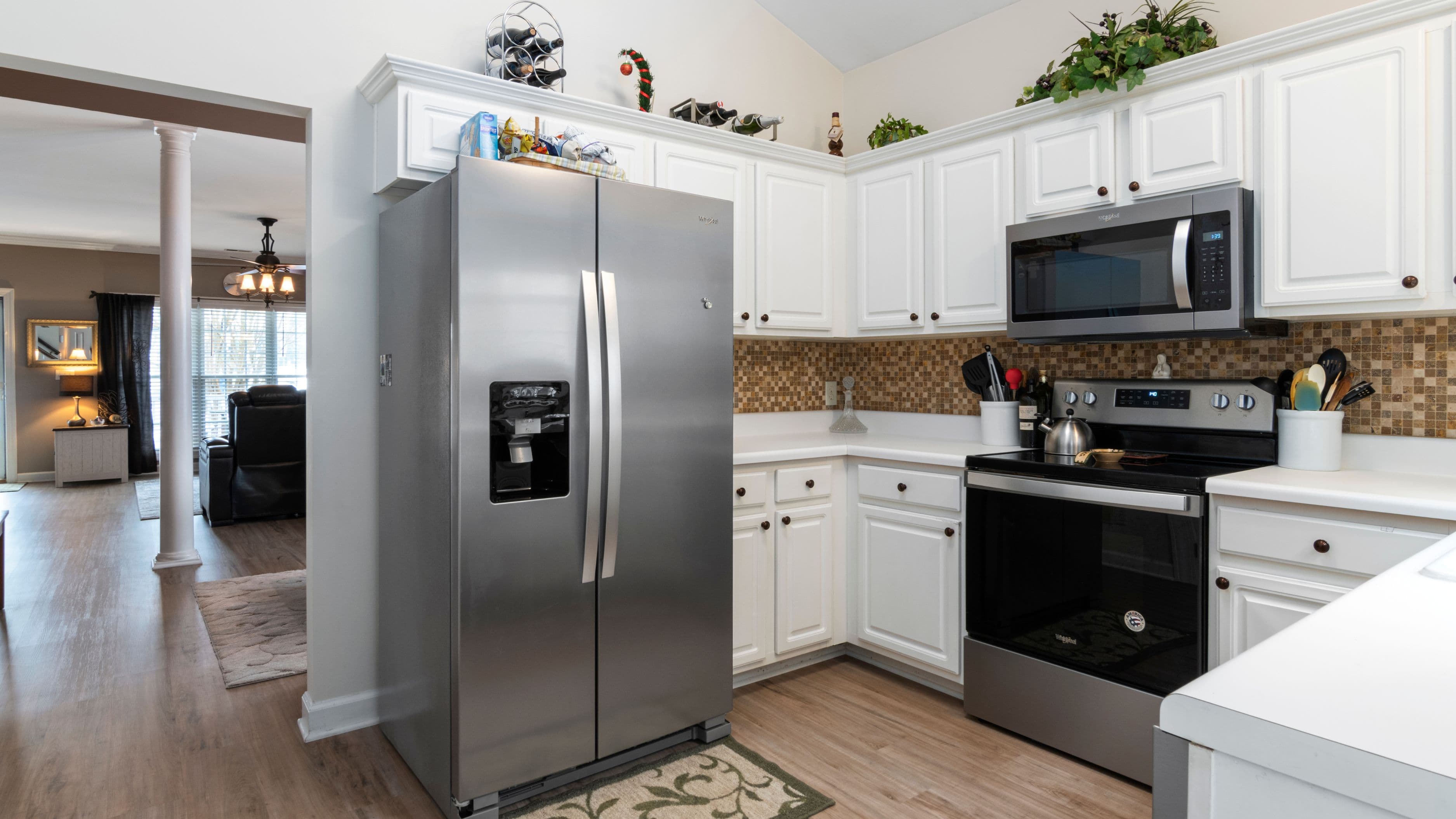
For example, if a refrigerator repair is quoted at $300 and a comparable new refrigerator costs $1,200 installed, the repair falls well under the 50% threshold, making it the clearer financial choice, especially if the fridge is only a few years old.
When Repair Costs Add Up Beyond a Reasonable Threshold
The math shifts when repair costs approach or exceed that 50% threshold, or when an appliance has already required multiple repairs within a short period. Recurring issues, even individually inexpensive ones, often signal that other components are close to failing too, which can mean you're paying for repairs on a unit that's genuinely near the end of its useful life regardless of age on paper.
In these cases, the "first year is cheaper to repair" logic starts to break down, since you're not capturing remaining value anymore, you're delaying an inevitable replacement while paying for temporary fixes along the way.
Additional Financial Factors Worth Considering
Warranty Coverage
Many appliances come with manufacturer warranties covering specific components for one to several years. If your appliance is still under warranty, repair costs may be significantly reduced or fully covered, which makes the repair decision even more clearly favorable, and skipping a covered repair in favor of replacement means forfeiting value you've already paid for.
Energy Efficiency Gains
Newer appliances are sometimes more energy-efficient, which can offset some of the higher upfront replacement cost over time through lower utility bills. This factor matters more for appliances that are already older, closer to 8 to 10 years, where efficiency gains from a decade of technological improvement are more substantial than they would be for a 2 or 3-year-old unit.
Opportunity Cost of Downtime
Repairs sometimes take longer to schedule than picking up a replacement, particularly if parts need to be ordered. For essential appliances like refrigerators, this downtime has a real cost, spoiled food, extra takeout, inconvenience, that's worth factoring into your decision alongside the direct repair price.
How to Get an Accurate Repair Estimate
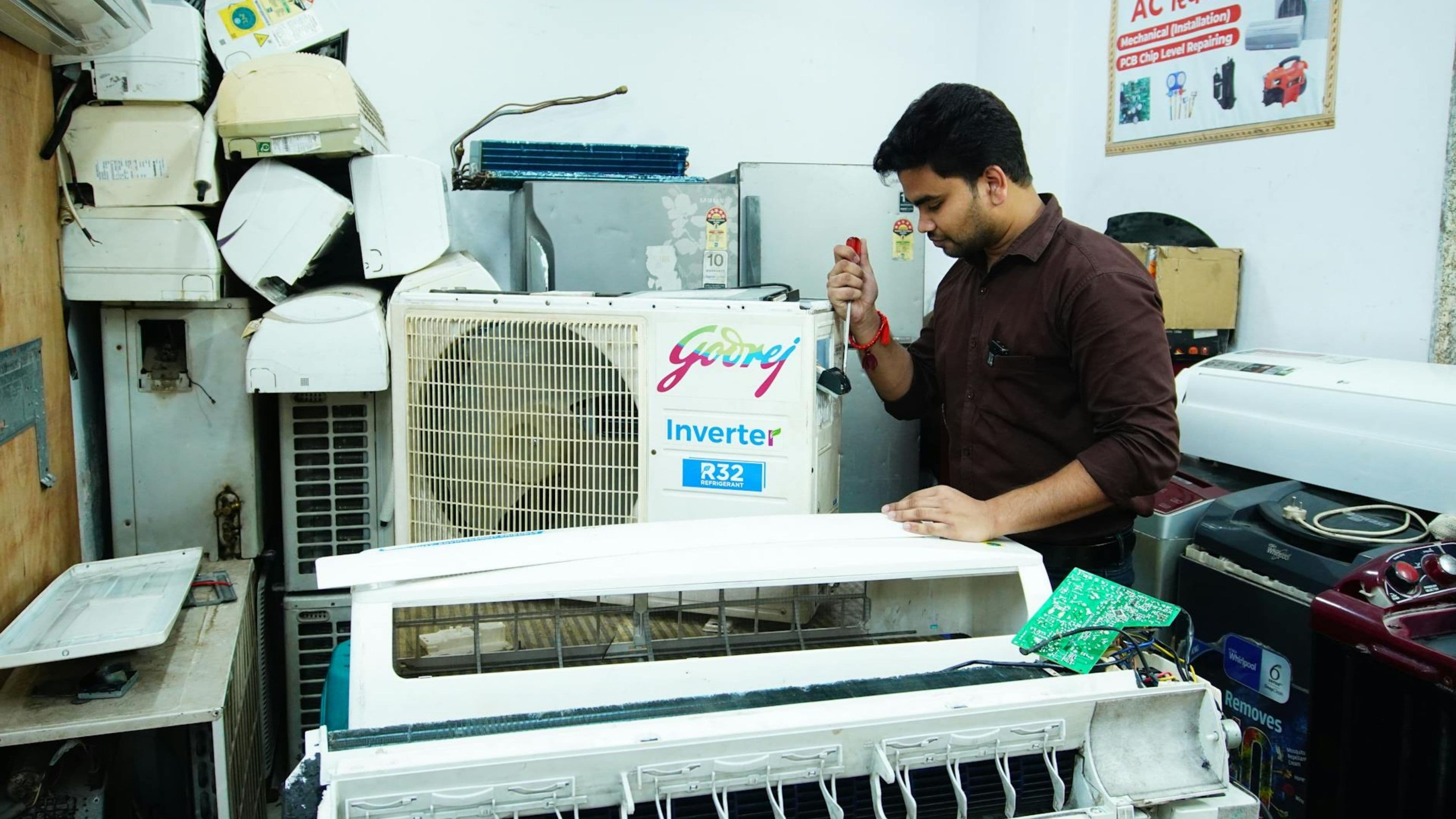
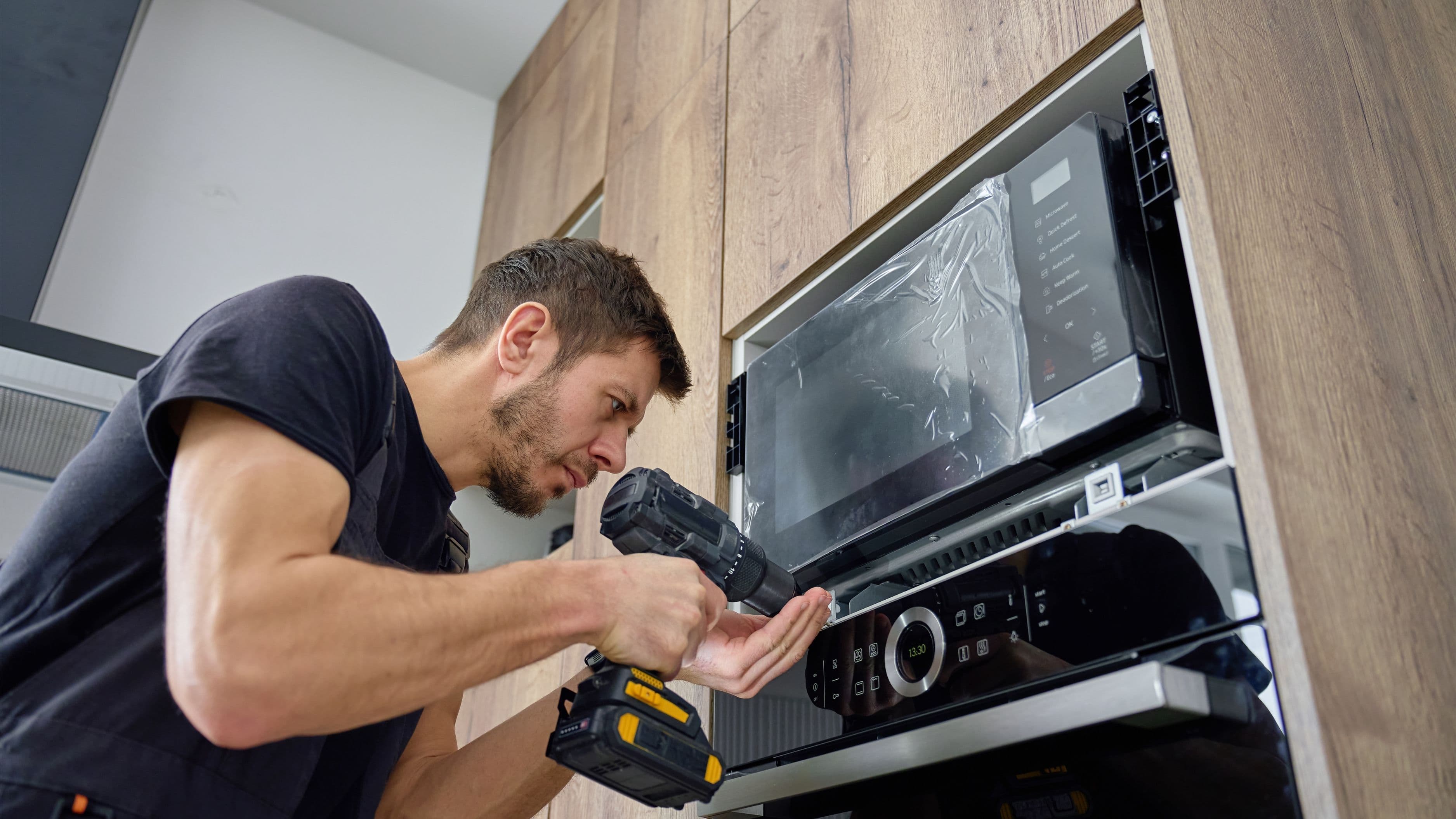
Before deciding, get an actual diagnostic and repair quote rather than guessing based on how the appliance "feels" or assuming the worst. Many repair issues that seem serious, like unusual noises or error codes, often trace back to a single, relatively inexpensive component rather than a full system failure.
It's also worth getting a second opinion for larger quoted repairs, particularly for HVAC systems or other expensive equipment, since diagnostic accuracy and pricing can vary meaningfully between technicians.
What to Avoid
Don't assume replacement is automatically simpler or cheaper without actually pricing out both options, including the hidden costs of delivery, installation, and disposal that come with replacement.
Don't ignore warranty coverage when deciding. Many people replace appliances that would have been repaired at little to no cost under an existing warranty.
Don't keep repairing an appliance indefinitely once it's shown a pattern of recurring issues. At that point, you're likely paying more over time than a single replacement would have cost.
FAQ
How do I know if a repair is worth it? If the repair cost is under roughly 50% of a comparable replacement's total installed price, and the appliance isn't showing a pattern of recurring failures, repair is usually the better financial choice.
Does appliance age matter more than repair cost? Both matter together. A cheap repair on a very old appliance nearing the end of its expected lifespan may still not be worth it if failure is likely again soon regardless of the fix.
Is it worth getting a second repair quote? Yes, especially for larger, more expensive repairs like HVAC systems, since diagnostic accuracy and pricing can vary significantly between technicians.
📚 Sources
"Repair or Replace Guide" – Consumer Reports – https://www.consumerreports.org/appliances/appliance-repair/
"ENERGY STAR Appliance Efficiency" – U.S. Environmental Protection Agency – https://www.energystar.gov/products
"Understanding Appliance Warranties" – Federal Trade Commission – https://consumer.ftc.gov/articles/getting-most-your-warranty