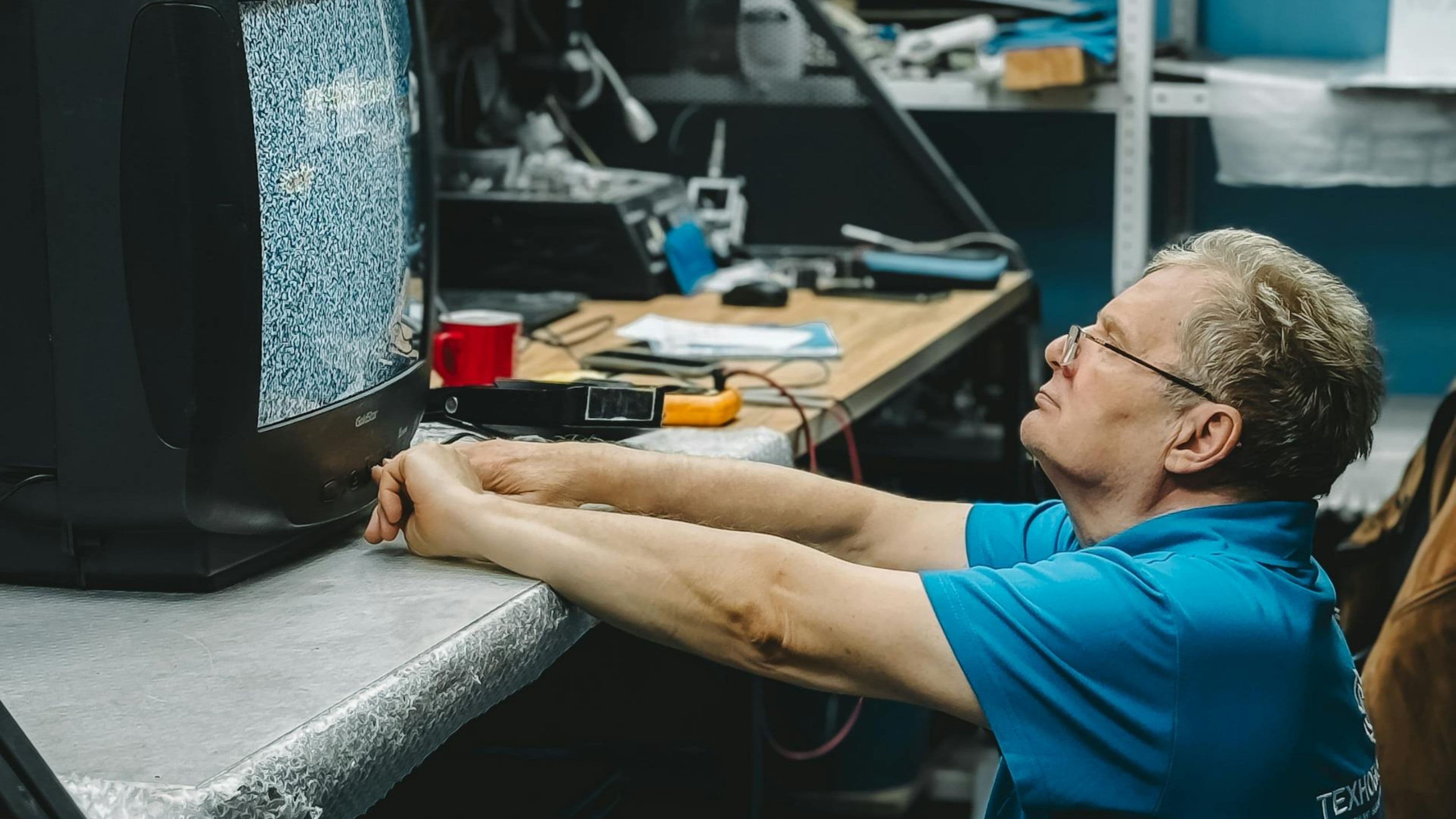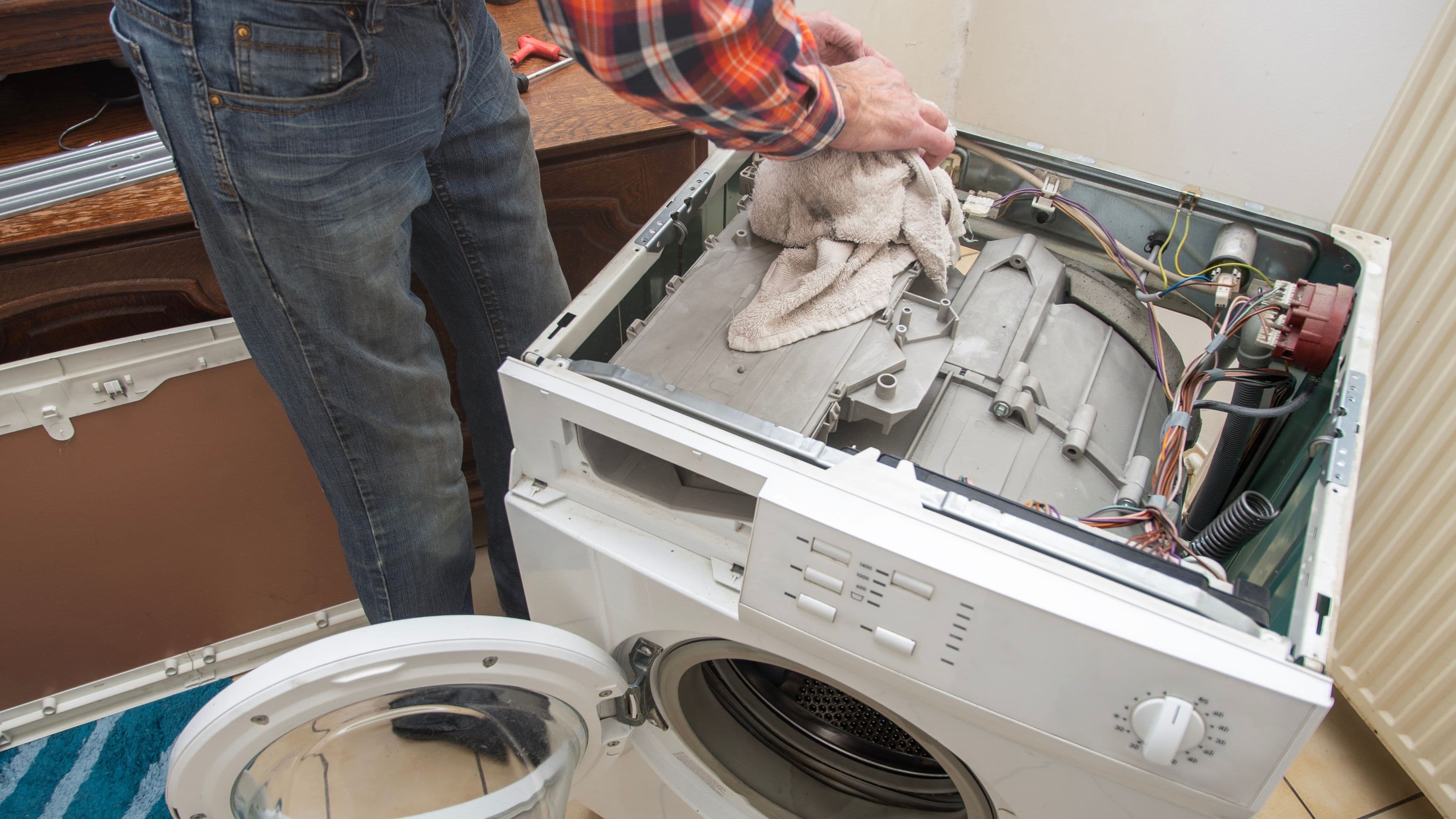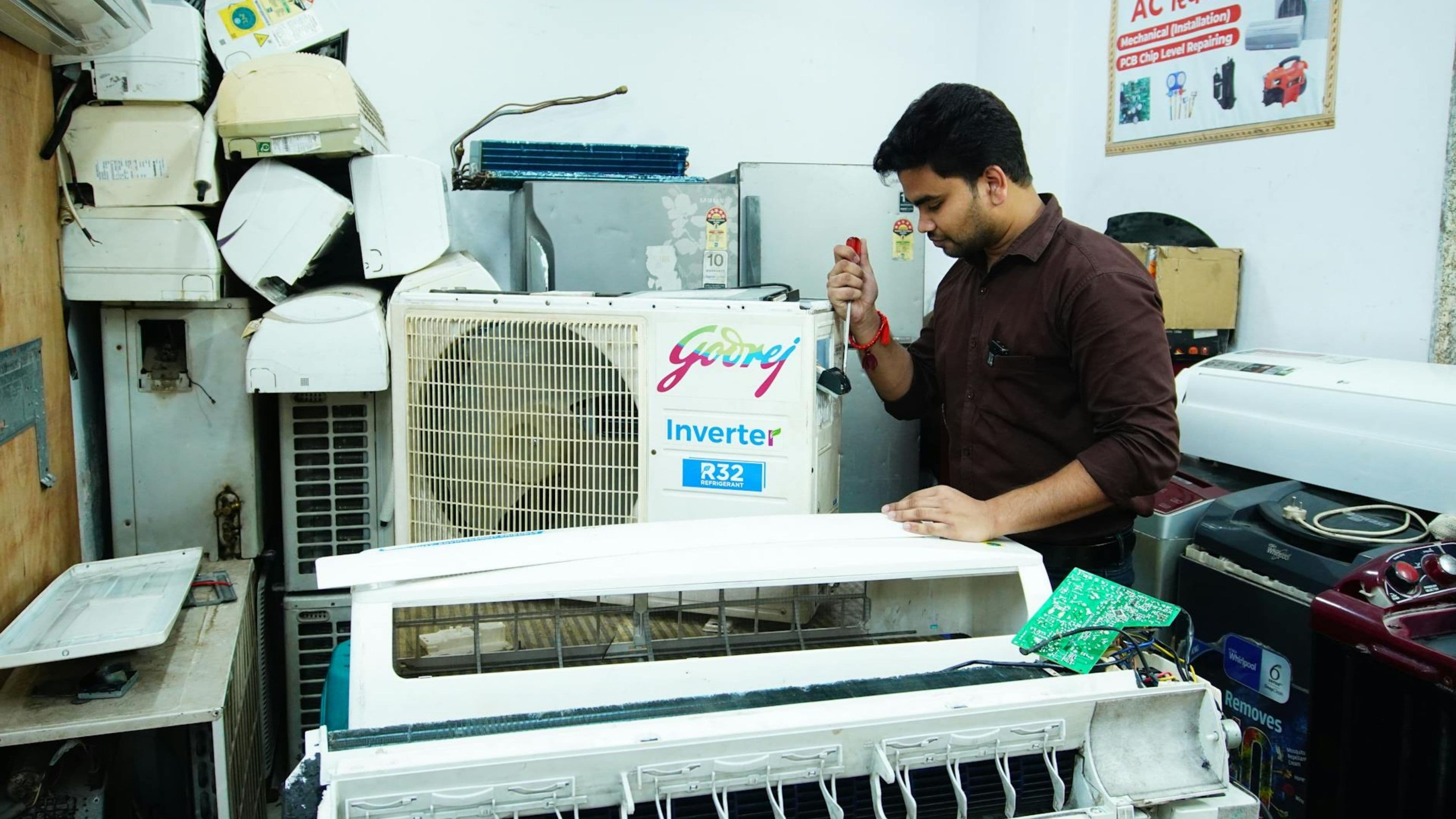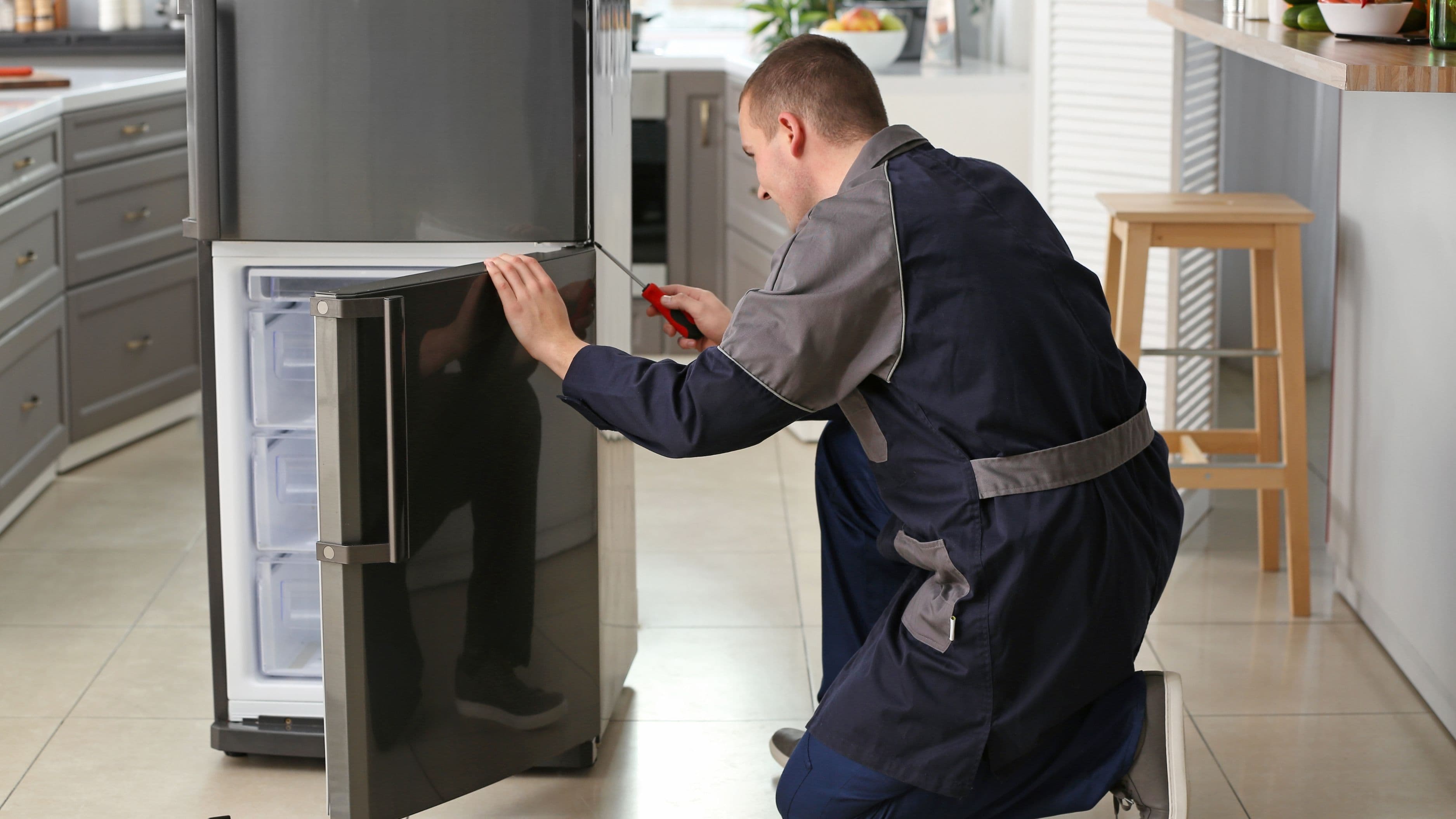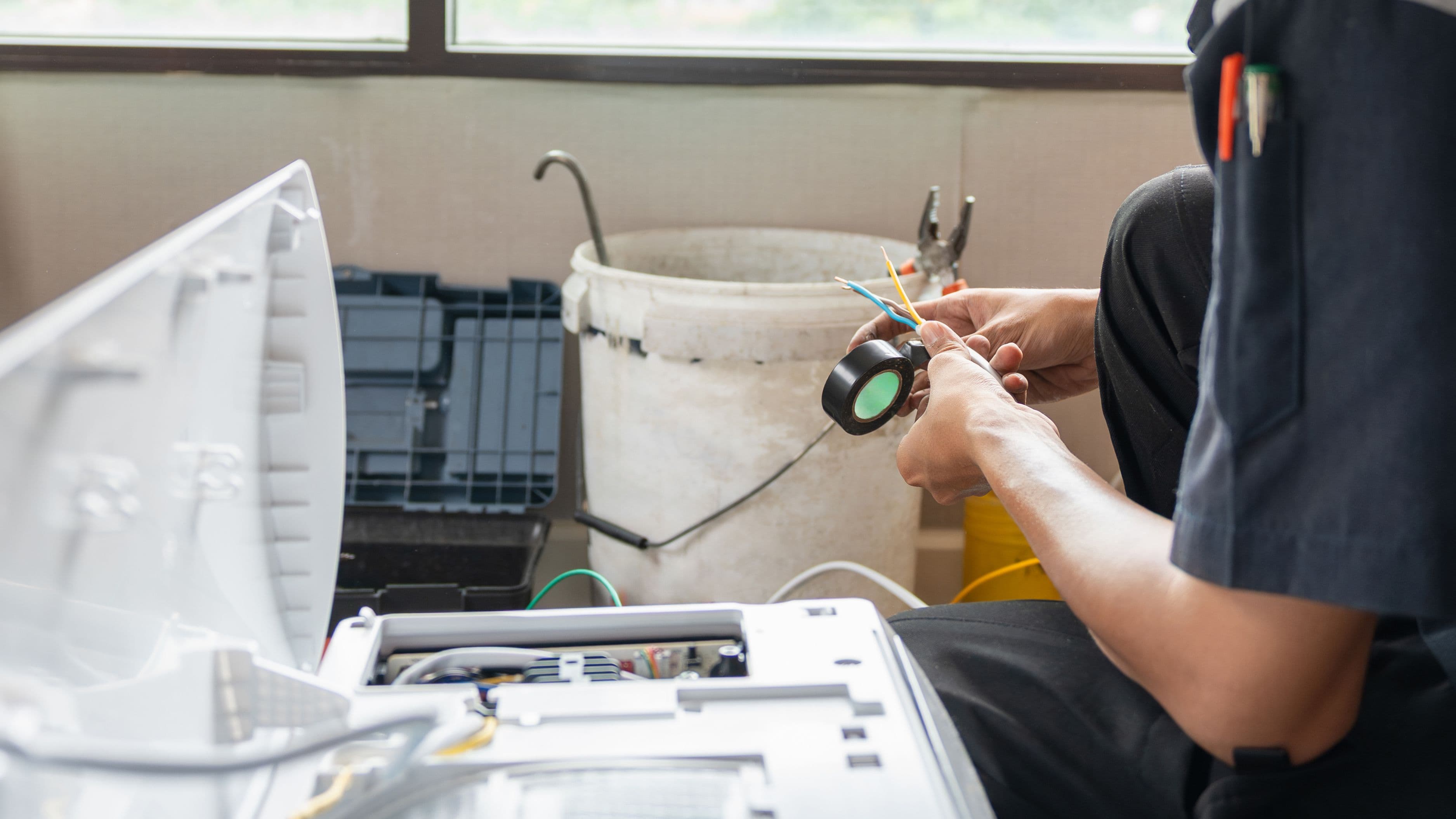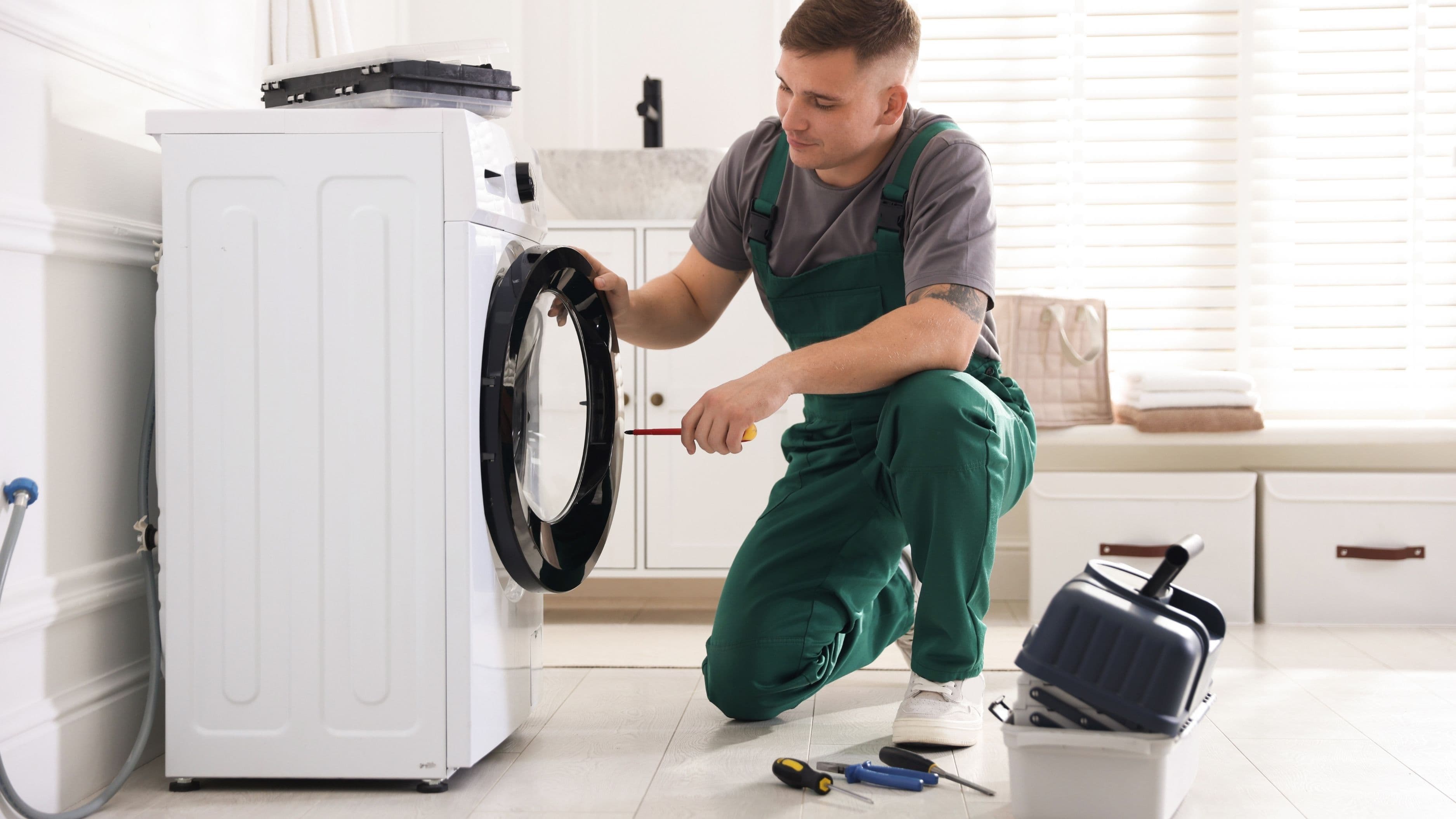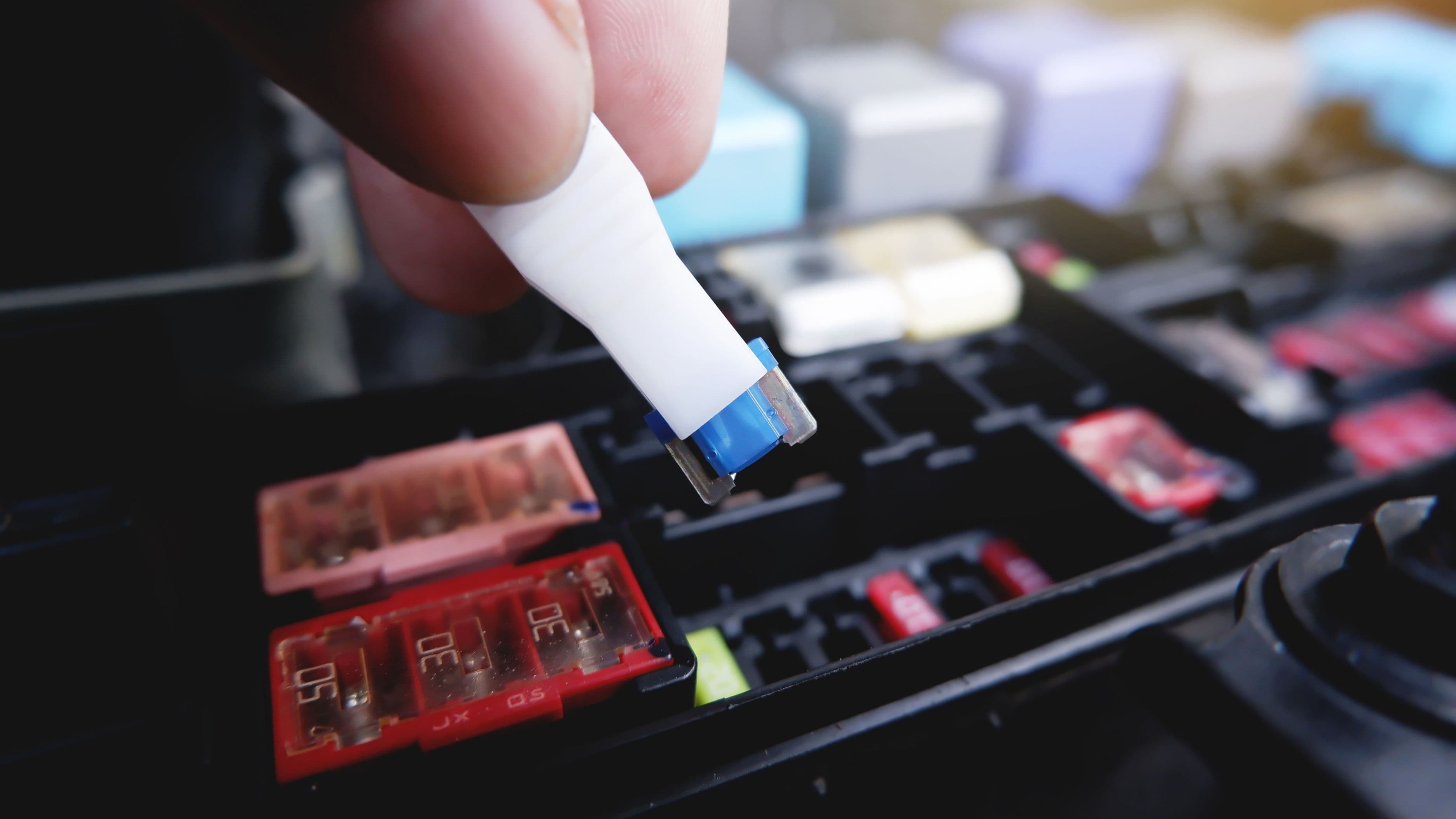

This isn't about being frugal for its own sake. It's about making the smarter call with a clear head, knowing when repair genuinely wins and when replacement makes sense.
The Real Cost of Replacing vs. Repairing
The sticker price of a new appliance is almost never the full cost. When a $60 blender breaks, a replacement looks cheap – until you factor in the time to research, purchase, and set it up, the disposal of the old unit, and the reality that the new model may have the same design flaws as the one you just threw out.
Repair costs, on the other hand, tend to be predictable once you've diagnosed the problem. A burned-out heating element in a toaster runs $5–$15 for the part. A broken drive coupler in a stand mixer costs under $10 and takes 15 minutes to swap. A clogged pump in a countertop dishwasher is usually a free fix if you're willing to open it up and clean it out. The financial case for repair is almost always stronger than it appears at first, especially once you've done it a few times and know what you're looking at.
The commonly cited "50% rule" in appliance repair – don't spend more than half the replacement cost on a repair – is a reasonable starting point, but it tends to undervalue repair for small appliances because replacement costs have risen faster than parts costs in recent years. A better frame for small appliances is the 75% rule: if the repair costs less than three-quarters of the replacement price, repair is almost certainly the smarter move, especially if the appliance is less than five years old.
Most Small Appliance Failures Are Simpler Than You Think
The intimidating part of small appliance repair is usually the moment you realize you'd have to open something up. Most people have never done it and assume the inside is a tangle of complexity they couldn't possibly navigate. In reality, small appliances are often remarkably simple inside – far simpler than the outer casing suggests.
The vast majority of failures in common small appliances fall into a handful of categories: worn or broken mechanical parts (gears, couplers, blades), failed heating elements, tripped thermal fuses, clogged filters or vents, frayed power cords, and loose or corroded electrical connections. None of these repairs require specialized training. They require patience, basic tools, and the willingness to look up a repair guide or video before you start.
Consider the most common failure modes by appliance type. A stand mixer that suddenly stops working is almost always a stripped worm gear or a worn carbon brush in the motor – both are parts designed to wear out and be replaced, available for a few dollars and accessible once you remove the top housing. A coffee maker that stops brewing is usually a clogged one-way valve, a failed pump, or limescale buildup blocking the water path – descaling alone fixes the majority of coffee maker issues people assume require replacement. A vacuum cleaner that loses suction is nearly always a clogged filter, a full dust chamber, or a blocked hose, all of which cost nothing to fix and take five minutes. A toaster that won't heat evenly almost certainly has a broken or sagging heating element that costs under $10 to replace.
The pattern is consistent: the failure sounds serious, the fix usually isn't.
The Environmental Argument Is Real
Replacement culture has an environmental cost that rarely shows up in the purchase decision. Small appliances contain plastics, metals, and electronic components that take significant energy to produce. When a working appliance gets discarded because one part failed, every bit of that embedded energy goes to waste – and the new unit requires the same expenditure all over again.
According to the EPA, electronic waste is one of the fastest-growing solid waste streams in the United States. Small appliances don't register as dramatically as phones or computers in most people's minds, but they accumulate quickly at the household level. A family that replaces rather than repairs five small appliances over a decade generates a meaningful amount of unnecessary waste, most of which ends up in landfill because small appliance recycling infrastructure is limited in most areas.
Repair keeps materials in use, extends product lifecycles, and reduces demand for new manufacturing. For anyone who cares about reducing their environmental footprint, repair is one of the most direct levers available at the household level – and it saves money at the same time.
Where to Find Parts and Repair Information
The biggest barrier for most people isn't the repair itself – it's knowing where to start. Manufacturers rarely make repair resources easy to find, but the information is almost always out there once you know where to look.
iFixit (ifixit.com) is the most comprehensive free repair database for consumer electronics and small appliances. Search your appliance's model number and you'll usually find a disassembly guide, a parts list, and step-by-step photos. The community is active and the guides are genuinely reliable.
YouTube is indispensable for visual learners. Search the appliance brand and model along with the symptom – "KitchenAid mixer not turning," "Vitamix leaking from base," "Keurig not pumping water" – and you will almost certainly find a video of someone walking through the exact repair. Watching someone do it before you start removes most of the uncertainty.
Parts suppliers like RepairClinic.com, AppliancePartsPros.com, and PartSelect.com carry replacement parts for hundreds of appliance brands and include model-specific diagrams. Enter your model number and they'll show you every available part, usually with installation guides included. For older or less common appliances, eBay often has replacement parts – including salvaged components from identical models – when official parts channels come up empty.
Tools You Actually Need
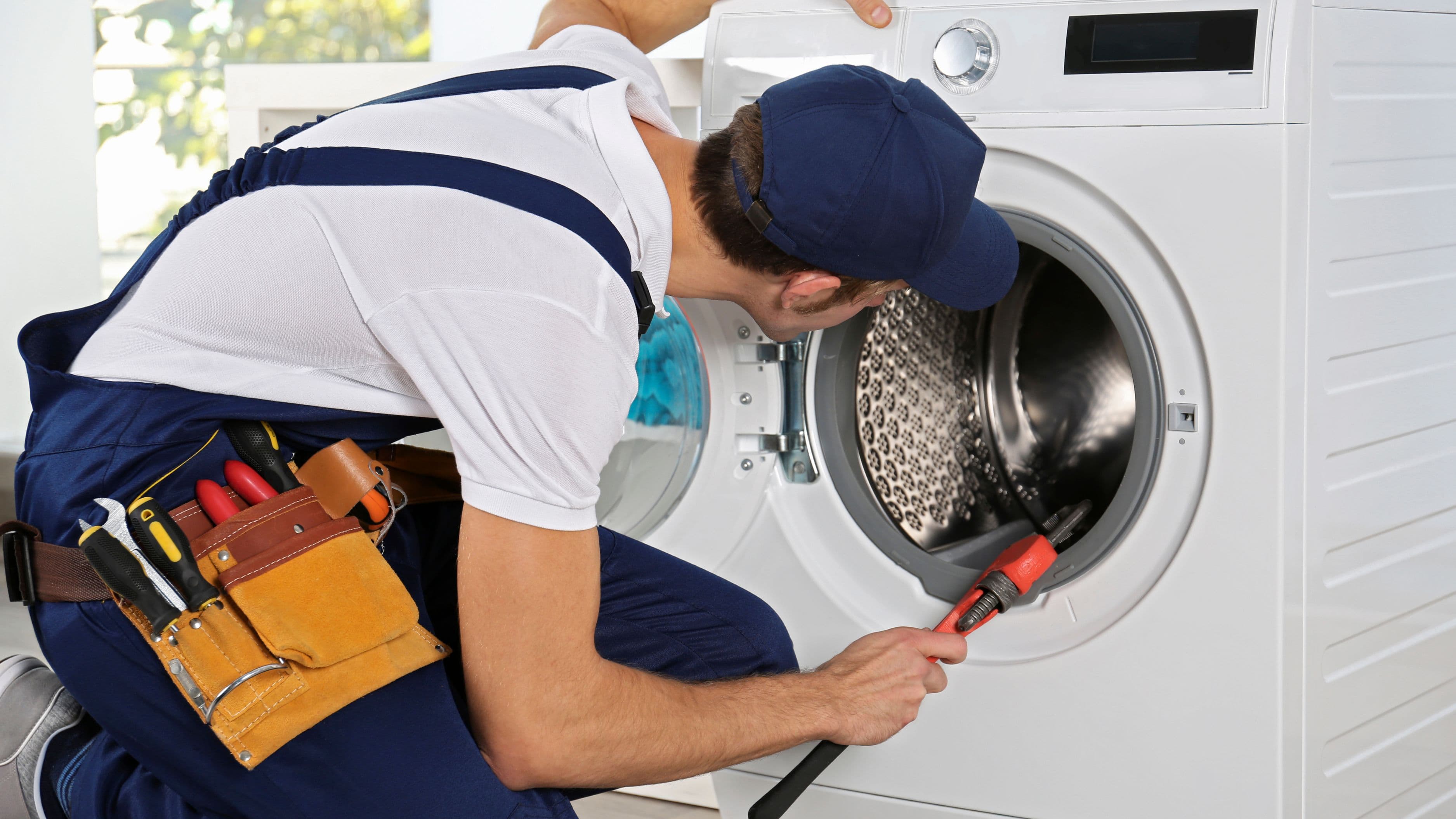
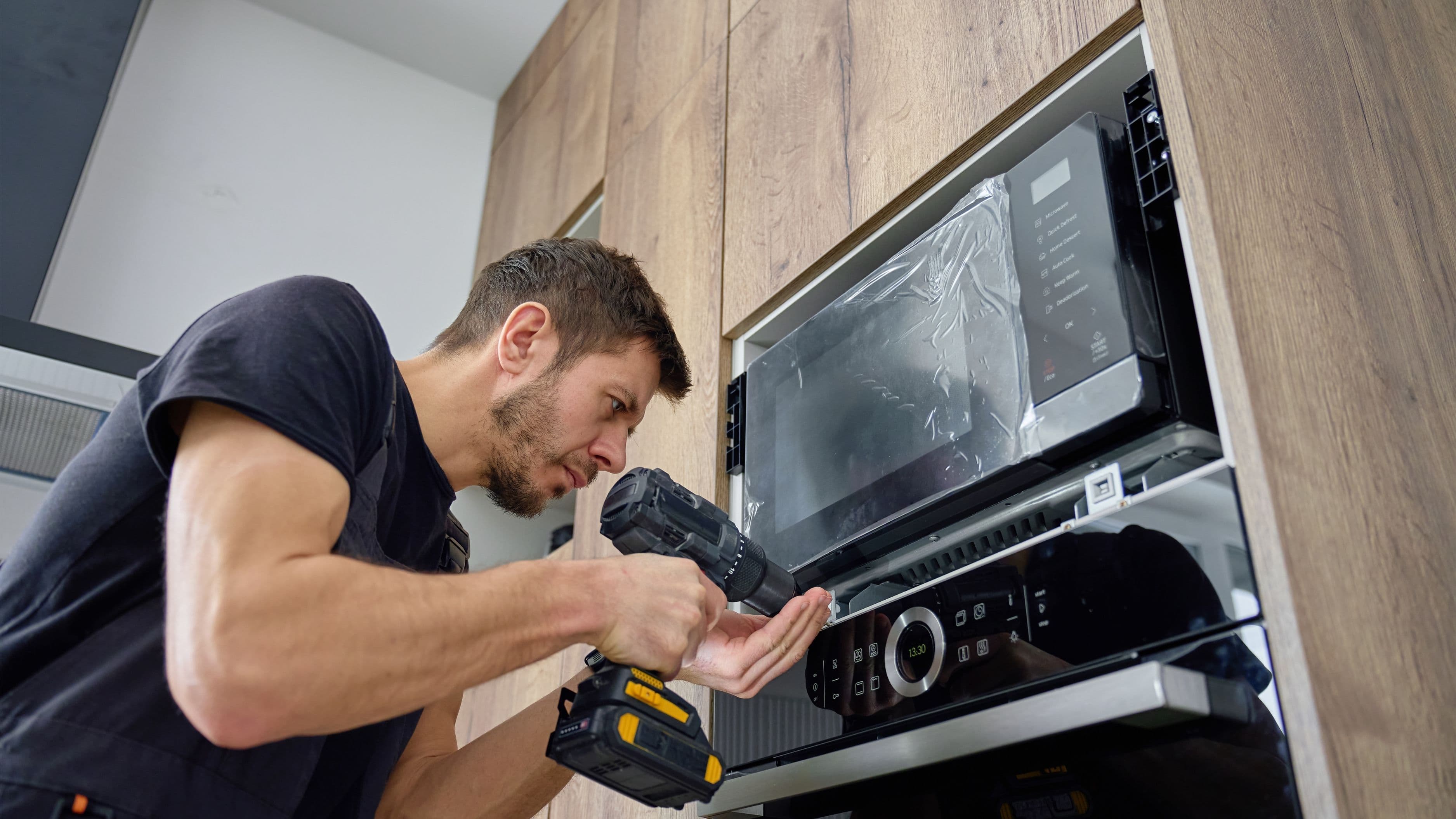
You don't need a full workshop to repair small appliances. A basic repair kit for most small appliance jobs includes a set of screwdrivers (Phillips and flathead in multiple sizes, plus Torx bits for appliances that use star-shaped security screws), a pair of needle-nose pliers for reaching into tight spaces, a multimeter for testing electrical continuity when you need to confirm whether a fuse or heating element has actually failed, and plastic pry tools for opening cases without scratching or cracking the housing.
A digital multimeter is worth special mention. An inexpensive one runs about $15 and pays for itself the first time you use it to confirm a failed thermal fuse rather than replacing parts by guesswork. It's the single most useful diagnostic tool for small appliance repair and one of the most underused by beginners.
That's genuinely most of what you need for the majority of small appliance repairs. Specialized tools – a soldering iron for wire connections, a strap wrench for stubborn jar assemblies – come later if you get deeper into it, but they're not required to start.
When Replacement Actually Makes Sense
Repair isn't always the right call, and being clear about the exceptions makes this advice more useful.
When safety is compromised. If an appliance has a cracked housing around electrical components, a burned or melted cord, or internal arcing signs – scorch marks, a persistent burning smell after cleaning – the risk of continued use outweighs the savings. Some failures are genuine end-of-life signals, not repair opportunities.
When parts are unavailable. Some manufacturers discontinue parts quickly for older models, and some cheap appliances were never designed to be repaired – the housing is permanently sealed or the components are proprietary. If you can't find the part after a thorough search through iFixit, RepairClinic, and eBay, replacement is the only realistic option.
When the appliance is already at the bottom of its quality tier. A $20 blender from a no-name brand that's had two failures in three years is telling you something. Putting $15 of parts and an hour of time into it may just delay the next failure by six months. For genuinely low-quality appliances, replacement with a better-built unit is often the smarter long-term call.
When repair cost approaches replacement cost. The 75% rule applies here. If the repair is going to cost more than three-quarters of a comparable replacement – especially on an older appliance – the math starts to favor replacement.
When a safety recall applies. If your specific model has been recalled due to a design defect or fire hazard, replacement is the right call regardless of whether the failure mode seems fixable.
A Simple Decision Framework
When something breaks, run through these questions before you decide what to do. How old is it? Under five years, lean strongly toward repair. Over ten years, weigh more carefully – but don't let age alone make the decision. What exactly failed? If you can identify the specific part, look up the cost. If the repair runs less than three-quarters of the replacement price and the part is available, repair almost certainly wins.
Is it a safety issue? If the failure involves electrical damage, fraying, or burning, be more cautious. Simple mechanical or heating element failures don't carry safety concerns for a careful DIY repair. Can you do it yourself? For small appliances, professional repair is rarely cost-effective – labor charges alone often approach replacement cost. The DIY question is the relevant one, and for most small appliance failures, the honest answer is that yes, with a repair guide and 30 minutes, you can handle it.
FAQ
Is it safe to repair small appliances yourself? Yes, for the vast majority of small appliance repairs – with the critical caveat that you unplug the unit completely before opening it and don't attempt repairs on anything showing signs of electrical burning or damage. The internal components of most small appliances operate at safe voltages when unplugged, and the repairs themselves are mechanical in the majority of cases.
Where do I find the model number for my appliance? Almost always on a label on the bottom or back of the unit. It's usually a combination of letters and numbers. This is what you need to find accurate parts and repair guides for your specific appliance.
What if I open it and can't figure out what's wrong? Reassemble it carefully and consult the repair communities on iFixit or Reddit's r/appliancerepair. Describing the symptom – what it does or doesn't do, any unusual sounds or smells – usually gets you an accurate diagnosis from people who've seen the same failure before.
Are generic replacement parts as reliable as manufacturer parts? For most small appliances, yes. Generic parts for common failures – heating elements, drive couplers, thermal fuses – are typically made to the same specifications and perform equivalently. For precision components in high-end appliances, OEM parts are worth the premium if they're available.
Which small appliances are easiest to repair as a beginner? Stand mixers, toasters, drip coffee makers, and handheld vacuums are excellent starting points. Failures are common and well-documented, parts are widely available, and disassembly is usually straightforward. Avoid starting with anything involving sealed refrigerant systems, induction heating components, or complex circuit boards.
The Bottom Line
Most small appliances that break aren't dead – they're waiting for a $10 part and 20 minutes of attention. The instinct to replace is understandable, but it's usually the more expensive, more wasteful option once you've actually looked at what failed and what it would cost to fix it.
Start with a diagnosis. Look up the part cost. Watch a repair video for your specific model. You'll fix it more often than you expect – and the next time something breaks, you'll reach for a screwdriver before you reach for your credit card.
📚 Sources
iFixit – Free Repair Guides for Small Appliances: https://www.ifixit.com/Guide
U.S. EPA – Electronics Donation and Recycling: https://www.epa.gov/smm-electronics
RepairClinic – Appliance Parts and Repair Help: https://www.repairclinic.com/
U.S. PIRG – Repair Saves Consumers Money: https://pirg.org/articles/repair-saves-consumers-money/
Consumer Reports – When to Repair or Replace an Appliance: https://www.consumerreports.org/appliances/repair-or-replace-your-appliance/
PartSelect – Appliance Parts and Installation Guides: https://www.partselect.com/