
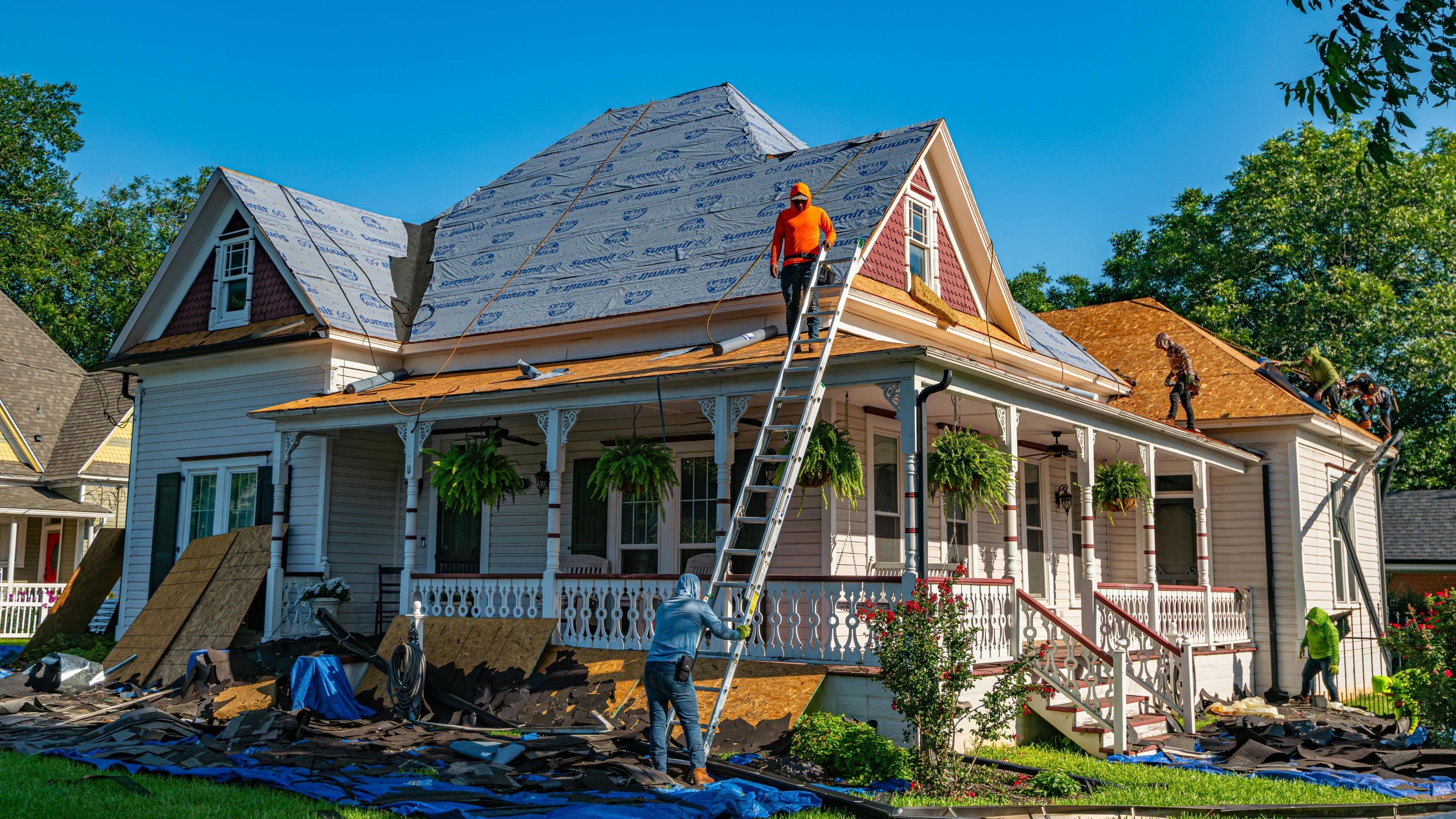
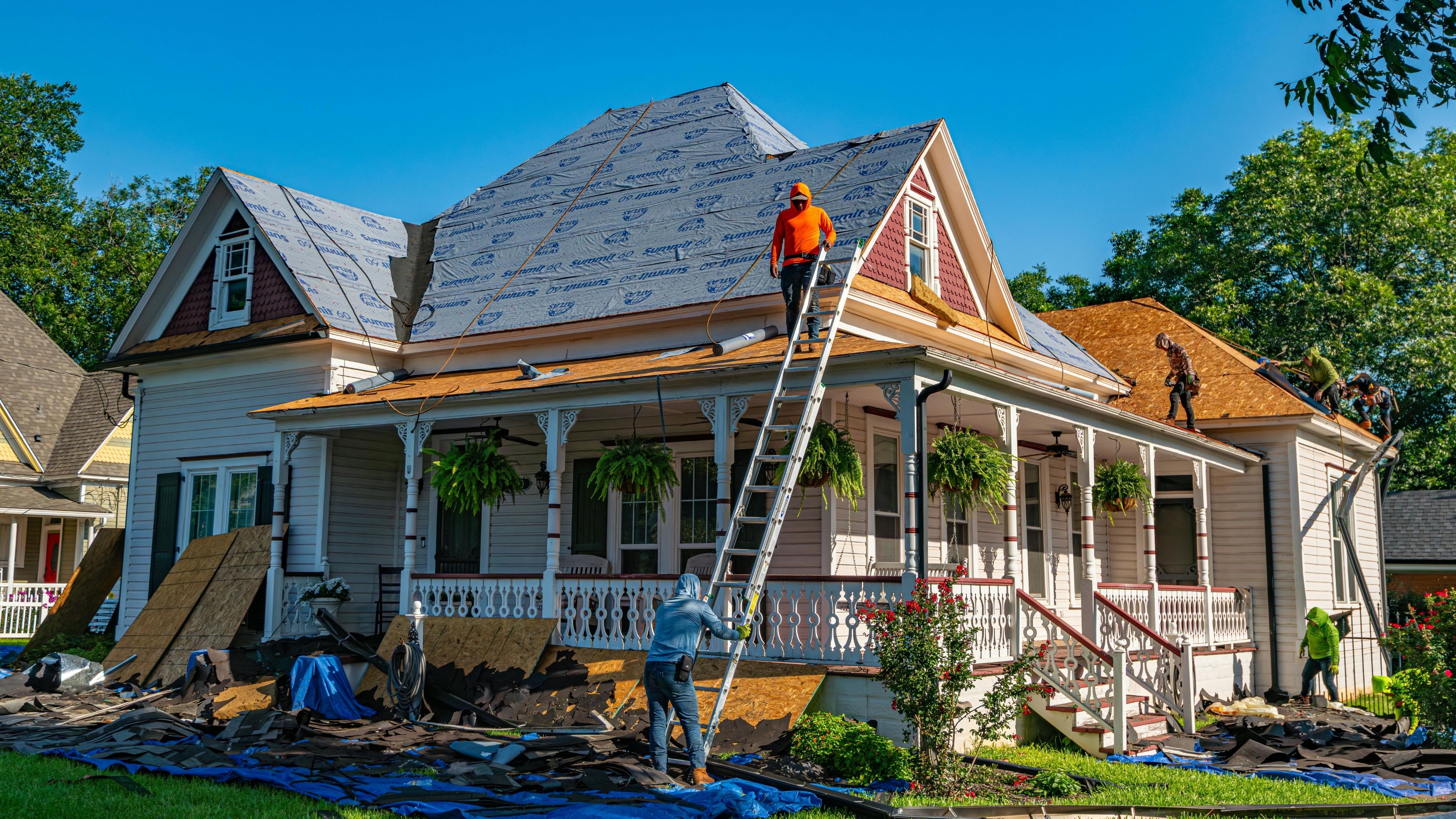
Why Some Roofs Keep Leaking After Repairs
Before deciding whether to repair or replace, it helps to understand why recurring leaks happen in the first place. A leak that comes back after a repair usually means one of three things: the original repair didn't address the actual source, the roof has multiple failure points that are showing up sequentially, or the roofing system has aged to the point where patches can't keep pace with ongoing deterioration.
The most common scenario with recurring leaks is misdiagnosis. Water entering a house doesn't always show up directly below where it's getting in – it can travel along rafters, sheathing, or insulation before dripping through a ceiling. A homeowner or contractor who repairs the obvious wet spot may not find the actual entry point, which is often several feet away. This is why the same area seems to leak repeatedly: it was never properly fixed because the real source was never located.
The other common pattern is a roof that has multiple areas of failing material. When asphalt shingles age past their service life, they don't fail all at once – they go in sections, with south-facing slopes, areas around penetrations, and valleys typically degrading first. Patching one section holds for a while, then another spot fails nearby, and it looks like the same leak returning. It's not the same leak – it's a roof that has entered a cycle of declining reliability.
Assessing the Situation: What to Look For
Before calling anyone or spending money, do a methodical inspection of what you know and what you can safely observe. You don't need to get on the roof for this initial assessment – in fact, for steep or high roofs, staying on the ground with binoculars or using a drone is safer and still informative.
Start with the age of your roof. Most asphalt shingle roofs carry a manufacturer's rating of 20–30 years, but actual service life depends heavily on climate, attic ventilation, and installation quality. A roof that's 15+ years old and leaking is telling you something different from a 7-year-old roof with a localized failure. Ask yourself – or look up – when the current roof was installed. If you don't know, a roofing contractor can usually estimate age from shingle condition during an inspection.
Then document the leak history. How many times has this area leaked? Were the repairs done by a professional roofer or as DIY patches? Did the leak stop completely between events, or has there been intermittent dripping or staining? A roof that's been patched three times in five years in the same general area is a different situation from one that leaked once two years ago and came back mildly after an unusually severe storm.
From the ground or from a ladder at the eave, look for visible signs of broader deterioration: shingles that are curling at the edges or cupping, shingles with granule loss that shows the dark asphalt mat underneath, areas where shingles are cracked or missing entirely, sagging sections, or significant moss and algae growth that indicates sustained moisture retention. These are signs of a roof in general decline, not just a localized problem.
Also check your attic on a sunny day. Look up at the roof decking for any spots of light coming through (visible daylight is a clear failure), water staining on the sheathing or rafters, soft or discolored decking, or signs of mold growth. A flashlight helps. This inspection takes 15 minutes and tells you a lot about whether the leaks are contained or widespread.
The Case for Continued Repairs
Targeted repairs are genuinely worth pursuing in specific situations, and it's not always a bad financial decision to keep patching rather than replacing.
If your roof is relatively young – under 10–12 years on a standard asphalt shingle roof – and the leaks have been localized to a specific area (usually around a penetration like a chimney, vent pipe, or skylight), there's a reasonable case for repair. Flashing failures are one of the most common causes of recurring leaks and have nothing to do with the shingles themselves. Metal flashing around chimneys, skylights, and valleys can corrode, pull away from its seating, or develop gaps as the roof structure moves through seasonal expansion and contraction. A properly executed flashing repair by an experienced roofer – not a caulk-and-hope job, but actual removal and replacement of the flashing – can resolve a leak definitively, even on an older roof that is otherwise in decent condition.
Similarly, if storm damage has caused localized shingle failure on an otherwise sound roof, repairing or replacing those shingles and addressing any underlying damage to the decking makes complete sense. Insurance claims often cover storm damage repairs, and a targeted repair that restores a limited area to full function is cost-effective when the surrounding material has useful life remaining.
The financial math also matters here. A full roof replacement on an average American home runs $8,000–$20,000+ depending on size, pitch, materials, and region. If a $400–$800 repair has a reasonable chance of lasting several more years and your replacement budget isn't ready, doing the repair while planning ahead for replacement is a practical approach – as long as you're not patching a roof that's already failing broadly.
The Case for Replacement
There's a point at which continued repairs become an exercise in spending money to delay the inevitable, and that point is closer than most homeowners want to acknowledge. Some clear signals that replacement is the right call:
The roof is at or past its expected service life. A 25-year-old asphalt shingle roof that's leaking has delivered its useful service. You can patch individual spots, but the entire membrane is in decline, and new leak points will continue to emerge. At this age, even a successful repair in one area doesn't address the roof's overall condition.
You've had three or more repairs in the same general area. Multiple repairs in the same zone suggest the underlying issue – whether it's decking damage, systemic shingle failure, or a structural factor – hasn't been properly addressed. Continued patching is costing money without resolving the root cause.
There's visible widespread deterioration. Curling, cupping, or cracking across multiple slopes; significant granule accumulation in the gutters; widespread bare patches where granules have worn away – these are signs of a roof in broad decline, not a roof with a single problem area. No targeted repair addresses that.
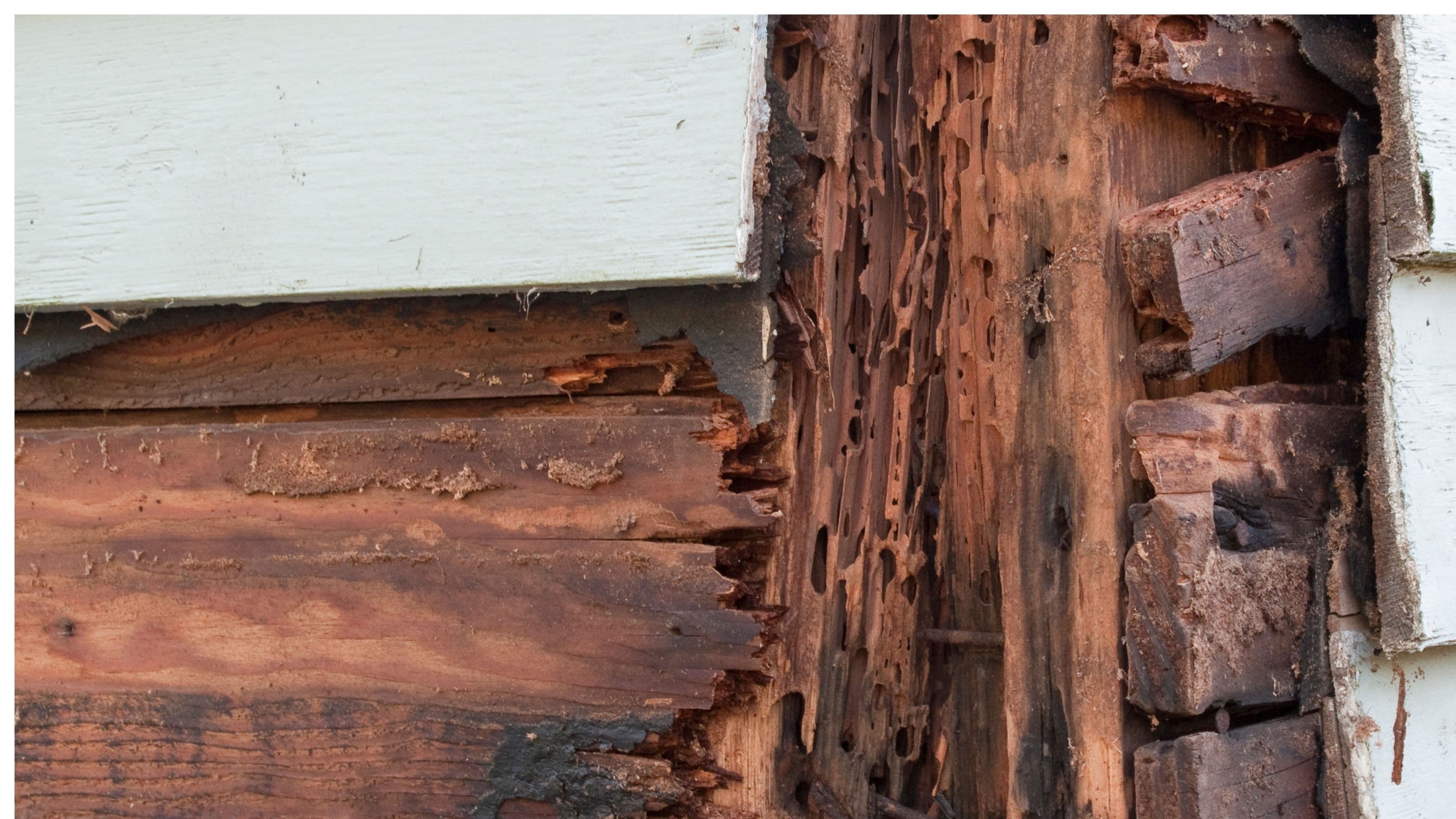
Water has reached the sheathing or framing. If your attic inspection reveals soft, stained, or moldy decking across significant areas, the damage has progressed beyond the shingles. Wet sheathing that isn't drying properly leads to structural decay, and patching the shingles above it doesn't address the compromised substrate. Replacement – including decking repair – is required.
Your energy bills have risen noticeably. Deteriorating roofing systems affect attic thermal performance. While not diagnostic on its own, rising heating and cooling costs combined with recurring leaks suggest a system that's past its effective service life.
You're planning to sell the home. A roof with a documented history of recurring leaks will show up in a buyer's inspection and will either kill the sale, reduce the sale price by more than a replacement would cost, or require replacement as a condition of sale anyway.
The Real Cost Comparison
Running the numbers honestly is helpful when you're on the fence. If you're facing a repair quote of $600–$1,200 for targeted work on a roof that has 5–8 years of remaining life (based on age and condition), that's a reasonable spend. Amortized over the remaining service life, it costs far less than replacement. If the same repair is on a roof with 1–2 years of practical life remaining and you've already paid for two prior patches, the math tips decisively toward replacement.
Ask the contractor who inspects the roof for an honest assessment of remaining service life, not just a repair quote. A reputable roofer will tell you when a roof isn't worth patching further – because a homeowner who gets a straight answer and plans a replacement properly is a much better long-term client than one who gets patched annually until an emergency forces a last-minute replacement.
Also factor in secondary costs. Each leak event that reaches living space has the potential to damage insulation, drywall, flooring, and personal property. A leak that costs $600 to repair at the roof can cost $2,000–$5,000+ in interior remediation if it's been ongoing long enough to cause mold or structural damage to the ceiling framing. The roof repair cost is only part of the true cost of deferring the decision.
DIY Patch vs. Professional Repair: Knowing the Limits
For minor, accessible issues – a few missing or visibly cracked shingles on a low-slope roof, a small area of failed caulk around a vent boot – a competent DIYer with the right materials can execute a repair that holds. Replacing individual shingles, resealing a vent boot collar, or reattaching a lifted flashing edge are within the skill range of someone comfortable on a roof with basic tools.
Where DIY repairs consistently fall short is on flashing. Most recurring leaks around chimneys, skylights, and valleys are flashing failures, and proper flashing repair requires removing and reinstalling materials correctly, often with step flashing integrated into courses of shingles. Caulk applied over failing flashing is a temporary measure, not a repair – it will fail again, usually within one to two seasons.
If the leak source isn't obvious, don't guess. A professional leak detection inspection – where a roofer systematically traces the water path rather than just looking at the visible wet area – is worth the cost before spending money on repairs that may not address the actual failure point. Many roofers offer this as a paid diagnostic service separate from the repair quote.
Safety note: Working on any roof carries fall risk. Use appropriate footwear with grip, work with a spotter, use a properly secured ladder, and never work on a wet or icy roof surface. For roofs with steep pitch (greater than 6:12), leave the work to professionals.
What to Ask a Roofing Contractor
When you get an inspection or quote, these questions give you better information to make the decision:
What is the estimated remaining service life of the current roof, assuming this repair is done? What specific failure caused this leak – flashing, shingle, decking, or something else? Are there other areas of the roof showing early signs of failure that you'd expect to become problems in the next 2–3 years? If I repair now, what's the realistic chance this holds for 5+ years?
A contractor who can't or won't answer those questions directly is one to be cautious about. The answers should shape your decision more than the repair quote itself.
Common Mistakes to Avoid
The most expensive mistake is patching a leak without finding the actual entry point. Water travels before it drips, and the visible stain is rarely directly below where the roof is failing. A repair that doesn't locate the real source will fail again, guaranteed.
Avoid using roofing cement or caulk as the primary repair method for anything other than very minor surface sealing. These materials degrade quickly under UV exposure and thermal cycling. They're a temporary measure at best and give a false sense of security when applied to a larger problem.
Don't defer the replacement decision indefinitely when the signals are clear. Every season a failing roof stays on the house, the risk of interior damage increases. A controlled, budgeted replacement is far less expensive than an emergency replacement following significant interior water damage.
Finally, get at least two quotes for any significant repair or replacement. Pricing and assessment quality vary considerably between roofing contractors, and having two professional opinions on the roof's condition is more valuable than the quote comparison alone.
FAQ
How do I find where a roof leak is actually coming from?
Start in the attic during or after rain and look for active dripping or water trails on the rafters and sheathing. Trace the water trail upward and toward the peak – the entry point is usually higher than where it drips. On a dry day, have someone run a hose over sections of the roof systematically while you watch from inside the attic. A professional leak detection inspection uses this same method more systematically.
Can a roof leak seal itself?
Not in any meaningful way. Some very minor surface cracks in dried caulk may swell slightly with water and temporarily slow a leak, but this isn't a fix – the underlying failure continues. A leak that seems to stop on its own usually means the conditions changed (drier weather, different wind direction) rather than the failure resolving.
How long do roof repairs typically last?
A properly executed flashing replacement or shingle repair on a roof with remaining service life can last 10+ years. A temporary patch or caulk application typically lasts 1–3 seasons before failing again. The quality of the repair matters as much as the condition of the surrounding roof.
Does homeowner's insurance cover recurring roof leaks?
Standard homeowner's insurance covers sudden, accidental damage – storm damage, a fallen tree, sudden hail damage. It generally does not cover leaks caused by age, wear, deferred maintenance, or gradual deterioration. If recurring leaks are the result of the roof reaching the end of its service life, insurance is unlikely to cover repair or replacement costs. Storm-related damage is a different matter and worth filing a claim for if applicable.
What's the best roofing material for a replacement to reduce future leak risk?
For most residential applications, architectural (dimensional) asphalt shingles offer the best balance of cost, durability, and leak resistance – they're thicker and more wind-resistant than 3-tab shingles. Metal roofing (standing seam or metal shingles) offers superior longevity (40–70 years) and dramatically lower leak risk but at a higher upfront cost. The right choice depends on your climate, roof pitch, budget, and how long you plan to stay in the home.
📚 Sources
National Roofing Contractors Association – Homeowner's Guide to Roof Care and Maintenance: https://www.nrca.net/roofing-knowledge/homeowners-guide
Insurance Information Institute – Homeowners Insurance and Roof Coverage: https://www.iii.org/article/roof-coverage
This Old House – How to Find and Fix Roof Leaks: https://www.thisoldhouse.com/roofing/21016437/how-to-find-and-fix-roof-leaks
University of Minnesota Extension – Roof Systems and Moisture: https://extension.umn.edu/attic-and-roof/roof-system
Fine Homebuilding – When to Repair vs. Replace a Roof: https://www.finehomebuilding.com/2017/05/09/repair-or-replace-your-roof
EPA – Mold and Moisture in the Home: https://www.epa.gov/mold/mold-and-moisture