
This guide walks you through the full replacement process, from diagnosing the fuse to reinstalling the panel and running a test cycle.
What a Thermal Fuse Does
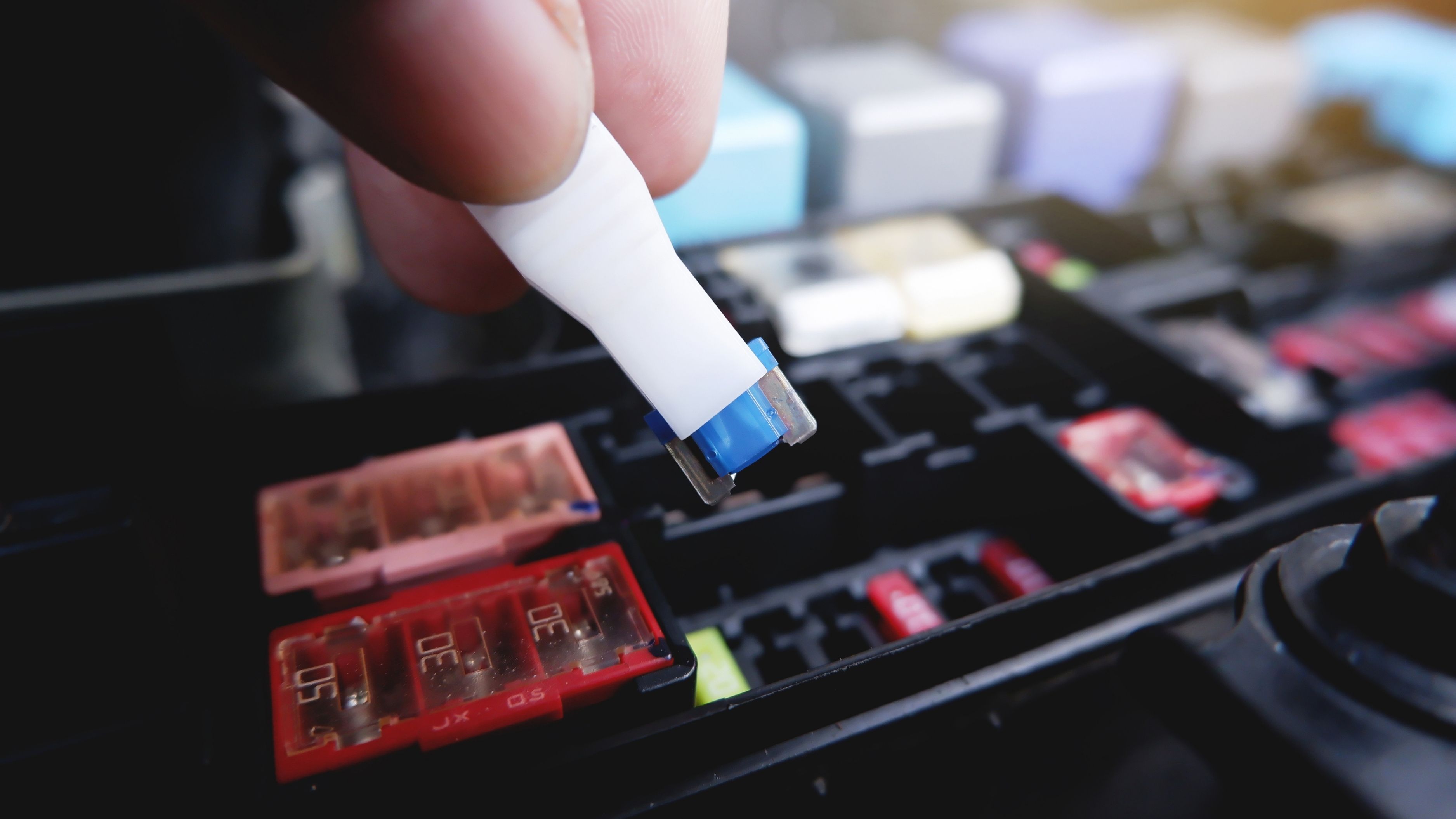
The thermal fuse is a small safety device designed to cut power to the heating element – or in some dryers, to the entire machine – if the dryer overheats. It's a one-time-use component: once it blows, it has to be replaced. Unlike a resettable thermal cutoff or thermostat, the thermal fuse can't be reset. It fails permanently, which means your dryer either stops heating or stops running entirely until you swap it out.
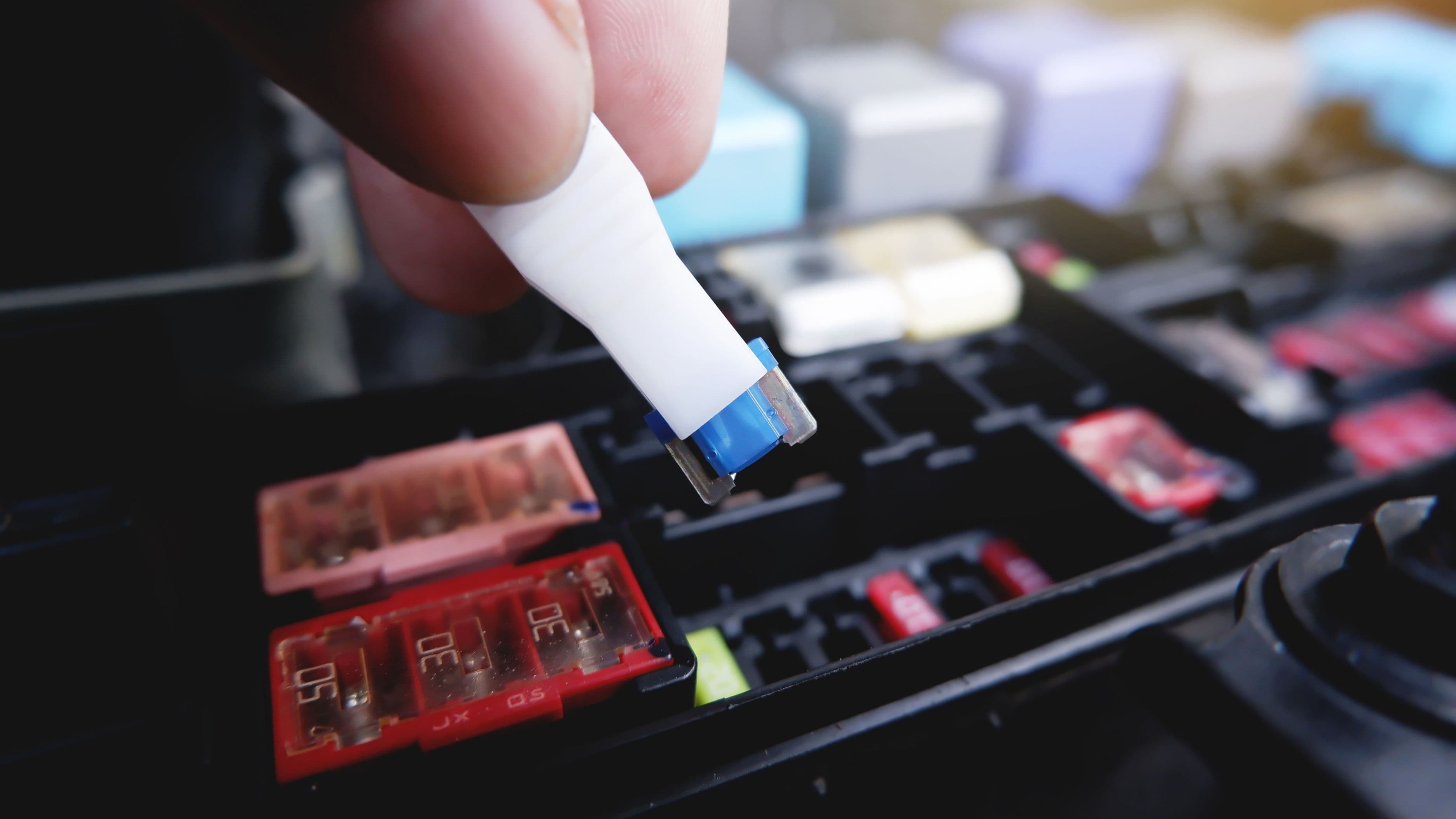
The fuse is typically located on the exhaust duct inside the dryer cabinet, near where hot air exits the drum. It's a small component – usually about an inch long – with two wires attached to it. Most cost between $5 and $15, making this one of the cheapest appliance repairs you're likely to do.
It's worth knowing that a blown thermal fuse is almost always a symptom of a ventilation problem rather than the fuse itself failing on its own. When you replace the fuse, you should also check and clean the dryer vent – otherwise the new fuse may blow again within weeks.
Tools and Parts You'll Need
Before you start, gather everything so you're not hunting around mid-repair.
Tools:
Nut driver (usually 5/16" – check your model)
Phillips head screwdriver
Flat head screwdriver
Multimeter (to confirm the fuse has blown before ordering parts)
Putty knife or thin flat tool (for some cabinet styles)
Work gloves
Parts:
Replacement thermal fuse – specific to your dryer's model number
To find the right fuse, locate your dryer's model number. It's usually printed on a sticker inside the door frame, on the back panel, or just inside the door opening. Search the model number on an appliance parts site like RepairClinic, PartSelect, or AppliancePartsPros. The correct fuse will be listed specifically for your model and typically costs $5–$15.
Estimated time: 45–75 minutes, depending on your dryer model.
Difficulty: Moderate – you're removing panels and disconnecting wires, but nothing requires specialist skills.
Cost: $5–$15 for the part, plus tools you likely already own.
Safety First
Before touching anything inside the dryer, unplug it from the wall. Don't rely on turning off the machine – the dryer needs to be completely disconnected from power. If your dryer is gas-powered, also turn off the gas supply at the valve behind the unit. Leave both disconnected for the full duration of the repair.
Allow the dryer to cool completely if it was running recently. Interior components can retain heat for 20–30 minutes after a cycle.
Step 1 – Confirm the Thermal Fuse Has Blown
Replacing the fuse before confirming it's the problem means you might fix something that wasn't broken. A multimeter test takes two minutes and eliminates guesswork.
Set your multimeter to the continuity setting – the symbol that looks like a sound wave, or the Ω (ohm) setting on simpler meters. The fuse is located on the exhaust duct inside the dryer. On most dryers you can access it by removing the back panel (two minutes with a nut driver) without dismantling the full cabinet. Once you can see the fuse, disconnect one of the two wires attached to it – you only need to disconnect one to test.
Touch one multimeter probe to each terminal of the fuse. A working fuse will show continuity (a beep, or a reading near zero ohms). A blown fuse will show no continuity (no beep, or an OL/infinite reading). If the fuse shows no continuity, it has blown and needs to be replaced. If it shows continuity, the fuse is fine and the problem lies elsewhere – worth knowing before you order parts.
Step 2 – Order the Correct Replacement Part
Once you've confirmed the fuse is blown, order the replacement part before disassembling anything further. There's no reason to have the dryer partially apart while you wait for shipping.
Search your model number on RepairClinic.com, PartSelect.com, or AppliancePartsPros.com. The thermal fuse will be listed specifically for your model. If your model number returns multiple fuse options, match the part number printed on the old fuse itself – it's usually printed on the plastic housing. Generic "universal" thermal fuses exist but aren't always reliable fits; model-specific parts are worth the minimal extra effort.
Most thermal fuses ship within a day or two and cost under $15. Once the part arrives, you're ready to complete the repair.
Step 3 – Access the Thermal Fuse
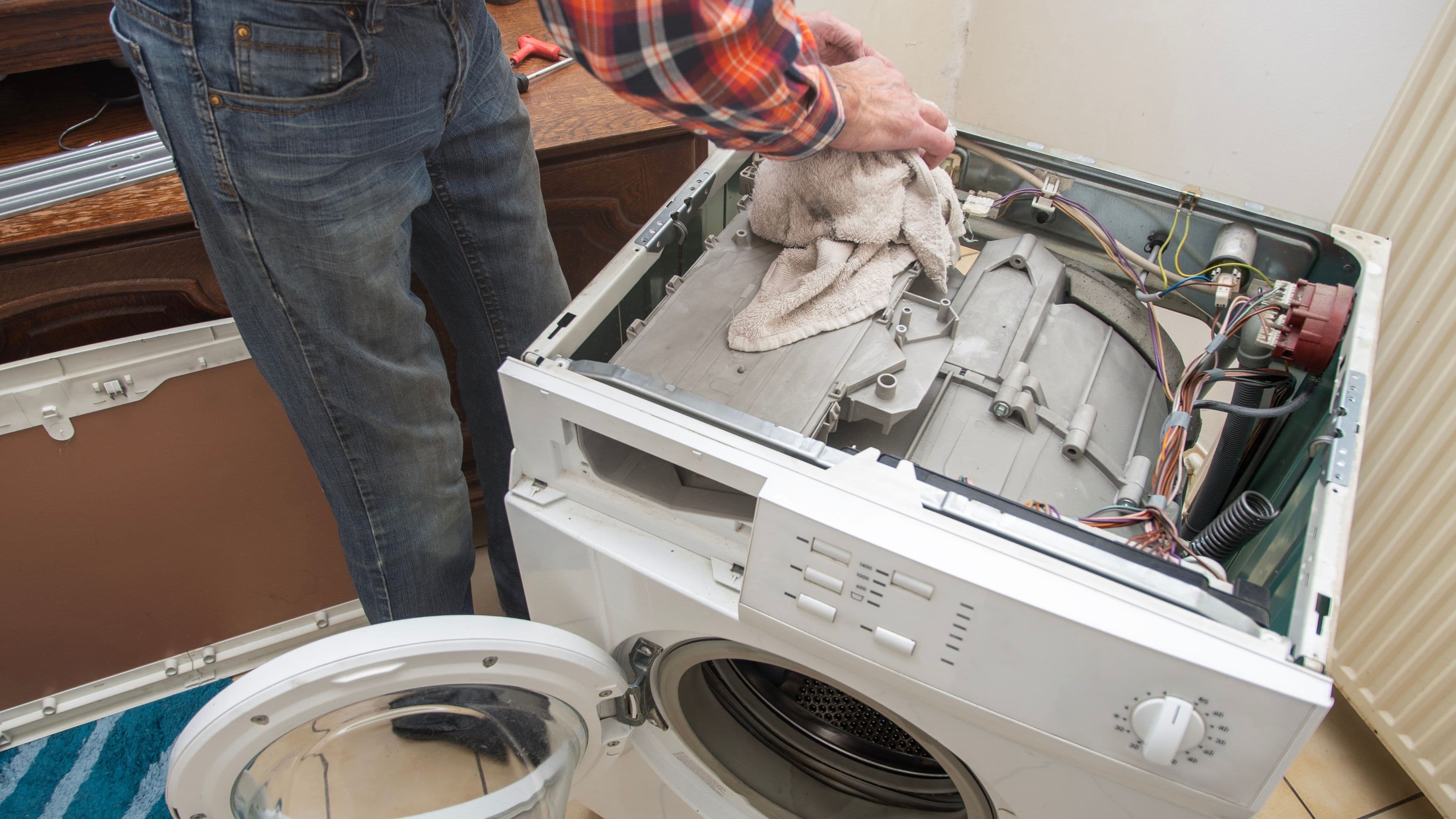
How you get inside the dryer depends on the brand and model. The two most common access methods are through the back panel and through the front panel. Check a quick search for your specific model if you're unsure – most major brands have detailed teardown guides and videos available.
Back Panel Access (most common for Whirlpool, Maytag, Amana, and some GE models)
Remove the screws around the perimeter of the back panel using your nut driver – typically 5/16". Set the panel aside. The exhaust duct will be visible near the bottom of the cabinet, and the thermal fuse is mounted on the duct with one or two screws. This is the simplest access method.
Front Panel Access (common for LG, Samsung, and some Whirlpool front-loaders)
On these models, you'll need to remove the front panel to access the interior. Start by removing the lint filter and the screws inside the filter housing. Use a putty knife to release the top panel clips, then lift the top panel up and back. Once the top is off, you can remove the screws holding the front panel and lower it carefully. The thermal fuse will be on the exhaust duct inside the cabinet.
Rear Drum Access (some Kenmore and older models)
Some models require removing the back panel and the drum to reach the fuse, which is located at the back of the exhaust housing. This is more involved but follows the same basic logic – the drum slides or lifts out once a few retaining clips or screws are released.
If you're not sure which method applies to your model, a two-minute search for "[your model number] thermal fuse location" will show you exactly where it is and how to reach it.
Step 4 – Remove the Old Thermal Fuse
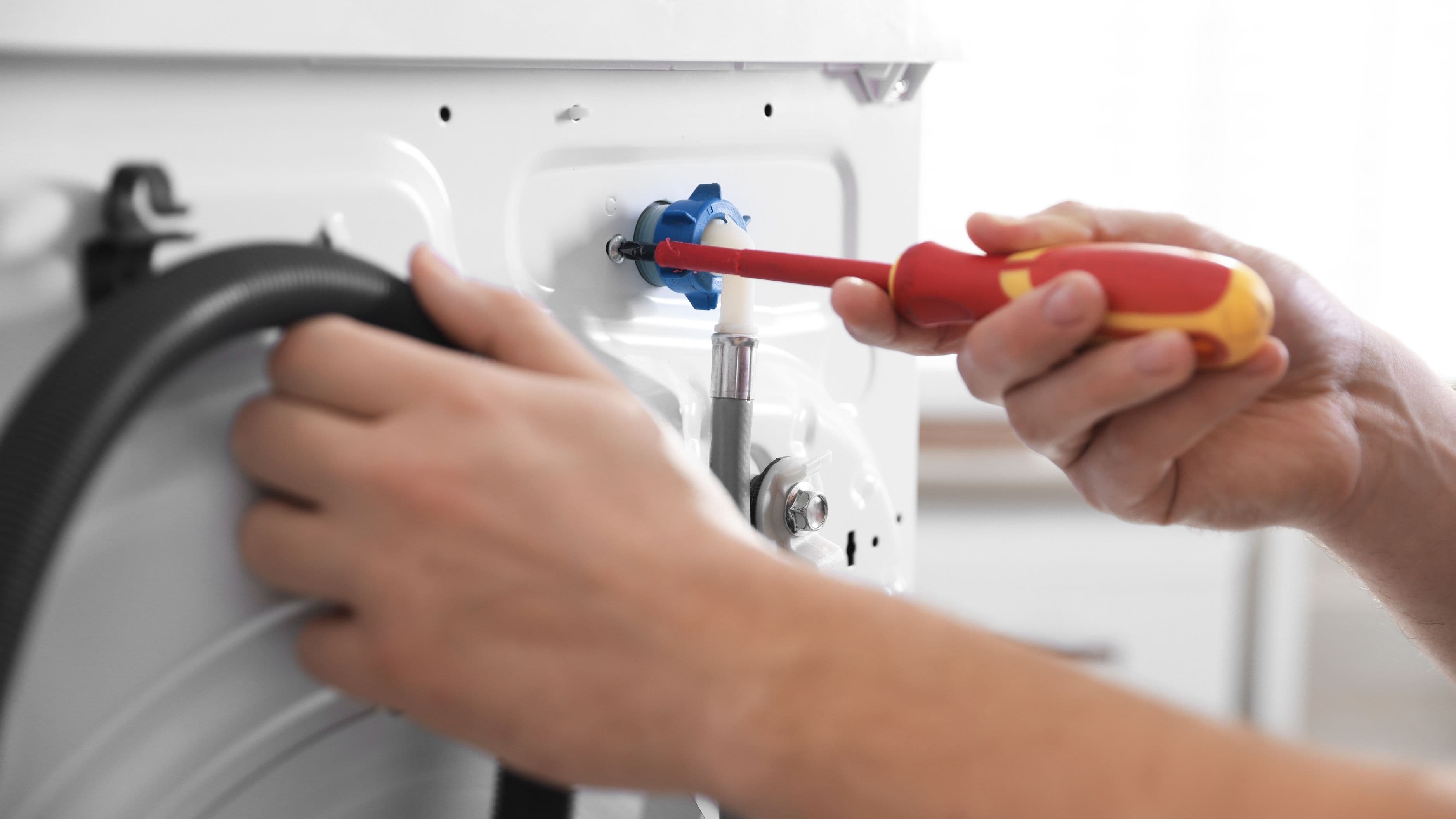
With the fuse now visible, disconnect the two wires attached to it. They connect via slip-on spade connectors – grip the connector itself (not the wire) and pull straight off each terminal. Don't yank the wire – if a connector feels tight, gently wiggle it side to side while pulling. If any connector is corroded or discolored, that's worth noting – it can indicate heat damage in the surrounding wiring that you'll want to inspect.
Remove the screw or screws holding the fuse to the exhaust duct – usually one Phillips or hex screw. The fuse will lift straight off. Set it aside for comparison with the new part before installing.
Take a moment while the area is open to check the exhaust duct for obstructions, lint buildup, or kinks. This is the time to clear anything you find – a restricted exhaust is almost certainly why the fuse blew in the first place.
Step 5 – Install the New Thermal Fuse
Line up the new fuse with the mounting bracket on the exhaust duct. The terminals should be oriented in the same direction as the old fuse. Secure it with the screw you removed – hand-tighten it first, then snug it down firmly with the screwdriver. Don't overtighten and crack the plastic housing.
Reconnect the two wires. It doesn't matter which wire goes to which terminal on a thermal fuse – it has no polarity. Push each spade connector firmly onto its terminal until it seats with a slight click or resistance. Give each wire a gentle tug to confirm it's secure.
Step 6 – Check and Clean the Dryer Vent
This step is not optional. If you skip it, the new fuse may blow again within weeks.
With the cabinet still open, inspect the exhaust duct from the fuse location back toward the rear of the dryer. Look for lint accumulation, crushed sections, or sharp bends that restrict airflow. Clear any lint you can reach by hand or with a vacuum and flexible brush attachment.
From outside the dryer, disconnect the vent hose from the back of the machine and inspect it for blockages. Run a dryer vent cleaning brush – a long flexible brush available at hardware stores for around $10 – through the full length of the vent from the dryer to the outside exhaust cap. Check that the exterior vent flap opens freely and isn't blocked by lint, a bird nest, or debris.
Restricted airflow is the root cause of overheating in the vast majority of thermal fuse failures. A clean vent isn't a nice-to-have here – it's what prevents you from doing this repair again in two months.
Step 7 – Reassemble the Dryer
Reverse the disassembly steps for your model. Reattach the back panel or front panel and secure all screws. Reconnect the vent hose to the back of the machine and make sure the connection is snug – a loose vent hose dumps hot air into the cabinet instead of exhausting it outside, which will cause overheating.
For gas dryers, turn the gas supply back on at the valve before plugging in. Check around the connection briefly before the first test cycle – you should not smell gas. If you do, turn it off immediately and call a professional.
Step 8 – Run a Test Cycle
Plug the dryer back in. Load a few damp towels or a small load and run a normal cycle. After five minutes, open the door and check whether heat is present. The air inside the drum should feel noticeably warm within the first few minutes of a heated cycle.
Let the full cycle complete and confirm the load comes out dry. If heat is restored and the cycle completes normally, the repair is done.
If the dryer still doesn't heat after replacing the fuse, the problem may lie with another component – the cycling thermostat, high-limit thermostat, or heating element are the next most likely culprits and can be tested with the same multimeter continuity method.
What to Avoid
Don't attempt to bypass or jumper the thermal fuse to test whether it's the problem. Bypassing a blown fuse lets the dryer run without overheat protection and creates a genuine fire risk. The multimeter test is the right diagnostic step.
Don't reconnect the wires to a new fuse before making sure the exhaust vent is clear. Replacing the fuse without addressing the airflow restriction is a short-term fix at best.
Don't force the spade connectors onto the terminals. They should slide on with moderate pressure. Forcing them can bend the terminals or damage the connector, leading to a loose connection and potential heat damage down the line.
Don't overtighten the mounting screw on the fuse. The housing is plastic and will crack if you bear down on it. Snug is enough.
When to Call a Professional
This is a manageable DIY repair for most people, but there are a few situations where calling a technician makes more sense. If you find burned or melted wiring near the fuse location, that damage extends beyond a simple fuse swap and should be assessed by someone who can evaluate the full electrical circuit. If the dryer runs but still doesn't heat after replacing the fuse and cleaning the vent, you may have a failed heating element or control board issue that benefits from professional diagnosis. And if your dryer is more than 12 years old and this is the second or third component failure in recent history, a repair quote alongside a replacement cost comparison is worth getting before investing more in parts.
FAQ
How do I know if it's the thermal fuse and not the heating element? The multimeter continuity test distinguishes them. A blown thermal fuse shows no continuity. A failed heating element also shows no continuity when tested directly across its terminals. Test the fuse first since it's easier to access and cheaper to replace. If the fuse is intact, move on to testing the heating element.
Can a thermal fuse blow more than once? Yes, but each fuse is a one-time use component – once it blows, it must be replaced. If your new fuse blows again quickly, the root cause is almost always inadequate ventilation. Check the entire vent run from the dryer to the outside exhaust cap and remove any blockages.
Is the thermal fuse the same as the thermostat? No. They're separate components. The cycling thermostat regulates temperature during normal operation and is resettable. The high-limit thermostat is a safety cutoff that may also need replacement in some situations. The thermal fuse is a one-time safety device that cuts power permanently when it blows. All three can be tested with a multimeter.
My dryer doesn't turn on at all – could that still be the thermal fuse? Yes. On some dryer models, the thermal fuse is wired into the main power circuit rather than just the heating circuit. When it blows in those models, the entire machine goes dead. This is common in some Whirlpool and Maytag models. The same multimeter test applies.
How long does a thermal fuse last normally? A thermal fuse in a well-maintained dryer with clean venting can last the life of the machine – 10–15 years or more. If a fuse blows after only a few years, inadequate ventilation is the most likely cause. Less commonly, a failing thermostat can also cause repeated overheating that stresses the fuse prematurely.
📚 Sources
RepairClinic – "Dryer Thermal Fuse Replacement Guide": https://www.repairclinic.com/RepairHelp/How-To-Fix-A-Dryer/9-3-666831-/Dryer-Thermal-Fuse-Replacement
U.S. Consumer Product Safety Commission – "Clothes Dryer Fire Safety": https://www.cpsc.gov/Safety-Education/Safety-Guides/Home/Clothes-Dryer-Fire-Safety
U.S. Fire Administration – "Clothes Dryer Fires in Residential Buildings": https://www.usfa.fema.gov/downloads/pdf/statistics/v12i7.pdf
Whirlpool – "Why Is My Dryer Not Heating?": https://www.whirlpool.com/blog/washers-and-dryers/dryer-not-heating.html
PartSelect – "How to Test a Thermal Fuse with a Multimeter": https://www.partselect.com/Repair/Dryer/Thermal-Fuse/