
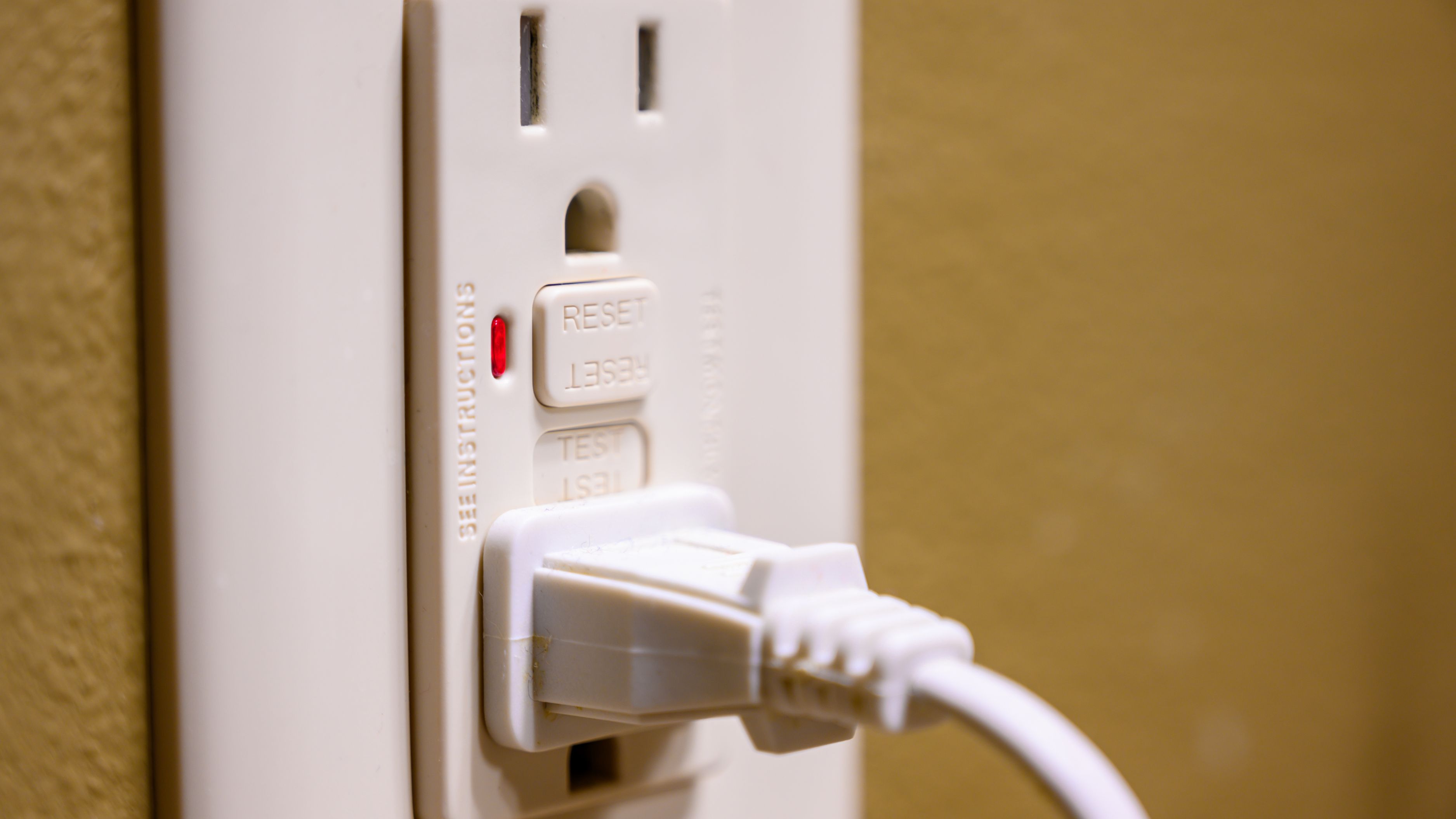
What a GFCI Outlet Actually Does
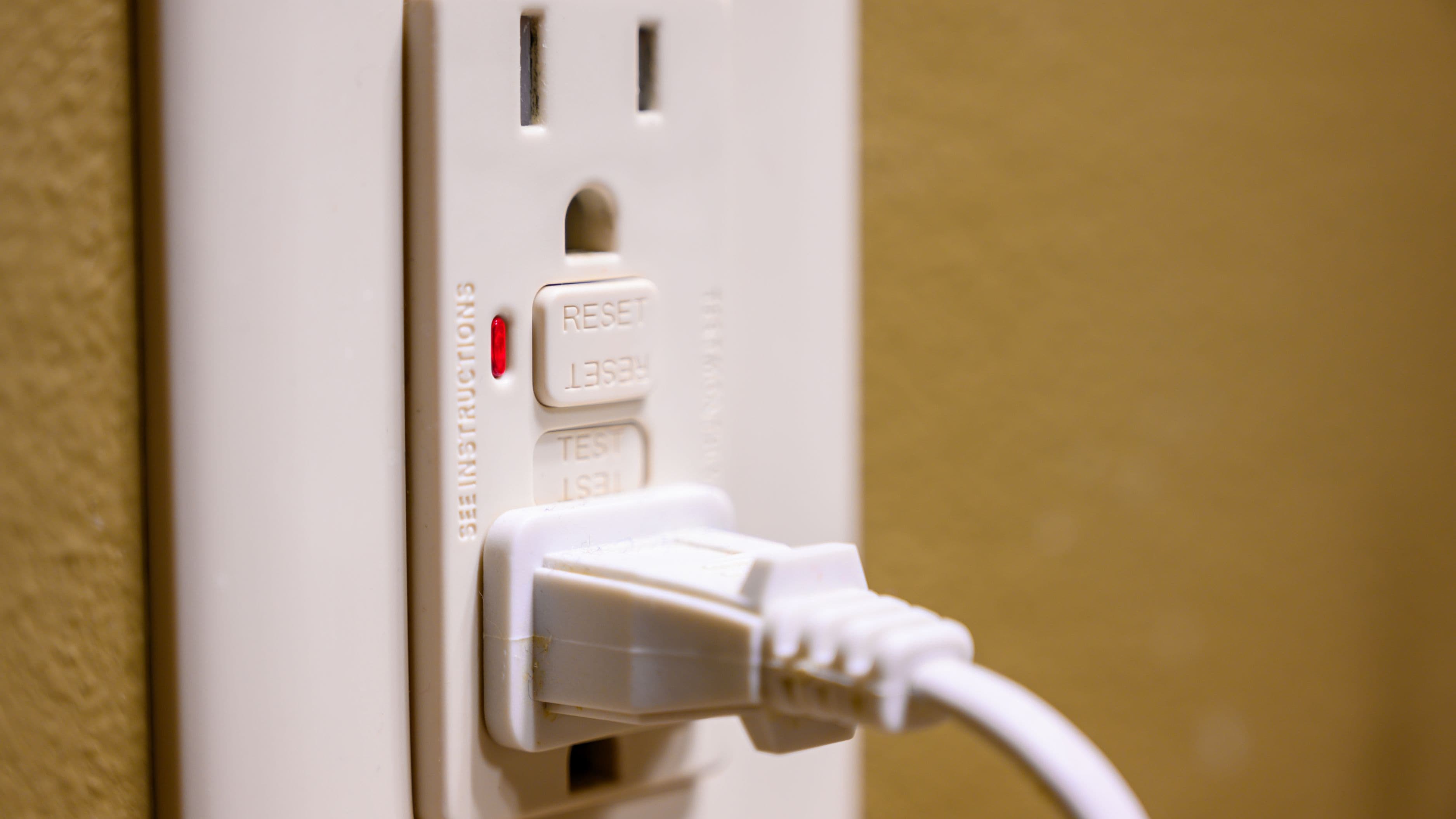
A ground fault circuit interrupter constantly monitors the electrical current flowing through it, comparing the amount going out versus the amount coming back. When it detects even a small imbalance – which can indicate electricity is leaking somewhere it shouldn't, like through water or a person – it trips almost instantly to cut power, specifically to prevent electric shock. This is why they're required by code in bathrooms, kitchens, garages, and other areas near water.
Understanding this function matters because it explains why a GFCI that won't reset isn't just being stubborn – it's detecting a genuine problem and refusing to allow power through until that problem is addressed or the sensor itself is confirmed to be working correctly.
Step 1: Rule Out the Obvious First
Before assuming anything is wrong with the outlet itself, unplug everything connected to it and any outlets it may be protecting downstream on the same circuit. A GFCI outlet often protects multiple standard outlets wired after it on the same circuit, and a faulty appliance or device plugged into any of them can be the actual source of the trip, not the outlet.
With everything unplugged, press the reset button firmly. If it engages and holds now, the issue was almost certainly a connected device, not the outlet itself – plug items back in one at a time, checking after each, to identify which one was causing the trip.
Step 2: Check for a Tripped Breaker as Well
Occasionally, both the GFCI outlet and the circuit breaker serving that circuit trip simultaneously, and if the breaker hasn't been reset, the GFCI outlet won't have power to reset with, even if the outlet itself is functioning correctly. Check your electrical panel and reset any tripped breaker – identifiable by a handle that's moved to a middle position rather than fully on – before assuming the outlet itself has failed.
Step 3: Test With a GFCI Outlet Tester
A simple plug-in GFCI outlet tester, available inexpensively at any hardware store, can confirm whether the outlet's internal sensor is functioning correctly. Plug the tester in and press its test button – a properly functioning GFCI should trip in response. If it doesn't trip at all with the tester, or won't reset afterward, that's a stronger sign the outlet itself has failed internally rather than being caused by something downstream.
Step 4: Check for Moisture
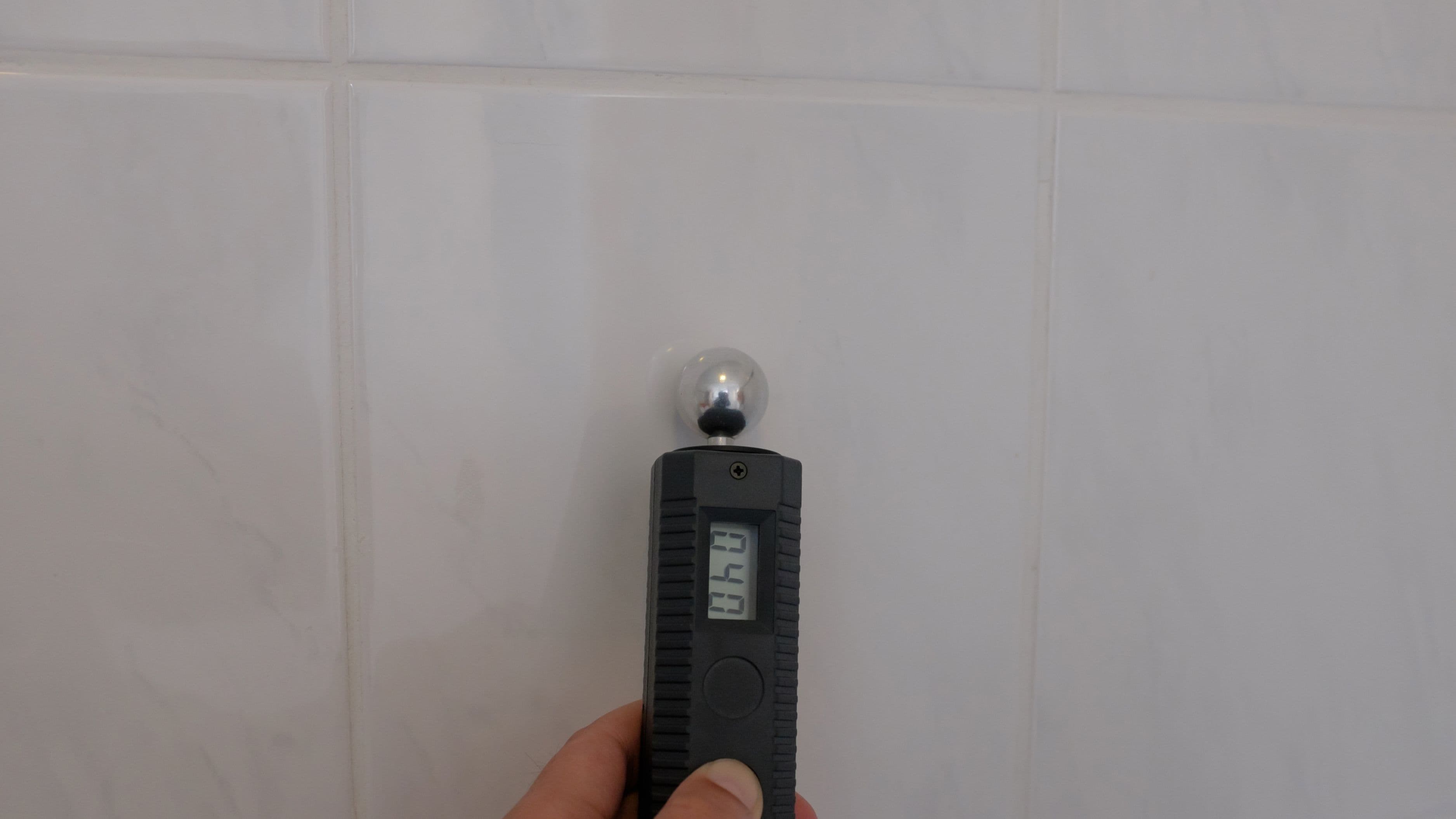
Since GFCI outlets are typically installed in areas prone to water exposure, moisture inside the outlet box itself – from a nearby leak, high humidity, or even condensation – can cause the outlet to refuse to reset as a safety measure. If the outlet is in a location where water exposure is plausible, and especially if you've noticed any nearby leaks or dampness, this is worth investigating, though checking inside an outlet box should only be done with the breaker for that circuit switched off first.
Step 5: Consider the Outlet's Age
GFCI outlets have a functional lifespan, typically 10–15 years, after which the internal sensing mechanism can degrade and stop resetting reliably, even without any obvious external cause. If your outlet is original to an older home and you've ruled out connected devices, breaker issues, and moisture, age-related failure becomes the most likely remaining explanation.
When to Call an Electrician
If you've ruled out connected devices, a tripped breaker, and moisture, and the outlet still won't reset or immediately trips again even with everything unplugged, this points to either a failed outlet needing replacement or, less commonly, a wiring issue further in the circuit that needs professional diagnosis. Replacing a GFCI outlet itself is a moderate DIY task for someone comfortable working with electrical wiring after switching off the breaker, but if you're not fully confident working with home electrical systems, this is a reasonable point to bring in a licensed electrician rather than troubleshooting further yourself.
Persistent tripping that keeps recurring even after replacing the outlet itself is a stronger signal of an underlying wiring issue – potentially a genuine ground fault somewhere in the circuit – that requires an electrician's diagnosis rather than repeated outlet replacement.
Safety Notes
Always switch off the breaker for the circuit before removing an outlet cover or doing any hands-on inspection beyond pressing the reset button. If you smell burning, see scorch marks, or notice the outlet feels warm to the touch, stop troubleshooting immediately and call an electrician, since these are signs of a potentially serious electrical issue rather than a routine GFCI trip.
Common Mistakes
Repeatedly pressing the reset button without investigating why it's failing can mask a real underlying issue and, in some cases, stress a failing outlet further. Assuming a GFCI outlet that won't reset is simply broken, without first ruling out connected devices and a tripped breaker, often leads people to replace a perfectly functional outlet when the actual cause was something else entirely.
FAQ
Why does my GFCI outlet trip every time it rains? This often points to moisture intrusion somewhere in the circuit, particularly for outdoor outlets, and is worth having an electrician inspect if it happens consistently.
Can I just bypass a GFCI outlet that keeps tripping? No – bypassing or disabling a GFCI outlet removes an important safety protection, particularly in areas near water, and isn't a safe workaround for an underlying problem.
How much does it cost to replace a GFCI outlet? The outlet itself typically costs $15–$30, and professional installation, if you're not doing it yourself, generally runs $75–$150 depending on your area and any additional wiring complications found.
A GFCI outlet that won't reset is doing its job by refusing power until an underlying issue is resolved – work through connected devices, the breaker, moisture, and outlet age systematically, and call an electrician if the problem persists after ruling those out.
📚 Sources
CPSC: Ground Fault Circuit Interrupters Fact Sheet – https://www.cpsc.gov/safety-education/safety-guides/electrical/ground-fault-circuit-interrupters-gfcis
This Old House: GFCI Outlet Troubleshooting – https://www.thisoldhouse.com/electrical
National Electrical Manufacturers Association: GFCI Basics – https://www.nema.org/