How a Roof Works as a System
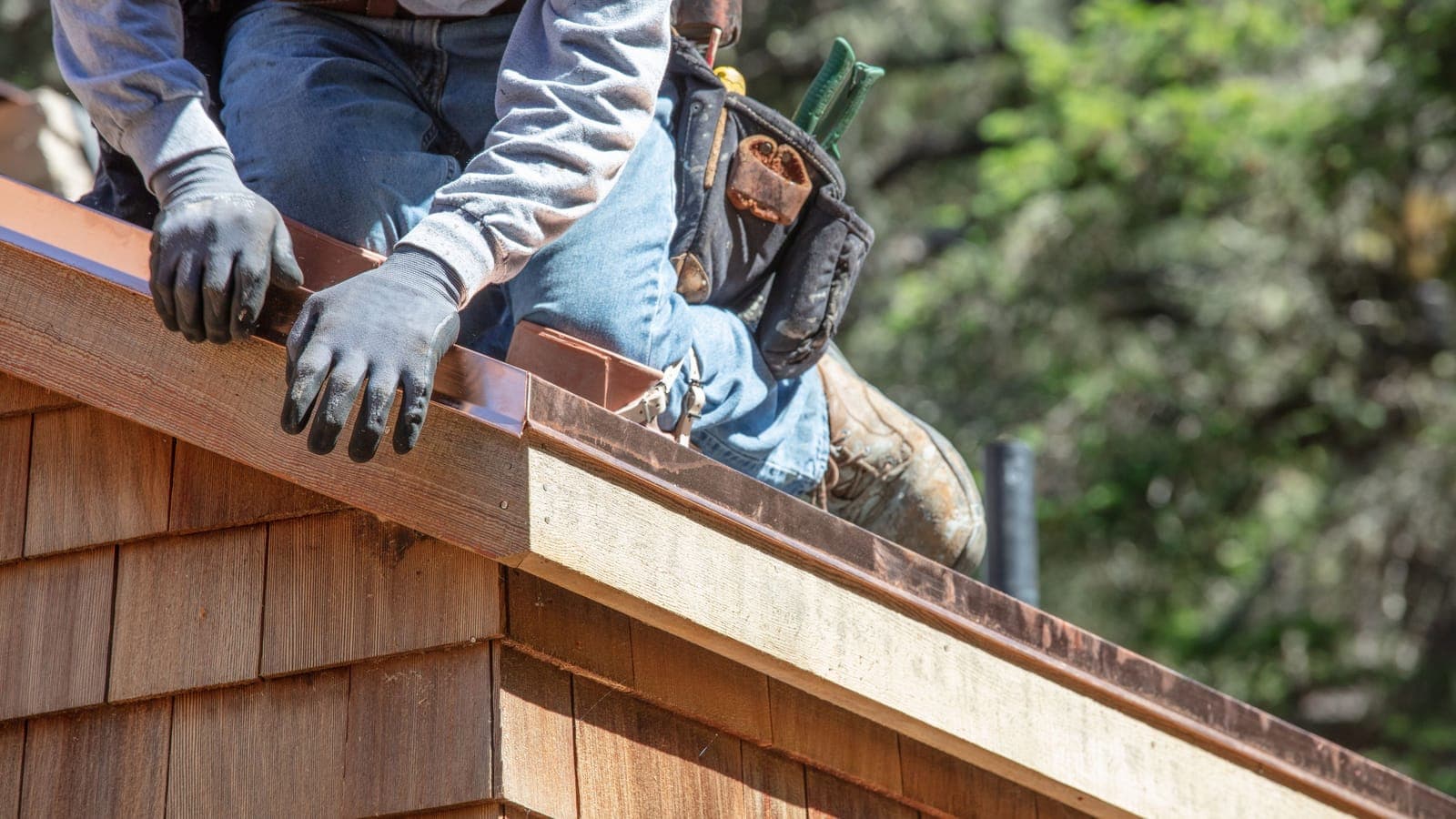
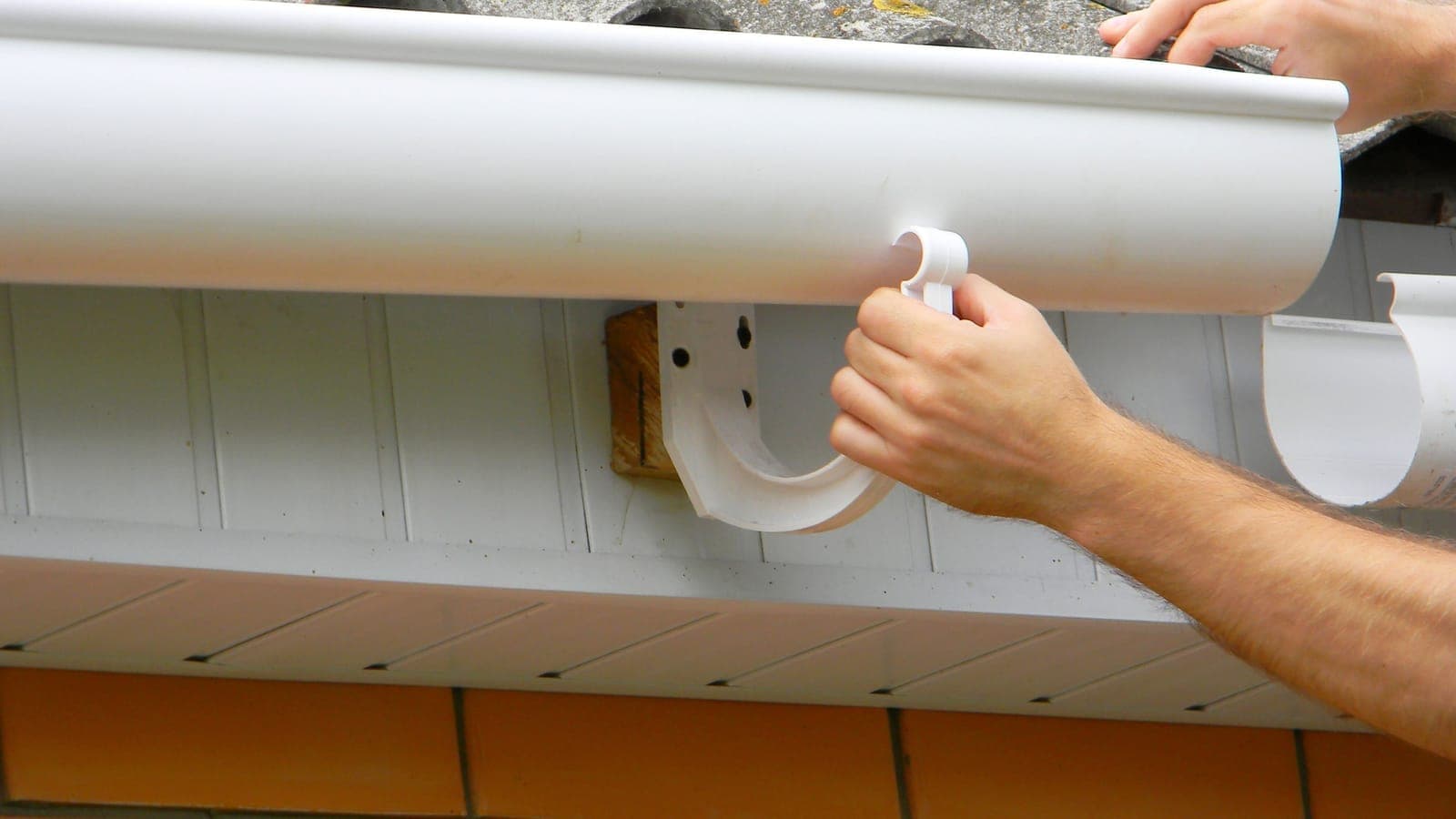
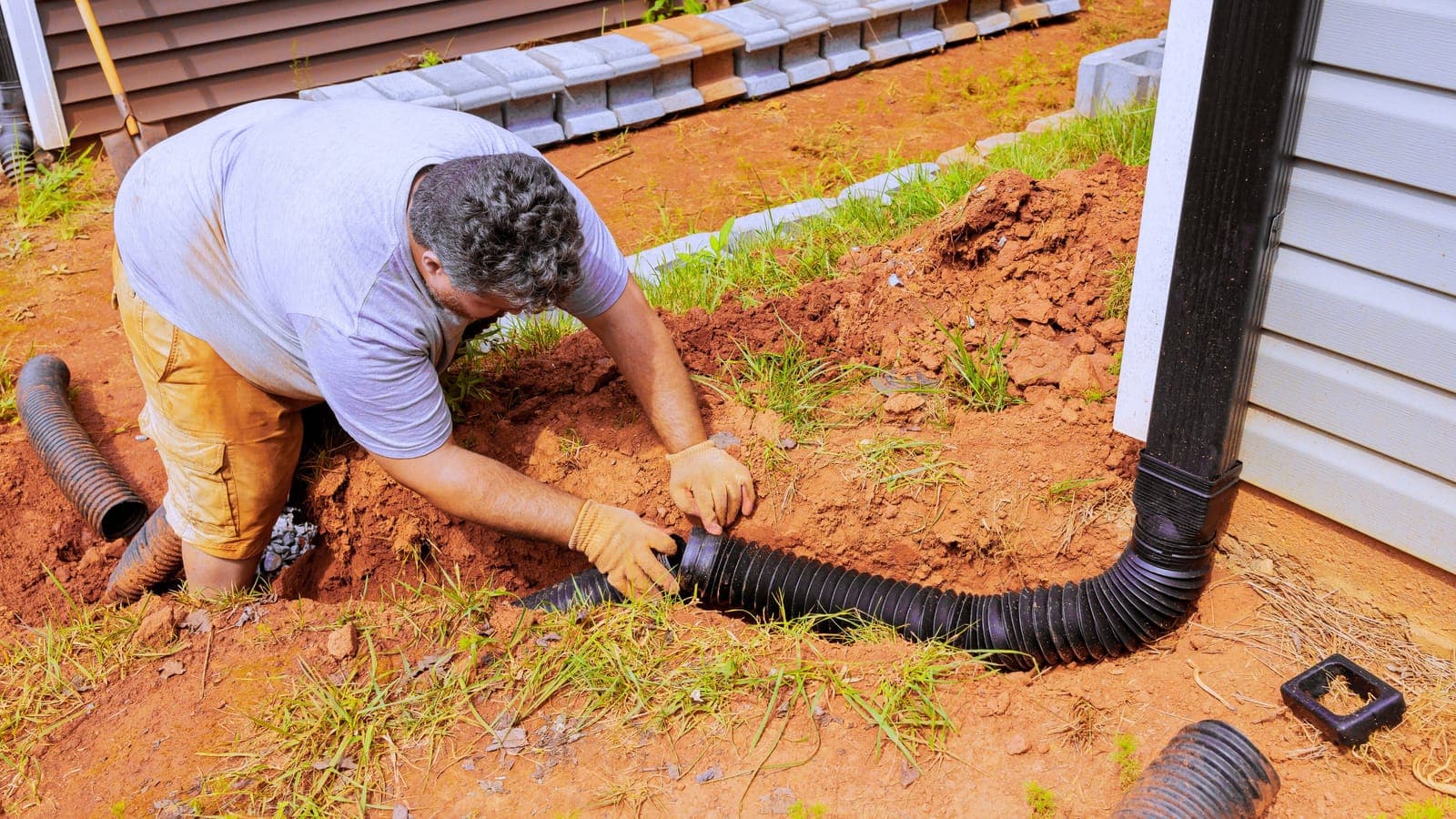
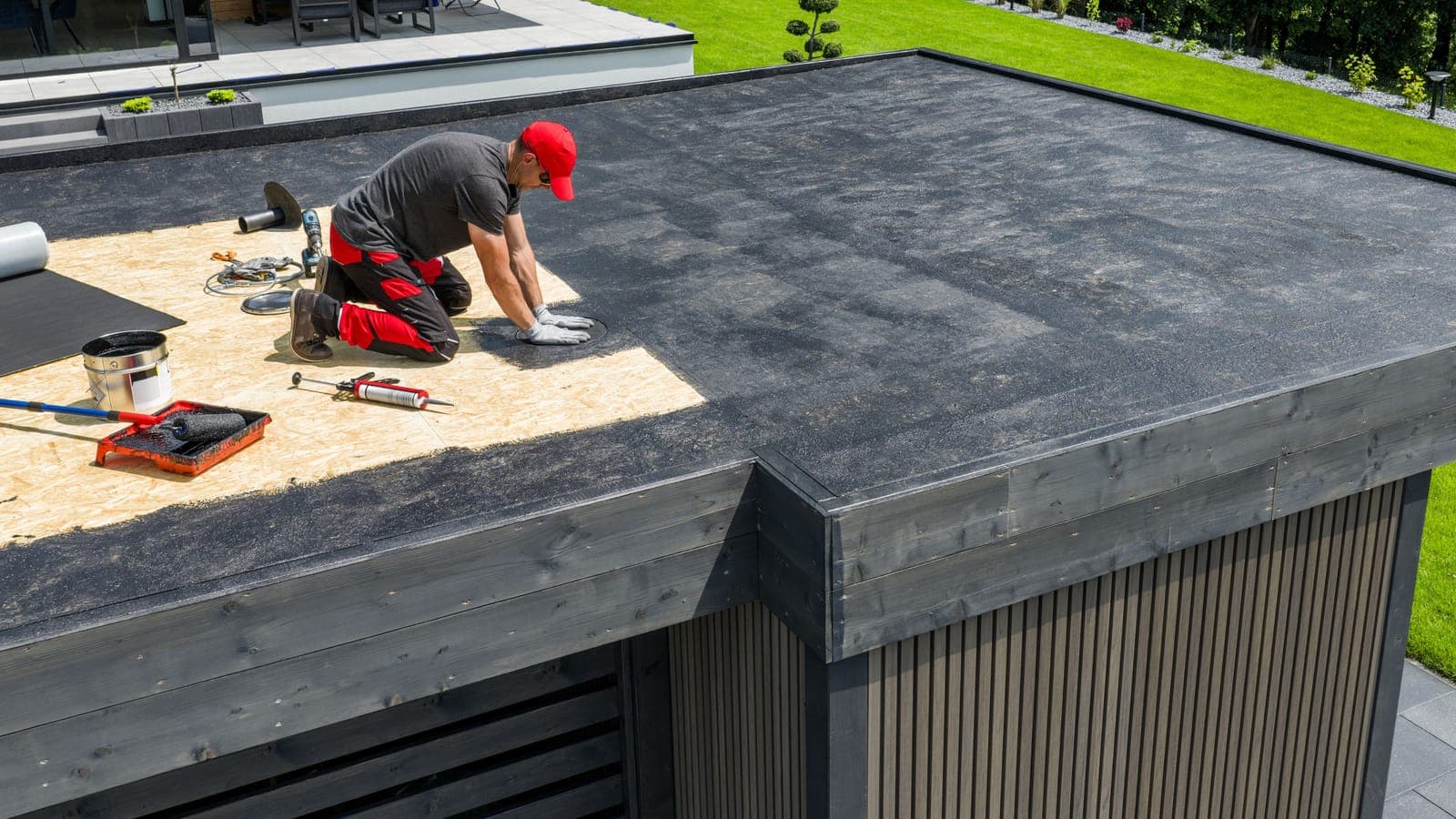
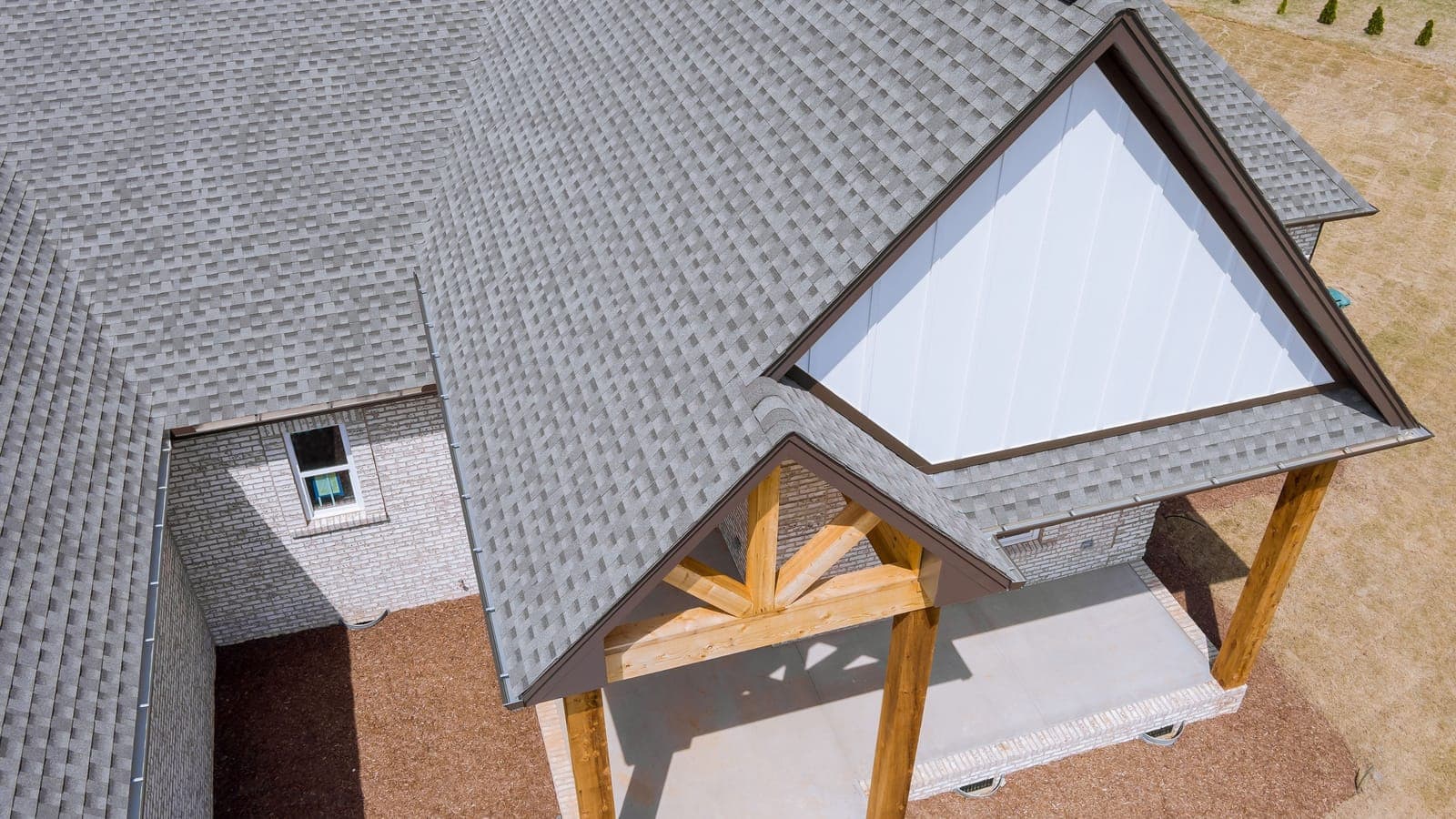
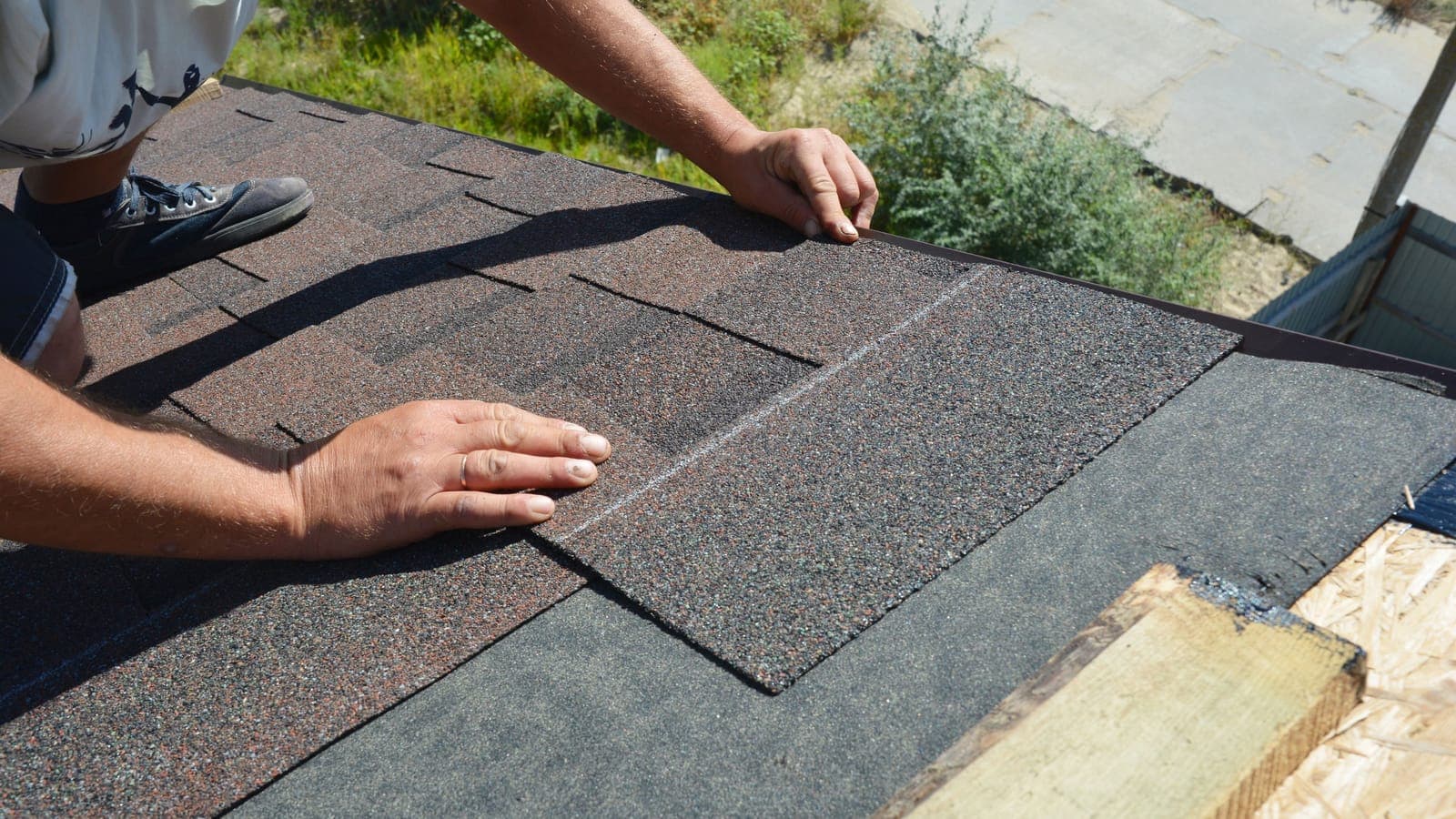
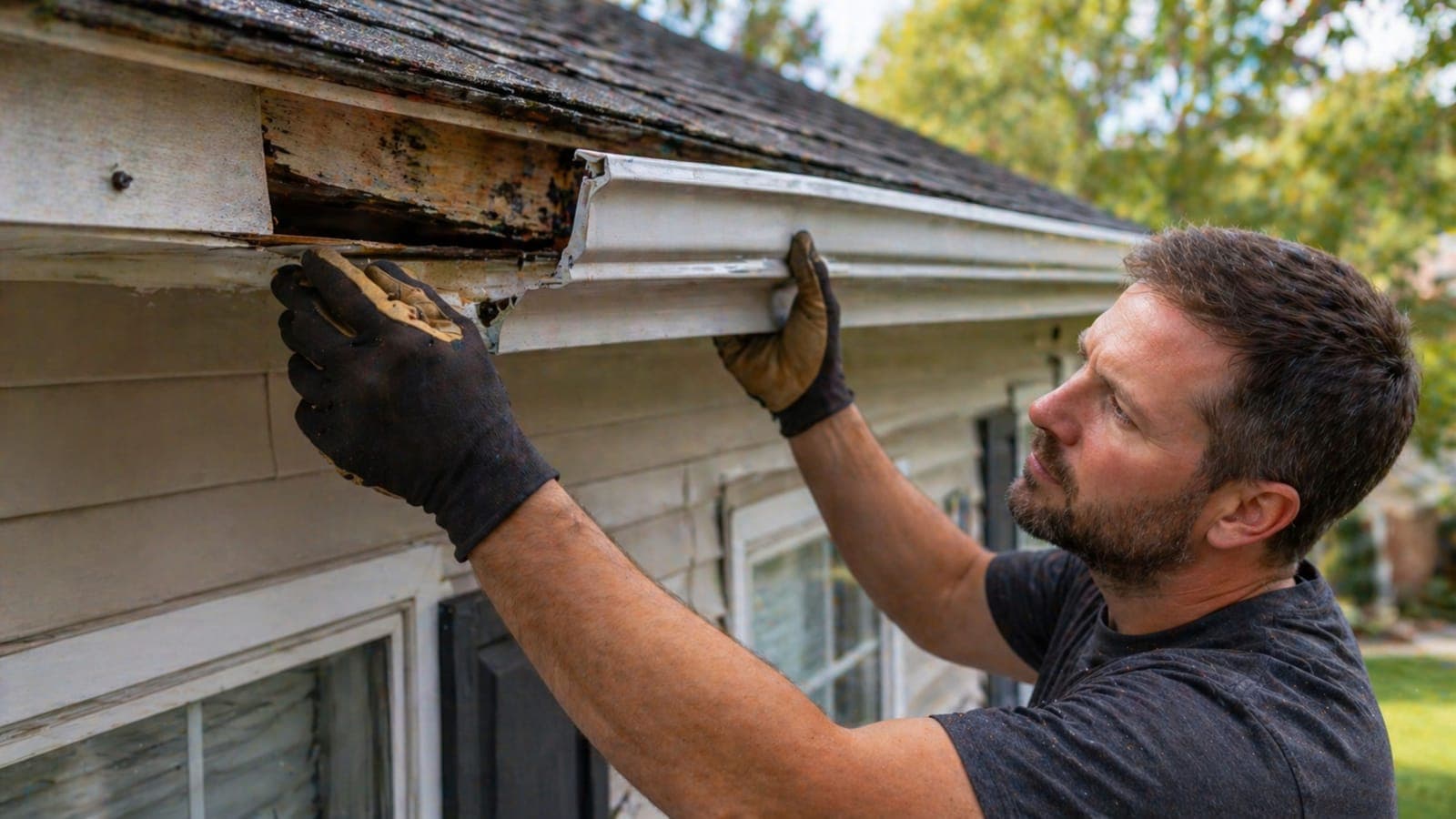
A roof is more than shingles. Underneath the visible surface is the roof deck, usually plywood or OSB, covered by underlayment that adds a second layer of water protection. Flashing seals joints around chimneys, vents, and valleys, while gutters carry water away from the house. Attic ventilation keeps temperature and moisture balanced. When any part fails, the whole system is affected.
Common Materials at a Glance
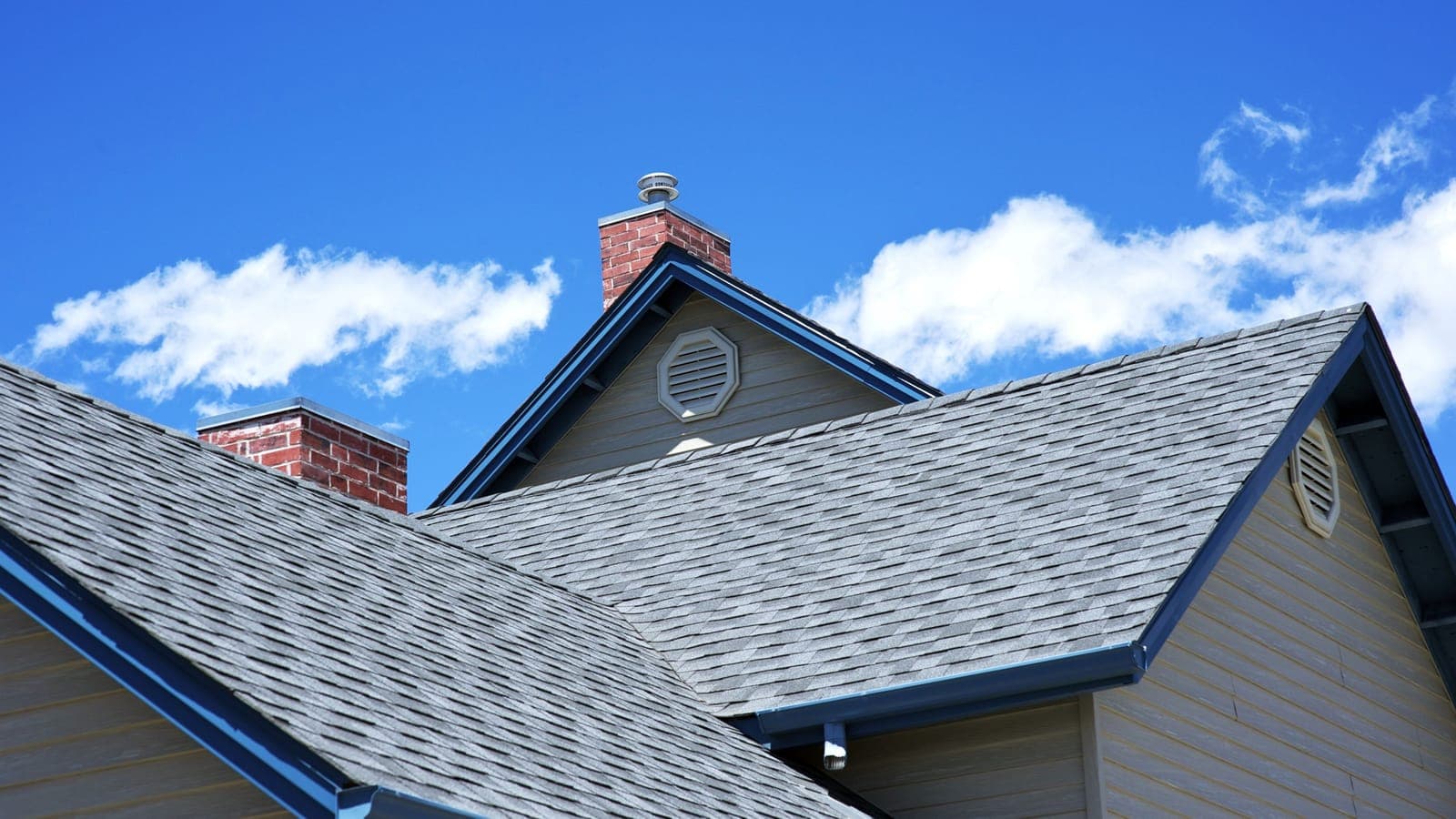
Asphalt shingles: affordable and common, typically 15 to 30 years depending on type
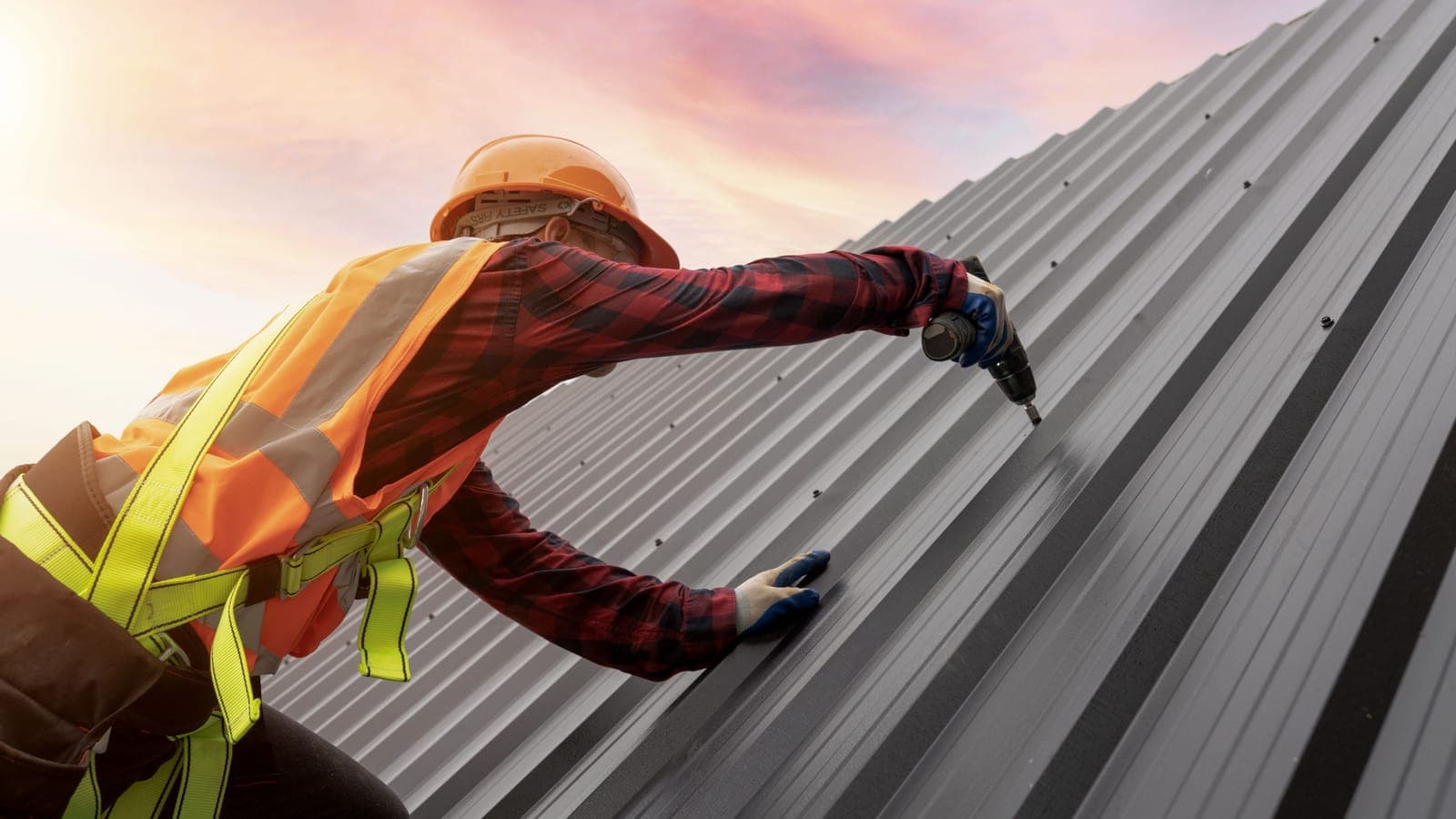
Metal: long-lasting, often 40 to 70 years, with good weather resistance
Tile: clay or concrete, often 50 years or more, heavy and best for warm climates
Slate: extremely durable, often 75 years or more, with a premium price
Wood shakes: natural look, roughly 25 to 35 years with regular upkeep
Synthetic: lightweight alternatives to slate or shake with long warranties
These are typical ranges. Actual lifespans depend on installation quality, climate, and maintenance.
How to Tell Your Roof Is Aging
Watch for these warning signs:
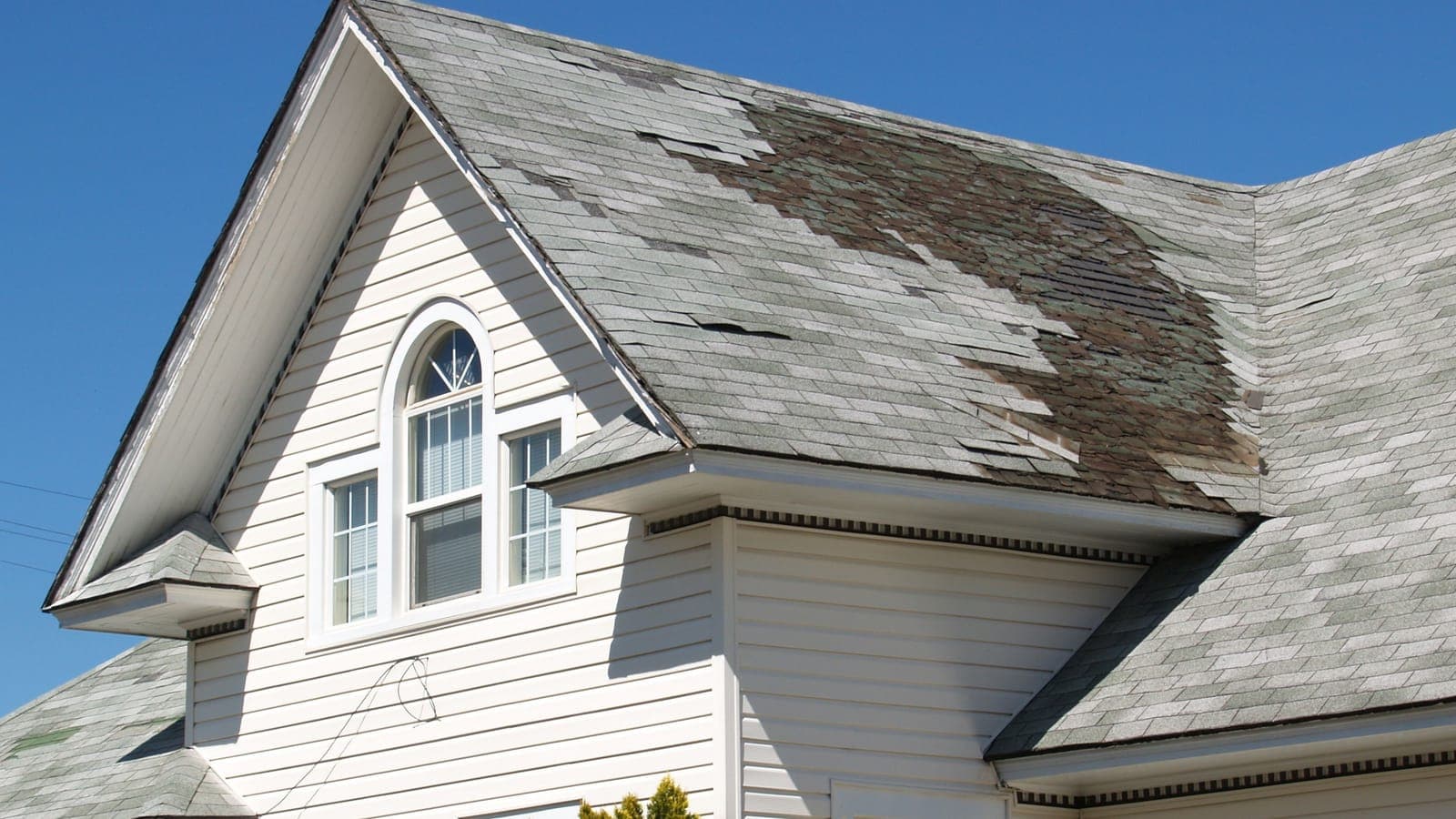
Curling, cracked, or missing shingles
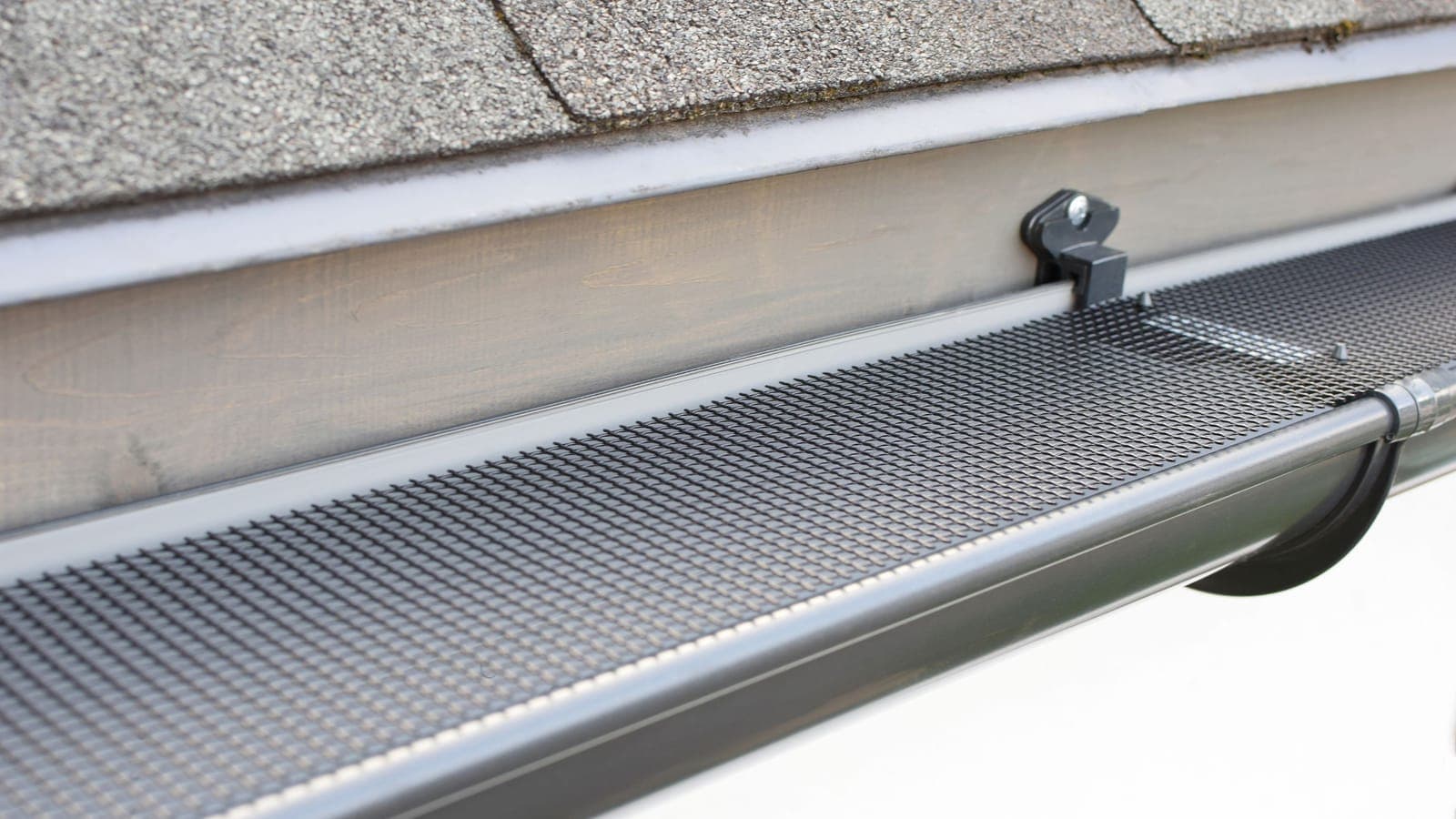
Granules collecting in gutters
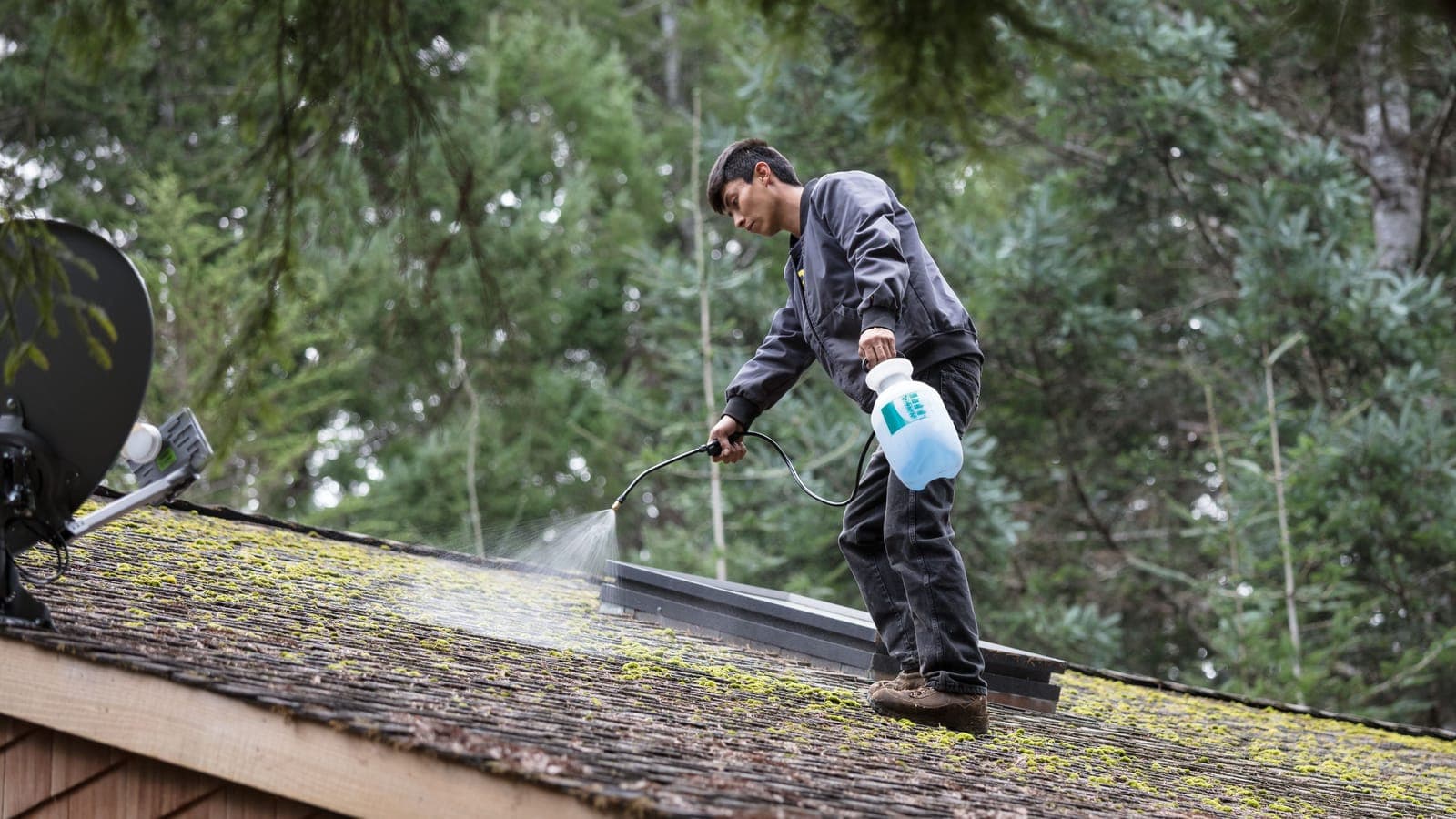
Dark streaks, moss, or soft spots
Sagging rooflines
Water stains on ceilings or in the attic
Rising energy bills caused by poor attic conditions
If your roof is approaching the end of its expected lifespan and shows several of these signs, it's time to get a professional inspection.
A Seasonal Upkeep Checklist
Spring: Inspect for winter damage, check flashing, and clean gutters.
Summer: Trim tree branches, look for moss or algae, and check attic ventilation during hot weather.
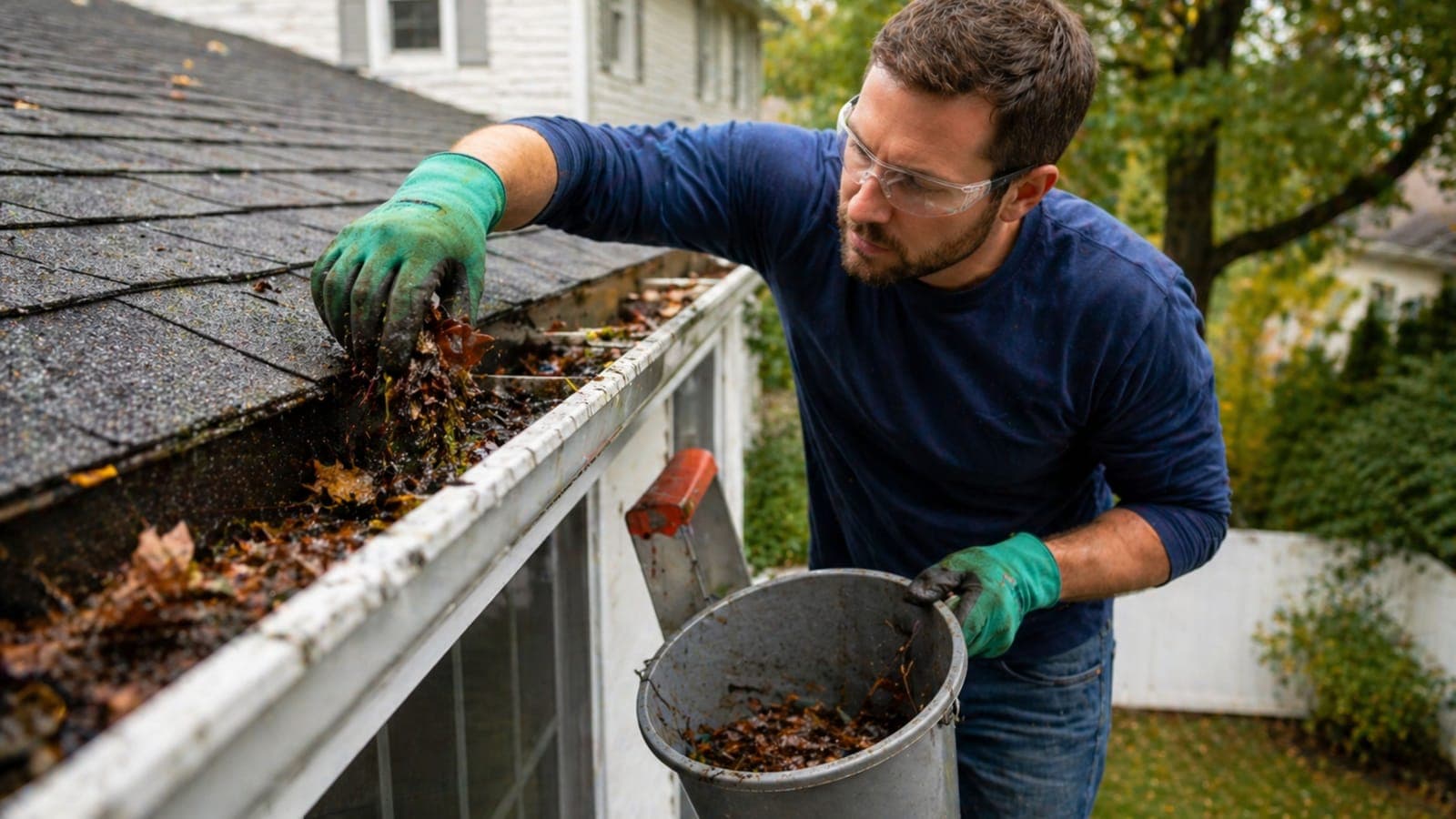
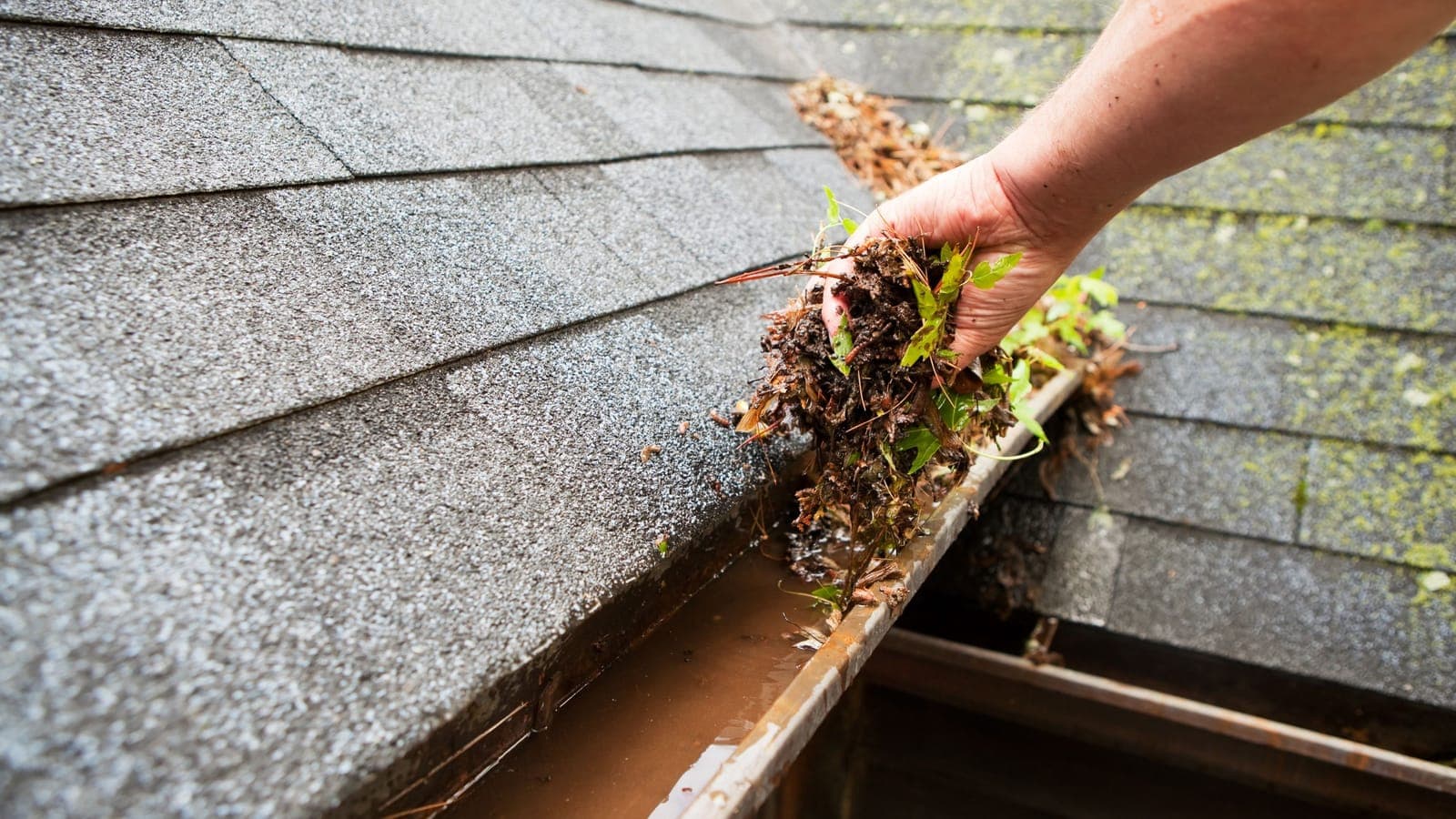
Fall: Clear leaves from gutters and valleys, and check for loose shingles before winter storms.
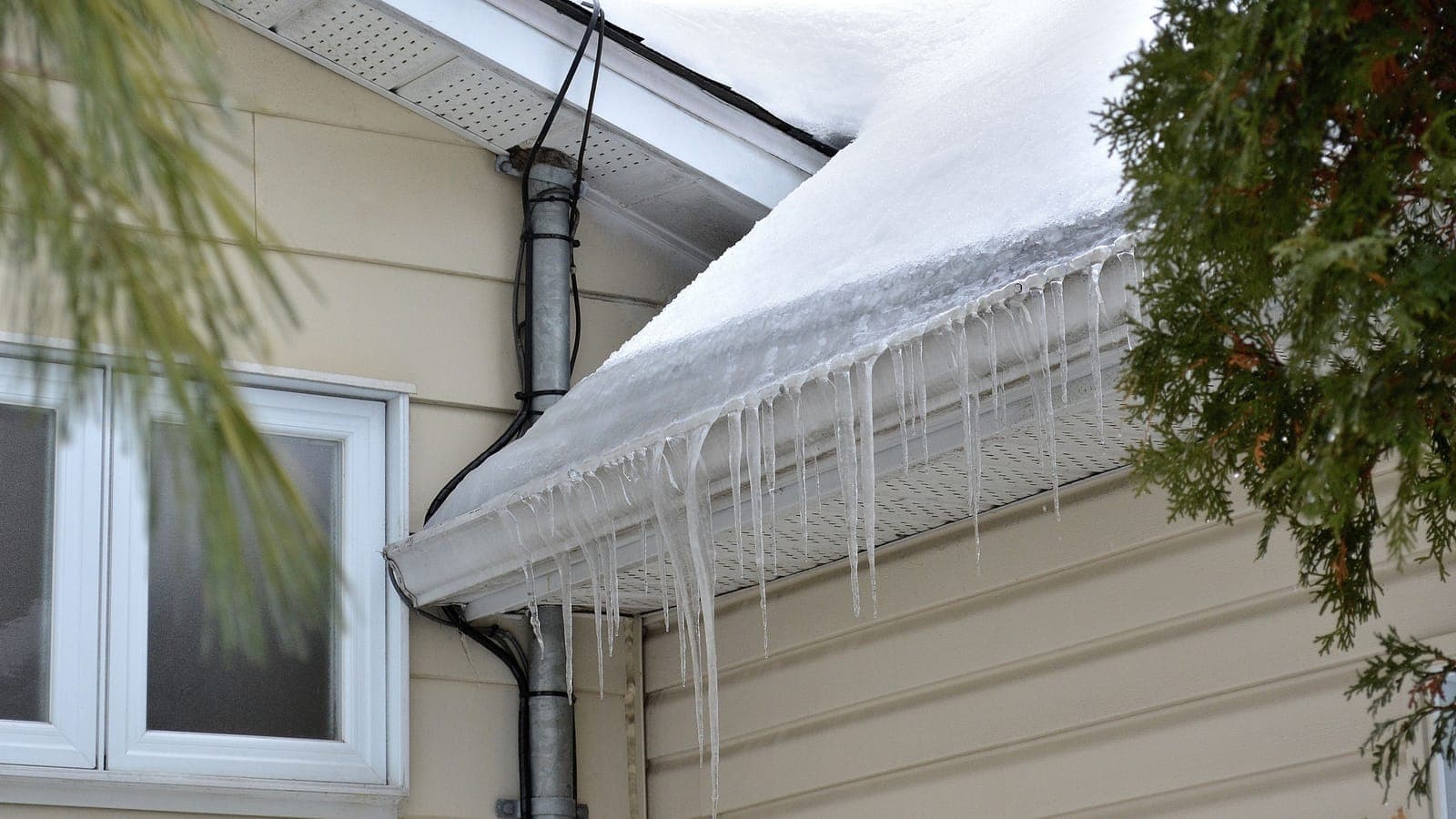
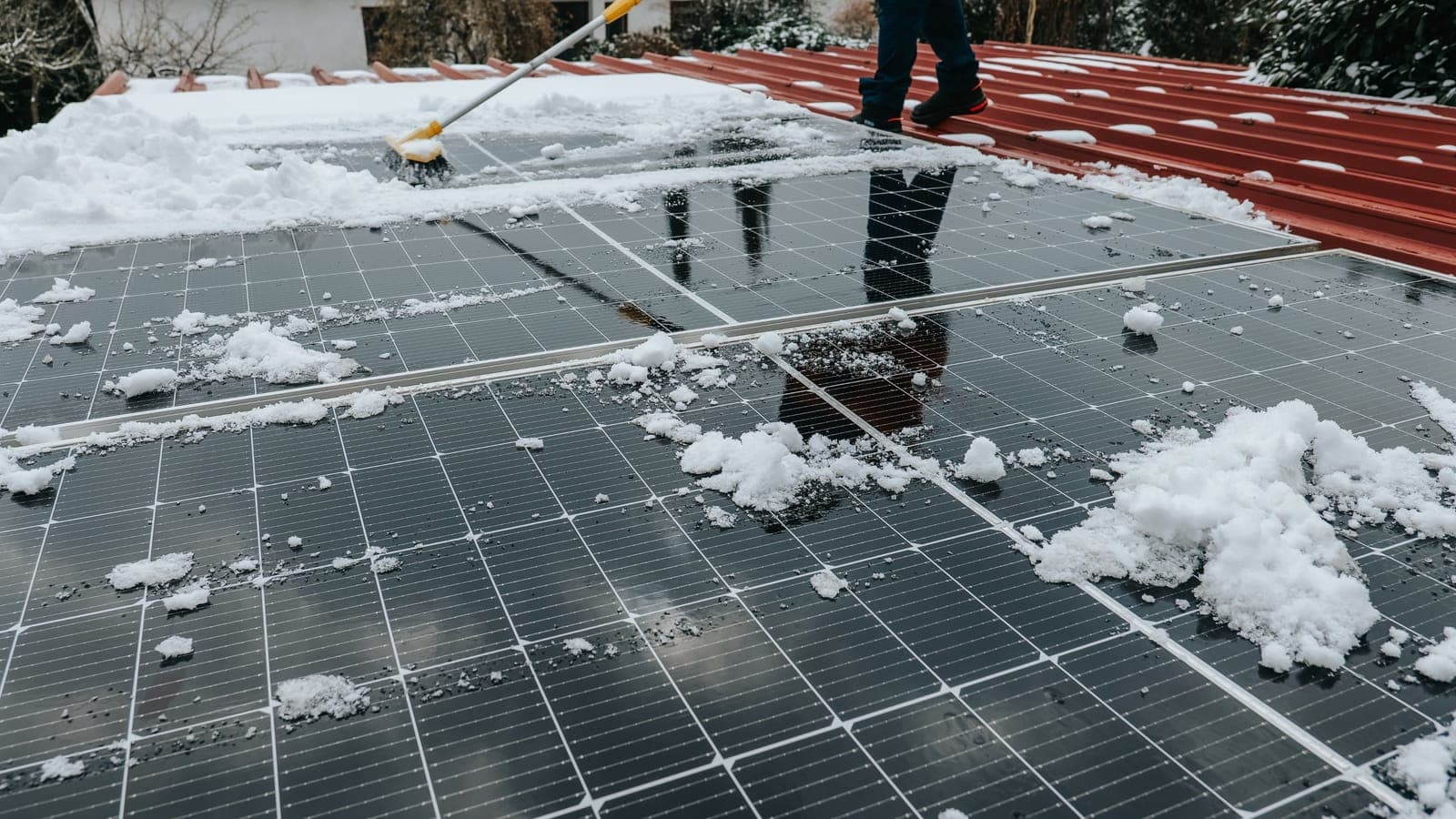
Winter: Watch for ice dams along the eaves, which can force water under shingles, and check the attic for leaks after heavy snow.
Repair or Replace?
Small leaks, a few damaged shingles, or loose flashing can usually be repaired. If damage covers a large area, leaks keep returning, or your roof is near the end of its lifespan, replacement often makes more financial sense. A trustworthy roofer will explain both options.
Safety First
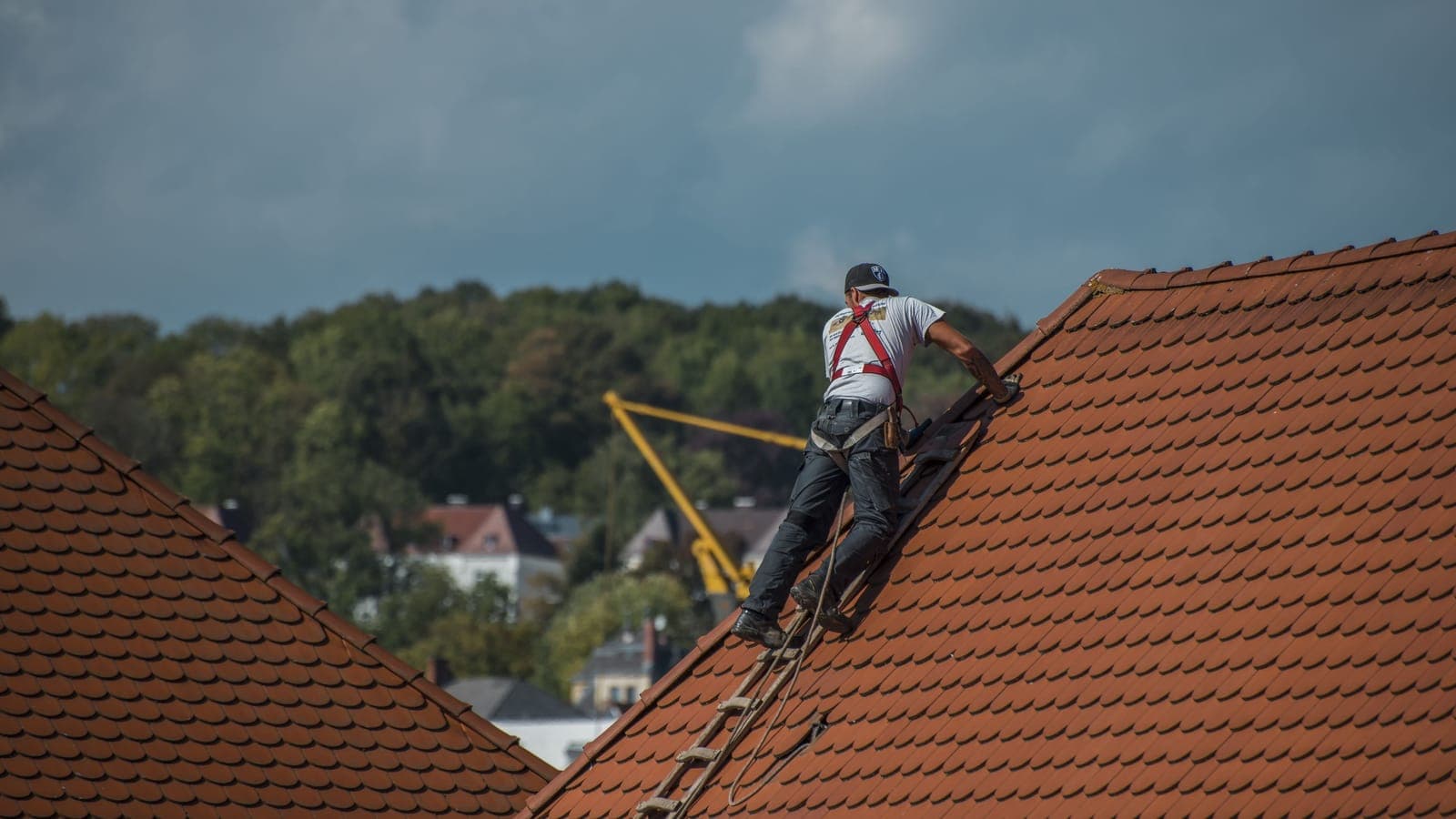
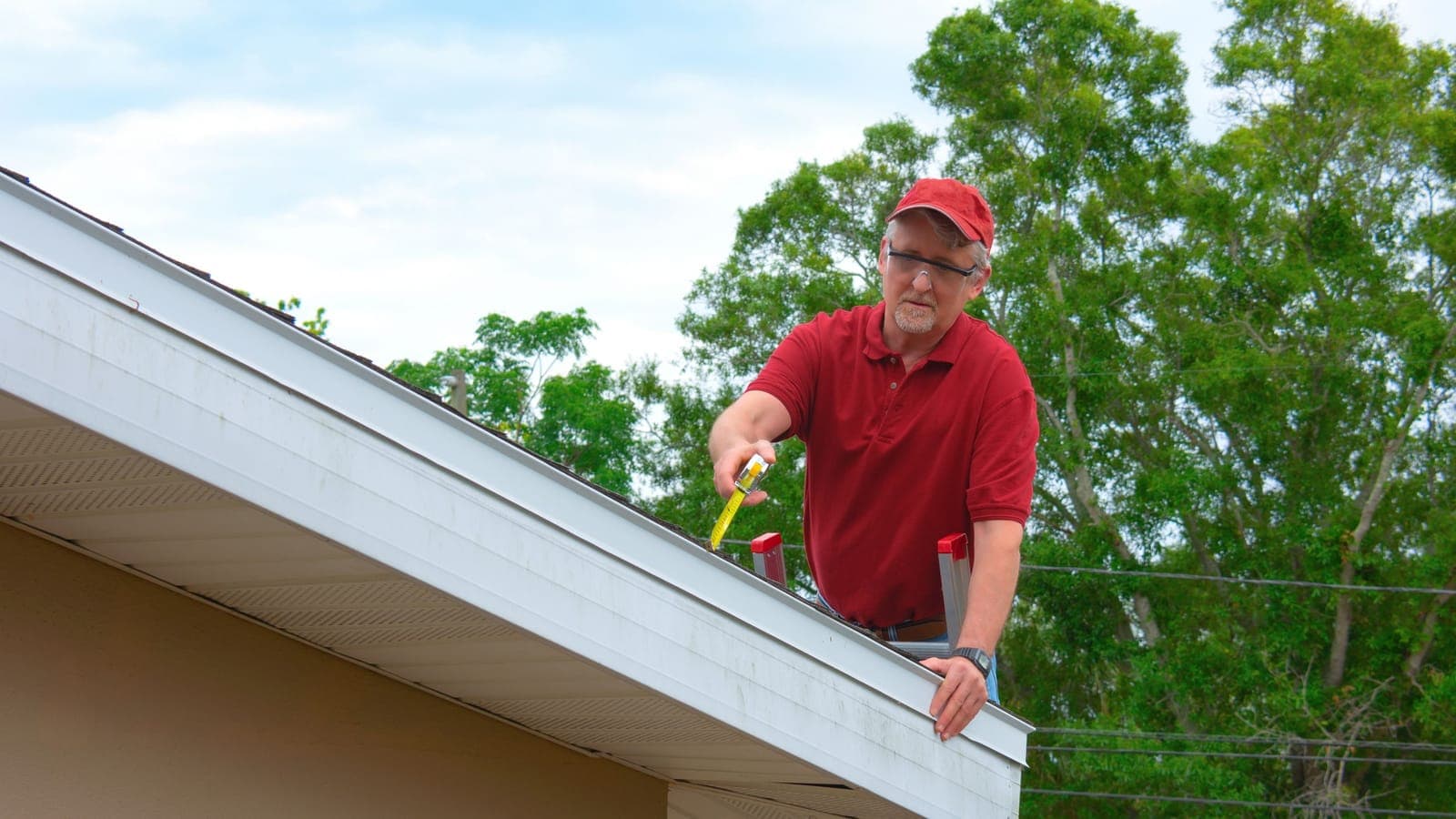
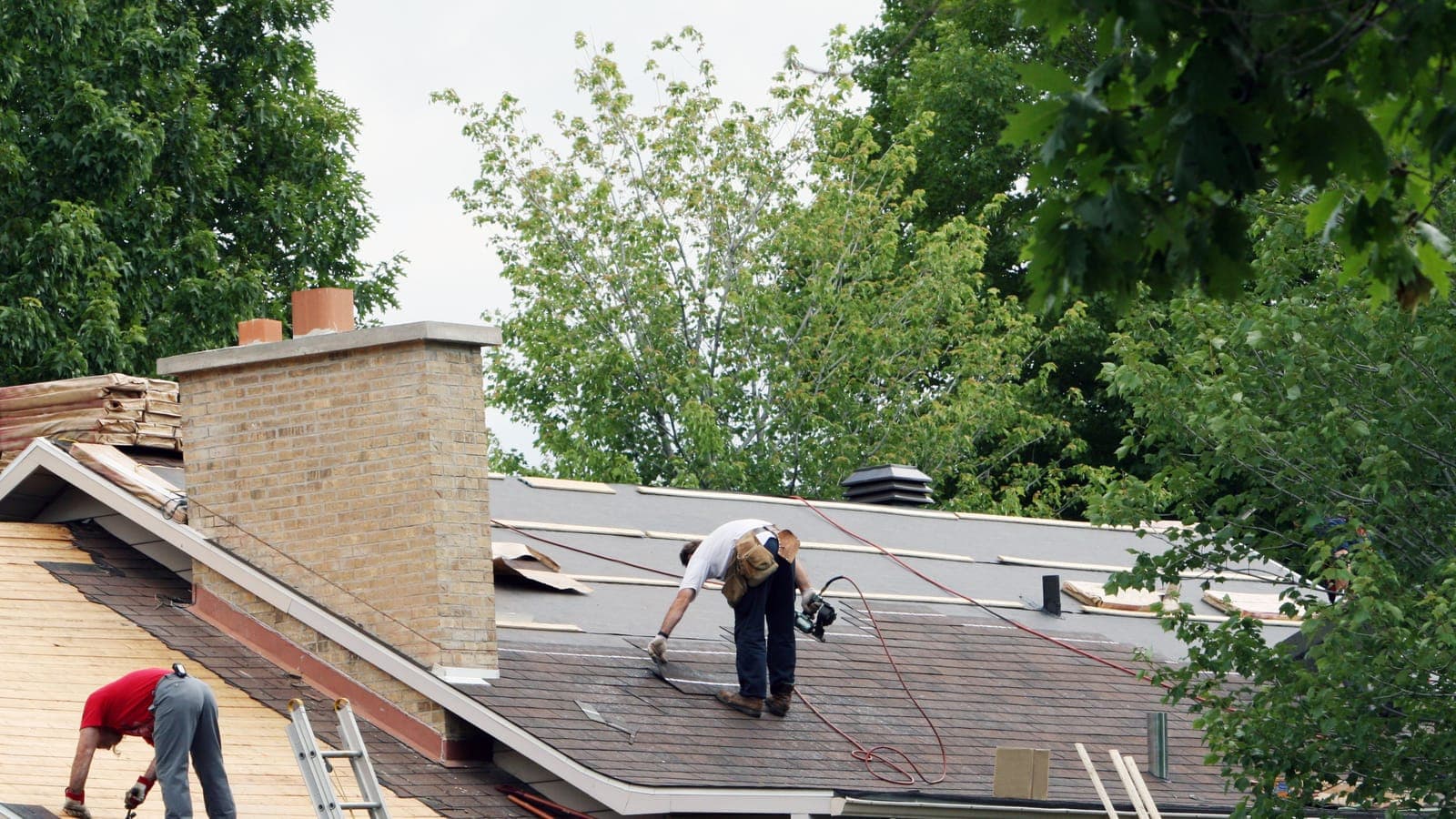
Roof work is dangerous. Do inspections from the ground with binoculars or from a ladder at the roof edge, and leave walking on the roof to professionals with proper safety equipment.
Keep Records of Your Roof
Keep a simple file with your roof's installation date, materials, contractor details, warranty documents, and repair history. These records help with insurance claims, warranty service, and future resale, and they make it easier to plan replacement on time.
Mistakes to Avoid
Ignoring small leaks or stains
Letting gutters overflow
Layering new shingles over badly damaged roofing
Overlooking attic ventilation
Climbing on steep or wet roofs
Final Thoughts
Knowing the basics of your roof helps you protect your home and plan ahead. Learn what your roof is made of, track its age, follow a seasonal upkeep routine, and call a professional when warning signs appear. A little attention each year can extend your roof's life and prevent costly surprises.