

Understanding the difference helps you ask the right questions, evaluate bids more confidently, and make a decision that actually makes sense for your home and budget.
The Basic Distinction
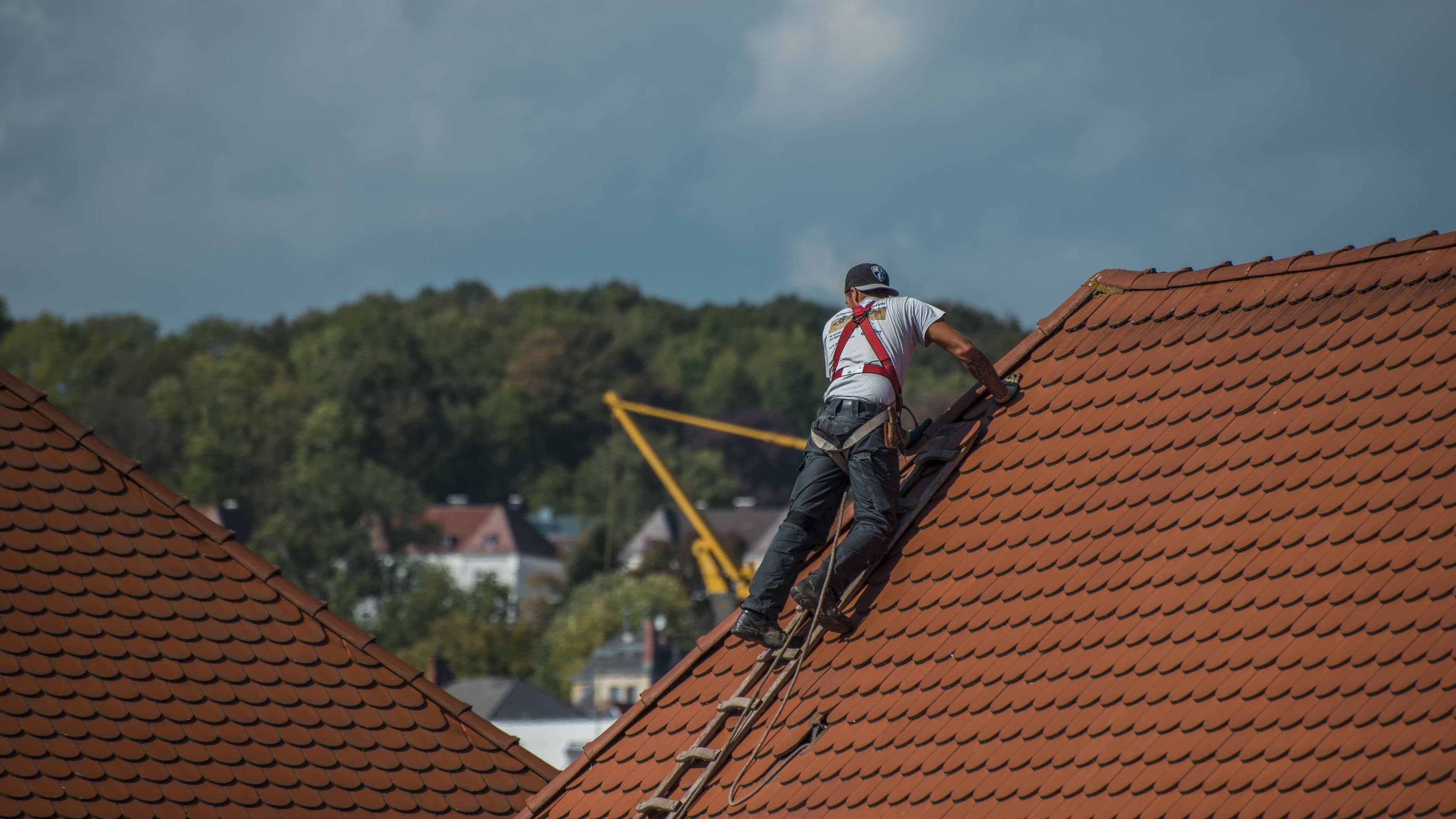
Roof repair addresses specific, localized damage. You're fixing a defined problem in a defined area – replacing a handful of damaged shingles, resealing flashing around a chimney, patching a section that took damage in a storm. The rest of the roof stays in place. Repair makes sense when the damage is isolated and the surrounding roof materials are in reasonable shape with life left in them.
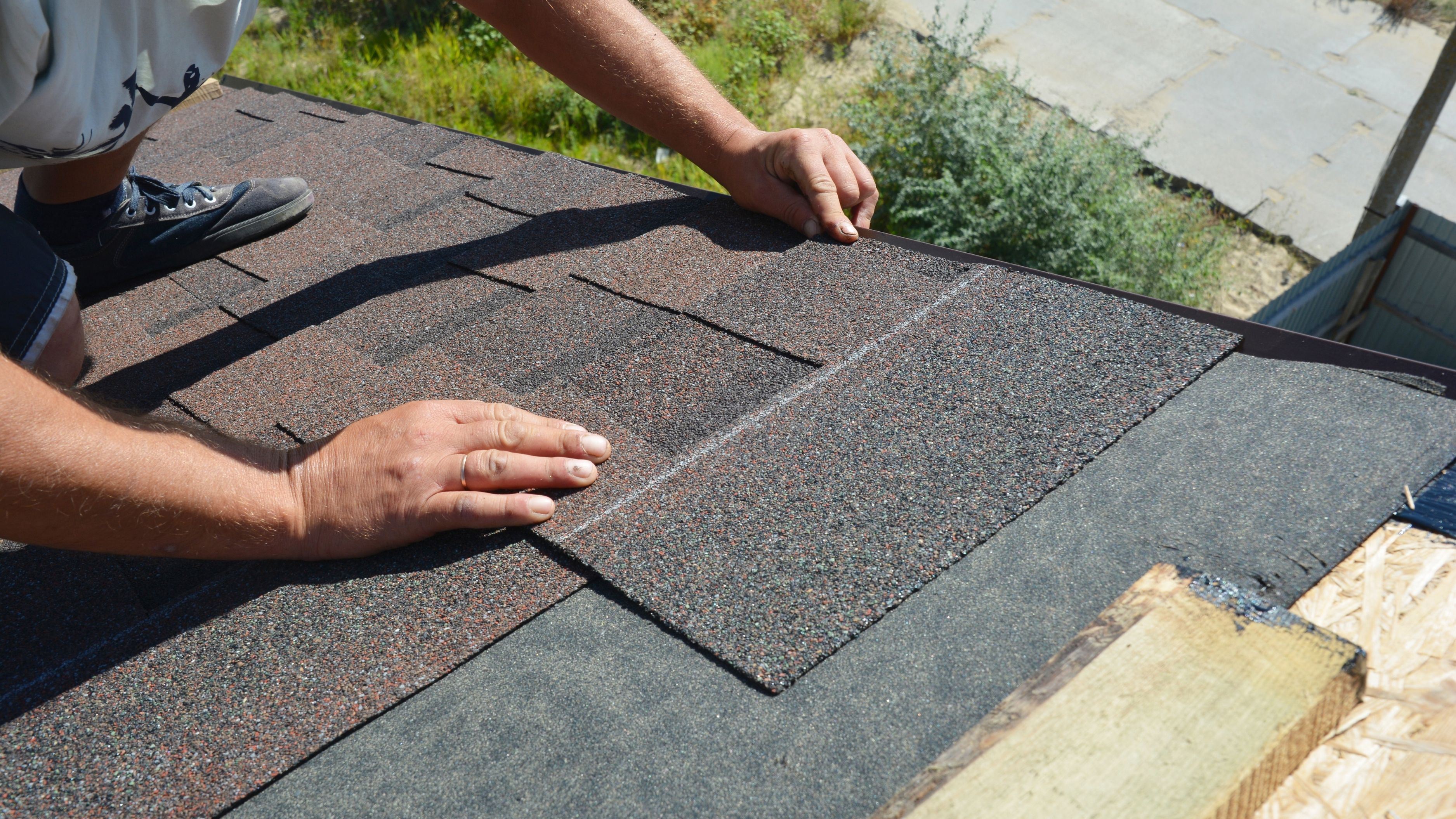
Roof replacement removes all the existing roofing material down to the decking and installs a completely new system. This includes new underlayment, new shingles or other roofing material, and often new flashing throughout. Replacement is the right call when the roof as a whole has deteriorated beyond what targeted repairs can address – or when damage is extensive enough that repair costs would approach replacement costs without giving you the longevity a new roof provides.
The core question is always this: is the problem confined to one area, or is it a symptom of a roof that's at the end of its useful life?
When Repair Is the Right Answer
Repair is typically appropriate in a few clear situations.
If the roof is relatively young – less than 10–12 years old for a standard asphalt shingle roof – and the damage is isolated, repair almost always makes more financial sense than replacement. A roof with 15 or more years of remaining life expectancy that has localized storm damage shouldn't come off entirely just because a section got hit by a falling branch.
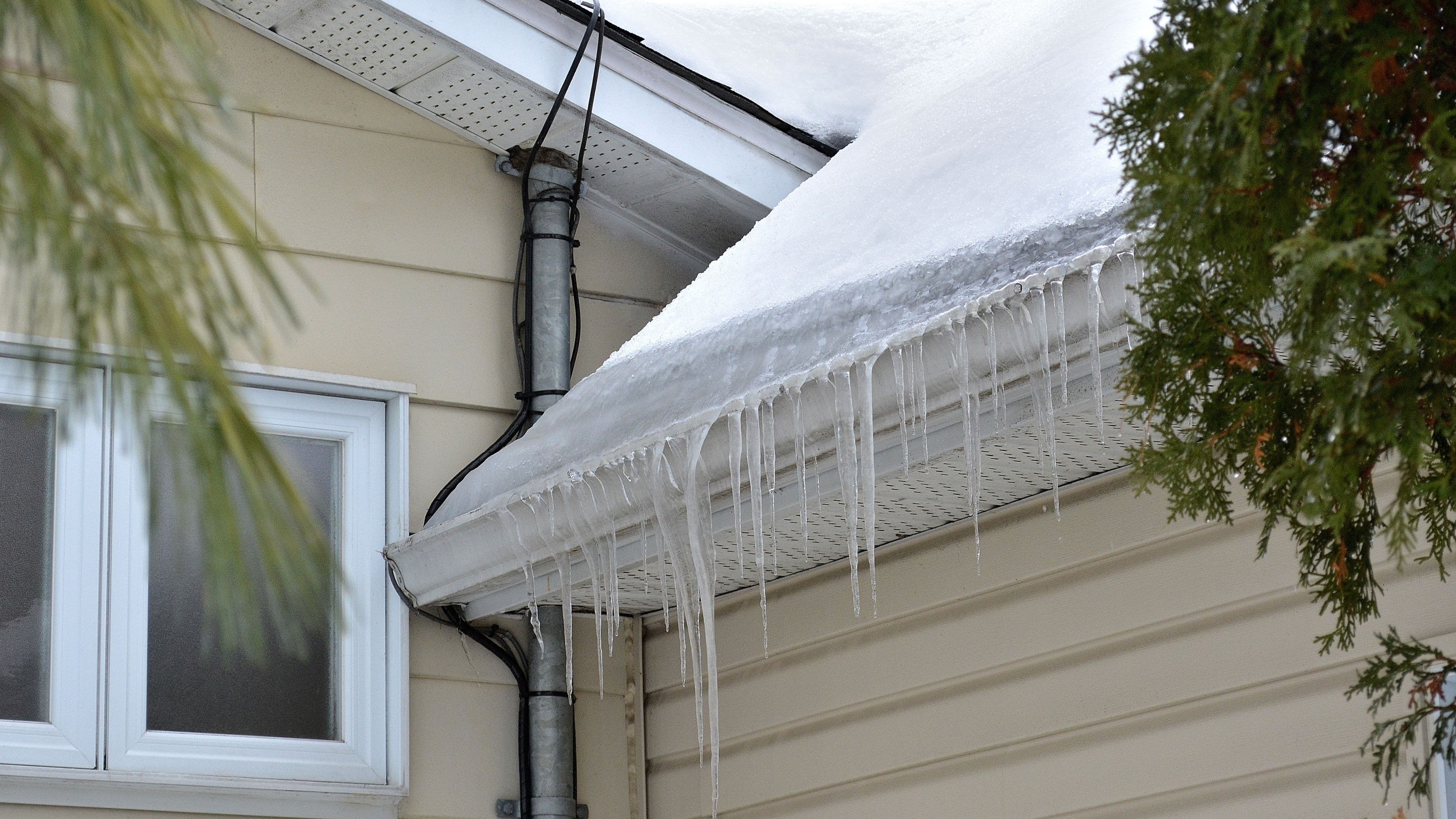
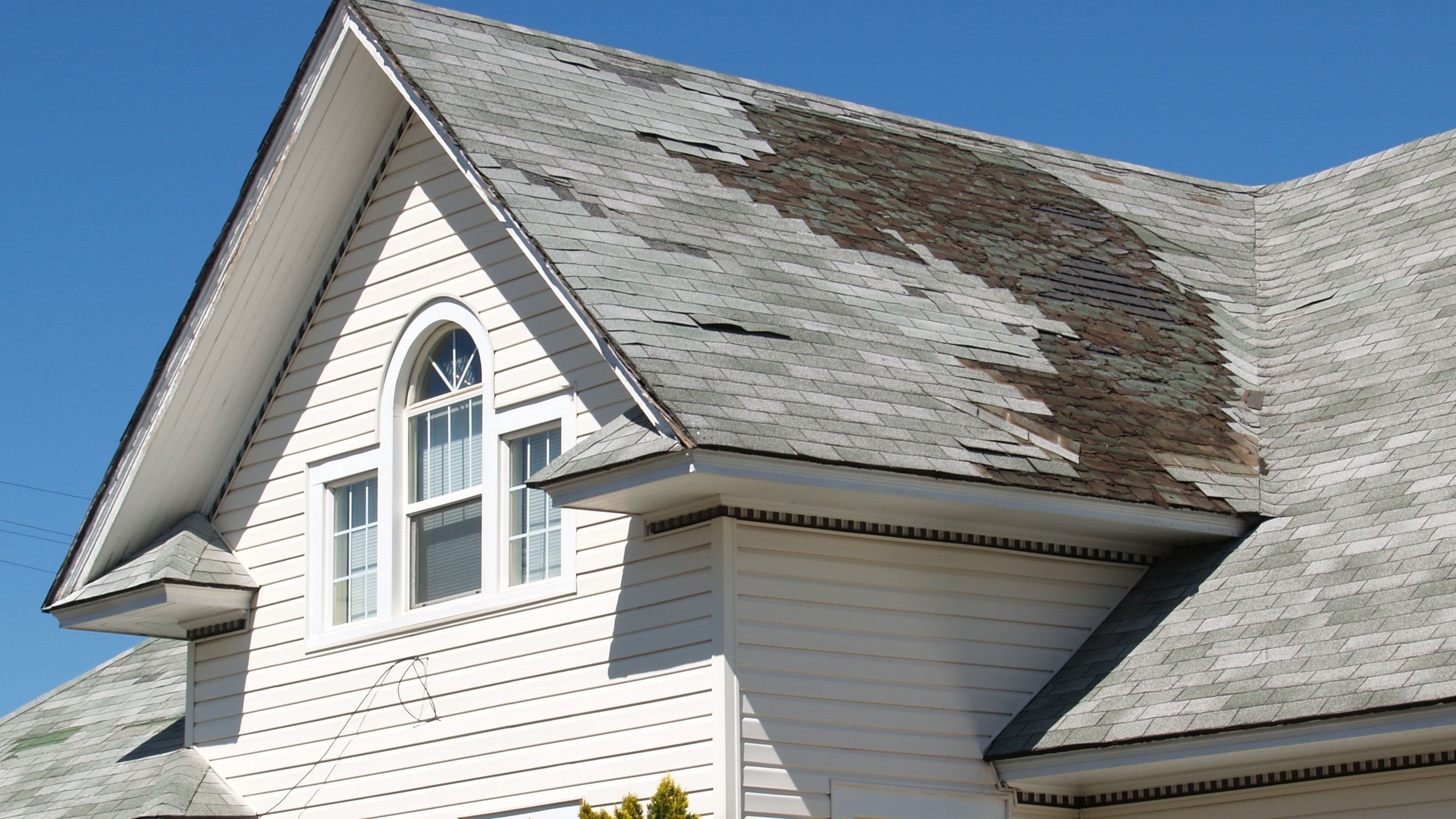
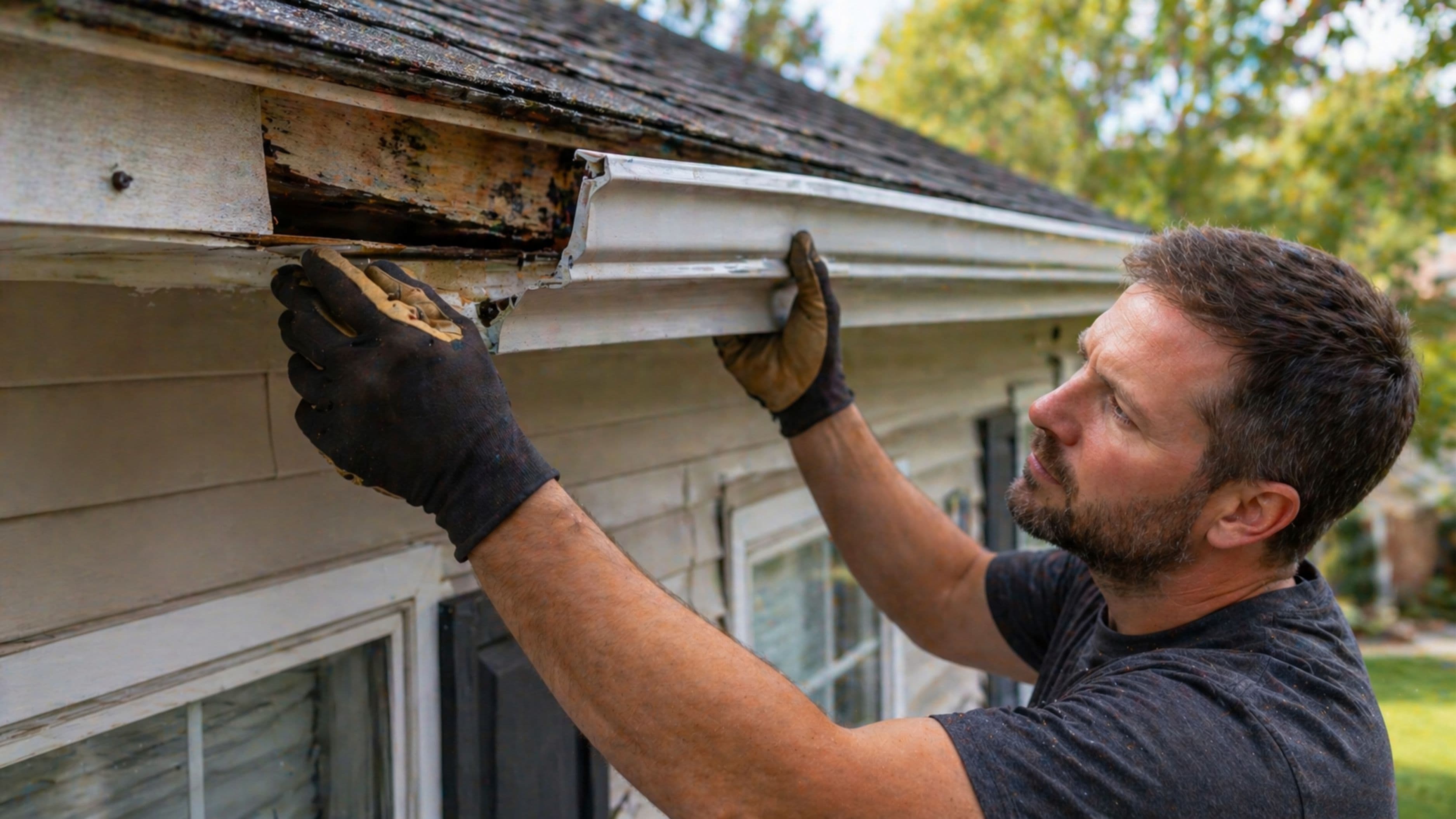
Specific repair scenarios that are well within the scope of targeted fixes: a few missing or lifted shingles after high winds, a cracked or deteriorated pipe boot (the rubber boot around plumbing vents), step flashing that has pulled away from a chimney or wall, a small section of ice dam damage at the eave, or a leaking skylight where the perimeter flashing has separated. These are defined problems with defined fixes.
Repair also makes sense as a bridge strategy when you know replacement is coming in a year or two but you need to stop an active leak now. A good patch job on a failing roof section can buy you a season while you save or plan for full replacement. Just be clear-eyed that you're managing a deteriorating roof, not fixing it.
When Replacement Is the Right Answer
Replacement becomes the right call when the issues are widespread rather than isolated. A few indicators that point toward replacement rather than repair:
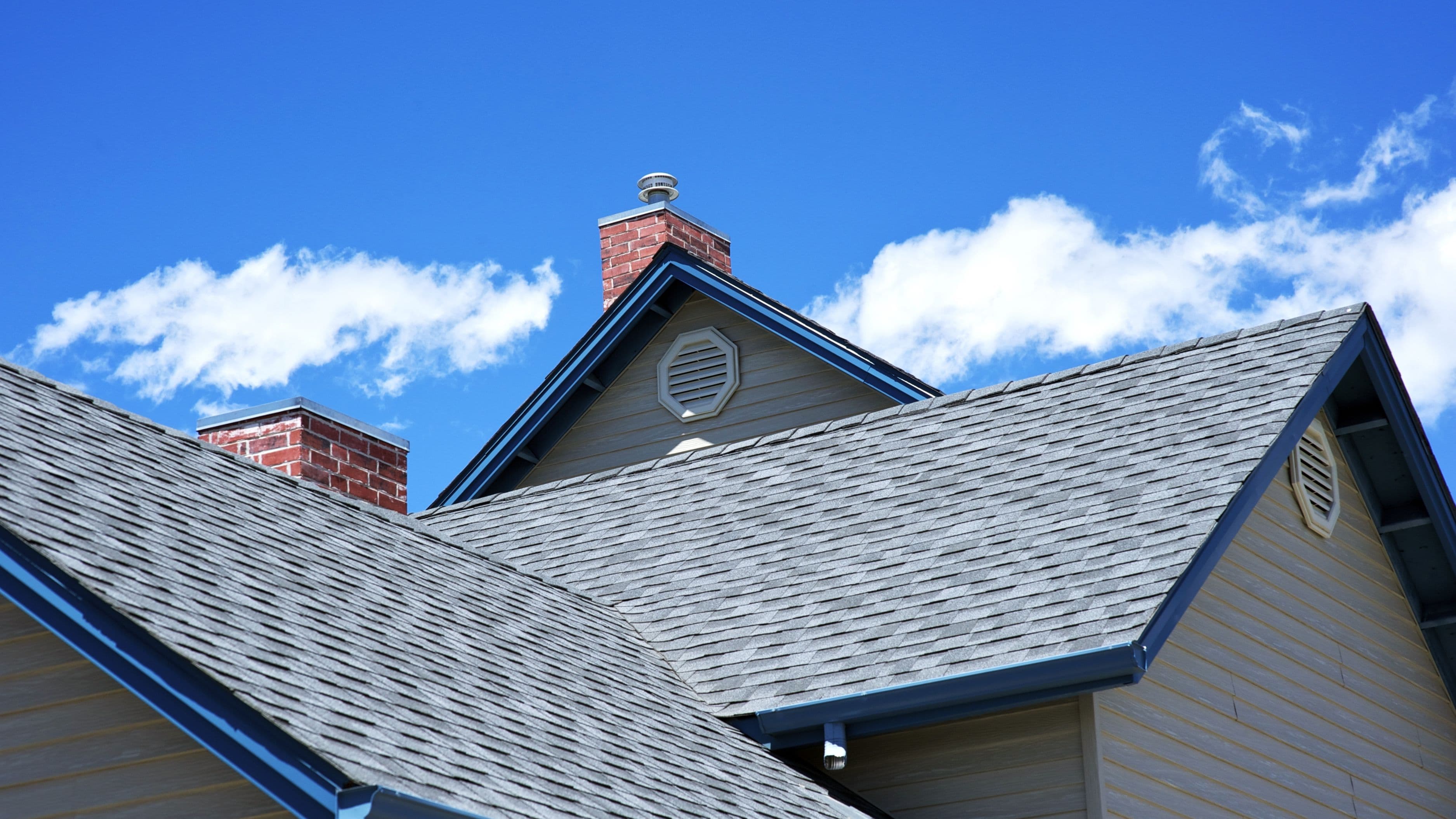
Roof age. Standard three-tab asphalt shingles have a lifespan of 15–20 years. Architectural (dimensional) shingles typically last 25–30 years. If your roof is at or past that range, repairs become a game of whack-a-mole – you fix one area and another develops problems within months. At that point, the money spent on repeated repairs is better applied toward a replacement that gives you a clean 20–30 year clock.
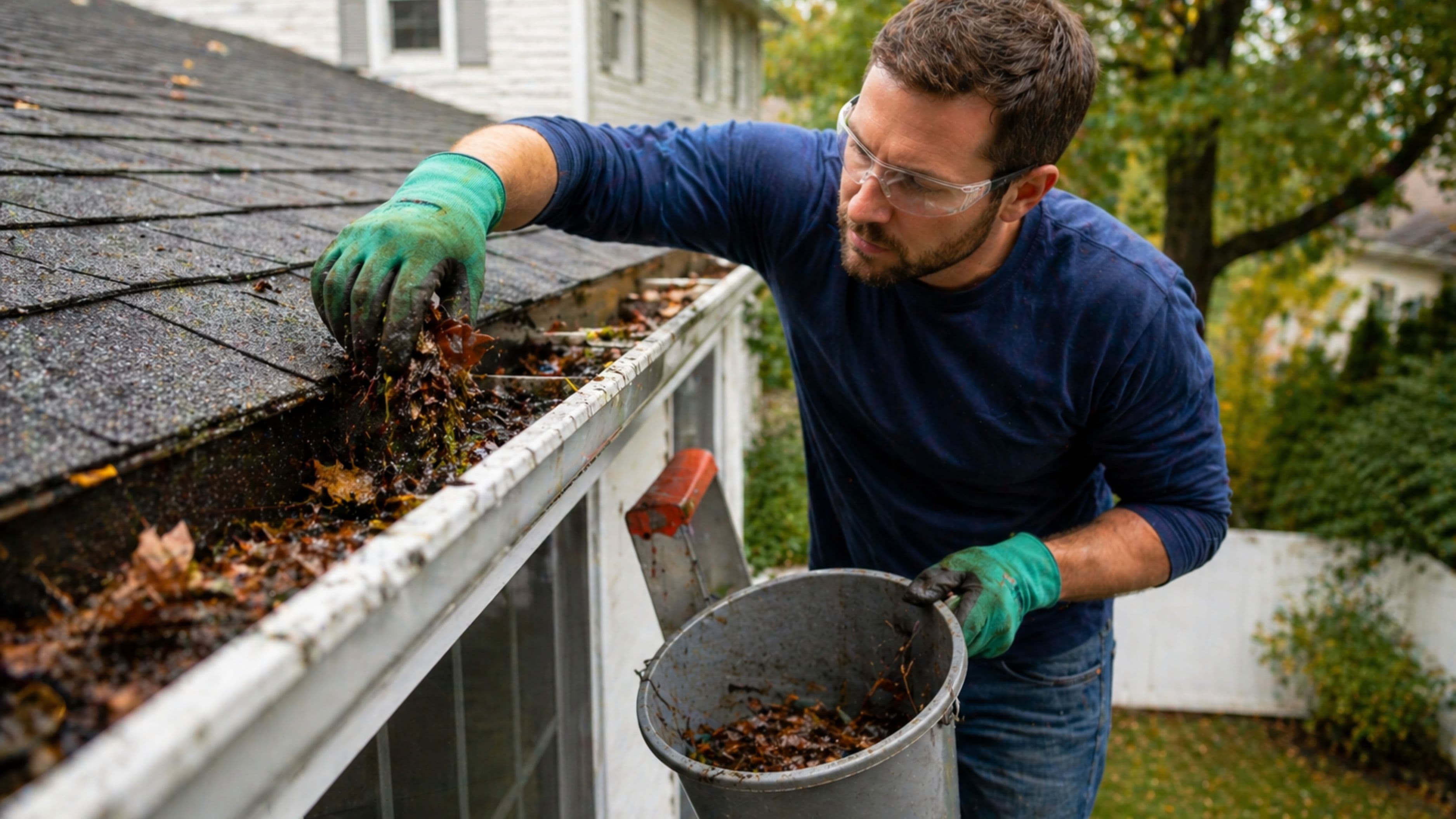
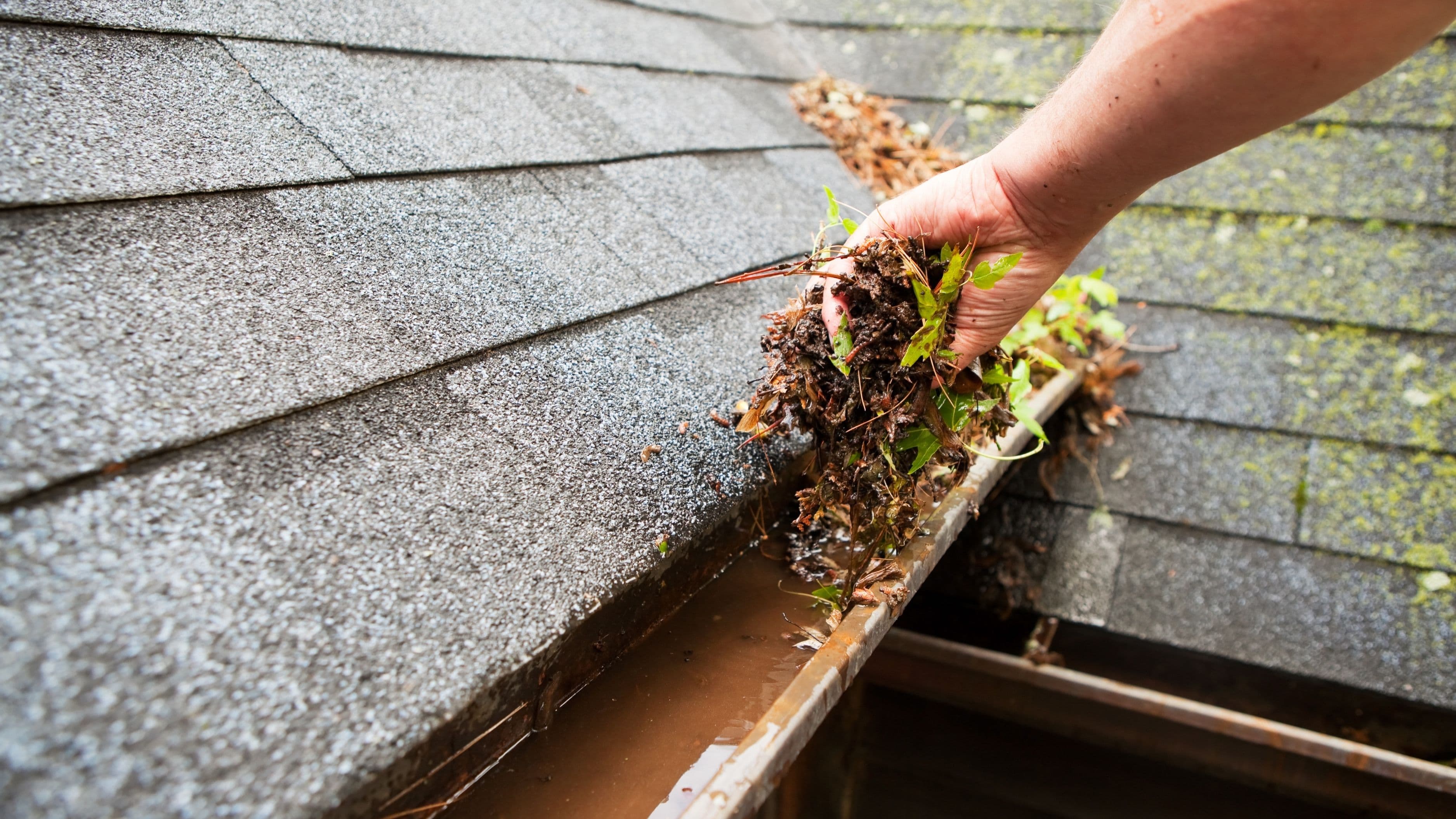
Widespread granule loss. Asphalt shingles rely on their granule coating for UV protection and waterproofing. When granules wear off broadly, the shingles dry out, crack, and lose their protective function. You'll see granules accumulating in gutters and at downspout outlets. Patches and spot repairs don't restore granule coverage to the surrounding field of shingles.
Multiple layers already in place. Most jurisdictions allow up to two layers of asphalt shingles. If your roof already has two layers, a third is not permitted by code, meaning any further work requires a full tear-off and replacement regardless of the extent of damage.
Widespread curling, cupping, or cracking. Shingles that are curling at the edges (called "cupping") or lifting at the center (called "clawing") indicate shingle degradation across the roof surface. These patterns aren't confined to one storm-hit section – they indicate the shingles themselves have aged out.
Significant decking damage. If water has been getting in long enough to rot or soften the plywood decking underneath the shingles, the problem goes beyond shingle replacement. Soft or spongy spots on the roof surface are a sign of this. Decking replacement adds substantially to repair costs and often brings the total close to or beyond what a full replacement would cost.
Major storm or structural damage. Hail damage that dents and cracks shingles across a wide area, a large fallen tree, or wind damage across multiple roof planes typically triggers an insurance claim and a full replacement. Partial repairs to a hail-damaged roof often don't satisfy insurance requirements either.
The Cost Comparison
This is where many homeowners make decisions they later regret – either spending too little on a repair that doesn't hold, or spending too much on a replacement that wasn't necessary yet.
Roof repairs range widely depending on the scope: a simple shingle patch might cost $150–$400. Flashing repair around a chimney runs $200–$500. Replacing a section of damaged decking adds another $200–$600 depending on area. Repairing storm damage to a defined section might run $500–$1,500.
Full roof replacement for a typical single-story home (1,500–2,000 square feet of roof surface) costs between $7,000–$15,000 for architectural asphalt shingles, depending on your region, roof pitch, and contractor. Metal roofing and premium materials run higher.
The decision framework most contractors use: if repair costs approach 30% or more of replacement cost, and the roof is in the latter half of its lifespan, replacement is usually the better financial decision. A $3,000 repair on a 22-year-old roof that will need replacement in two or three years is often worse value than putting that money toward a full replacement now.
Overlay vs. Full Tear-Off
When replacement is decided, there's a secondary question: can the new shingles be installed over the existing layer (called an overlay or re-roof), or does the old material need to come off first (a tear-off)?
Overlay is less expensive because it eliminates the labor cost of tearing off and disposing of old shingles. If your home currently has only one layer of shingles and the decking underneath is solid and flat, an overlay is a viable option that many homeowners choose.
The downsides of overlay: you add weight to the structure, you can't inspect or replace the decking without tearing off anyway, the new shingles conform to any irregularities in the old surface, and you're foregoing the opportunity to catch hidden decking problems. Most roofing professionals prefer full tear-off because it gives you a clean, inspected starting point. If your budget allows it, tear-off is generally the better long-term value.
What a Good Roofer Should Tell You
A trustworthy roofing contractor will show you what they found, not just tell you. When you get a repair or replacement bid, ask the contractor to walk you through the inspection findings. Specifically ask:
How old is the current roof, and what's the approximate remaining life expectancy on the sections not being addressed?
Is the decking solid throughout, or are there areas of concern?
Is the damage isolated, or is there evidence of wear elsewhere on the roof?
If you're recommending repair, how long realistically before I'm likely to be back here with another repair or a replacement?
A contractor who can't answer those questions clearly, or who immediately jumps to replacement without explaining why repair won't hold, deserves scrutiny. Get at least two bids on any job over $1,500. If one contractor recommends repair and another recommends replacement, ask both to explain their reasoning in specific terms – where exactly is the damage, and what will and won't hold with a repair?
Insurance Claims: Repair vs. Replacement
Homeowners insurance typically covers sudden, accidental damage – storm damage, hail, falling trees – but not gradual deterioration from age or lack of maintenance. Whether your insurer pays for repair or replacement depends on the extent of the damage and your policy terms.
Most policies pay actual cash value (what the damaged portion is worth at its current age) or replacement cost value (what it costs to replace with equivalent new materials), depending on your coverage level. If hail damage is widespread across the roof, most insurers will cover a full replacement rather than patching individual sections, because mismatched shingles and partial repairs don't restore the roof to a uniform condition.
When filing a claim, document the damage thoroughly with photos before any work is done. If the adjuster recommends repair but your contractor says the damage warrants replacement, you can request a re-inspection or bring in a public adjuster to represent your interests.
Common Mistakes to Avoid
Patching over active moisture damage without addressing the source is the most common and costly mistake. If water has been getting in long enough to saturate insulation or stain ceiling drywall, the wood underneath has likely been wet for months. Putting new shingles over compromised decking just delays the problem.
Choosing the cheapest bid without evaluating what's included is another frequent issue. A low bid that includes an overlay on questionable decking may look attractive until you're replacing that roof again in seven years instead of twenty. Ask exactly what's included, what materials are being used, and whether there's a workmanship warranty.
Don't skip the warranty conversation. Manufacturer warranties on architectural shingles cover material defects, but contractor workmanship warranties cover installation errors – which are actually the more common source of premature failures. A reputable contractor offers a workmanship warranty of at least two to five years.
FAQ
Can I repair just one side of the roof and leave the other? Yes, if the damage is genuinely isolated to one slope or section and the rest of the roof is in good condition. The repaired section won't match exactly in color (shingles fade over time), but functionally there's nothing wrong with partial-slope repairs when the scope is appropriate.
How long does a roof repair typically last? A well-executed repair on a roof that still has life in it can last many years. A repair on an aging roof that's deteriorating broadly may hold for one to three seasons before another area develops problems. The repair itself isn't the variable – the condition of the surrounding roof is.
What happens if I ignore a small leak? Small leaks don't stay small. Water that enters the attic deteriorates wood sheathing and framing over months, creates conditions for mold growth, and can damage insulation, drywall, and eventually structural elements. A $300 repair ignored for a year can become a $3,000 problem.
Does roof replacement increase home value? Yes, measurably. A new roof is one of the better returns on investment in home improvement for resale purposes. Buyers factor roof age and condition heavily into offers, and a failing roof can kill a deal or require a price reduction that exceeds what replacement would have cost.
Is it ever worth repairing a very old roof? If the roof is 25+ years old and failing in multiple areas, repair is generally throwing money at a losing situation. The one exception is if you're planning to sell within a year and a targeted repair is enough to pass inspection and hold through the sale – in that case, a documented repair with a short runway can make more sense than a full replacement you won't recoup in the sale price.
📚 Sources
Roof replacement vs. repair guide – National Roofing Contractors Association: https://www.nrca.net/roofing-knowledge/consumer-resources
Asphalt shingle lifespan and performance – Asphalt Roofing Manufacturers Association: https://www.asphaltroofing.org/homeowner-resources/
Homeowners insurance and roof claims – Insurance Information Institute: https://www.iii.org/article/does-homeowners-insurance-cover-roof-damage
Roof decking inspection guidance – Fine Homebuilding: https://www.finehomebuilding.com/2019/04/11/inspecting-roof-sheathing
Hail damage and insurance claims – IBHS: https://ibhs.org/hail/