

What's Actually Causing That Smell
Hydrogen sulfide gas is produced by bacteria breaking down organic matter, and it has that unmistakable rotten egg odor even in very small concentrations. In a sink drain, this bacteria typically thrives in one of a few specific locations: trapped organic buildup inside the drain itself, a dry P-trap that's stopped blocking sewer gas from coming back up, or occasionally, an issue further down in your home's plumbing or water supply.
Figuring out which of these you're dealing with determines whether you're looking at a five-minute fix or something that needs more attention.
Cause 1: Organic Buildup in the Drain
The most common cause by far is a buildup of soap scum, hair, food residue, and general grime lining the inside of the drain pipe, which becomes a breeding ground for the bacteria producing this smell. This is especially common in bathroom sinks where soap and toothpaste residue accumulate, and kitchen sinks where food particles and grease build up over time.
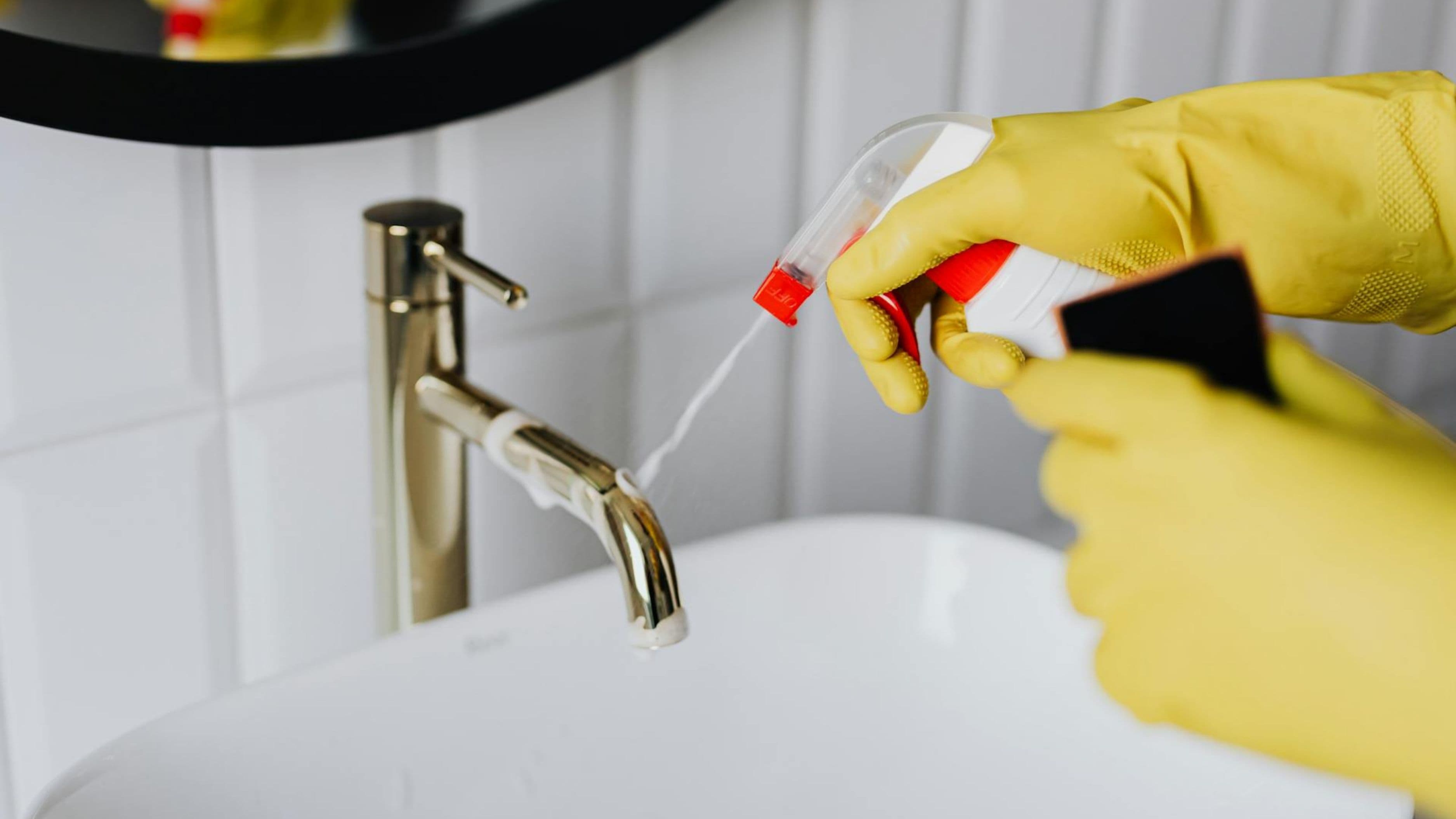
How to fix it: Remove the drain stopper if your sink has one, and use a flexible drain brush to physically scrub the inside of the drain pipe as far down as it will reach. Follow this with a mixture of half a cup of baking soda followed by half a cup of white vinegar poured directly into the drain, letting it fizz and sit for about 15 minutes before flushing with hot water. This combination breaks down organic buildup without the harsh chemicals found in many commercial drain cleaners.
Cause 2: A Dry P-Trap
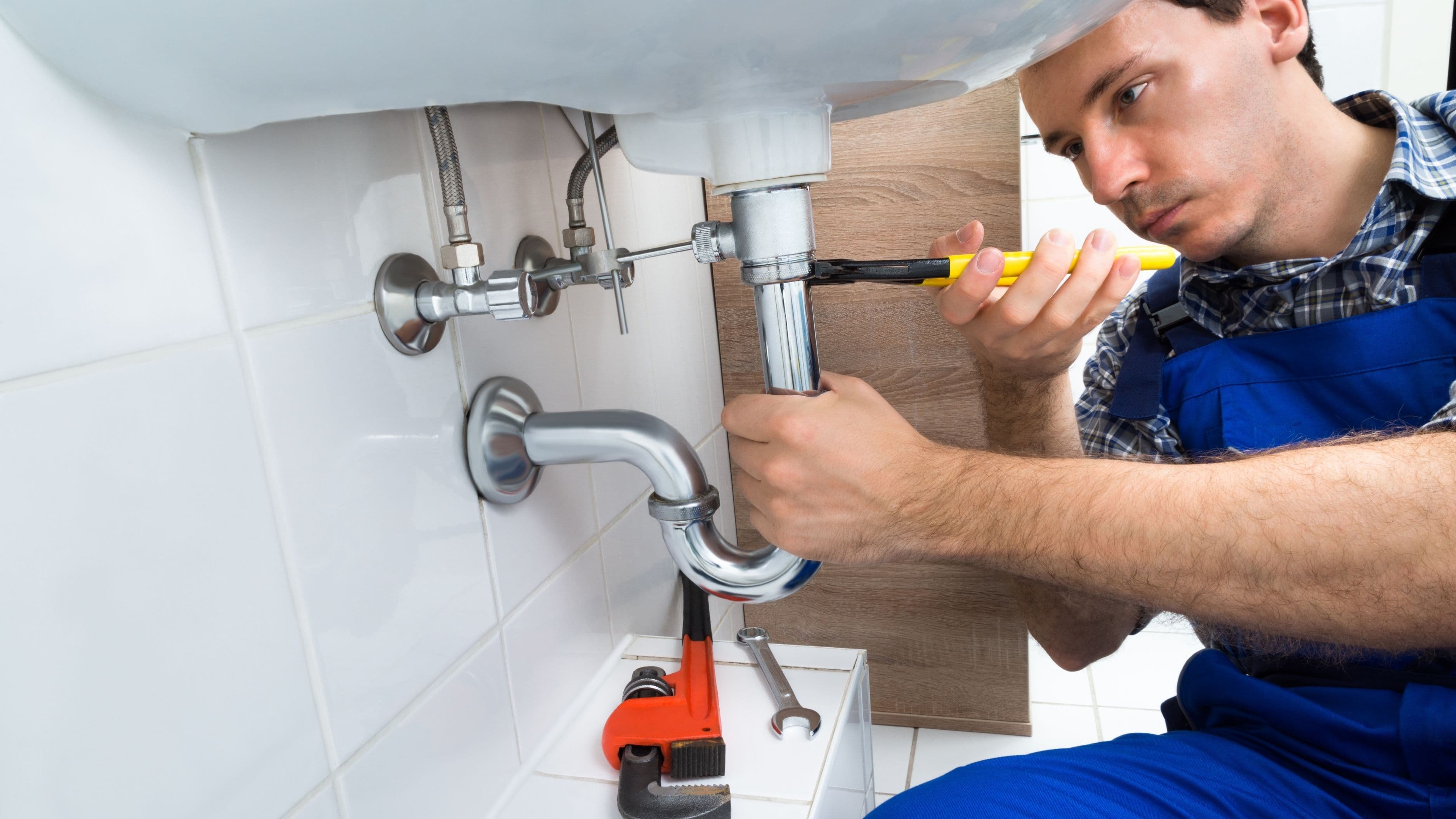
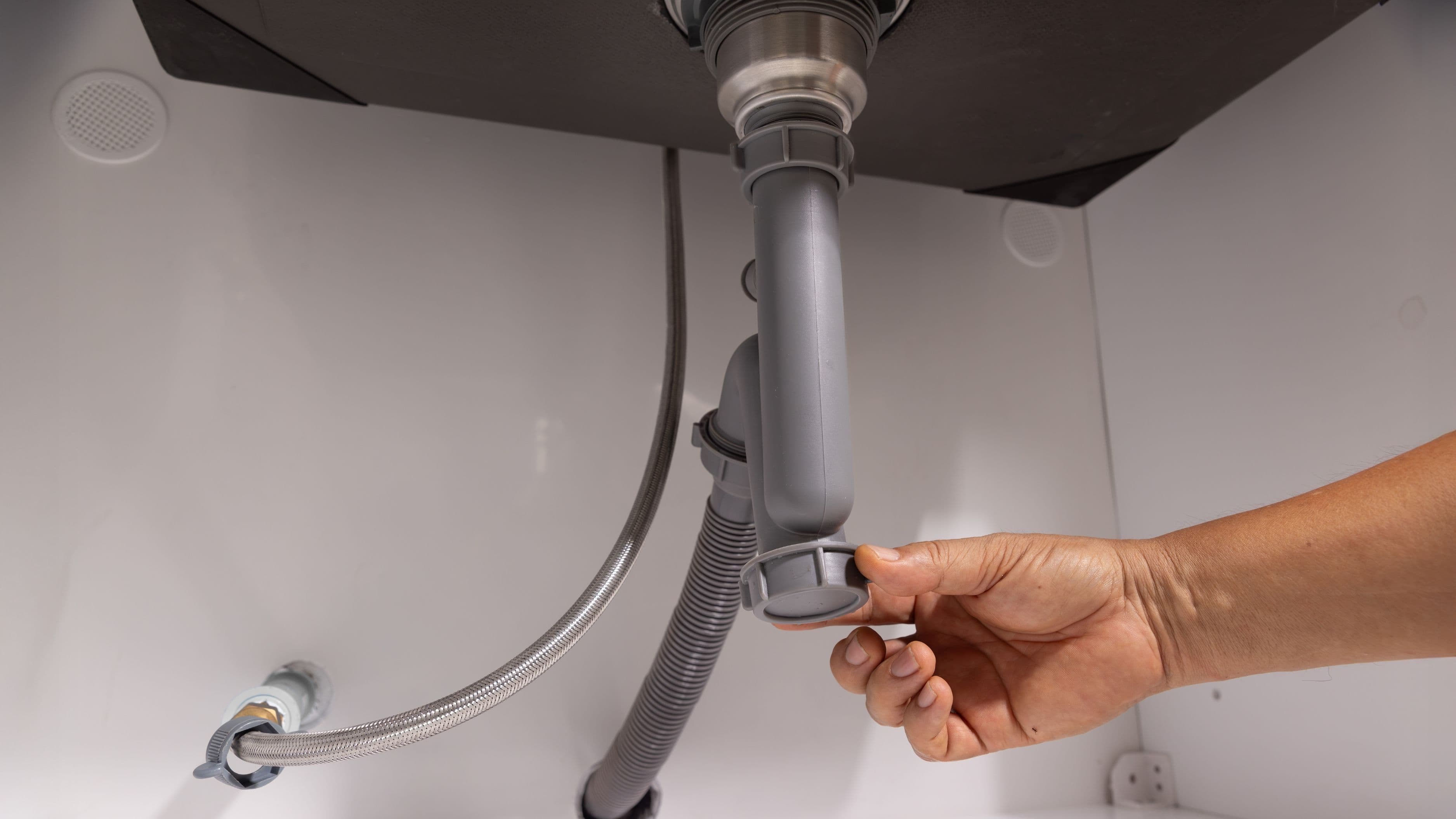
The P-trap, the curved section of pipe under your sink, is designed to hold a small amount of water at all times, which creates a barrier blocking sewer gas from coming up through the drain into your home. In sinks that aren't used often – a guest bathroom, a laundry room sink, or a rarely-used kitchen sink – this water can evaporate over time, breaking that seal and allowing sewer gas smell to come through directly.
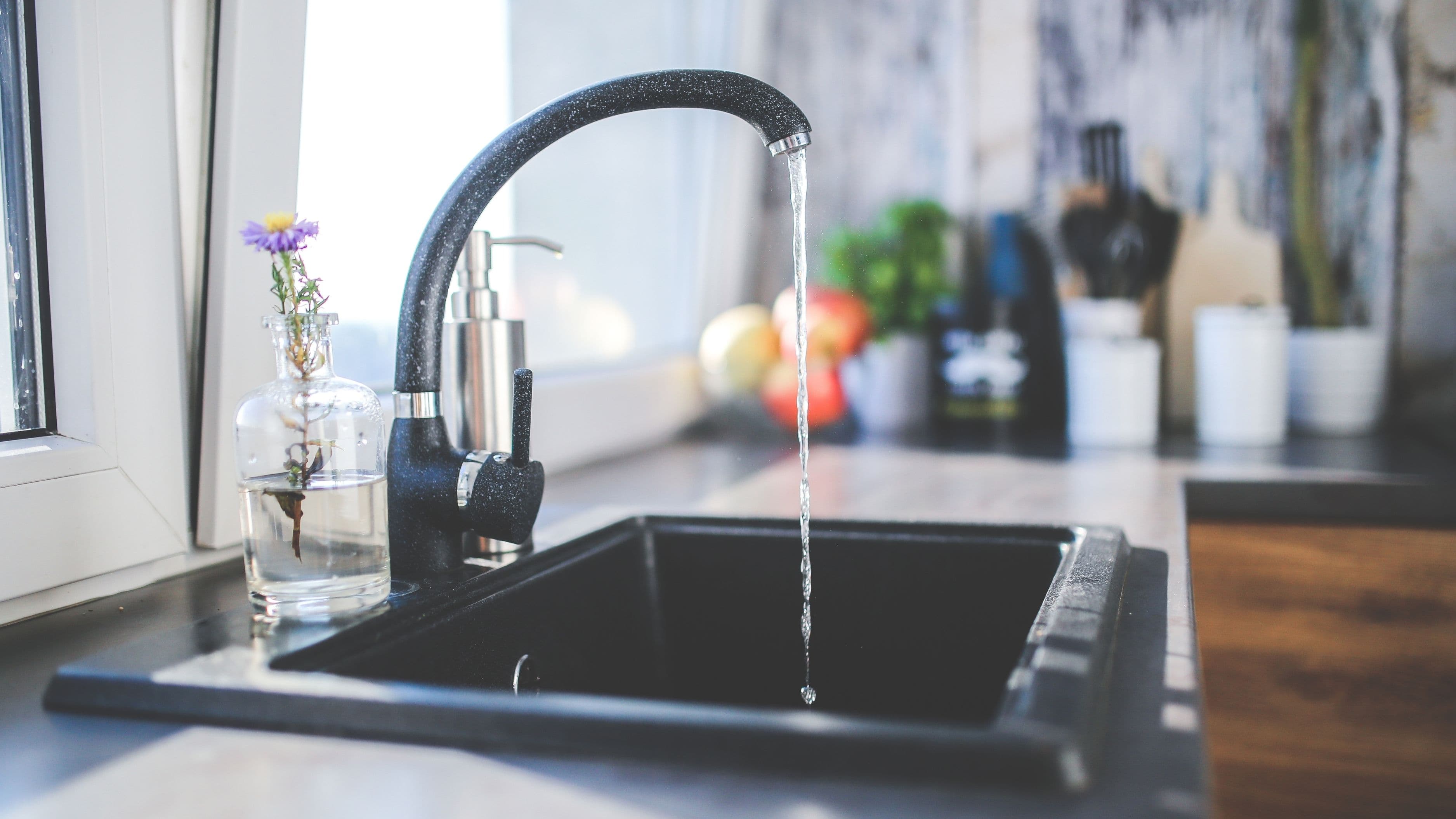
How to fix it: Simply run water in the affected sink for 30 seconds to a minute to refill the trap. If the smell disappears immediately, this was your issue, and the fix is as simple as running that sink more regularly, or periodically if it's not used often, to keep the trap filled.
Cause 3: Biofilm in the Overflow Drain
Many bathroom sinks have a small overflow opening near the top of the basin, designed to prevent flooding if a faucet is left running. This opening connects to the same drain system but is rarely cleaned, making it a common hidden source of the same bacterial buildup causing the smell, even after you've cleaned the main drain thoroughly.
How to fix it: Pour a mixture of diluted bleach or the same baking soda and vinegar combination directly into the overflow opening, then flush with hot water. A small funnel or turkey baster can help direct the solution precisely into this often-overlooked opening.
Cause 4: Water Heater Issues (Less Common, But Worth Ruling Out)
If the smell is present in hot water specifically, across multiple fixtures in your home rather than just one sink, the cause may actually be your water heater rather than the drain itself. This typically happens when the magnesium anode rod inside an electric water heater reacts with sulfate bacteria in the water supply, producing the same hydrogen sulfide smell, but through the water itself rather than the drain.
How to identify this: Run only cold water in the affected sink. If the smell disappears with cold water but returns with hot water, and this pattern shows up in multiple fixtures throughout your home, the water heater is the more likely source, and this typically requires a professional to address, often through anode rod replacement or a water heater flush.
Common Mistakes
Relying solely on strong chemical drain cleaners as a first response often masks the smell temporarily without addressing the underlying organic buildup causing it, and repeated heavy chemical use can actually damage older pipes over time. Ignoring a rarely-used sink's dry trap issue, assuming it will resolve itself, also tends to let the smell linger far longer than the simple fix actually requires.
Safety Notes
Never mix bleach and vinegar together, since this combination produces toxic chlorine gas – if you're trying both approaches, always flush thoroughly with plain water between using different cleaning solutions. Ensure good ventilation whenever using any chemical drain treatment, and avoid combining multiple commercial drain cleaning products, since their exact chemical compositions can react unpredictably together.
FAQ
How long does the baking soda and vinegar method take to work? Most drains show noticeable improvement immediately after the hot water flush, though for more significant buildup, repeating the process every few days for a week may be needed for the smell to fully clear.
Is a rotten egg smell from a drain dangerous? In typical household concentrations from a drain issue, it's unpleasant but not usually dangerous. If the smell is very strong throughout your home rather than isolated to a drain, or paired with other symptoms, it's worth having a professional check for a more serious underlying issue.
When should I call a plumber instead of trying to fix this myself? If the smell persists after trying the drain-cleaning and P-trap fixes, or if it's coming from your hot water across multiple fixtures, a plumber can identify issues further in your plumbing or water heater system that aren't accessible with basic drain maintenance.
Most rotten egg smells from a sink drain trace back to something you can fix yourself in under an hour – organic buildup, a dry trap, or an overlooked overflow opening. If the smell persists after ruling those out, particularly if it's tied to hot water throughout your home, that's the point to bring in a professional.
📚 Sources
EPA: Hydrogen Sulfide and Water Quality – https://www.epa.gov/ground-water-and-drinking-water
This Old House: How to Fix a Smelly Drain – https://www.thisoldhouse.com/plumbing
CDC: Hydrogen Sulfide Gas Safety – https://www.cdc.gov/niosh/topics/hydrogensulfide/