
Getting the size right means understanding that square footage is only the starting point. Your climate, the severity of the moisture problem, and the specific space you're dehumidifying all factor into which unit will actually solve the problem. This guide walks you through the whole calculation so you can buy with confidence.
What "Size" Actually Means for a Dehumidifier
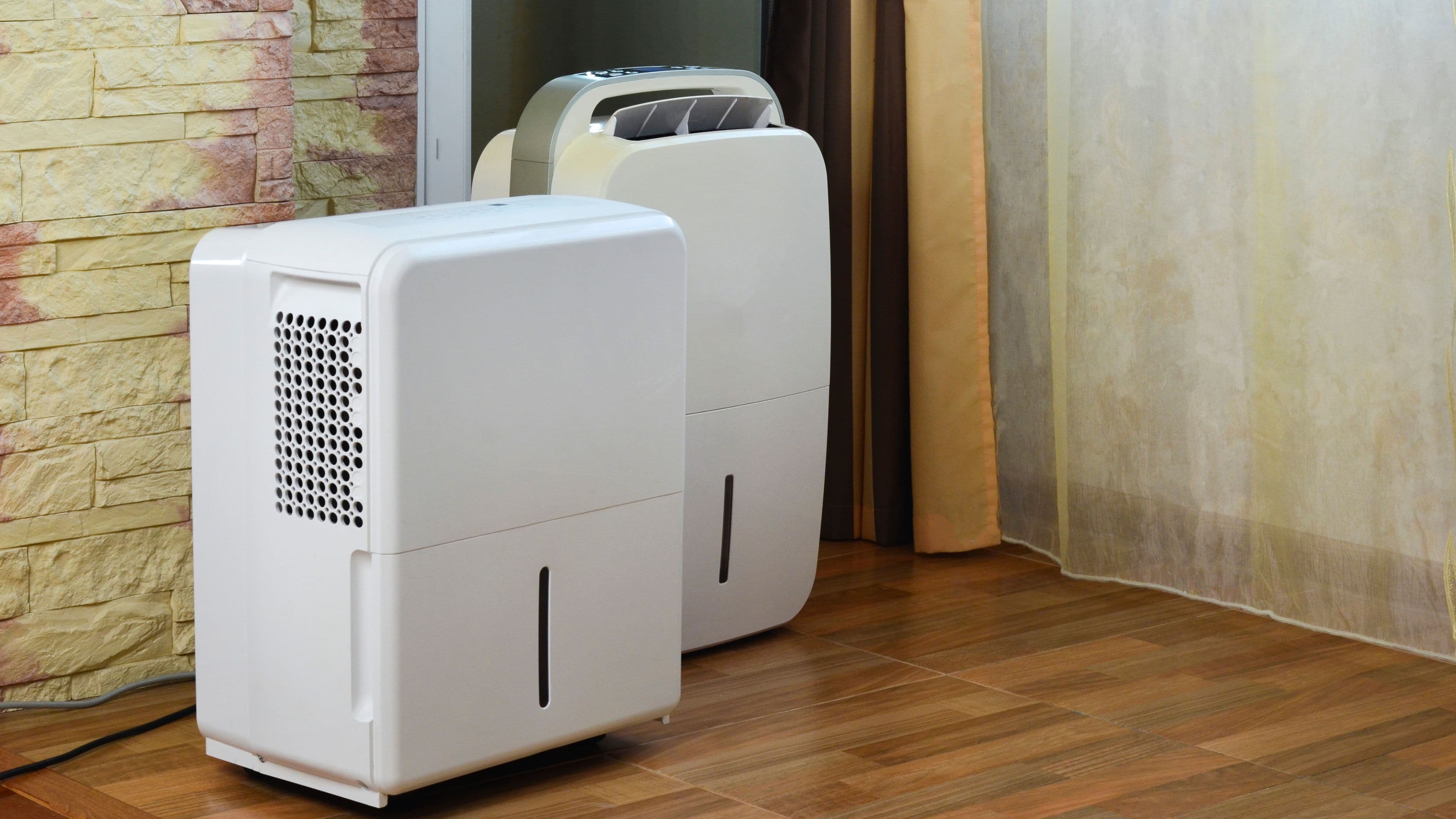
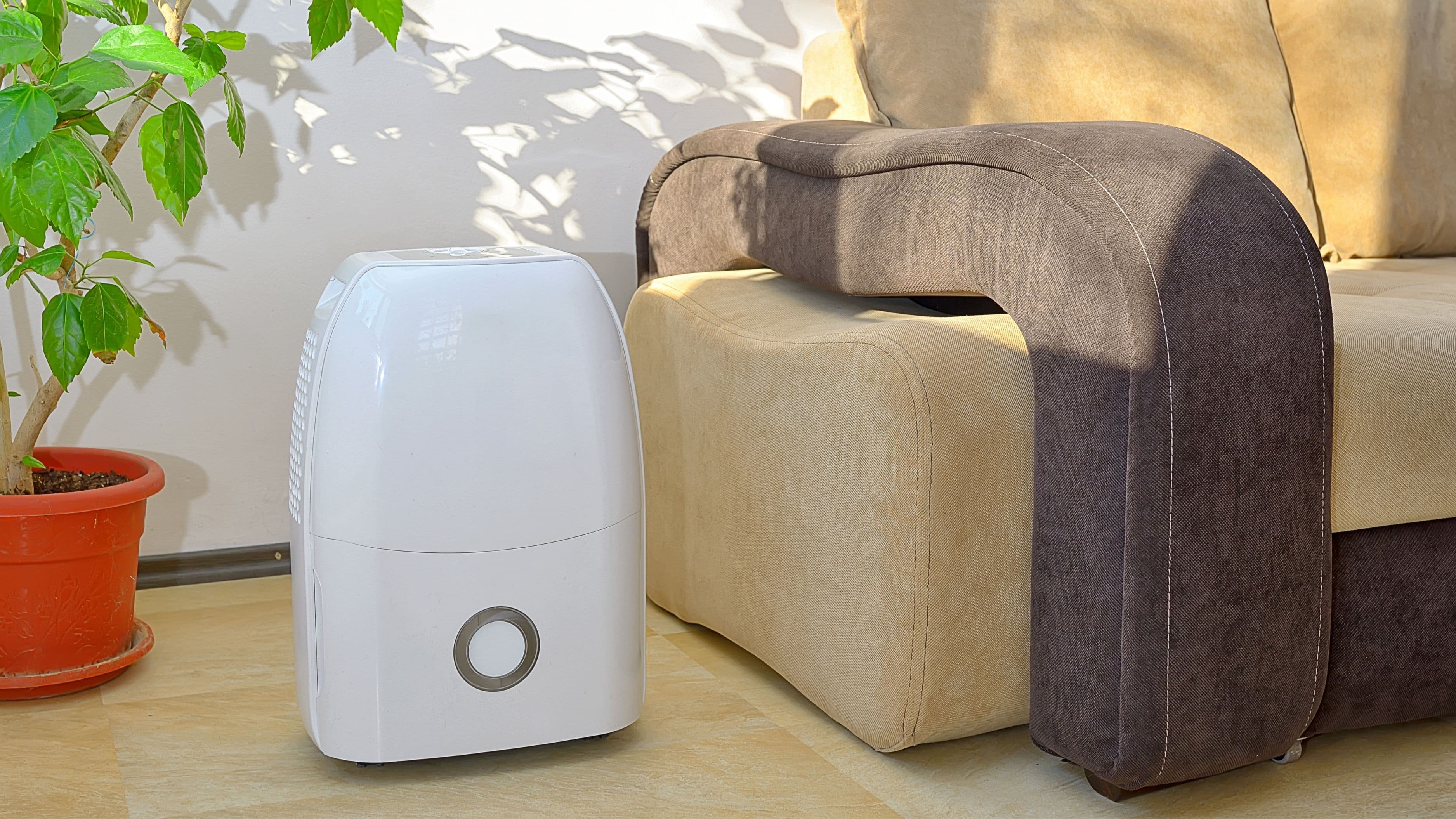
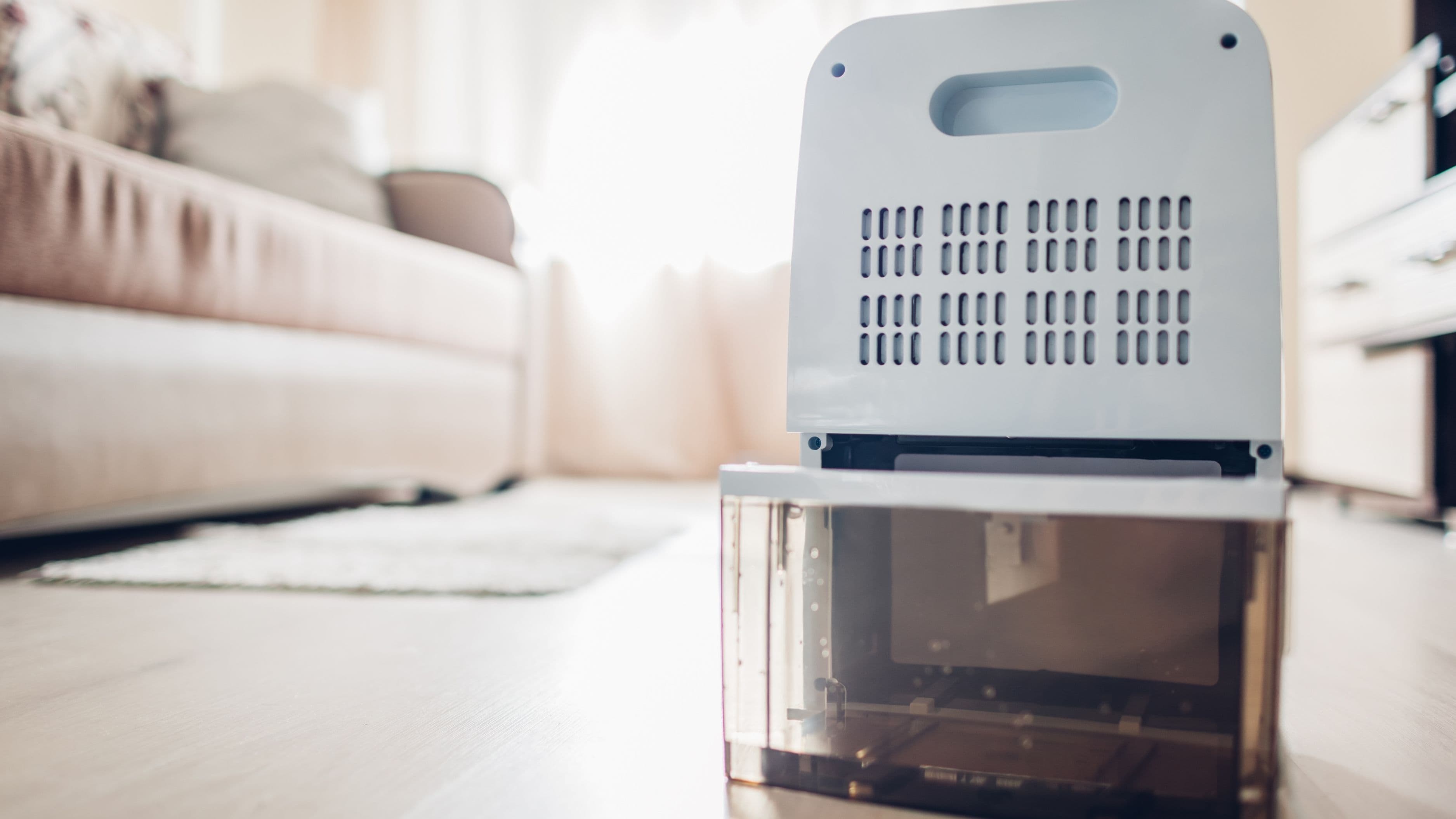
Dehumidifier capacity is measured in pints per day – specifically, how many pints of moisture the unit can remove from the air in 24 hours under standard test conditions. You'll see units rated at 30, 50, 70, and up to 140+ pints per day. Higher pint rating means more moisture-removal capacity, which is what you need for larger spaces or more severe humidity problems.
One thing worth knowing: the pint ratings changed significantly in 2020 when the Department of Energy updated its testing standards. Older units were tested at 80°F and 60% relative humidity; newer units are tested at the stricter 65°F and 60% RH condition, which is closer to real-world basement temperatures. A new 50-pint unit under the current standard actually performs more like a 70-pint unit under the old standard. If you're replacing an older dehumidifier, don't assume you need the same pint rating – you likely need a lower one than you'd expect, or you may find that the newer equivalent outperforms your old unit considerably.
Step 1: Measure the Space You're Treating
Start by measuring the square footage of the space where the dehumidifier will be located. For a basement, measure the full floor area. For a crawlspace or single room, measure that specific space. If you're using a portable dehumidifier to treat one area, it's the footprint of that area that matters – not the total square footage of your house.
To get an accurate measurement, multiply the length by the width of the space in feet. A 30-foot by 40-foot basement is 1,200 square feet. A 20-foot by 25-foot living room is 500 square feet. If the space has an unusual shape, break it into rectangles, calculate each section, and add them together.
For whole-home dehumidifiers that integrate with your HVAC ductwork, the relevant figure is the total conditioned square footage of your home – all the living space the ducts serve, including upper floors.
Step 2: Assess the Severity of Your Moisture Problem
Square footage alone doesn't determine the right capacity. A 1,000-square-foot basement with a minor musty smell needs a different unit than a 1,000-square-foot basement where water seeps in after rain and condensation forms on the walls in summer. Moisture severity significantly changes the capacity you need.
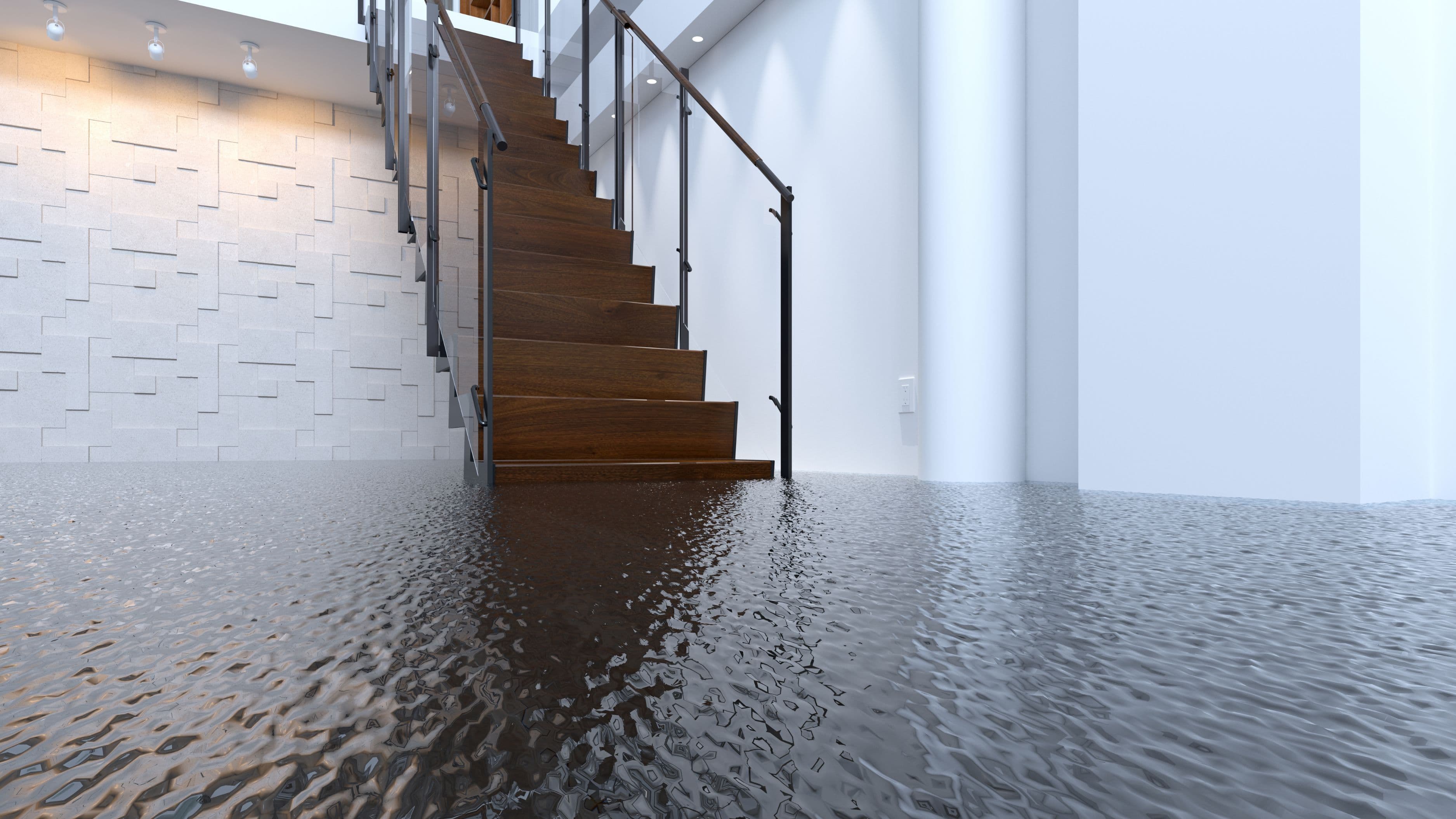
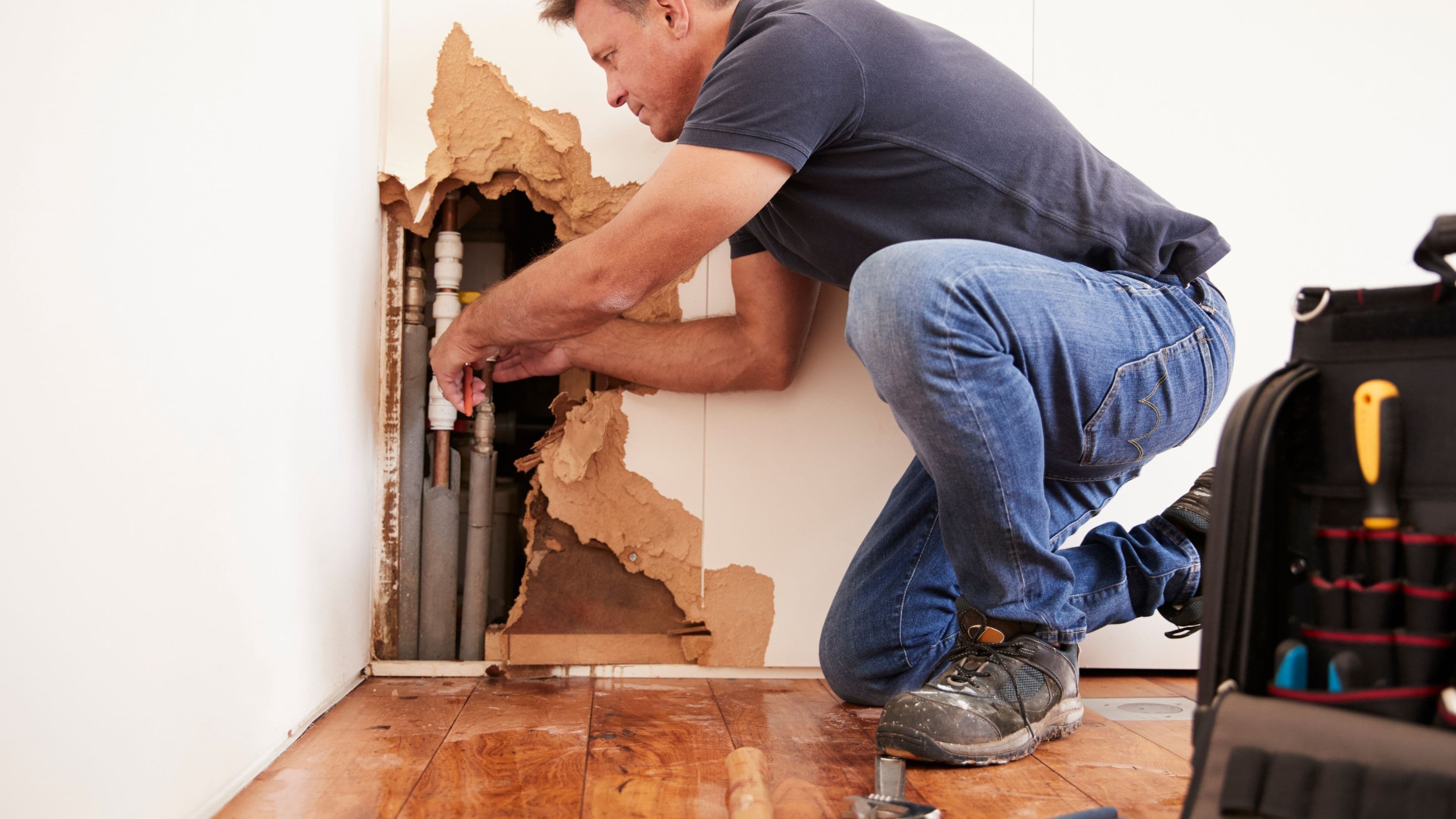
A moderately damp space is one that feels slightly humid and may have a faint musty odor, but doesn't show visible condensation or standing water. This is the baseline condition that standard sizing guidelines assume. A very damp space feels consistently wet, has visible condensation on walls or floors, and may show mold or mildew growth. A wet space has standing water or seepage, serious odor, and potentially soaked walls or flooring. Each step up in severity requires meaningfully more dehumidification capacity to achieve the same target humidity level.
Step 3: Apply the Sizing Guidelines
Here are the practical capacity recommendations based on square footage and moisture severity. These align with the current DOE testing standards for units manufactured after 2020.
For a moderately damp space up to 500 square feet, a 30-pint unit is generally sufficient. From 500 to 1,000 square feet, a 40–50-pint unit handles the load. From 1,000 to 1,500 square feet, a 50–60-pint unit is appropriate. From 1,500 to 2,500 square feet, you're looking at a 70-pint unit. For spaces over 2,500 square feet, a 70-pint unit or multiple units is needed depending on layout and airflow.
When the space is very damp rather than moderately damp, step up one capacity tier from where the square footage would put you. A 1,000 square foot basement with visible condensation and mold growth warrants a 60-pint unit rather than a 50-pint. For a wet space with active seepage, step up two tiers and address the water intrusion source at the same time – no dehumidifier will keep up with ongoing water entry.
Step 4: Factor in Climate
Your geographic location matters because the ambient humidity load the dehumidifier has to fight against varies dramatically by region. A home in Houston, Texas or Miami, Florida is dealing with outdoor relative humidity that regularly sits above 80–90% during summer. That moisture is constantly trying to enter through the building envelope, and your dehumidifier is effectively working against the outdoors as much as the indoor source.
In high-humidity climates – the Gulf Coast, Southeast, and most of the South – size up by at least one capacity tier from what the square footage calculation alone would suggest. In moderate-humidity climates like the mid-Atlantic, Midwest, and Pacific Northwest, standard sizing guidelines apply. In dry climates like the Southwest and Mountain West, a dehumidifier may not be needed at all except in specific problem spaces like a shower room or indoor pool area.
If you're unsure where your climate falls, the DOE's climate zone maps or your local average summer relative humidity figures (available from NOAA) give you a clear picture.
Step 5: Consider Ceiling Height and Temperature
Standard sizing guidelines assume 8-foot ceilings, which is the most common residential ceiling height. If your space has higher ceilings – a basement with 10-foot ceilings, a great room, or a finished basement with dropped ceilings – the volume of air is larger than the square footage implies. For spaces with ceilings above 8 feet, add roughly 10% to your pint requirement for every additional foot of ceiling height.
Temperature also affects dehumidifier performance in a way that matters for basement and crawlspace applications. Standard refrigerant-based dehumidifiers become significantly less efficient below 65°F – some will frost up and stop working entirely below 50°F. If you're dehumidifying an unheated basement or crawlspace in a cold climate, look specifically for a unit rated for low-temperature operation or one with an auto-defrost feature. Some units are designed to operate down to 41°F, which covers most year-round basement applications. If your space regularly drops below freezing, a desiccant-based dehumidifier handles cold temperatures much better than refrigerant-based models.
Step 6: Decide Between Portable and Whole-Home
For spaces up to about 2,000 square feet and moisture problems contained to one area, a portable unit is the practical choice. It's a DIY purchase, no installation required, and you can move it if needed. For humidity problems that affect the whole house or for homes in consistently humid climates where dehumidification needs to run most of the year, a whole-home unit integrated with HVAC ductwork is worth considering. Those systems are sized differently – typically by HVAC contractors using Manual J load calculations – and aren't a DIY sizing exercise.
For portable units specifically, there's one more practical consideration: the unit needs to be in the same space as the moisture problem, with reasonable airflow around it. Don't buy a 70-pint unit for a 1,500-square-foot basement and then put it in one corner with furniture blocking the air intake. Airflow around the unit is as important as capacity for effective moisture removal.
How to Tell If You Got the Size Right
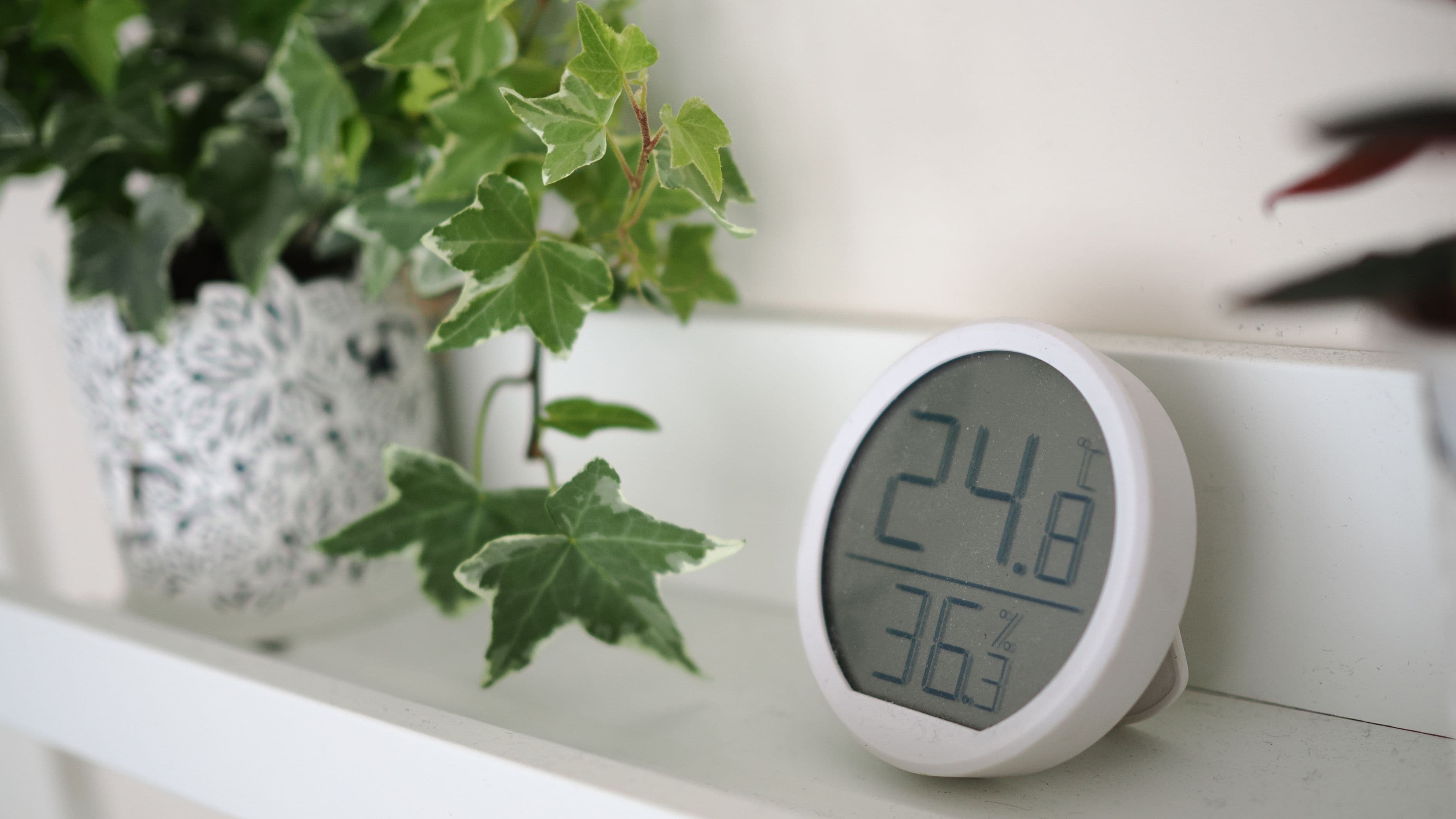
After running your dehumidifier for 48–72 hours, you should see the relative humidity in the treated space drop noticeably toward your target range (between 45% and 55% is the goal for most spaces). A hygrometer – an inexpensive humidity meter available for $10–$20 at any hardware store – lets you monitor this accurately rather than guessing from how the air feels.
If the unit is running almost continuously after the first few days and humidity is still staying high, it's likely undersized for the conditions. If the unit hits its target humidity and cycles off relatively quickly, the sizing is appropriate or possibly generous. The unit should cycle on and off periodically to maintain the set humidity level, not run flat-out all the time.
A correctly sized unit in a typical basement will run several hours per day during humid summer months and much less in fall and winter as outdoor humidity drops.
Common Sizing Mistakes to Avoid
Sizing only by square footage without accounting for moisture severity is the most frequent error. The difference between a moderately damp and very damp space can mean a full capacity tier, and running an undersized unit in a very damp space means the unit will run its compressor continuously, shorten its lifespan, and still not solve the problem.
Buying the smallest unit that fits the budget is a related mistake. A properly sized unit that runs efficiently and cycles normally will last longer and use less total electricity over its lifespan than an undersized unit that runs at maximum capacity constantly. The upfront cost difference between a 50-pint and a 70-pint unit is typically $60–$100 – small compared to what it costs to replace the unit two years early.
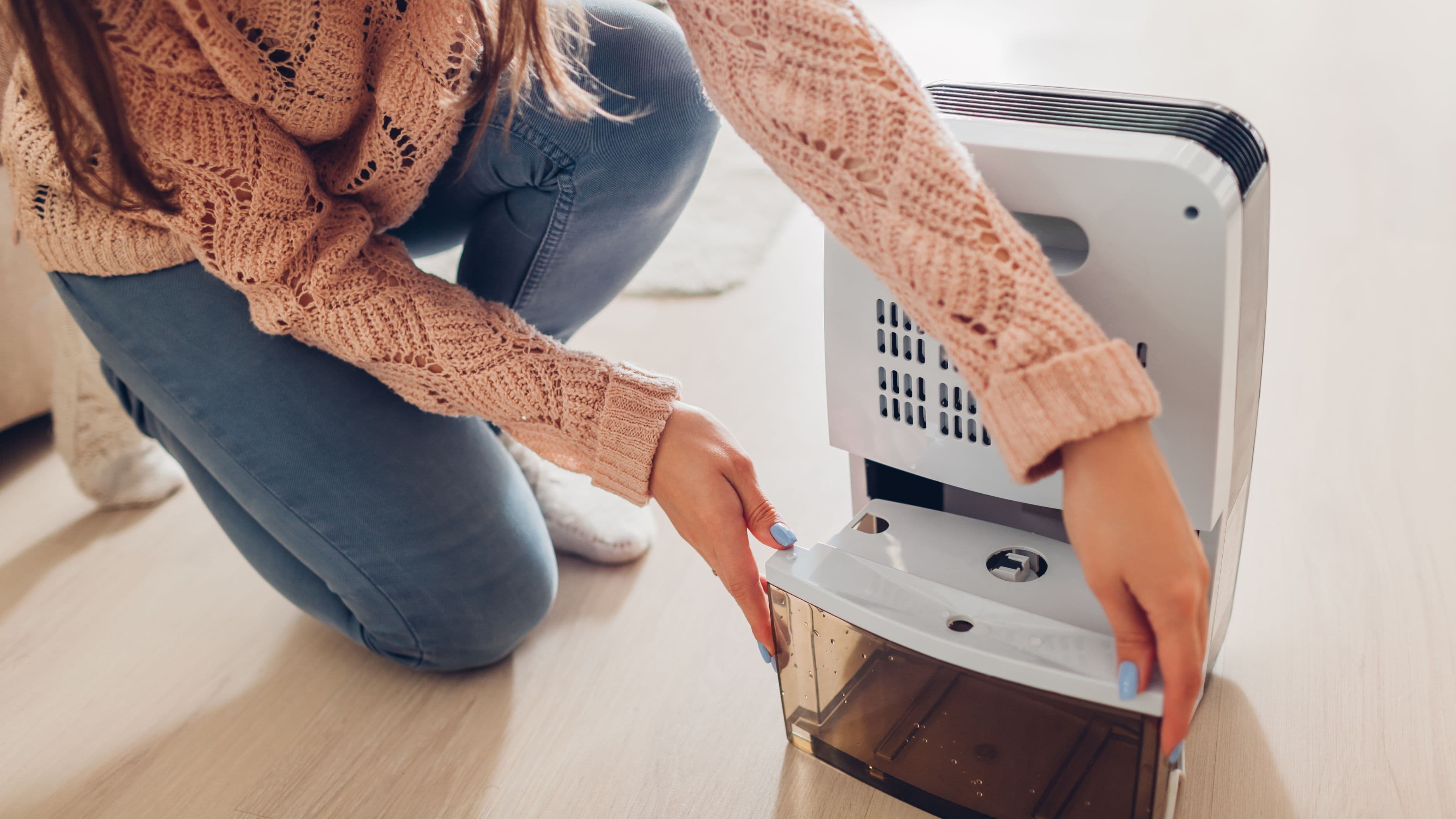
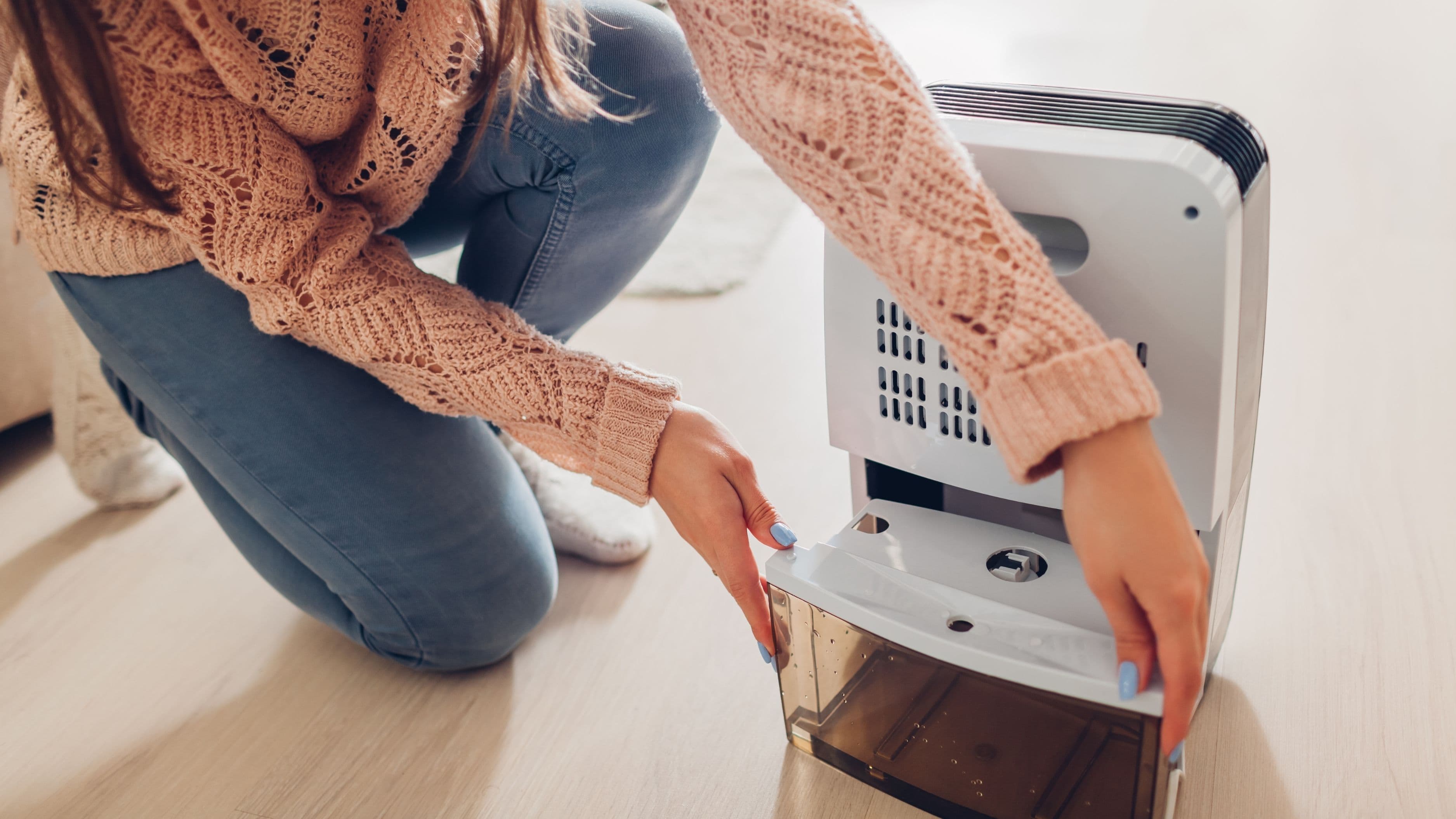
Forgetting about drainage when sizing is also worth flagging. Larger-capacity units remove more water per day – a 70-pint unit produces up to 70 pints (about 8.75 gallons) of water daily at full capacity. If you plan to use the built-in reservoir rather than a drain hose, you'll be emptying a large bucket once or twice a day. Most homeowners running a high-capacity unit in a basement should run a drain hose to a floor drain or utility sink from the start.
FAQ
Can I use one dehumidifier for the whole house? A portable dehumidifier can only effectively treat the space where it's located plus adjacent areas if air circulates freely. For a multi-story home or a house where humidity is high throughout, a whole-home unit integrated with HVAC is more appropriate than relying on a portable unit to treat the whole structure.
Does a bigger dehumidifier use more electricity? Yes, higher-capacity units generally use more energy per hour of operation. However, a correctly sized unit that cycles normally uses less total energy than an undersized unit running continuously. Energy Star certified dehumidifiers are the most efficient options and are worth specifically looking for.
What's the ideal humidity level to set the dehumidifier to? Between 45% and 50% relative humidity is the target for most living spaces and basements. Below 35% can make the air uncomfortably dry and cause wood furniture and flooring to shrink and crack. Above 60% supports mold and dust mite growth.
How long will a properly sized dehumidifier last? A quality unit that's correctly sized for the space and well-maintained typically lasts 5–10 years. Undersized units that run continuously tend to fail earlier because the compressor is under constant load.
Should I run the dehumidifier year-round? In humid climates and in basements, yes – at least during the spring, summer, and fall months when outdoor humidity is high. In cold climates, many homeowners reduce or stop dehumidifier use in winter when outdoor air is naturally dry. Monitor with a hygrometer and run the unit when humidity climbs above 55%.
Getting the size right before you buy saves you from the frustration of a unit that can't keep up, the expense of replacing it too soon, and the ongoing battle with moisture that a wrong-sized dehumidifier will never win. Measure the space, assess the severity honestly, account for your climate, and size up rather than down if you're on the fence. A unit with a little extra capacity that cycles normally is almost always a better choice than one that runs flat-out trying to keep pace.
📚 Sources
US Department of Energy – Dehumidifier test procedures and efficiency standards: https://www.energy.gov/energysaver/dehumidifiers
Energy Star – Dehumidifier certified product list and sizing guide: https://www.energystar.gov/products/dehumidifiers
EPA – A Brief Guide to Mold, Moisture, and Your Home: https://www.epa.gov/mold/brief-guide-mold-moisture-and-your-home
NOAA – U.S. Climate Normals (average relative humidity by region): https://www.ncei.noaa.gov/products/us-climate-normals
ASHRAE – Standard 55: Thermal Environmental Conditions for Human Occupancy: https://www.ashrae.org/technical-resources/bookstore/standard-55-thermal-environmental-conditions-for-human-occupancy
Building Science Corporation – Moisture control and basement humidity: https://www.buildingscience.com/documents/digests/bsd-013-moisture-control-in-homes