
Tools and Materials Needed
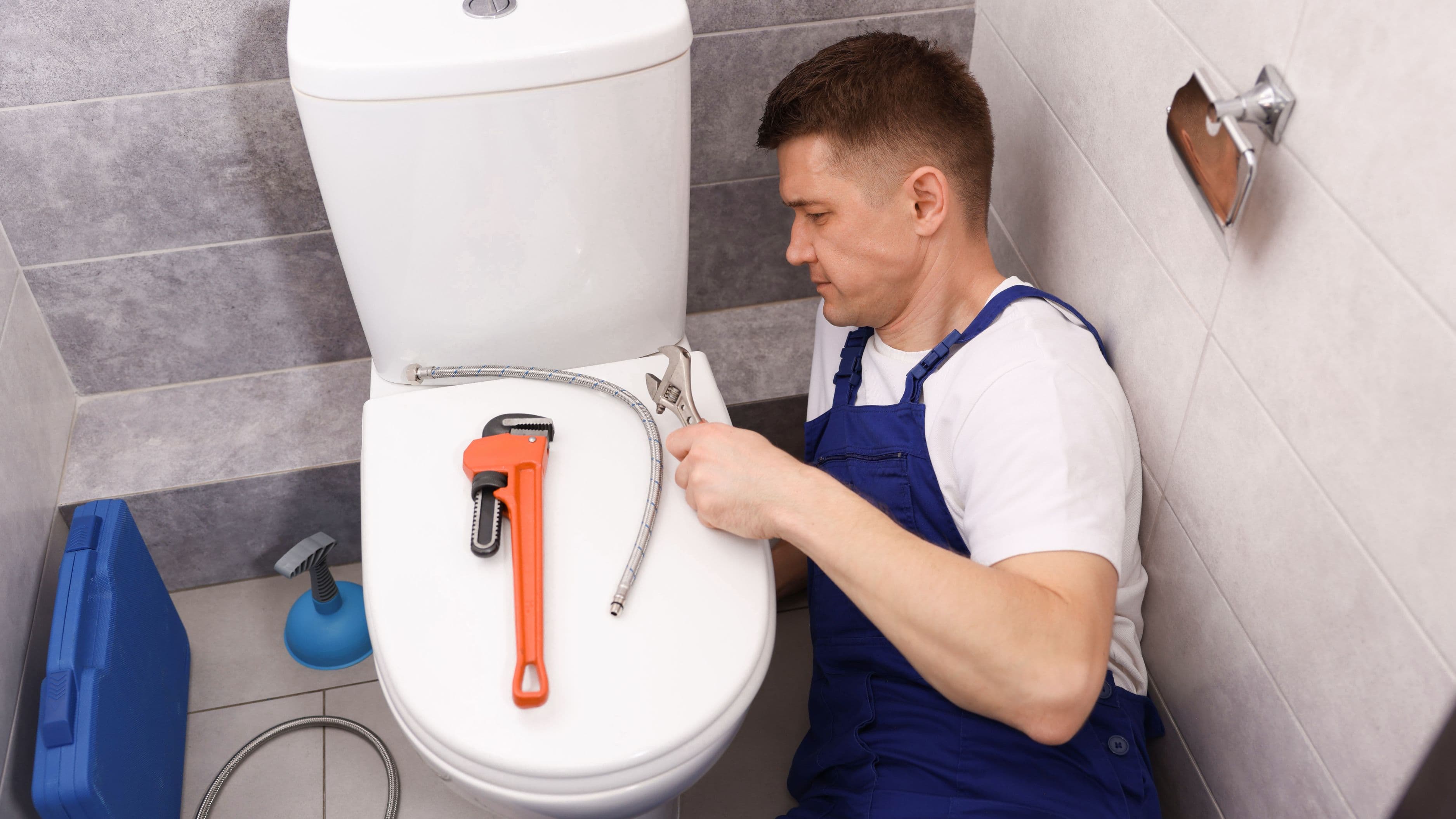
You'll want a plunger (a standard cup plunger works fine for sinks), a bucket, an adjustable wrench, an old towel, and either a wire coat hanger or a simple drain snake/zip-it tool, which costs around $5 to $10 if you don't already have one. Baking soda and white vinegar round out the list for the natural cleaning step. Most of these fixes take 15 to 45 minutes depending on how stubborn the clog is.
Step 1: Try the Hot Water and Dish Soap Flush
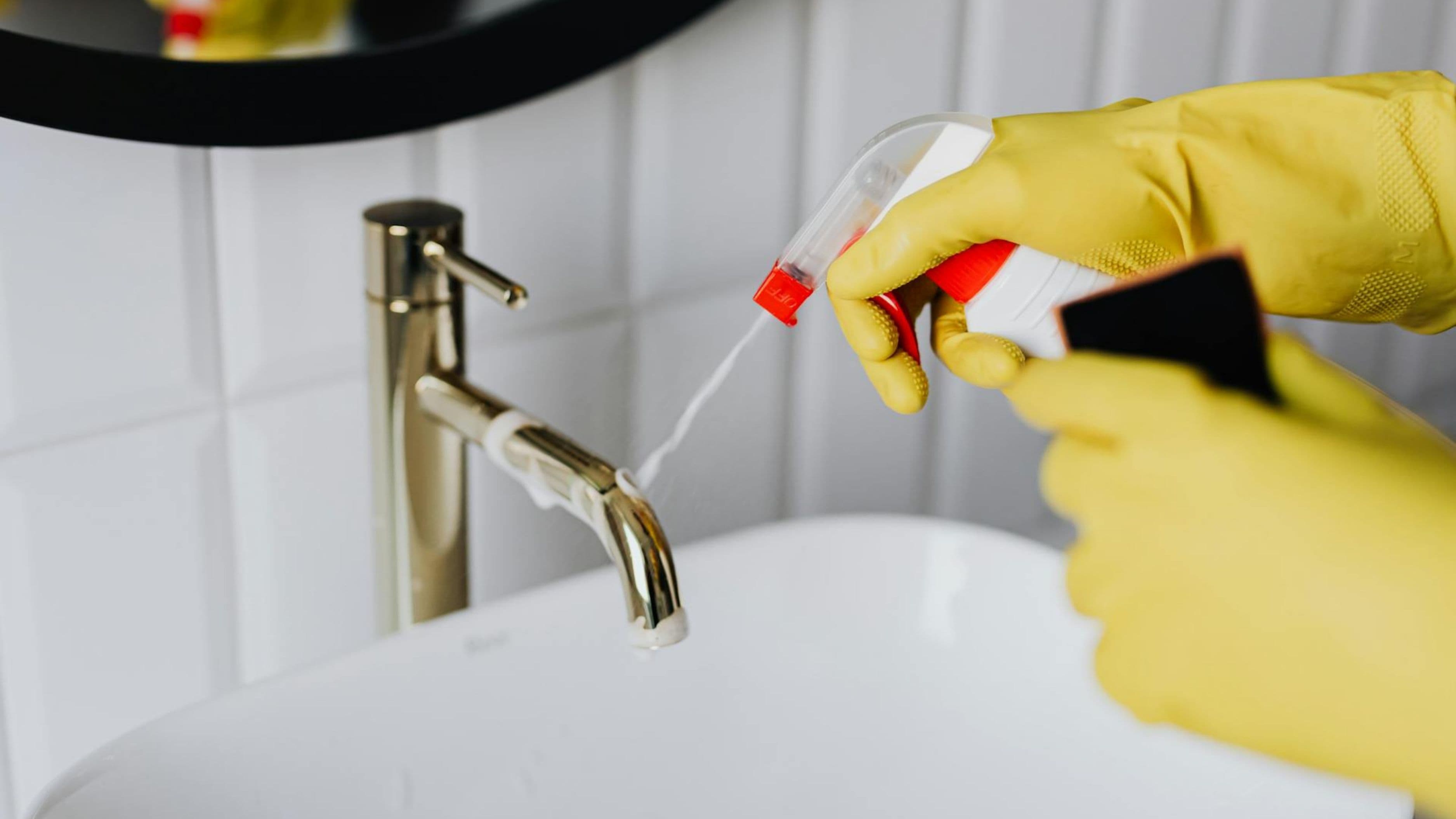
Start with the simplest fix before moving to anything more involved. Boil a full kettle of water, add a generous squirt of dish soap directly into the drain, then slowly pour the hot water down in two or three stages, waiting about 30 seconds between pours. The soap helps break down grease buildup while the hot water flushes it through, and this alone resolves a surprising number of mild slow-drain issues caused by everyday grease and soap scum.
Step 2: Plunge the Sink
If the hot water flush doesn't fully clear it, plunging is your next move. If you have a double basin sink, plug the second drain tightly with a wet rag so you're building proper pressure, then fill the slow drain with a couple inches of water and plunge vigorously for 15 to 20 seconds. You're aiming for a seal around the drain opening, similar to plunging a toilet, so make sure the plunger cup is fully covering the drain before you start.
Step 3: Try the Baking Soda and Vinegar Method
This is the go-to chemical-free option for breaking down organic buildup like grease, food particles, and soap residue. Pour about half a cup of baking soda directly down the drain, followed by half a cup of white vinegar, and cover the drain opening if you can to keep the reaction contained. Let it sit for 15 to 20 minutes, then flush with hot water.
This combination works through a fizzing chemical reaction that helps loosen buildup clinging to the pipe walls, though it's worth setting realistic expectations: it's effective for everyday grease and grime, but it won't dissolve a solid clog like a wad of food debris or a foreign object stuck in the trap.
Step 4: Clean the P-Trap
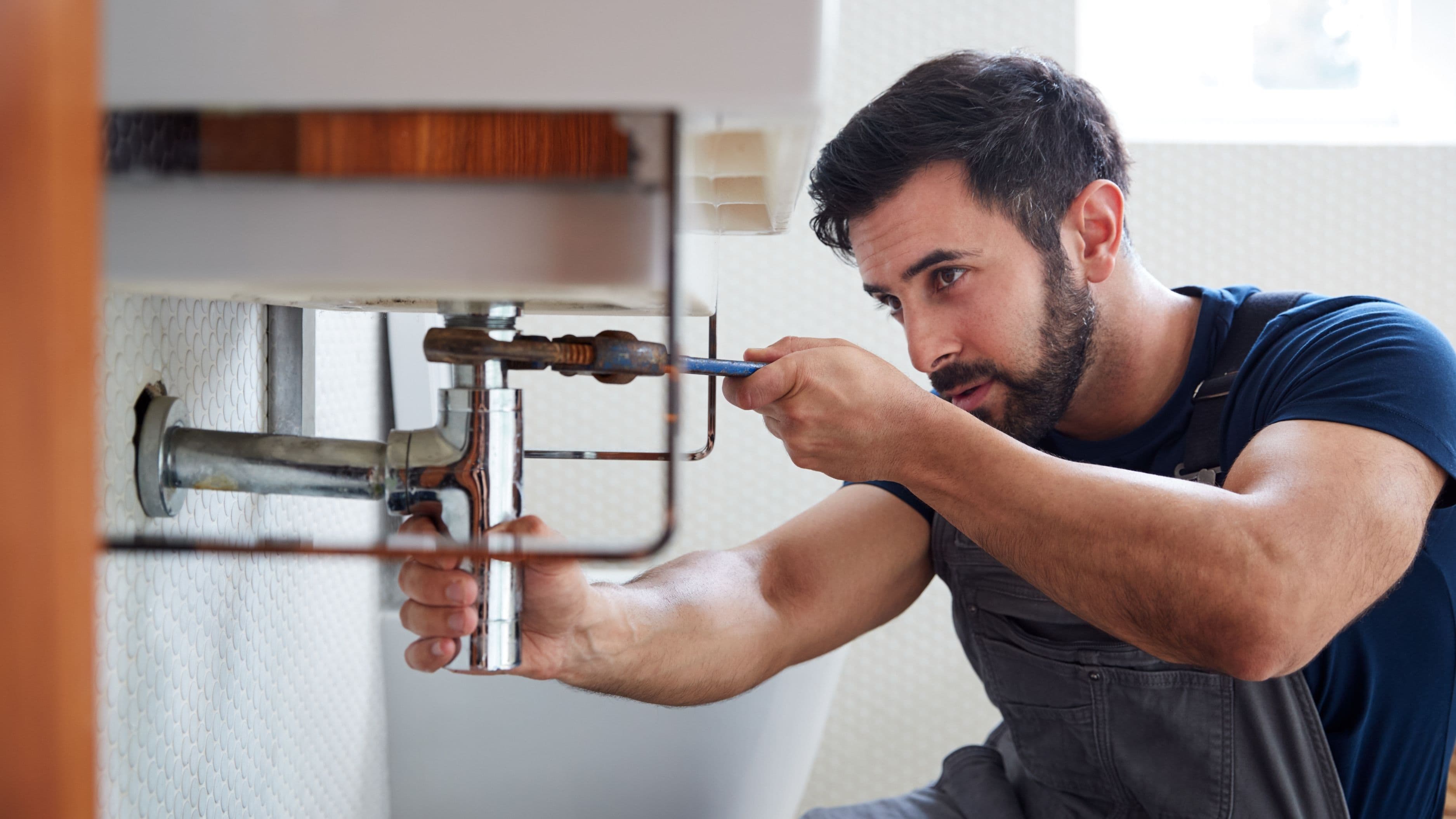
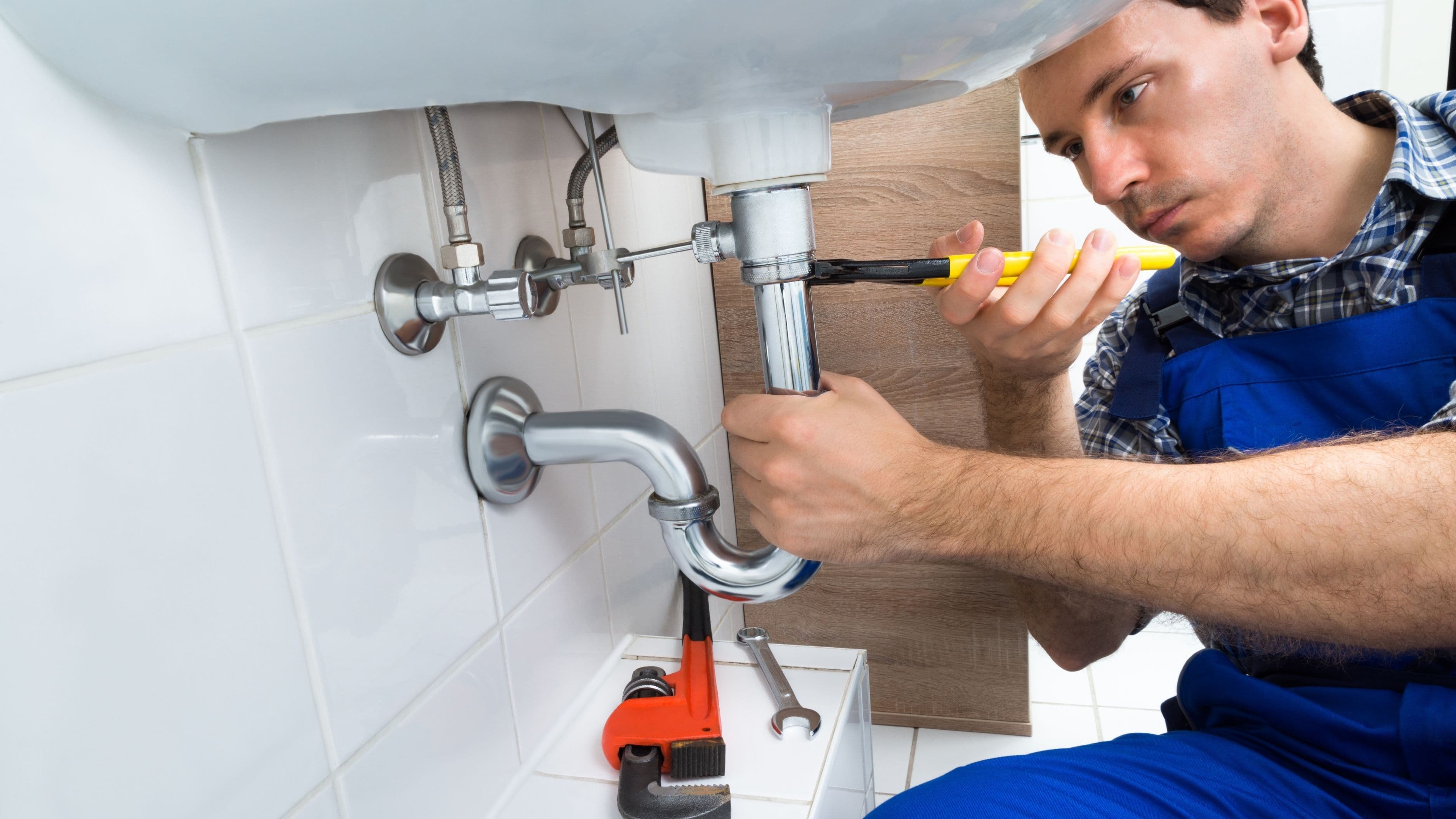
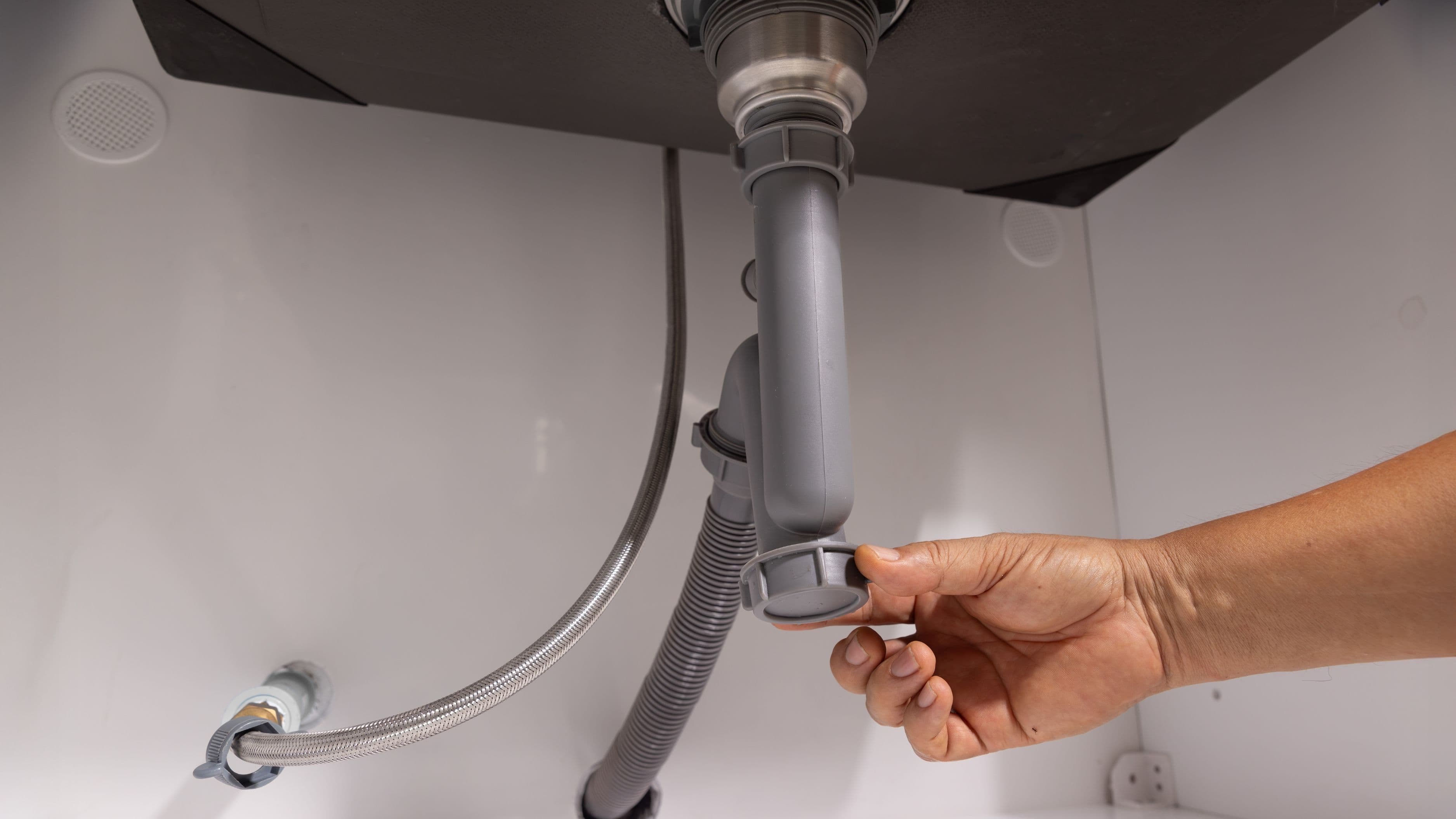
If the drain is still slow after the steps above, the clog is likely sitting in the P-trap, the curved pipe section under your sink. Place a bucket underneath to catch water and debris, then use your adjustable wrench to loosen the slip nuts on both ends of the trap. Once it's free, dump the contents into the bucket and you'll often find the culprit right there, usually a buildup of grease, food scraps, or a small object that slipped down the drain.
Clean the trap thoroughly, check that the rubber washers inside are still in good shape, and reassemble it by hand-tightening the slip nuts before giving them a final quarter turn with the wrench. Run water to check for leaks before considering the job done.
Step 5: Snake the Drain Line
If the clog is further down the line than the P-trap, a simple drain snake or a plastic "zip-it" tool can reach further into the pipe. Feed it into the drain opening (with the P-trap removed for direct access if needed), twist gently as you push it in, and pull back slowly once you feel resistance. You'll often pull out a surprising amount of built-up grease and debris, which is the actual cause of the slow drain.
Common Mistakes
Skipping the hot water flush and jumping straight to more aggressive methods often means doing extra work for a problem that a simple flush would have solved. Using a plunger without sealing the second drain on a double basin sink is another common miss, since without that seal you're just pushing air around instead of building real pressure against the clog.
Overtightening the P-trap slip nuts is an easy mistake that can crack older plastic fittings, so hand-tighten first and only add a small additional turn with the wrench rather than cranking it down hard. It's also worth avoiding the urge to pour grease or coffee grounds down the drain going forward, since these are two of the most common repeat offenders behind slow kitchen drains.
When to Call a Pro Instead
If you've worked through all these steps and the drain is still slow, or if multiple drains in your house are slow at the same time, the issue may be further down in your main line rather than isolated to the sink itself, and that's a sign to call a plumber. Gurgling sounds from other drains when you run the kitchen sink, or water backing up into a different fixture, both point to a deeper blockage that's beyond a DIY fix.
You should also call a professional if you notice consistent bad odors even after cleaning the trap, since this can indicate a venting issue in your plumbing system rather than a simple clog. And if your home has older galvanized steel pipes, repeated clogging can be a sign of internal corrosion narrowing the pipe itself, which a plumber will need to properly assess.
FAQ
Why does my kitchen sink keep getting slow even after I clean it? This usually means grease and food residue are building back up over time, so it's worth doing the hot water and dish soap flush weekly as a preventive habit rather than waiting for it to slow down again.
Is baking soda and vinegar actually effective, or just a myth? It's genuinely effective for breaking down mild grease and organic buildup, though it's not as powerful as a chemical cleaner for severe clogs, which is exactly why it works well for prevention and minor slow drains rather than completely blocked pipes.
Can I use a chemical drain cleaner if these methods don't work? It's better to try a drain snake or call a plumber first, since chemical cleaners can damage older pipes, are hard on certain disposal units, and create a safety hazard for plumbers if they later need to work on the same pipe.
How often should I do preventive maintenance on my kitchen drain? Running the hot water and dish soap flush weekly, along with the baking soda and vinegar treatment once a month, is a solid routine to prevent buildup from becoming a slow-drain problem in the first place.
A slow-draining sink almost always comes down to buildup you can clear yourself with a little patience and the right sequence of steps. Work through these methods in order, and save the call to a plumber for the cases where the problem clearly goes beyond your kitchen sink.
📚 Sources
EPA – Septic Smart Tips: What Not to Flush or Drain - https://www.epa.gov/septic/how-care-your-septic-system
This Old House – How to Clear a Clogged Sink Drain - https://www.thisoldhouse.com/plumbing/21015195/how-to-unclog-a-sink-drain