
This comparison walks you through the brands that tend to play nicely with HomeKit, what each one requires to get set up, and how to pick the right fit for your windows and budget.
Before You Compare: How Blinds Connect to HomeKit
Smart blinds usually connect to Apple Home in one of three ways. Some use Matter, the newer smart home standard that Apple Home supports natively, often running over the low-power Thread network. Others connect through a brand's own bridge or hub, which then talks to HomeKit. A few older setups still rely on the original HomeKit accessory protocol through a bridge.
Whichever route a product takes, you'll want an Apple home hub – an Apple TV or HomePod – for remote control and reliable automations. Thread-based blinds also benefit from having a Thread border router nearby, and recent Apple TV 4K and HomePod models fill that role. Brands update compatibility over time, so always confirm the current list on the manufacturer's site before you buy.
The Brands Worth Considering
Lutron Serena
Lutron has a long track record in lighting control, and its Serena shades carry that reliability over to window coverings. Serena connects to HomeKit through the Lutron Smart Bridge, which also handles Lutron's Caséta dimmers and switches. Its proprietary radio signal is known for being very stable, even in larger homes.
Best for: people who want dependable, set-and-forget performance and don't mind a premium price.
Keep in mind: you'll need the bridge, and custom-sized shades take time to order. Many Serena models run on standard batteries, which is convenient when replacing them.
Hunter Douglas PowerView
Hunter Douglas offers some of the widest style choices, from roller shades to cellular and sheer options. Its PowerView system connects to HomeKit through a PowerView gateway, and the newer generation of the system was built with broader smart home compatibility in mind.
Best for: homeowners who want high-end design options and professional installation.
Keep in mind: this is typically the most expensive route, and purchases usually go through a dealer, so setup may involve a service visit.
IKEA Smart Blinds
IKEA's smart blinds are the budget-friendly entry point. They connect to Apple Home through IKEA's smart home hub, and recent hub versions support Matter, which simplifies the HomeKit connection. The blinds use a rechargeable battery pack.
Best for: renters and budget-conscious homeowners who have standard window sizes.
Keep in mind: size options are limited, and the look is simpler than premium brands. Reviews also note that motors can be louder than higher-end options.
Eve MotionBlinds
Eve builds products specifically around Apple's ecosystem, and its MotionBlinds line uses Thread with Matter support, so it pairs directly with Apple Home without a separate bridge. Eve also offers a retrofit kit designed to motorize certain existing roller blinds.
Best for: Apple-first households that want a clean, native experience and minimal extra hardware.
Keep in mind: you'll want a Thread border router at home for the best performance, and custom sizing still requires ordering.
SmartWings
SmartWings sells motorized shades in a wide range of styles at mid-range prices, with Matter-over-Thread options that connect to Apple Home. It's a popular pick for people who want custom sizes without Hunter Douglas pricing.
Best for: DIYers who want custom fit and HomeKit support on a moderate budget.
Keep in mind: you'll be measuring and installing yourself, so careful measurement is essential.
Aqara Roller Shade Drivers and Curtain Motors
Aqara makes motors that attach to existing roller shades or curtain tracks, connecting through an Aqara hub that supports HomeKit. It's a way to automate what you already have instead of replacing everything.
Best for: anyone who likes their current shades and wants a low-cost retrofit.
Keep in mind: compatibility depends on your existing shade style, so check fit carefully before ordering.
Which One Should You Choose?
If reliability is your top priority and budget is flexible, Lutron Serena is hard to beat. If you want the most design options and are comfortable with dealer installation, Hunter Douglas PowerView fits. For a tight budget and standard window sizes, IKEA is the practical choice.
If you're deep in the Apple ecosystem and want minimal extra hubs, Eve or SmartWings with Matter over Thread are strong options. And if you'd rather not replace blinds at all, a retrofit motor from Aqara or a compatible kit keeps costs down.
Realistic Expectations: Cost, Time, and Difficulty
Budget options can cost well under a couple hundred dollars per window, while mid-range custom shades often land in the few-hundred range and premium systems can run significantly higher per window. Bridges and hubs add to the total if you don't already own them.
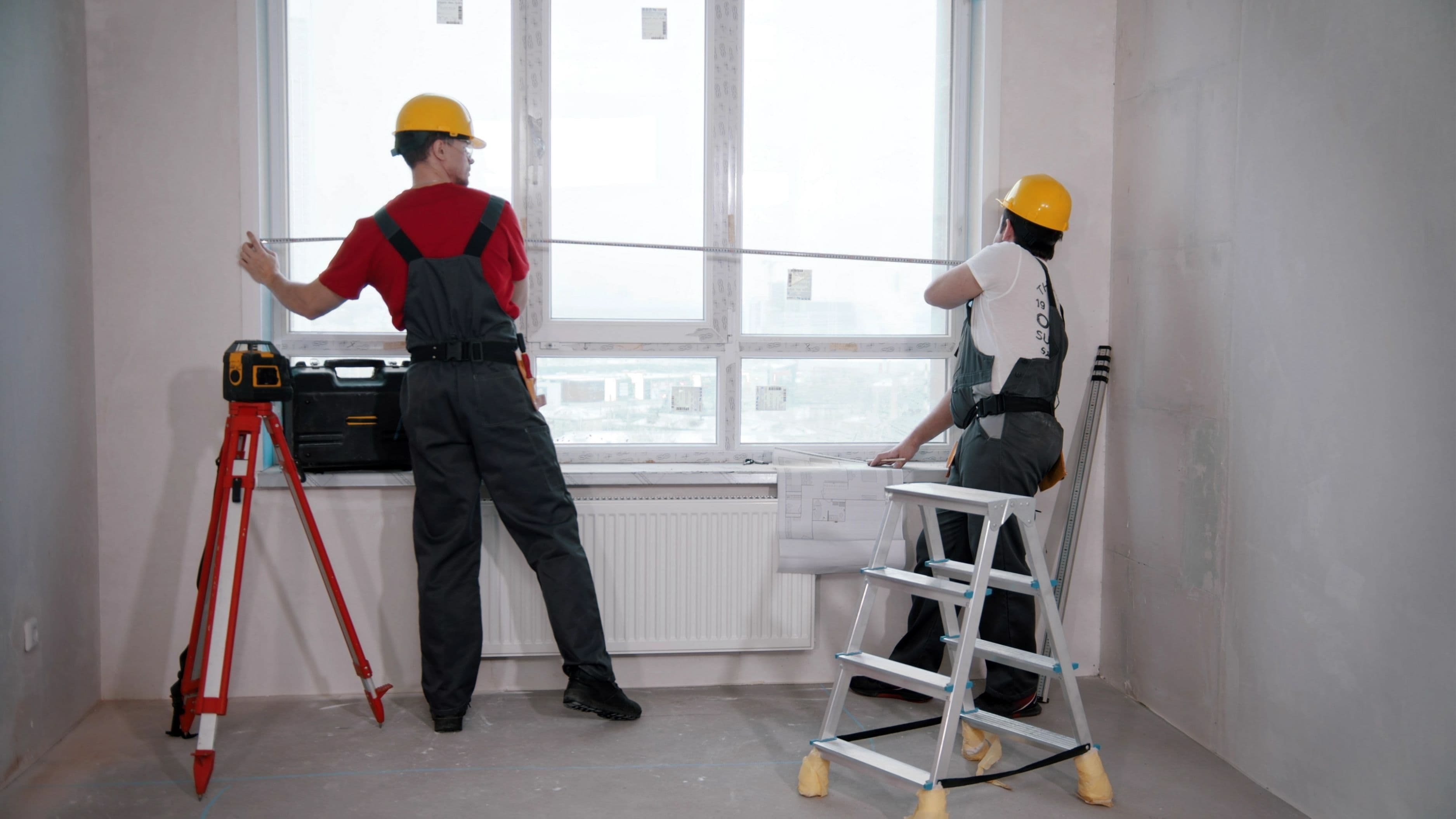
DIY installation for most battery-powered shades takes 20 to 45 minutes per window once you're comfortable, and the main skill required is accurate measuring and drilling pilot holes into a solid surface. Hardwired motors are a different story and usually call for a licensed electrician.
Common Mistakes to Avoid
The biggest mistake is buying before confirming the hub requirement. A shade advertised as "HomeKit compatible" may still need a separate bridge, which changes the total cost. Another is mismeasuring for inside-mount installation – measure width at the top, middle, and bottom, and use the smallest number.
People also skip checking signal range. Thick walls, metal window frames, and long distances from hubs can make automations unreliable. If a room is far from your hub, plan for a bridge or Thread device closer by.
Safety note: cordless motorized blinds are generally safer for homes with kids and pets than corded blinds, but keep any loose charging cables tidy and out of reach.
FAQ
Do I need an Apple TV or HomePod for smart blinds?
For remote access and automations, yes – Apple Home relies on a home hub. For Thread-based blinds, a hub that also acts as a Thread border router improves reliability.
Can I control smart blinds with Siri?
Yes. Once a blind appears in the Home app, you can use Siri commands like "close the living room blinds" or include them in scenes.
Is Matter better than a brand bridge?
Matter can simplify setup and reduce extra hardware, but a well-established bridge like Lutron's can be extremely reliable. Both approaches work well when set up properly.
Can I install smart blinds myself?
Most battery-powered models are designed for DIY installation. Hardwired motors should be handled by a licensed electrician.
Final Thoughts
There's no single best smart blind for everyone using HomeKit, but there's usually a best fit for your windows, budget, and existing setup. Start by deciding whether you want to replace or retrofit, then confirm the connection method and hub requirement before buying.
Get those two answers right and the rest is mostly measuring carefully and enjoying blinds that open themselves.
📚 Sources
Apple Support – Set up your home hub: https://support.apple.com/en-us/102557
Apple – Home accessories: https://www.apple.com/home-app/accessories/
Connectivity Standards Alliance – Matter: https://csa-iot.org/all-solutions/matter/
Thread Group – What is Thread: https://www.threadgroup.org/What-is-Thread/Overview