
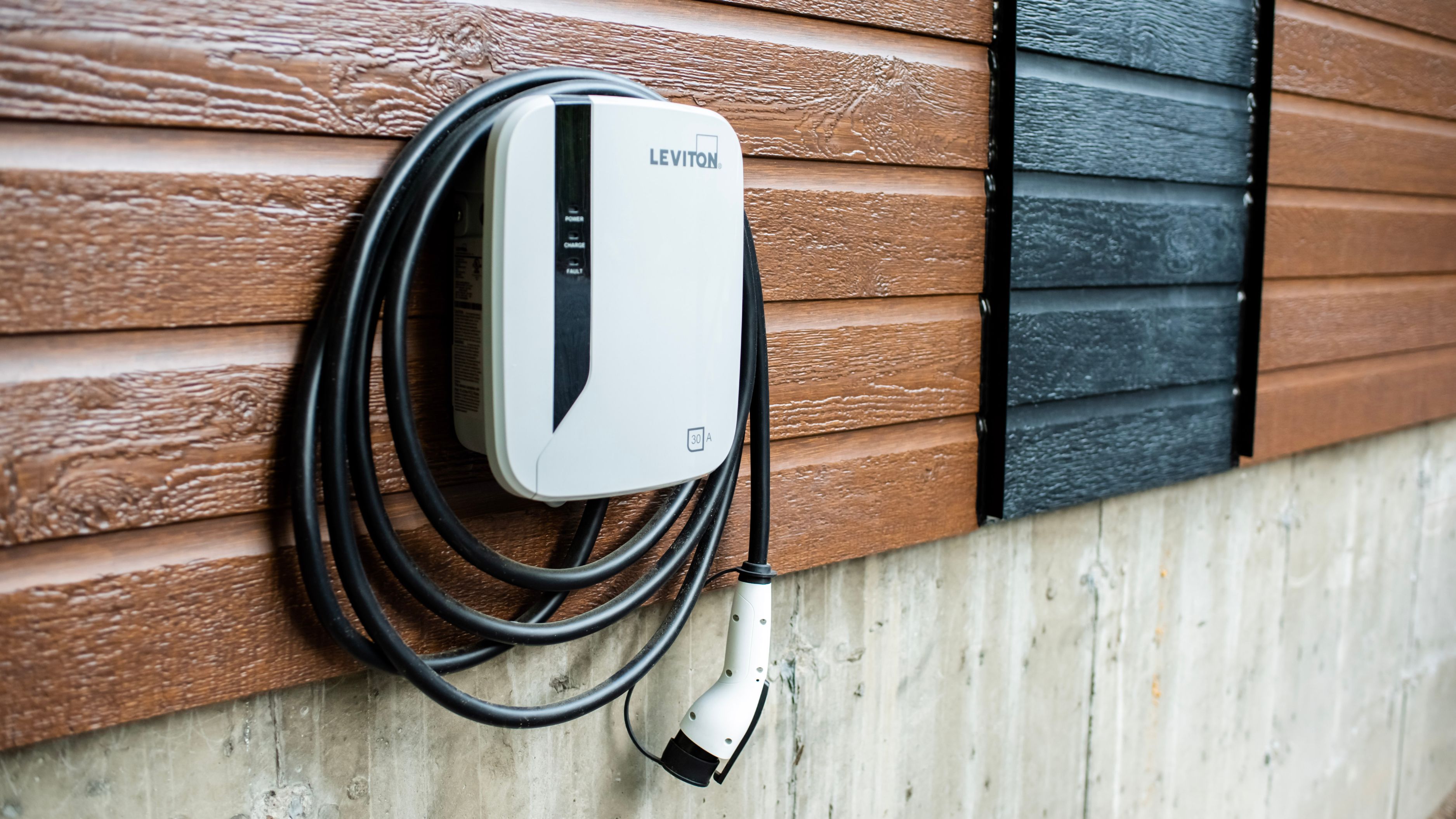
Here's a straightforward breakdown of what a smart charger actually adds, what it doesn't, and who genuinely benefits from paying more.
What a "Smart" EV Charger Actually Does
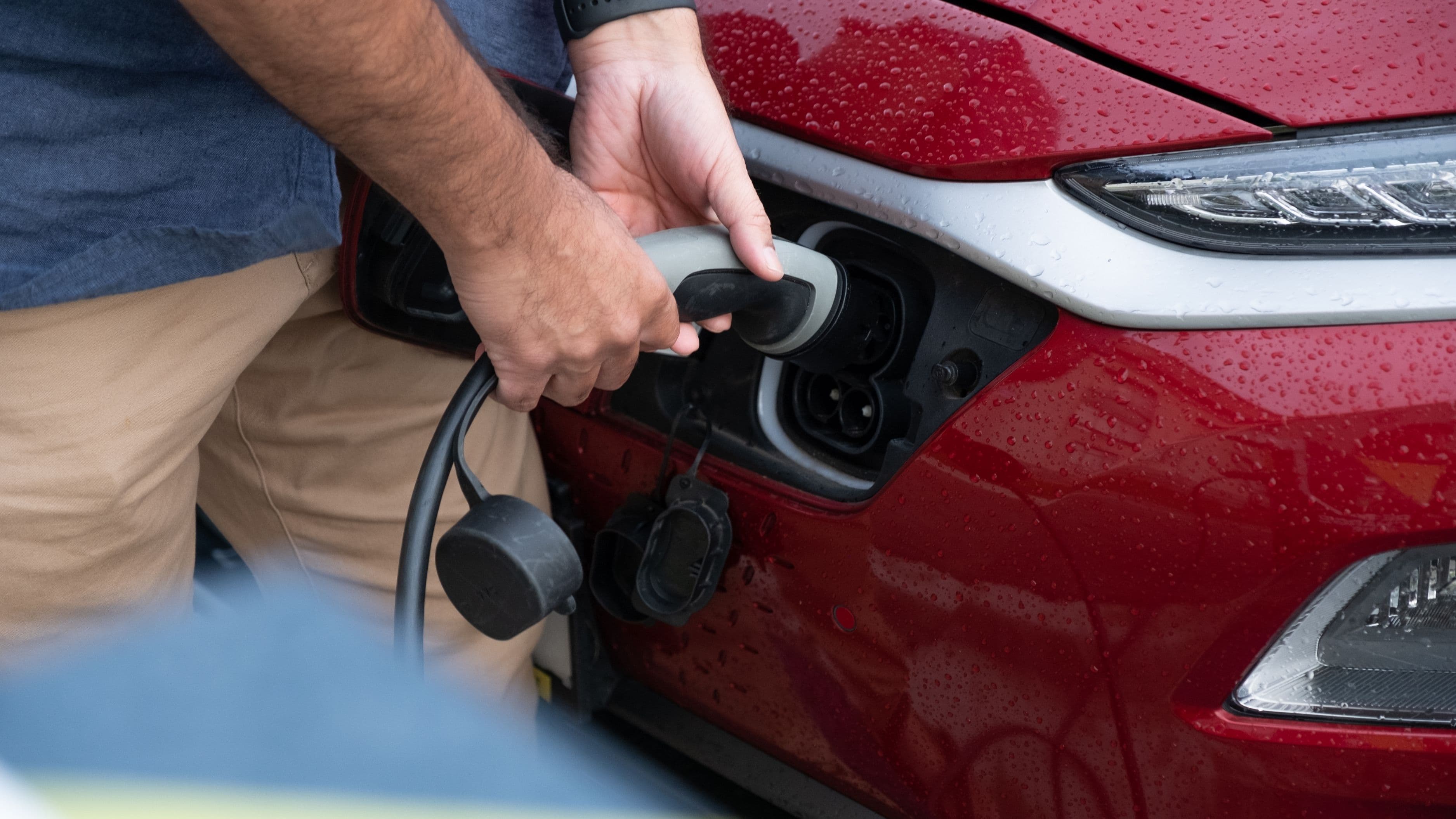
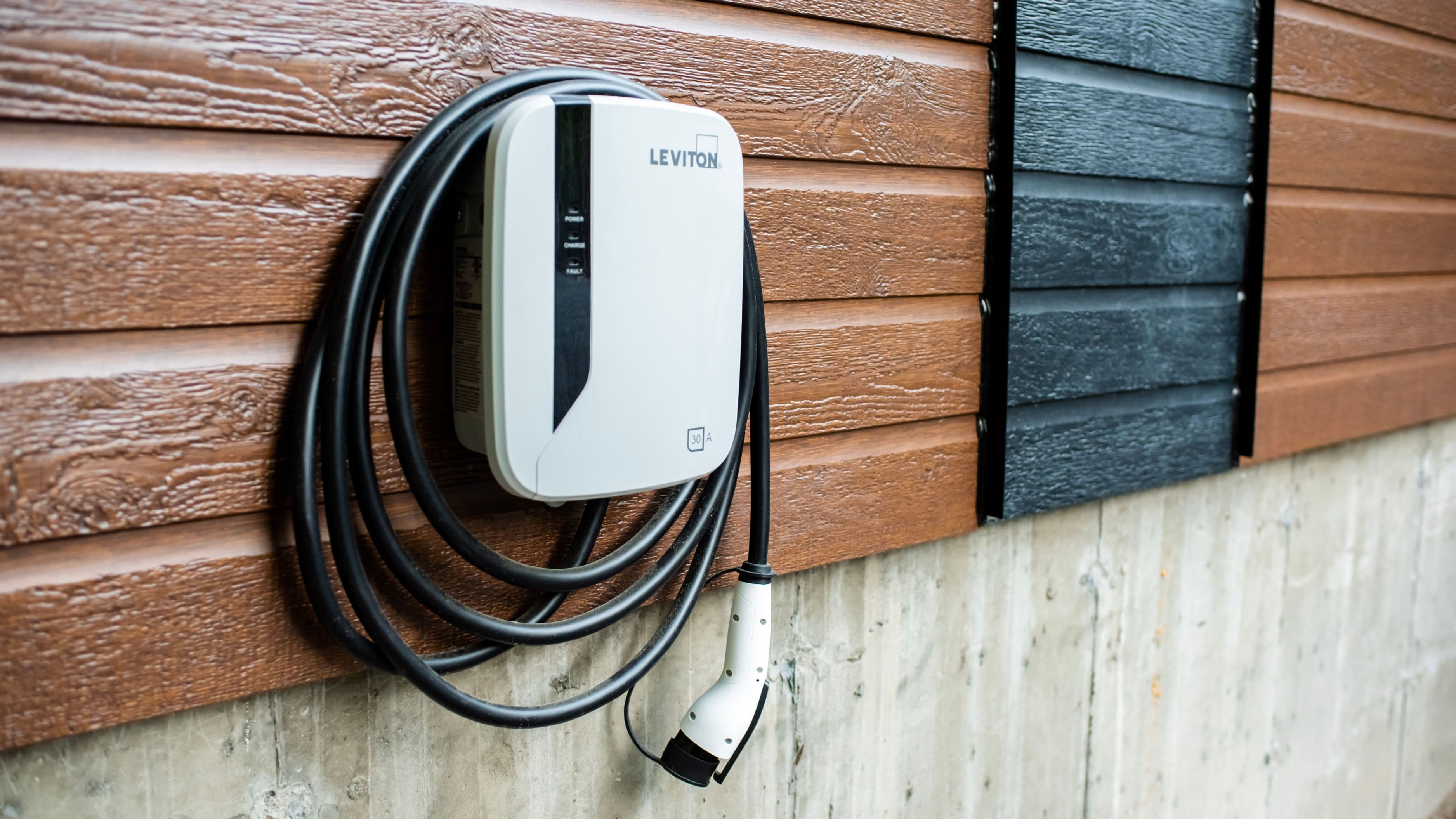
A basic Level 2 home charger does one job well: it delivers power to your vehicle faster than a standard wall outlet, typically adding 20 to 30 miles of range per hour of charging depending on your vehicle and the charger's amperage. That's the core function, and it's what most people actually need day to day.
A smart charger adds a layer of connectivity on top of that same core function. This usually includes Wi-Fi connectivity for app-based control, scheduling features to charge during off-peak electricity hours, energy usage tracking, and sometimes integration with home solar or battery systems. Some models also offer load management features that automatically adjust charging speed based on your home's overall electrical demand at any given moment.
Where the Extra Cost Actually Pays Off
If your utility company offers time-of-use electricity rates, meaning the cost per kilowatt-hour changes depending on the time of day, a smart charger's scheduling feature can produce real, measurable savings. Charging exclusively during off-peak overnight hours instead of whenever you happen to plug in can meaningfully lower your monthly electricity costs, sometimes enough to offset the price difference between a basic and smart charger within the first year or two of ownership.
Load management is another genuine value-add if your home's electrical panel is already working close to capacity. Some smart chargers can automatically reduce charging speed during periods of high household electrical demand, which can help you avoid a costly panel upgrade that might otherwise be necessary to support both a fast charger and normal household appliance use simultaneously.
If you're pairing your EV with home solar, several smart chargers offer solar-matching features that prioritize charging your vehicle using excess solar generation rather than drawing from the grid, which can be a meaningful benefit for households already invested in a home solar system.
Where the Extra Cost Doesn't Really Pay Off
If your utility doesn't offer time-of-use rates, one of the biggest financial arguments for a smart charger simply doesn't apply to you, since there's no cost difference to exploit between charging times. In that case, you're paying extra primarily for app convenience and usage tracking, which are nice-to-haves rather than money-savers.
If you charge on a simple, predictable schedule – plug in every night, unplug every morning – the scheduling and remote-control features of a smart charger add convenience but not meaningfully different outcomes compared to a basic charger's built-in timer function, which most basic models also include in a simpler form.
Installation Costs Are the Same Either Way
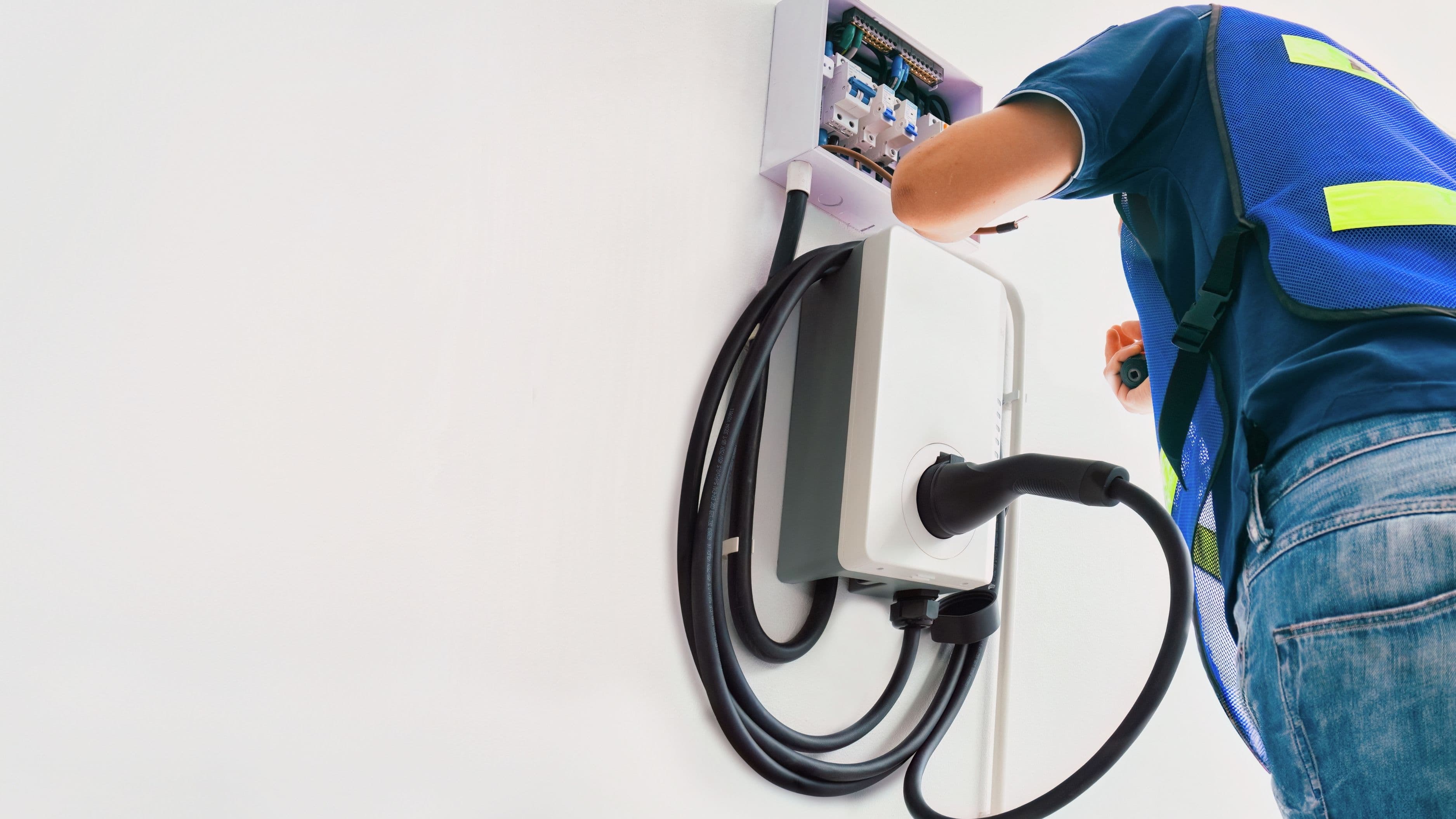
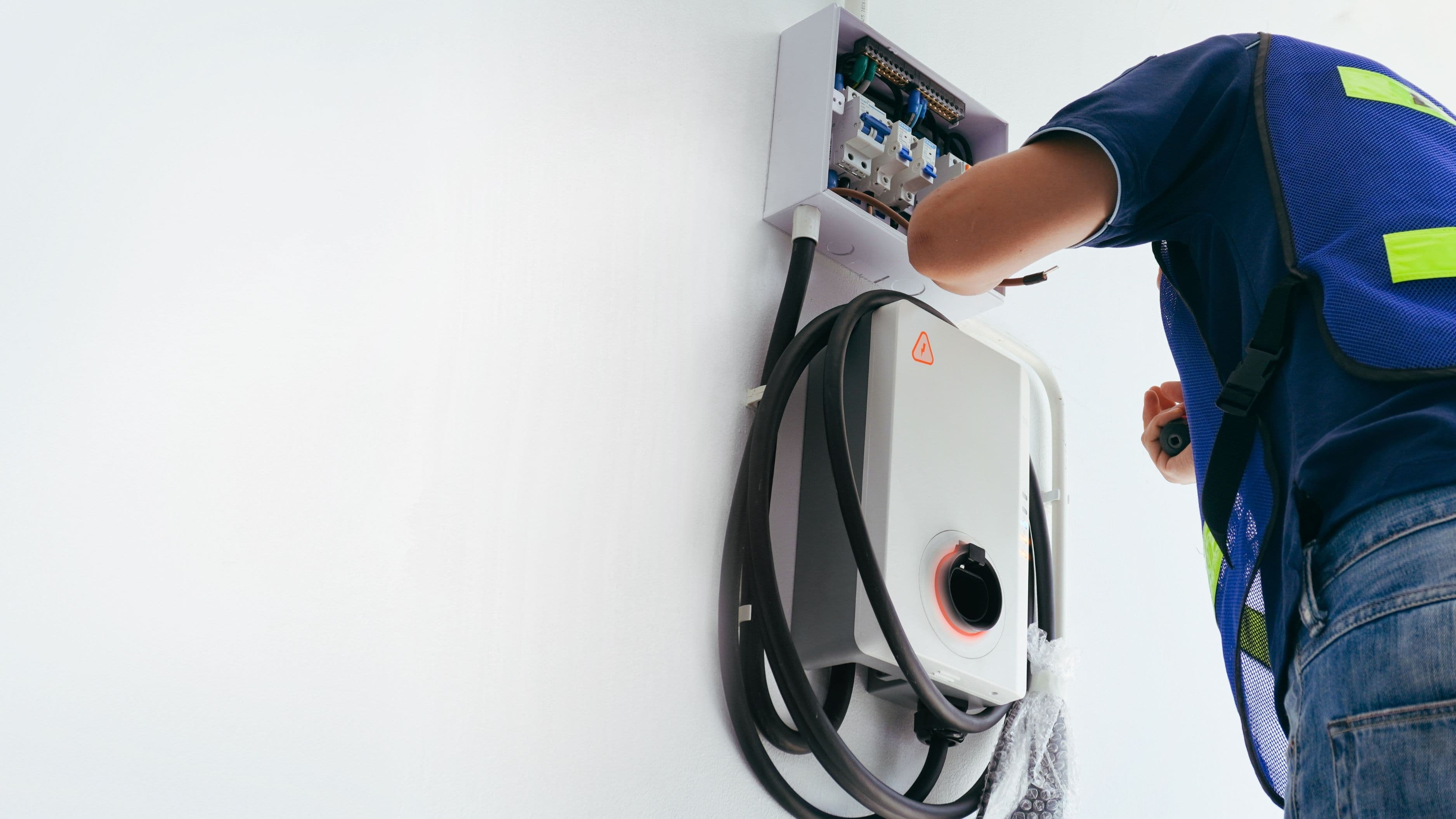
It's worth understanding that the price difference between a basic and smart charger is separate from installation cost, which is often the larger expense overall. Both charger types typically require a dedicated 240V circuit and, in many homes, a licensed electrician to run new wiring from the panel to the charger location. This installation cost, often several hundred dollars and sometimes over a thousand depending on panel distance and any necessary panel upgrades, is roughly the same whether you choose a basic or smart unit.
This matters because it puts the actual price difference between charger types into better perspective – you're deciding between two similarly-installed products, not comparing a cheap DIY option to an expensive professional one.
What to Look for If You Do Go Smart
Not all smart chargers are created equal, and the connectivity feature itself isn't the differentiator worth focusing on. Prioritize chargers with a strong reliability track record and responsive customer support, since a smart charger that loses connectivity or has buggy app performance becomes a genuine daily annoyance rather than a convenience.
Confirm compatibility with your specific utility's time-of-use program structure if that's your main reason for choosing smart, since scheduling features work best when they're straightforward to set and don't require constant manual adjustment to match rate changes.
Realistic Expectations
A smart charger with solid time-of-use scheduling can realistically save $10 to $30 a month for a typical EV owner in a market with a meaningful peak-to-off-peak rate difference, though actual savings vary significantly based on your specific utility rates and driving habits. Without time-of-use rates or solar integration, expect the value to be almost entirely about convenience rather than cost savings.
What to Avoid
Don't buy a smart charger purely based on marketing around "future-proofing" without confirming your specific utility offers rate structures the charger's features can actually take advantage of. A feature you can't use isn't worth paying extra for.
Avoid installing any EV charger, smart or basic, without a licensed electrician confirming your panel has adequate capacity. This isn't a job to attempt yourself given the electrical load involved, and an improperly installed charger circuit represents a genuine fire and safety risk.
Be cautious of unusually cheap smart chargers from unfamiliar brands, since firmware and app support quality varies enormously, and a charger with poor software support can become unreliable or lose smart features entirely after a manufacturer stops updating it.
FAQ
Do I need a smart charger to charge my EV overnight on a schedule? No. Most basic Level 2 chargers include a simple built-in timer function that lets you set a start time without needing app connectivity or smart features.
Will a smart charger work if my home Wi-Fi goes down? Most smart chargers will continue charging normally without an internet connection, but you'll lose access to app-based scheduling, monitoring, and remote control features until connectivity is restored.
Is professional installation required for both smart and basic chargers? Generally yes for hardwired or high-amperage plug-in units, since both typically require a dedicated 240V circuit that should be installed by a licensed electrician to meet code and ensure safety.
📚 Sources
U.S. Department of Energy – "Electric Vehicle Charging at Home" – https://www.energy.gov/eere/electricvehicles/charging-home
ENERGY STAR – "Electric Vehicle Chargers" – https://www.energystar.gov/products/electric_vehicle_chargers