
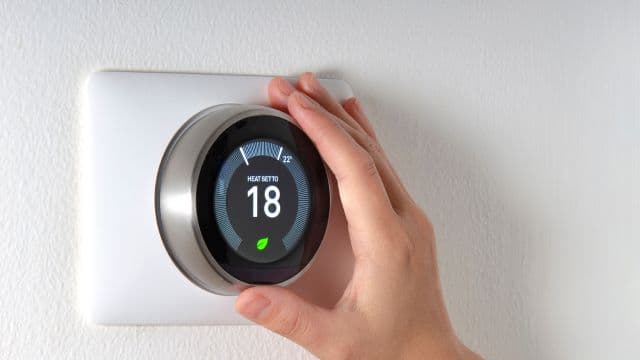
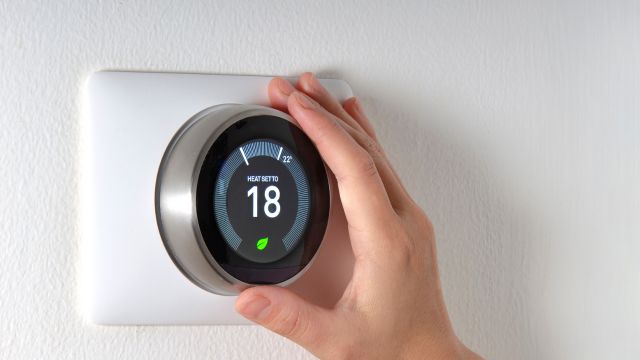
How a Smart Thermostat Actually Saves Money
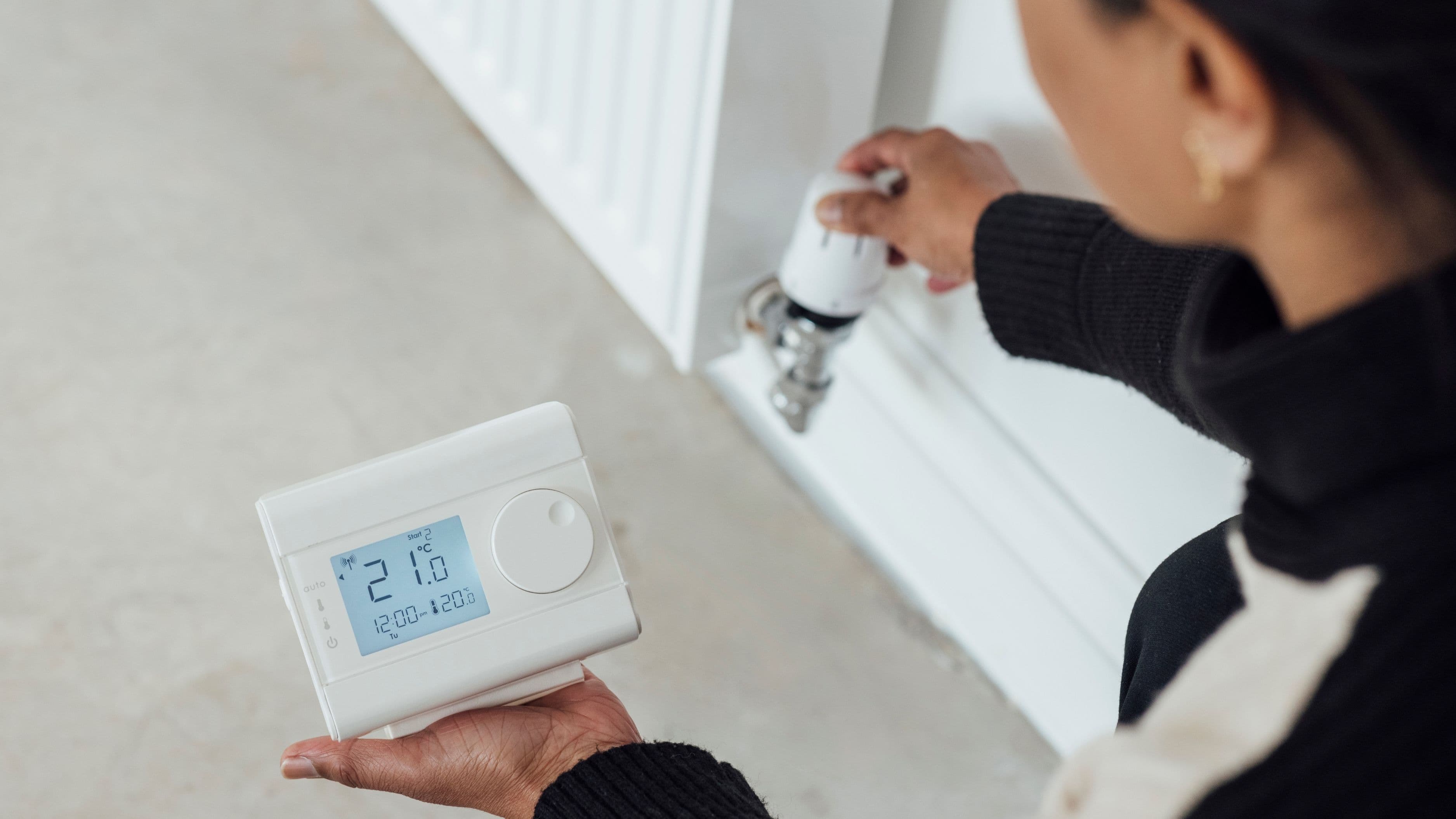
The core savings mechanism isn't magic, it's automation applied to something most people are inconsistent about: adjusting the temperature when nobody's around or when everyone's asleep. Heating and cooling account for close to half of a typical home's energy use, and running your system a few degrees warmer in summer or cooler in winter during unoccupied hours adds up over a full season.
A traditional programmable thermostat could technically do the same thing, but most people never actually programmed them, or set a schedule once and never adjusted it as their routine changed. Smart thermostats close that gap in a few specific ways: some learn your schedule automatically based on when you adjust the temperature manually, some use your phone's location to detect when you've left the house and adjust accordingly, and most give you an app that makes checking and changing the schedule easy enough that people actually do it.
What the Real Numbers Look Like
Independent studies and utility program data generally show smart thermostats saving somewhere in the range of 8 to 15 percent on heating and cooling costs for a typical household, though the range varies quite a bit based on climate, home size, and prior habits. A household that already used a programmable thermostat consistently and kept a sensible schedule will see a smaller improvement than a household that previously left the system running at one temperature around the clock.
It's worth being skeptical of the higher-end claims some manufacturers advertise, which sometimes reflect best-case scenarios rather than typical results. The honest way to think about it: a smart thermostat is a tool that makes good energy habits easier to maintain automatically, not a device that saves money regardless of how it's used.
The Features That Actually Move the Needle
Not every feature on a smart thermostat contributes equally to savings, and knowing which ones matter helps you actually use the device instead of just installing it.
Geofencing (using your phone's location to detect when you leave or return) tends to produce real savings because it catches the scenario people are worst at managing manually: forgetting to adjust the temperature before leaving for the day.
Adaptive scheduling based on learned patterns helps most in households with a fairly consistent daily routine, since the thermostat can anticipate when to start adjusting the temperature before you actually need it, rather than reacting after the fact.
Usage reports are underrated. Seeing exactly how many hours your system ran each day, and how that compares to outdoor temperature, tends to nudge people toward small behavior changes, like accepting a slightly wider comfort range, that add up over a season.
Remote control via app matters less for direct savings and more for catching mistakes, like realizing you left the AC running before a weekend trip and being able to fix it from your phone instead of coming home to a wasted three days of cooling.
Where a Smart Thermostat Won't Help Much
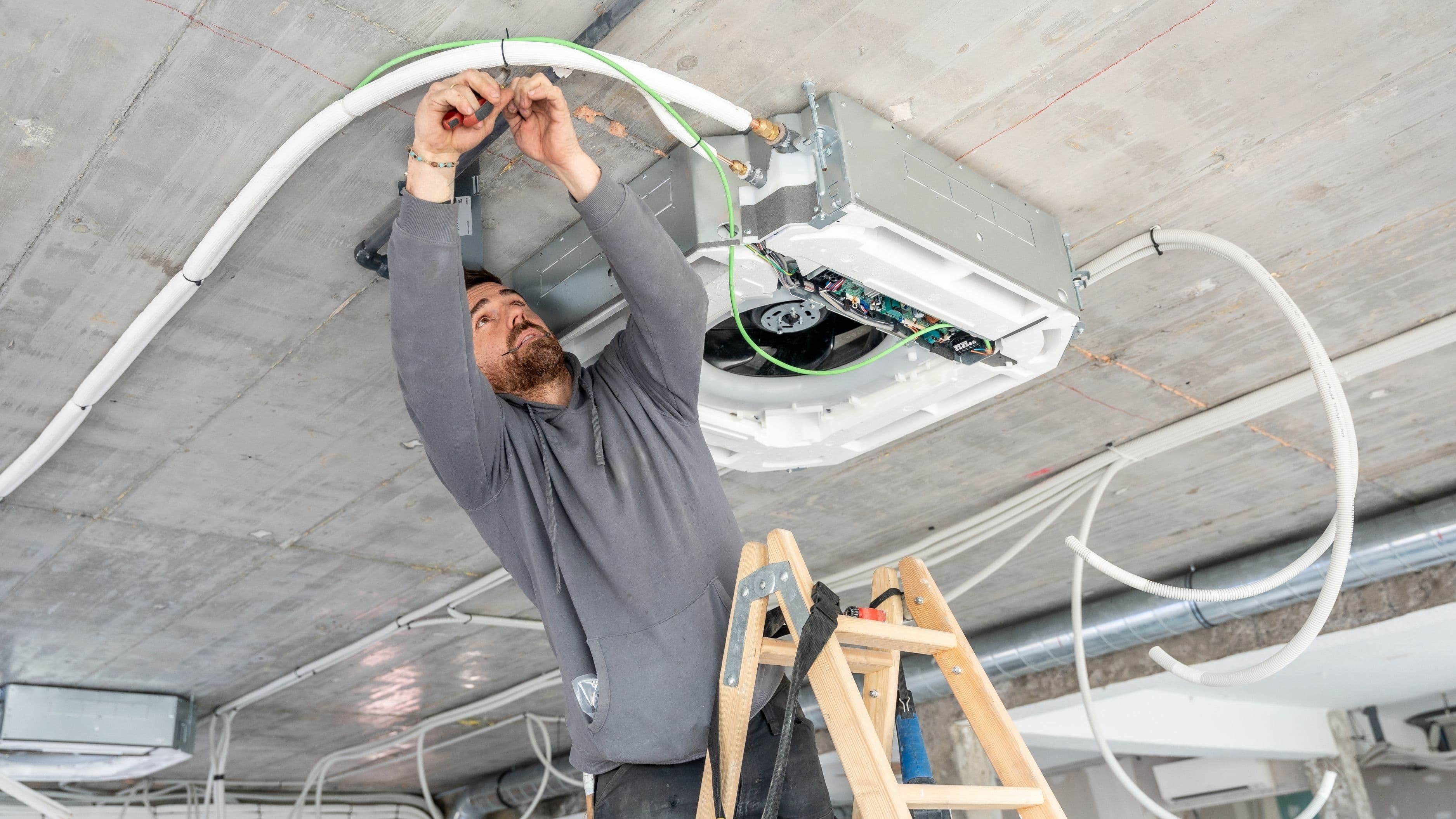
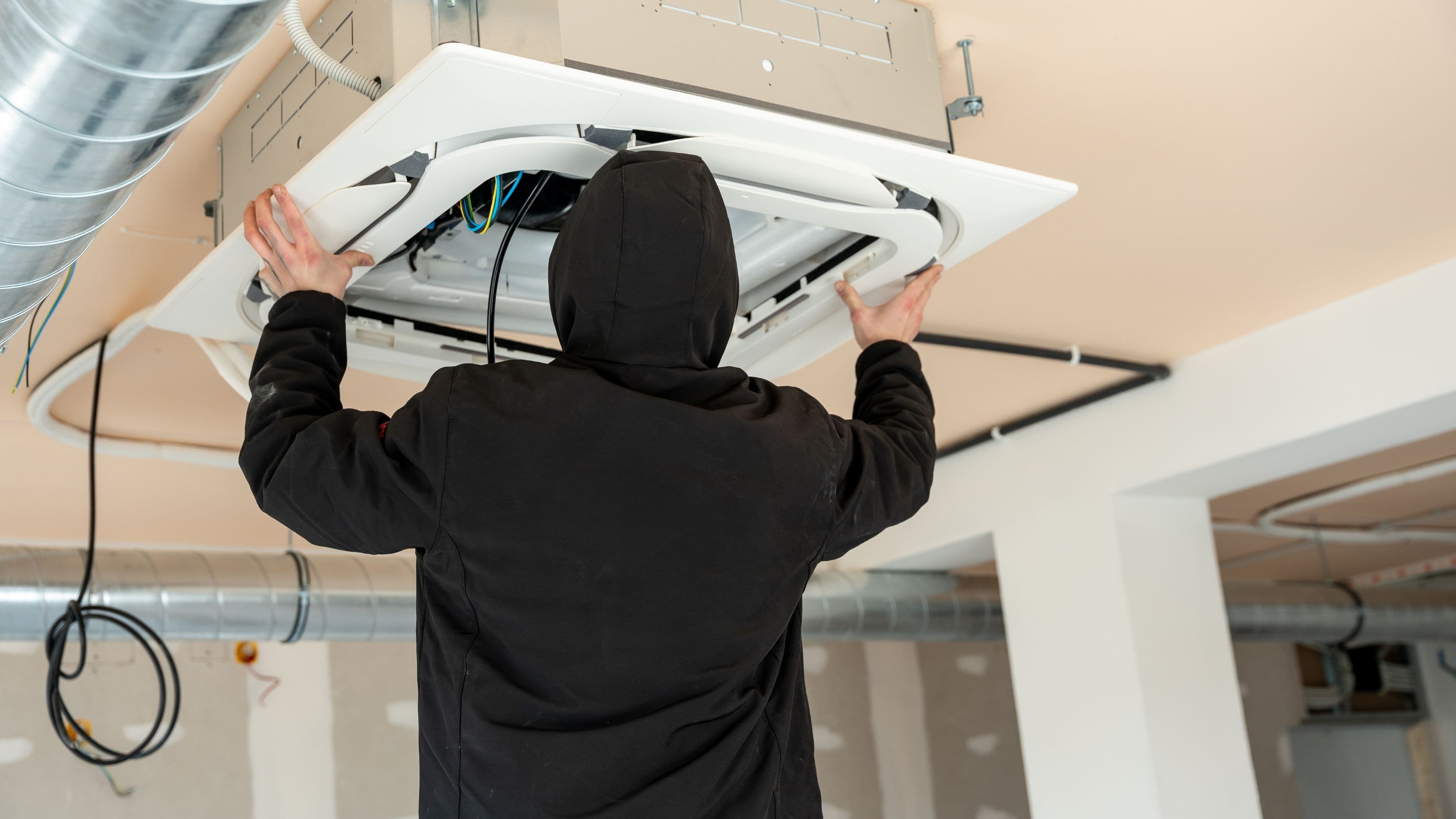
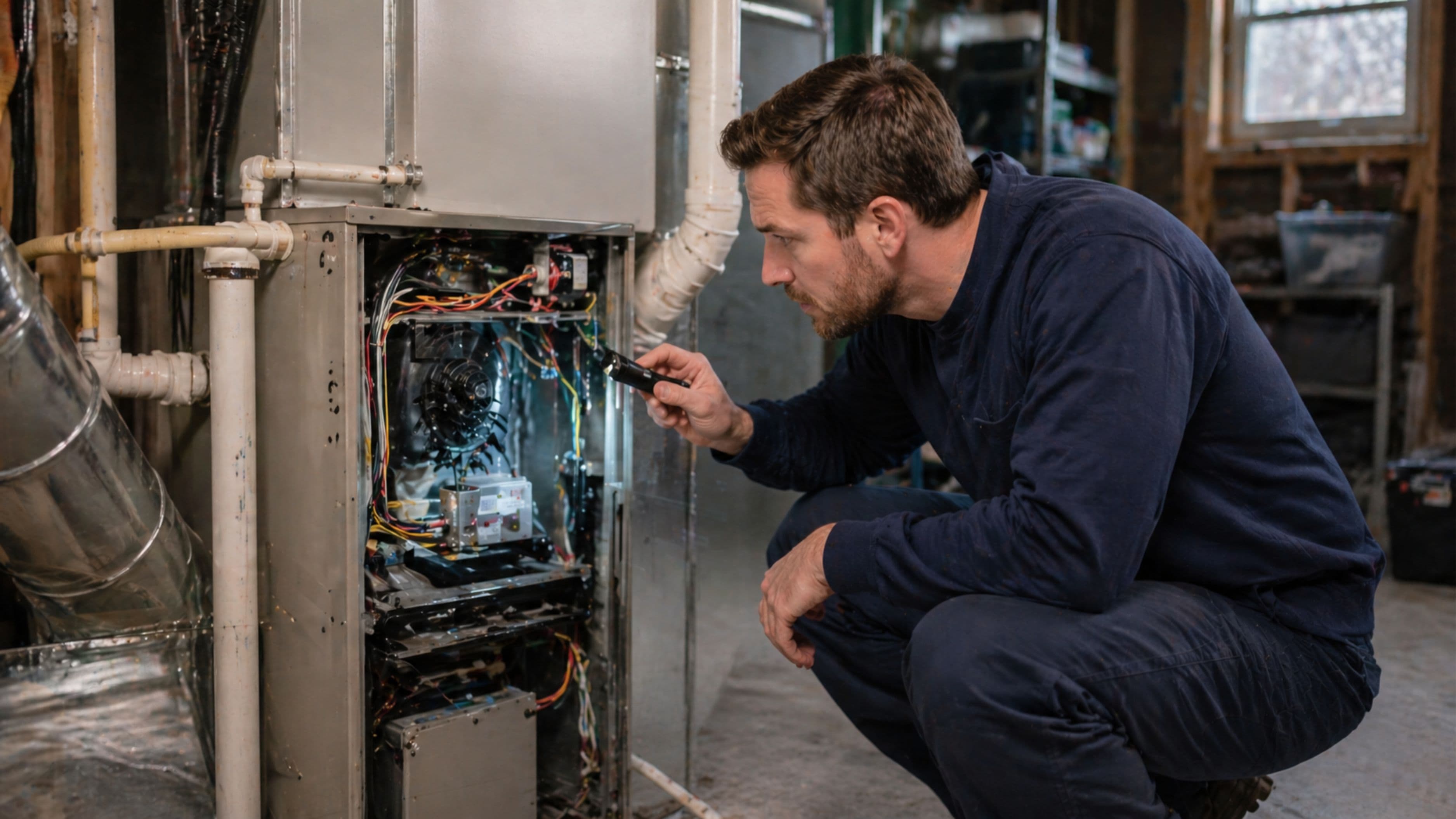
If your HVAC system itself is old, poorly sized for your home, or your ductwork leaks conditioned air into an attic or crawl space, a smart thermostat can't fix the underlying inefficiency. It's optimizing when your system runs, not how efficiently it runs once it's on. In these cases, the bigger savings opportunity is sealing ducts, adding insulation, or eventually replacing an aging system, and a smart thermostat is a smaller piece of a larger picture.
Similarly, if you rent and don't control the insulation or system efficiency of your unit, or if you already keep a strict manual schedule and adjust the temperature diligently, the incremental savings from a smart thermostat may be smaller than the upfront cost justifies within a reasonable timeframe.
Installation Difficulty and Realistic Cost
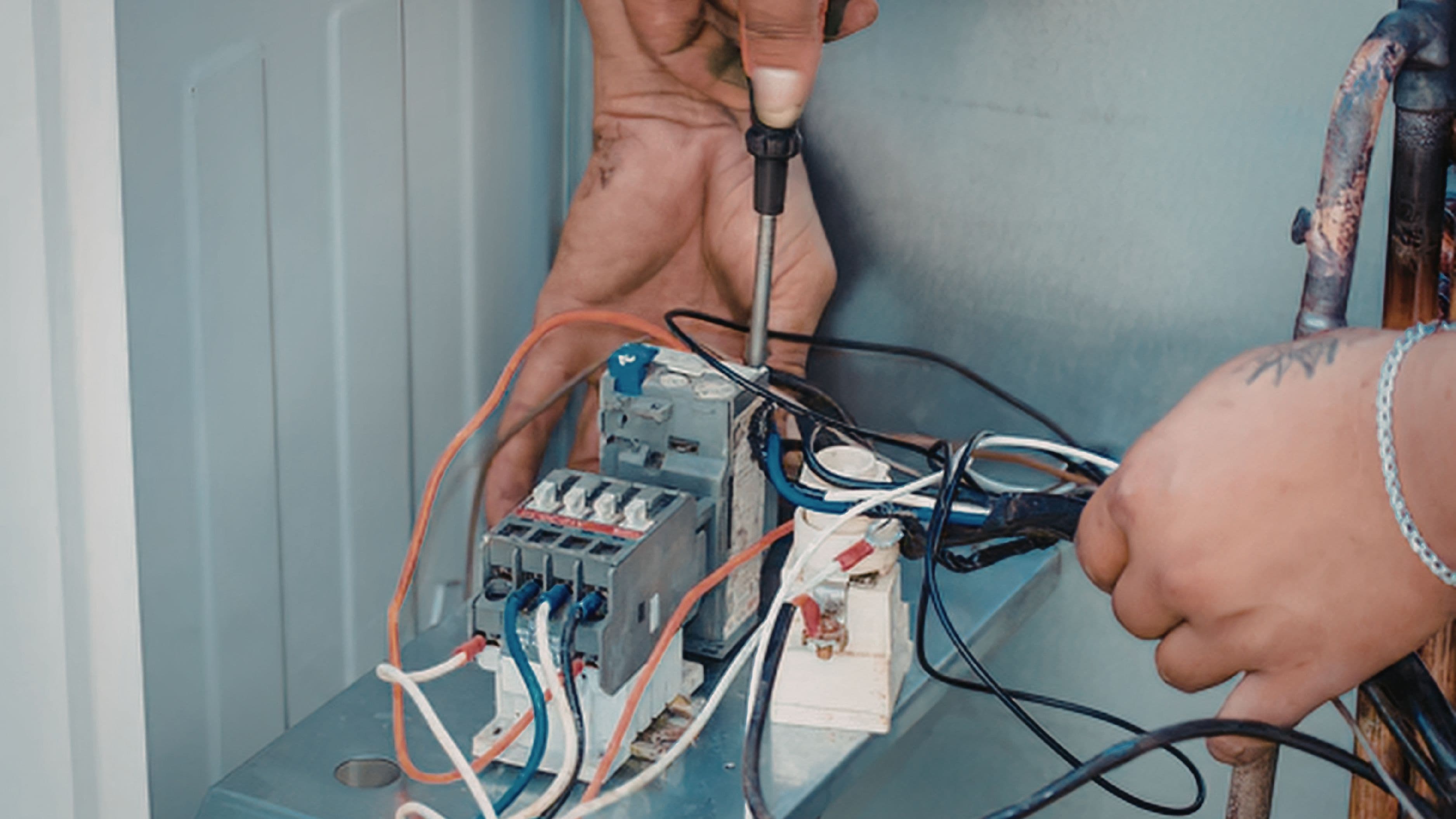
Most smart thermostats are designed for DIY installation and typically take 30 to 60 minutes for someone comfortable with basic wiring, following a labeled photo of your existing wiring before disconnecting anything. The most common snag is a lack of a "C-wire" (common wire) in older HVAC systems, which some smart thermostats need for consistent power. Many current models include a workaround for this, but it's worth checking compatibility before buying rather than after opening the box.
Devices typically run $130 to $280 depending on the brand and feature set, with many utility companies offering rebates that can offset a meaningful chunk of that cost. Given typical energy savings, most households recoup the cost of a mid-range smart thermostat within one to two years, though this varies with local energy prices and climate.
What to Avoid
Don't buy a smart thermostat expecting it to fix underlying insulation or ductwork problems, it manages your schedule, not your home's efficiency. Don't skip checking your existing wiring for a C-wire before purchasing, since compatibility issues are one of the most common installation headaches. Don't ignore the app's setup process, the savings come from the scheduling and geofencing features actually being configured, not from the hardware sitting on the wall. And if you're not confident working near your HVAC system's wiring, it's worth paying for professional installation rather than risking damage to the system.
📚 Sources
U.S. Department of Energy, "Thermostats" – https://www.energy.gov/energysaver/thermostats
ENERGY STAR, "Smart Thermostats" – https://www.energystar.gov/products/smart_thermostats
EPA, "Guide to Energy-Efficient Heating and Cooling" – https://www.epa.gov/