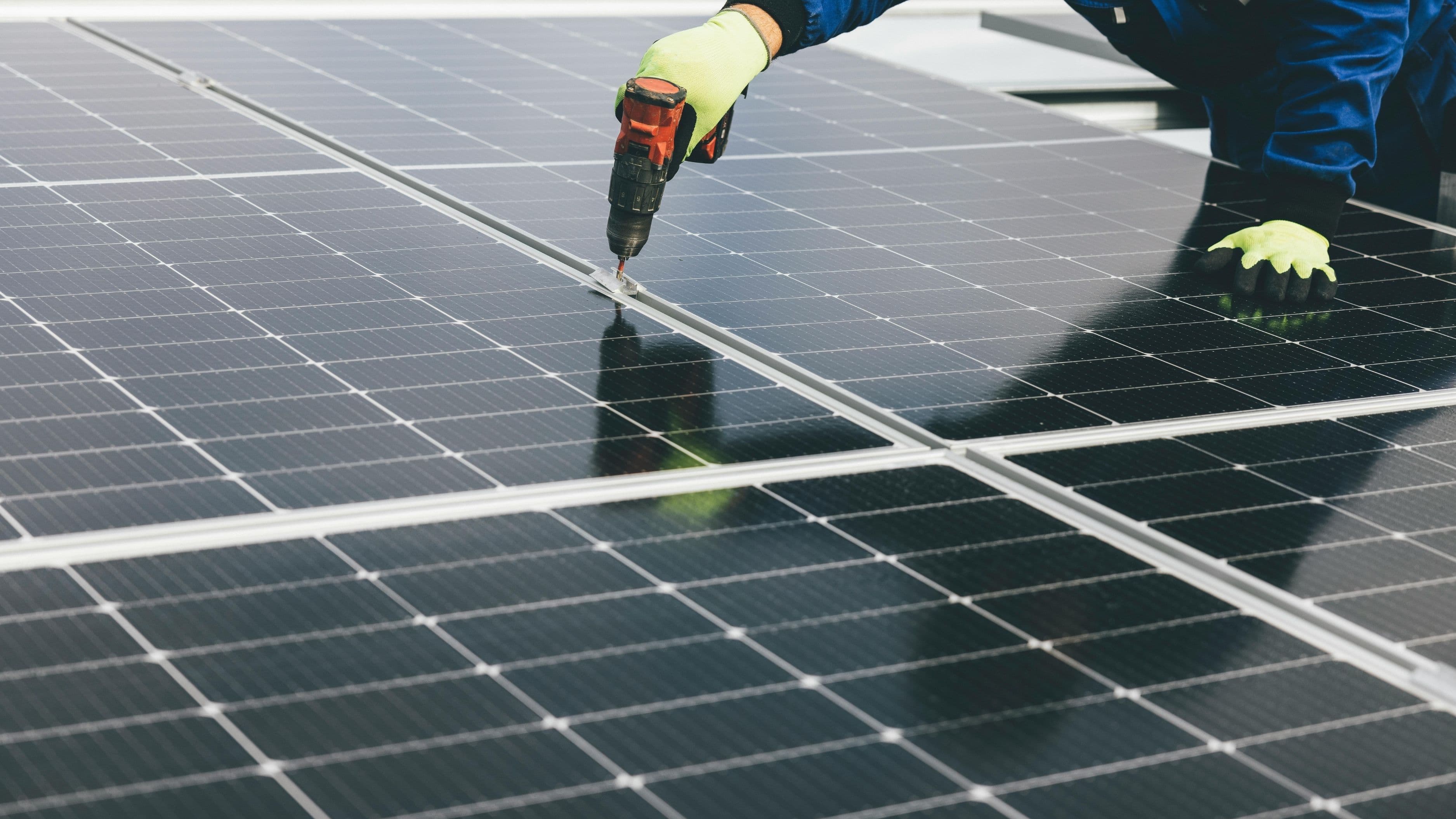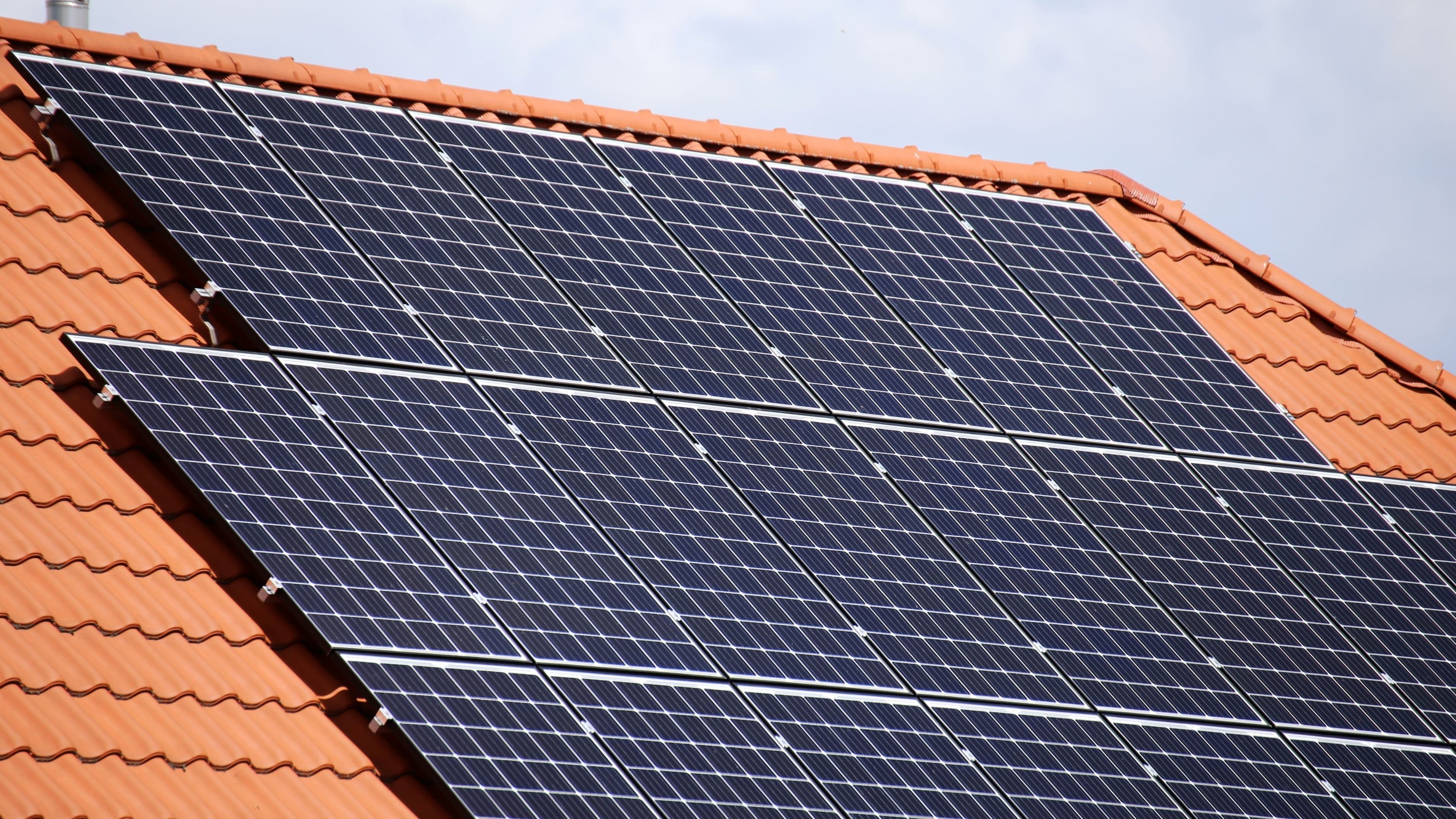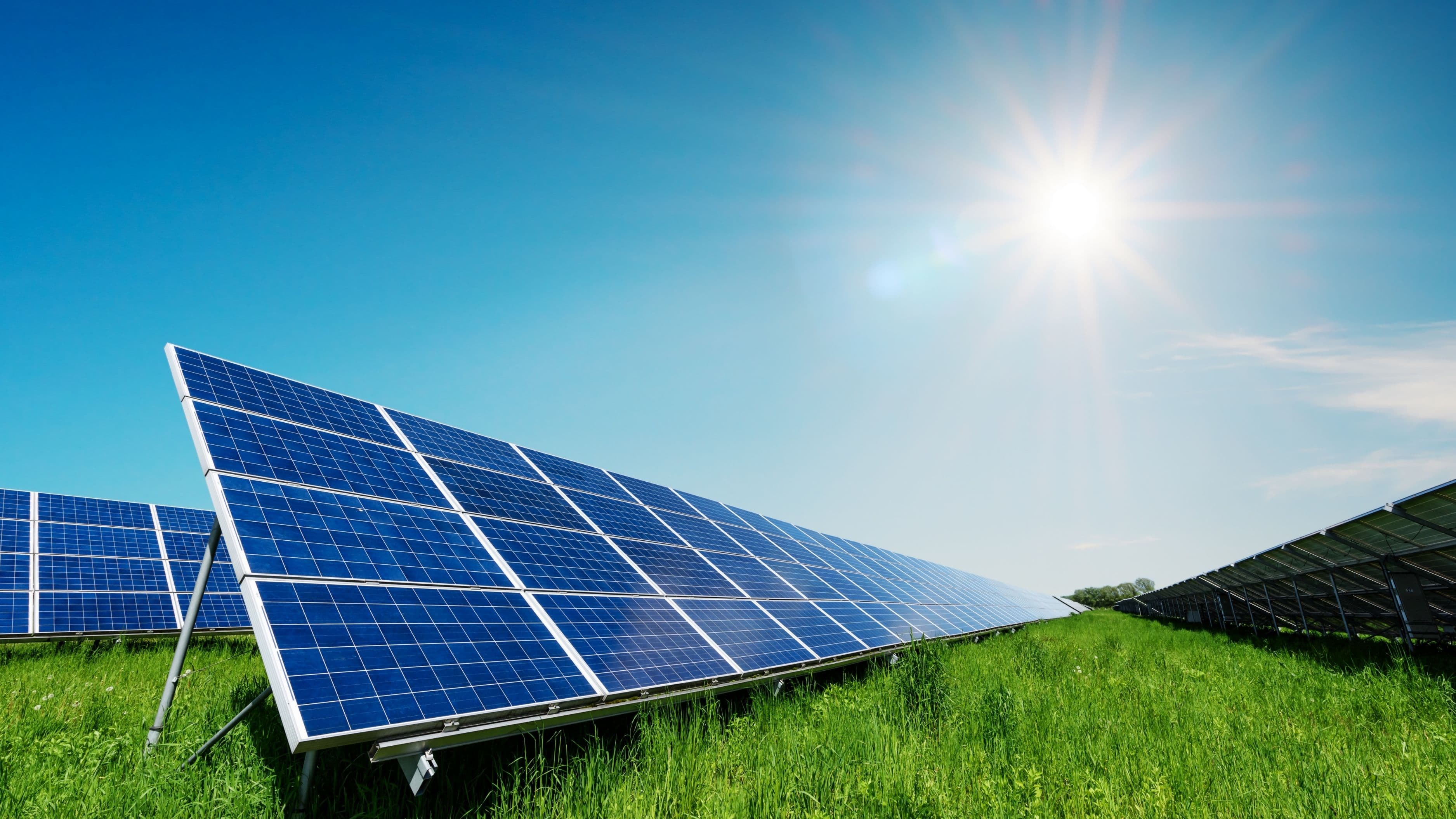

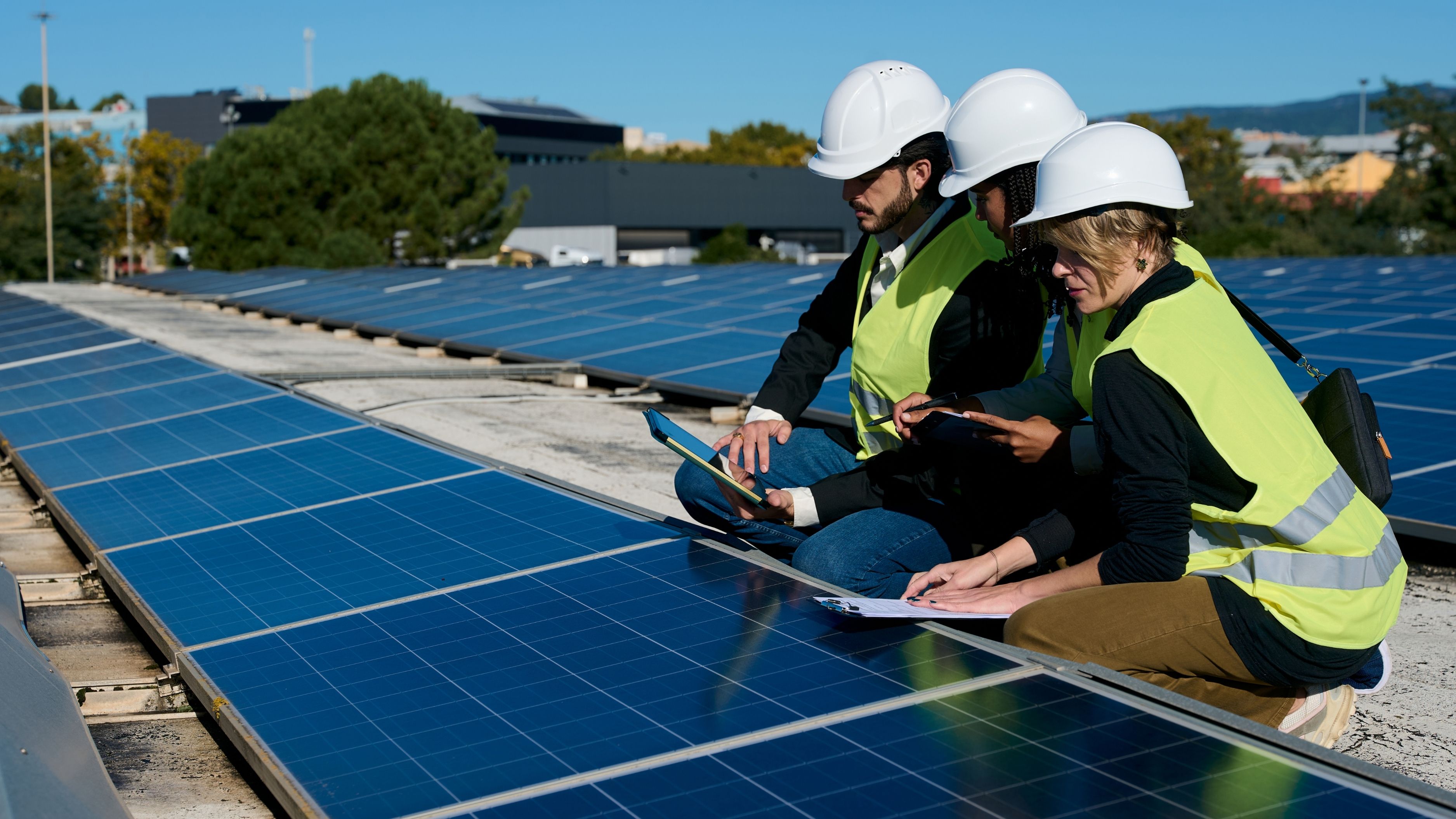
The good news is that solar panel inspection is mostly straightforward. You don't need specialized tools or an electrical background to do the basic checks yourself. Here's exactly how often you should be inspecting your system, what to look for at each stage, and when to call a professional in.
The Basic Inspection Schedule
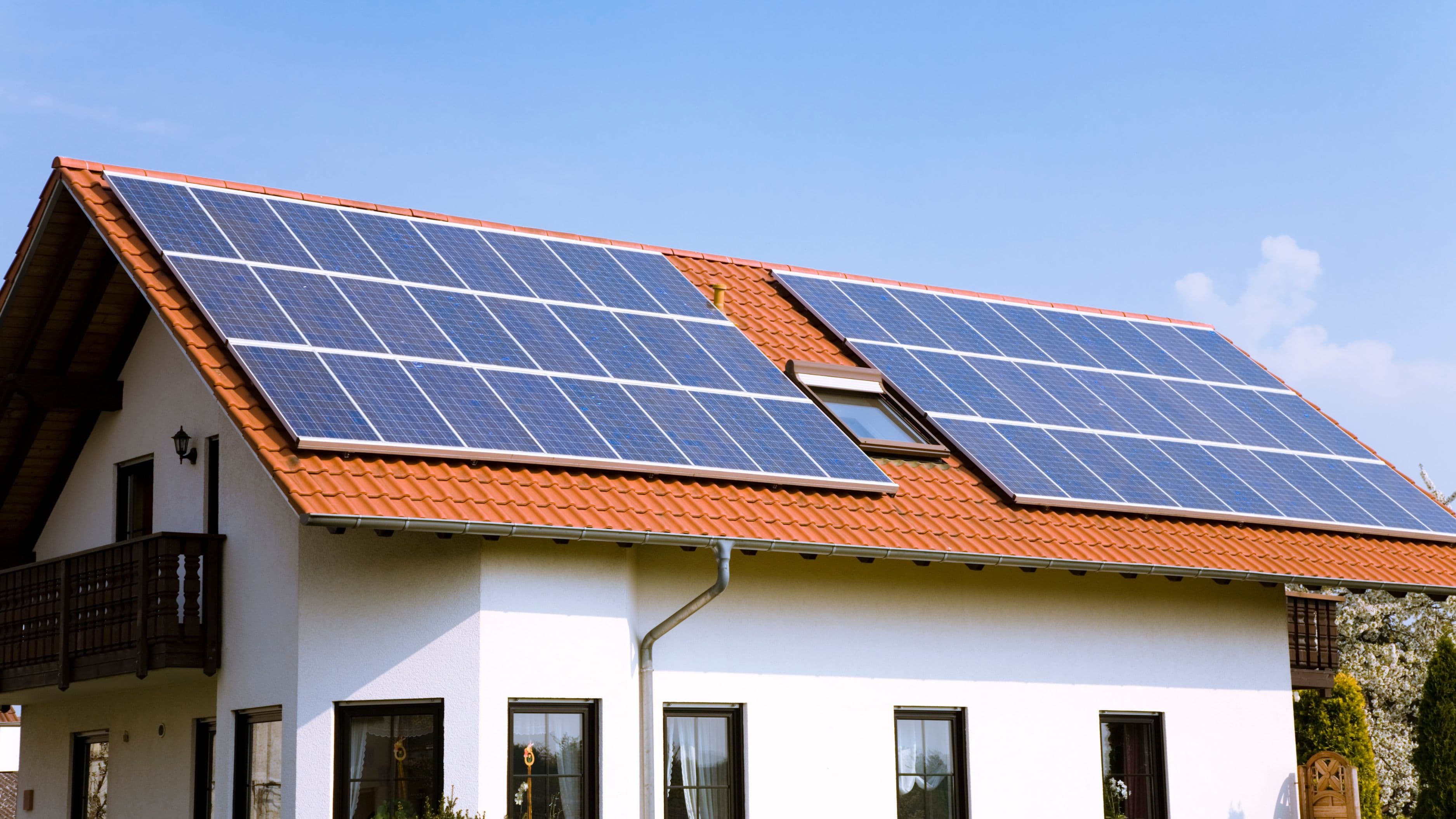
A well-maintained residential solar system has three inspection layers: quick monthly visual checks you can do from the ground, a more thorough twice-yearly inspection that may involve getting closer to the panels, and a full professional inspection every three to five years. Each layer serves a different purpose, and together they catch the vast majority of issues before they cost you money.
Monthly: A Two-Minute Ground-Level Check
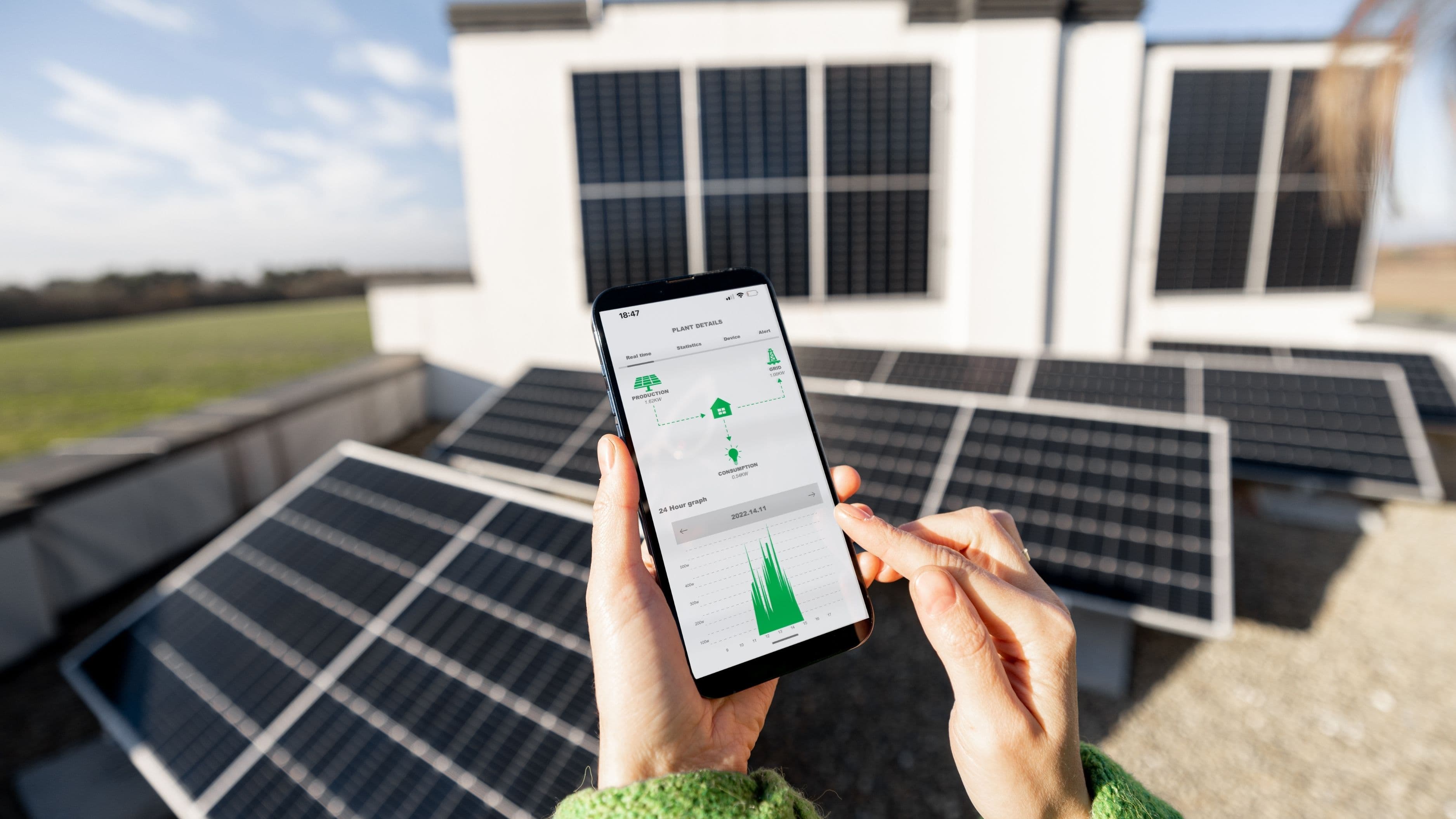
Once a month, step outside and take a look at your panels from the ground. You're looking for anything obviously out of place: visible debris like leaves, branches, or bird droppings that have accumulated, any panels that look visibly cracked or discolored, and whether anything has shifted or appears loose. If you have monitoring software (most modern inverters include an app or web dashboard), a monthly check of your production numbers takes just as long and tells you even more – a sudden or gradual drop in output is often the first sign something is wrong.
This doesn't require getting on your roof. Standing in your yard or driveway with a clear sightline to the panels is enough for this level of check. The goal is to catch obvious problems early, not to do a detailed inspection.
Twice a Year: A Closer Look
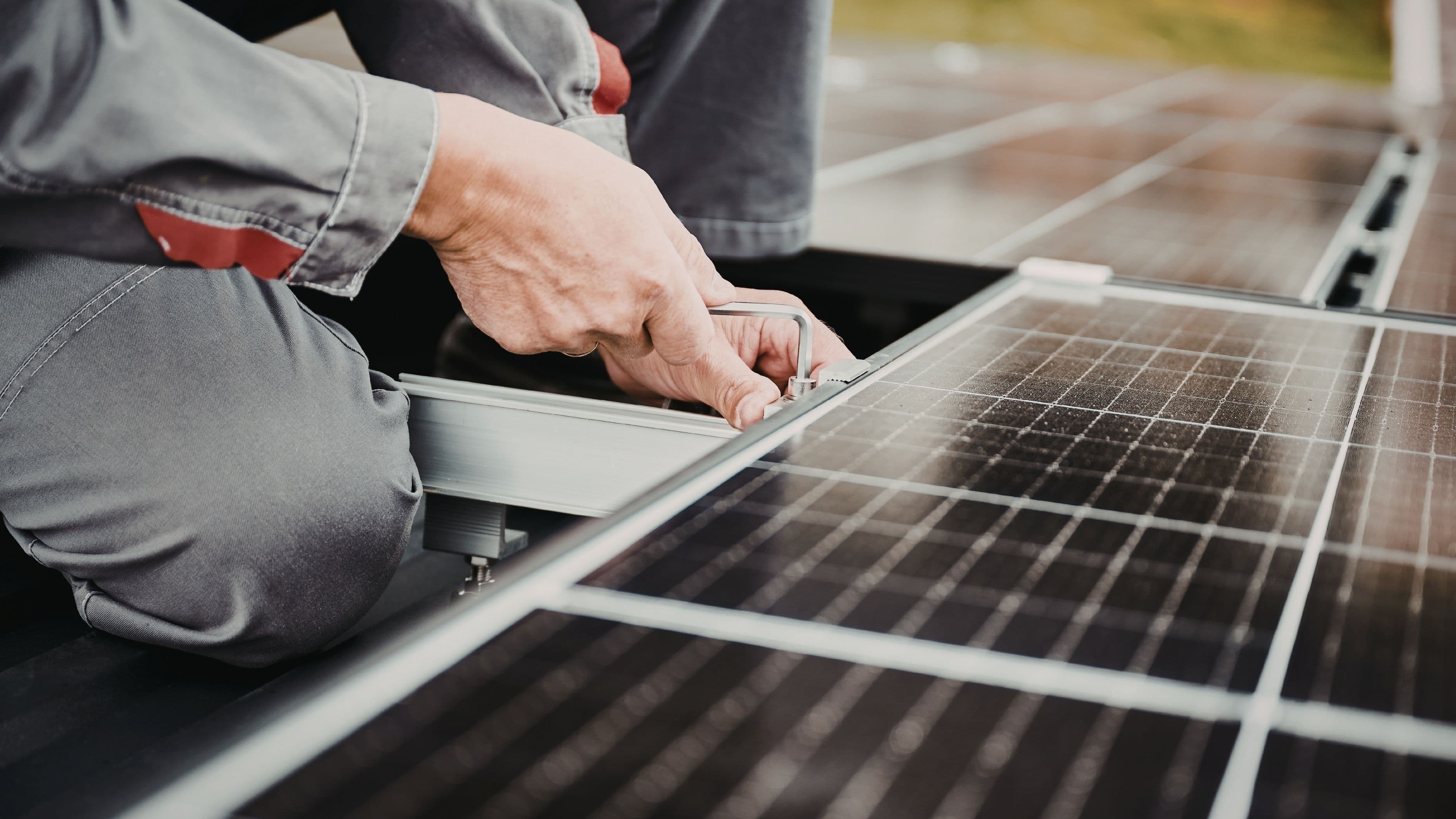
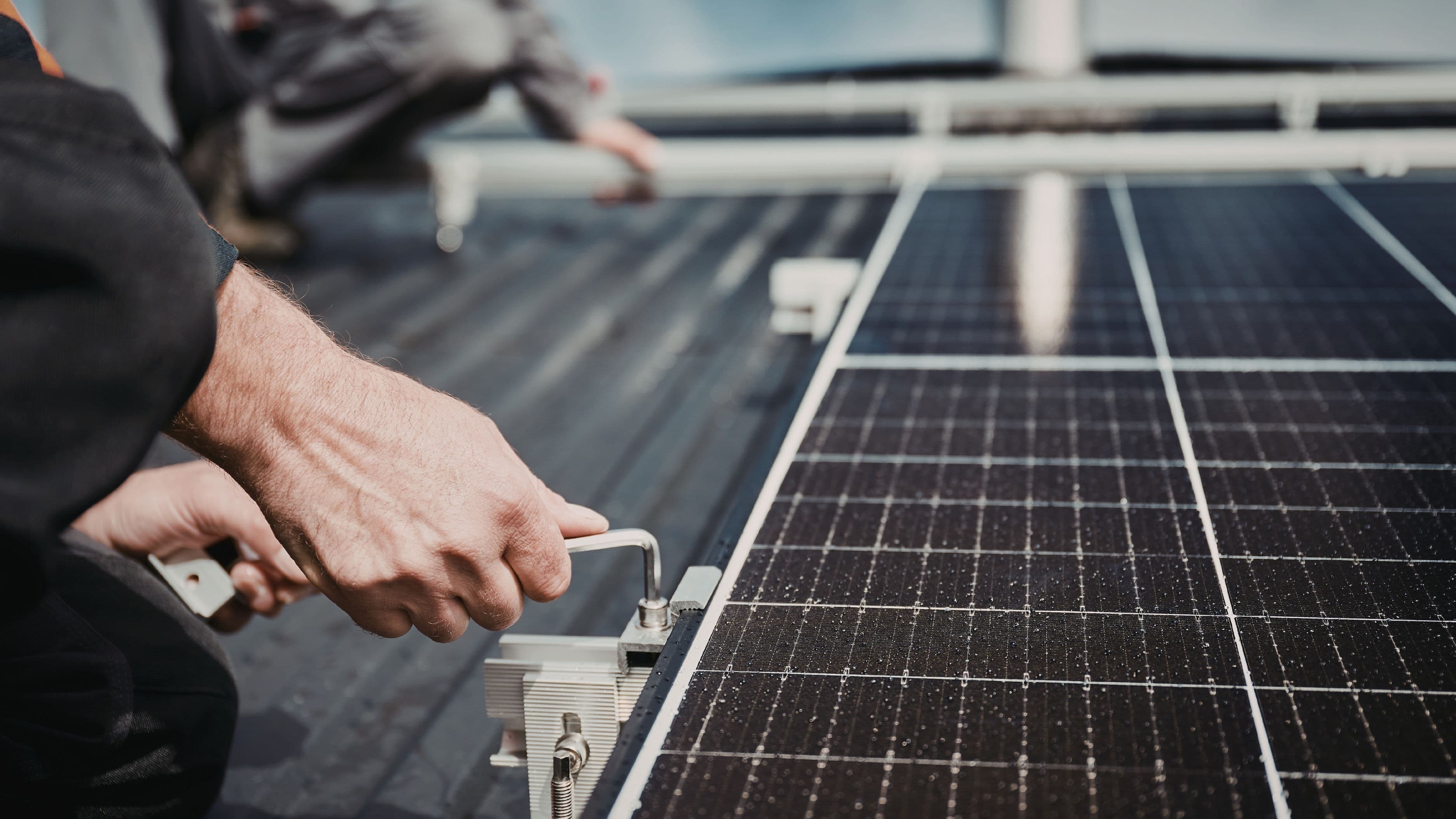
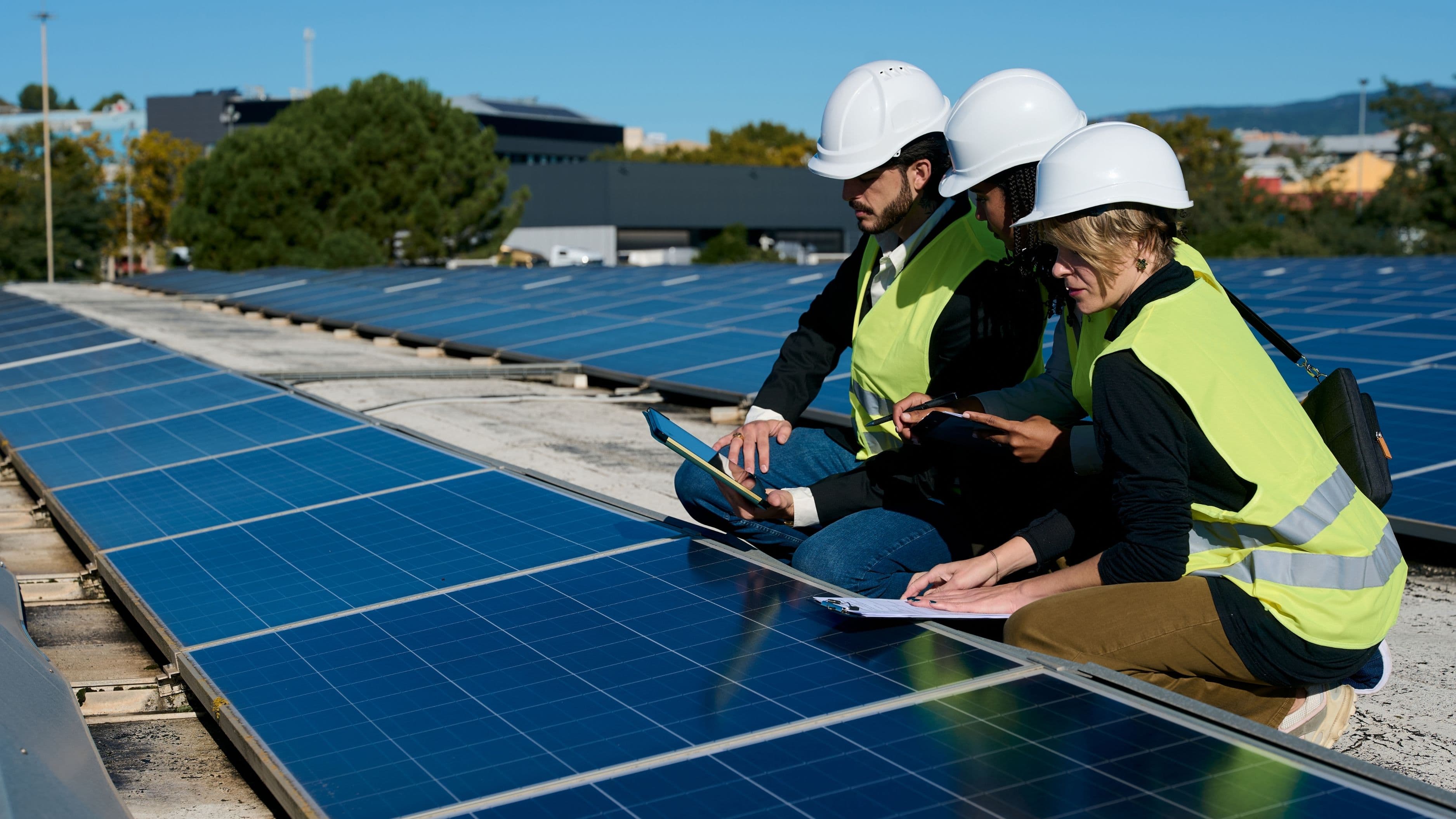
Twice a year – once in spring after winter weather, and once in fall before temperatures drop again – do a more thorough check. This is when you want to assess cleaning needs, look more carefully at the mounting hardware, check that all connections at the junction boxes are secure, and inspect the wiring conduit running from the panels to your inverter for any visible damage.
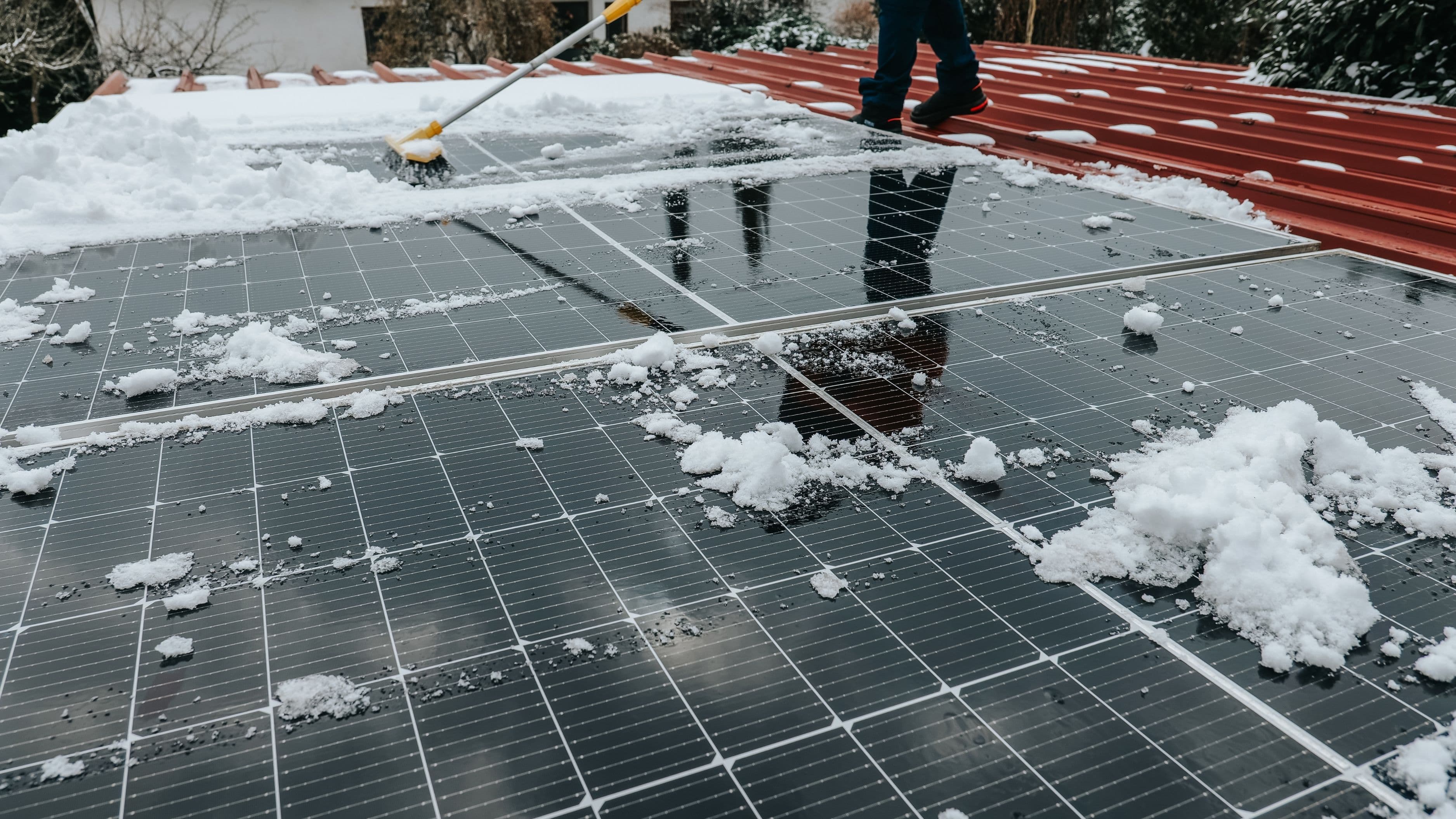
Spring is the most important inspection window. Winter can bring ice, snow load, fallen branches, and debris that your monthly glances may have missed. Before peak solar season hits (late spring through summer), you want your system clean and fully functional to maximize production during the highest-output months of the year.
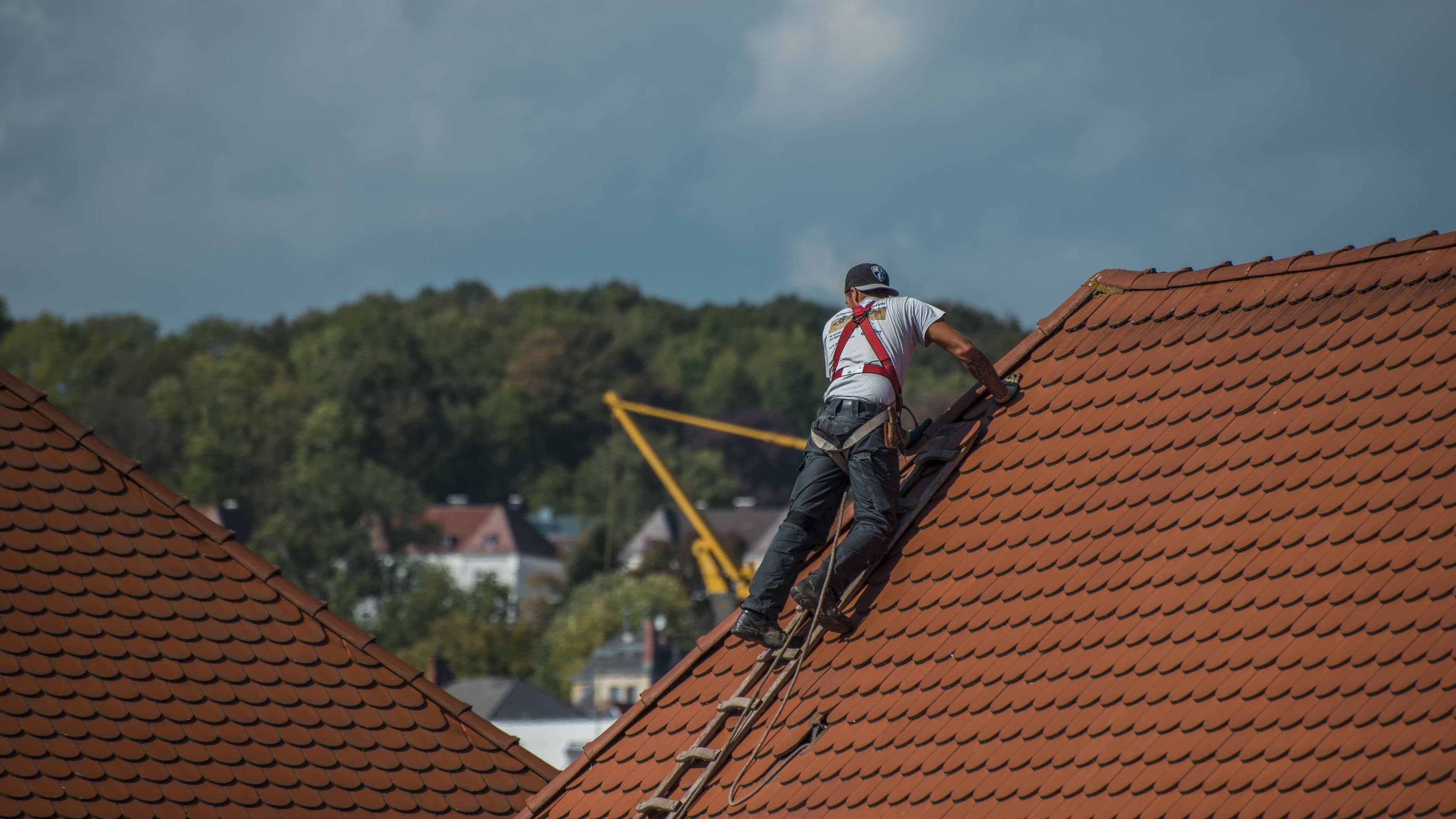
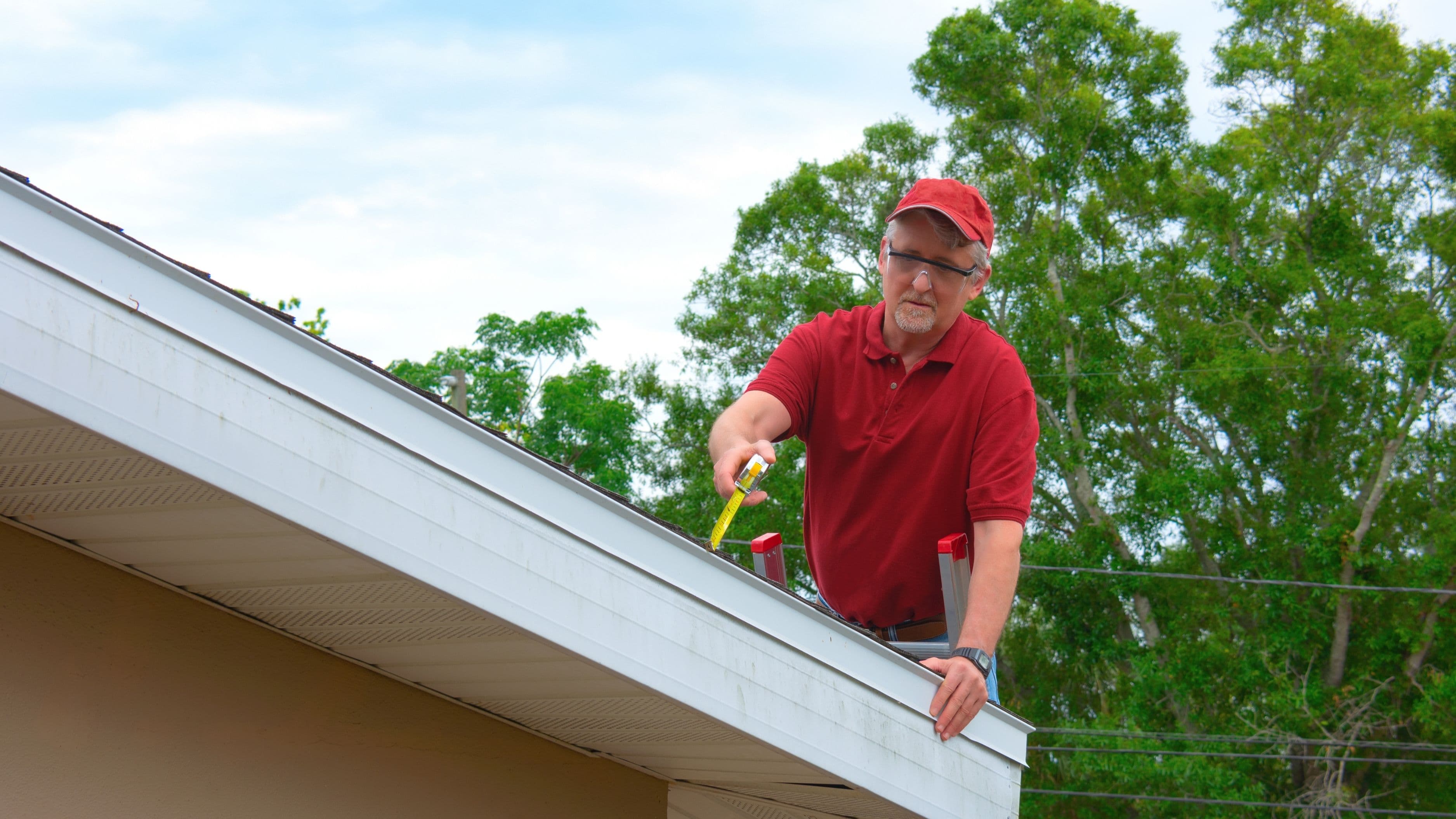
If your roof pitch is gentle and you're comfortable on a ladder, you can do this inspection yourself with the right safety precautions. If your roof is steep, the panels are in a difficult spot, or you're not confident on ladders, stick to the visual check from the ground and note anything worth flagging for a professional.
Every 3–5 Years: A Professional Inspection
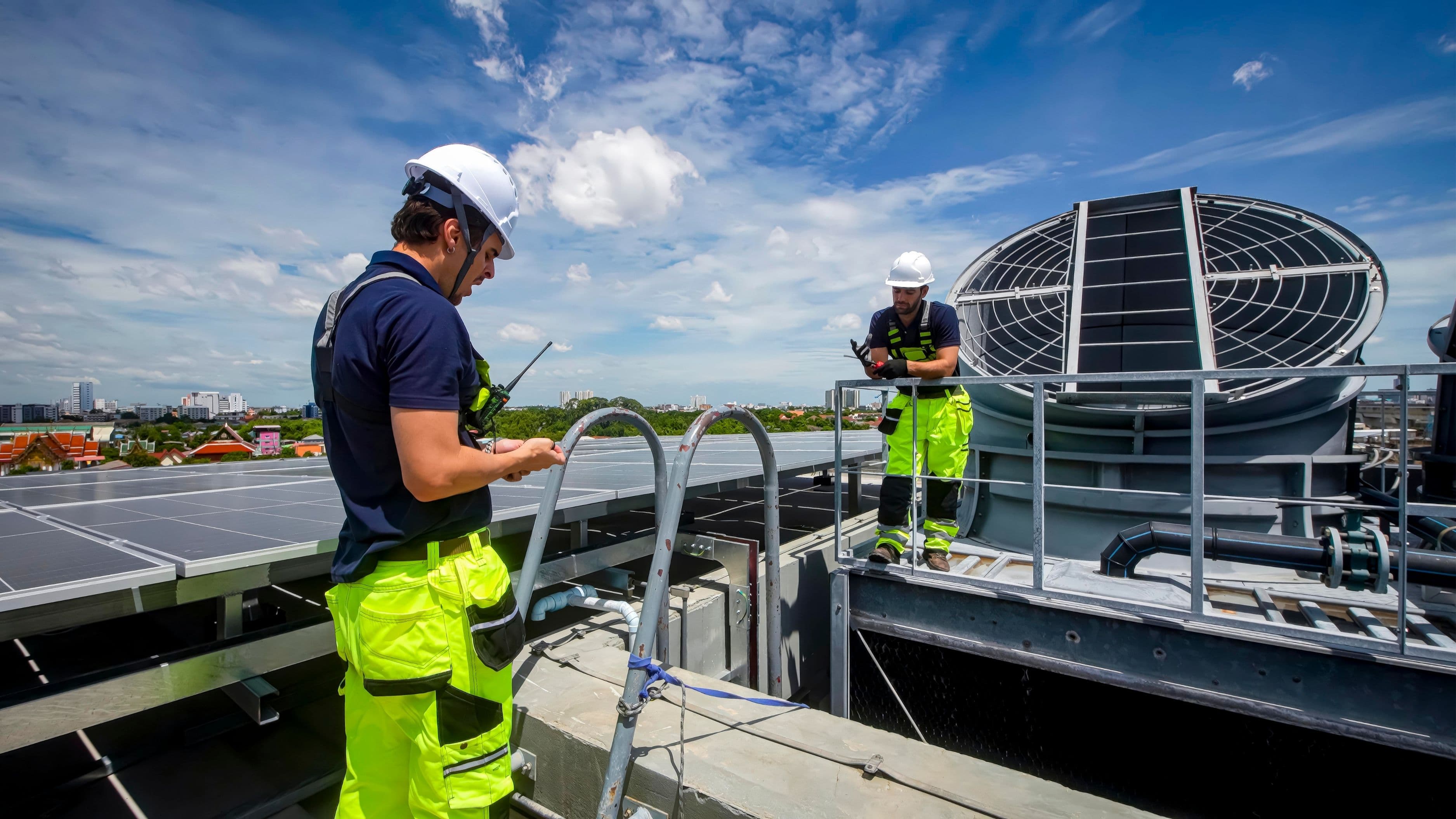
Even if everything looks fine from the outside, a professional inspection every three to five years is worth scheduling. A qualified solar technician will check things you can't easily assess yourself: the integrity of electrical connections, the performance of the inverter, the condition of the racking system, any micro-cracks in the panels that aren't visible to the naked eye, and whether your system is producing as efficiently as it should be relative to its rated output.
If your system is under warranty, check whether the manufacturer or installer requires periodic professional inspections to maintain coverage – some warranties have maintenance provisions that are easy to overlook.
What to Look For During Each Inspection
Dirt and Debris
Dust, bird droppings, pollen, and leaf debris reduce panel output by blocking sunlight. A heavily soiled panel can lose anywhere from 5% to 25% of its efficiency depending on your local environment. If you live near a highway, agricultural land, or in an area with heavy bird activity, you may need to clean more frequently than someone in a low-pollution suburb.
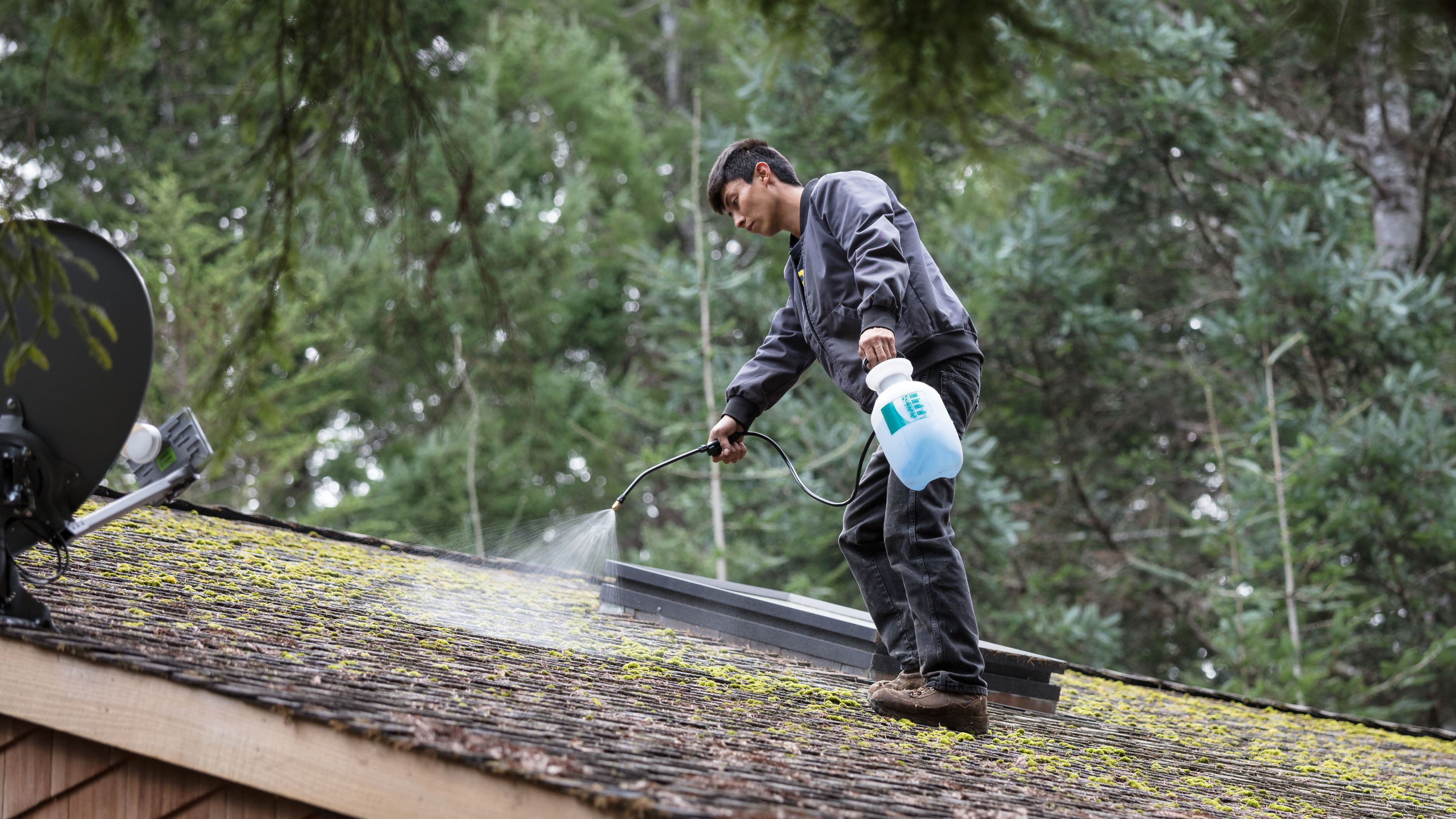
Rain handles light dust reasonably well on most roof angles. What rain doesn't clear is bird droppings (which are acidic and can etch the glass surface over time) and stubborn pollen accumulations. These need physical cleaning with water and a soft brush or squeegee. Never use abrasive materials, high-pressure washers, or harsh cleaning chemicals on solar panels – you can damage the anti-reflective coating.
Physical Damage
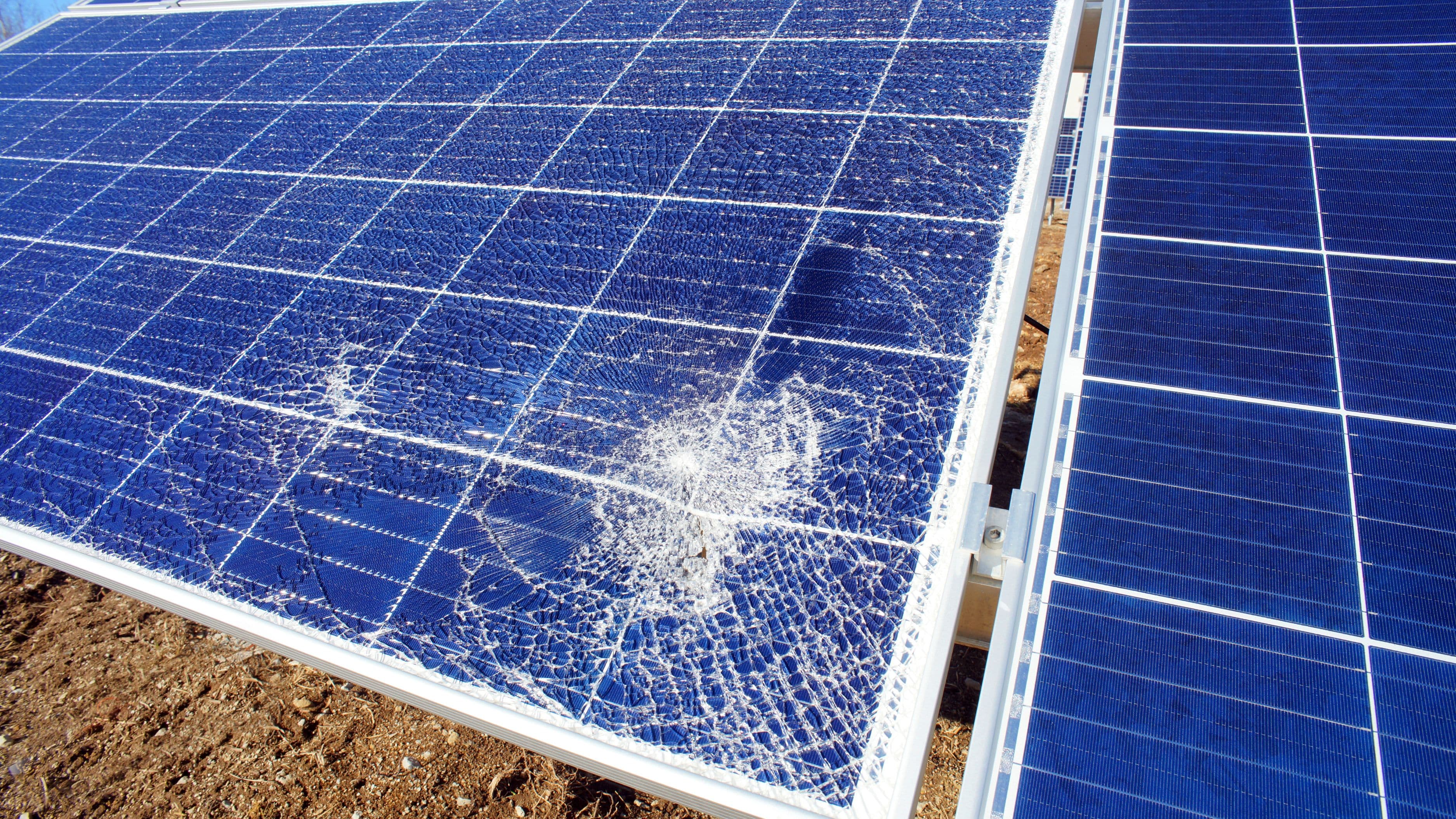
Look for cracks in the glass surface, chips around the edges, or any panel that looks discolored or yellowed compared to the others. Micro-cracks from hail or heavy debris may not be visible from the ground but will show up in a drop in production – your monitoring data is often more sensitive to damage than your eyes. Severe cracking or panel separation is a safety concern and should be addressed by a professional immediately.
Also check the mounting hardware and racking system for rust, loose bolts, or anything that looks like it has shifted. Panels should sit flat and even. If any panel looks tilted differently than the others or the frame looks bent, get a professional to take a look before the next windstorm.
Shading Changes
Trees grow. New structures get built. A tree that wasn't shading your panels when the system was installed may now be casting a shadow across part of your array for a portion of the day. Even partial shading can significantly reduce the output of an affected panel – and depending on your inverter type, it can drag down the production of the entire string. Note any new shading at your spring and fall inspections and factor it in when reviewing your production numbers.
Inverter Indicator Lights
Your inverter is the brain of your system, converting DC power from the panels into AC power your home can use. Check the indicator lights on your inverter at least monthly. A solid green light typically means normal operation. Yellow or red lights, or a light that's off entirely when it shouldn't be, mean something needs attention. Consult your inverter manual for what the specific codes mean – many inverters also send alerts to their companion apps when there's a fault.
Cleaning Your Solar Panels: What You Need to Know
Frequency: In most climates, once or twice a year is sufficient. If you're in a dry, dusty area or have significant bird activity, you may want to clean quarterly.
When to clean: Early morning or evening when the panels are cool. Cleaning hot panels with cold water can cause thermal stress.
What to use: A garden hose with a gentle spray and a soft non-abrasive brush or squeegee. Plain water handles most buildup effectively. For stubborn bird droppings, a small amount of mild dish soap diluted in water works fine – rinse thoroughly afterward.
What not to do: No pressure washers (the force can damage the panel surface and seals), no abrasive scrubbers, no ammonia-based cleaners. Don't walk on the panels. Keep hoses and water well away from the inverter and electrical connections.
Safety first: If cleaning requires getting on your roof, take ladder safety seriously – use a stable ladder, have someone spot you, wear non-slip shoes, and don't lean over the edge. Many homeowners simply hire a solar cleaning service for $100–$200 rather than take the roof risk, which is a perfectly reasonable call.
When to Call a Professional
Some situations are clearly beyond DIY territory. Call a licensed solar technician or your installer for any of the following:
If your production monitoring shows a sustained drop in output that cleaning and visual inspection don't explain, a professional can test each panel's output and identify whether the problem is a specific panel, the inverter, wiring, or a connection issue.
If you notice visible cracking, burning marks, or any panel that looks physically damaged beyond surface dirt. Cracked panels can create electrical hazards and should be assessed by someone qualified to work with the electrical system.
If your inverter is showing fault codes that indicate an electrical problem rather than a simple operational issue. Inverter faults can sometimes be cleared by a reset, but persistent faults mean something in the system needs professional diagnosis.
If the racking or mounting system looks compromised, especially after high winds or a major storm. Loose racking is both an output issue and a structural one – panels that aren't properly secured are a hazard.
If your system is approaching the 10-year mark without a professional inspection, it's worth scheduling one regardless of how well it appears to be working. Performance degradation and connection issues are common in older systems and aren't always visible in basic monitoring data.
What Affects How Often You Should Inspect
Not every system needs the same schedule. A few factors that might push you toward more frequent checks:
Climate: Areas with heavy pollen seasons, dust storms, frequent hail, or significant bird populations all increase the maintenance frequency needed. Desert climates have high dust accumulation; southeastern US climates often have heavy pollen in spring.
Tree coverage: If you have trees near your panels, fallen leaves and debris are a more frequent issue, especially in fall.
System age: Older systems benefit from more frequent professional inspections, as components like the inverter and wiring degrade over time.
Recent severe weather: After any significant storm – hail, high winds, ice storms – do an immediate visual check rather than waiting for your scheduled inspection. Storm damage caught early is much cheaper to address than storm damage that compounds over months.
Quick Maintenance Checklist
Here's a simple reference you can use across the year:
Monthly
Visual check from ground for debris, visible damage, or anything unusual
Check inverter indicator lights
Review monitoring app for output trends
Spring
Thorough inspection of panels, mounting hardware, and wiring conduit
Clean panels if needed
Check for shading from tree growth
Review winter performance data for any unexplained drops
Fall
Repeat spring inspection before winter
Clear any debris from panel edges and mounting frames
Confirm inverter is operating correctly before lower-light winter months
Every 3–5 years
Schedule professional inspection with a certified solar technician
Check warranty provisions and ensure compliance
FAQ
Do solar panels need maintenance if I have monitoring software? Monitoring software is excellent for tracking output trends but it won't catch physical issues like loose mounting hardware, debris accumulation, or developing micro-cracks before they affect output. Use monitoring data alongside visual inspections, not instead of them.
What happens if I never clean or inspect my solar panels? Output degrades over time due to soiling and undetected issues. Most panels degrade naturally at about 0.5–0.8% per year; neglected panels degrade faster and lose output unnecessarily. You also risk missing developing problems that become expensive repairs.
Can I inspect the panels while they're producing power? Yes – visual inspection from the ground is safe at any time. If you're doing a hands-on inspection near the panels or the wiring, do it early morning or evening to minimize the electrical current being generated. Never touch or disconnect wiring unless you're a qualified electrician.
How long do solar panels typically last? Most residential solar panels carry 25–30 year performance warranties and will continue producing power beyond that, though at reduced efficiency. Regular maintenance helps the system stay closer to its rated output throughout its lifespan.
Is rain enough to keep solar panels clean? In many moderate climates, yes – rain keeps light dust at manageable levels. But rain won't clear bird droppings, heavy pollen, or sticky debris. If you notice production dropping between rain events, a manual cleaning is likely needed.
📚 Sources
U.S. Department of Energy – Homeowner's Guide to Going Solar: https://www.energy.gov/eere/solar/homeowners-guide-going-solar
National Renewable Energy Laboratory – Solar Panel Degradation Rates: https://www.nrel.gov/docs/fy12osti/51664.pdf
Solar Energy Industries Association – Residential Solar FAQ: https://www.seia.org/initiatives/solar-basics
EnergySage – How to Clean Solar Panels: https://news.energysage.com/how-to-clean-solar-panels/
Interstate Renewable Energy Council – Consumer Guide to Solar: https://irecusa.org/resources/consumer-guides/