Solar Panel Solutions Homeowners Are Using to Reduce Energy Costs
Electricity bills have become a growing concern for many homeowners. With energy prices fluctuating and environmental awareness increasing, more people are turning toward solar power as a practical solution. Solar panels are no longer a futuristic luxury; they have become a realistic option for households looking to reduce long-term energy costs. Understanding the different solar solutions available can help you determine whether solar power is the right investment for your home.
1. Grid-Tied Solar Systems The Most Popular Setup
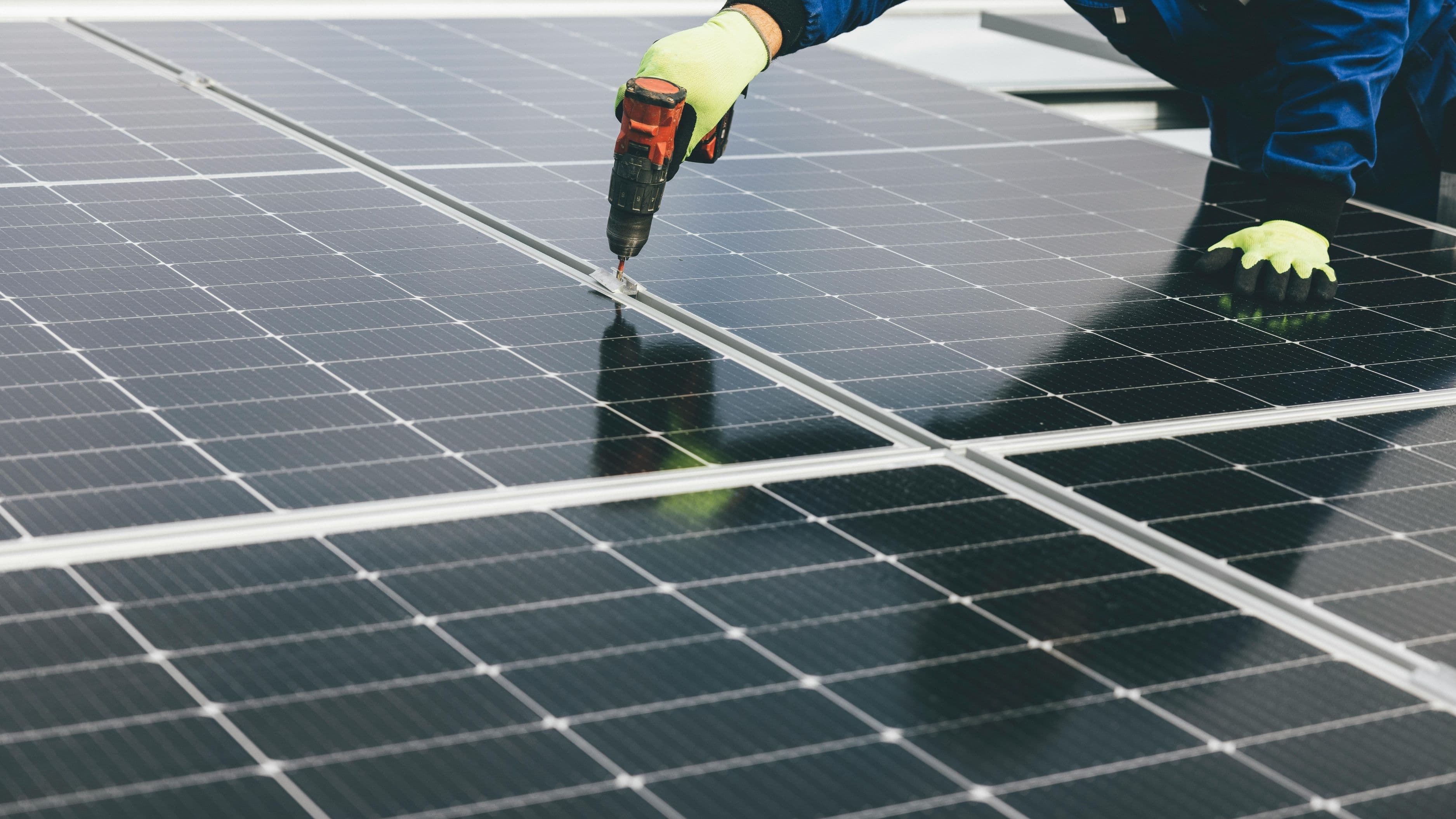
Grid-tied solar systems are the most common residential solar installation. These systems connect directly to the local electricity grid while generating power from rooftop panels.
When the panels produce more electricity than your home needs, the excess energy can often be sent back to the grid through a process known as net metering. In many regions, this allows homeowners to receive energy credits that offset future electricity usage.
Because they don’t require expensive battery storage, grid-tied systems are often the most affordable way to start using solar energy.
2. Solar Battery Storage The Energy Backup
Solar batteries allow homeowners to store excess solar power for use later in the day or during power outages.
Instead of sending unused electricity back to the grid, the energy is stored and used when solar panels are not actively generating power, such as at night or during cloudy weather.
This solution can provide greater energy independence and added protection during electrical outages.
3. Off-Grid Solar Systems The Independent Approach
Off-grid solar systems operate completely independently from the public electricity grid. These systems rely on solar panels combined with battery storage to power the entire home.
Off-grid setups are particularly useful in remote areas where access to traditional power infrastructure is limited. While installation costs can be higher, the long-term independence from utility companies can be appealing for some homeowners.
This option requires careful planning to ensure energy needs are consistently met.
4. Solar Leasing The Low Upfront Cost Option
For homeowners who want to go solar without paying for the entire installation upfront, solar leasing offers an alternative.
In this arrangement, a solar company installs and maintains the panels while the homeowner pays a monthly fee for the electricity generated. The upfront cost is significantly lower, although long-term savings may be smaller compared to owning the system outright.
Leasing allows homeowners to start benefiting from solar energy without large initial investments.
5. Power Purchase Agreements The Pay-as-You-Go Model
A power purchase agreement, often called a PPA, works similarly to a solar lease but focuses on the energy produced rather than the equipment.
Homeowners pay for the electricity generated by the panels at a fixed rate that is typically lower than local utility prices. The solar provider handles installation, maintenance, and system monitoring.
This model allows homeowners to benefit from solar energy without owning the equipment.
6. Solar Incentives and Tax Credits The Cost Reducers
Many governments offer financial incentives that significantly reduce the cost of installing solar panels.
These programs may include federal tax credits, state rebates, or local energy incentives designed to encourage renewable energy adoption. These benefits can lower installation costs and shorten the time it takes for the system to pay for itself.
For many homeowners, these incentives are what make solar installations financially attractive.
Powering Your Home Differently
Solar energy offers more than just lower electricity bills. It provides a path toward energy independence and environmental sustainability.
By exploring the available solar solutions and understanding the financial incentives involved, homeowners can determine whether solar power fits their long-term energy strategy.
📚 Sources
U.S. Department of Energy. Home Solar Energy Systems Guide, 2024.
International Energy Agency. Solar Energy Market Trends, 2024.
National Renewable Energy Laboratory. Residential Solar Adoption Research, 2024.
🔍 Explore Related Topics
Solar panel installation costs explained
Solar battery storage benefits
Net metering and energy credits
Solar leasing vs buying panels
Home solar system maintenance tips
Government solar incentives and tax credits
Solar panels for small homes
Solar energy savings calculators
Solar energy myths and facts
Solar system payback periods