


What "25-Year Warranty" Actually Means
Most solar panels come with two separate warranties bundled under that 25-year label, and conflating them is where a lot of confusion starts. The performance warranty guarantees the panel will still produce a certain percentage of its original output after 25 years, typically around 80% to 88%, since panels naturally degrade a small amount each year. The product warranty (sometimes called the equipment warranty) covers manufacturing defects, and it's often shorter, commonly 10 to 12 years, though premium manufacturers have pushed this closer to 25 years as well.
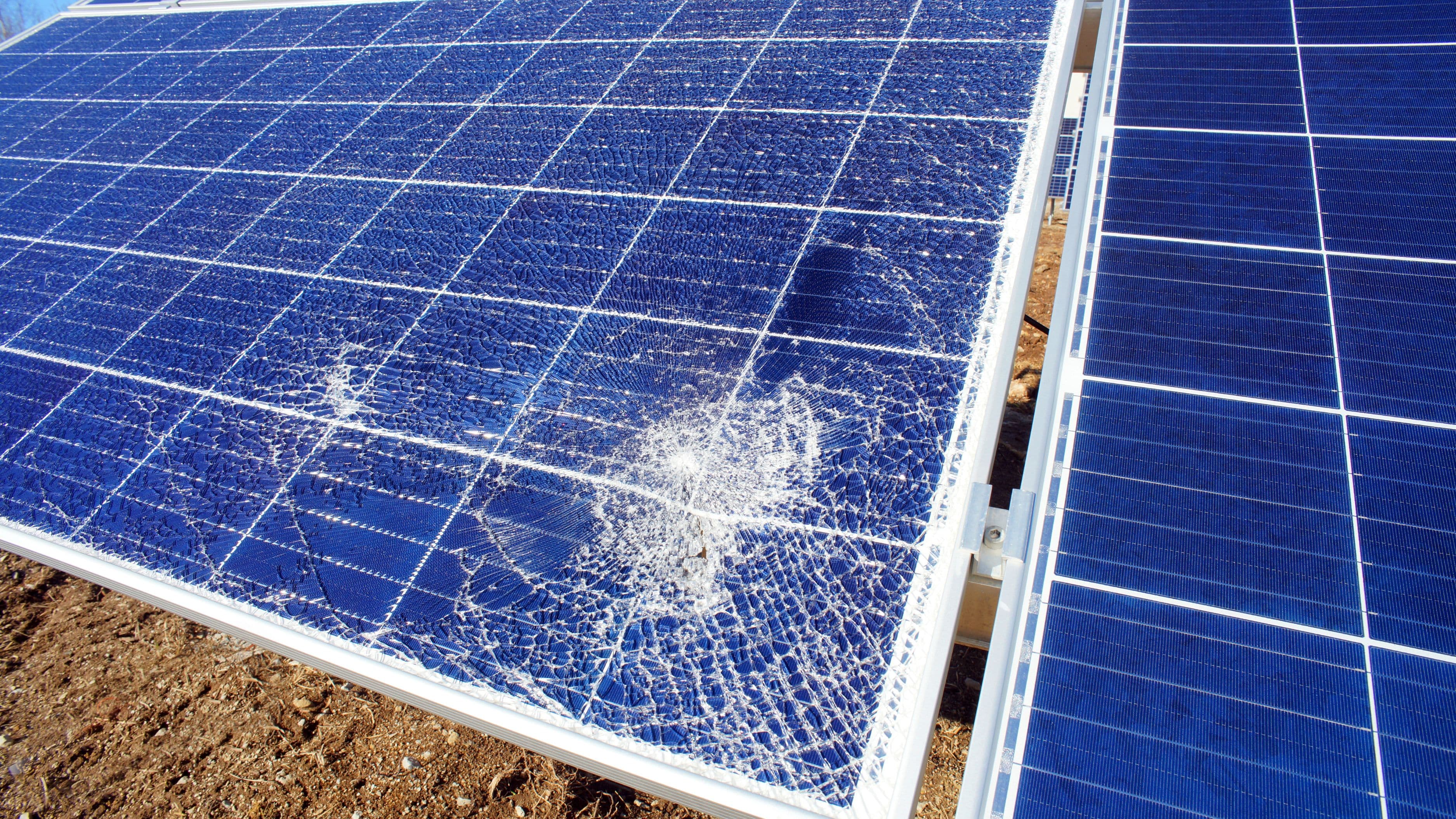
Understanding which warranty applies to which problem matters. A panel that's degraded faster than expected falls under the performance warranty. A panel with a manufacturing flaw, like a cracked cell or faulty wiring from the factory, falls under the product warranty.
What's Realistically Covered
Performance warranties typically guarantee a degradation curve, panels usually start around 97% to 98% of rated output in year one, then degrade roughly 0.3% to 0.5% annually. If your panels underperform this curve significantly, the manufacturer is obligated to repair, replace, or in some cases provide a partial refund based on the shortfall.
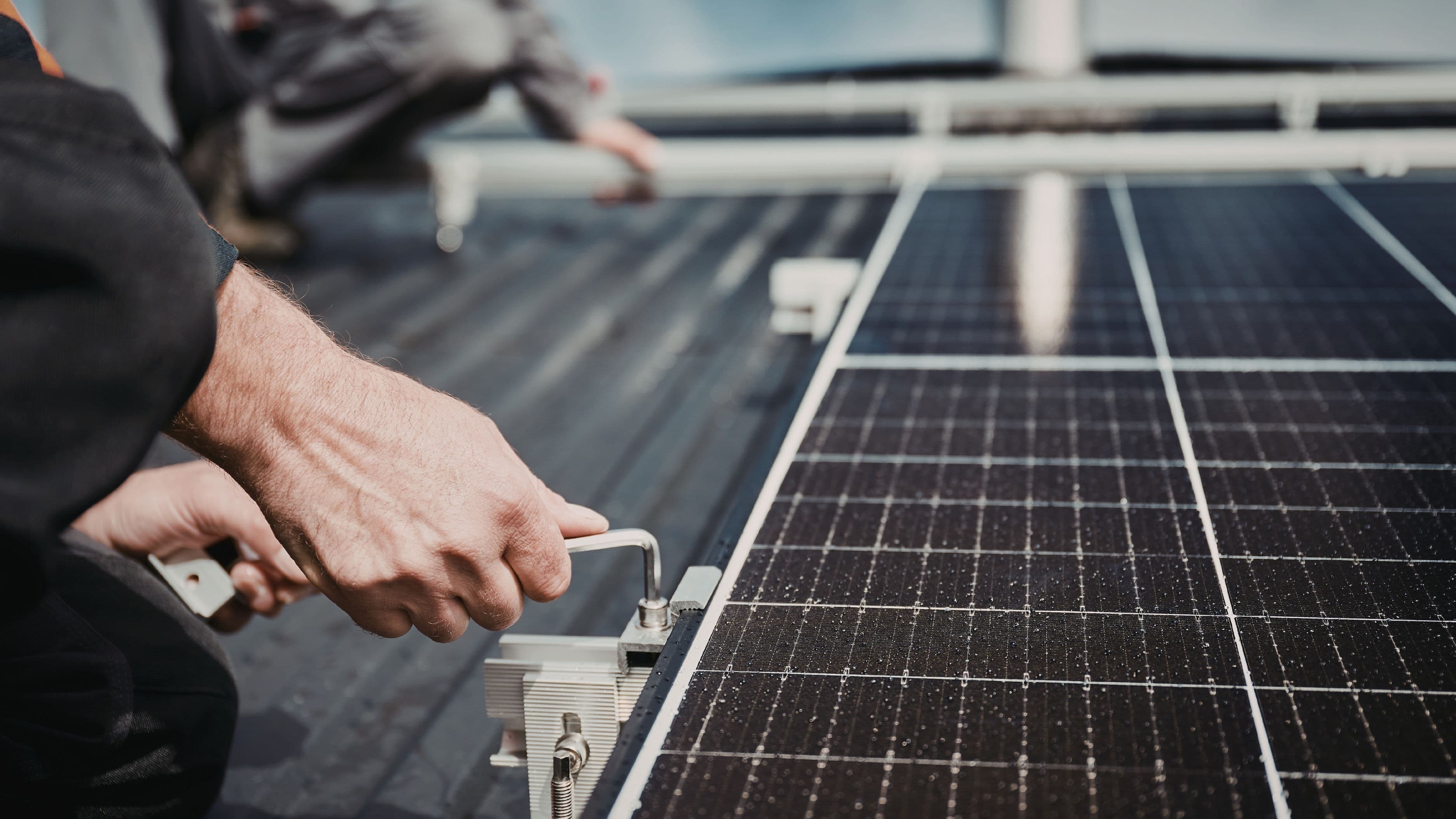
Product warranties cover genuine manufacturing defects, but they typically exclude damage from installation errors, extreme weather events beyond what the panel is rated for, or normal wear and tear that isn't a defect. Most manufacturers also require the panels to have been installed by a certified installer for the warranty to remain valid, so DIY installations can void coverage entirely.
Where These Warranties Fall Short
The biggest gap in most solar warranties is labor. A panel might be covered for a defect, but the labor cost to remove and reinstall it, sometimes including scaffolding, electrical work, and inverter reconfiguration, often isn't covered unless you specifically paid for an extended labor warranty through your installer. This is a common source of unexpected cost even when the panel itself is technically under warranty.
Manufacturer solvency is another real risk. A 25-year warranty is only as good as the company standing behind it, and the solar industry has seen plenty of manufacturers go out of business or get acquired over the decades a warranty is supposed to last. If the original manufacturer disappears, enforcing a warranty claim becomes significantly harder, sometimes impossible.
How to Actually Evaluate a Warranty Before You Buy
Look past the headline "25 years" and ask your installer to clarify the specific performance guarantee at year 25, the length of the product warranty separately, and whether labor costs are included for warranty repairs. Ask how long the manufacturer has been in business and whether they have a track record of honoring claims, since a newer or less established manufacturer carries more risk regardless of what their paperwork promises.
It's also worth checking whether your installer offers their own workmanship warranty, separate from the manufacturer's panel warranty, since installation quality issues, not panel defects, cause a meaningful share of real-world solar problems.
What to Avoid
Don't assume "25-year warranty" automatically means full replacement coverage for that entire period, most of that time is covered under the weaker performance guarantee, not the shorter product defect warranty. Avoid choosing a manufacturer based solely on warranty length without researching their financial stability and reputation for honoring claims. And don't skip reading the labor coverage details, a warranty that covers the part but not the work to install it can still leave you with a significant bill.
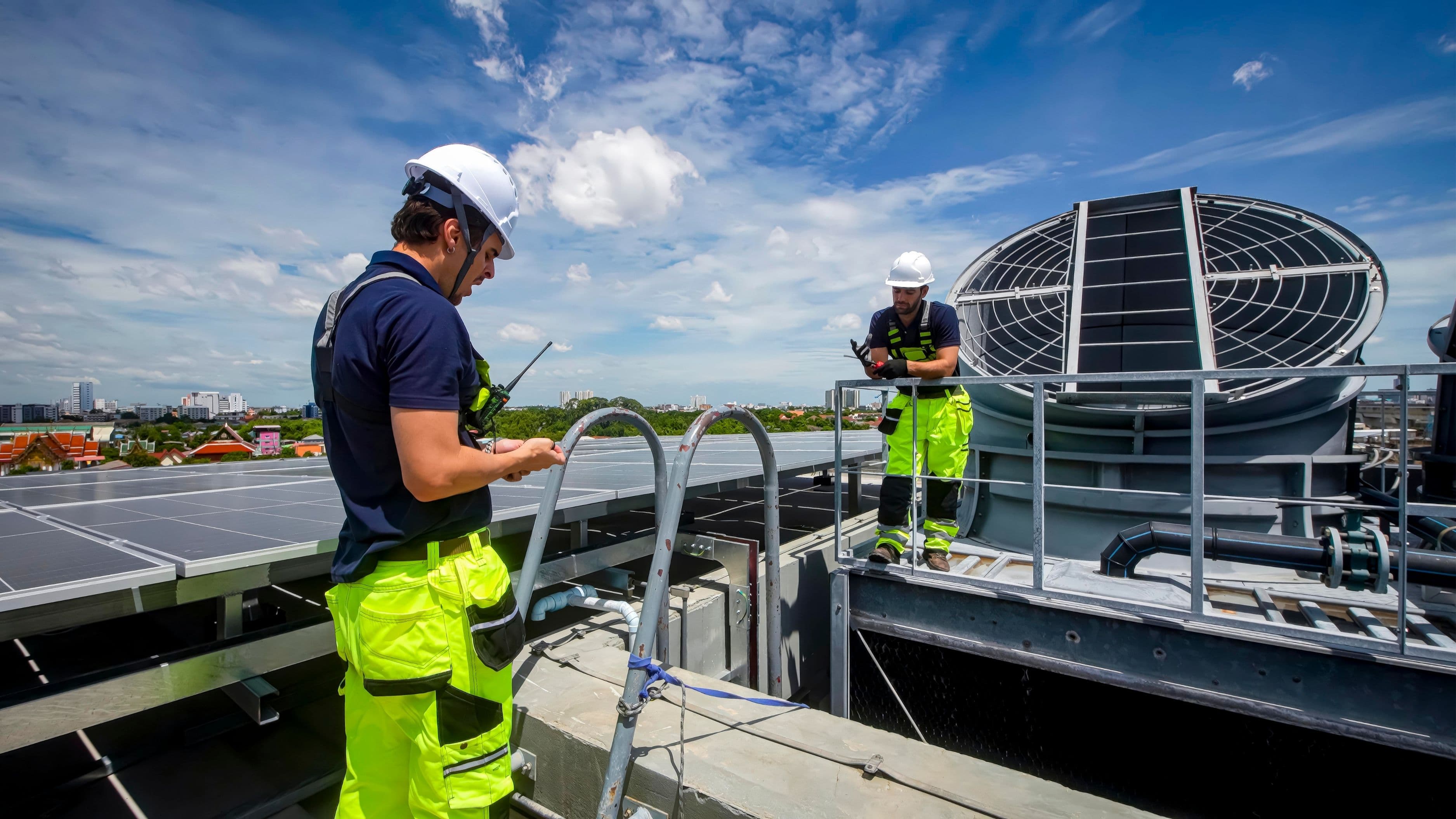
If you're evaluating a system that's already several years old and experiencing declining output, it's worth having a licensed solar technician assess whether the issue is covered under warranty before assuming it's a costly out-of-pocket repair.
FAQ
How much output loss is normal over 25 years? Most quality panels are warrantied to retain 80% to 88% of original output after 25 years, following a gradual, predictable degradation curve.
Does the warranty transfer if I sell my house? Many manufacturer warranties do transfer to a new homeowner, but the terms vary, so it's worth confirming with the manufacturer directly before assuming transferability.
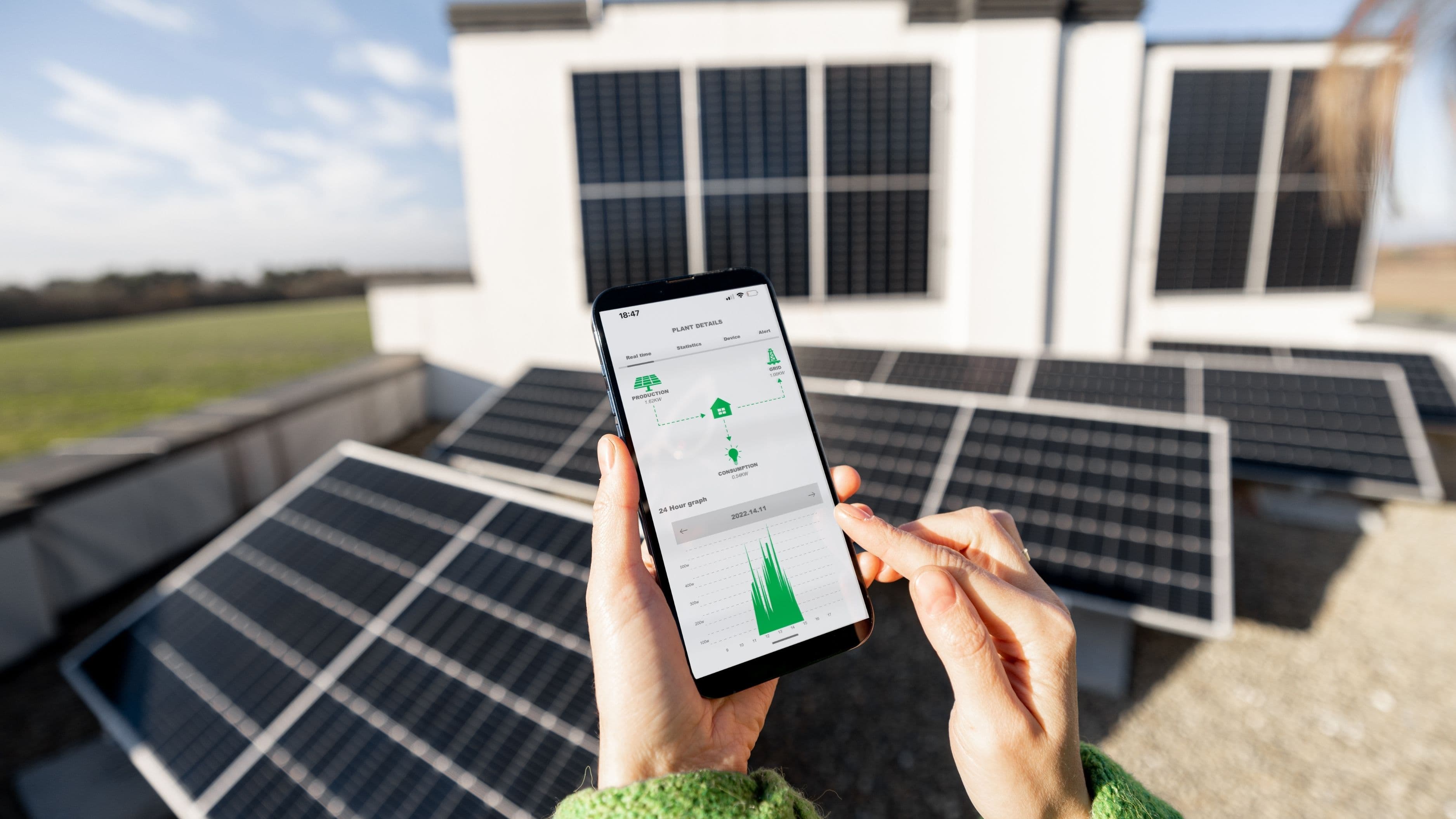
What should I do if I suspect my panels aren't performing as warrantied? Document your system's actual output over time using your monitoring app, then contact your installer or the manufacturer directly with that data to initiate a warranty claim.
The Bottom Line
A 25-year solar warranty is a genuinely valuable protection, but only if you understand what it actually covers. The performance guarantee and the product defect warranty are different things with different terms, labor often isn't included, and the manufacturer's staying power matters as much as the paperwork. Read past the marketing number and you'll know exactly what protection you're actually paying for.
📚 Sources
U.S. Department of Energy – Solar Photovoltaic System Warranties – energy.gov/solar
National Renewable Energy Laboratory – Solar Panel Degradation Rates – nrel.gov
Solar Energy Industries Association – Consumer Guide to Solar Warranties – seia.org