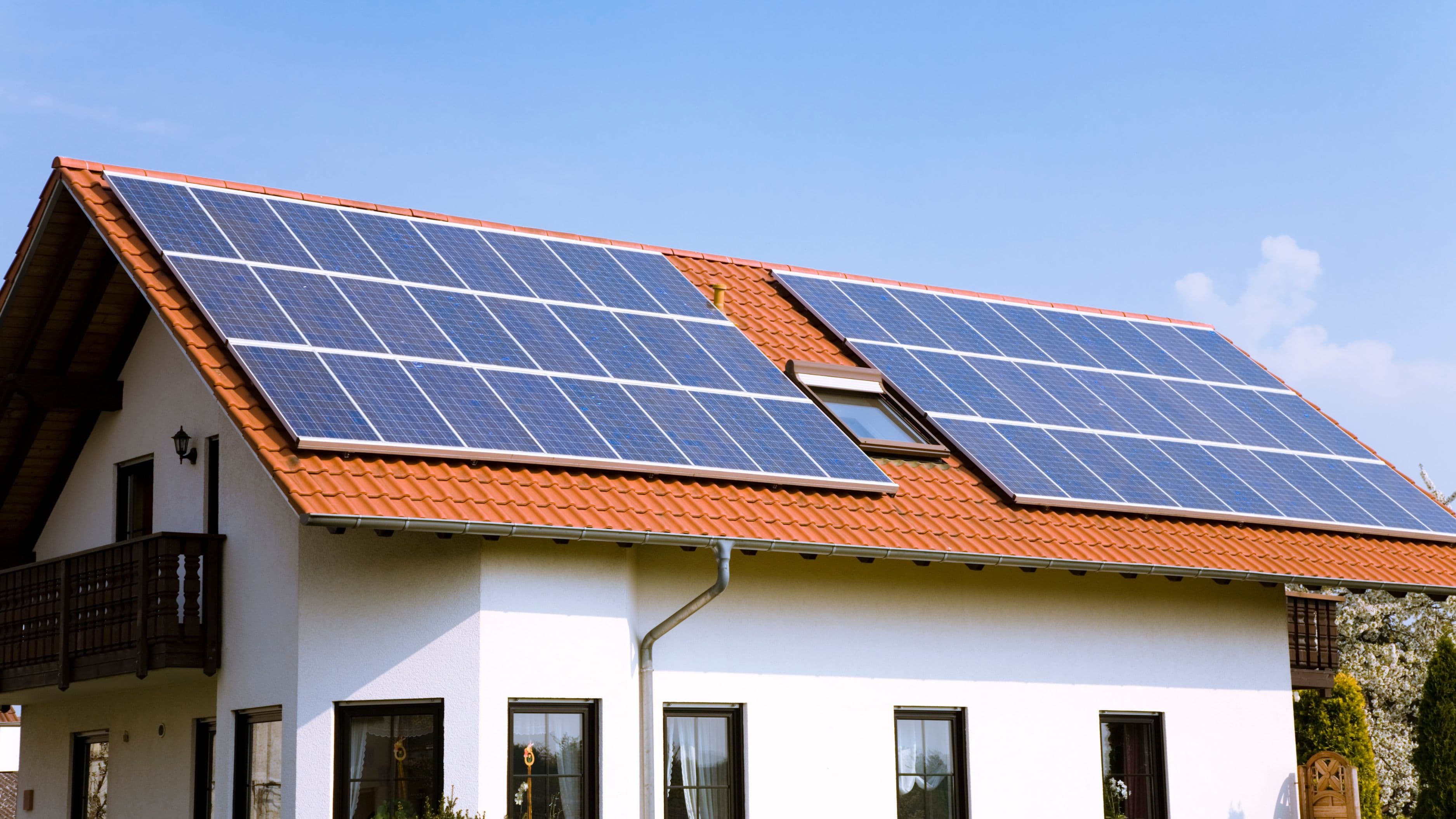

Knowing what solar panels are actually rated to handle, what real damage looks like afterward, and what steps to take right after a storm can save you unnecessary worry and help you catch genuine problems early if they do occur.
How Solar Panels Are Tested for Hail Resistance
Most solar panels sold in the US are certified to a testing standard that requires them to withstand ice balls roughly one inch in diameter (about the size of a large marble) impacting the panel at around 50 miles per hour, without sustaining damage that affects performance. This standard is part of the broader certification process most reputable manufacturers put their panels through before they hit the market.
This means a typical hailstorm, even one that sounds alarming from inside your house, is well within what panels are built to handle. It's larger hail, generally over an inch and a half in diameter, combined with high wind speeds that increase impact force, where the real risk of damage starts to climb meaningfully.
What Actually Happens During Impact
When hail strikes a solar panel, the tempered glass surface is designed to flex slightly and absorb the impact energy rather than shattering outright, similar in concept to how tempered glass works in car windows. For hail within the tested range, this typically means no visible damage at all, even after a fairly intense storm.
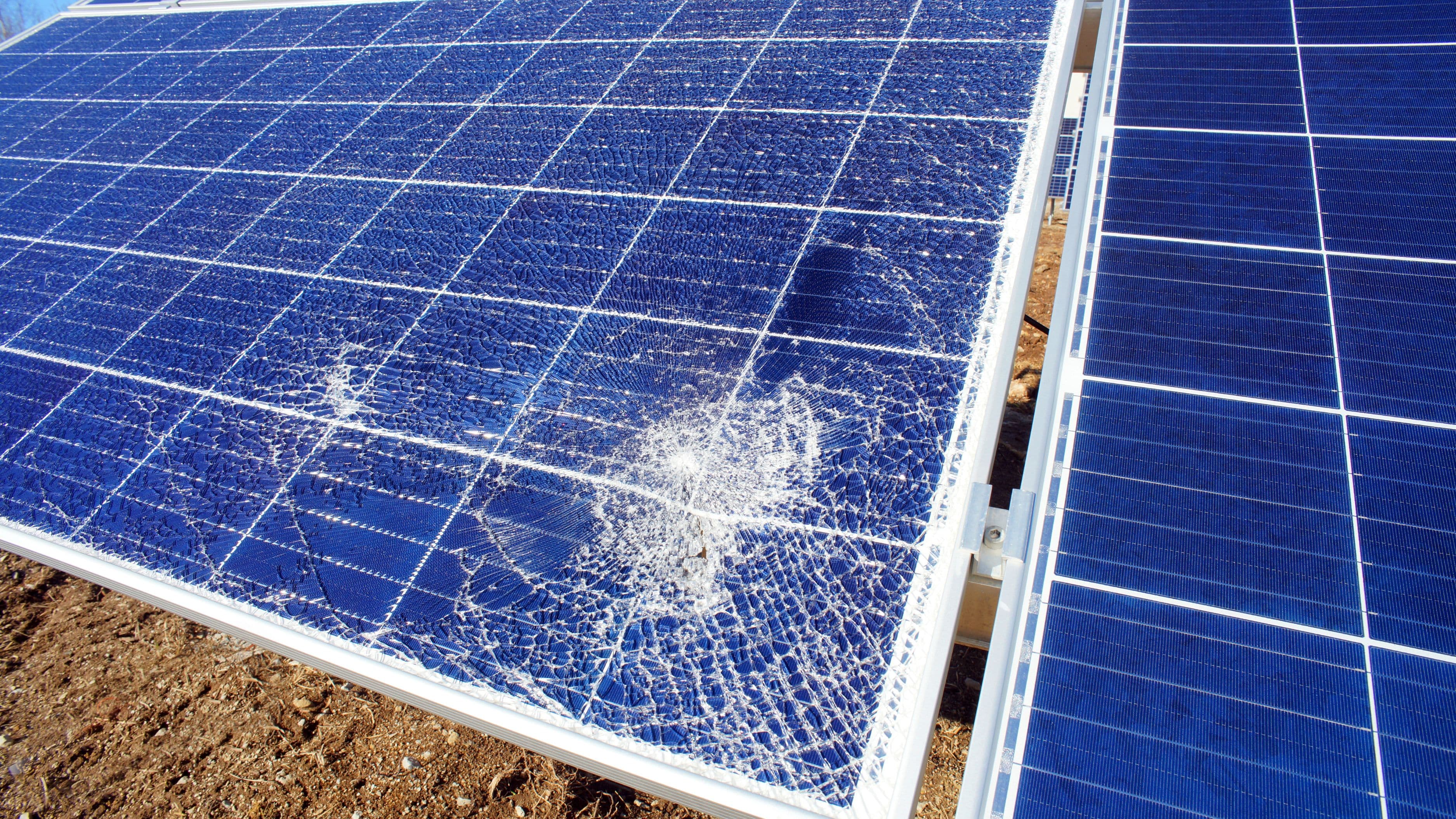
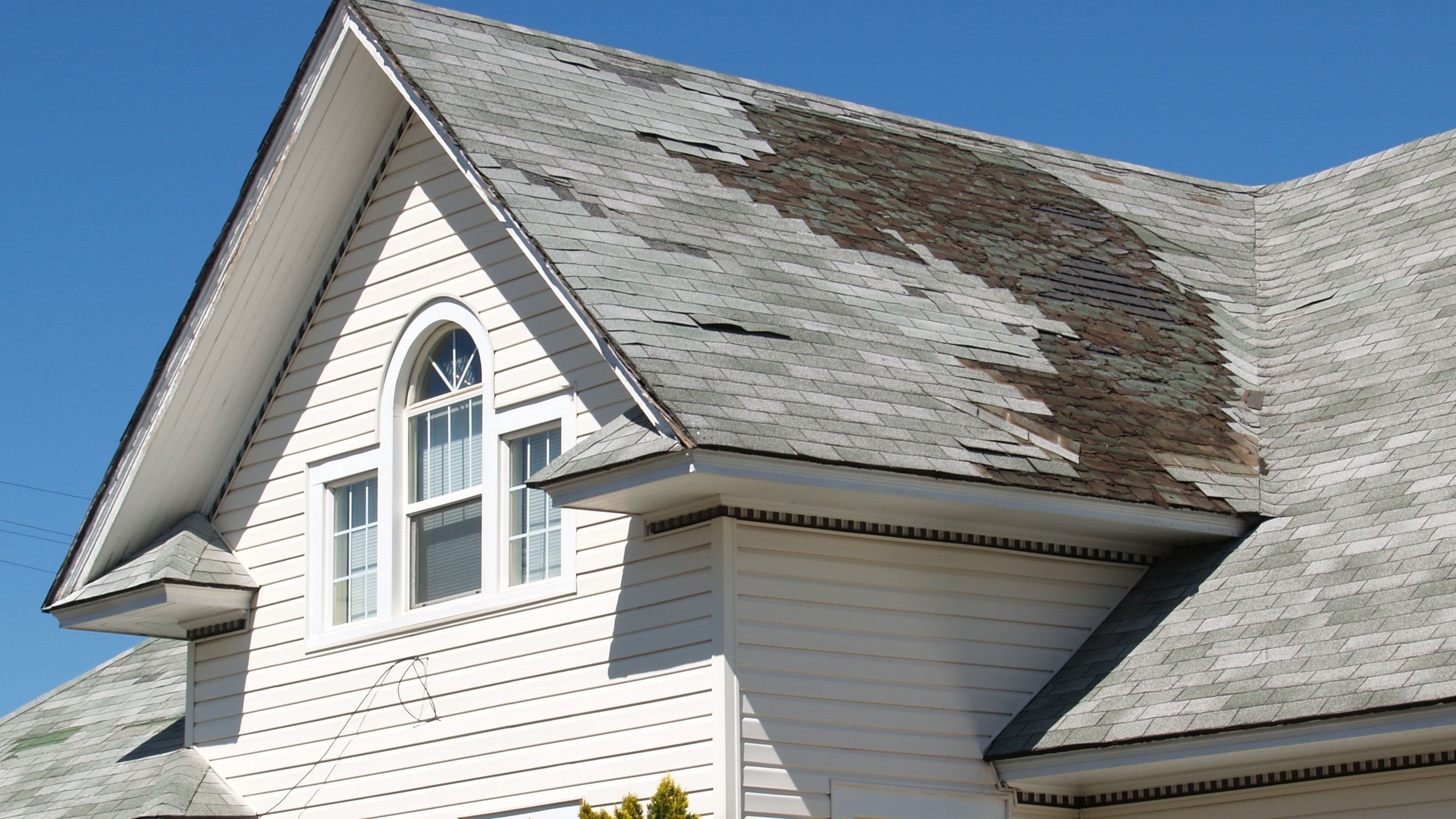
For larger hail or particularly forceful impacts, you may see surface-level chipping, small cracks, or in more severe cases, a fully cracked panel. The internal solar cells beneath the glass can also sustain damage even when the surface glass looks mostly intact, which is part of why a post-storm inspection matters even if things look fine from a quick glance.
Checking Your Panels After a Storm
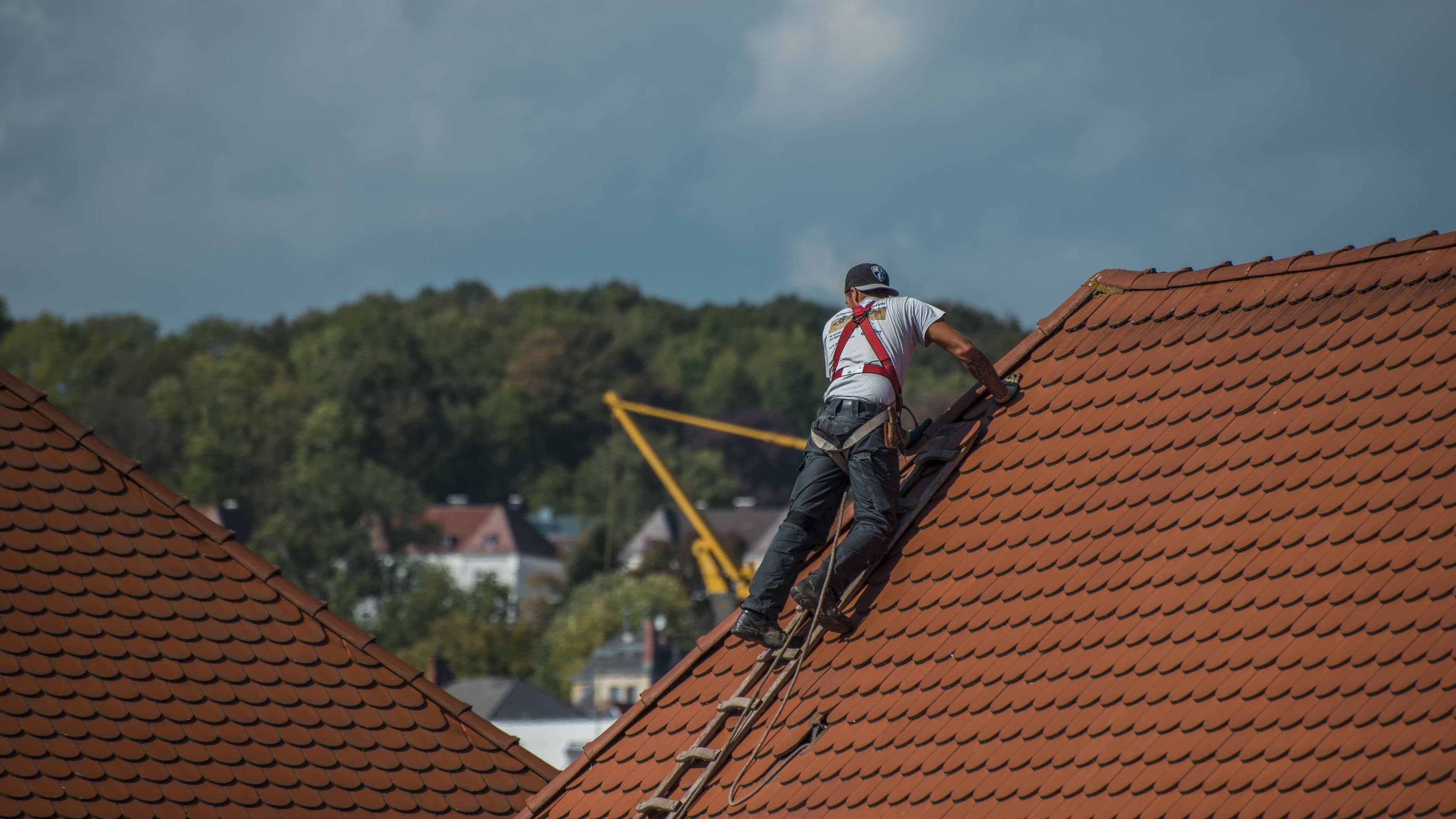
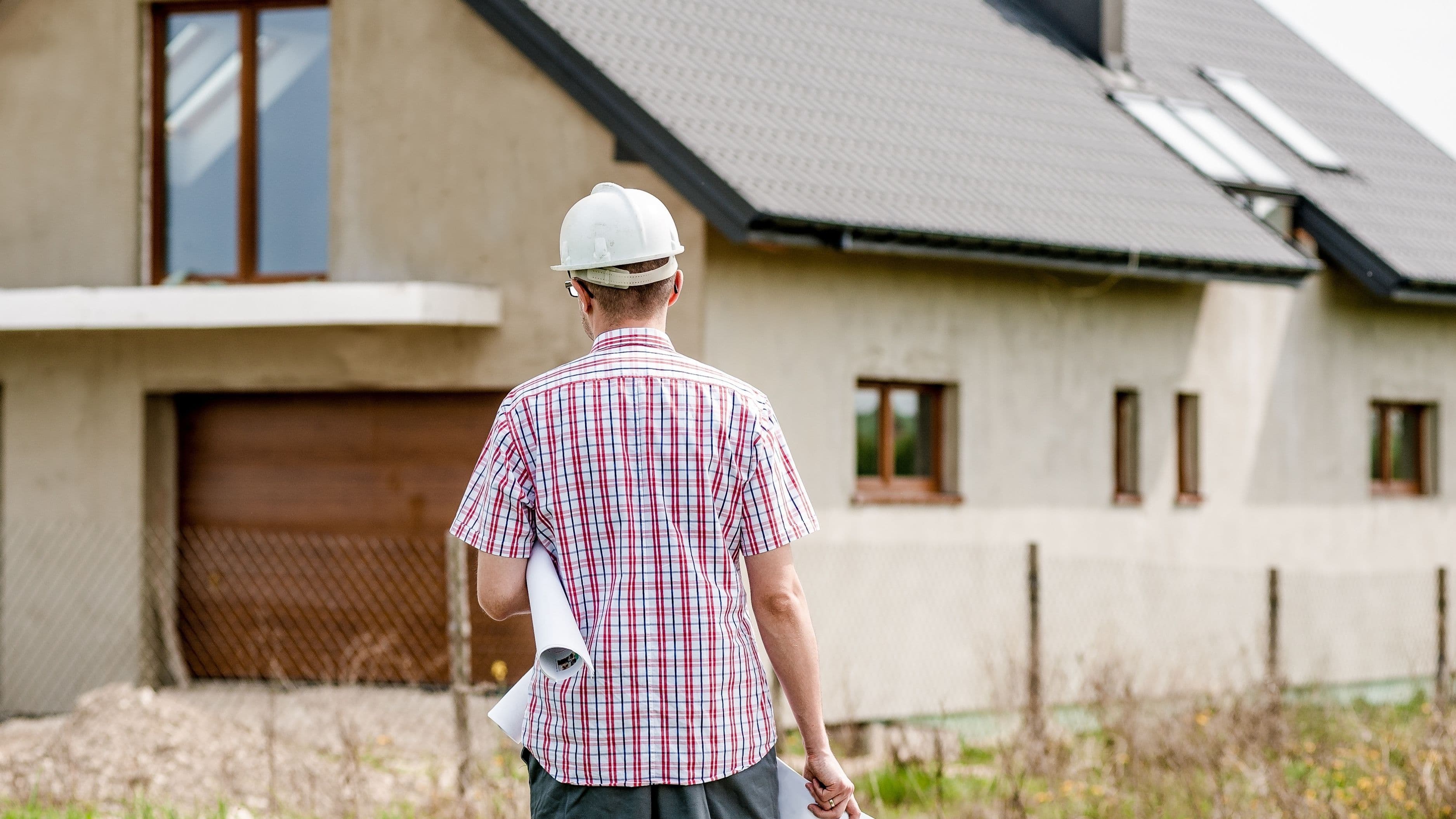
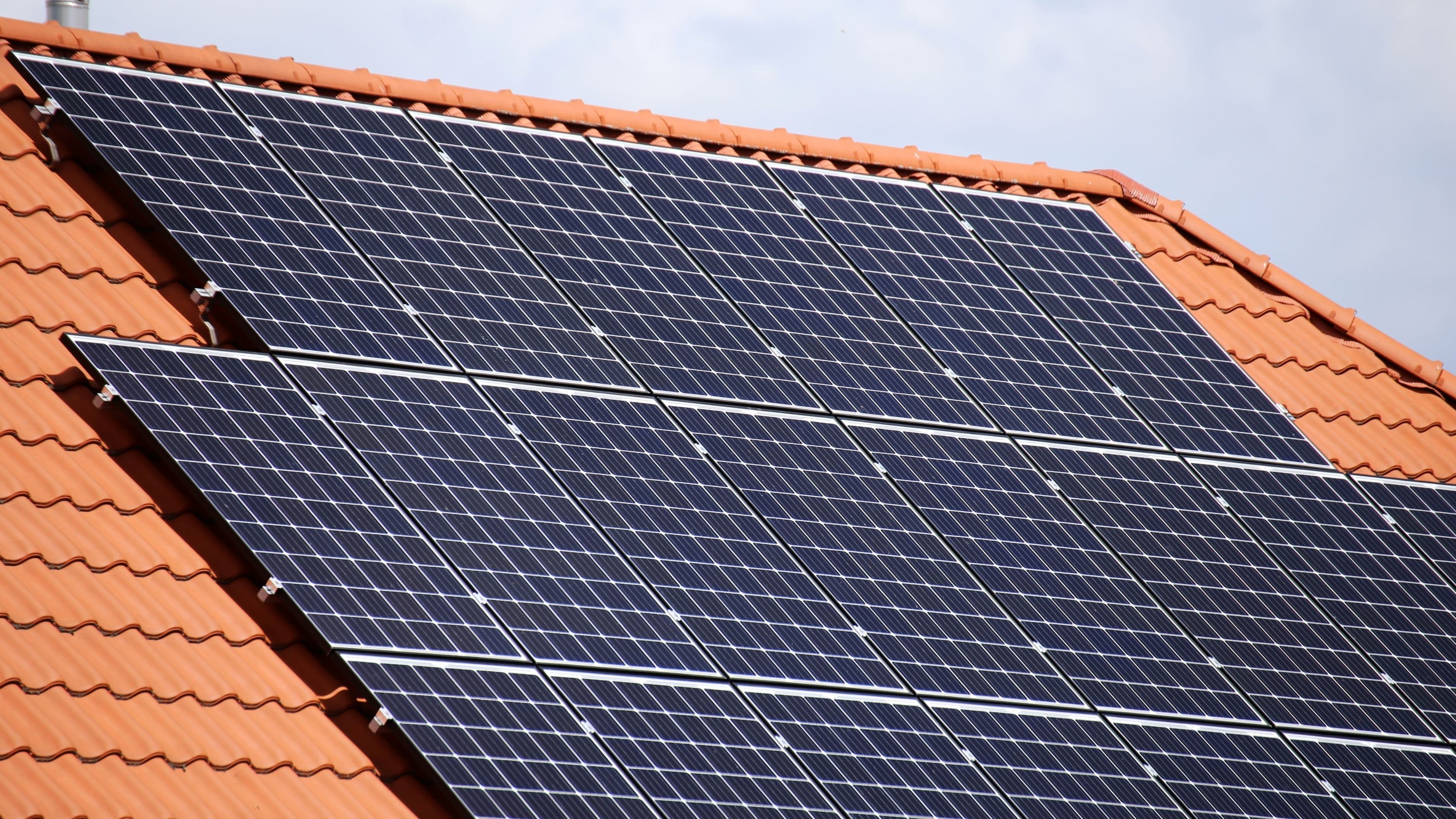
Once it's safe to do so, do a visual inspection from the ground using binoculars rather than climbing onto the roof yourself, especially if conditions are still wet or if there's remaining ice on the roof surface. Look for visible cracks, chips, or discoloration, paying particular attention to differences in appearance between panels, since uneven hail impact across a roof is common depending on angle and wind direction during the storm.
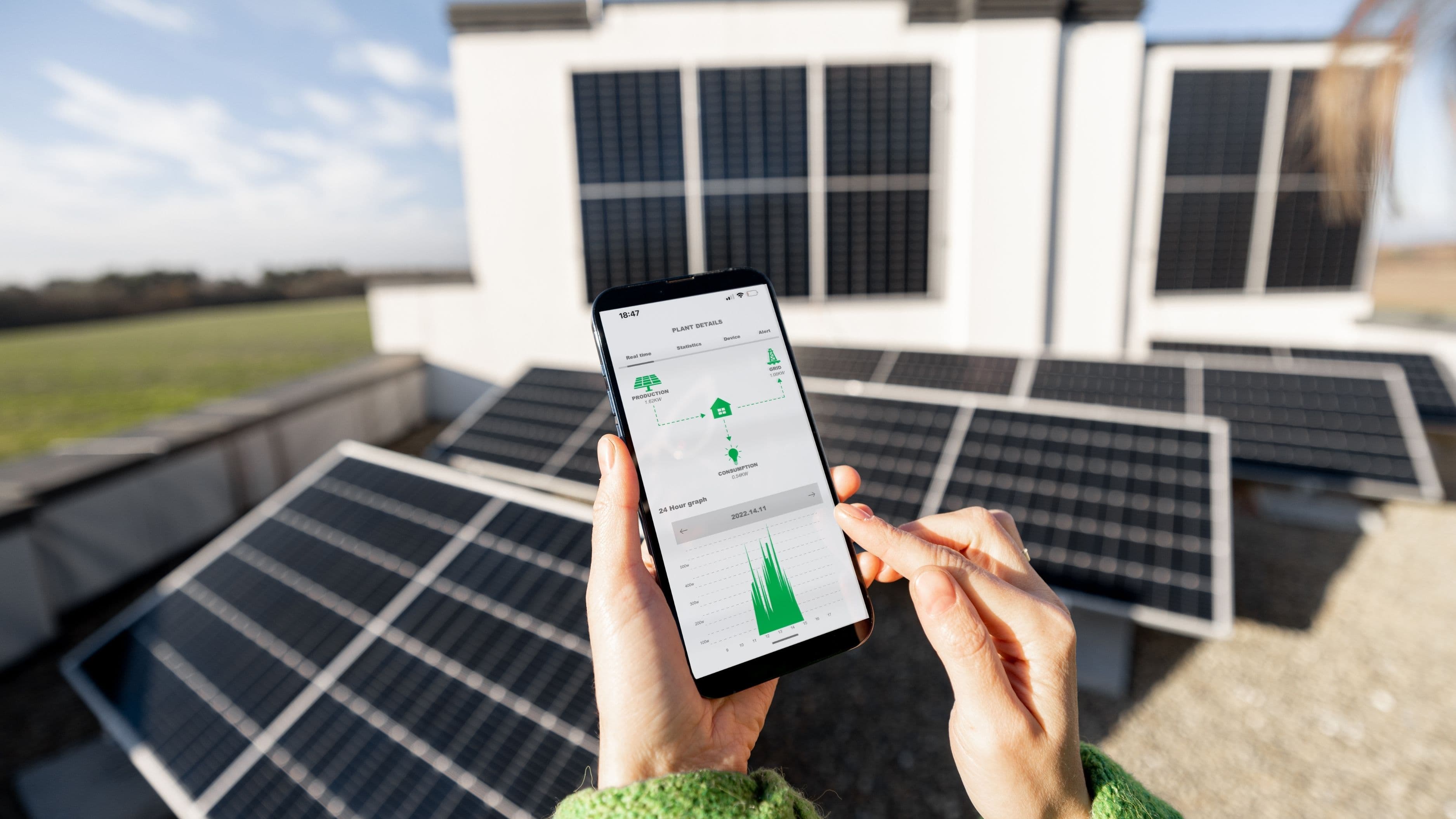
Check your solar monitoring app or dashboard in the days following the storm and compare production to what you'd expect for the current weather and season. A sudden, unexplained drop in output is one of the clearest signs that a panel sustained internal damage, even if the surface glass looks intact.
When Damage Isn't Immediately Visible
This is one of the more frustrating realities of hail damage: internal cell damage can occur without any visible cracking on the panel's surface glass. A panel can look completely fine from the ground and still be operating at reduced efficiency due to micro-fractures in the cells beneath the glass, which is why comparing energy output data is often more reliable than visual inspection alone after a significant storm.
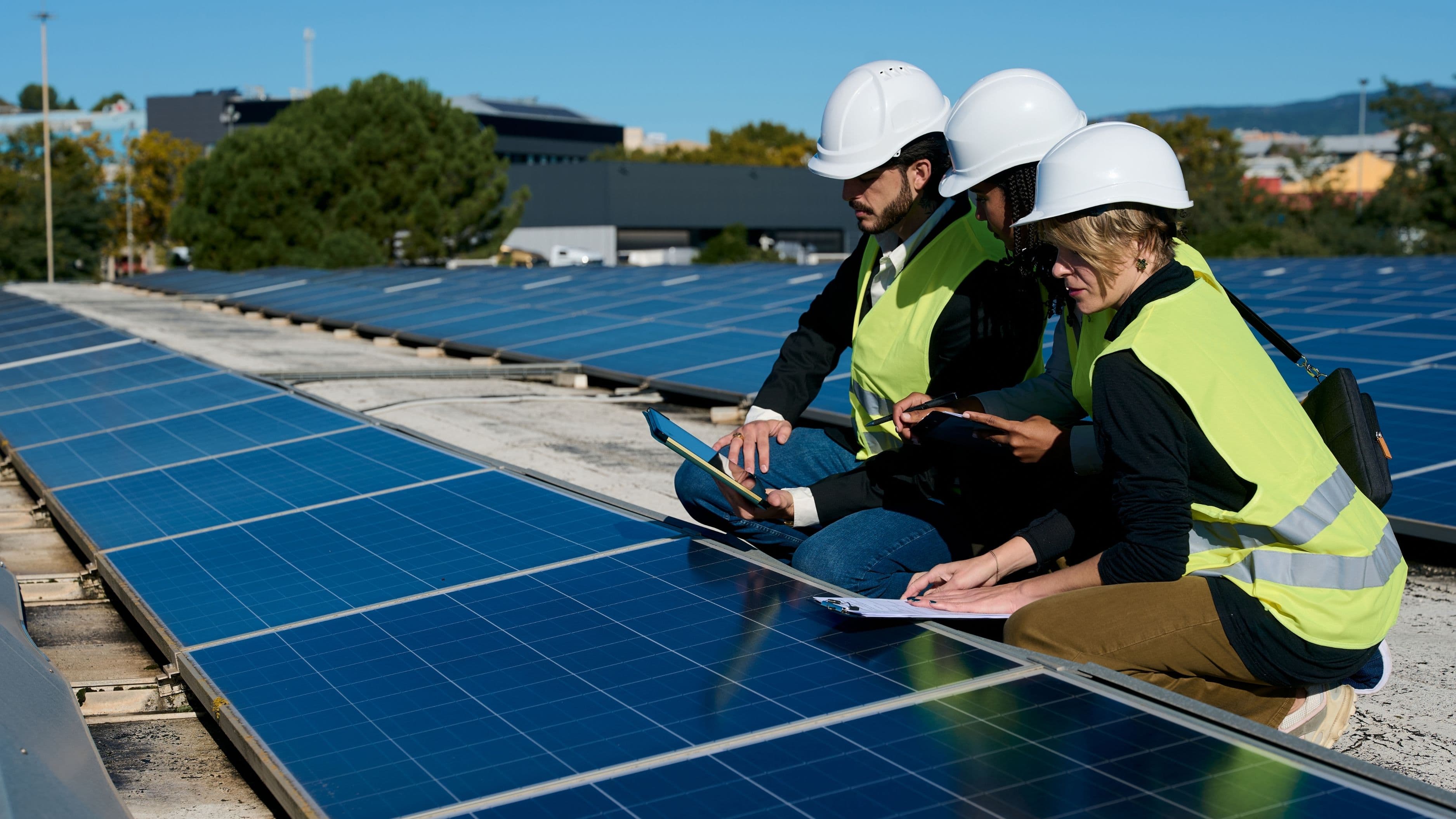
If you have any reason to suspect damage, whether from visible signs or a production drop, it's worth having a professional perform a more thorough inspection, including thermal imaging that can reveal hot spots or damaged cells not visible to the naked eye.
Insurance and Warranty Considerations
Most homeowner's insurance policies that cover roof damage from hail also extend that coverage to solar panels mounted on the roof, though it's worth confirming this directly with your specific policy rather than assuming. Document any suspected damage with photos and your production data as soon as possible after a storm, since insurance claims typically require evidence tied closely to the specific weather event.
Separately, most manufacturers include hail damage within their standard product warranty, since panels are specifically tested and rated for hail resistance as part of their certification. If a panel is damaged by hail within the range it's rated to withstand, this may indicate a manufacturing defect covered under warranty, whereas damage from unusually large hail beyond typical rated thresholds is more likely to fall under your homeowner's insurance instead.
Immediate Safety Steps During and Right After a Storm
During an active hailstorm, there's nothing you need to do to your solar system, since panels are designed to be left in place and continue operating (or safely shut down automatically in extreme conditions) without intervention. Avoid going outside or onto the roof during active hail, obviously, both for the panels' sake and your own safety.
Once the storm has fully passed and any ice has melted, wait until conditions are dry and stable before attempting even a ground-level visual inspection with binoculars, and avoid climbing onto the roof yourself. If you suspect damage, contact your solar installer or a qualified technician rather than attempting a rooftop inspection or any repairs on your own.
What to Avoid
Don't assume "no visible damage" means no damage at all after a significant hailstorm. Internal cell damage without visible cracking is common enough that checking your production data is a necessary second step, not an optional one, especially after a particularly intense storm.
Also avoid delaying your insurance claim or professional inspection if you do suspect damage. Some coverage windows have time limits, and catching internal damage early, before it worsens or causes further electrical issues, is generally easier and less expensive to address than waiting months to investigate a nagging suspicion.
Frequently Asked Questions
Can hail damage void my solar panel warranty? No, hail damage within the panel's tested rating typically falls under the manufacturer's standard warranty rather than voiding it, since panels are specifically certified to withstand hail up to a certain size and speed.
How do I know if my homeowner's insurance covers solar panel hail damage? Check your specific policy or call your insurance provider directly, since coverage for roof-mounted solar systems varies by policy and provider, though many standard homeowner policies do extend hail coverage to solar installations.
Should I cover my solar panels before an expected hailstorm? This generally isn't necessary or recommended for typical residential systems, since panels are built and certified to withstand normal hail conditions without additional protection.
📚 Sources
U.S. Department of Energy – Solar Photovoltaic System Design Basics, https://www.energy.gov/eere/solar/articles/solar-photovoltaic-system-design-basics
National Renewable Energy Laboratory – Solar Panel Durability and Testing, https://www.nrel.gov/pv/
Insurance Information Institute – Homeowners Insurance and Solar Panels, https://www.iii.org/