
This guide walks through the most common reasons solar panels produce less power than expected, how to diagnose each one, and what you can realistically do about it.
Start Here: How to Know If You Actually Have a Problem
The first step is figuring out whether you have a genuine performance issue or a measurement misunderstanding. Solar panel output varies significantly by season, time of day, and weather – and installer estimates are almost always based on peak annual averages, not daily guarantees.
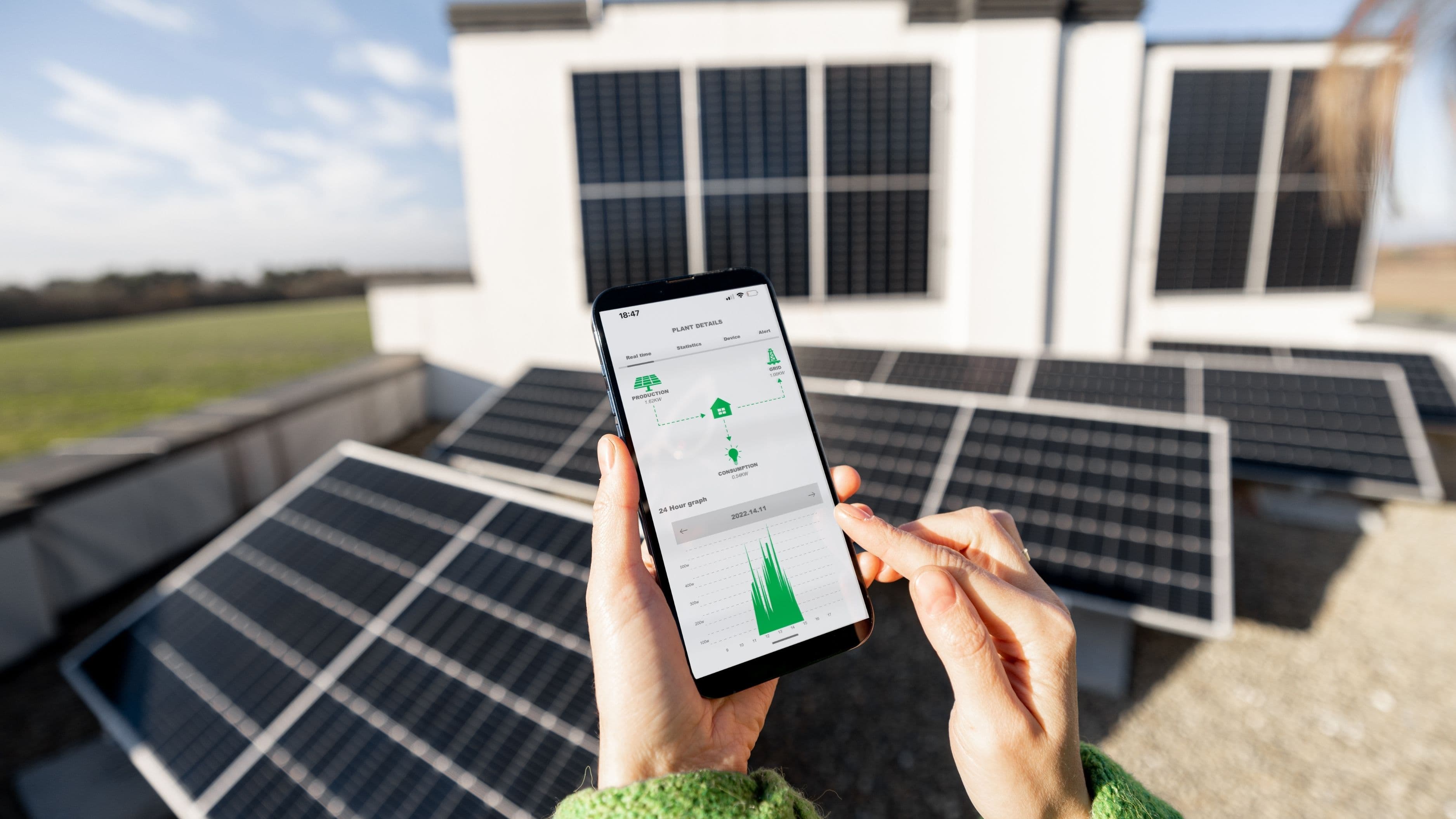
Your solar inverter's monitoring app or display is the best starting point. Most modern systems come with monitoring software (SolarEdge, Enphase, SMA, and others all have apps) that shows you daily, monthly, and annual production. Compare your actual output to your system's expected output for this time of year – not just the annual projection. A system that produces less in December than in July isn't broken; it's behaving normally.
If your output is consistently 20–30% or more below the expected range for your season and location, something is likely off and worth investigating. Here's where to look.
1. Dirt, Dust, and Debris on the Panels
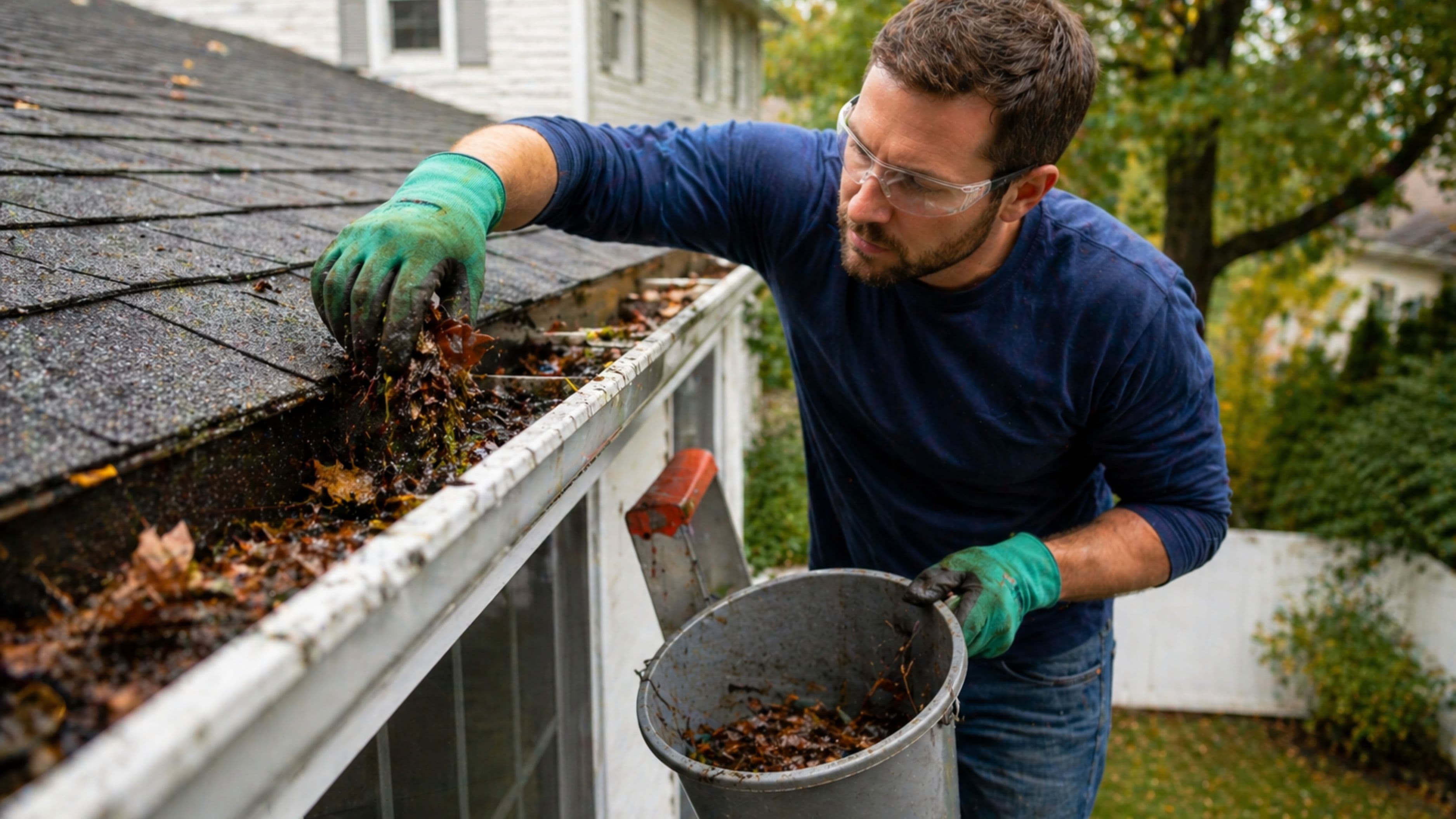
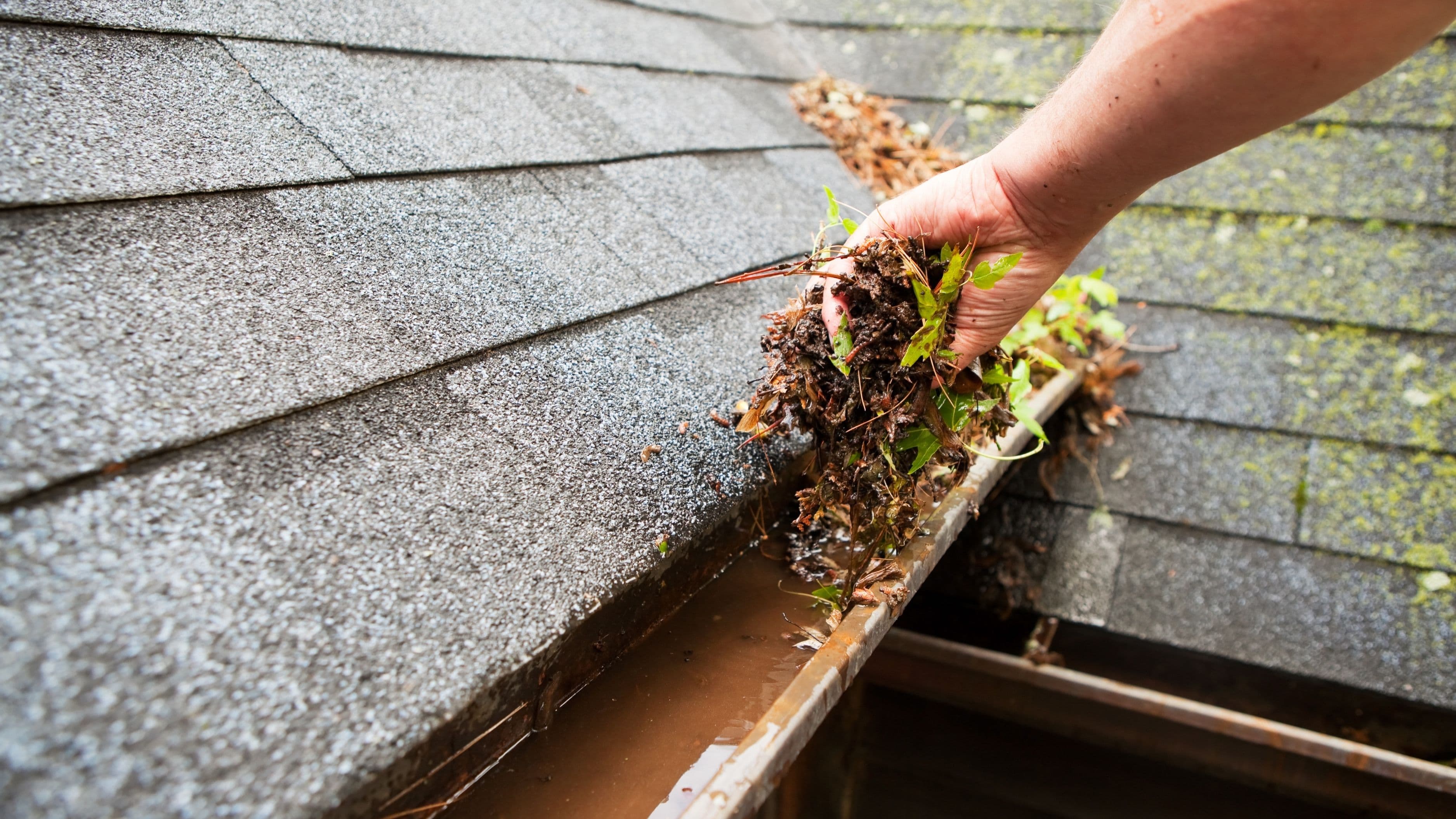
This is the single most common cause of reduced solar output, and the easiest to fix. A layer of dust, bird droppings, pollen, or leaves blocks sunlight from reaching the solar cells, reducing how much energy each panel can generate. In dry climates or areas with heavy pollen, this can reduce output by 15–25% or more.
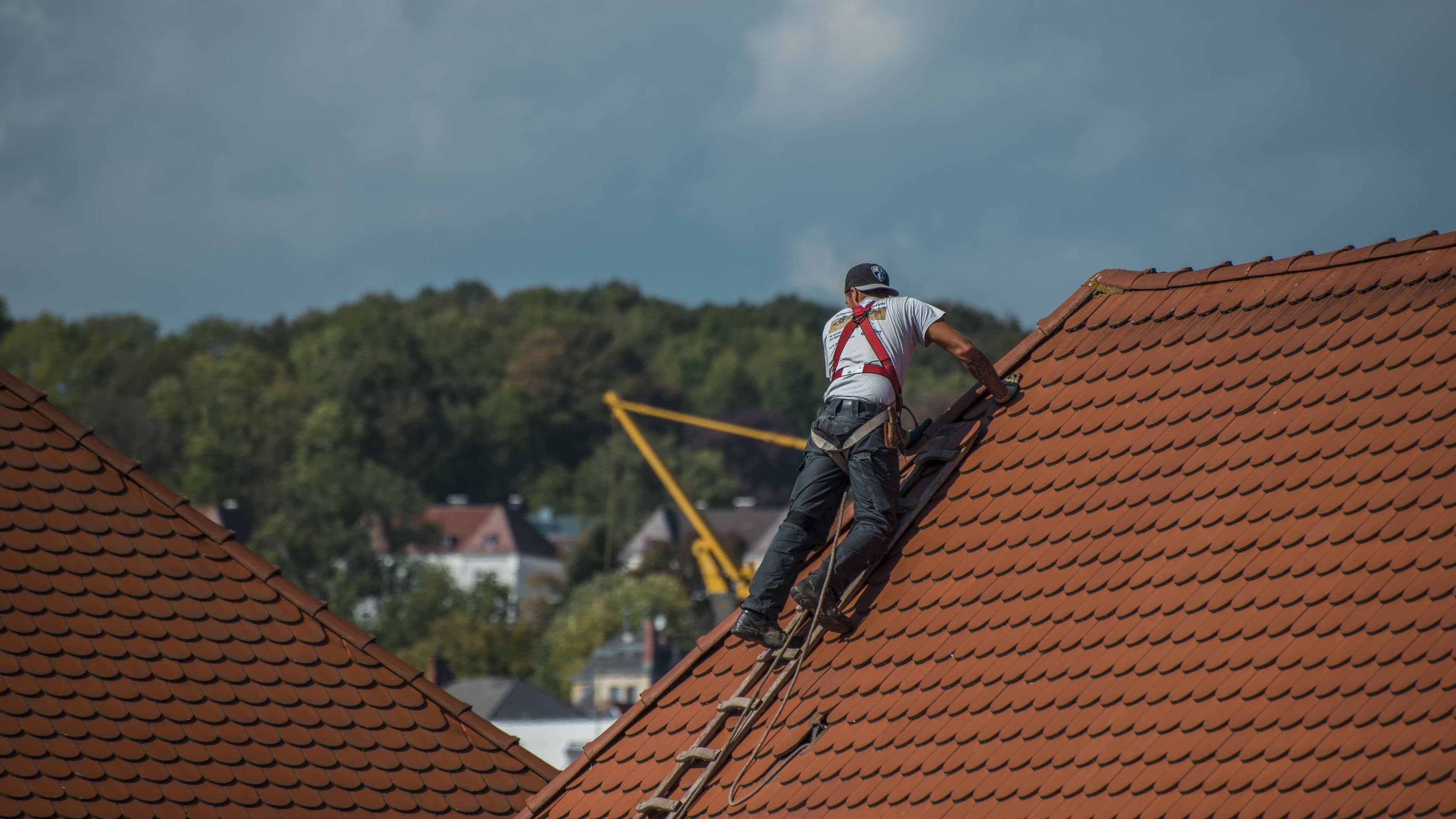
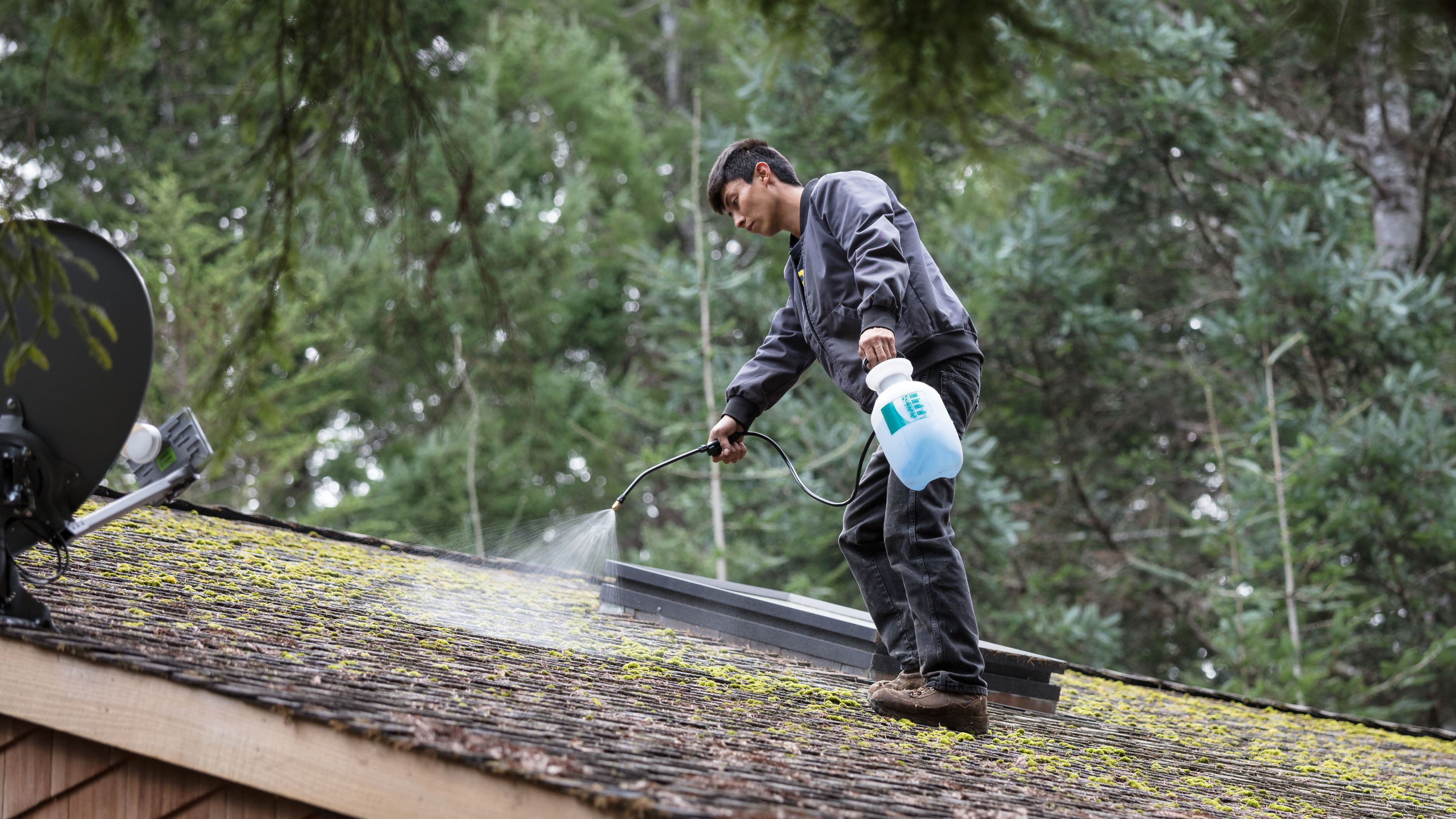
The fix is simple: clean your panels. You can do this yourself with a soft-bristled brush or squeegee and plain water – no soap needed, and avoid abrasive scrubbers that can scratch the glass surface. The best time to clean panels is early morning or evening when they're not hot, both for your safety and to avoid thermal shock from cold water hitting hot glass. If your panels are on a steep roof, hire a professional cleaner rather than risking a fall. For most homeowners, once or twice a year is sufficient cleaning frequency, though twice a year in dusty or high-pollen areas is better.
Difficulty: Easy
Cost: Free (DIY) or $100–$300 (professional service)
2. Shading – New or Seasonal
Even partial shade on a single panel can drag down the output of your entire string of panels, depending on how your system is wired. This is because traditional string inverter systems connect panels in a series, and the weakest panel limits the output of the whole group. A branch that's grown into the panel's line of sight, a new structure casting shadow, or a neighbor's new addition can all cause shading problems that didn't exist when your system was first installed.
Walk around your property at different times of day and observe whether any shadows are falling on your panels. Pay attention to morning and afternoon shade, not just midday. Trees are a major culprit – they grow every year, and a tree that was harmless when your system was installed may now be shading panels for several hours a day.
If shade is the issue, trimming or removing the offending branch is the most effective solution. For more permanent shading situations – a new building nearby, for example – talk to your installer about adding power optimisers or microinverters that allow each panel to operate independently, eliminating the dragging effect of one shaded panel on the rest.
Difficulty: Easy to identify; moderate to fix depending on the source
Cost: Tree trimming: $150–$600; system upgrade to microinverters: varies significantly
3. Inverter Issues
Your inverter is the brain of your solar system – it converts the DC electricity your panels generate into AC electricity your home can use. When the inverter isn't working properly, your panels may be generating power but your system won't be delivering it usefully.
Check your inverter for error lights or fault codes. Most inverters have a status light that should be green or solid blue during normal operation. A red or flashing amber light typically indicates a fault. Common inverter issues include overheating (usually resolved by ensuring the inverter has proper ventilation and isn't in direct sunlight), grid disconnection faults (often triggered by utility grid fluctuations), and component aging in older systems. Inverters typically last 10–15 years, which is shorter than the 25–30 year lifespan of the panels themselves, so an older inverter may simply need replacement.
For specific error codes, check your inverter manufacturer's documentation or app – most provide plain-English explanations and recommended steps. Minor faults sometimes clear themselves after a restart; for persistent faults, contact your installer or the inverter manufacturer's support line.
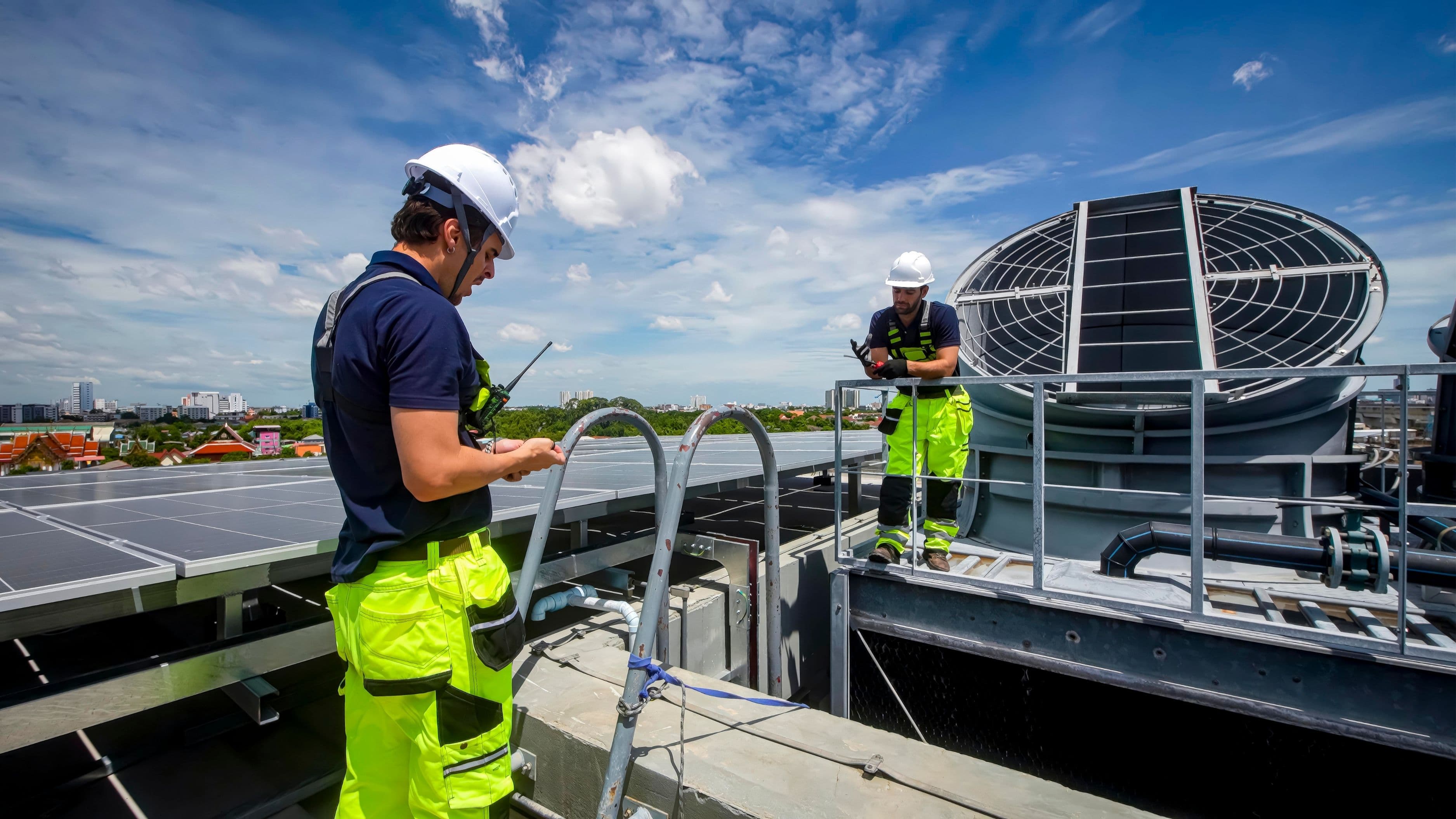
When to call a pro: Any time you see a persistent fault code, if the inverter display is blank or unresponsive, or if the inverter is making unusual sounds. Inverter repairs and replacements involve electrical work that should be handled by a licensed professional.
Difficulty: Identifying the issue is easy; fixing it usually requires a pro
Cost: Inverter replacement: $1,000–$3,000 depending on system size
4. Panel Degradation Over Time
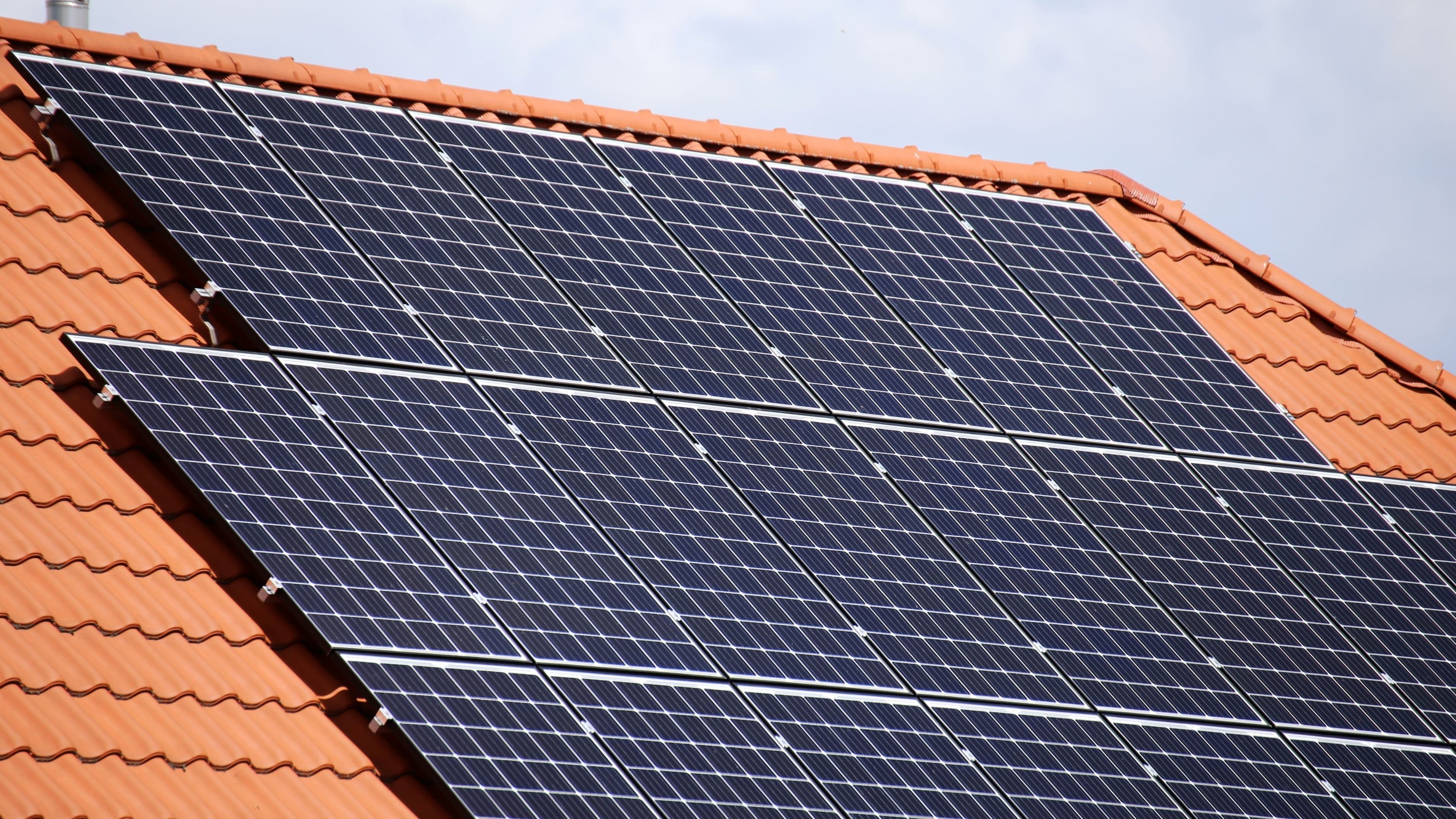
Solar panels don't maintain 100% of their original output forever. All panels degrade slightly each year – most quality panels lose about 0.5–0.8% of their output annually, which is factored into the manufacturer's performance warranty (typically guaranteeing at least 80% output at 25 years). This is normal and expected.
If your system is more than 10 years old and you're noticing a gradual decline in output, some of that is simply degradation doing what it does. However, if output has dropped sharply rather than gradually, or if your system is less than five years old and showing significant loss, you may have panels that have degraded faster than expected – sometimes due to manufacturing defects or environmental damage.
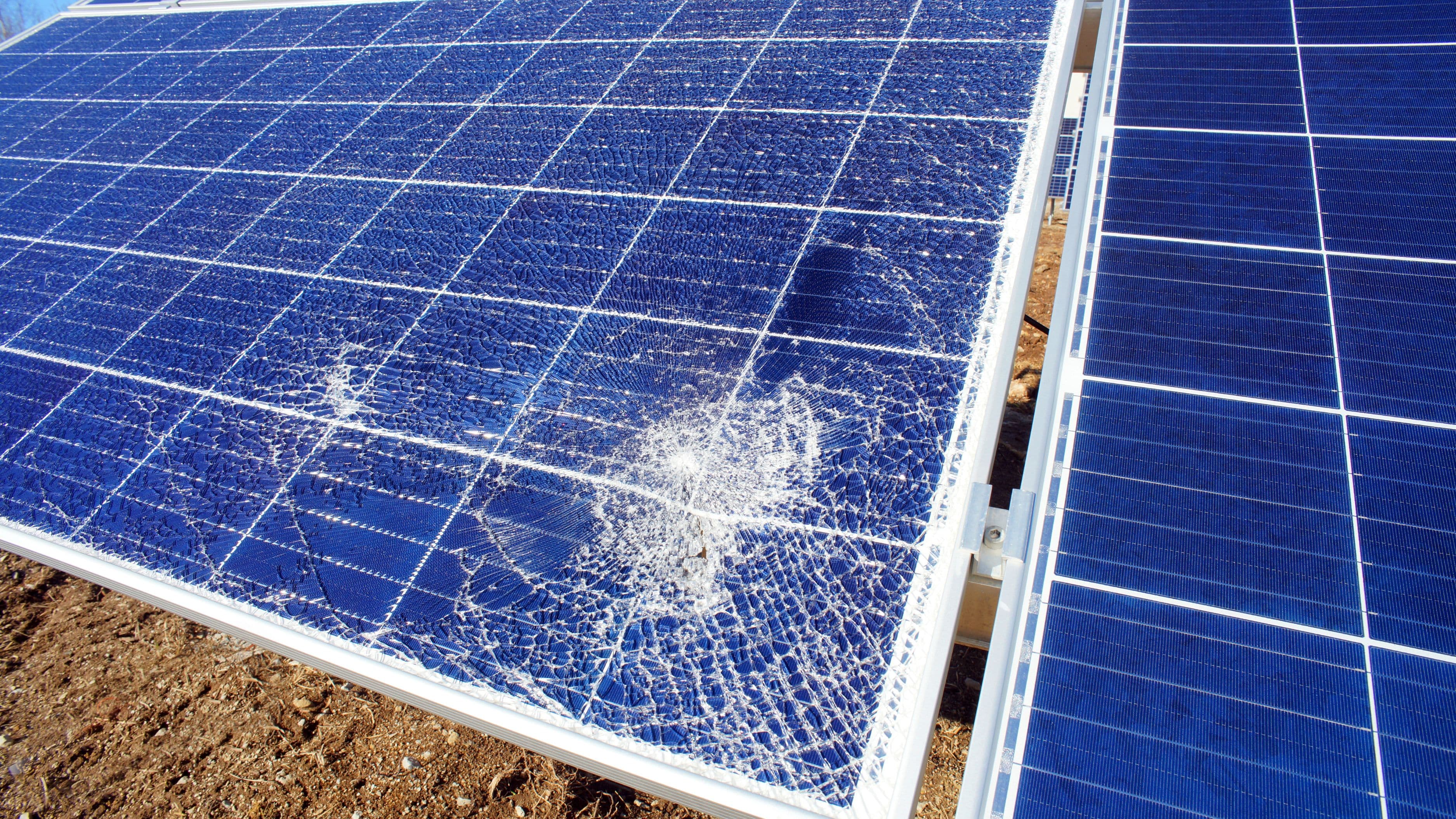
Severe cases of panel degradation can sometimes be identified visually: look for discolouration, dark spots, cracking, or delamination (where the layers of the panel appear to be separating). These are signs of a panel that may no longer be performing to spec. If your panels are still under warranty and showing premature degradation, contact your installer or the manufacturer to initiate a warranty claim.
Difficulty: Identification is visual; resolution requires manufacturer/installer contact
Cost: Often covered under warranty if within the coverage period
5. Wiring and Connection Problems
Loose or corroded wiring connections between panels, from panels to the inverter, or between the inverter and your electrical panel can cause significant power loss. This is more common in older systems or systems installed in areas with high humidity, salt air, or extreme temperature cycles that cause repeated expansion and contraction of connections over time.
You shouldn't be opening junction boxes or handling electrical connections yourself unless you're a licensed electrician – but you can do a basic visual inspection of accessible wiring for obvious damage, corrosion at connection points, or signs of pest activity. Rodents chewing through wiring in attic-mounted conduit runs is more common than most homeowners expect, and it's worth checking if your wiring is accessible.
Monitoring apps that show panel-by-panel output are particularly useful here. If one or two specific panels are consistently underperforming while the rest of the array looks fine, a wiring or connection issue in that section is a likely cause.
When to call a pro: Always for wiring repairs. Don't attempt to open junction boxes or repair connections yourself.
Difficulty: Visual check only for homeowners; all repairs require a licensed pro
Cost: $150–$500+ for a service call and connection repairs
6. Incorrect System Monitoring or Meter Readings
Sometimes the problem isn't the system – it's how you're measuring it. Production meters, utility net meters, and monitoring apps occasionally have calibration issues or display bugs that make output look lower than it actually is.
If your monitoring app shows unexpectedly low production but you haven't noticed any change in your utility bill, your actual system performance may be fine and the issue is in the reporting tool. Restart your monitoring gateway (the small device that connects your inverter to the internet and relays data to the app), and compare your app data to what your inverter's own display shows directly. If those two numbers disagree significantly, the monitoring data is likely the issue rather than actual system output.
Difficulty: Easy
Cost: Free
7. Extreme Heat Reducing Output
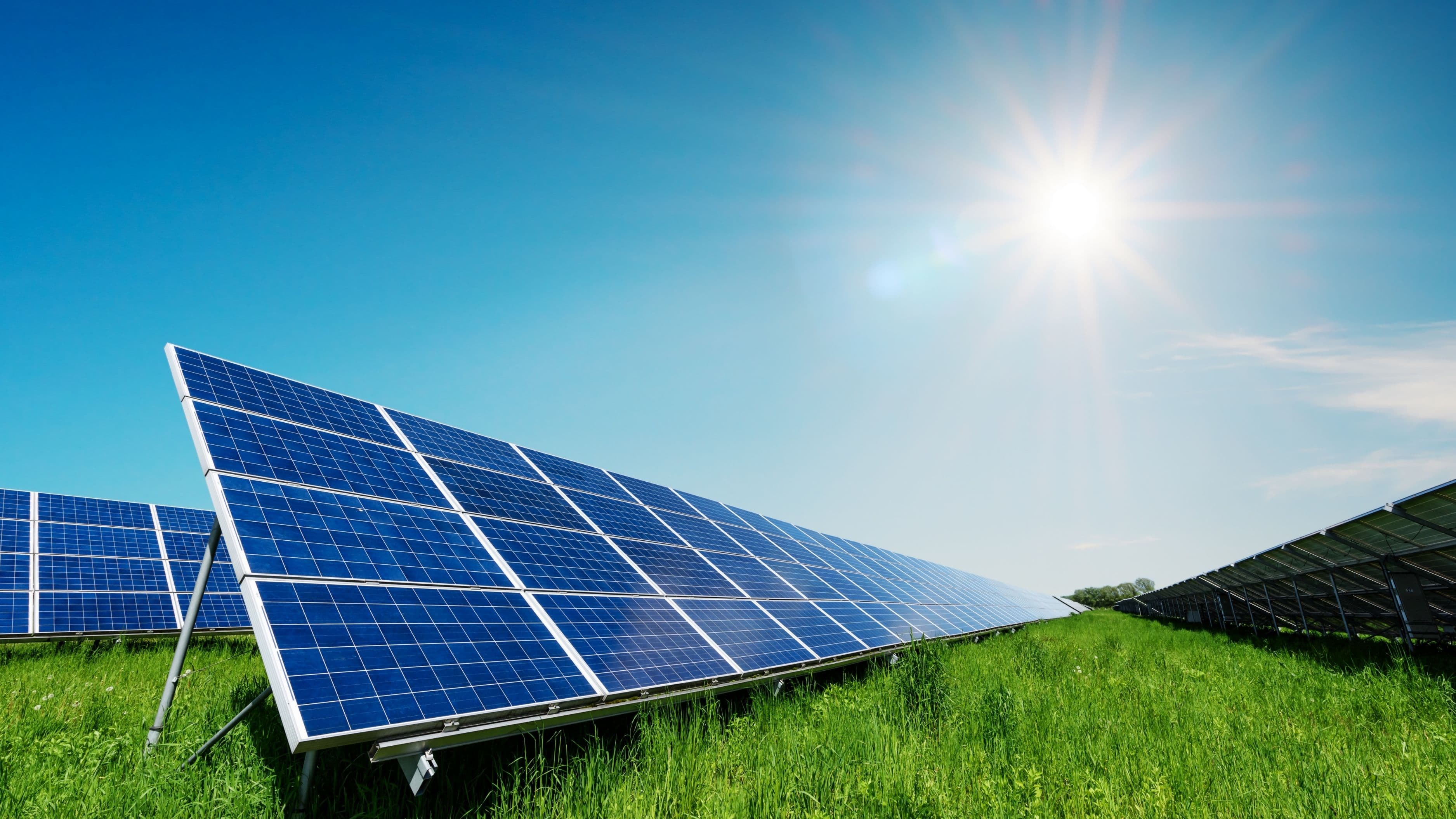
This one surprises most homeowners: solar panels actually produce less electricity when they get very hot. Photovoltaic panels are rated at a standard test temperature of 25°C (77°F), and output decreases as temperature rises above that. Most panels lose roughly 0.35–0.5% output per degree Celsius above the rated temperature. On a hot summer day with panels in full sun, surface temperatures can reach 65°C (149°F) or higher – that can translate to 15–20% less output than on a cool, clear spring day.
This is normal physics, not a system fault. If your summer output seems lower than your spring output despite longer days and more sunlight hours, heat is likely part of the explanation. There's nothing to fix here – just something useful to keep in mind when interpreting your data.
Seasonal and Weather Factors Worth Understanding
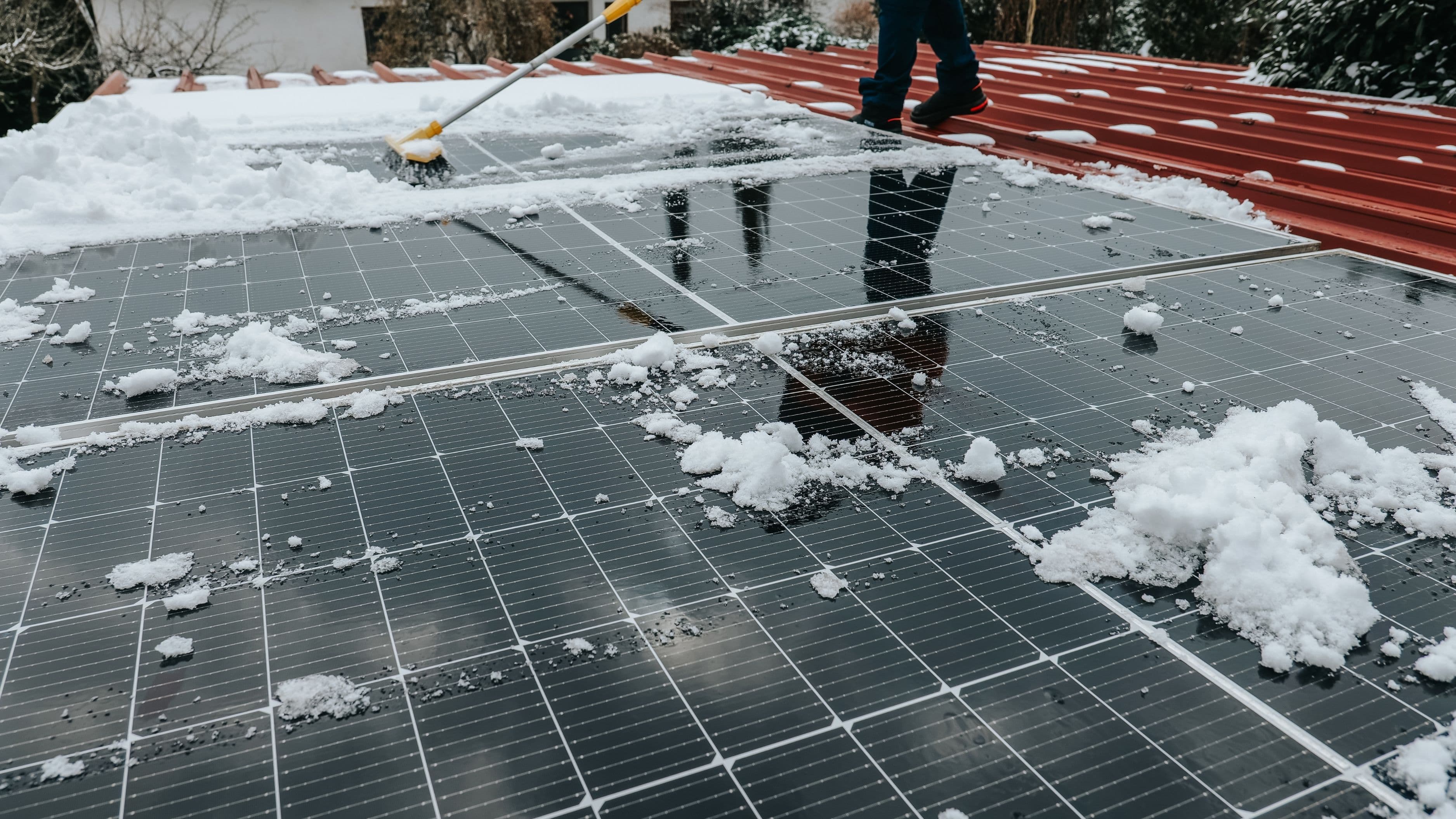
Before concluding you have a problem, it's worth ruling out normal seasonal variation. Winter sun angles mean panels receive less direct light even on clear days, substantially reducing output compared to summer. Overcast skies drop production to roughly 10–25% of clear-sky capacity – panels still generate some electricity on cloudy days, but not much. Snow accumulation on panels stops production entirely until it melts or slides off. Short winter days simply mean fewer production hours regardless of panel health.
All of these are expected and normal. Comparing your current output to the same month last year, rather than to a summer peak, gives a much more accurate picture of whether your system is actually underperforming.
When to Call a Professional
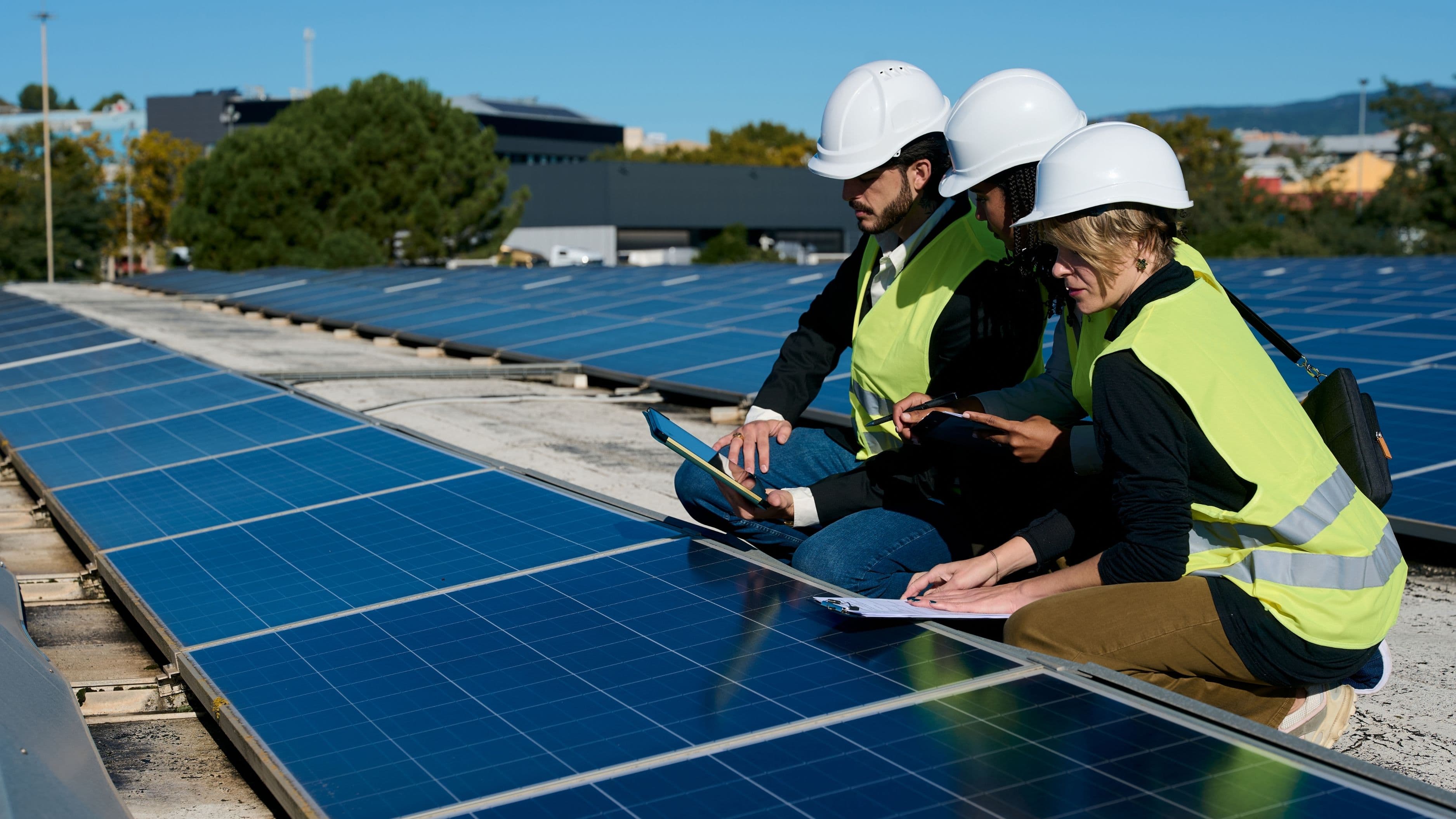
You should call a licensed solar installer or electrician when you see a persistent inverter fault code that doesn't clear after a restart, when you notice suspected wiring damage or signs of pest activity near electrical components, when a panel shows visible physical damage such as cracking or severe discolouration, when production loss is sudden and significant rather than gradual, or any time you're unsure about safety. Solar systems operate at voltages that can be dangerous – electrical work should never be DIY territory unless you're qualified.
Most solar installers offer service calls and system inspections, and if your system is still under the installer's workmanship warranty, the inspection may be covered at no cost. Keep your original installation paperwork and warranty documentation in an accessible place so you know exactly what's covered and for how long.
What to Avoid
Don't use high-pressure hoses to clean panels – the force can damage seals and drive water into connections. Don't use soap, bleach, or abrasive cleaners that can scratch the glass or leave residue. Don't climb on your roof without proper safety equipment and experience – a professional cleaner is worth every dollar compared to a fall injury. Don't assume your system is fine just because you aren't getting error codes – gradual output decline can go unnoticed without regular monitoring checks. And don't put off investigating a noticeable drop in production; minor issues can compound over time into more expensive fixes.
FAQ
How much output loss is normal over time? Most quality panels degrade at about 0.5–0.8% per year. After 10 years, expect roughly 5–8% less output than your system's original capacity. A sharp or sudden drop at any age is worth investigating.
My monitoring app shows zero production this morning – should I worry? Not immediately. Check whether your inverter is on and showing normal status lights first. Early morning and late afternoon often register near-zero because the sun angle is too low for meaningful generation. If it's midday and sunny and the app still shows zero, check the inverter display for fault codes.
Can I clean my solar panels myself? Yes, as long as your panels are safely accessible. Use plain water and a soft brush or squeegee with an extension pole if needed. Never step on panels, and don't clean them when the glass is hot.
Why does my solar output seem lower in summer than I expected? High temperatures reduce panel efficiency even as sunlight increases. Very hot panel surfaces can cut output by 15–20% compared to cooler months. This is normal panel behaviour, not a fault.
My electricity bill hasn't dropped as much as I expected. Is my solar system the problem? Not necessarily. If your household electricity consumption has increased – new appliances, more people at home, electric vehicle charging – your bill may not fully reflect the savings your system is generating. Check your actual production data against your expected output first, separate from the bill.
📚 Sources
U.S. Department of Energy – Solar Performance and Efficiency: https://www.energy.gov/eere/solar/solar-performance-and-efficiency
National Renewable Energy Laboratory – Photovoltaic Degradation Rates (Freiburg et al.): https://www.nrel.gov/docs/fy12osti/51664.pdf
EnergySage – Why Solar Panels Underperform: https://news.energysage.com/why-solar-panels-underperform/
U.S. Department of Energy – Homeowner's Guide to Going Solar: https://www.energy.gov/eere/solar/homeowners-guide-going-solar
NREL – Temperature Effects on Photovoltaic Systems: https://www.nrel.gov/grid/solar-resource/temperature-effects.html
SolarEdge – Monitoring and System Performance: https://www.solaredge.com/en/products/monitoring
Enphase Energy – Troubleshooting System Performance: https://enphase.com/support