
The Core Reason: Anti-Islanding Protection
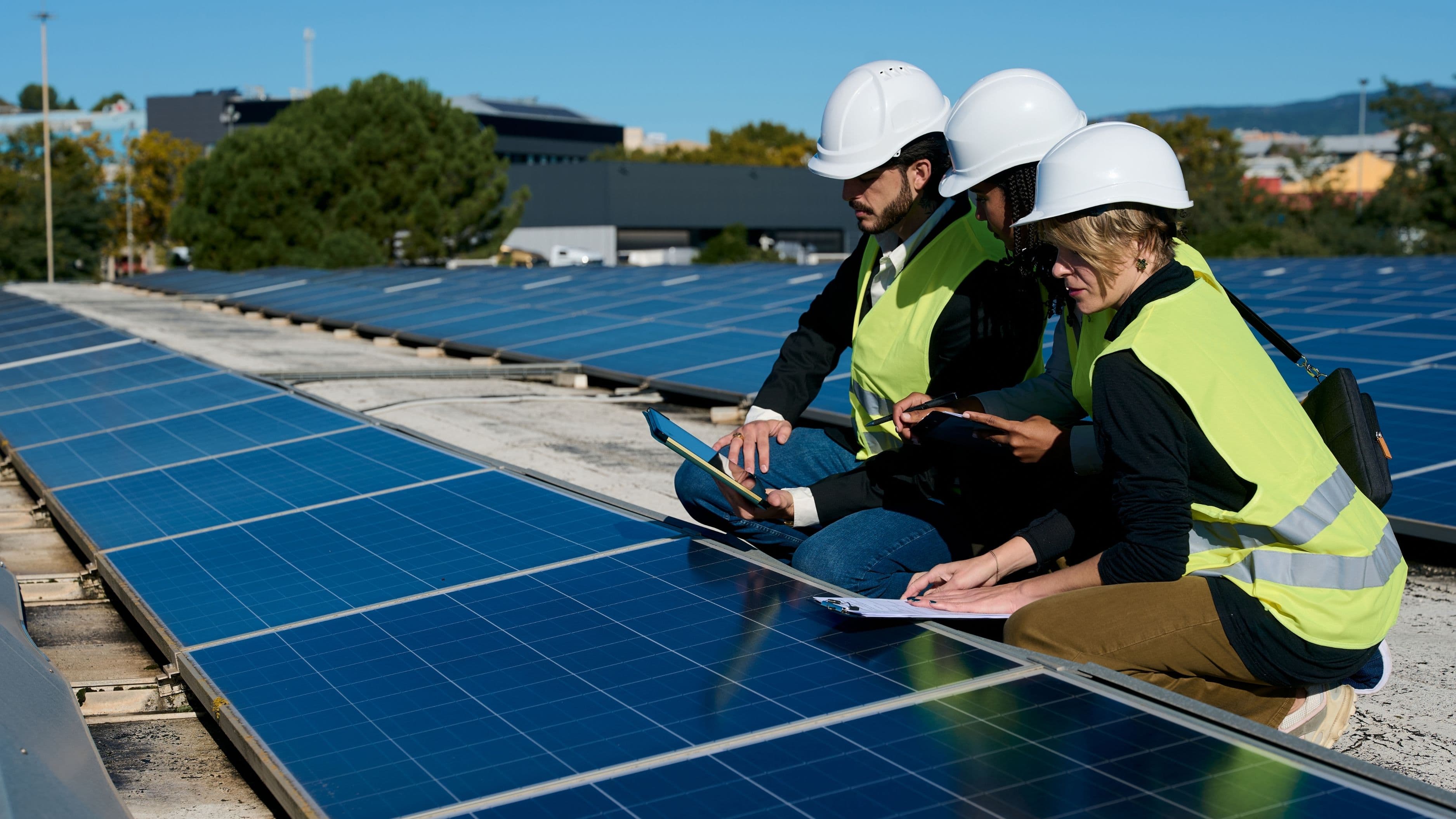
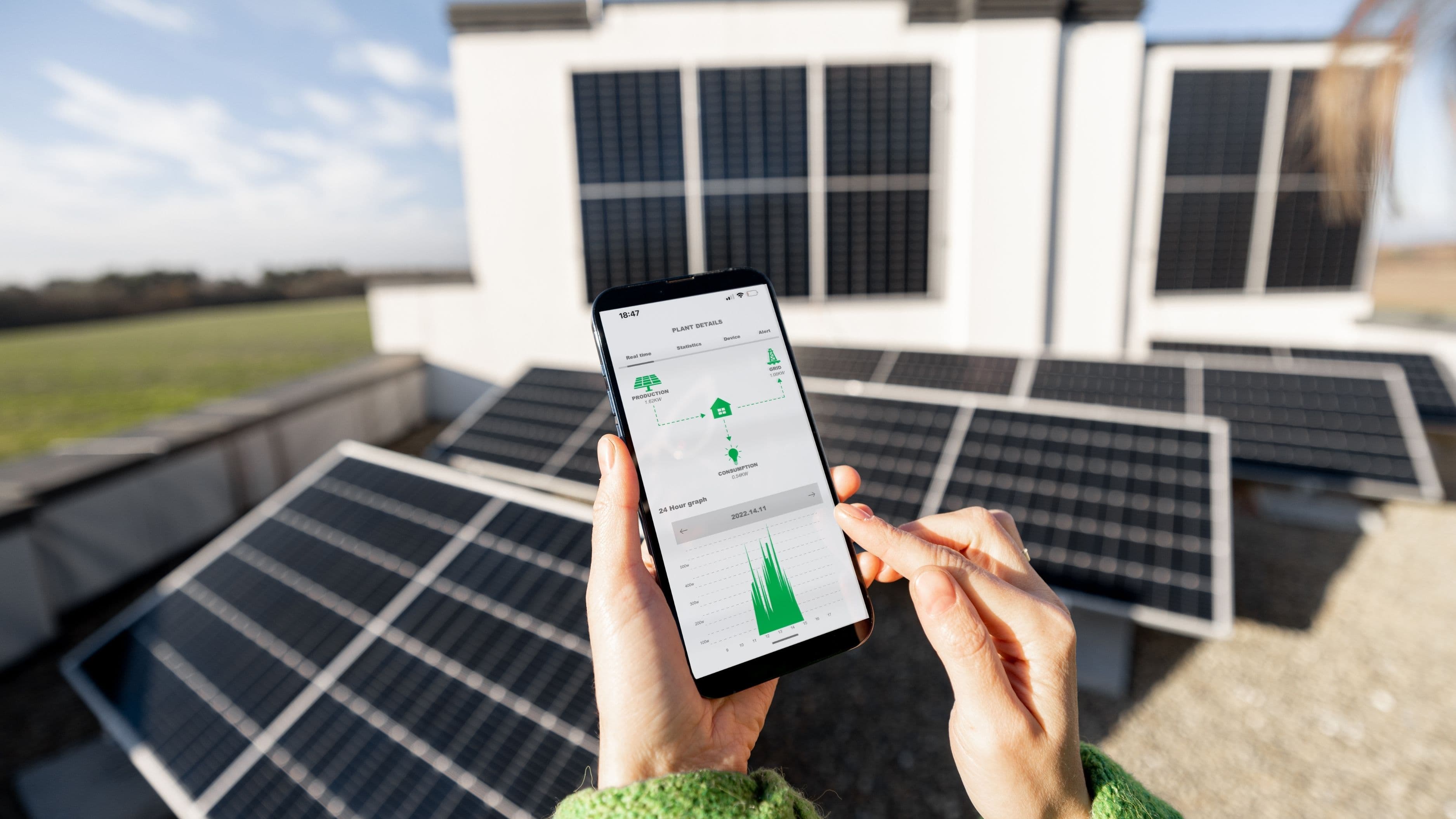
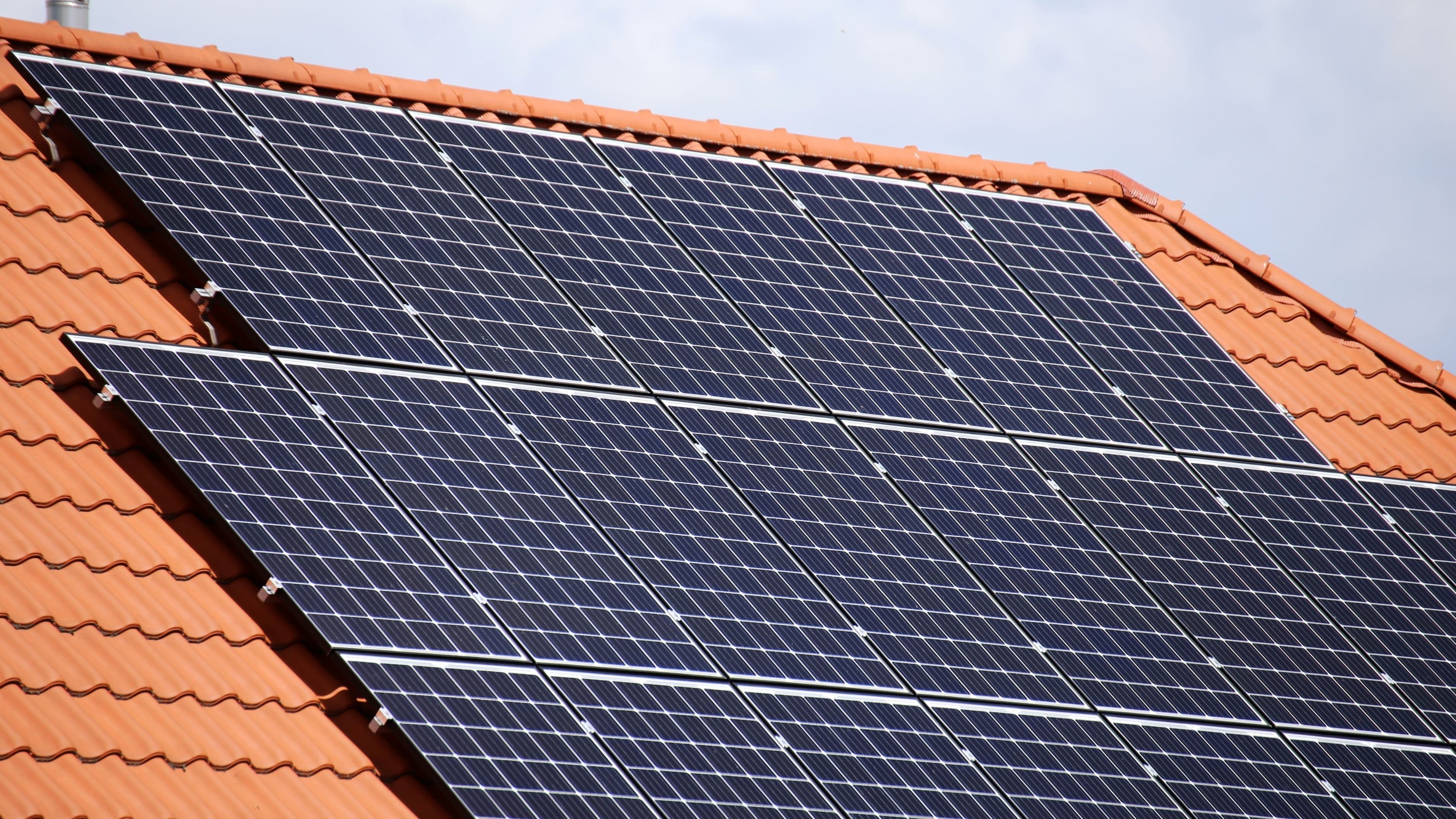
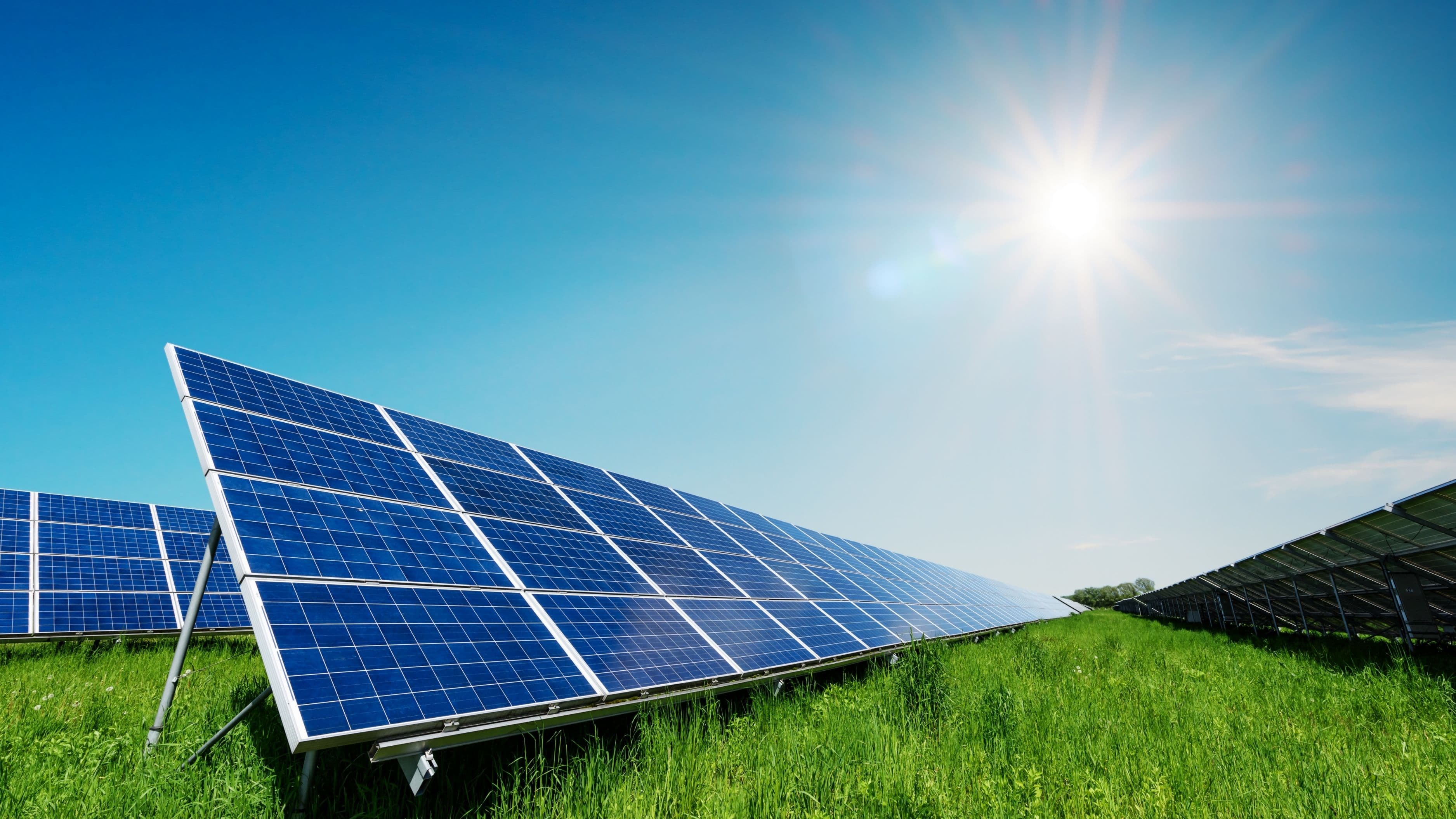
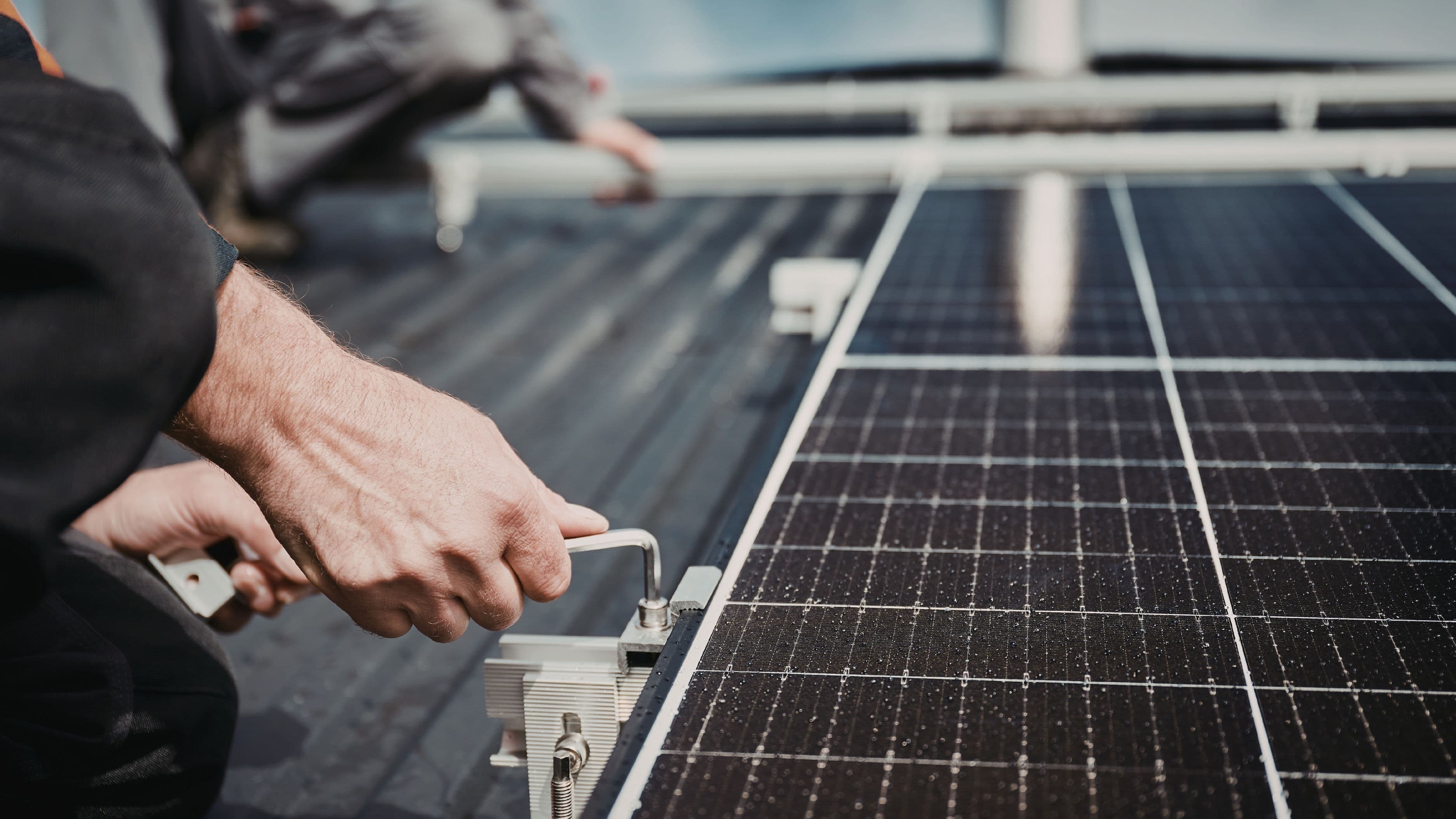
Most residential solar systems are "grid-tied," meaning they're designed to work in sync with the utility grid rather than as a standalone power source. When the grid goes down, standard grid-tied inverters automatically shut off through a required safety mechanism called anti-islanding protection. This isn't optional or a design flaw; it's mandated by electrical codes and utility interconnection agreements specifically to protect utility workers.
Without this shutdown, your solar system would continue feeding electricity back into the grid during an outage, creating "islands" of live power in lines that repair crews assume are dead. This poses a serious electrocution risk to anyone working on the lines, which is why anti-islanding protection is a non-negotiable safety requirement rather than a feature manufacturers could choose to leave out.
Why This Catches Homeowners Off Guard
The disconnect between expectation and reality comes down to a common misunderstanding about what solar panels actually do without additional equipment. Solar panels alone generate electricity, but a standard grid-tied inverter's entire job is converting that electricity for immediate use or export to the grid, not storing it for standalone use during an outage. Without a battery system and specific backup-capable equipment, there's simply no mechanism to keep power flowing to your home once the grid connection is cut, regardless of how sunny it is outside.
This is different from how many people assume solar works, particularly if they pictured solar panels functioning like an independent generator that keeps running no matter what happens to the broader grid.
What Actually Provides Backup Power During an Outage
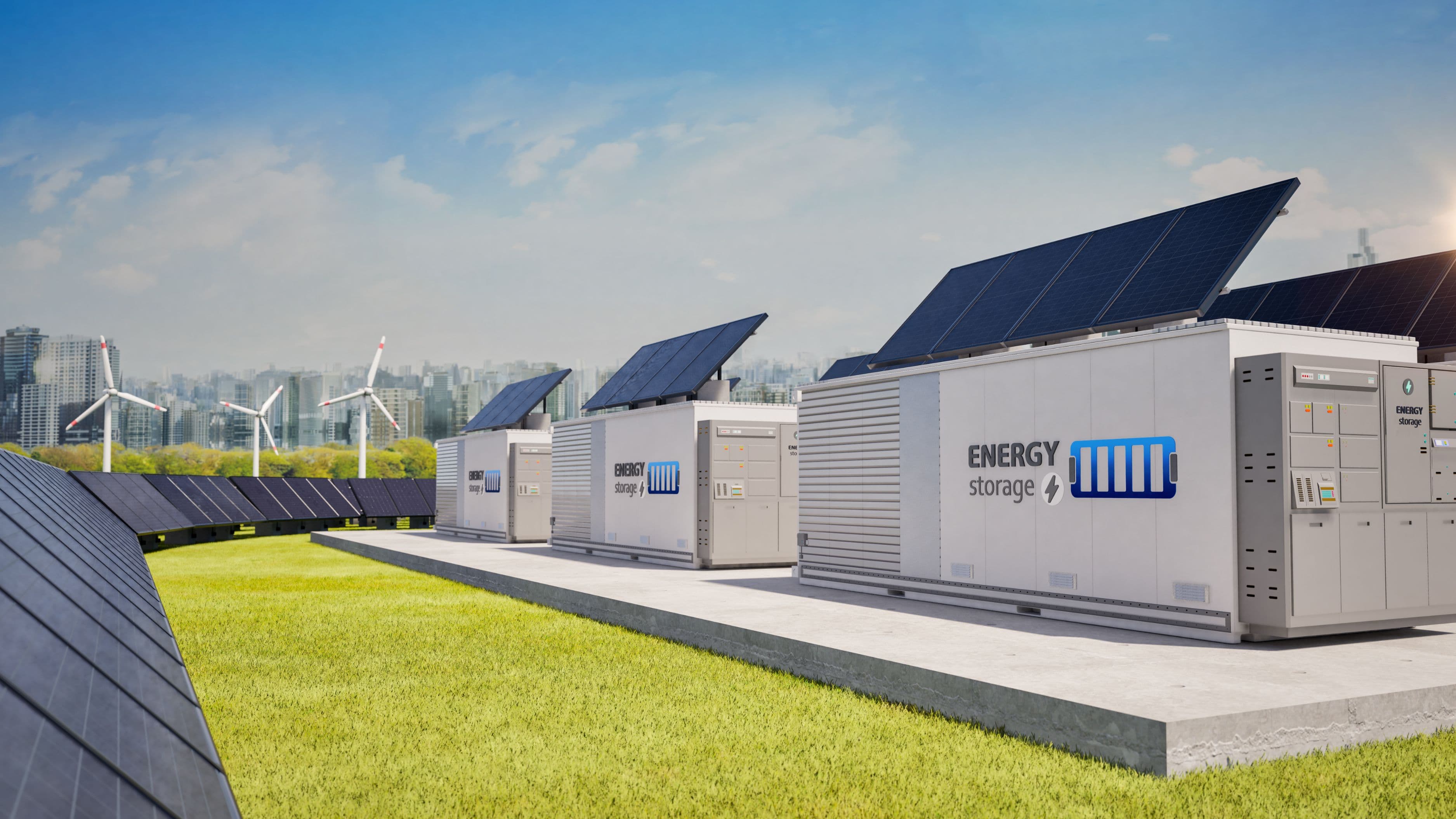
A battery storage system with a backup-capable inverter. This is the most common and increasingly popular solution. Systems like Tesla Powerwall or Enphase batteries are specifically designed with the electrical hardware needed to detect a grid outage, safely disconnect from the grid, and switch to powering your home directly from stored battery energy, all without violating anti-islanding safety requirements.
A transfer switch paired with battery backup. This hardware physically isolates your home's electrical system from the grid during an outage, allowing your battery system to power selected circuits safely without any risk of backfeeding power onto grid lines.
What This Means If You're Considering Solar
If backup power during outages is a priority, this needs to be part of your planning conversation with a solar installer from the start, not an afterthought after installation. A standard grid-tied system without battery storage will not provide power during an outage regardless of sunlight conditions, and retrofitting battery storage after the fact, while possible, is typically more expensive than including it in the original installation plan.
Realistic Expectations: Cost and Capability
Adding battery storage with backup capability meaningfully increases the total cost of a solar installation, often by several thousand dollars depending on battery capacity and the number of circuits you want backed up. Most homeowners choose to back up essential circuits, refrigerator, some lighting, key outlets, rather than the entire home, since backing up an entire home's electrical demand requires significantly more battery capacity and cost.
It's also worth understanding that even with battery backup, capacity is finite. A battery system will power your selected circuits for a specific duration based on your usage and battery size, not indefinitely, particularly during extended outages without sufficient sunlight to recharge the battery during the day.
What to Avoid
Don't assume solar panels alone provide any backup power during an outage; this is one of the most common misunderstandings homeowners have before installation, and it's worth confirming directly with your installer exactly what your system does and doesn't provide. Never attempt to bypass anti-islanding protection or modify your system to keep it running during a grid outage without proper backup equipment; this creates a genuine safety hazard for utility workers and is both illegal and dangerous. If you're unsure whether your existing system has backup capability, contact your original installer or a licensed solar technician to clarify rather than assuming.
FAQ
Can I add battery backup to an existing solar system that doesn't have it? In most cases, yes, though it typically requires additional equipment and professional installation, and costs are usually higher than including backup capability in an original installation.
Will my solar system turn back on automatically once grid power is restored? Yes, standard grid-tied inverters are designed to automatically reconnect and resume normal operation once stable grid power returns, without requiring manual intervention.
How much battery capacity do I need for meaningful backup power? This depends on which circuits you want backed up and for how long. A licensed solar installer can help calculate capacity based on your specific home's electrical usage and outage priorities.
📚 Sources
U.S. Department of Energy, "Solar Photovoltaic System Basics" – energy.gov
National Renewable Energy Laboratory, "Grid-Tied Solar and Anti-Islanding Requirements" – nrel.gov