
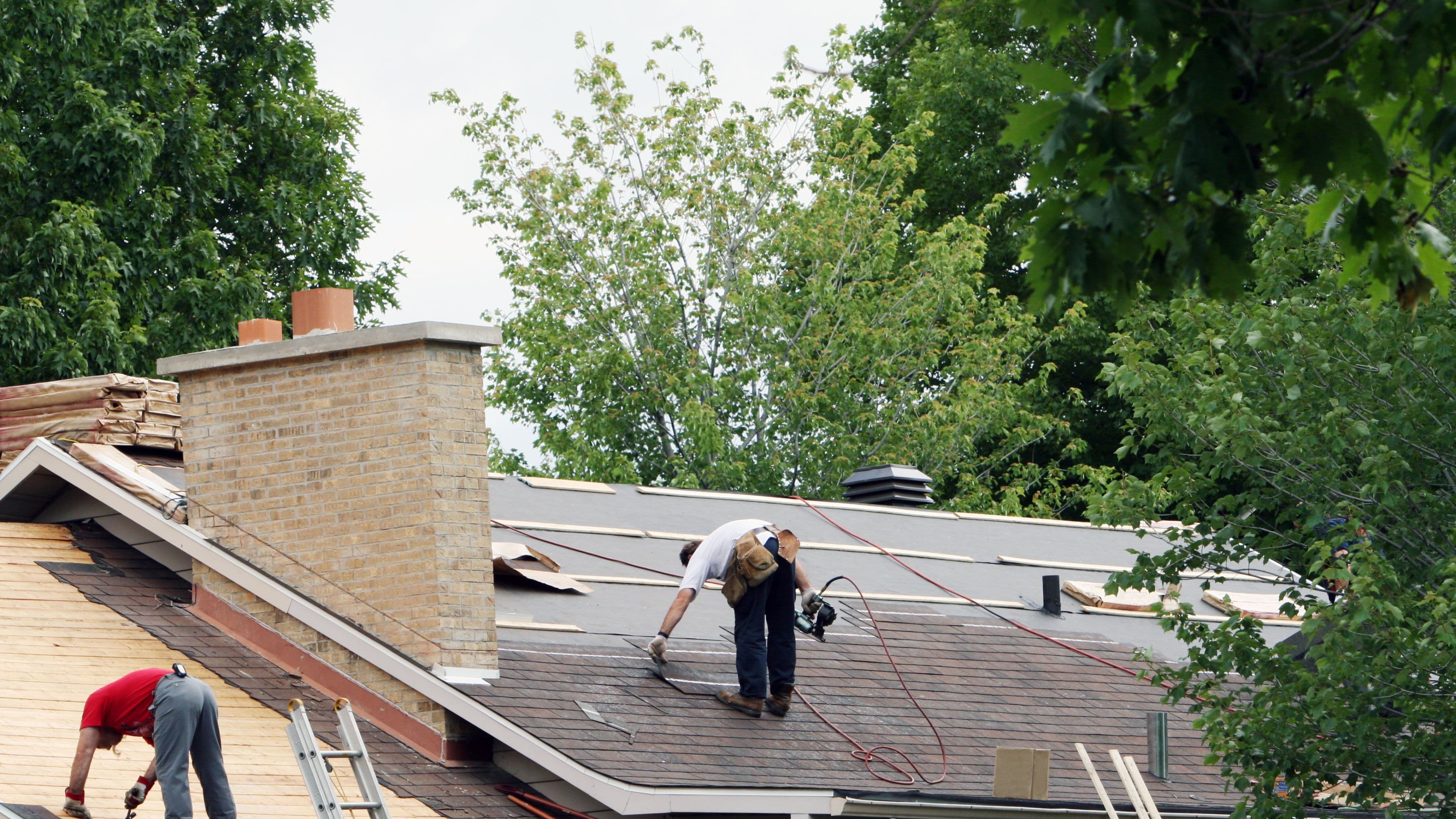
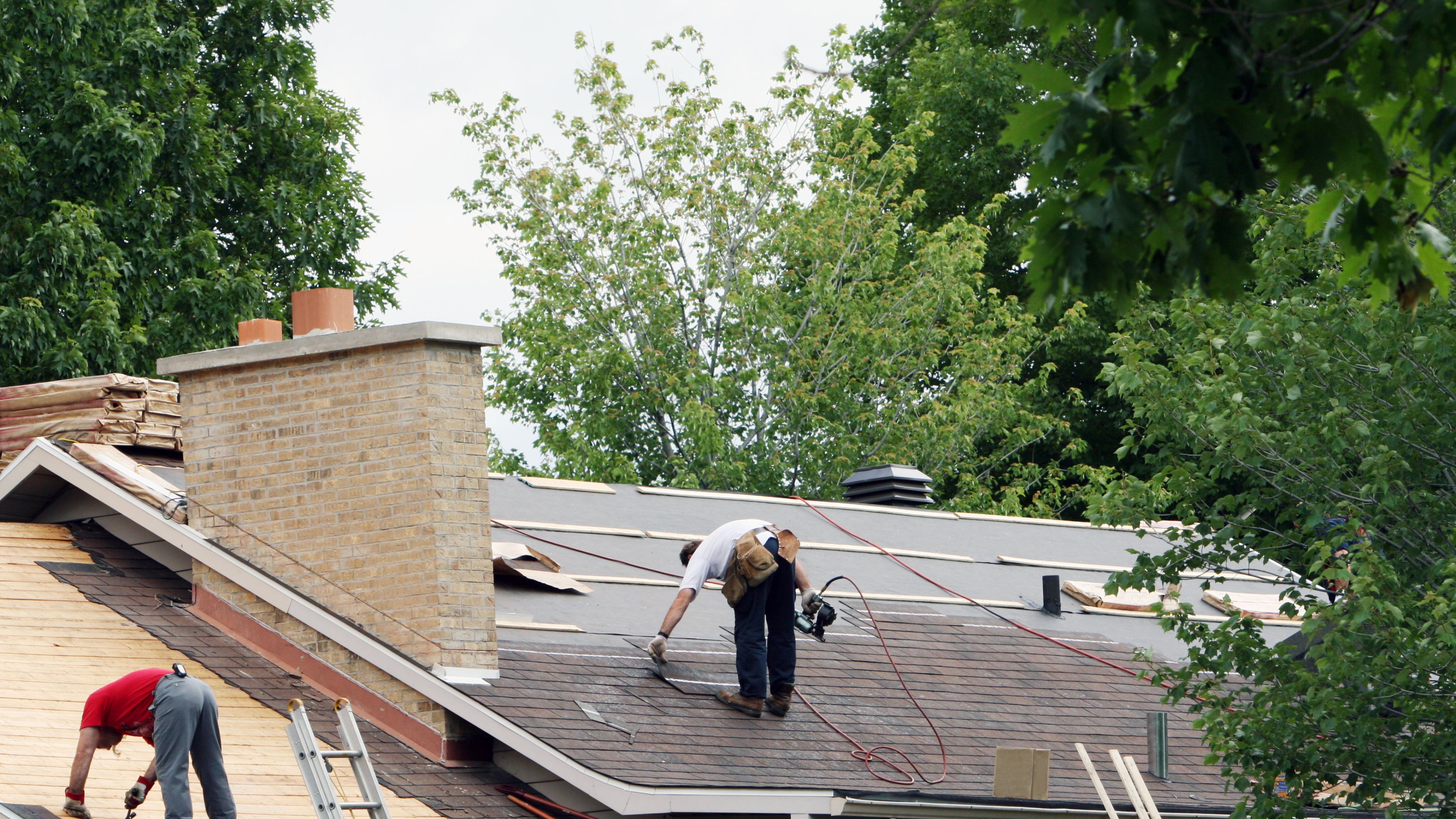
This isn't a full professional inspection, though that's worth scheduling every few years too. This is the homeowner-level maintenance pass that catches the most common, most preventable issues.
Step 1: Clear Gutters and Downspouts First
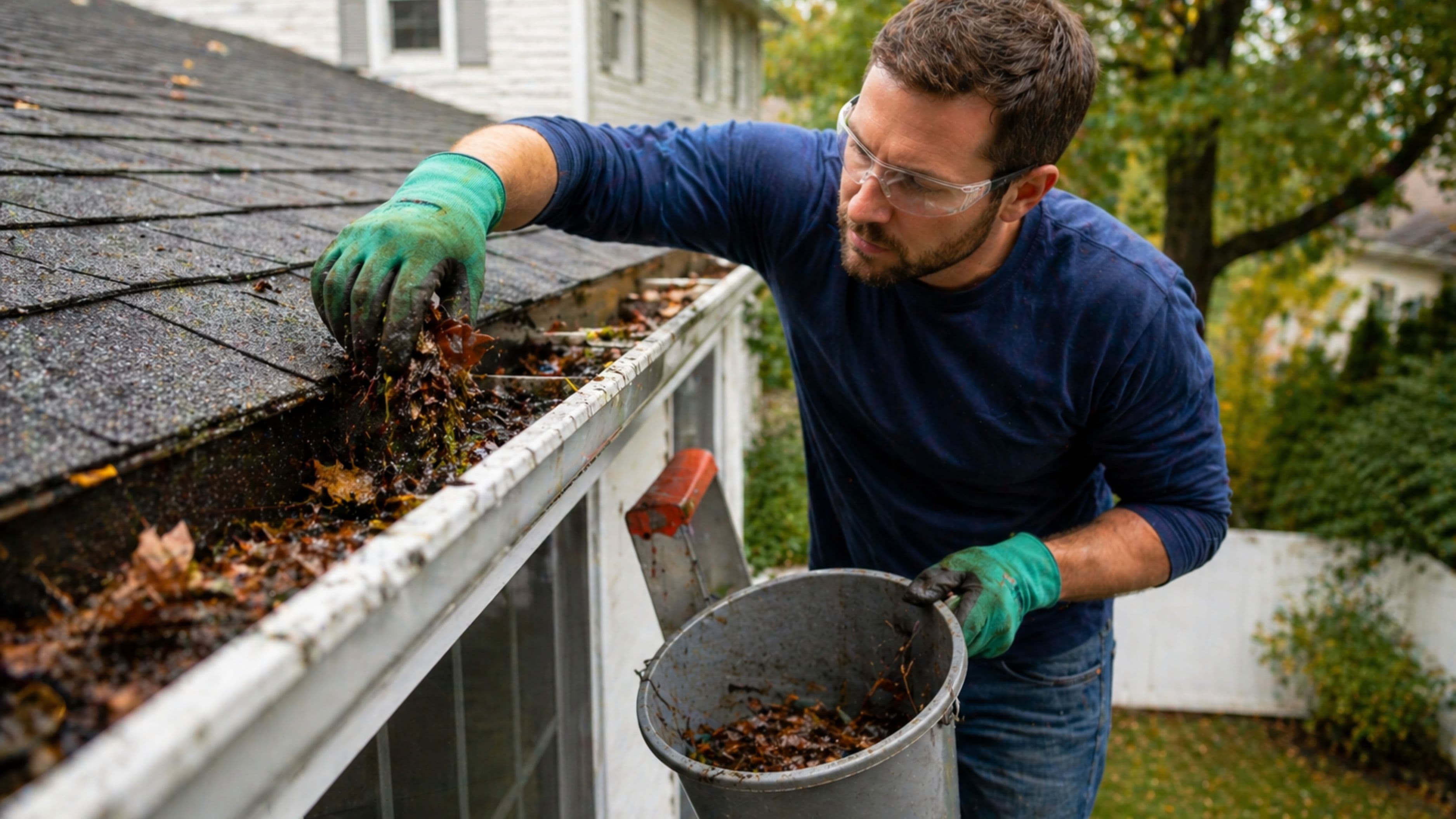
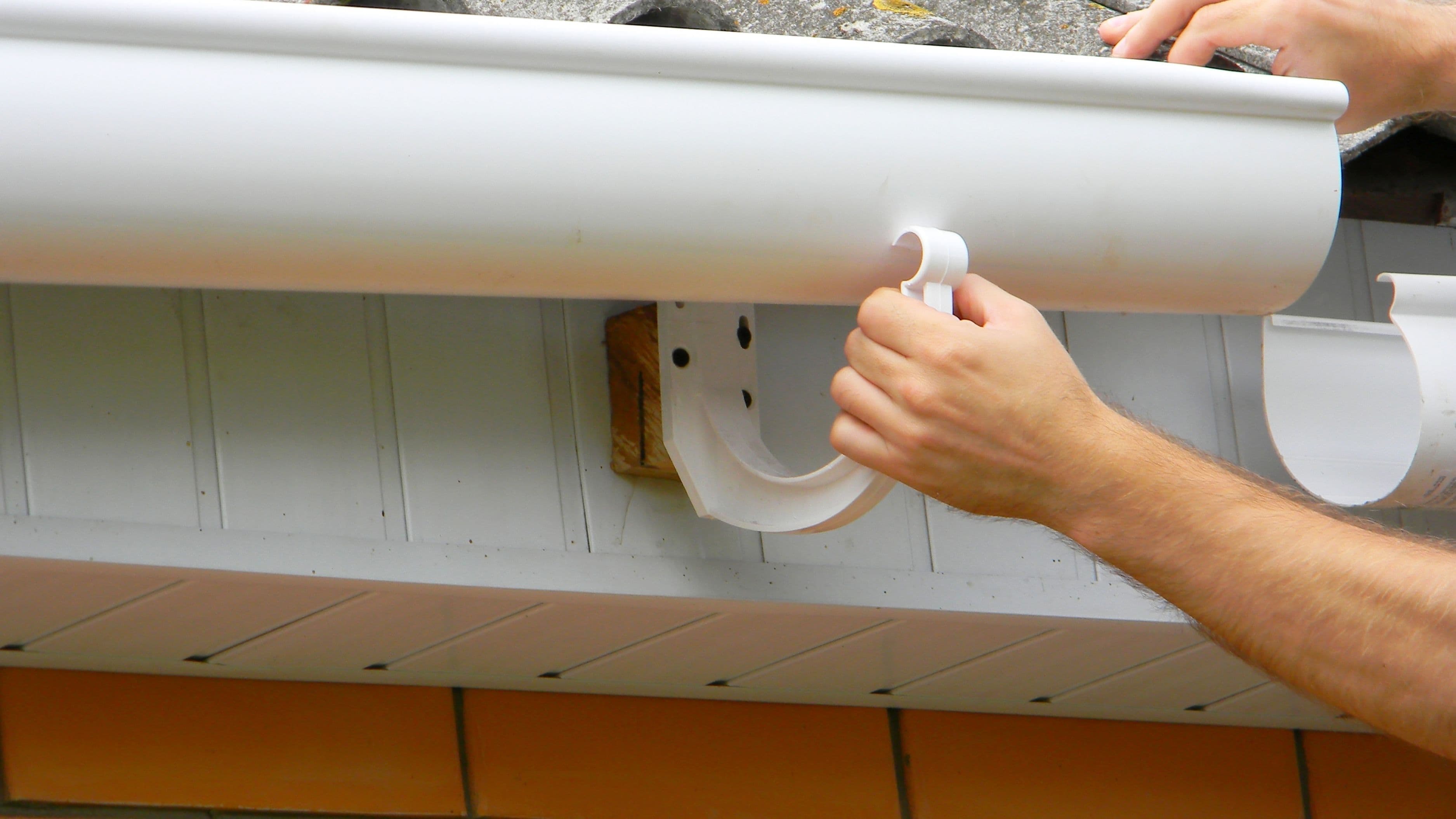
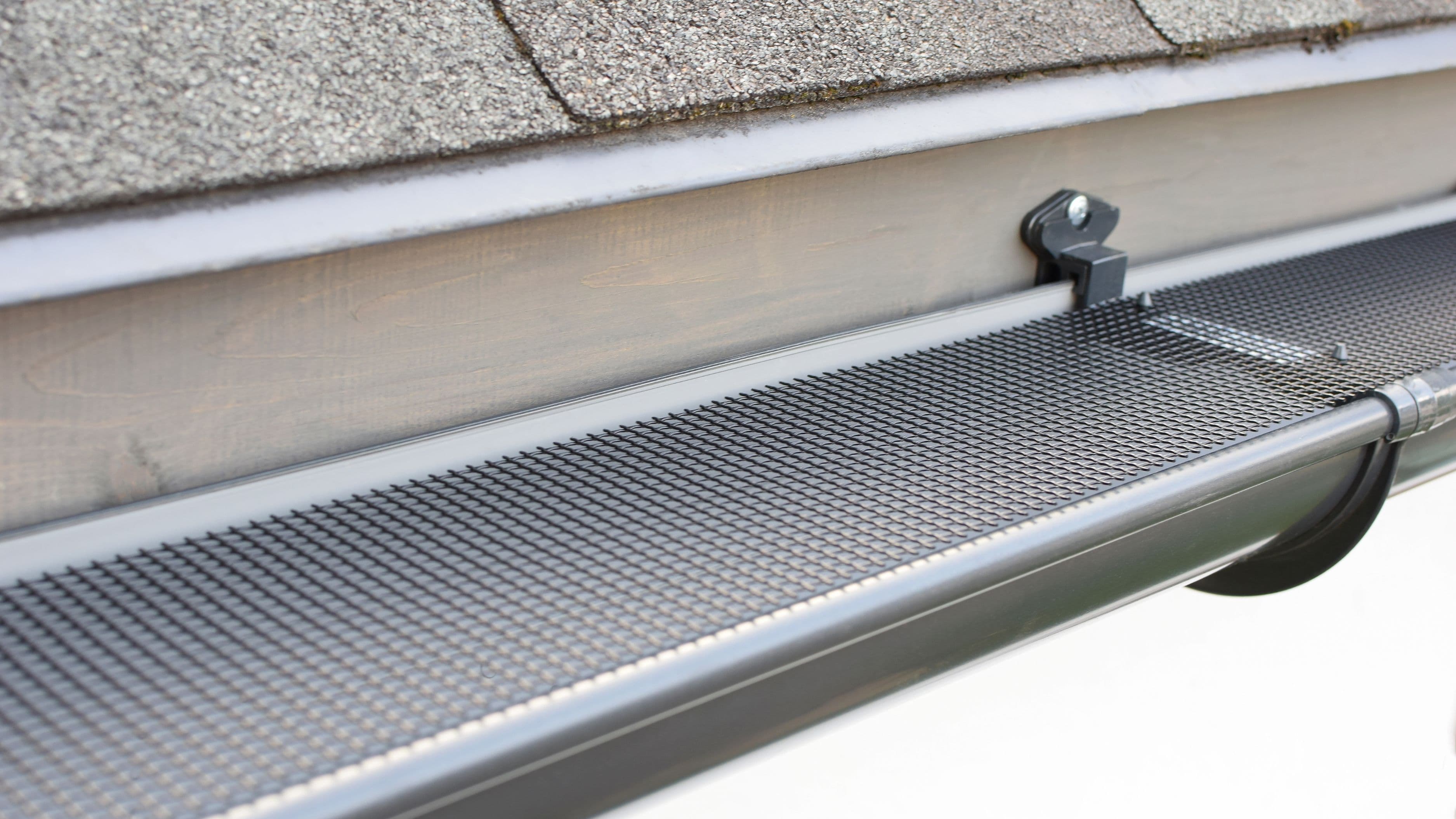
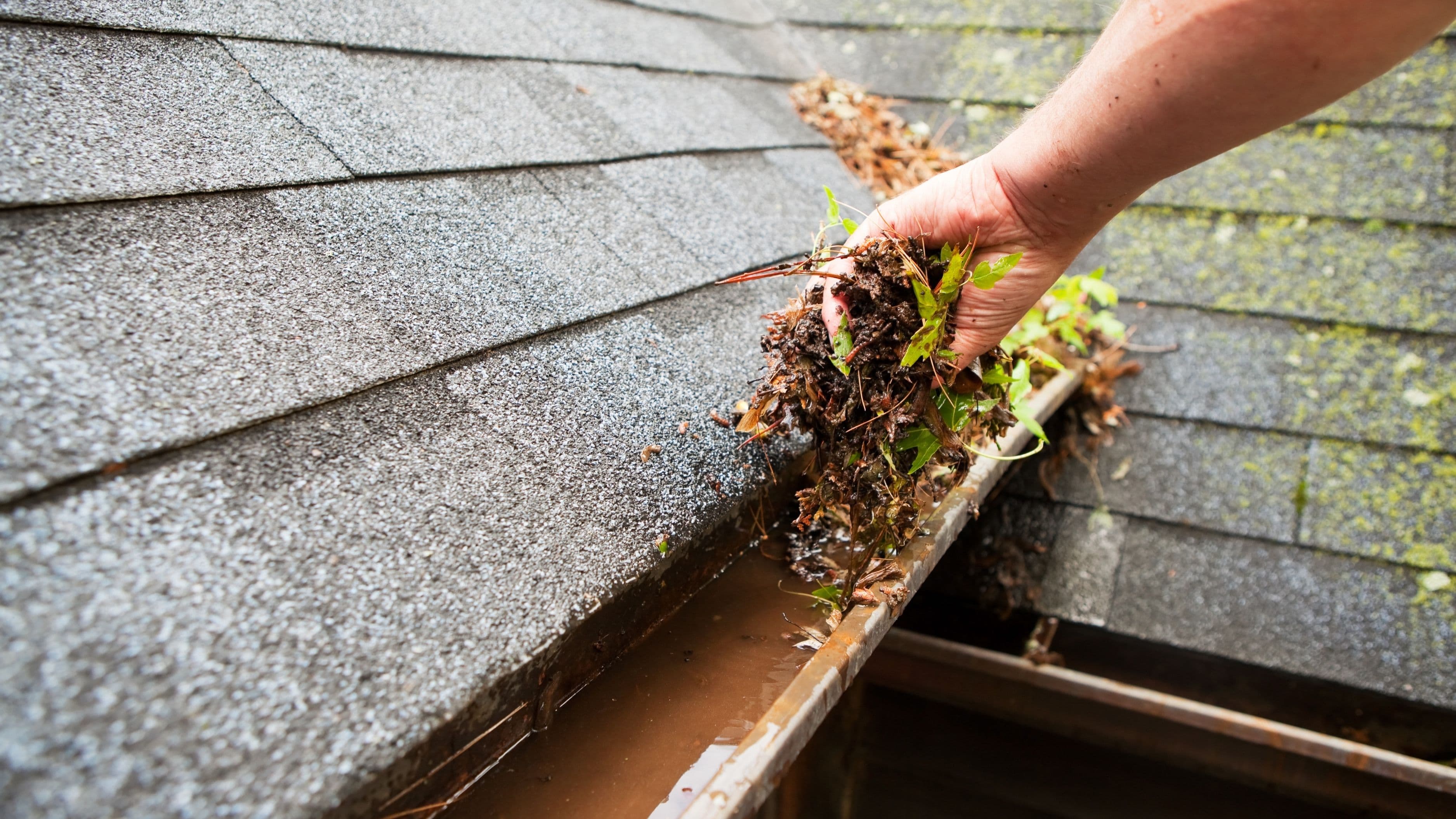
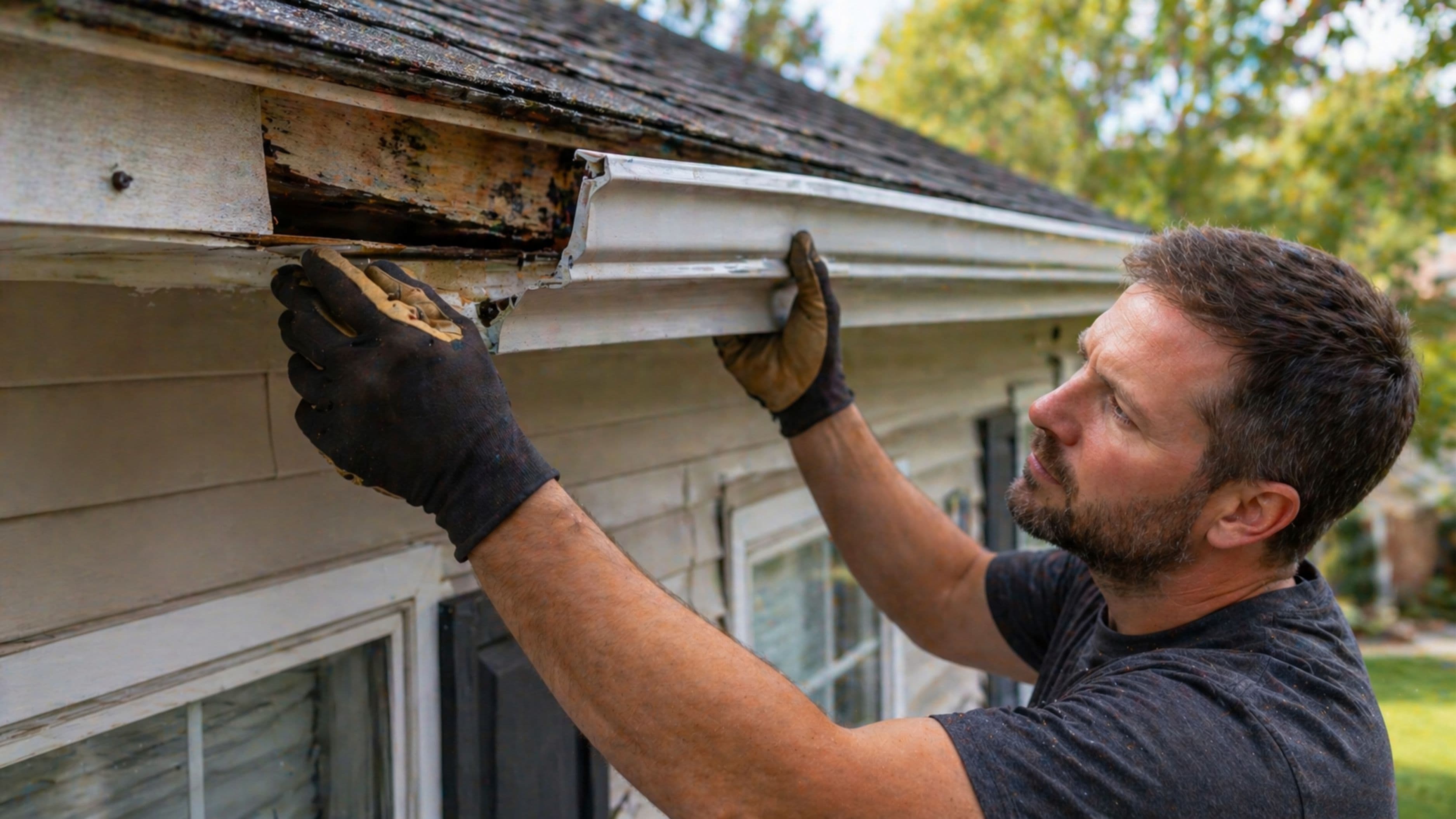
Before assessing anything else, clear out any leftover debris, leaves, twigs, and winter grit, from your gutters and downspouts. Clogged gutters cause water to back up under roof edges rather than draining away properly, which is one of the more common causes of edge and fascia rot that homeowners don't connect back to gutter maintenance.
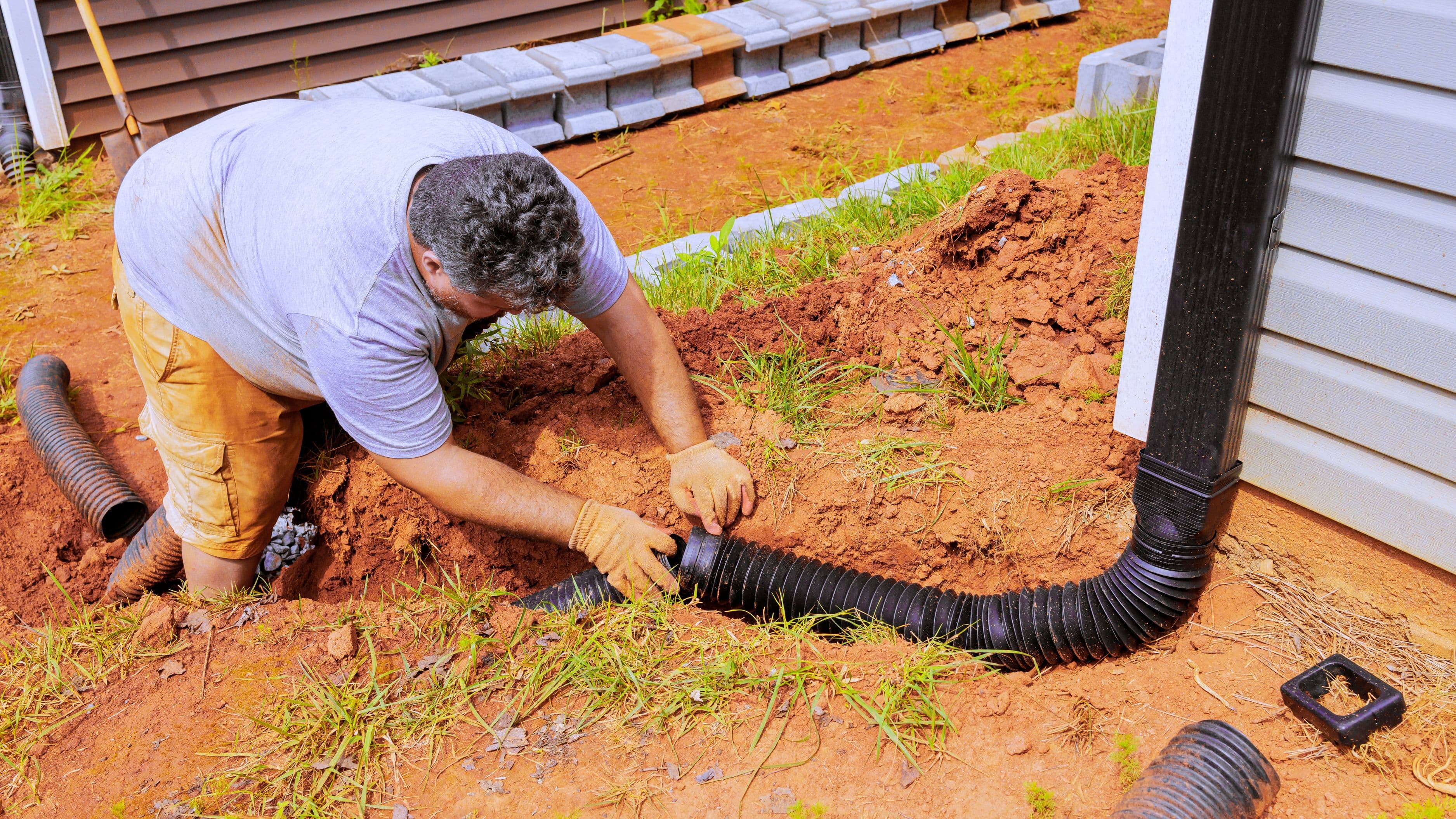
Run water through downspouts with a hose after clearing debris to confirm they're draining freely rather than just visually appearing clear, since partial clogs further down the downspout aren't always visible from the top.
Step 2: Do a Ground-Level Visual Roof Scan
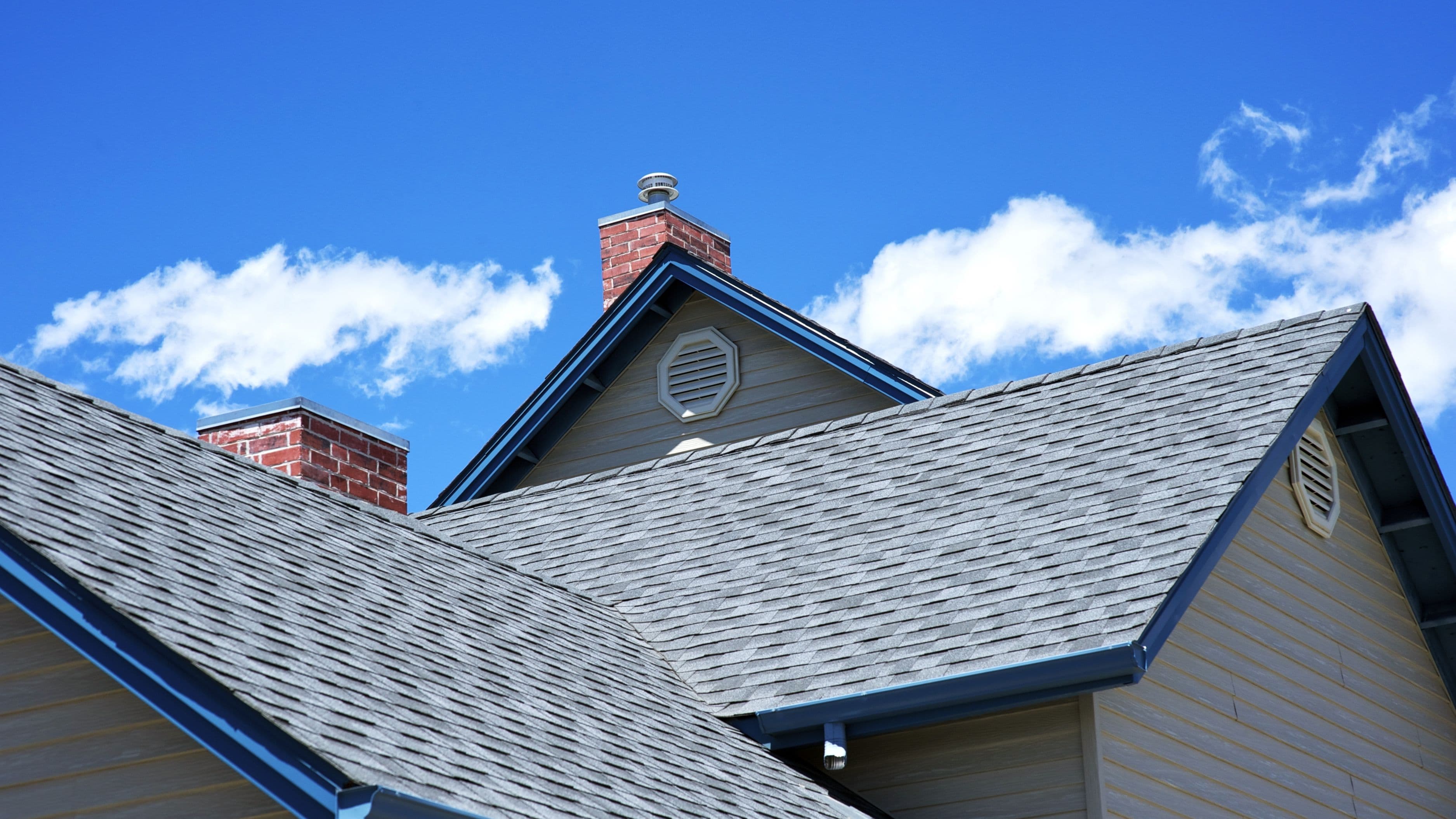
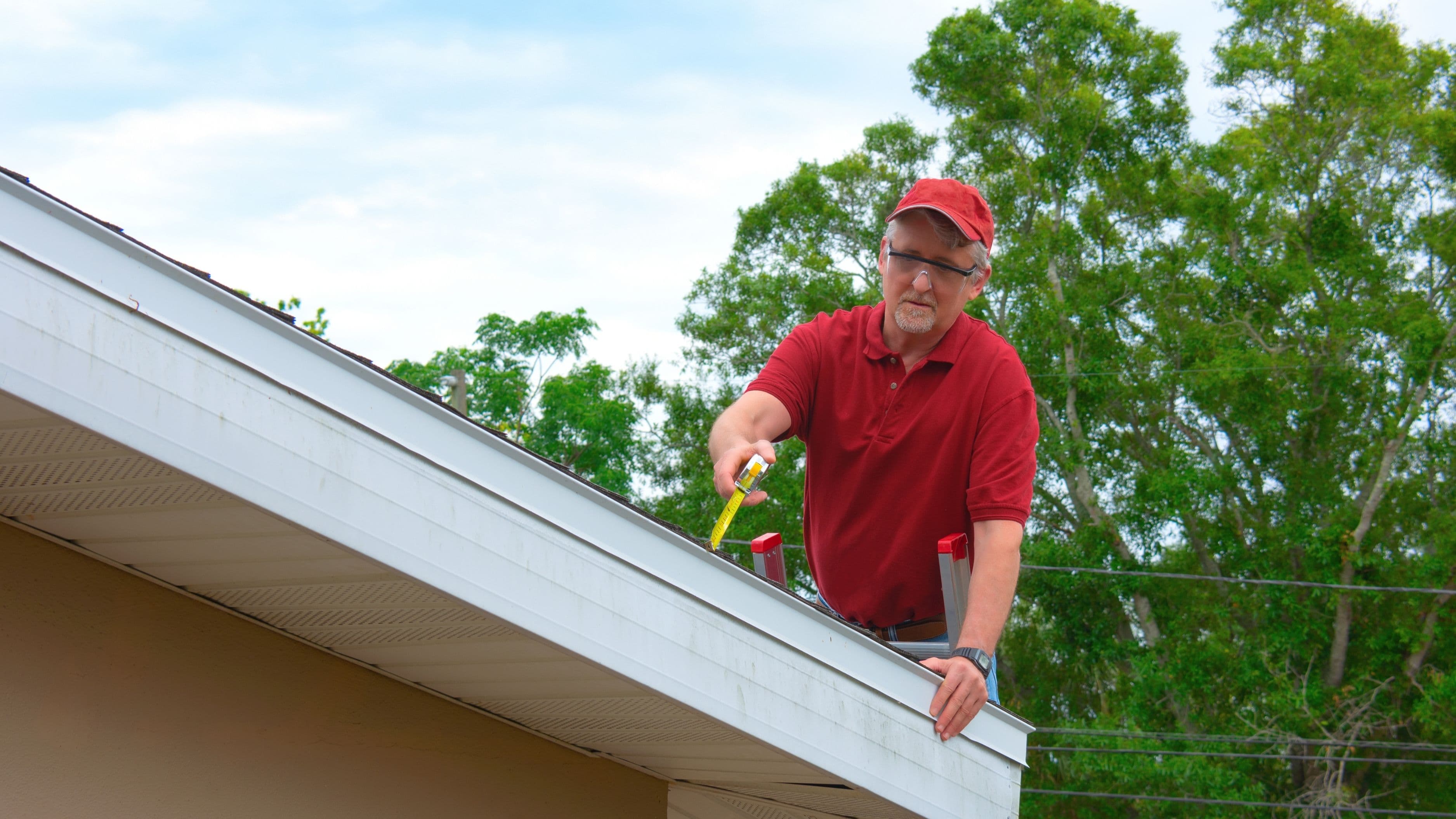
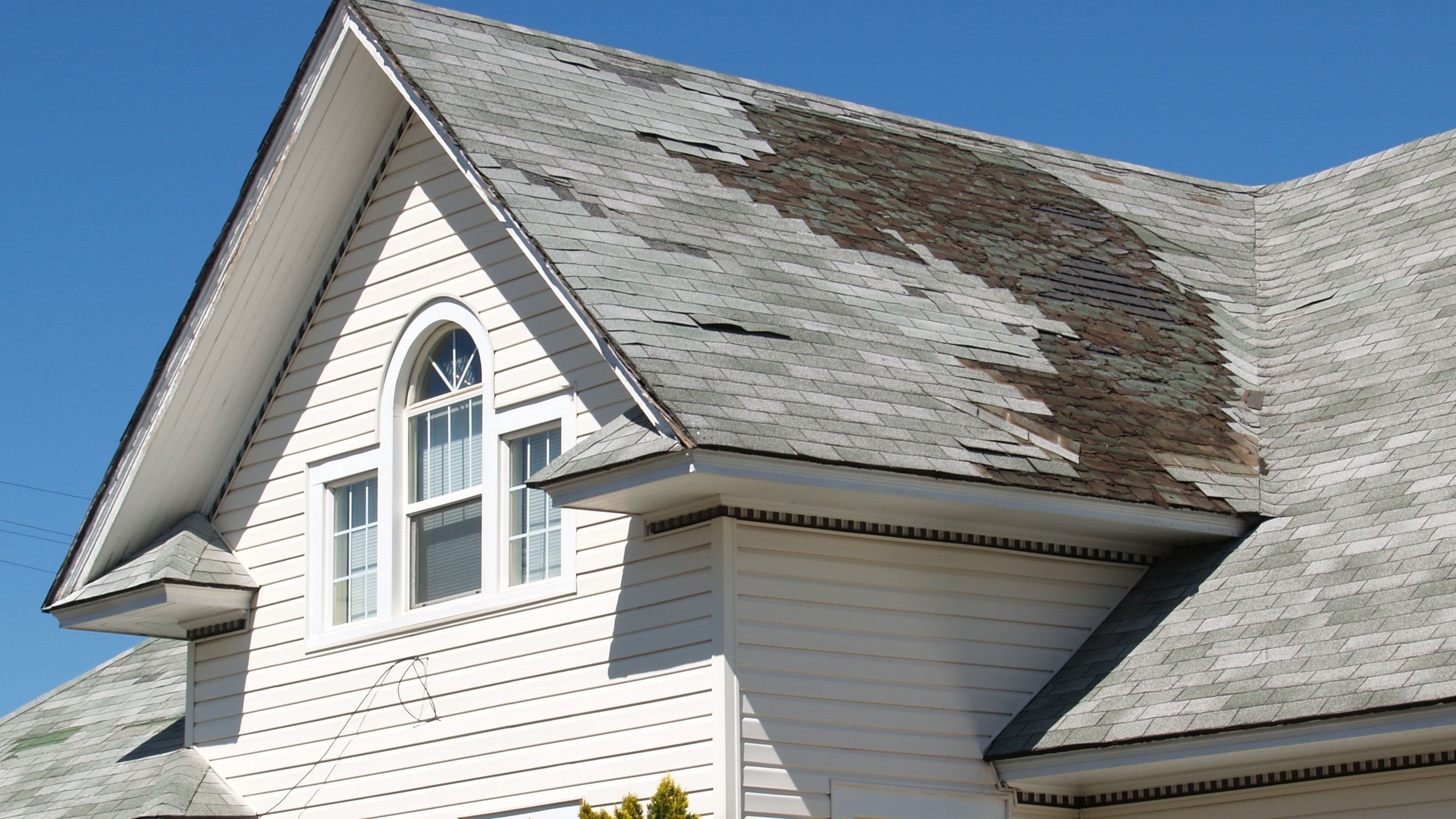
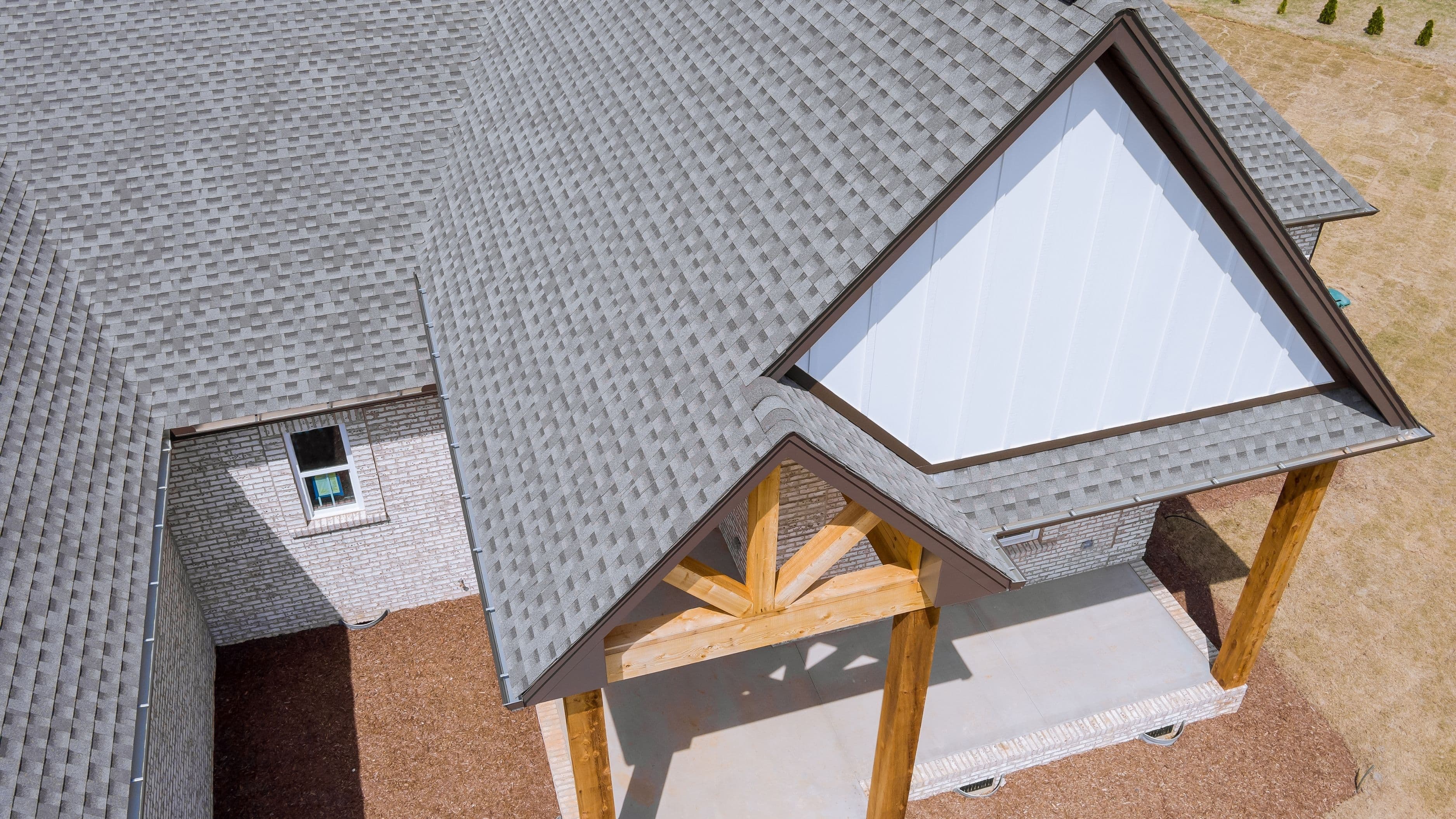
Using binoculars, walk the perimeter of your home and scan the full roof surface for anything visibly out of place: missing or curled shingles, exposed nail heads, dark streaking, or sagging sections. Winter wind and ice are common culprits behind loosened or missing shingles that might not be obvious without a deliberate scan.
Pay particular attention to areas around chimneys, vents, and skylights, since these flashing points are typically the first to show wear after a hard winter.
Step 3: Check for Ice Dam Damage
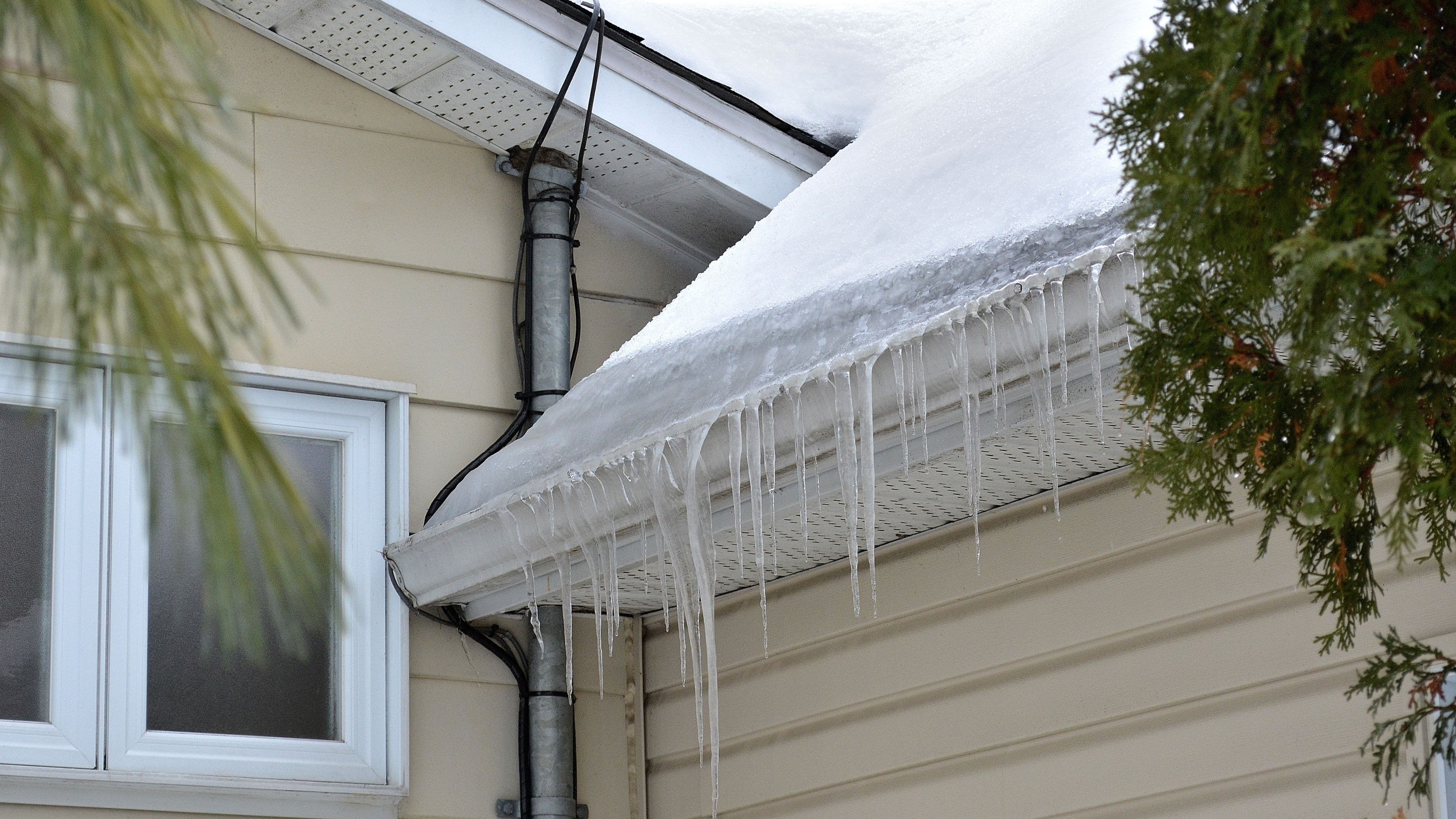
If you live somewhere that gets meaningful winter freezing, look for signs of ice dam damage specifically: water stains on interior ceilings near the roof edge, peeling paint near the eaves, or visibly lifted shingles along the lower roof edge where ice tends to accumulate. Ice dams form when heat escaping from the attic melts snow, which then refreezes at the colder roof edge, and the resulting ice can force water backward under shingles.
If you spot recurring ice dam patterns year after year, that's usually pointing to an attic insulation or ventilation issue rather than a roofing material problem, and it's worth addressing the underlying cause rather than just patching the resulting roof damage repeatedly.
Step 4: Inspect Flashing and Sealant Points
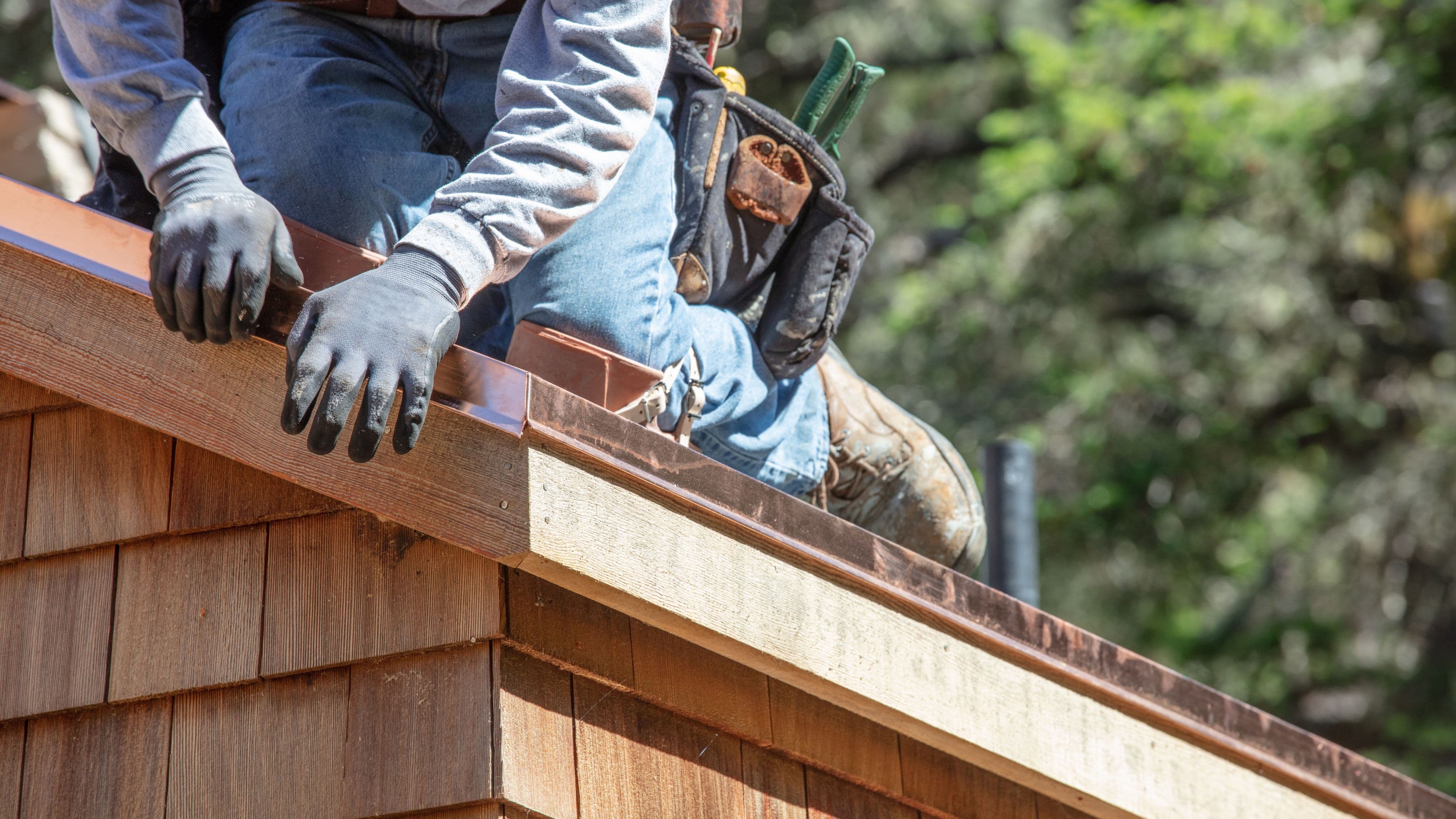
Check the sealant and metal flashing around chimneys, vents, and any roof-to-wall junctions for cracking, gaps, or rust. These points take disproportionate wear compared to flat roof sections, and reapplying sealant or catching early corrosion in spring prevents a much larger repair later in the year.
Step 5: Trim Overhanging Branches
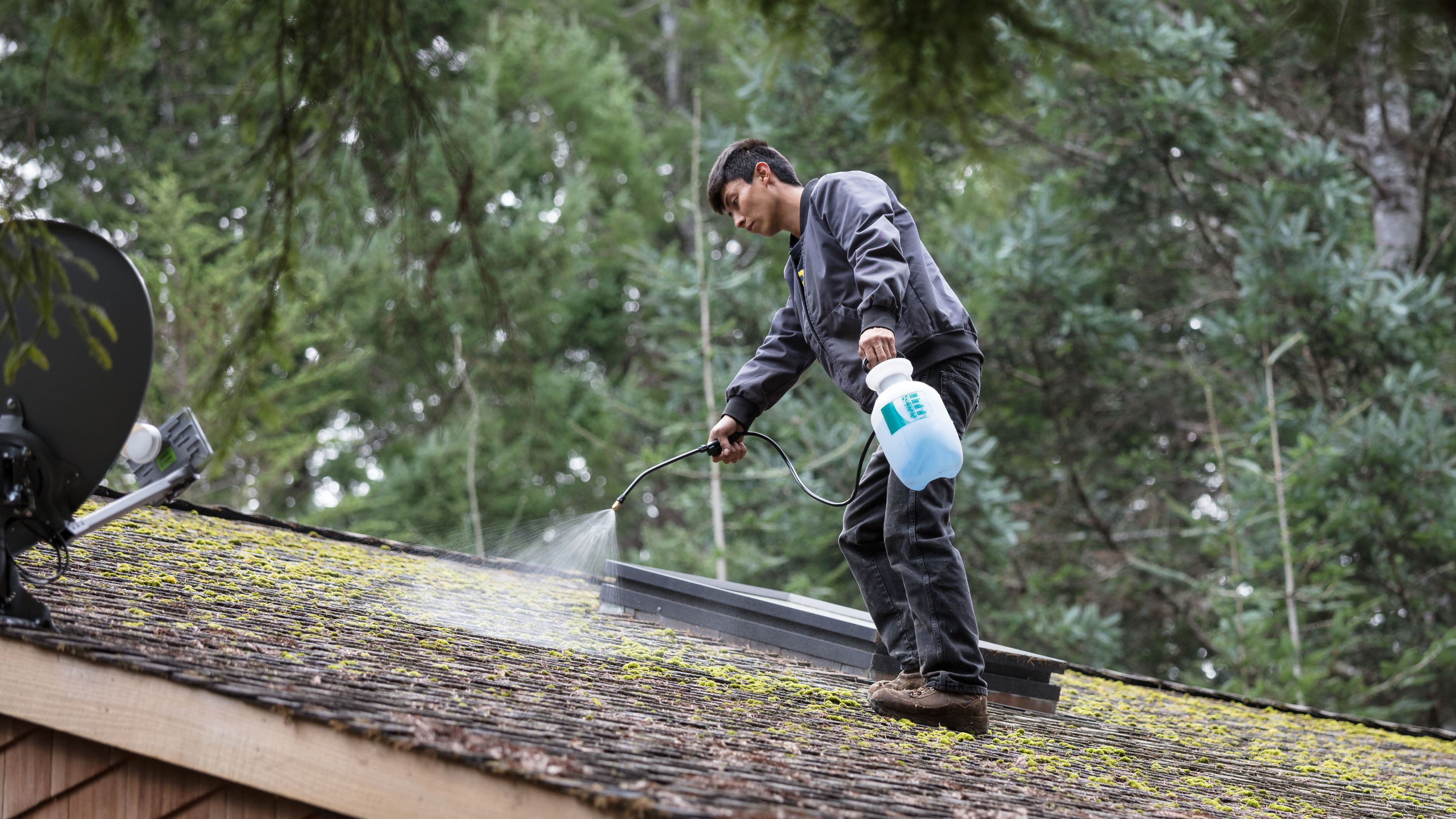
Branches that overhang your roofline drop debris that clogs gutters and can cause abrasion damage to shingles during windy conditions. Spring, after winter storms have already done whatever damage they were going to do but before summer growth thickens the canopy further, is a good window to trim anything hanging within a few feet of your roof surface.
Step 6: Check Attic Ventilation and Insulation
While you're doing your spring roofing pass, take a few minutes to check attic ventilation, making sure soffit and ridge vents aren't blocked by insulation or debris. Proper attic ventilation regulates temperature and moisture, both of which directly affect shingle lifespan and reduce the risk of the ice dam issues mentioned earlier.
Look for any signs of moisture or mold on the underside of the roof deck or on insulation itself, which would indicate a ventilation or leak issue that deserves closer investigation.
What to Avoid
Don't skip the ground-level scan just because "nothing looks obviously wrong" from inside the house. Roof damage is frequently invisible from indoor living spaces until it's progressed significantly, so an actual dedicated scan matters even if you haven't noticed any interior symptoms.
Don't attempt gutter cleaning or roof-adjacent work on a wet or windy day. Wet gutters and roofing surfaces are significantly more slippery, and a large share of home maintenance injuries happen from avoidable footing issues rather than the task itself being inherently dangerous.
Don't ignore small issues because they seem cosmetic. A few missing shingle granules or minor flashing gaps are inexpensive to fix now and expensive to ignore once they progress into an actual leak affecting your attic insulation or interior ceiling.
When to Call a Professional
If your ground-level scan reveals significant sagging, widespread missing shingles, or you suspect structural damage from winter ice or snow load, this is roofing-professional territory rather than a DIY spring maintenance task. A professional roof inspection every three to five years, even without visible issues, is a reasonable complement to your own annual spring checks, since some wear patterns are easier to spot from directly on the roof than from the ground.
Expect a professional inspection to run $150–$400 depending on your region and roof size, which is a reasonable cost relative to catching a developing issue before it becomes a full repair or premature roof replacement.
FAQ
How long does a typical spring roof maintenance pass take? For a single-story home with straightforward access, expect one to two hours for the full checklist above, gutters, visual scan, flashing check, and attic ventilation review included.
Is spring or fall better for roof maintenance? Both matter, but spring specifically catches winter damage before it's compounded by another season, while fall maintenance is more about preparing for the coming winter. Ideally, do both.
Do I need to inspect my roof every single spring even if nothing seems wrong? Yes, since a meaningful share of roof issues aren't visible from indoor living spaces until they've progressed. A consistent annual check catches problems while they're still inexpensive to fix.
📚 Sources
Seasonal roof maintenance guidance – https://www.nachi.org/roof-inspection.htm
Ice dam prevention and attic ventilation – https://www.energystar.gov/campaign/seal_insulate/identify_problems_you_want_fix