
The 50% Rule as a Starting Point
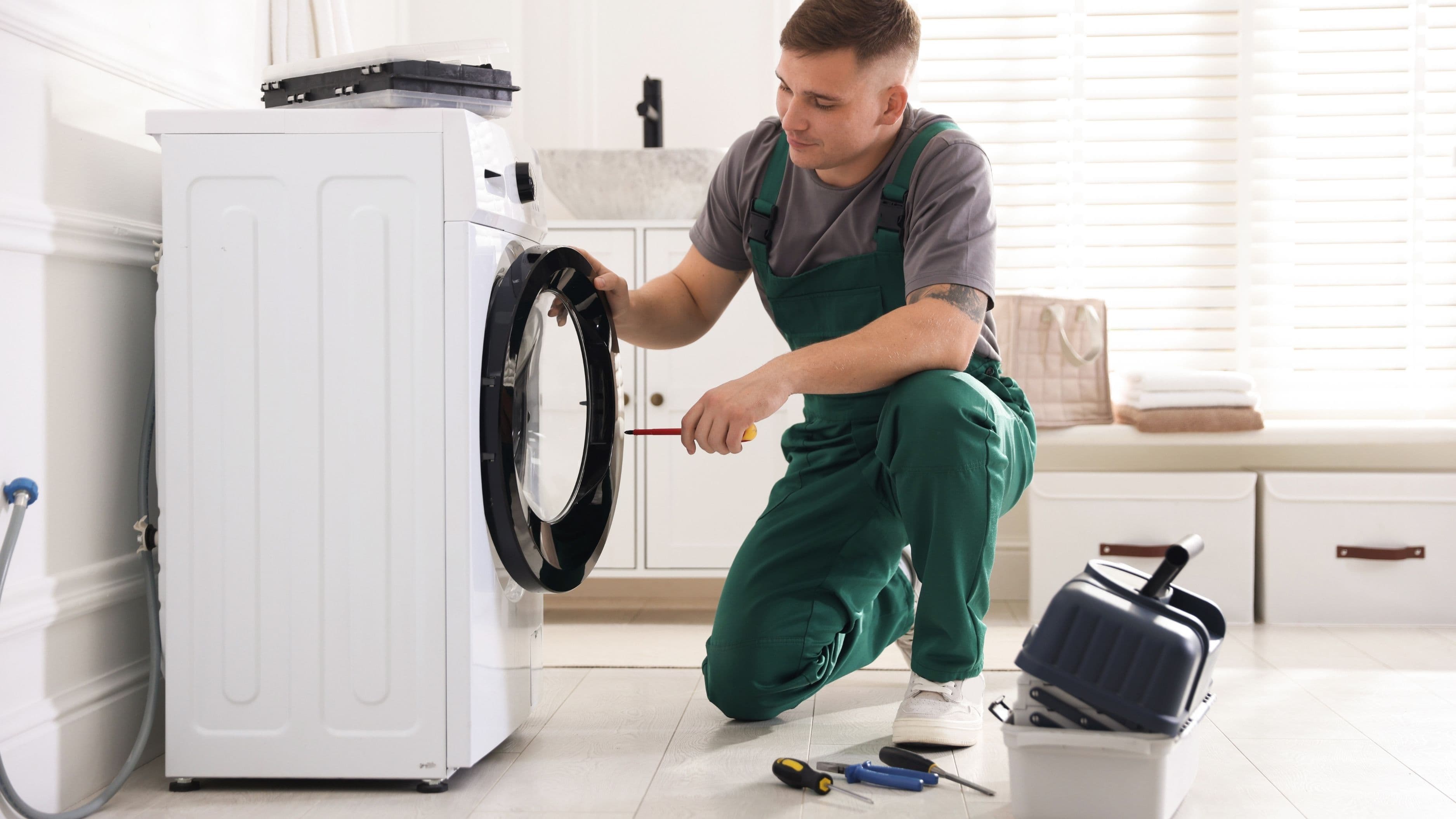
A widely used general guideline in appliance repair is the 50% rule: if a repair costs more than 50% of the price of a comparable new machine, replacement is usually the more financially sound choice. For a washing machine, where a decent mid-range new unit typically costs $600–1,000, this means a repair estimate above roughly $300–500 is worth weighing carefully against simply replacing the unit outright.
This rule isn't absolute, since it doesn't account for the machine's age or remaining expected lifespan, but it's a reasonable first filter to apply before digging into the more nuanced factors below. A $200 repair on a 3-year-old machine is a very different decision than the same $200 repair on a 12-year-old machine nearing the end of its typical lifespan regardless of this specific repair.
Consider the Machine's Age Relative to Typical Lifespan
Washing machines typically have an expected lifespan of 10–14 years with reasonable maintenance, meaning a machine's current age relative to this range should meaningfully influence your repair-versus-replace decision. A machine under 5 years old experiencing its first significant issue is generally worth repairing, since you're likely getting many more years of service from a relatively modest repair investment.
A machine already past 10 years old facing a costly repair is a different calculation entirely, since you're likely investing meaningfully in a machine that may only have a year or two of remaining reliable service left regardless of this specific fix. In this scenario, even a repair that technically falls under the 50% threshold may not be the best use of money if the underlying wear affecting other components is likely to produce another costly issue relatively soon.
Watch for a Pattern of Recurring Repairs
A single repair, even a moderately expensive one, doesn't necessarily indicate a machine is done. A pattern of multiple repairs within a relatively short period, however, is a much stronger signal that the machine's overall condition is declining broadly rather than experiencing one isolated component failure. If you've had two or more separate repair calls within the past year, this pattern itself is meaningful information, even if each individual repair seemed reasonably priced at the time.
This matters because appliance components often experience compounding wear – a motor bearing issue can strain related components, or reduced overall performance can indicate broader mechanical wear rather than a single isolated failure. Multiple repairs in quick succession often signal that you're addressing symptoms of overall decline rather than fixing a genuinely isolated problem, meaning further repairs are increasingly likely regardless of how this specific issue resolves.
Specific Repair Types Worth Extra Scrutiny
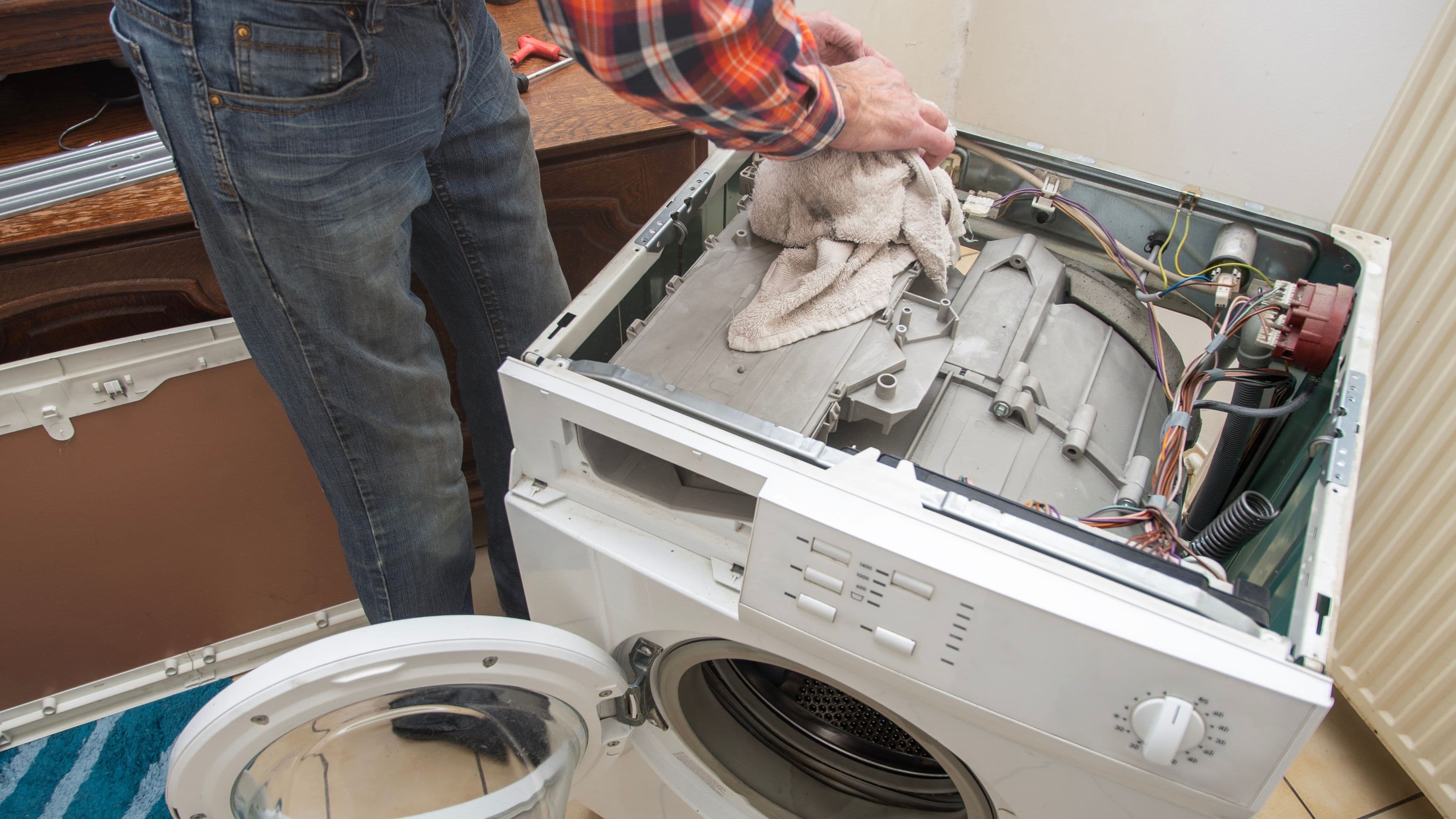
Certain washing machine repairs are worth weighing particularly carefully given their cost relative to the machine's overall value. A failed motor or transmission repair, common on older machines, often runs $300–600 for parts and labor combined, which frequently approaches or exceeds the 50% threshold on its own for a mid-range machine, especially if the machine is already several years into its expected lifespan.
Control board failures are another significant repair category, often costing $200–400 for the part alone before labor, and are increasingly common as machines have grown more electronically sophisticated. Given how central the control board is to a washing machine's overall function, this repair is worth weighing carefully against the machine's age and overall condition rather than assuming it's automatically worth fixing simply because it's a single identifiable component issue.
When Repair Genuinely Makes Sense
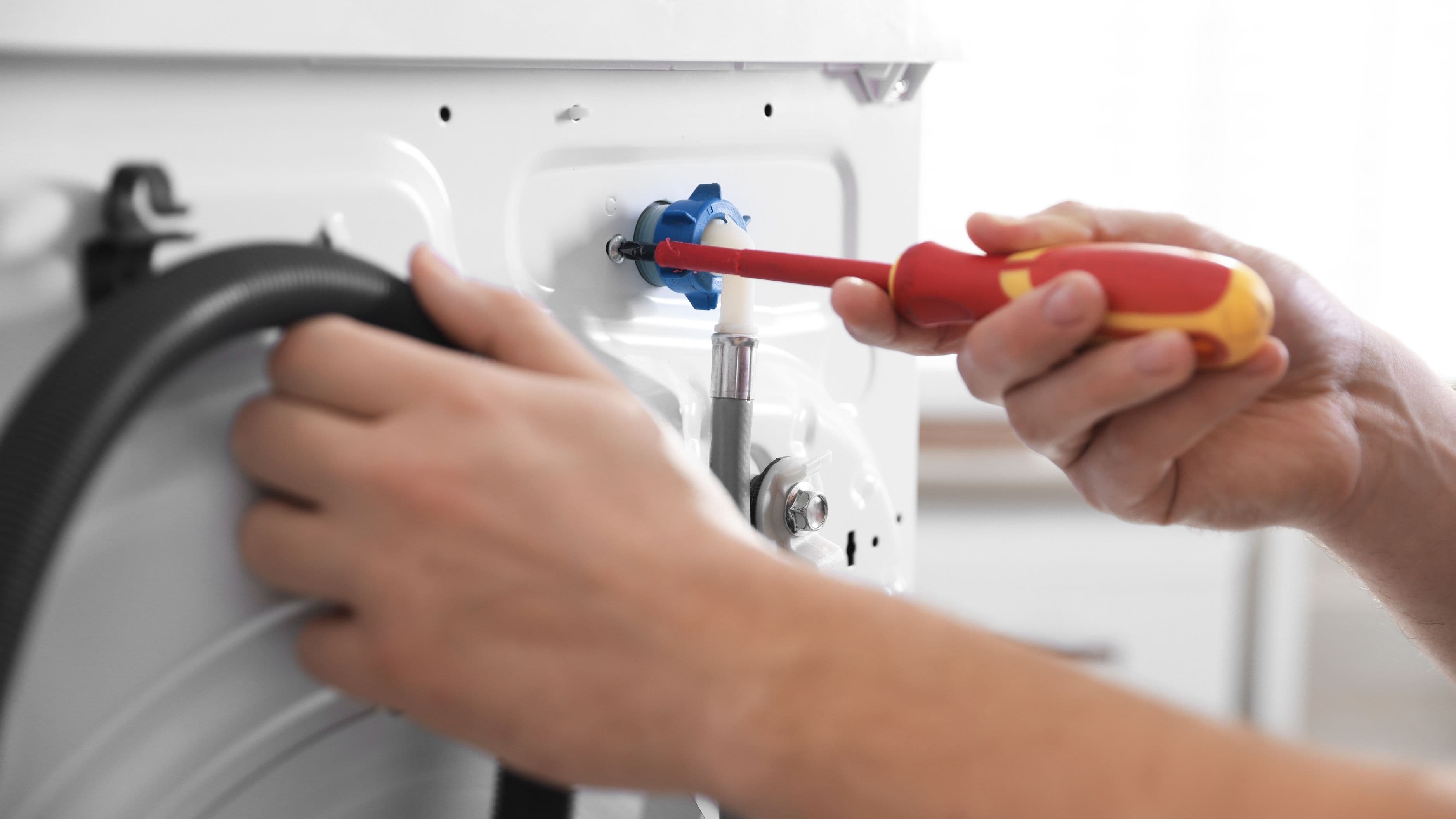
Simpler, less expensive repairs – a failed drain pump, a worn door seal, a faulty water inlet valve – typically cost $100–250 for parts and labor and are usually worth pursuing regardless of the machine's age, as long as the machine hasn't shown a broader pattern of recurring issues. These are common, well-understood repairs that don't necessarily indicate deeper mechanical decline, making them reasonable to address even on a machine that's several years into its typical lifespan.
If your machine is under 7–8 years old, generally reliable aside from this current issue, and the repair estimate falls comfortably under the 50% threshold, repair is usually the more financially sensible choice, since you're likely extending the useful life of a machine that still has meaningful years of service ahead of it.
Efficiency and Feature Considerations Beyond Pure Repair Cost
It's also worth factoring in efficiency improvements newer machines offer, independent of the repair-versus-replace math on a specific issue. Washing machines built within the past several years typically use meaningfully less water and energy per cycle compared to units from a decade or more ago, and this efficiency difference can offset some of a new machine's upfront cost over time through lower utility bills, which is worth factoring into your overall decision if you're on the fence between a moderate repair and replacement.
This consideration matters more the older your current machine is, since efficiency improvements have been particularly significant over longer time spans, making a genuinely old machine's ongoing utility costs part of the honest total cost comparison, not just the immediate repair estimate itself.
What to Avoid
Avoid making a repair-versus-replace decision based purely on the emotional sunk cost of a machine you've already invested money into previously, since past repair spending doesn't change the actual math of whether continuing to invest in this specific machine makes sense going forward. Each new repair decision should be evaluated on its own terms relative to the machine's current condition and remaining likely lifespan, not on how much you've already spent trying to keep it running.
It's also worth avoiding DIY repairs on major components like the motor, transmission, or control board unless you have genuine relevant experience, since improper installation or wiring on these components can create both further damage and potential electrical safety hazards. Simpler repairs like door seals or drain pump replacement are generally more approachable for confident DIYers, but anything involving the machine's electrical or core mechanical systems is worth having a qualified appliance technician handle.
FAQ
Is it worth repairing a washing machine under warranty regardless of the repair type? Generally yes, since warranty coverage significantly changes the cost calculation, making even major component repairs worth pursuing through the warranty process rather than considering replacement.
How much does a typical washing machine repair service call cost? Most appliance repair services charge a diagnostic or service call fee, typically $75–150, which is usually applied toward the repair cost if you proceed, though it's worth confirming this policy with a specific service provider before scheduling.
Are front-load or top-load machines more expensive to repair on average? Front-load machines generally have somewhat higher repair costs on average due to more complex door seal and drum bearing systems, though this varies by specific brand and model.
Does regular maintenance meaningfully extend a washing machine's lifespan? Yes – basic maintenance like cleaning the detergent drawer, checking hoses periodically, and avoiding overloading can meaningfully reduce the frequency of certain common repairs and support the machine reaching its full expected lifespan.