
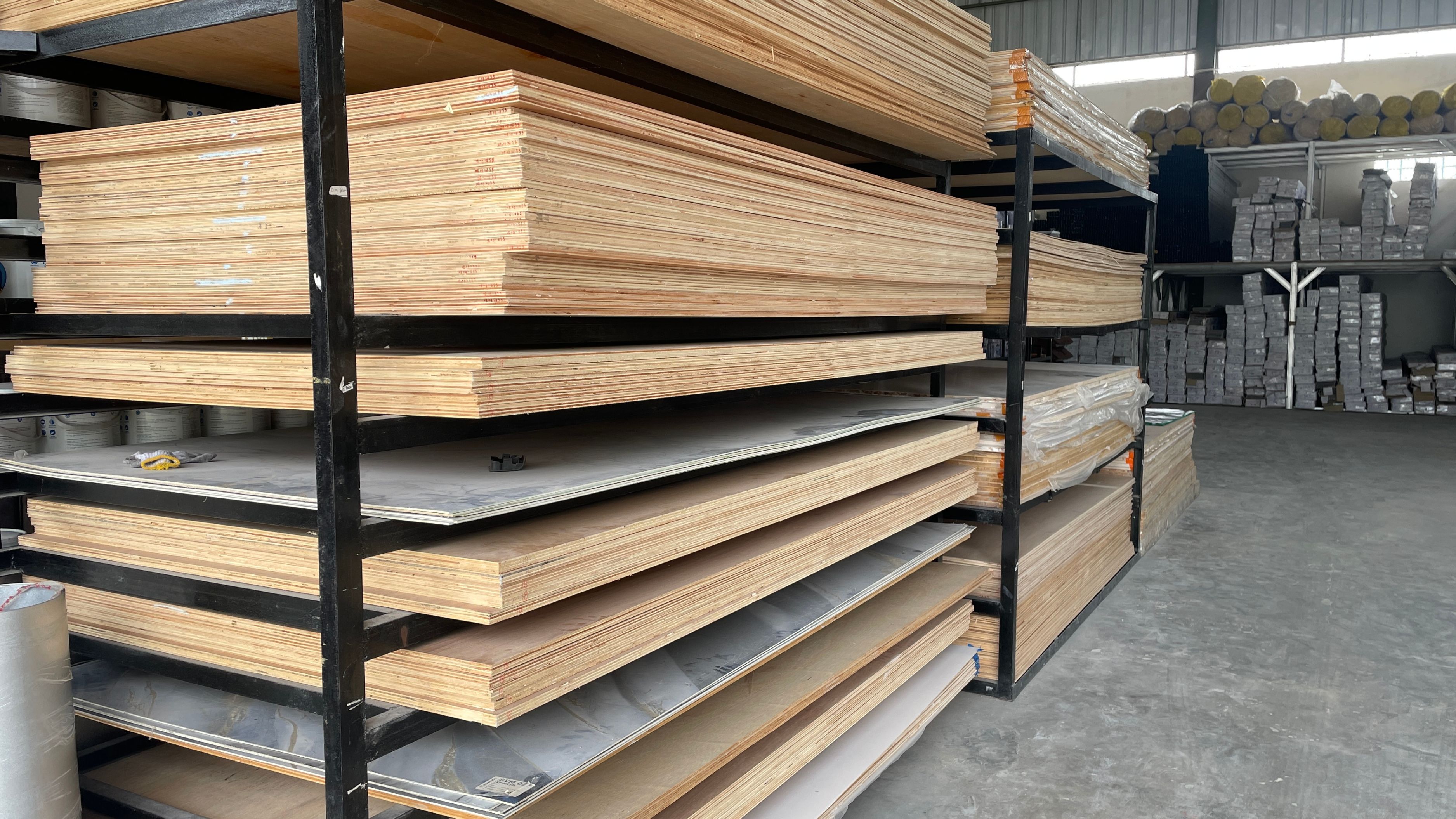
Why Sheet Goods Warp and Sag So Easily
Plywood and similar sheet materials are thin relative to their surface area, which makes them prone to sagging under their own weight if not supported properly. Moisture absorption is another major factor – wood-based sheet goods will absorb humidity unevenly if stored in a damp garage or basement, causing warping, cupping, or delamination over time, especially with cheaper grades of plywood or MDF.
Understanding these two failure points, unsupported weight and moisture exposure, is really the foundation for every storage method that actually works.
Store Sheets Flat and Fully Supported When Possible
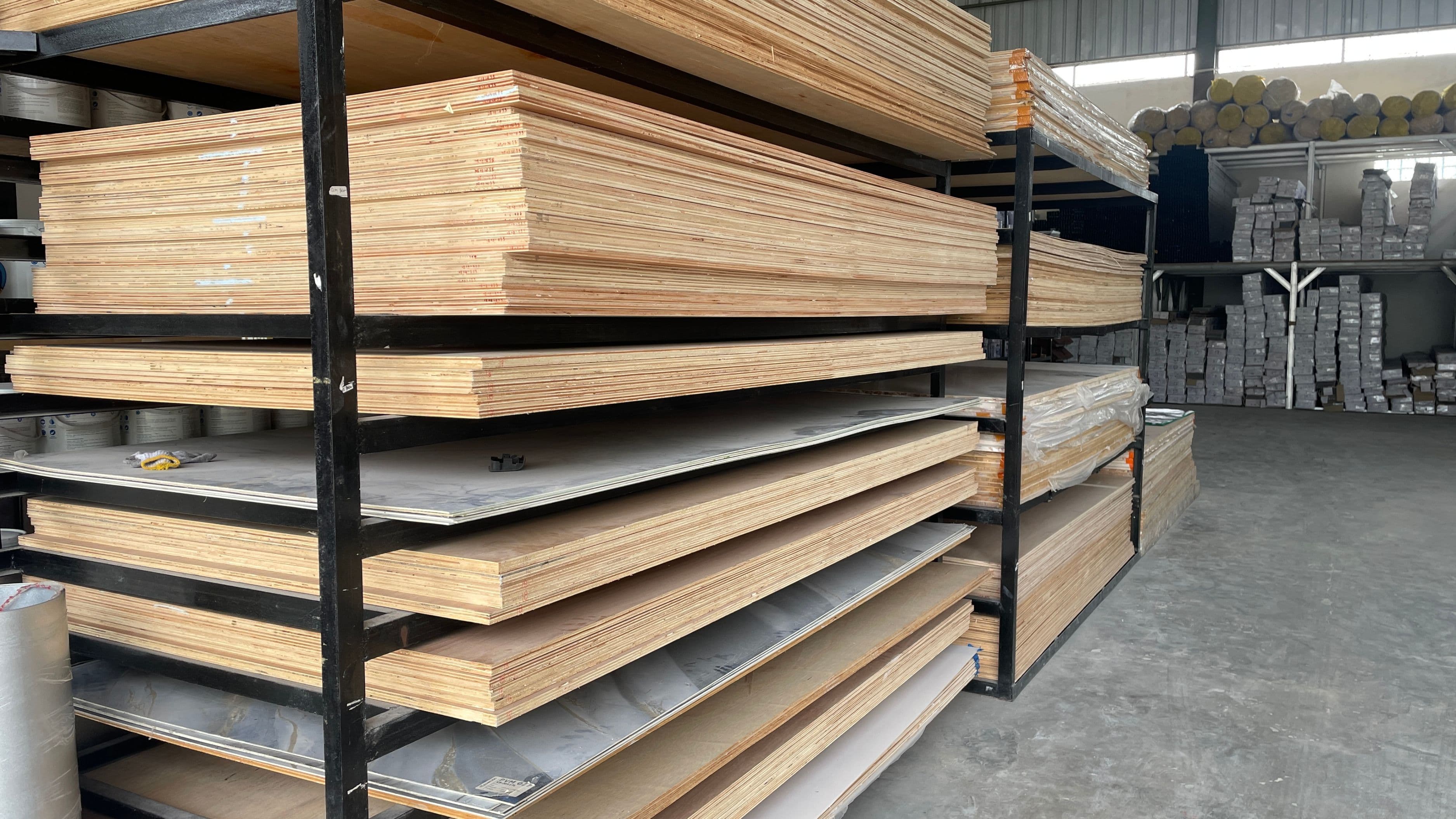
The gold standard for sheet good storage is horizontal, flat, and fully supported across the entire surface. Stacking sheets flat on a level surface, ideally raised off the ground on a pallet or a few 2x4s, prevents sagging and keeps moisture from wicking up from a concrete floor.
If you're storing multiple sheets, stack them no more than a few feet high, and place a full sheet of scrap plywood or a moisture barrier on the bottom of the stack. This spreads weight evenly and protects the bottom sheet from ground moisture.
Difficulty: Easy
Time: 15–20 minutes to set up storage supports
Cost: $10–20 for basic 2x4 supports or a pallet
Vertical Storage: When Space Requires It
Most home garages and workshops don't have room to store sheets flat, which makes vertical storage the more realistic option for many people. The key to storing sheets vertically without warping is providing support along the full length of the sheet, not just at two points.
A simple DIY vertical rack, built from a few 2x4s anchored to a wall stud with angled supports every 16-24 inches, keeps sheets close to true vertical and evenly supported. Leaning sheets loosely against a wall without this kind of support is the single most common cause of warping, since the sheet's own weight causes it to bow outward over time.
Difficulty: Moderate (requires basic framing and a stud finder)
Time: 1–2 hours for a basic wall-mounted rack
Cost: $30–60 depending on rack size and hardware
Keep Sheets Off Concrete Floors
Concrete floors, even ones that look dry, often carry residual moisture that wicks upward into materials placed directly on them. This is especially damaging for MDF, which absorbs moisture more aggressively than plywood and can swell significantly along its edges if left in contact with a damp floor for an extended period.
A simple moisture barrier, like a sheet of plastic sheeting or a couple of furring strips, placed between sheet goods and a concrete floor solves most of this problem at minimal cost.
Difficulty: Easy
Time: 10 minutes
Cost: Under $10 for basic plastic sheeting or furring strips
Control Humidity in the Storage Area
If sheet goods are stored in an uninsulated garage, shed, or basement, humidity swings across seasons can cause gradual warping even with good physical support. A basic dehumidifier or moisture-absorbing product in the storage area can meaningfully reduce this risk, particularly in humid climates or during rainy seasons.
For long-term storage of higher-value sheet goods, like hardwood plywood for furniture projects, this extra step is worth the modest investment, since replacing a warped sheet often costs more than the humidity control measures would have.
Difficulty: Easy
Time: Ongoing (passive once set up)
Cost: $30–150 depending on dehumidifier size
Safety Considerations When Handling and Storing Sheet Goods
A full sheet of 3/4-inch plywood can weigh 60-70 pounds, and larger or thicker sheets weigh considerably more. Storing sheets at a height that requires awkward lifting or reaching significantly increases injury risk, so keep frequently used sheets at a height between your knees and shoulders whenever possible.
Vertical storage racks should always be securely anchored to wall studs, not just drywall anchors, since the combined weight of multiple sheets leaning against an inadequately secured rack creates a genuine tipping and collapse hazard. If you're storing sheets near a walkway or a space where kids or pets have access, make sure the storage setup can't be easily tipped or pulled over.
Common Mistakes to Avoid
One of the most common mistakes is leaning sheets against a wall at too shallow an angle without any support along their length, which puts uneven stress on the sheet and accelerates warping. Another frequent issue is stacking too many sheets flat without adequate support beneath the stack, which can cause the bottom sheets to bow under the cumulative weight of everything stacked above.
Storing sheet goods outdoors, even under a tarp, is generally not advisable for anything beyond a few days, since temperature swings and incidental moisture exposure through tarp gaps tend to cause damage faster than most people expect.
When to Call a Professional
If you're planning permanent, high-capacity storage racking for a dedicated workshop, particularly one intended to hold significant weight or serve a commercial purpose, it's worth consulting a contractor or structural professional to ensure the wall or floor can safely support the load. This is less about the plywood itself and more about making sure your storage solution doesn't exceed what your walls or flooring were built to handle.
FAQ
How long can plywood sit before it starts to warp? This depends heavily on storage conditions. Properly supported and kept dry, plywood can be stored indefinitely with minimal warping. Left unsupported or in a humid environment, noticeable warping can occur within just a few weeks.
Is MDF harder to store than plywood? Generally yes. MDF is more prone to moisture absorption and edge swelling than plywood, making proper humidity control and moisture barriers even more important.
Can I store sheet goods outside if I cover them well? It's not recommended for more than short-term storage. Even a good tarp allows some moisture and temperature fluctuation, and ground moisture remains a risk unless the sheets are elevated and fully protected.
📚 Sources
APA – The Engineered Wood Association – Panel Storage and Handling – https://www.apawood.org/panel-storage-and-handling
Occupational Safety and Health Administration – Material Handling – https://www.osha.gov/etools/electric-power/material-handling