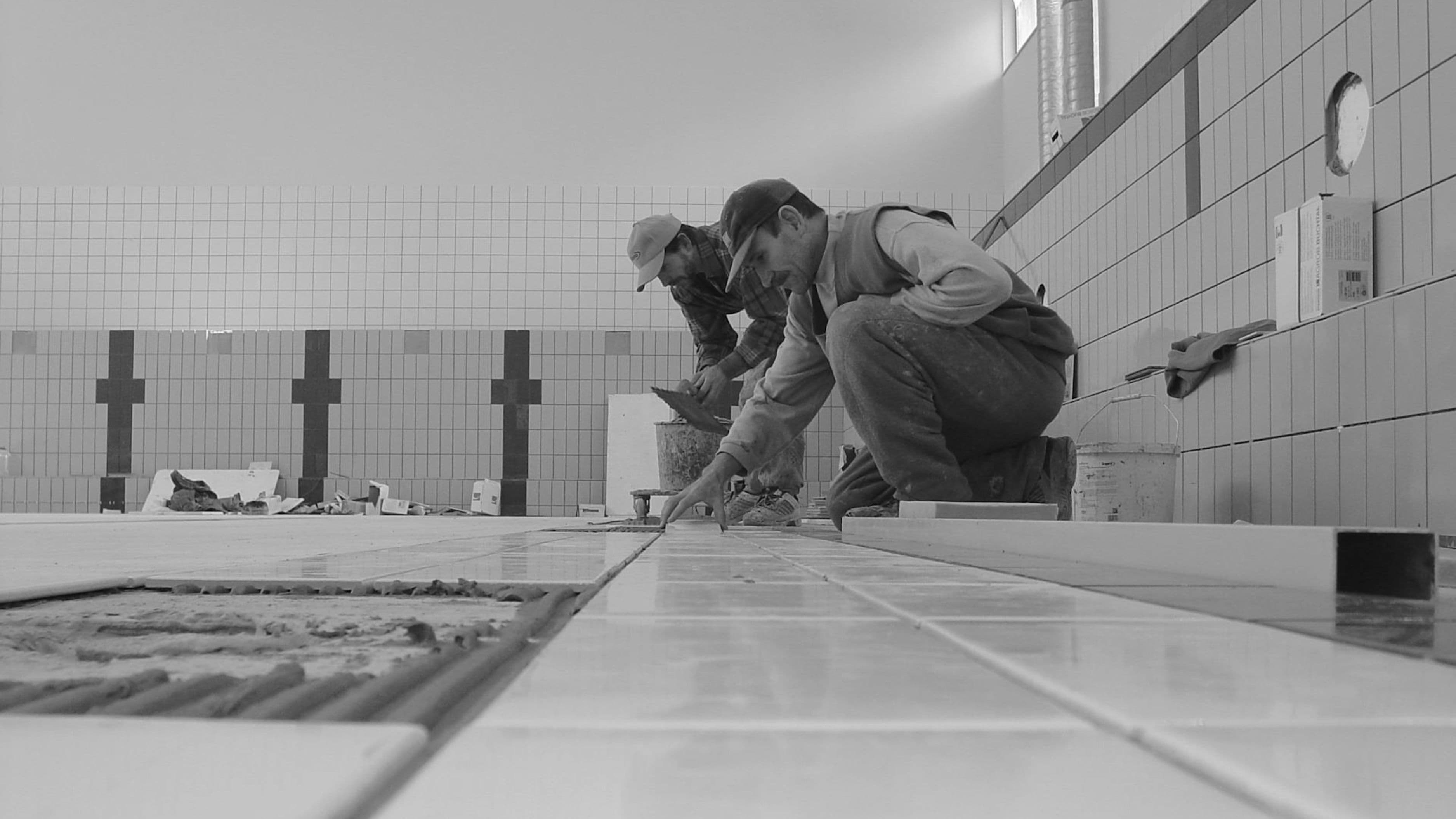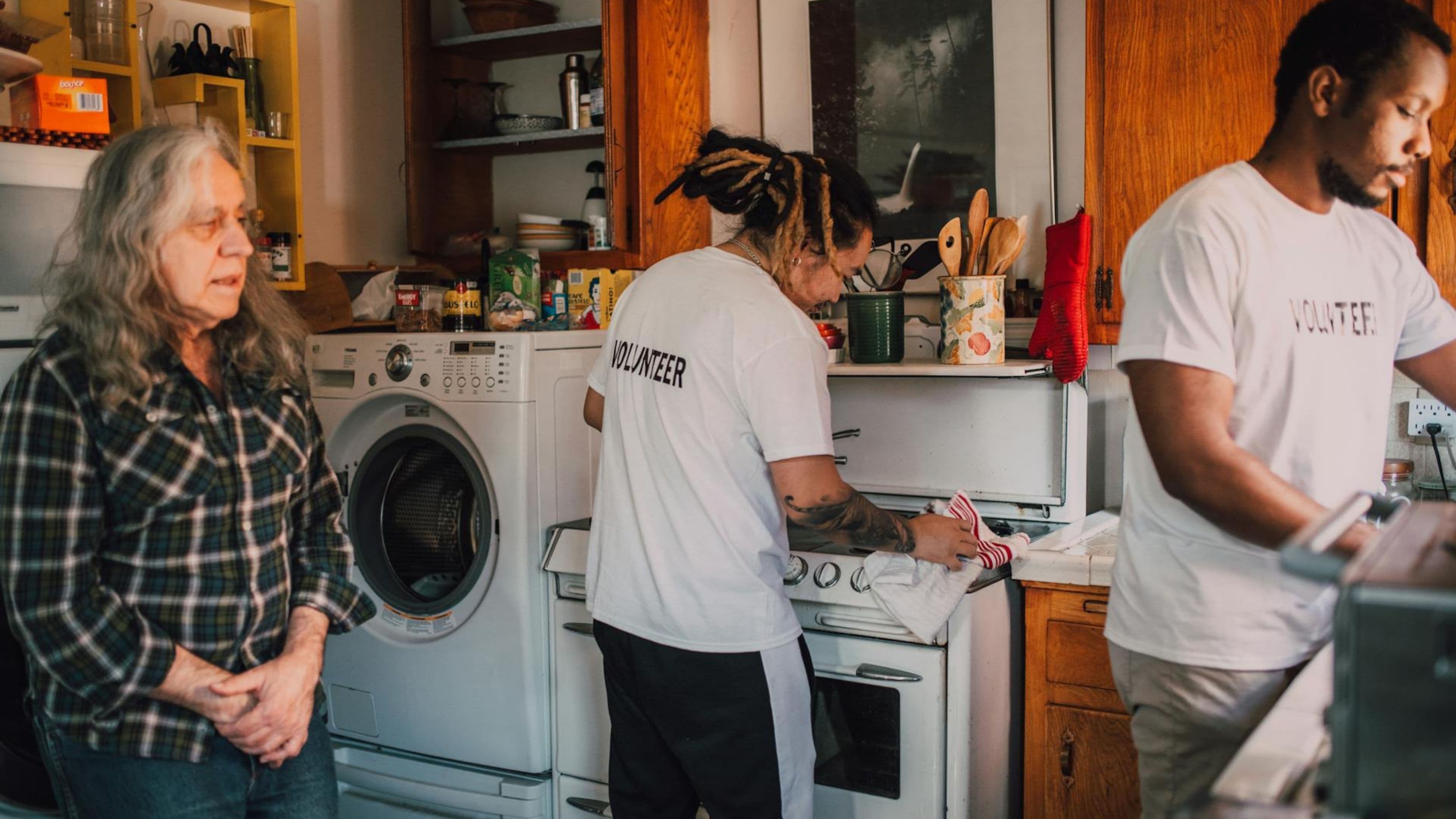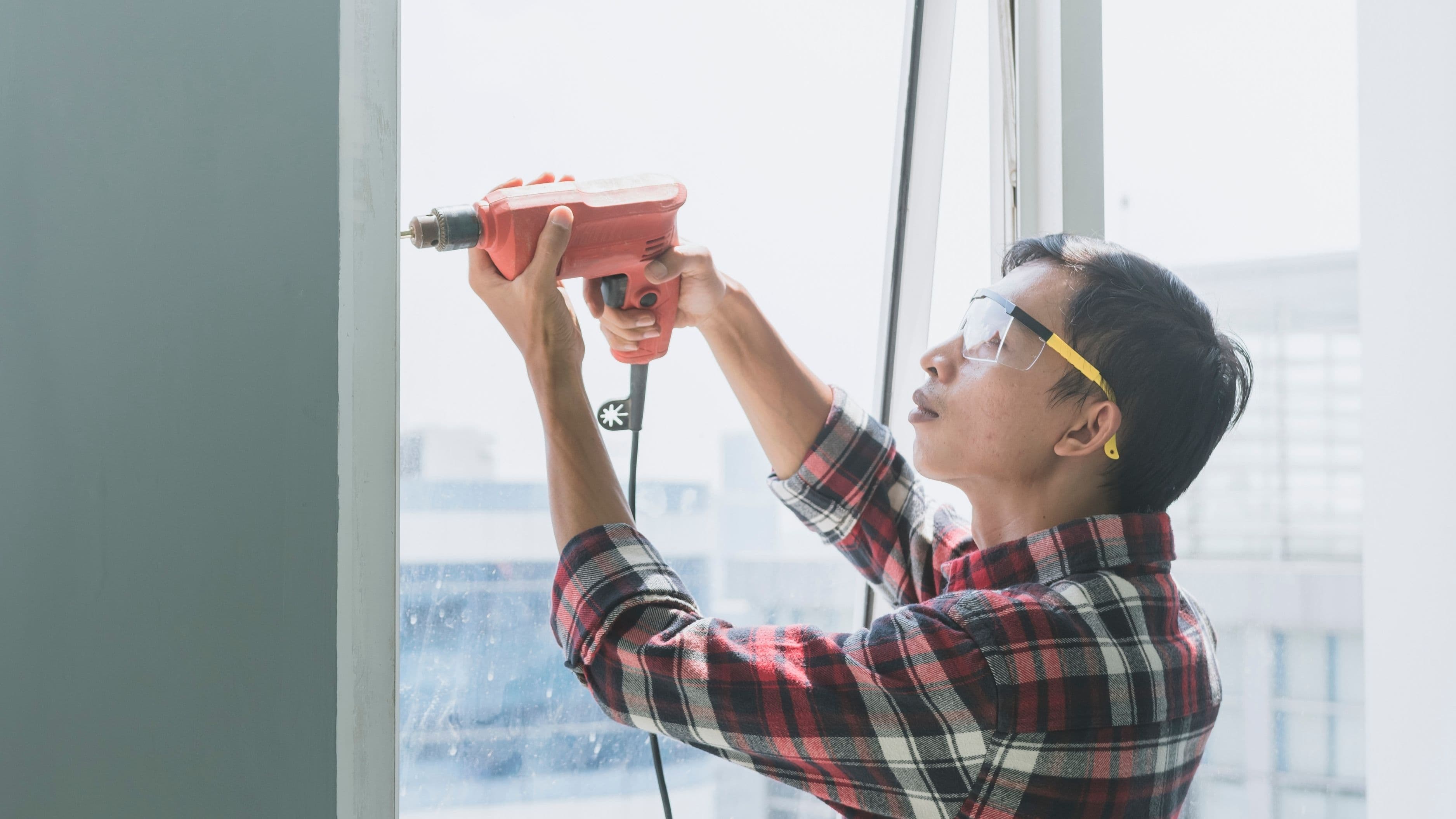

Teaching kids basic home repairs isn't just about creating mini-handypeople (though that's a fantastic side effect). It's about building problem-solving skills, boosting confidence, and giving them something infinitely more valuable than another participation trophy: the genuine satisfaction of fixing something with their own two hands.
Why Start Young?
Here's a reality check: most adults today can't change a light fixture without consulting three YouTube videos and calling their dad. We've become a generation that Googles "how to use a screwdriver" more often than we'd like to admit. Starting kids early breaks this cycle and creates competent, confident adults who don't see every home hiccup as a catastrophe requiring professional intervention.
The beauty of teaching these skills young is that children's brains are primed for hands-on learning. They're naturally curious, surprisingly fearless, and haven't yet developed that paralyzing fear of "doing it wrong" that plagues most adults. A seven-year-old doesn't overthink whether they're holding the paintbrush correctly; they just paint. That unfiltered enthusiasm is pure gold when teaching practical skills.
Beyond the practical benefits, there's something deeply satisfying about watching a child's face light up when they've successfully fixed something. It's not the hollow pride of winning a video game level — it's real-world competence. They fixed an actual problem. That feeling sticks.
Safety First, Fun Always
Before we dive into specific repairs, let's address the elephant in the room: yes, tools can be dangerous. So can bikes, swimming pools, and kitchen knives, yet we teach kids to navigate all of these safely. The key is age-appropriate tasks, proper supervision, and clear safety rules that you enforce consistently.
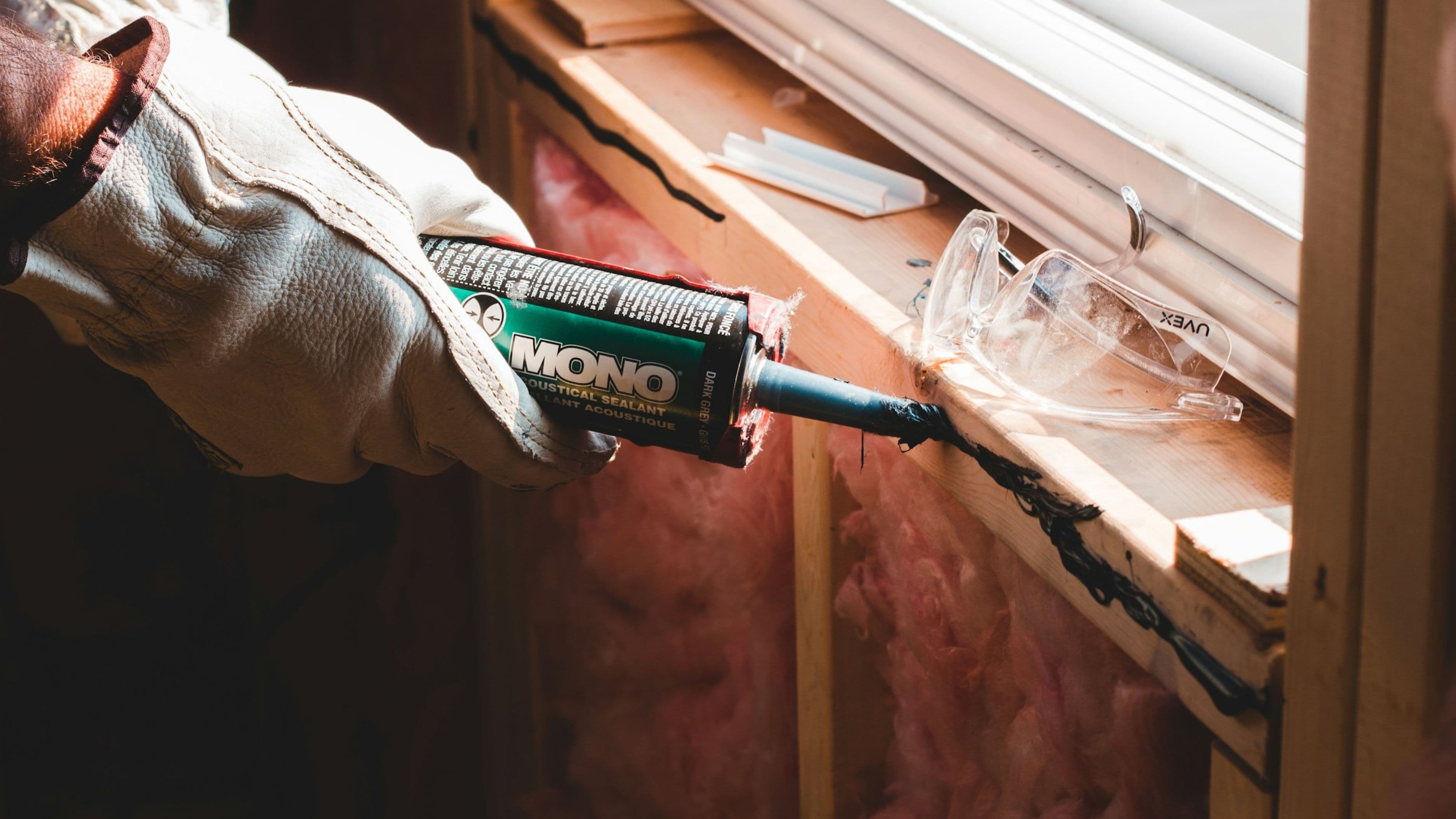
Start with the golden rules: always wear safety glasses when hammering or drilling, keep fingers away from the pointy end of everything, and when in doubt, ask an adult. Make these rules non-negotiable, but don't turn the workshop into a fear factory. Kids need to respect tools, not be terrified of them.
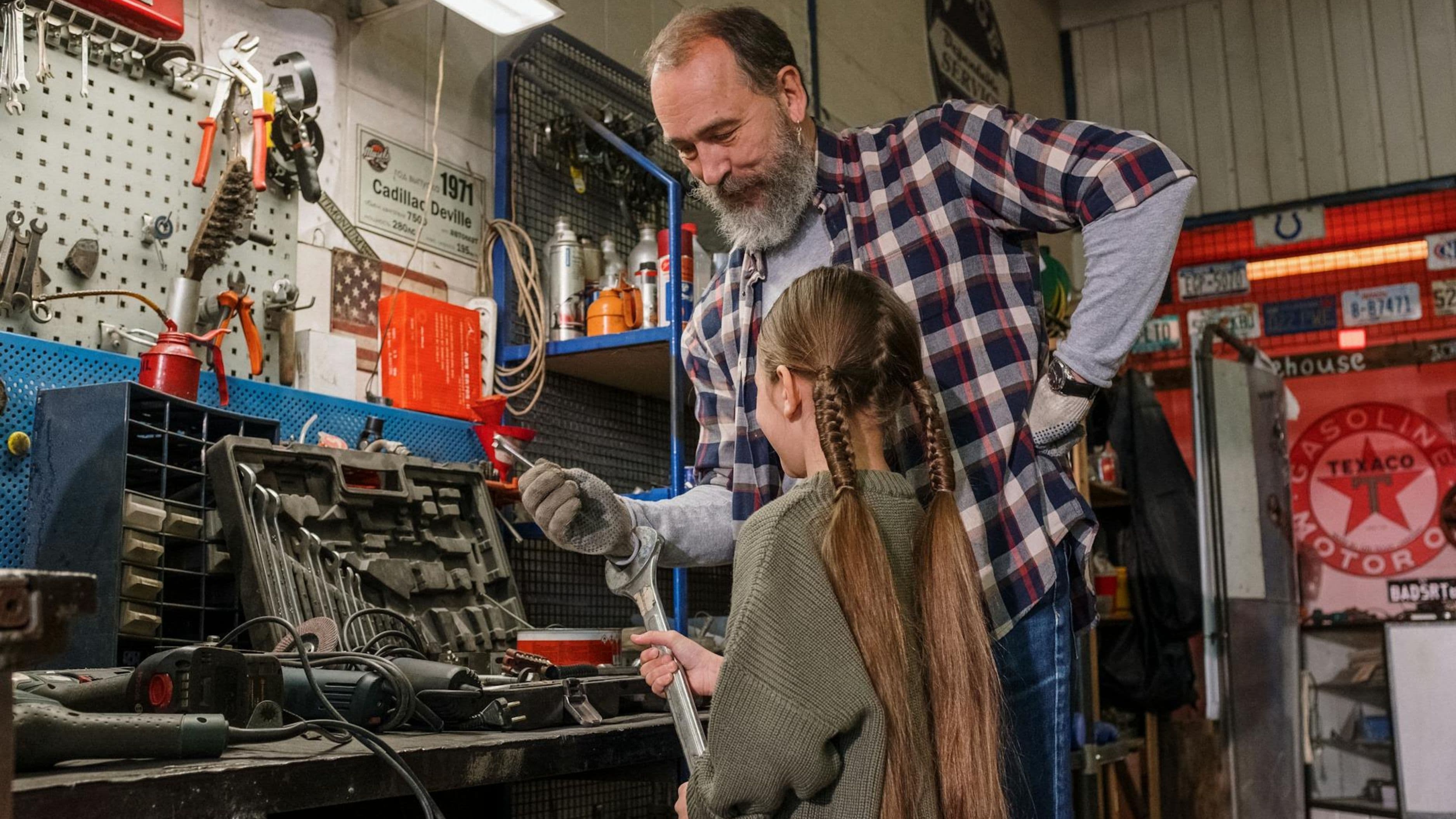
Create a dedicated kid-friendly tool kit with real tools, not toy versions. Those plastic workbenches with pretend hammers? They're adorable but useless for building actual skills. Instead, invest in properly sized real tools: a small hammer, basic screwdrivers, a tape measure, safety glasses, and kid-sized work gloves. Let them decorate their toolbox with stickers. Ownership breeds responsibility.
The Starter Projects
Patching Small Holes
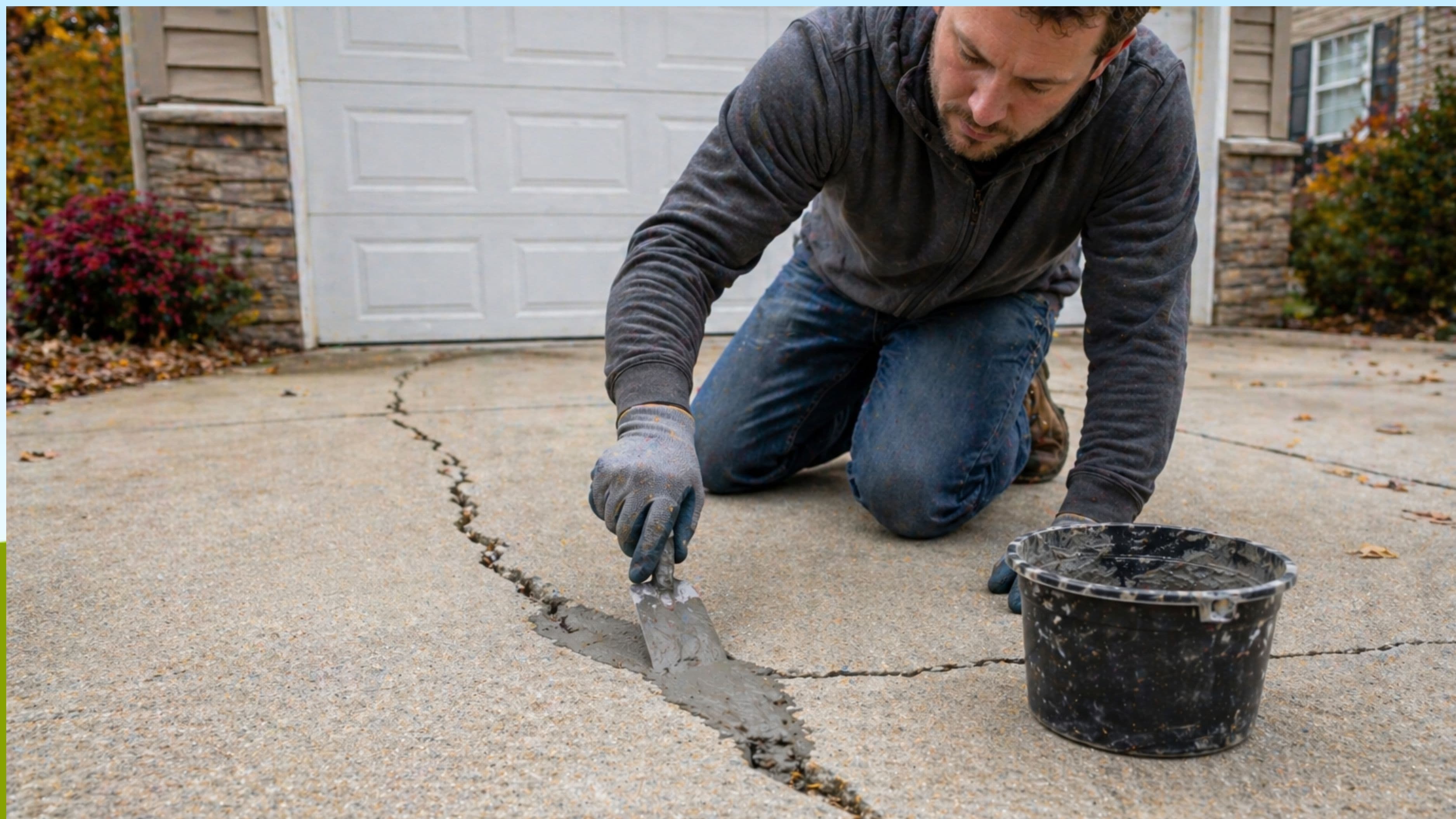
Nothing says "I'm a homeowner" quite like those mysterious wall holes that appear out of nowhere. Teaching kids to patch drywall is oddly therapeutic and incredibly useful. Start with small nail holes or minor dings. Show them how to apply spackle with a putty knife, let it dry, then sand it smooth. The transformation from damaged to pristine is immediate and deeply satisfying.
Let them mess up. Seriously. If they glob on too much spackle, they'll learn why "less is more" actually means something. These aren't high-stakes repairs — they're practice rounds in a safe environment. The worst that happens? You sand it down and try again.
Tightening Loose Screws
This might sound too simple, but loose cabinet handles, wobbly chair legs, and rattling outlet covers are everywhere. Teaching kids to identify loose screws and tighten them appropriately gives them a quick win and a useful habit. Plus, there's something wonderfully satisfying about that final turn when everything's snug again.
The lesson here extends beyond just turning screws: it's about preventive maintenance. Teach them to do a monthly "tightening tour" of their room. That wobbly desk drawer? Fixed. That loose door handle? Tightened. They'll start seeing their space as something they actively maintain, not just passively inhabit.
Painting Projects
Hand a kid a paintbrush and watch their eyes light up. Painting is perfect for beginners because mistakes are easily fixable and the results are immediately visible. Start with small projects: touch-up paint on scuffed baseboards, refreshing a small bookshelf, or painting accent walls in their own room.
Teach proper technique from the start: how to load a brush correctly, paint with the grain, use painter's tape for clean lines, and most importantly, how to clean brushes properly afterward. These aren't just painting skills — they're lessons in doing things right and taking care of your tools.
Building Complexity Gradually
Basic Plumbing Fixes
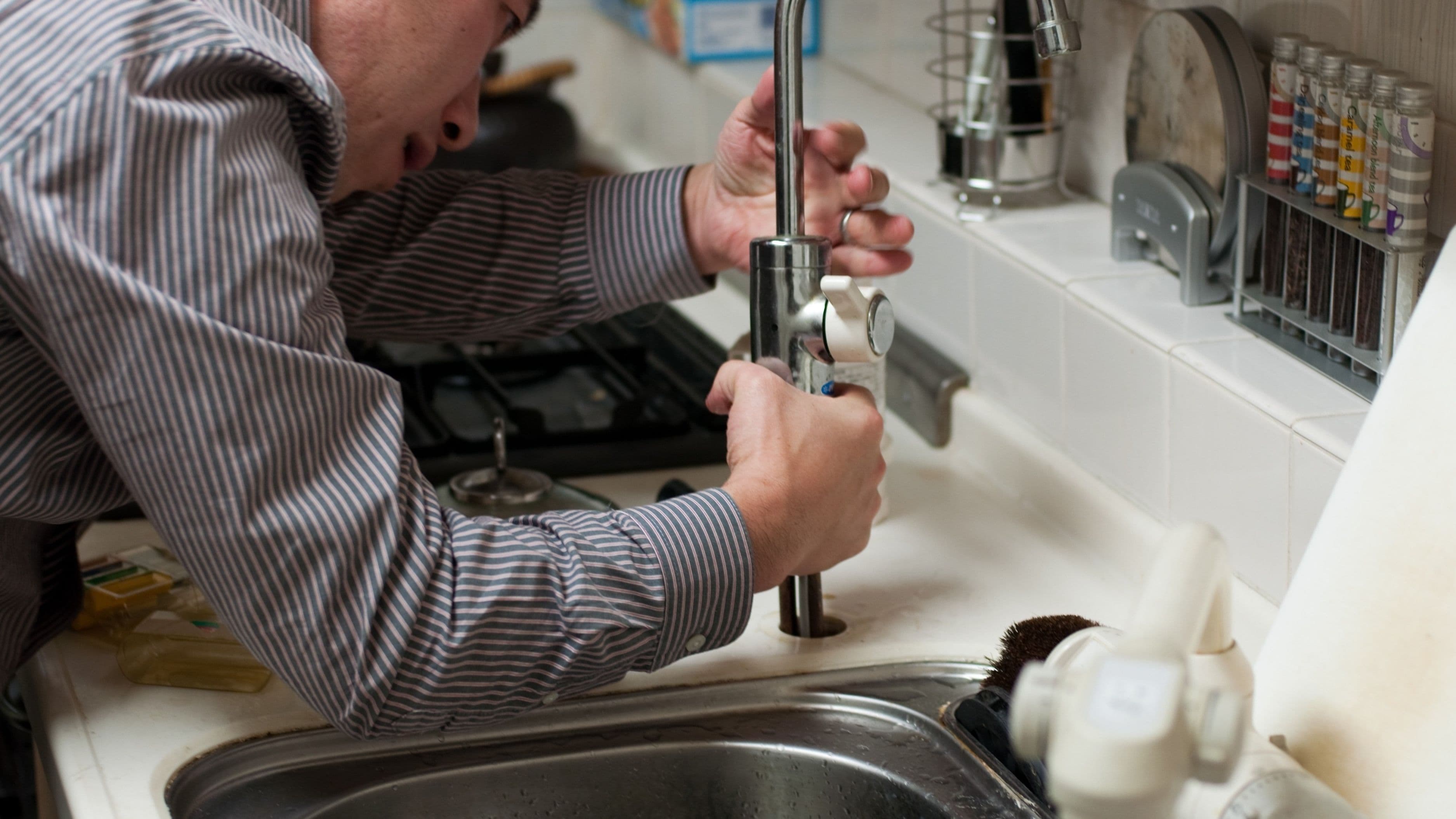
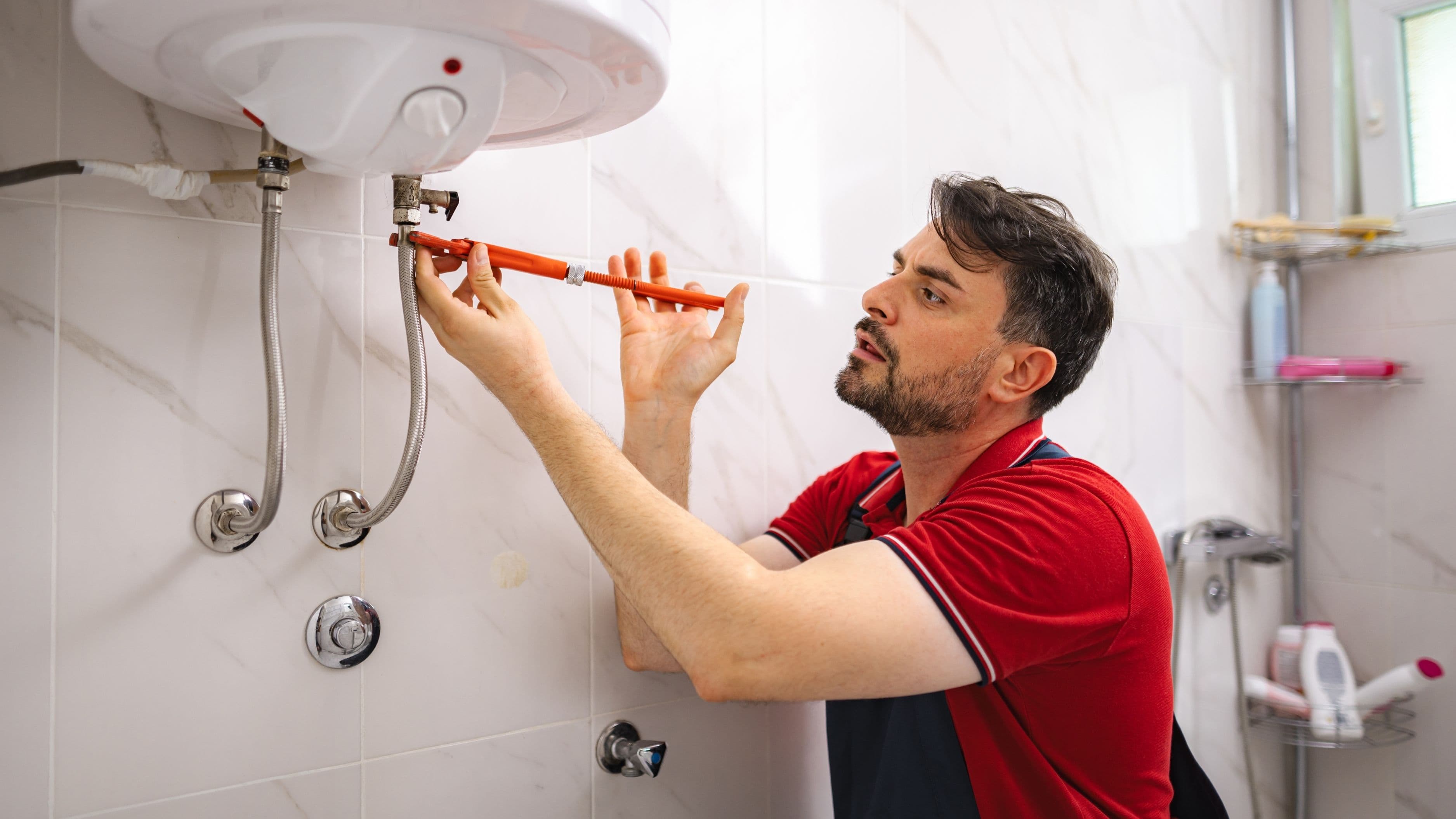
Nothing strikes fear into adult hearts quite like plumbing problems, but many fixes are surprisingly simple. Teaching older kids (think ten and up) to replace a toilet flapper or tighten a leaky faucet demystifies the entire plumbing system. Under supervision, show them how to shut off water valves, identify common problems, and understand when something genuinely needs a professional.
The confidence gained from successfully stopping a running toilet is remarkable. Suddenly, plumbing isn't some mysterious black box — it's a system they understand and can troubleshoot. That knowledge transforms potential panic into problem-solving.
Electrical Basics
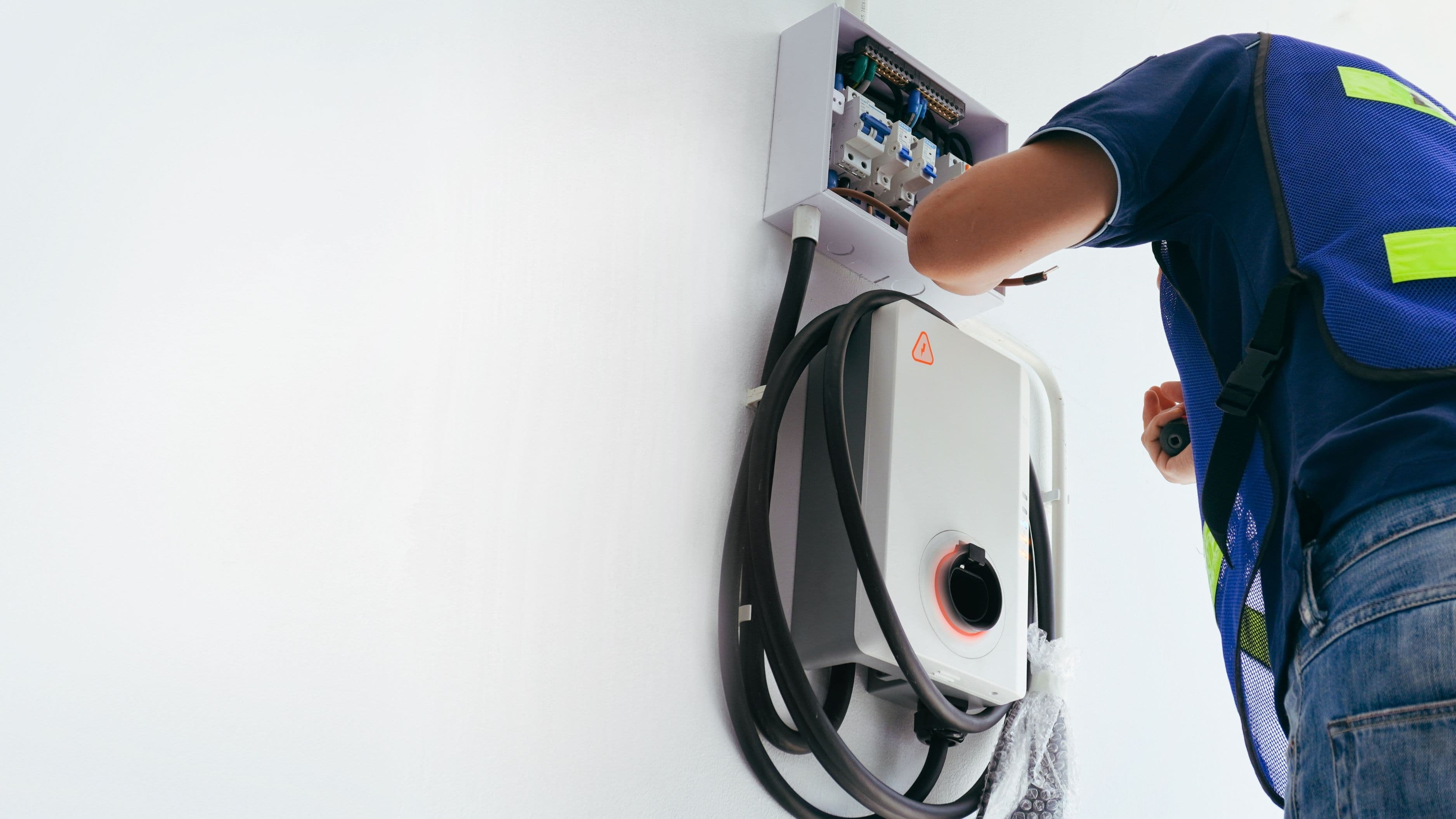
Before you panic: we're not suggesting kids rewire your house. But teaching basic electrical safety and simple tasks like changing light bulbs properly, using a circuit breaker, or replacing batteries in smoke detectors builds crucial knowledge. Explain why we don't stick forks in outlets (because apparently this still needs explaining) and how electricity actually works in simple terms.
Show them how to safely change light fixtures when they're older teenagers. Walking through the process of turning off the breaker, testing the wires, and connecting everything correctly teaches both skill and healthy respect for electricity. It's the difference between a college kid who replaces their own ceiling fan and one who lives in darkness because "it's too complicated."
The Confidence Factor
Here's what happens when kids learn to fix things: they stop seeing problems as insurmountable obstacles. That leaky faucet? Annoying but fixable. The squeaky door? A quick project, not a permanent irritation. This mindset shift is arguably more valuable than any specific repair skill.
Research from the Journal of Experimental Child Psychology shows that hands-on problem-solving activities significantly boost children's confidence and resilience. When kids successfully navigate real challenges with tangible results, they develop what psychologists call "mastery experiences" — the building blocks of genuine self-efficacy.
This confidence bleeds into other areas. Kids who know they can fix a broken shelf are more likely to tackle difficult math problems or navigate social challenges. The connection might not be obvious, but the underlying message is the same: problems have solutions, and I'm capable of finding them.
Making It Stick
The key to successfully teaching home repairs isn't perfection — it's consistency. Make repairs a regular family activity, not a rare event. When something breaks, instead of automatically fixing it yourself or calling a professional, pause and ask: "Could we learn to fix this together?"
Create a "projects board" where family members can post things that need fixing. Let kids claim projects they want to tackle. Maybe Monday night becomes "maintenance night" where everyone spends thirty minutes on small household tasks. Make it routine, make it normal, make it something you do together.
Celebrate successes, but also normalize failures. When a project doesn't work out, talk about what went wrong and what you'll try differently next time. The goal isn't creating perfect little repair people — it's raising humans who aren't afraid to try, fail, learn, and try again.
The Real World Application
Fast forward fifteen years. Your kid moves into their first apartment. The bathroom mirror is crooked, the closet door won't close properly, and there's a weird stain on the wall. Do they immediately call the landlord for every minor issue, or do they grab their toolbox and spend Saturday morning making their space actually livable?
The practical value is obvious: teaching basic repairs saves your kids thousands of dollars over their lifetime. But the intangible benefits matter even more. They'll be the roommate who can fix things, the friend who helps others with projects, the adult who doesn't feel helpless when something breaks. They'll understand that maintaining a home is an active process, not a passive experience.
Your Life Just Got Easier Too
Here's the plot twist: teaching kids home repairs isn't just good for them — it's fantastic for you. Suddenly you have helpers who can actually help, not just hand you the wrong screwdriver while asking when you'll be done. That growing pile of small repairs around the house? Now you've got an enthusiastic assistant who's genuinely excited to learn.
Plus, there's something deeply satisfying about working on projects together. In a world of screens and digital distractions, spending an afternoon teaching your kid to install a new doorknob creates real connection. You're not just building their skills — you're building memories and traditions.
Your home doesn't need to be perfect, and neither do your repair skills. What matters is creating an environment where trying is encouraged, mistakes are learning opportunities, and nobody panics when something breaks. Because at the end of the day, raising confident, capable kids who aren't afraid to get their hands dirty and tackle problems head-on? That's the real repair project worth investing in.
📚 Sources
1. Journal of Experimental Child Psychology - "Hands-on learning and the development of self-efficacy in children" (2023)
2. American Psychological Association - "The role of mastery experiences in building childhood resilience" (2024)