
Start With a Full Wall Assessment
Before buying any storage, walk your garage and note where studs are located, since anything you mount that needs to hold real weight, pegboard loaded with tools, shelving with paint cans, needs to anchor into studs rather than just drywall. A stud finder, available cheap at any hardware store, makes this a five-minute task rather than a guessing game.
Pay attention to the height of your garage door track too, since anything mounted near the door opening needs clearance for the door to operate without obstruction. This is the most common mistake first-time garage organizers make, mounting shelving that looks perfect until the garage door won't fully open anymore.
Slat Wall and Pegboard for Frequently Used Tools
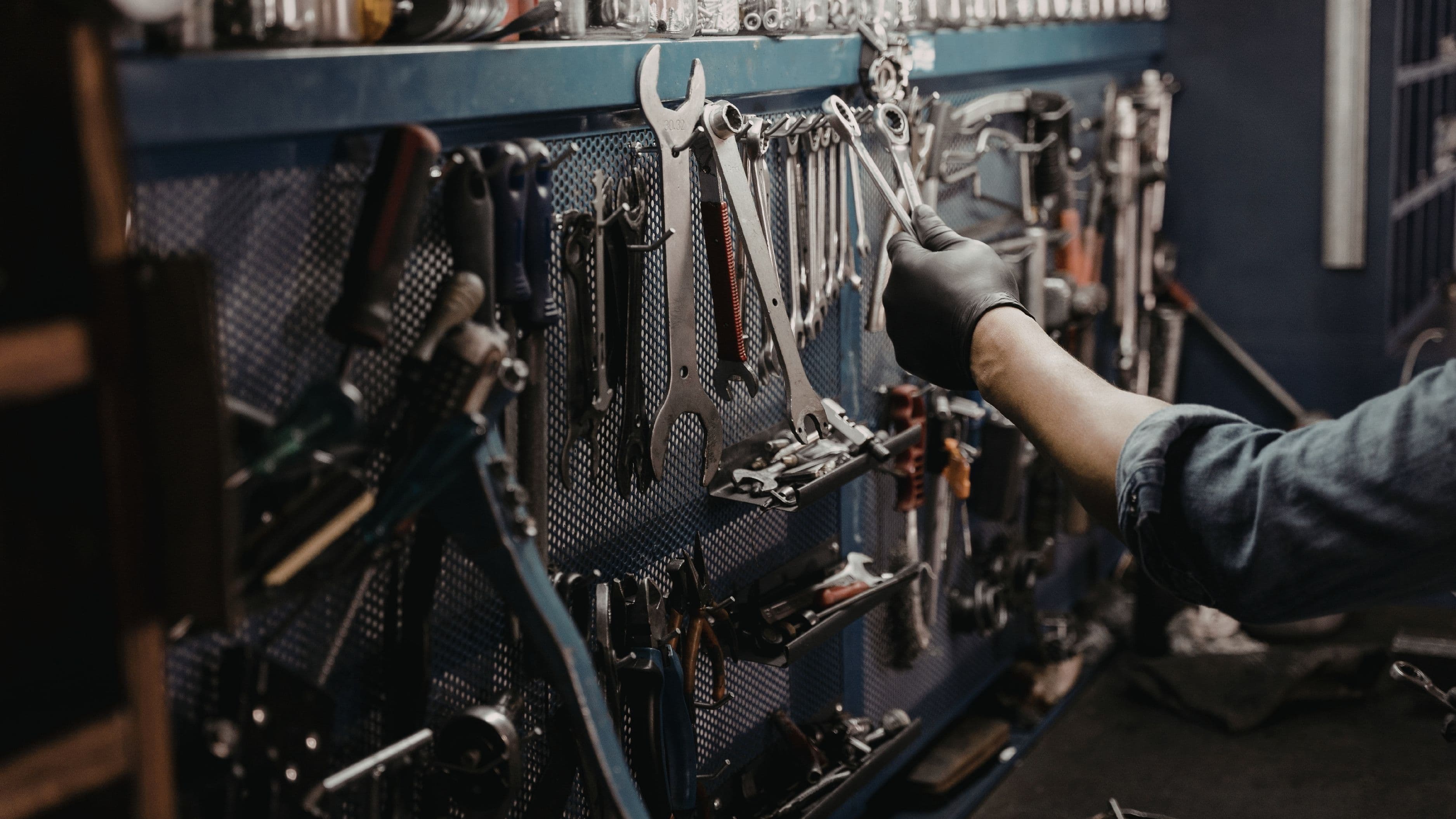
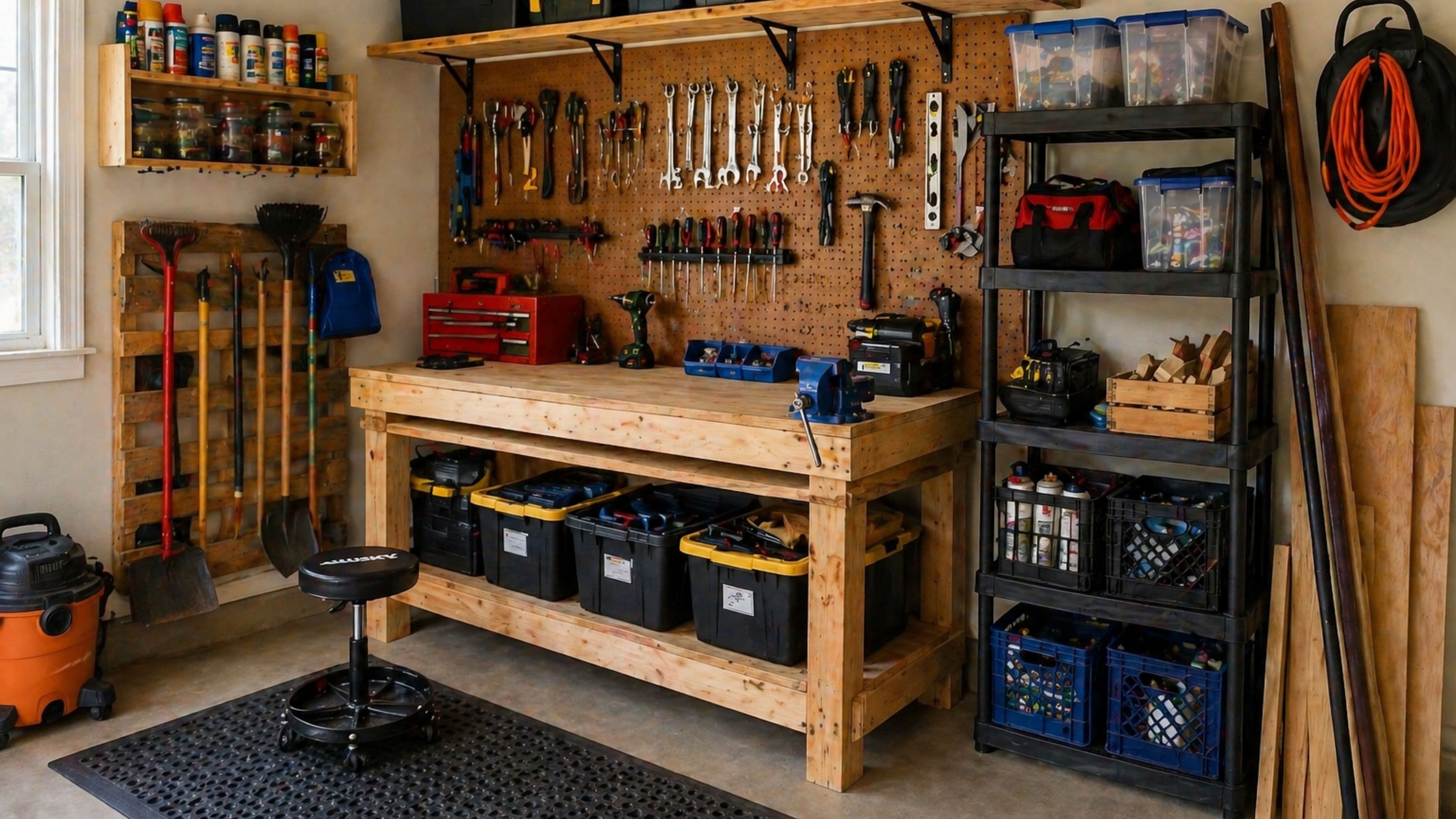
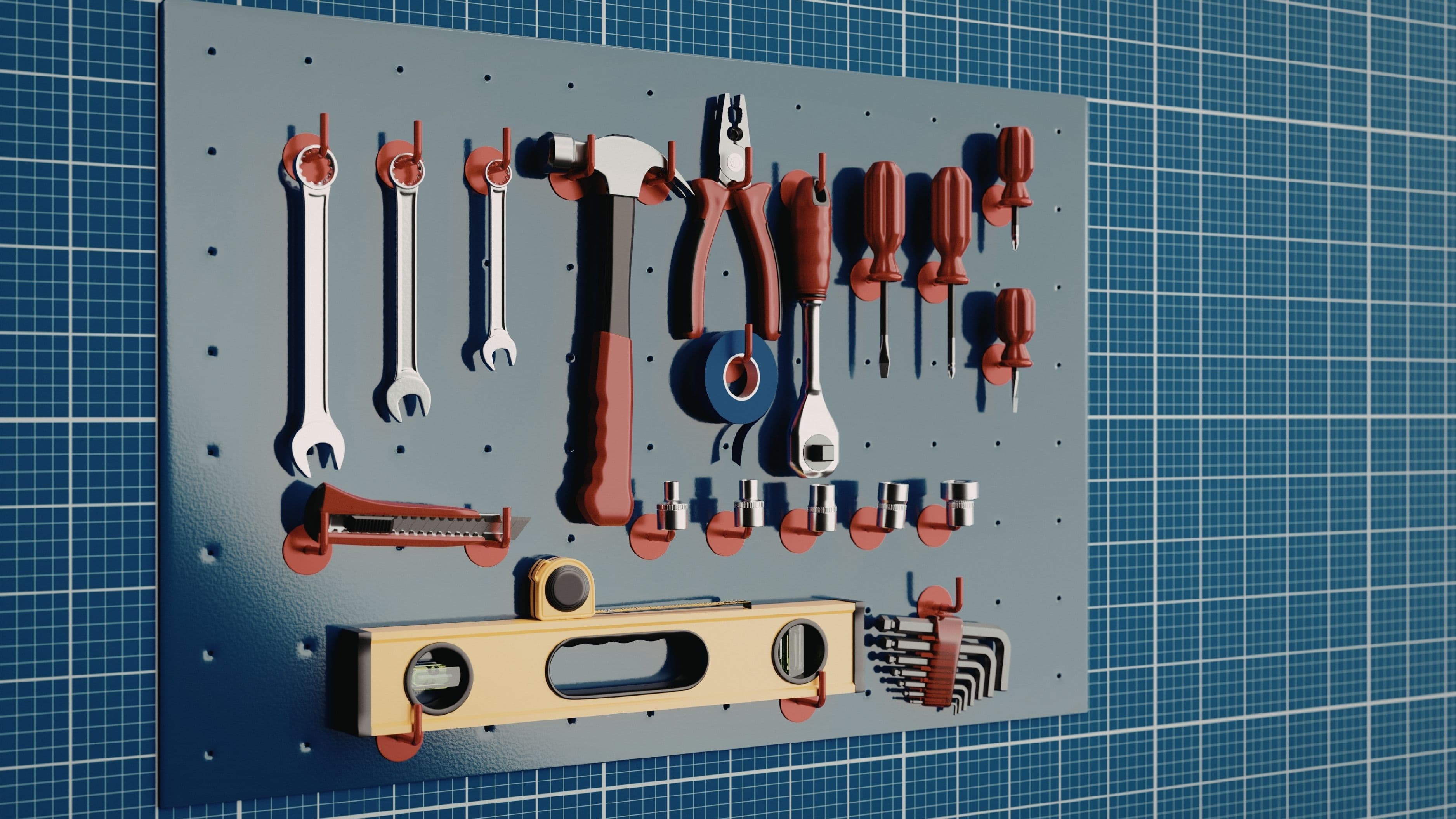
A slat wall panel system or heavy-duty pegboard mounted along one full wall gives you adjustable, visible storage for the tools you reach for most often. Unlike a drawer system, everything on a slat wall or pegboard is visible at a glance, which saves real time compared to digging through a toolbox for the right wrench.
Difficulty: easy, most slat wall panels install with basic screws directly into studs. Estimated cost: $80 to $200 for an 8-foot section depending on the hook and accessory kit you choose.
Mount this at a height where your most-used tools sit around shoulder level, saving the higher and lower sections of the same wall for less frequently used items.
Overhead Storage Racks for Seasonal Items
The ceiling of a one-car garage is almost always underused space, and overhead storage racks, mounted to ceiling joists, are one of the highest-value additions for anything you only need a few times a year: holiday decorations, camping gear, seasonal tires.
Difficulty: moderate, requires locating and anchoring into ceiling joists rather than drywall alone. Estimated cost: $150 to $400 depending on rack size and weight capacity.
Make sure whatever rack you choose has a clearly stated weight limit, and don't guess on total load, since an overloaded overhead rack is a genuine safety hazard directly above where you park and work.
Vertical Tool Cabinets Instead of Wide Workbenches
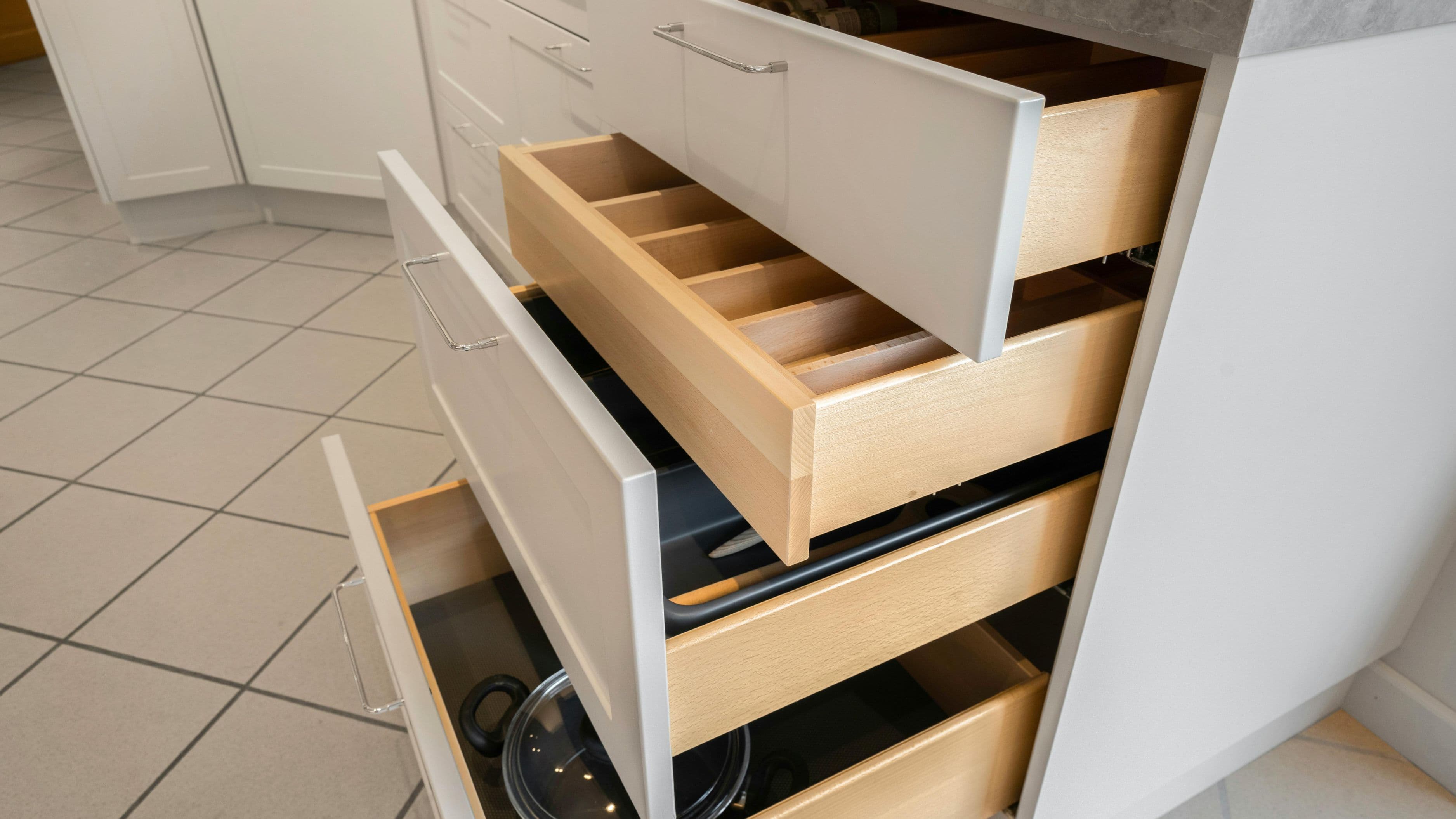
If floor space is your tightest constraint, a tall, narrow tool cabinet uses far less floor footprint than a traditional wide workbench with under-storage, while still holding a comparable amount of gear. Look for cabinets built specifically with a vertical profile, often marketed for garage or workshop use, rather than repurposing a standard kitchen cabinet.
Difficulty: easy, most arrive pre-assembled or require minimal assembly. Estimated cost: $150 to $500 depending on size and build quality.
Wall-Mounted Fold-Down Workbench
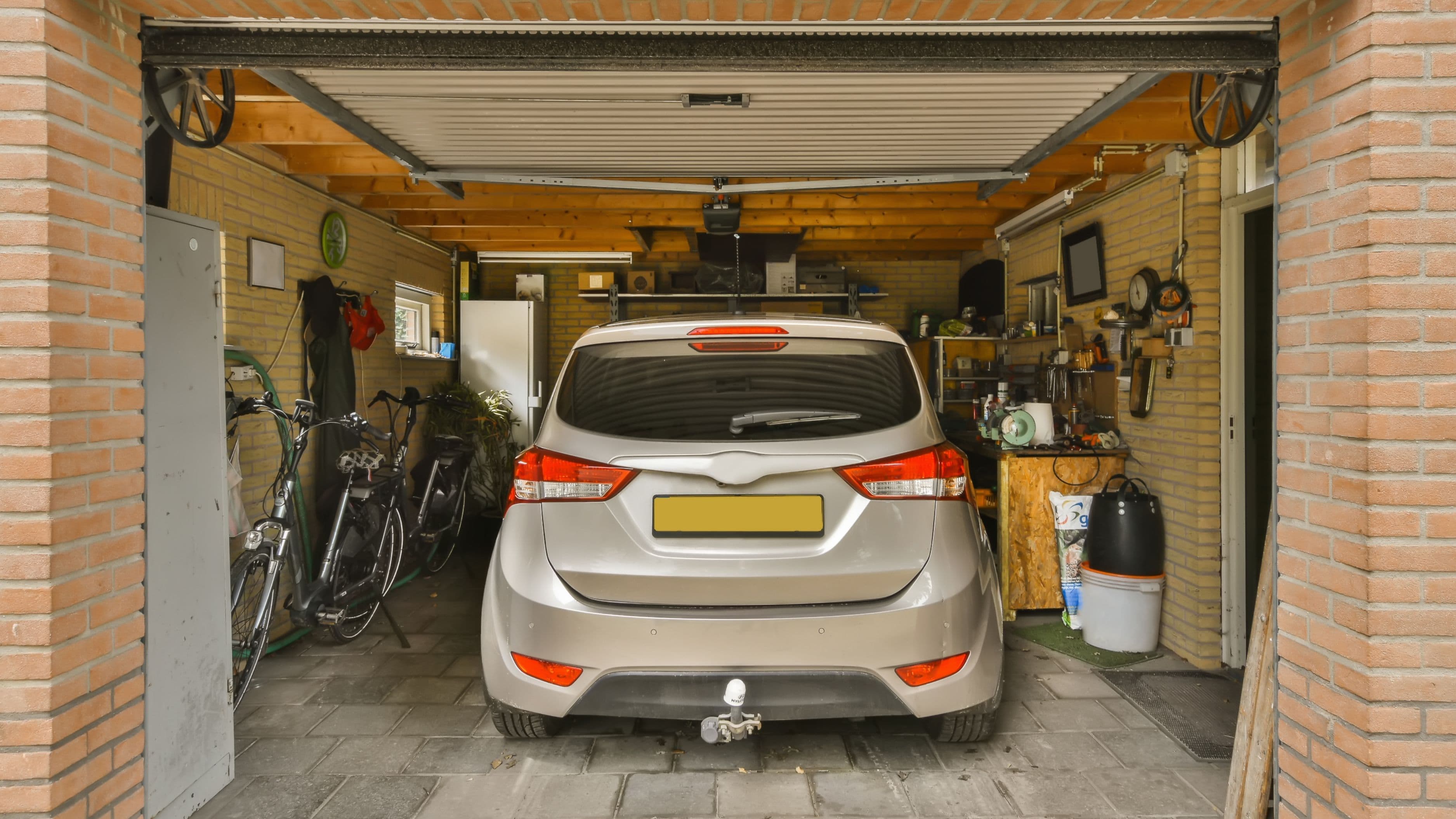
A fold-down workbench mounted directly to a wall gives you a full working surface when you need it and reclaims that entire floor footprint when you don't, which matters significantly in a one-car garage where every square foot of floor space competes directly with parking your car.
Difficulty: moderate, requires solid anchoring into studs since the folded-down surface bears real weight and leverage. Estimated cost: $100 to $300 for a quality hinged bracket system, plus material for the work surface itself if not included.
Corner Shelving for Otherwise Dead Space
Corners are consistently the most wasted vertical space in any garage, since most people instinctively store things along flat walls and ignore corners entirely. Angled corner shelving units, either purchased or built from basic lumber, capture this dead space for lighter storage like bins, cleaning supplies, or overflow pantry items.
Difficulty: easy to moderate depending on whether you buy a pre-made unit or build your own. Estimated cost: $40 to $150 for a basic corner shelving unit.
What to Avoid
Don't mount heavy storage using drywall anchors alone; anything holding real weight, tools, paint cans, seasonal totes, needs to anchor into studs or joists, and skipping this step is the most common cause of garage storage failures. Avoid overloading overhead racks specifically, since anything falling from ceiling height poses a real safety risk to whoever's working or parking below. If you're uncertain about your garage's joist spacing, weight capacity, or whether a modification affects your garage door's operation, it's worth consulting a professional before proceeding rather than guessing.
FAQ
How do I know if my garage wall can support heavy pegboard storage? Locate the studs with a stud finder and mount directly into them rather than relying on drywall anchors alone, which aren't rated for the combined weight of tools and hardware.
Is overhead storage safe above where I park my car? Yes, when installed correctly into ceiling joists and kept within the rack's stated weight limit. Avoid storing anything loose or unsecured that could shift or fall.
Do I need professional help to install a fold-down workbench? Most homeowners with basic tools can install one themselves, but if you're unsure about stud locations or the bracket's weight rating, it's worth double-checking or consulting a professional before mounting.
📚 Sources
This Old House, "Garage Storage Ideas That Actually Work" – thisoldhouse.com
Family Handyman, "How to Organize a Small Garage" – familyhandyman.com