
Symptoms Overview
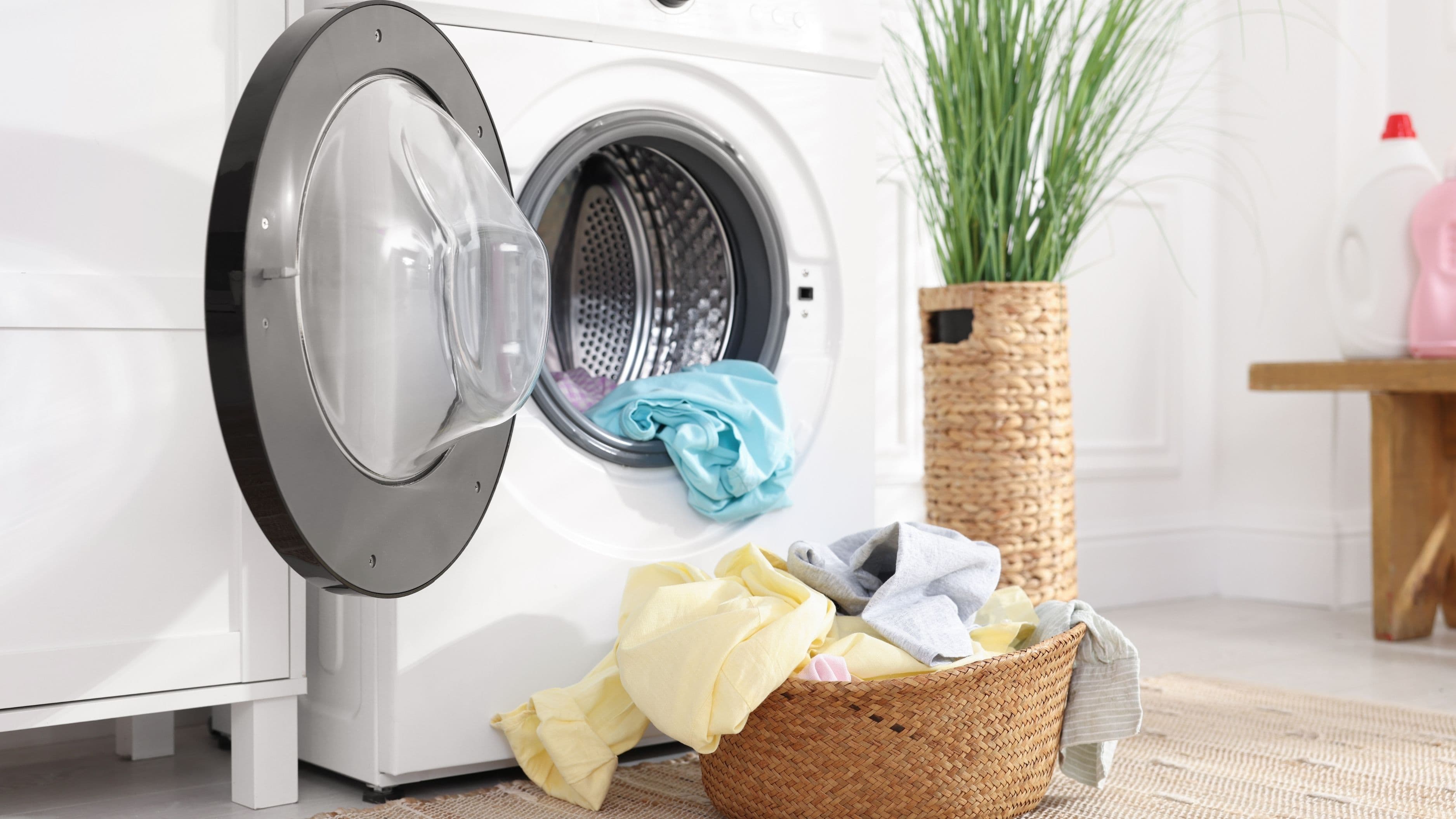
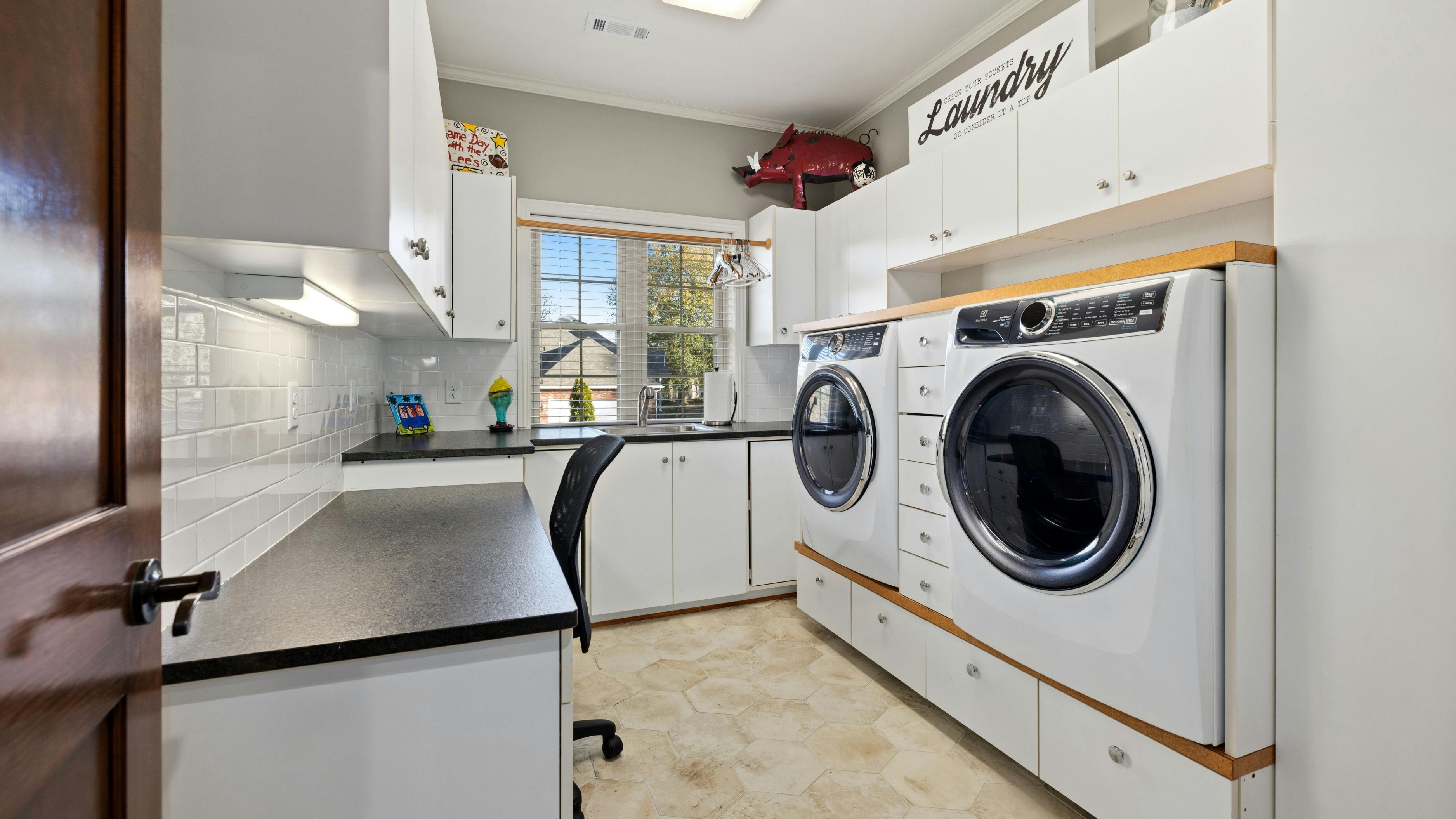
Excessive shaking almost always shows up during the high-speed spin cycle, since that's when any imbalance or instability in the machine gets amplified the most. You might notice the machine walking across the floor, banging against the wall, or making a loud thumping noise that seems to come from inside the drum. Some machines will even stop mid-cycle and display an error code related to an unbalanced load, which is the machine's built-in safety system trying to prevent damage.
Pay attention to when the shaking started and whether it's gotten progressively worse, since that timeline can help narrow down whether you're dealing with a simple load issue or something mechanical that's been wearing down over time.
Cause 1: An Unbalanced Load
This is by far the most common cause, and it's the first thing to rule out before assuming something's broken. Heavy items like towels, bedding, or a single pair of jeans can clump together on one side of the drum during the spin cycle, throwing off the balance enough to cause serious shaking.
The fix: Pause the cycle, open the machine, and redistribute the items evenly around the drum. Mixing heavy and light items together, rather than washing all heavy items in one load, generally helps prevent this from happening in the first place. If you're consistently getting unbalanced loads, try washing bulky items like comforters separately or adding a towel or two to help balance out an odd-shaped load.
Cause 2: Unlevel Feet
Washing machines have adjustable feet specifically to compensate for uneven flooring, and if these aren't set correctly, even a perfectly balanced load can cause the machine to rock and shake during spin. This is especially common after a machine has been moved, whether during a delivery, a move, or even just sliding it out to clean behind it.
The fix: Use a level placed on top of the machine to check both side-to-side and front-to-back balance. Adjust the feet by turning them clockwise or counterclockwise until the machine sits level and firmly on all four points. Once level, tighten the locknuts on each foot if your model has them, since loose locknuts allow the feet to shift out of position again over time.
Cause 3: Worn Shock Absorbers or Suspension Springs
Front-loading machines typically use a combination of springs and shock absorbers to keep the drum stable during operation, and these components wear out over years of use just like shocks on a car. When they wear down, the drum has more freedom to move during spin, which translates directly into the shaking and banging you're hearing.
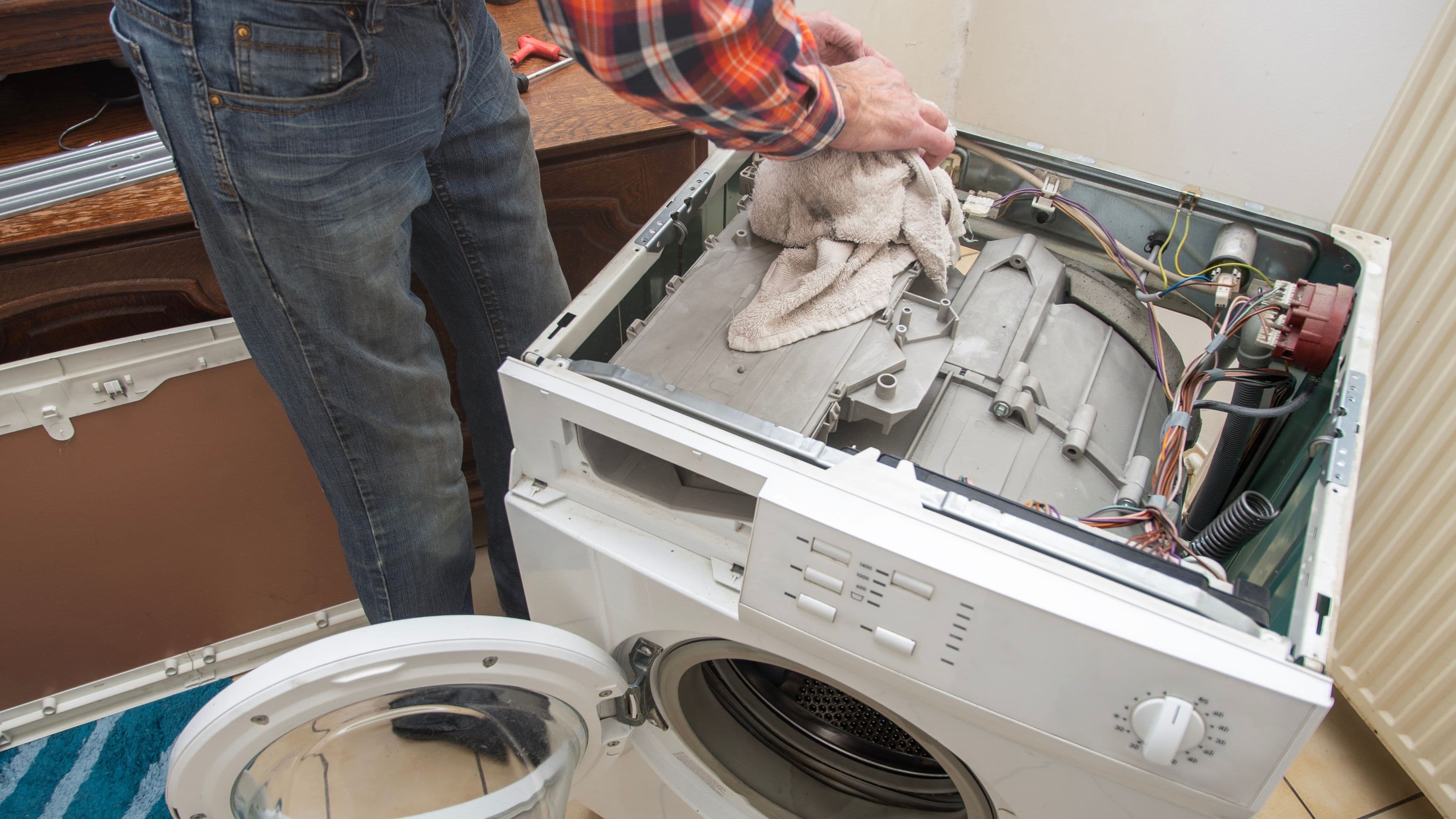
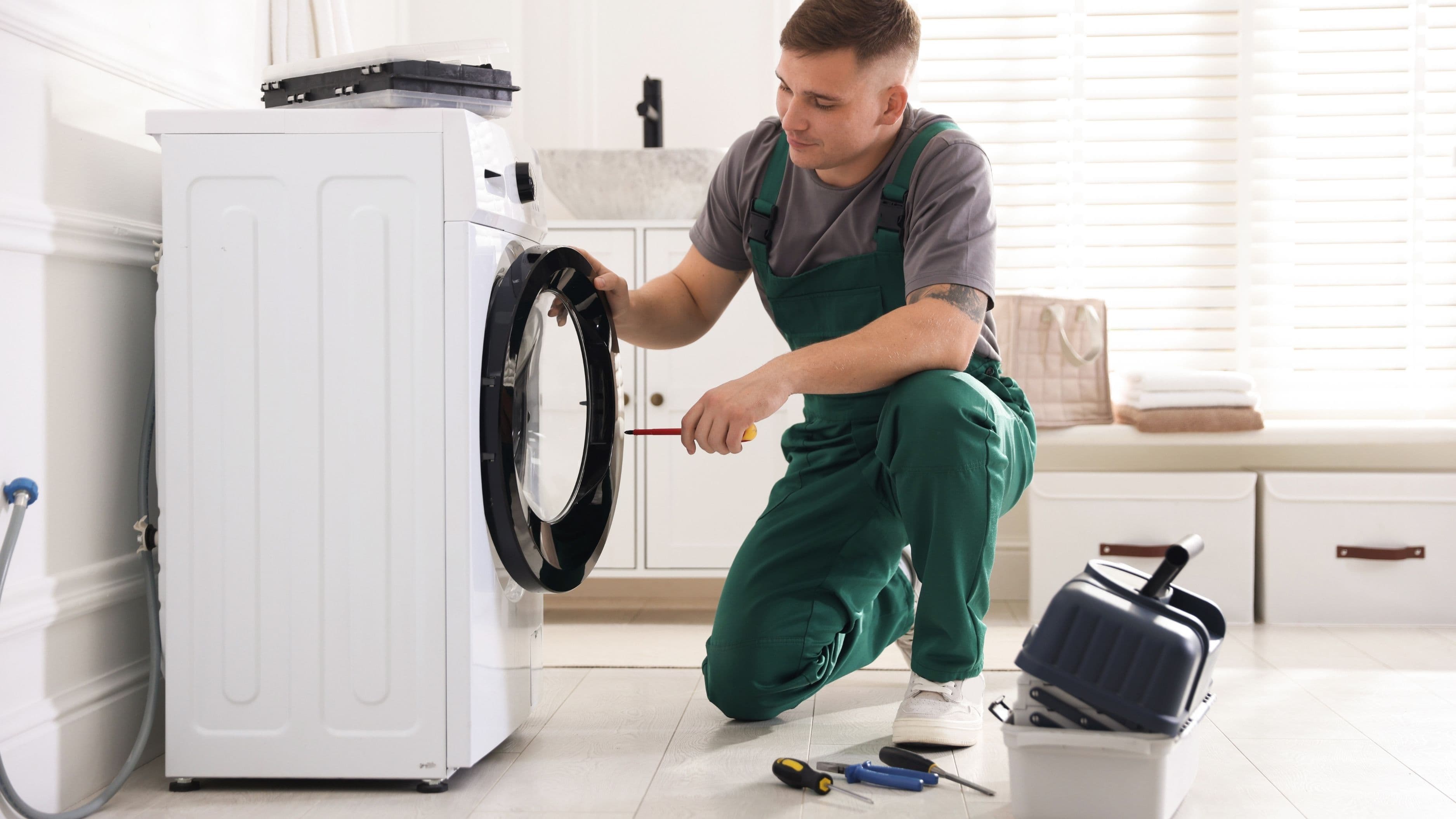
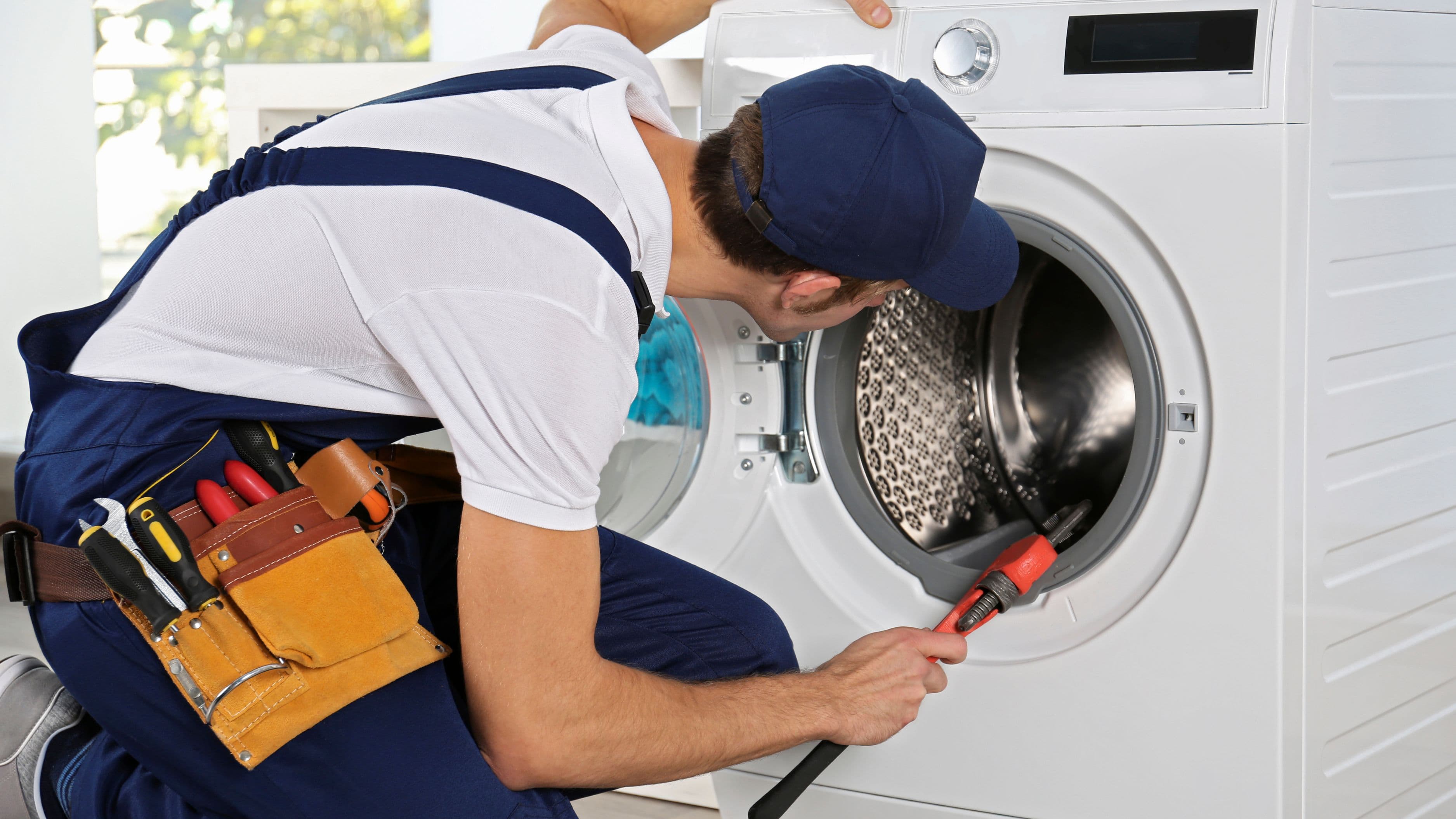
The fix: This repair generally requires removing the front or rear panel to access the suspension components, which varies by brand and model. If you're comfortable with appliance repair and can find your specific model's service manual, replacement shocks or springs are relatively affordable parts. If this feels outside your comfort zone, this is a reasonable point to call a professional, since it involves working inside the machine's frame.
Cause 4: A Damaged or Worn Drum Bearing
If the shaking is accompanied by a loud grinding or growling noise, especially one that's present throughout the entire cycle rather than just during spin, a worn drum bearing is a likely culprit. Bearings support the drum's rotation, and once they wear out, the drum can wobble and grind against the machine's housing.
The fix: Bearing replacement is a more involved repair that typically requires disassembling a significant portion of the machine to access the drum assembly. Given the labor involved and the cost of parts, it's worth comparing the repair cost against the value of the machine itself before committing to this fix, since bearing failure often shows up in machines that are already several years into their expected lifespan.
Cause 5: Shipping Bolts Still Installed
If your machine is relatively new and has been shaking since day one, this is worth checking first. Many washing machines ship with bolts or brackets installed specifically to keep the drum stationary during transport, and these need to be removed before the first use. Leaving them in place prevents the drum's normal suspension movement from functioning correctly, causing violent shaking during spin.
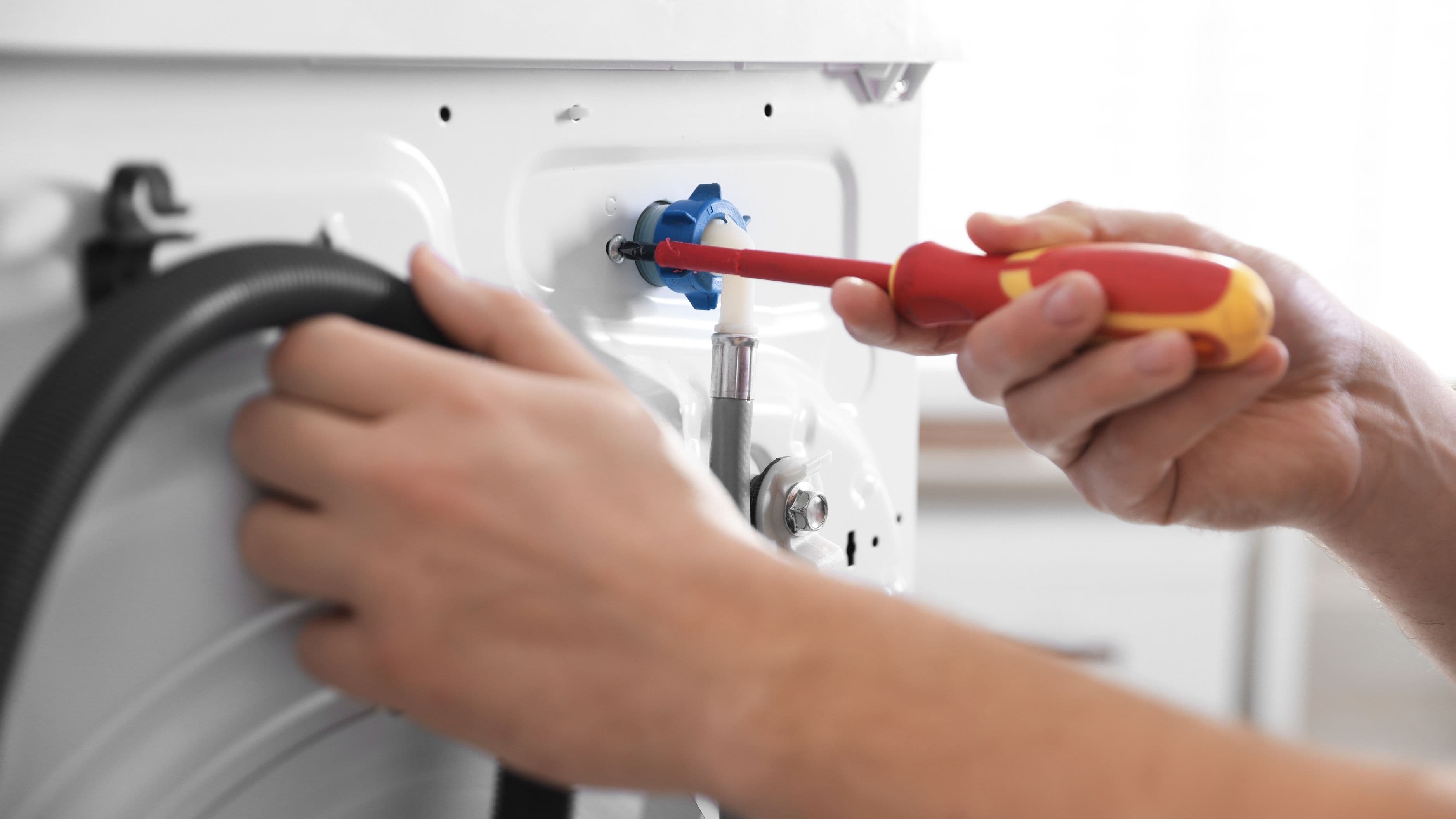
The fix: Check your washing machine's installation manual for the location of shipping bolts, typically found on the back panel. If they're still installed, remove them following the manufacturer's instructions, and keep them stored in case you ever need to move the machine again in the future.
When to Call a Professional
If you've ruled out load balance, leveling, and shipping bolts, and the shaking is accompanied by grinding noises, visible drum wobble when you spin it by hand, or the machine seems to be getting progressively worse, it's time to bring in a professional. Suspension and bearing repairs involve significant disassembly, and getting it wrong can lead to further damage or safety issues, particularly with the electrical components involved in these appliances.
It's also worth calling a professional if your machine is still under warranty, since attempting a DIY repair yourself could void coverage that would otherwise handle the repair cost.
What to Avoid
Don't ignore persistent shaking and just let the machine run through cycles anyway, since the vibration can loosen other components over time, including hoses and electrical connections, turning a simple fix into a more expensive one. Avoid overloading the machine in an attempt to save time on laundry, since overloaded drums are far more prone to imbalance regardless of how evenly you try to distribute the load.
Never attempt to access internal components like the drum bearing or suspension system without first unplugging the machine completely, since these repairs involve working near electrical connections in a wet-prone environment.
FAQ
Is it normal for a washing machine to shake a little during spin? A small amount of vibration is normal, especially on hard flooring. Violent shaking that moves the machine, produces loud banging, or triggers an error code is not normal and should be addressed.
Can an unbalanced load actually damage my washing machine? Yes, repeated unbalanced spins put extra stress on suspension components and can accelerate wear on shocks, springs, and bearings over time, even if the machine appears fine in the moment.
How much does it typically cost to fix a worn suspension or bearing issue? Parts alone can range from moderately affordable to more significant, depending on the model, and labor costs add to that if you hire a professional. Getting a repair quote before committing is a reasonable step, especially for older machines.
Most washing machine shaking comes down to something simple: an uneven load, unlevel feet, or forgotten shipping bolts. Work through these first before assuming you're facing an expensive repair, and you'll likely have this sorted out faster than you expect.
📚 Sources
U.S. Consumer Product Safety Commission – Appliance Safety – https://www.cpsc.gov/Safety-Education/Safety-Education-Centers/Appliance-Safety
ENERGY STAR – Clothes Washers – https://www.energystar.gov/products/clothes_washers