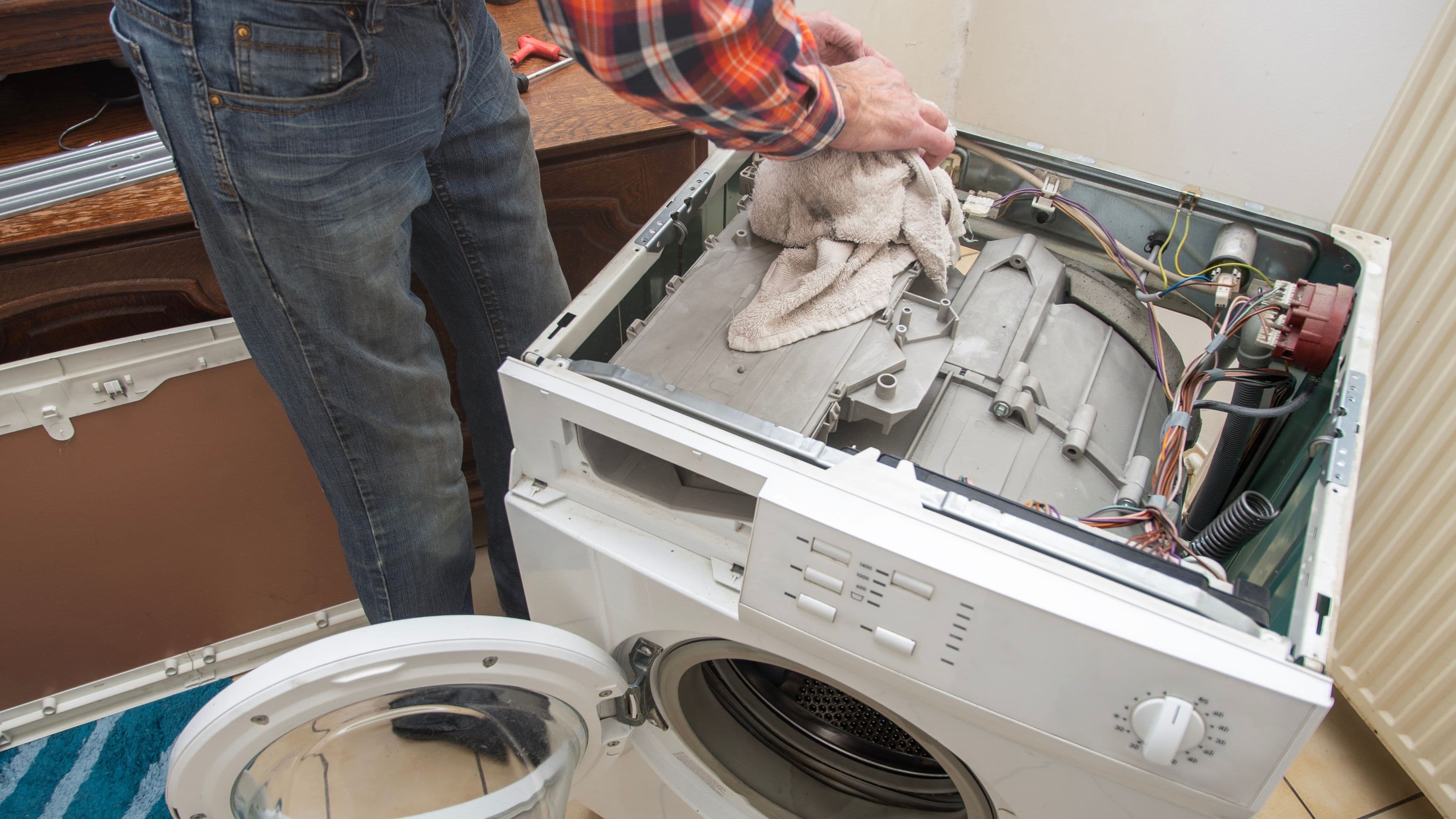

This guide covers the most common washing machine error codes across major brands, what they indicate, and what to do about each one.
Why Washing Machines Display Error Codes
Modern washing machines have built-in diagnostic systems that continuously monitor components like the water supply, drain pump, door latch, motor, and control board. When a sensor detects something outside the normal operating range, the machine halts the cycle and displays a code identifying the problem area. This is actually a helpful feature – it saves the machine from running through a cycle incorrectly or damaging itself further, and it gives you a starting point for troubleshooting rather than leaving you to guess.
One important note before diving in: error codes are not fully standardized across brands. An "E1" code means something different on a Samsung washer than it does on a Whirlpool. The sections below cover the most common code patterns by brand and error type, but your owner's manual – or the manufacturer's website – is always the definitive reference for your specific model.
The First Thing to Try: Reset the Machine
Before troubleshooting any specific code, try a soft reset. Unplug the machine from the wall outlet, wait 60 seconds, and plug it back in. This clears the control board's memory and resolves a surprising number of error codes that were triggered by a momentary sensor glitch rather than a real component failure. If the code comes back after a reset and a new cycle attempt, then you have a repeatable issue worth investigating further.
Some machines also have a specific reset sequence – holding certain buttons for a few seconds – that clears the error log. Check your manual for your model's reset procedure.
Common Error Codes by Problem Type
Water Supply Errors (Not Filling Correctly)
Typical codes: E1, F20, F21, IE, 4E, nF
These codes indicate the machine isn't getting enough water, or isn't getting it fast enough. The most common cause is simple: the water supply valves behind the machine aren't fully open. This happens more than you'd think, especially after someone partially closed them to swap a hose or move the machine. Check that both the hot and cold supply valves are turned fully counterclockwise (open).
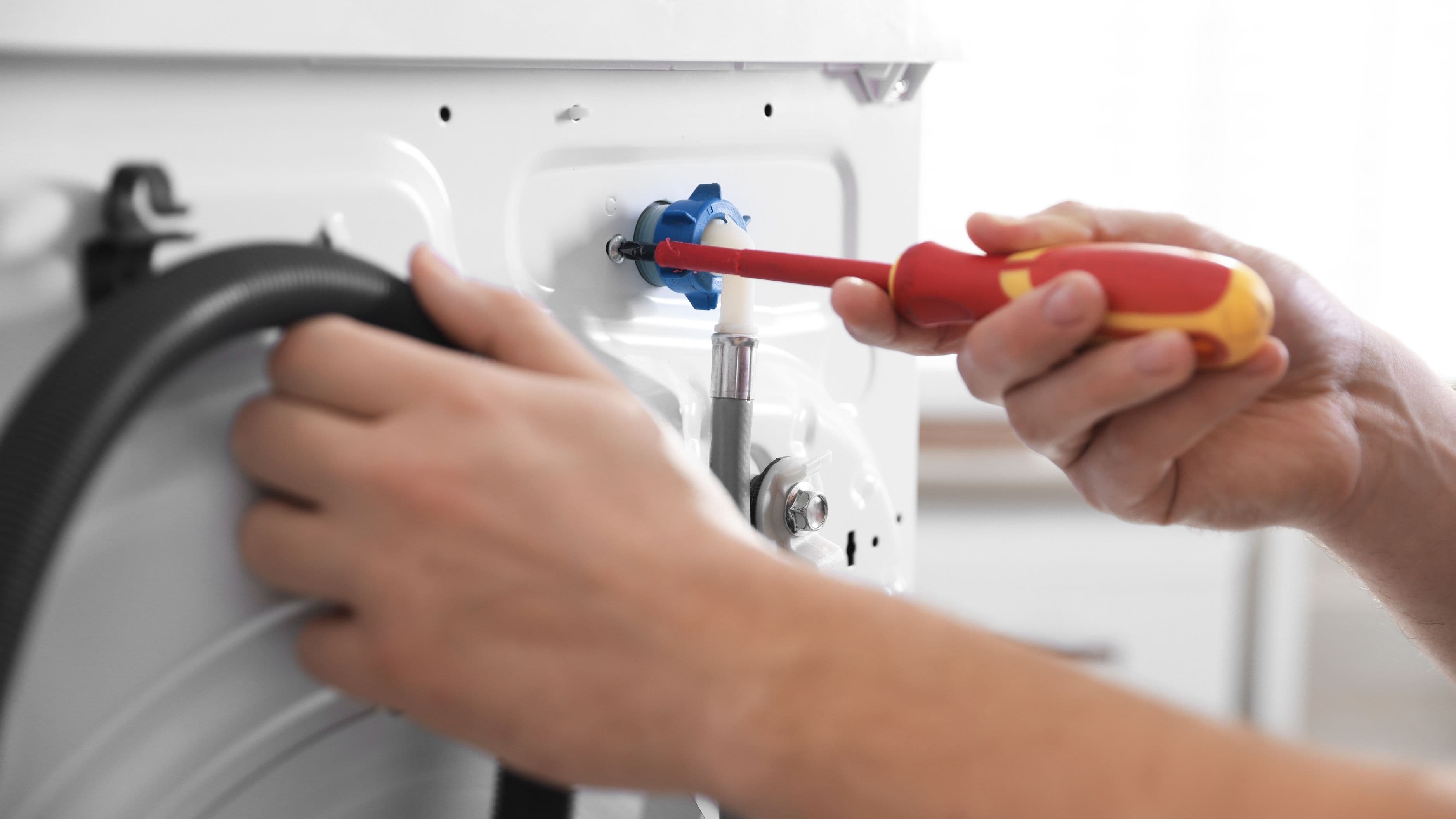
If the valves are open, check the inlet hoses for kinks or bends that might be restricting flow. The inlet hose screens – small mesh filters where the hoses connect to the back of the machine – are also a frequent culprit. These screens catch sediment and debris and can clog over time, especially in areas with hard water. Turn off the water supply, disconnect the hoses, and inspect the screens. If they're clogged, a toothbrush and some running water usually cleans them out quickly.
Water pressure that's too low can also trigger supply errors. Most washers need at least 20 PSI of water pressure to fill correctly. If other fixtures in your home also have weak pressure, that's a separate plumbing issue rather than a washer problem.
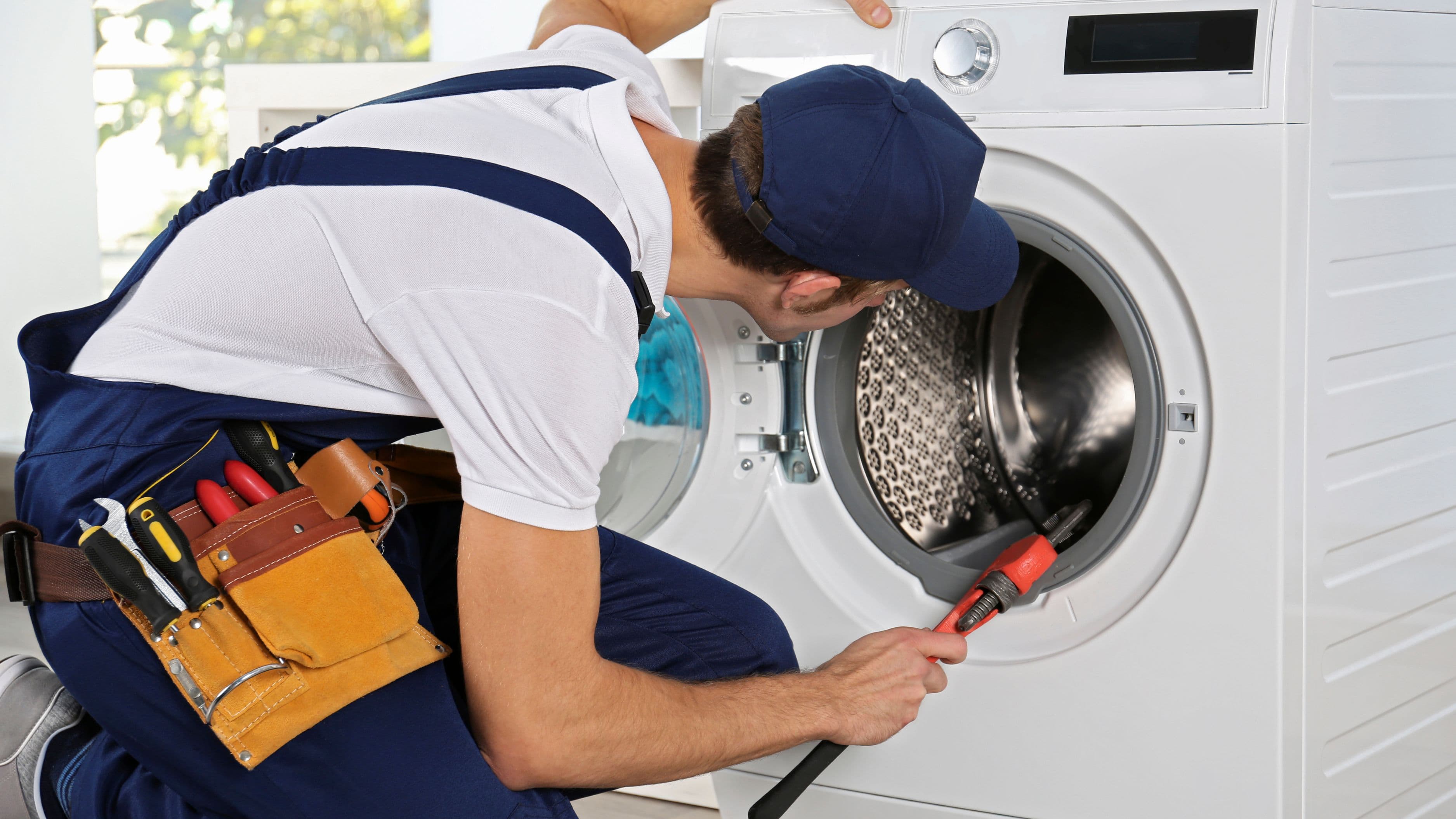
When to call a pro: If the supply valve, hoses, and screens all check out, the water inlet valve itself – the electrically controlled valve inside the machine – may have failed. Replacing it is a moderate DIY task if you're comfortable working with appliances, but it requires shutting off water, accessing the machine's internals, and working with wiring. If that's outside your comfort zone, a technician is the right call.
Drain Errors (Not Draining)
Typical codes: E2, F21, F9, OE, 5E, nd, dE
Drain errors mean the machine can't empty water within the expected time. The first place to check is the drain hose at the back of the machine. If it's kinked, crushed against a wall, or positioned too high (the drain outlet should typically be between 30 and 96 inches from the floor), water won't drain properly. Straighten any kinks and verify the hose height against your manual's specifications.
The pump filter – also called the debris filter or coin trap – is the next thing to check, and it's the cause of drain errors more often than most people realize. This filter catches lint, coins, buttons, and other small objects that make it past the drum. On front-load machines, it's usually located behind a small access panel at the lower front of the machine. On top-loaders, it may be accessible from the top or through the pump housing. Before opening it, have towels ready and a shallow pan handy – there's almost always water behind it. Unscrew the cap slowly, let the water drain into the pan, and pull out the filter. Clean out any debris, rinse the filter, and reinstall it firmly.
If the hose and filter are both clear, the drain pump motor itself may have failed or have something lodged in the impeller that the filter didn't catch. You can sometimes hear a drain pump struggling – a humming or grinding sound during the drain cycle that wasn't there before.
When to call a pro: Drain pump replacement is a moderate-to-advanced DIY repair. If you're not comfortable disconnecting the pump, draining residual water from the machine, and reconnecting wiring and hose connections, this is a reasonable job for a technician.
Door or Lid Lock Errors
Typical codes: E3, F5, dL, dU, Lc, LE, LO
These codes indicate the door or lid isn't registering as securely locked, which prevents the machine from running as a safety measure. Start by opening and firmly closing the door again – sometimes the latch just didn't seat properly. Check for any clothing or fabric caught in the door seal that's preventing a complete close.
On front-load machines, inspect the door strike – the small plastic or metal piece that inserts into the latch mechanism. If it's visibly broken or bent, that's likely the cause. On top-load machines, the lid switch (or strike) is the component to inspect. Both are relatively inexpensive parts and straightforward to replace.
The door latch assembly itself can wear out over time, particularly on machines that have been in heavy use for several years. If the strike looks intact but the code persists, the latch mechanism or the door lock actuator (the electronic component that locks and senses the door) may need replacement.
Difficulty: Replacing a door latch or lid strike is a beginner-to-intermediate DIY repair. The parts are inexpensive (typically $15–$40) and the repair usually involves removing a few screws and disconnecting a wiring harness. Look up your specific model on a parts site like RepairClinic or Repair.Parts for visual guides.
Unbalanced Load Errors
Typical codes: UE, Ub, F0E5, uL, FL
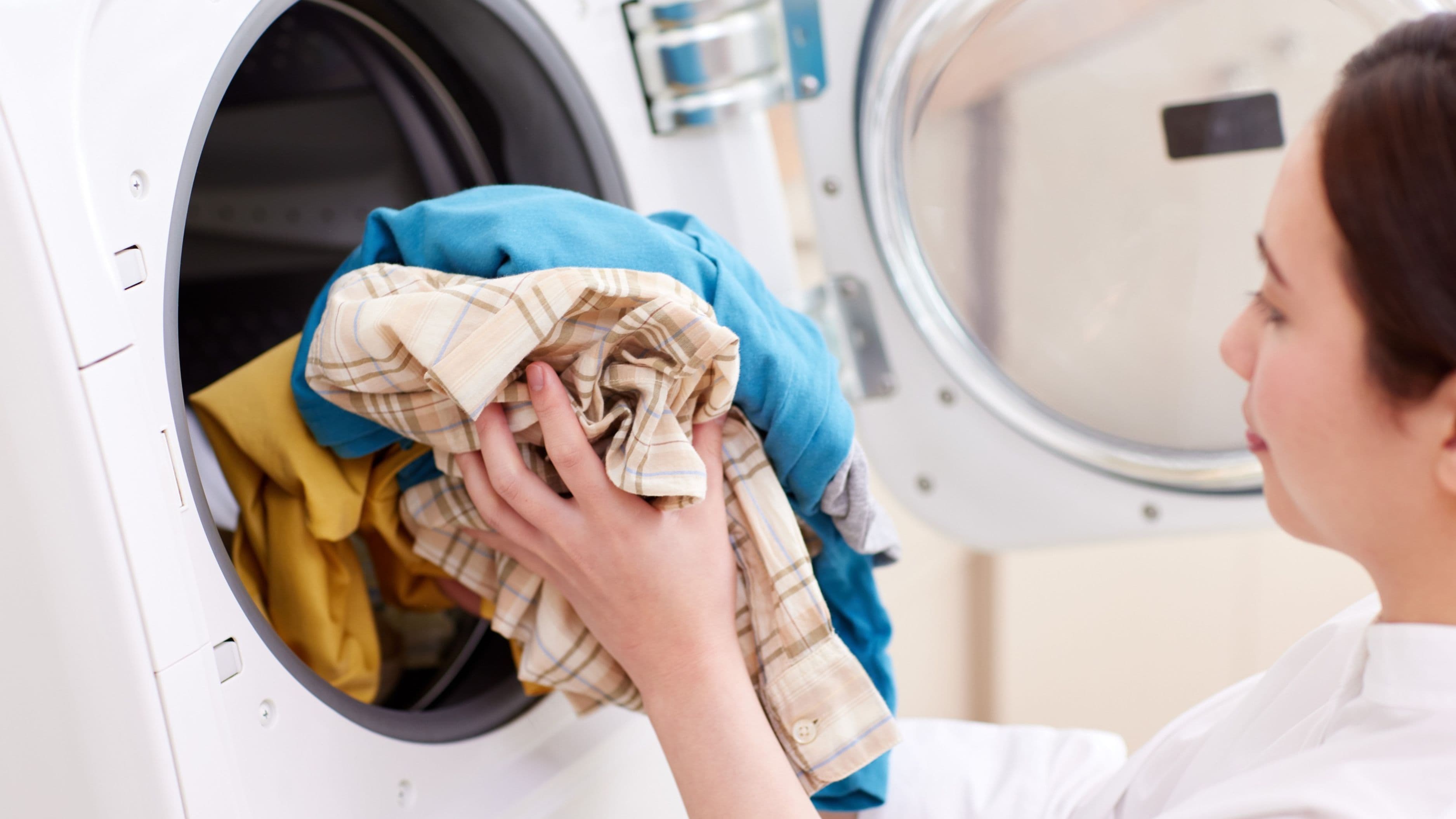
An unbalanced load error means the machine detected too much movement or vibration during the spin cycle – usually because the laundry shifted to one side of the drum. This is one of the most common washing machine errors and one of the easiest to fix. Open the machine, redistribute the laundry more evenly around the drum, and restart the spin cycle.
Heavy items are the usual culprits. A single large item like a comforter, bath mat, or jeans can create an unbalanced load on its own. Washing these items with a few other similarly weighted pieces helps balance the drum. If you regularly get unbalanced errors with mixed loads, make sure the machine is sitting level – an unlevel washer amplifies any imbalance significantly. Most washing machines have adjustable feet; use a spirit level on top of the machine and adjust the feet until it's level front-to-back and side-to-side.
Overflow or Too Much Suds Errors
Typical codes: F7, E4, Sd, Sud, 8E
Overflow errors and suds errors usually point to one cause: too much detergent. Modern high-efficiency (HE) washers use dramatically less water than older machines, which means they need HE-specific detergent used in smaller amounts than the label suggests. Regular detergent or too much HE detergent creates excess suds that the machine's sensors flag as an overflow risk. The machine may pause, run extra rinse cycles to clear the suds, or display an error.
If you get a suds error, let the machine run through its rinse cycle. If it's stuck on the error, you can try adding a small amount of fabric softener to break down the suds, or running an empty rinse cycle. Going forward, cut your detergent amount by 25–50% from what the label recommends – HE washers genuinely need much less than most people use.
Motor or Drive Errors
Typical codes: E5, E6, F7, F70, 3E, tE, mE
Motor errors indicate a problem with the drive system that spins the drum. Before assuming the motor has failed, check for an overloaded drum – trying to spin an extremely heavy, water-saturated load can trigger motor protection faults. Remove some items, let the machine sit for 15–20 minutes to allow the motor thermal protection to reset, and try again with a lighter load.
If the error appears consistently with normal loads, the causes range from a worn drive belt (on machines with belt-driven motors) to a failing motor control board or the motor itself. These repairs range from moderate to advanced DIY difficulty depending on the machine type. A worn belt is relatively accessible on many top-load machines; motor control board replacement is more involved.
When to call a pro: Persistent motor errors on a machine that's less than 8–10 years old are worth a professional diagnosis before you invest in parts, since the actual failed component may be different from what you'd guess. On machines older than 10 years, weigh the repair cost against replacement.
Temperature or Heating Errors
Typical codes: E8, F8, tE, tE1, tE2, HE, HE1
These codes mean the machine isn't reaching the expected water temperature, or a temperature sensor isn't reading correctly. On washers with internal heaters (common in European-style machines and some front-loaders), this can indicate a failed heating element or a faulty thermistor (temperature sensor). On basic US-style top-loaders without internal heaters, temperature errors may relate to the water supply temperature sensors.
Check that your hot water heater is functioning and that hot water is reaching the machine. If the water supply is fine and the error persists, sensor or heating element diagnosis requires a multimeter and some comfort with electrical testing. This is an intermediate-to-advanced repair.
Brand-Specific Quick Reference
Error code languages vary by brand. Here's a brief orientation to the major manufacturers:
Samsung: Uses "E" and number codes (E1, E2, etc.) as well as newer letter-based codes (4E for water supply, 5E for drain, UE for unbalance). Samsung's SmartThings app can also read error codes on connected models and provide model-specific guidance.
LG: Primarily uses two-letter codes (IE for inlet error, OE for outlet/drain error, UE for unbalance, dE for door error). LG's ThinQ app offers remote diagnostics on smart models.
Whirlpool and Maytag: Use "F" and "E" codes in combination (F20 for water supply, F21/F9 for drain, F5 for door lock, F7 for motor). Whirlpool and Maytag share platform architecture so codes are largely consistent across both brands.
GE: Uses "E" codes and some alphanumeric combinations. GE Appliances' website has a model-specific error code lookup tool.
Bosch: Uses "E" codes and some descriptive codes ("Err" series). Bosch's manuals are unusually thorough for error code descriptions.
When to Call a Professional
Most water supply, drain, door lock, and unbalance errors are DIY-resolvable. The situations where a technician makes more sense are: persistent motor or control board errors, any error involving the machine's internal wiring or electronic components you're not comfortable working with, errors on machines still under warranty (DIY repair can void coverage), and any situation where you've gone through the obvious fixes and the code keeps returning. A single service call typically costs $80–$150 for diagnosis, with parts and labor additional – compare that against a repair estimate before deciding whether to repair or replace.
FAQ
Can I keep using my washer if an error code appears? It depends on the code. Unbalance errors are safe to address and retry. Drain errors mean there's standing water in the drum – don't run another cycle until it's resolved. Door lock errors prevent the machine from running at all for safety reasons. Water supply errors mean the machine can't fill, so no cycle will complete anyway. Motor or heating errors should be resolved before further use to avoid additional damage.
My washer shows an error code but then clears itself – should I worry? A one-time error that clears after a reset and doesn't return is usually a sensor glitch and not a sign of a developing problem. If the same code comes back multiple times over a few weeks, even if it clears each time, it's worth investigating the underlying cause before it becomes a mid-cycle failure.
How do I find the error code list for my specific model? Your owner's manual is the first place to look – most manuals include a troubleshooting section with error codes. If you don't have the physical manual, enter your model number (usually on a sticker inside the door or on the back of the machine) into the manufacturer's website or a parts site like RepairClinic to find a digital copy.
Is it safe to open the pump filter myself? Yes, with a few precautions. Run the drain cycle first if the machine still has power. Have towels and a shallow pan ready before you open the filter cap, and turn the cap slowly to control the water release. Unplug the machine before reaching into any accessible compartments.
How long should a washing machine last before repairs become not worth it? The general guideline is that if a repair costs more than 50% of the price of a new machine and the washer is more than 8–10 years old, replacement is worth considering. For less expensive repairs on a machine in otherwise good shape, repair almost always makes financial sense regardless of age.
📚 Sources
Whirlpool – Washer Error and Fault Codes – whirlpool.com/content/dam/documents/en_US/Washers_Error_Codes.pdf
Samsung – Washing Machine Error Codes Explained – samsung.com/us/support/troubleshooting/TSG01001399
LG – Washer Error Codes Guide – lg.com/us/support/help-library/lg-washer-error-codes-CT10000010-20150130043312510
RepairClinic – Washing Machine Troubleshooting Guide – repairclinic.com/RepairHelp/How-To-Fix-A-Washing-Machine
GE Appliances – Washer Error Codes – geappliances.com/ge/washer/washer-error-codes.htm
Consumer Reports – When to Repair or Replace an Appliance – consumerreports.org/appliances/when-to-repair-or-replace-an-appliance