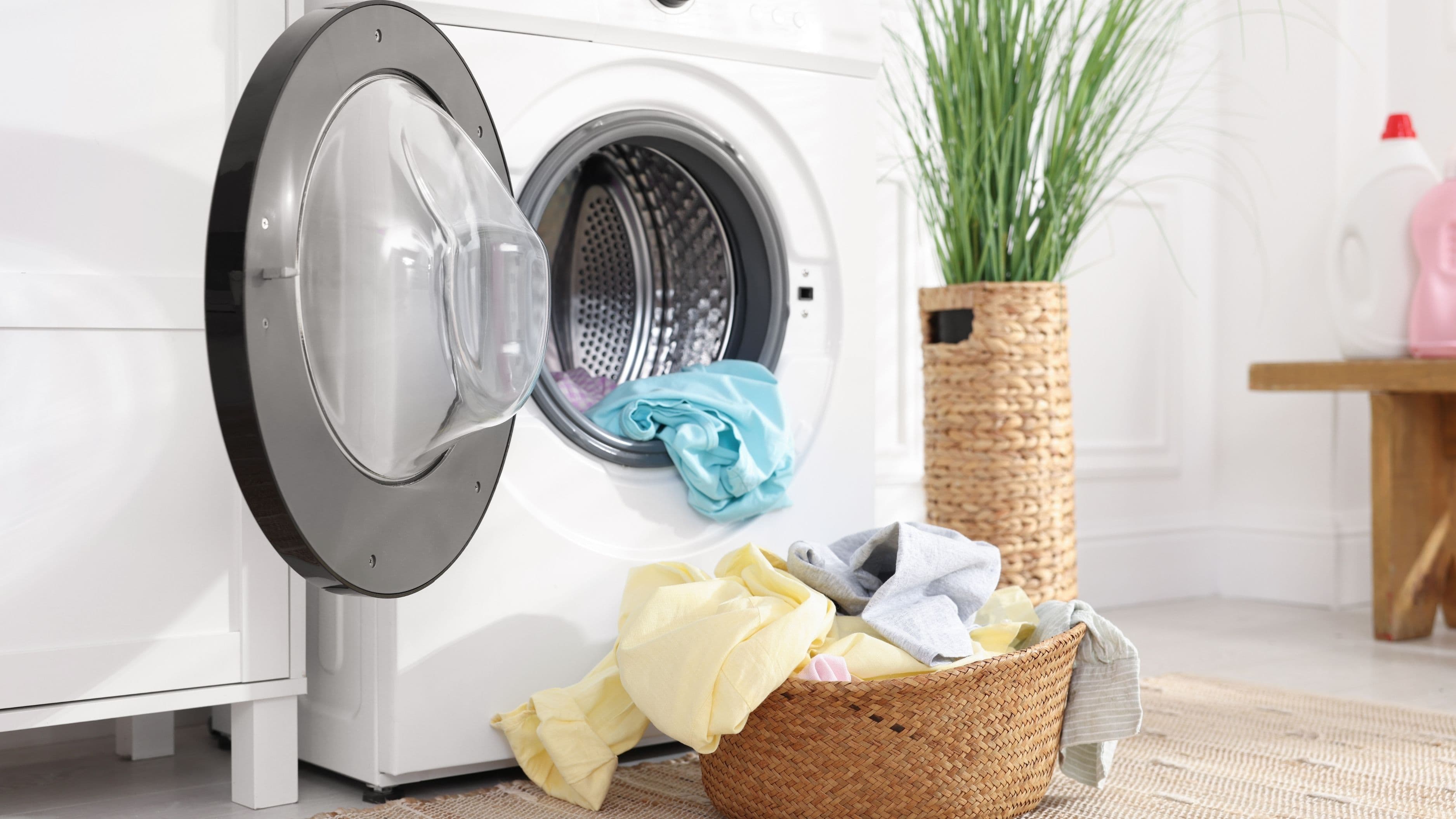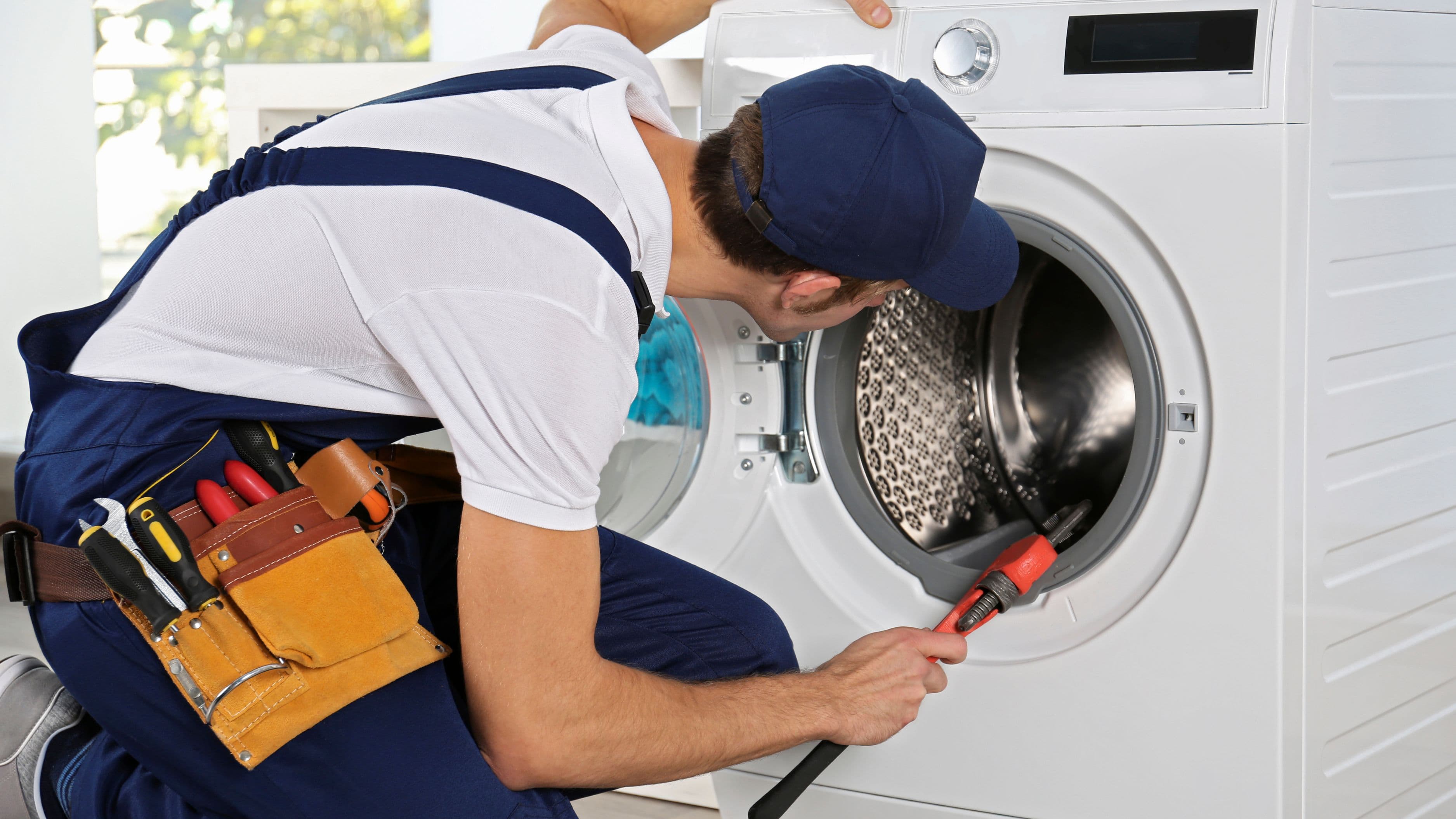

This guide covers both top-load and front-load machines and walks you through each likely cause with a clear fix for each one.
Before You Start: Safety First
Always unplug the washing machine from the wall before inspecting any internal components. Even with the machine off, live electrical connections inside the cabinet are a real hazard. If you need to run a test cycle to observe the problem, plug it back in just for that purpose, then unplug again before reaching inside. This applies to every step in this guide.
Step 1: Start With the Obvious Checks
Before assuming something mechanical has failed, it's worth ruling out the most common and easily overlooked causes. These take two minutes and fix a surprising number of no-spin complaints.
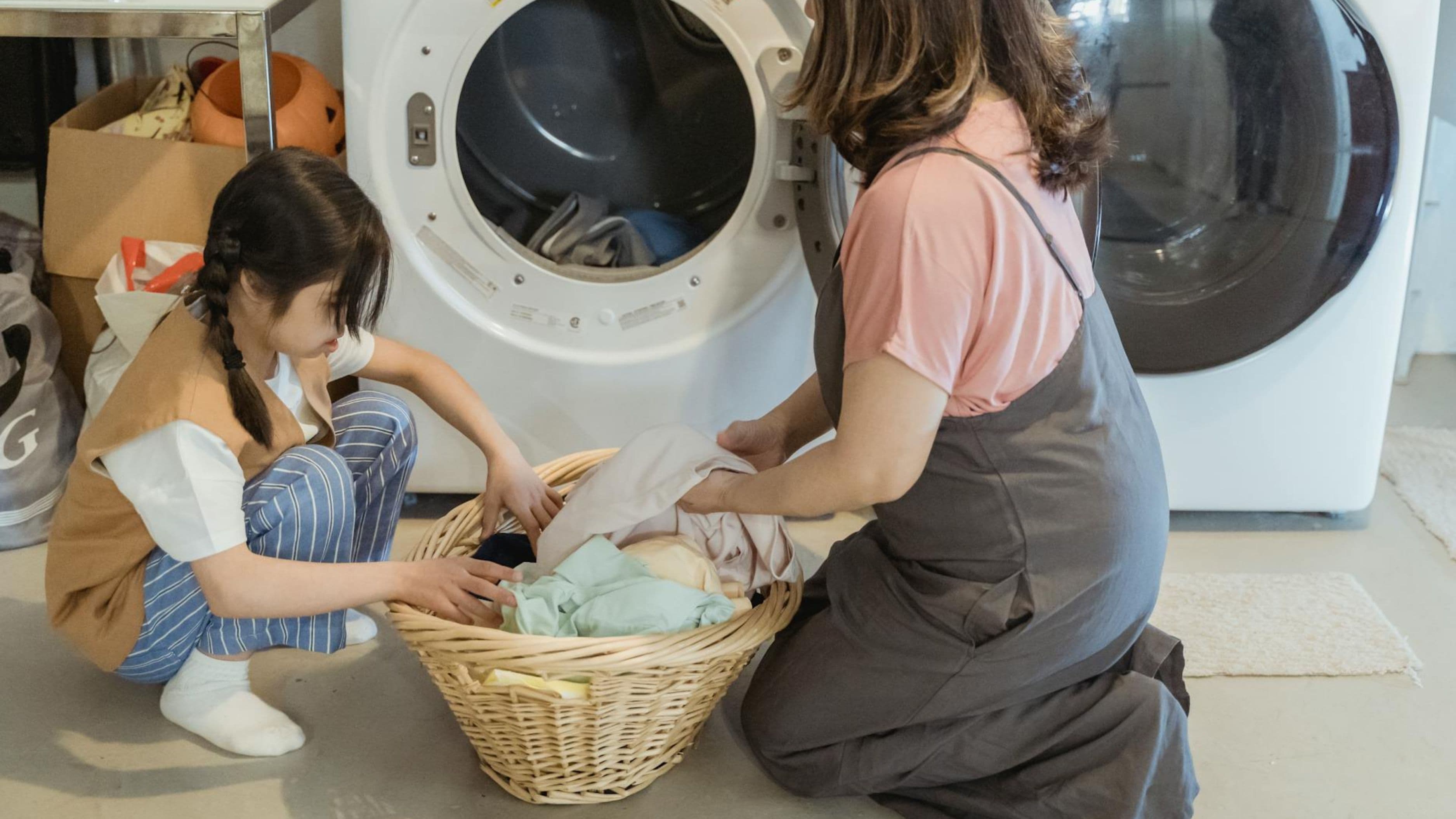
Is the load unbalanced? Washing machines – especially top-loaders – have an automatic protection feature that stops or skips the spin cycle when the drum detects a heavy imbalance. A single heavy item like a comforter, a pair of jeans that wadded up on one side, or a towel that absorbed most of the water can trigger this. Open the lid or door, redistribute the load evenly around the drum, and run the spin cycle again. This is the most common cause of a machine that "won't spin" and the easiest to fix.
Is the lid or door not latching? Washing machines are designed not to spin unless the lid or door is fully closed and latched – it's a safety feature. On top-loaders, the lid switch (a small plastic tab on the underside of the lid) needs to make contact with the switch inside the machine body. If the lid isn't sitting flush, or if the latch tab has broken off, the machine will stop before the spin cycle begins. Check that the door closes firmly and listen for the latch click. On front-loaders, make sure the door is fully pushed shut – they require more force to latch than most people expect.
Is there an error code showing? Modern washing machines display error codes when something goes wrong. If your machine has a digital display and you see a code, look it up in your owner's manual or the manufacturer's website before doing anything else. The code will often tell you exactly what the machine is detecting as the problem, which can shortcut the entire diagnostic process.
Step 2: Check the Lid Switch (Top-Loaders)
If you've ruled out load balance and door latch issues, the lid switch is the next thing to check on a top-loading machine. This small switch tells the machine the lid is closed and it's safe to spin. When it fails – which it does fairly often, especially in machines that are several years old – the machine will complete the wash cycle but stop before spinning.
To test it, open the lid and locate the small plastic tab or striker on the underside that presses into the switch housing when the lid closes. If the tab is visibly broken or missing, that's your problem. You can test the switch itself with a multimeter set to continuity mode – press the switch manually and check whether it registers continuity. If it doesn't click or shows no continuity, the switch has failed.
Lid switch replacement is one of the more beginner-friendly washer repairs. Replacement switches typically cost $10–$25 and are available for most major brands. Installation generally involves removing two or three screws and swapping the connector – no special tools required. Look up the part number for your specific model before ordering to make sure you get the right fit.
Step 3: Check the Door Latch Assembly (Front-Loaders)
On front-load machines, the door latch assembly serves the same function as the lid switch – it tells the control board the door is sealed and spinning is safe. If the latch mechanism is worn, cracked, or the strike plate is misaligned, the machine may not register a closed door even when it appears shut.
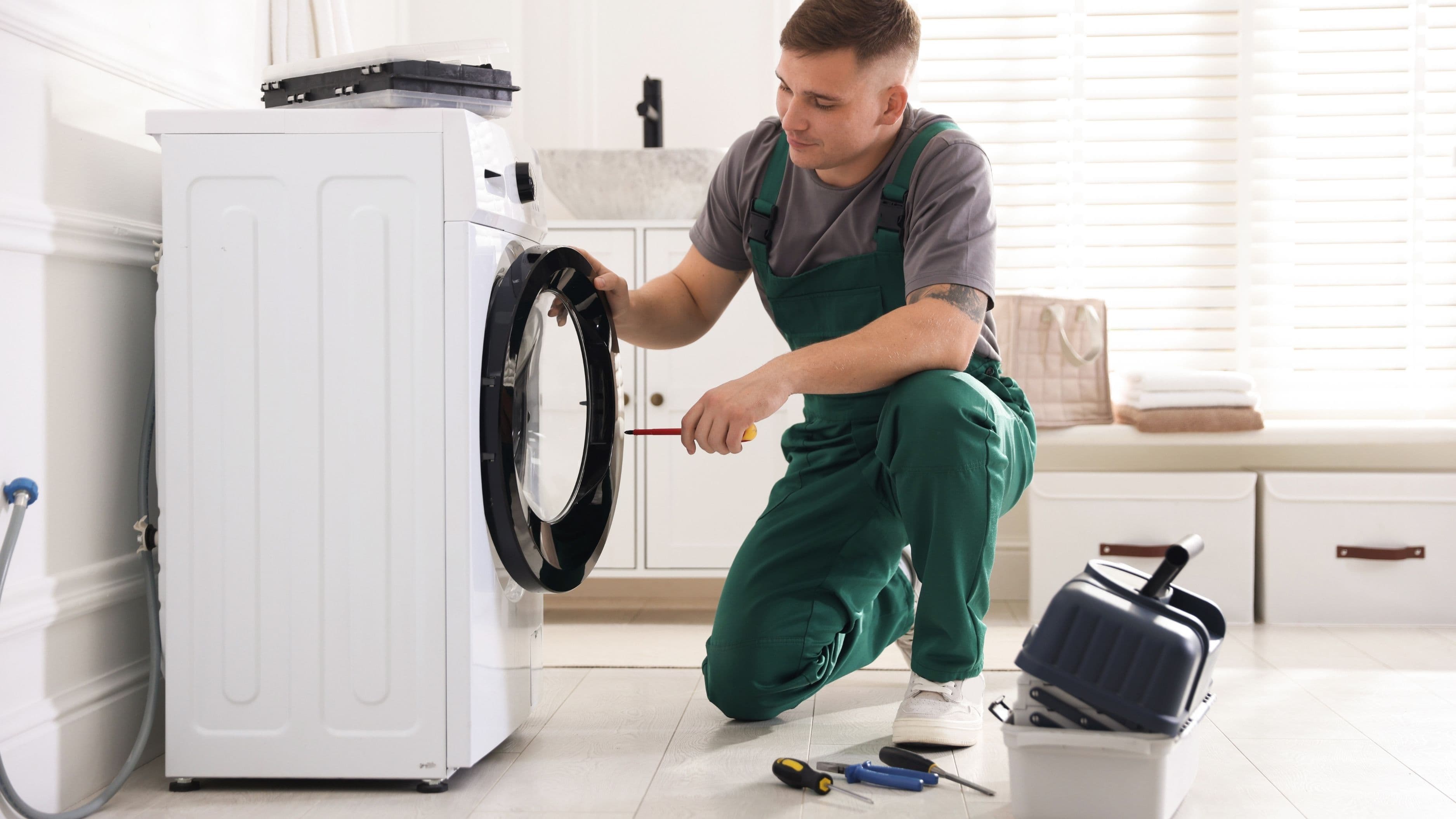
Inspect the latch visually for cracks or obvious damage. If the door feels loose when closed, or if there's any play in the latch, the assembly likely needs replacing. Door latch assemblies for front-loaders run $20–$50 for parts and are designed to be replaced without professional help on most models. The repair typically involves removing the door panel – look up your specific model for the exact procedure, as it varies by brand.
Step 4: Inspect the Drive Belt
Both top-load and front-load machines use a rubber drive belt to connect the motor to the drum. Over time, these belts stretch, crack, or break entirely. A broken belt is a very common reason a machine will agitate (move the clothes back and forth during the wash cycle) but fail to spin, since the two motions sometimes use different drive mechanisms.
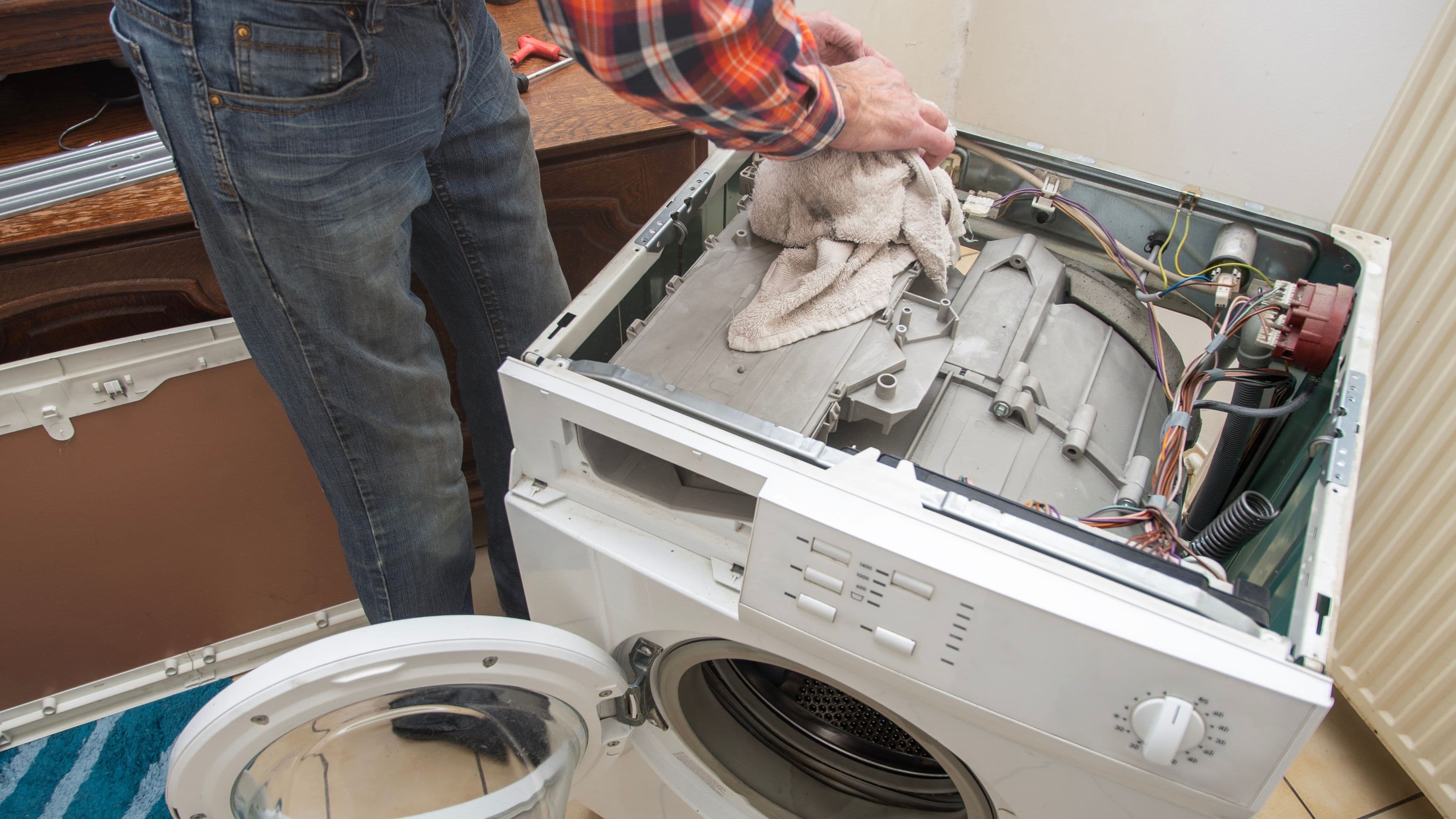
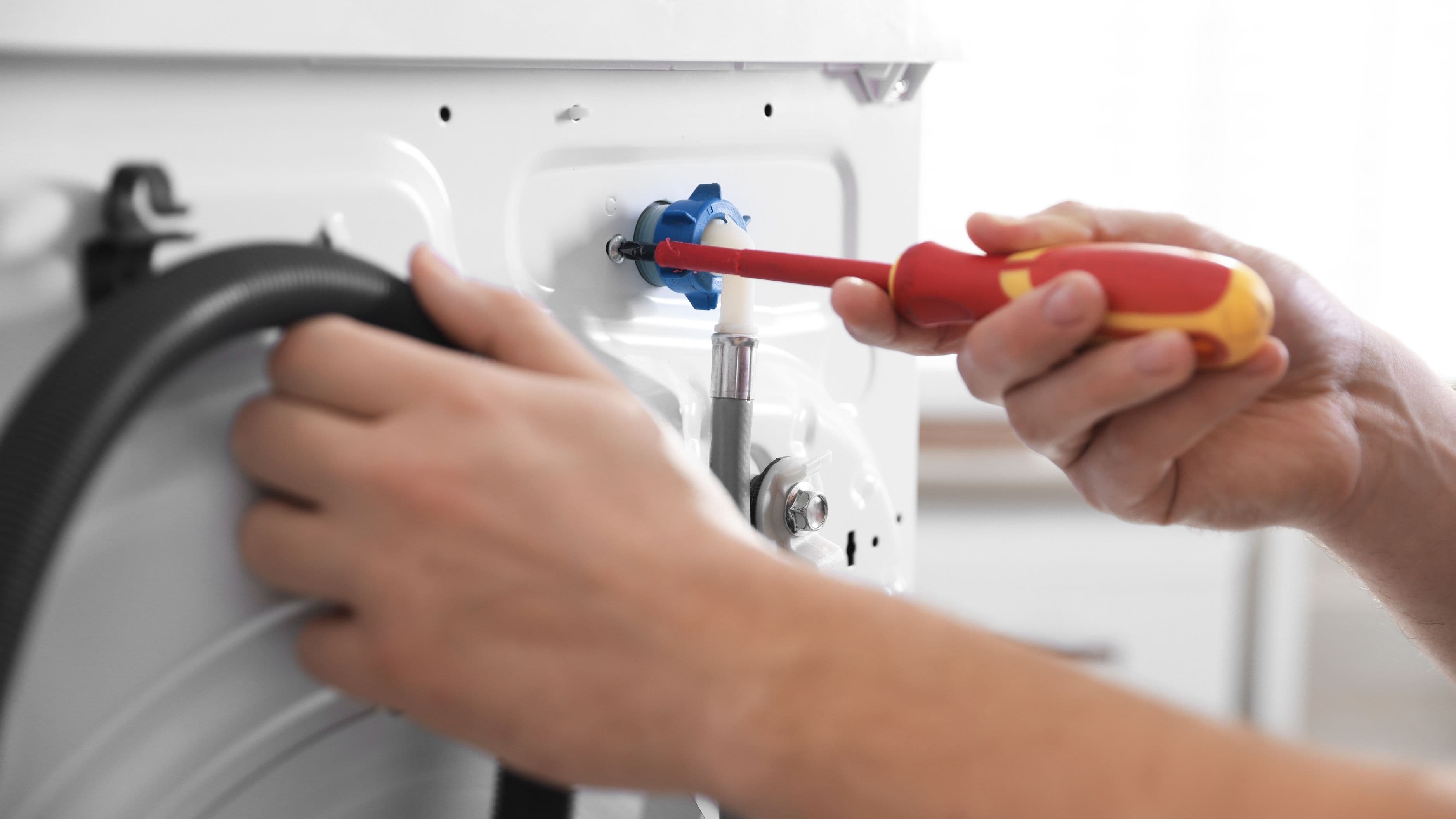
To check the belt, you'll need to access the back or bottom panel of the machine depending on the model – unplug the machine first, then remove the access panel using a screwdriver. Once you can see the drum and motor, look for the belt looped around the drum pulley and motor pulley. A broken belt will be visibly snapped or lying loose at the bottom of the cabinet. A worn belt may look glazed, cracked, or noticeably slack when you press on it.
Replacement belts are inexpensive – typically $10–$20 – and installation is a manageable DIY job if you're comfortable with basic mechanical tasks. The belt needs to be routed correctly around both pulleys and the motor, so take a photo of the original routing before removing the old one. Difficulty level: moderate. Time: 30–60 minutes.
Step 5: Check the Drain Pump and Filter
A washing machine won't spin if it can't drain first. The machine is designed to drain all water before entering the spin cycle, and if the drain pump is blocked or failing, the machine will stop – often partway through the cycle with water still sitting in the drum.
Signs that drainage is the issue: water remains in the drum at the end of the cycle, the machine stops mid-cycle, or you hear the pump running but water isn't moving. The first thing to check is the drain filter (also called the pump filter or coin trap), which catches lint, debris, coins, and small items before they reach the pump. On front-loaders, this is usually located behind a small access panel at the bottom front of the machine. On top-loaders, the filter location varies by model – check your manual.
To clean the filter, place a shallow pan or a stack of old towels beneath the access panel, then slowly unscrew the filter cap. Water will drain out as you open it – this is normal, just have your pan ready. Remove the filter, rinse it under running water, and clear any debris from the filter housing. Reinstall and run a cycle to test. A clogged filter is an extremely common cause of spin problems and takes about 10 minutes to clean.
If the filter is clear but the machine still won't drain, the drain pump itself may have failed or be partially blocked by something that got past the filter. A failed drain pump requires replacement ($30–$80 for the part) and is a moderate DIY repair – manageable but involves more disassembly than a filter cleaning.
Step 6: Check the Motor Coupling (Top-Loaders)
On many top-load washing machines, the motor connects to the transmission via a plastic motor coupling – a small part designed to absorb shock and protect both the motor and the transmission from damage during overloads. When the coupling fails (usually by cracking or breaking), the motor runs but the drum doesn't spin or agitate.
You'll know this is the issue if you can hear the motor running during the spin cycle but the drum isn't moving. Accessing the motor coupling requires removing the cabinet panels, which varies by brand – consult a model-specific guide for your machine. The coupling itself is a $5–$15 part, and replacement is a moderate DIY job taking about an hour.
What to Avoid
Don't force a spin cycle manually or use any workaround to bypass the lid switch or door latch sensor. These are safety mechanisms. Bypassing them – even temporarily to test whether the machine works – creates a real risk of injury from a spinning drum with no auto-stop protection.
Don't overlook the drain filter before moving on to more complex repairs. It's the simplest fix and one of the most common causes, but it's easy to skip because it feels too simple. Always work from the easiest possibility to the hardest.
Don't attempt motor or control board replacements without researching your specific model first. Some repairs are straightforward across most machines; others vary significantly by brand and require model-specific knowledge to avoid making the problem worse.
When to Call a Professional
Most of the causes above are DIY-friendly with the right part and a bit of patience. There are a few situations where calling a technician is the smarter call:
If your machine shows a control board error and none of the mechanical checks above reveal a problem, the main control board may have failed. Control board replacement is expensive ($150–$300 for the part alone) and complex enough that a professional diagnosis makes sense before committing to the repair cost.
If the motor itself has failed, replacement is feasible DIY but labour-intensive, and the cost of the motor plus the time investment often approaches the cost of a technician visit – especially on older machines where the repair-vs-replace calculation is already close.
Any time you open the machine and see burn marks, smell burning, or find water near electrical connections, stop immediately and call a professional. These are signs of a more serious electrical fault.
Repair Cost vs. Replacement
Washing machines typically have a lifespan of 10–14 years. If your machine is under 7–8 years old and the repair cost is under $200, fixing it almost always makes financial sense. If the machine is older than 10 years and needs a major component like a motor, transmission, or control board, replacement is often the better investment – particularly since newer machines are significantly more water and energy efficient.
FAQ
My machine fills with water and agitates but stops before spinning – what's most likely? On a top-loader, the lid switch or motor coupling are the most common causes. On a front-loader, the door latch or drain pump are the first things to check. Start with whichever applies to your machine type.
The spin cycle starts but then stops partway through – is that different? A cycle that starts and then stops mid-spin often points to a drainage issue (the machine detects it can't drain and stops as a safety measure), an unbalanced load triggering the auto-stop, or an overheating motor cutting out. Check the drain filter first, then rebalance the load, then let the machine cool down for 30 minutes and try again.
Can I use my washing machine if it won't spin? Technically yes – it will still wash – but you'll end up with clothes too wet to go into the dryer safely. Running repeated drain-only or spin-only cycles won't fix the underlying problem and may put extra strain on components that are already struggling. It's better to diagnose and fix the issue before running more loads.
How much does a washing machine repair typically cost with a technician? A standard service call runs $80–$150 just for the diagnosis. Parts and labour for common repairs (lid switch, belt, drain pump) typically bring the total to $150–$300. More complex repairs involving the motor or control board can reach $300–$500, at which point replacement becomes worth considering depending on the machine's age.
📚 Sources
Family Handyman – Washing Machine Won't Spin: https://www.familyhandyman.com/appliance-repair/washer-repair/washing-machine-wont-spin/
GE Appliances – Washer Troubleshooting Guide: https://www.geappliances.com/ge/service-and-support/washer-troubleshooting.htm
Whirlpool – Why Won't My Washer Spin: https://www.whirlpool.com/content/dam/documents/en_US/washers/why-wont-my-washer-spin.pdf
Consumer Reports – Washing Machine Repair or Replace: https://www.consumerreports.org/appliances/washing-machines/washing-machine-repair-or-replace-a1103963874/
RepairClinic – Washing Machine Not Spinning Diagnostic Guide: https://www.repairclinic.com/RepairHelp/How-To-Fix-A-Washing-Machine/6-5-655889-/Washing-Machine-Not-Spinning