
Why It Costs More Than It Looks Like It Should
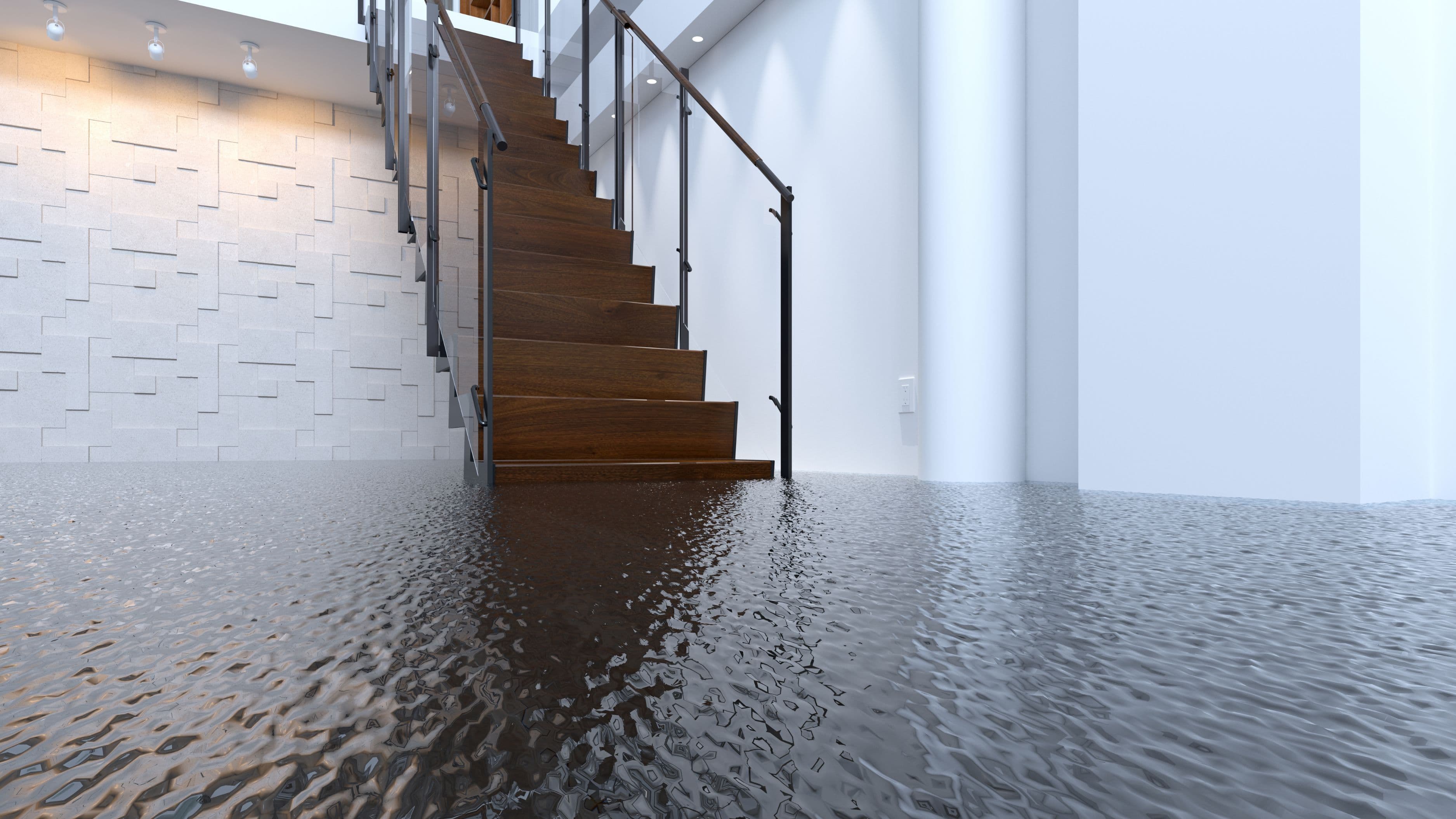
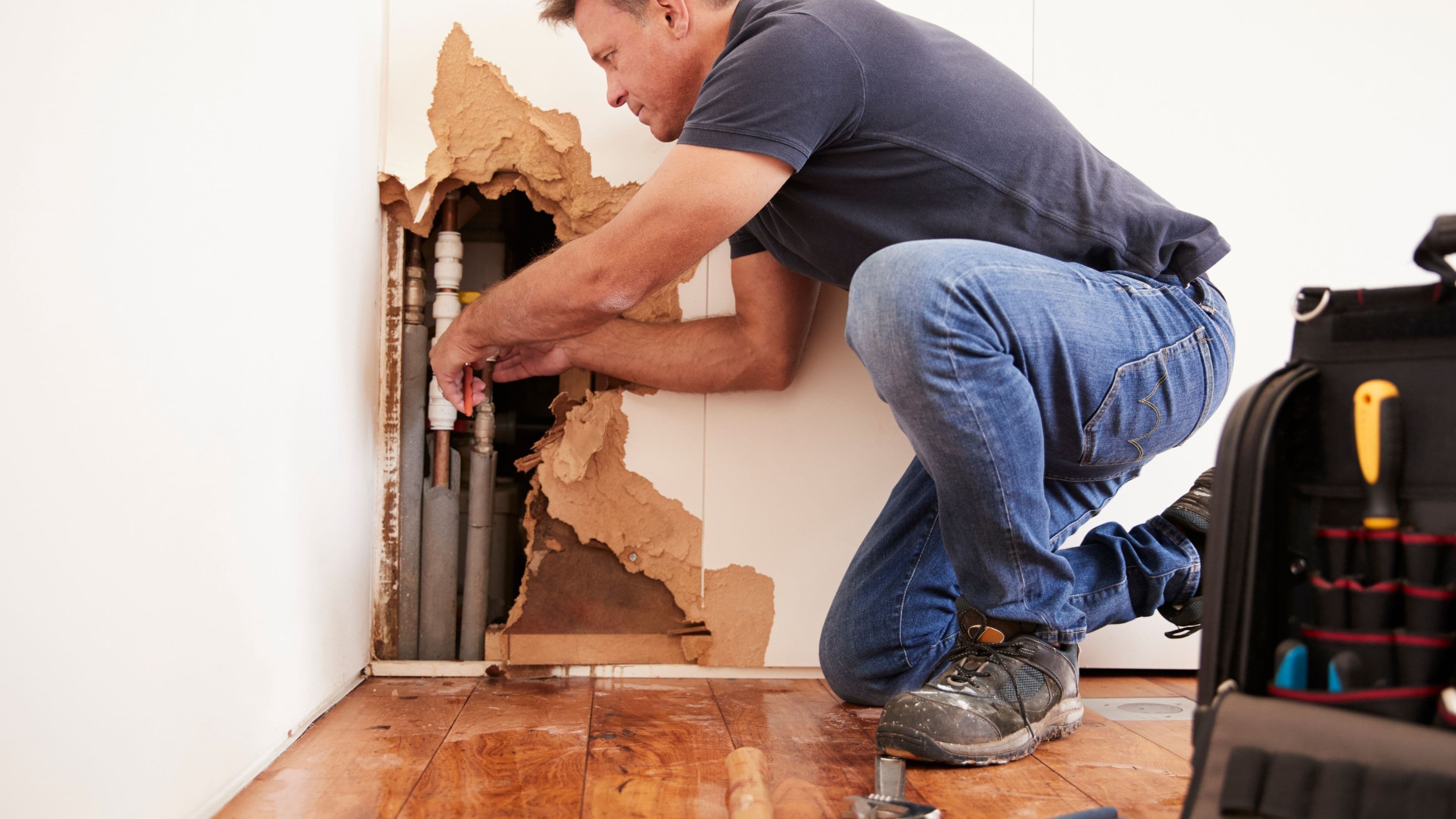
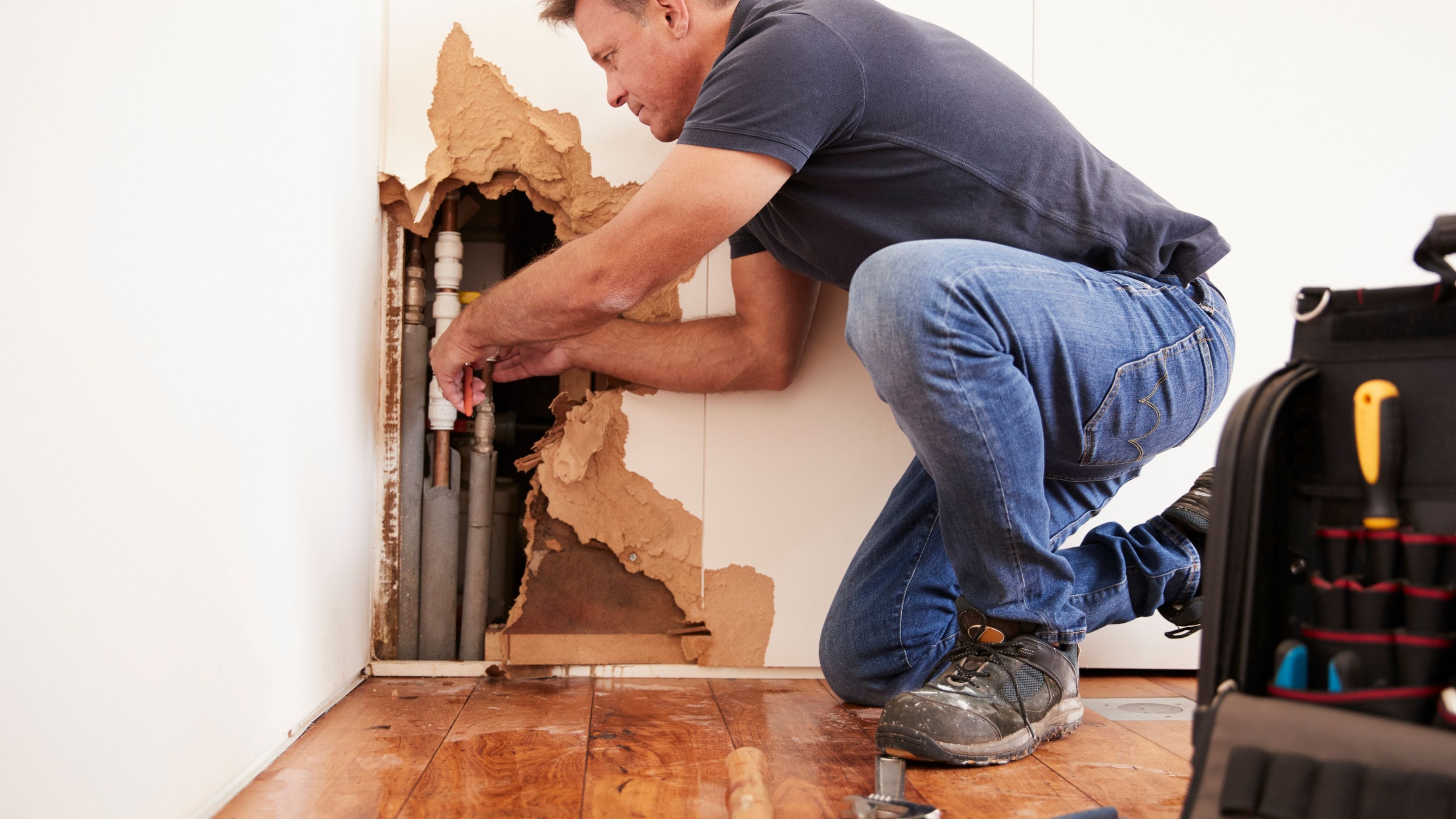
The core problem with water damage is that water doesn't stay where it lands. A slow leak under a sink doesn't just damage the cabinet floor, it wicks into subfloor, travels along joists, and can end up affecting a ceiling in a completely different room below. By the time a stain shows up on a ceiling or a wall starts to bubble, the moisture has usually been active for weeks or months, spreading well past the visible damage.
That hidden spread means a repair that looks like "replace one section of drywall" often turns into "replace subfloor, insulation, drywall across two rooms, and address mold growth that developed in the wall cavity." Homeowners are frequently shocked at repair estimates because they're comparing the visible damage to the invoice, without accounting for the material that had to come out simply to find and stop the source.
The Hidden Cost Layers
Structural material replacement. Water-damaged subfloor, framing, and drywall generally can't be dried out and reused if the exposure was prolonged, since sustained moisture weakens wood fibers and can compromise structural integrity even after it appears dry on the surface. This means genuine replacement, not just cosmetic patching, which is a labor and material cost that a simple cosmetic repair wouldn't require.
Mold remediation. Mold can begin developing within 24 to 48 hours of sustained moisture exposure in the right conditions, according to guidance from the Environmental Protection Agency. Once mold is confirmed, remediation often requires specialized containment, air scrubbing equipment, and disposal procedures beyond a standard repair, which adds a separate cost category most people don't budget for until they're already in it.
Content and belongings damage. Water damage frequently ruins flooring, furniture, and personal belongings in addition to the structure itself, and replacing those items is a cost that falls outside typical "repair" estimates but still comes directly out of pocket or through an insurance claim.
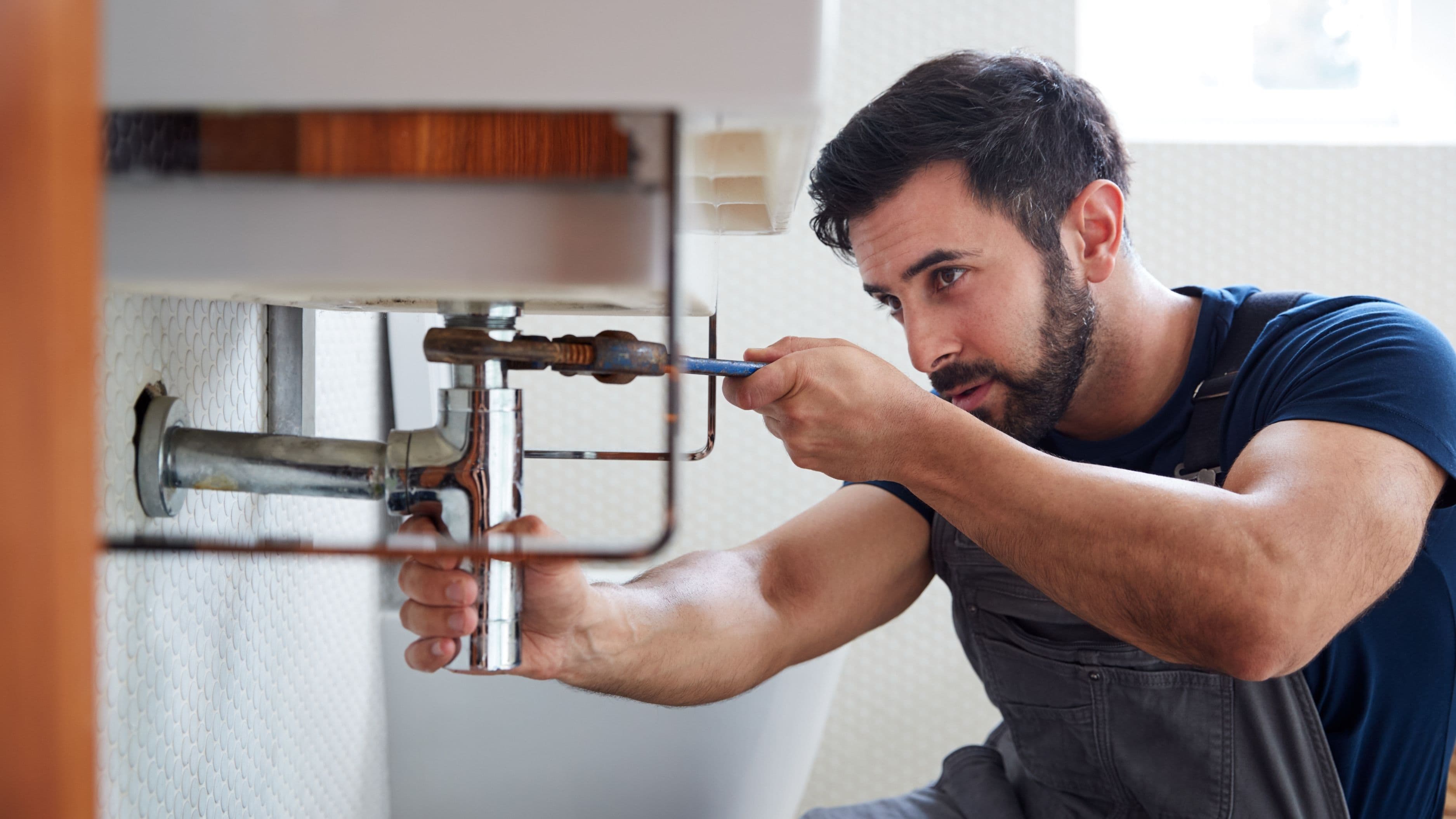
Diagnostic costs before repair even starts. Because water travels along the path of least resistance rather than straight down, finding the actual source sometimes requires leak detection specialists, thermal imaging, or systematically opening up multiple sections of wall or ceiling, all of which adds cost before any actual repair work begins.
Why It's Worse Than Most Other Home Repairs
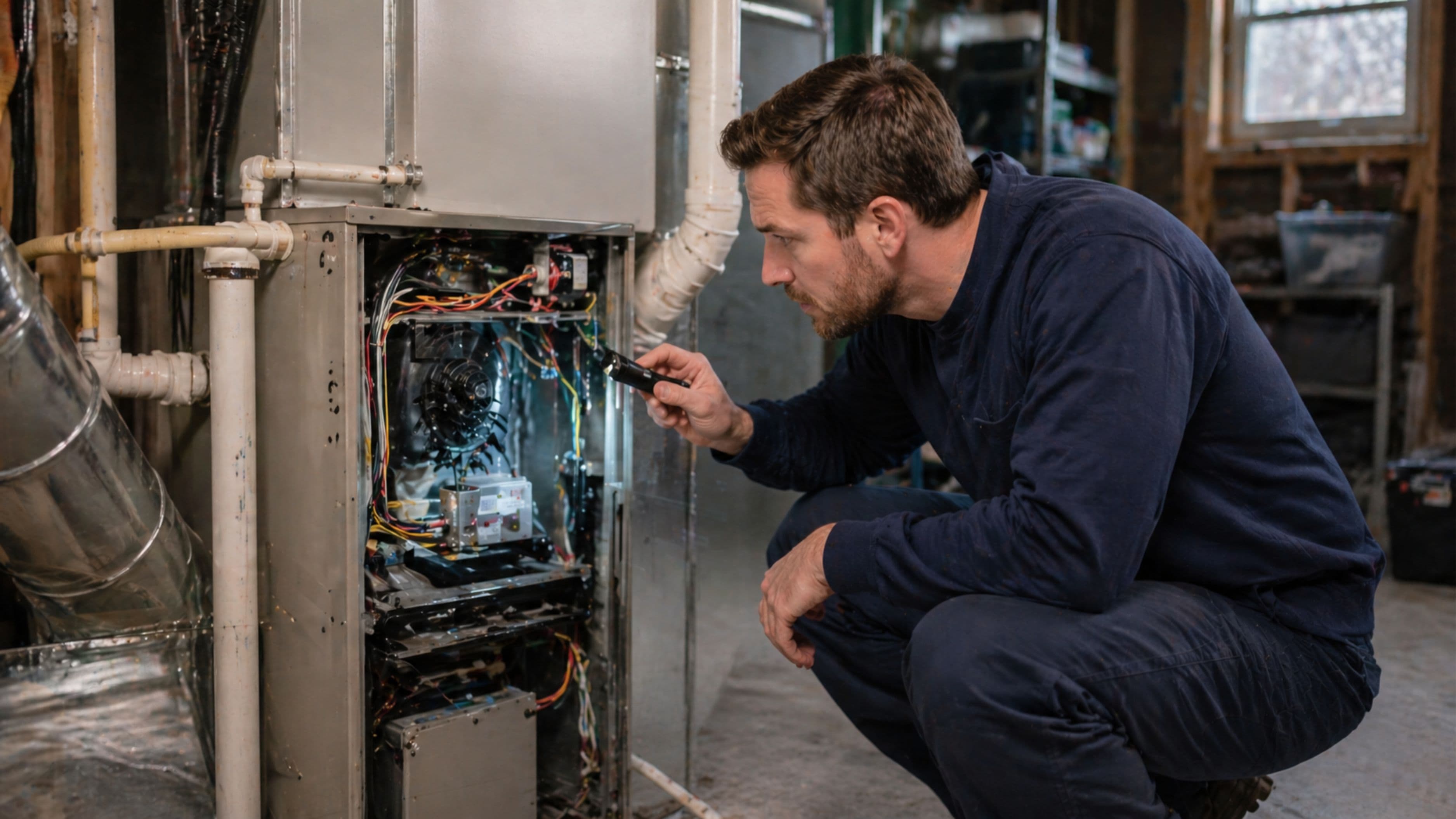
Compare this to something like a broken water heater or a failing HVAC unit, both of which are expensive but contained. You know exactly what failed, and the repair scope doesn't expand once you start. Water damage is fundamentally different because the damage scope is often unknown until you start opening things up, and every additional day of exposure before discovery tends to widen that scope further.
There's also a compounding factor: many home insurance policies distinguish between "sudden and accidental" water damage, like a burst pipe, and gradual damage from gradual leaks that went unaddressed, and gradual damage claims are far more likely to be denied or limited. That means the slow, hidden leaks, the exact kind that turn into the biggest repair bills, are also the ones most likely to leave you covering the cost yourself.
What Actually Reduces the Risk
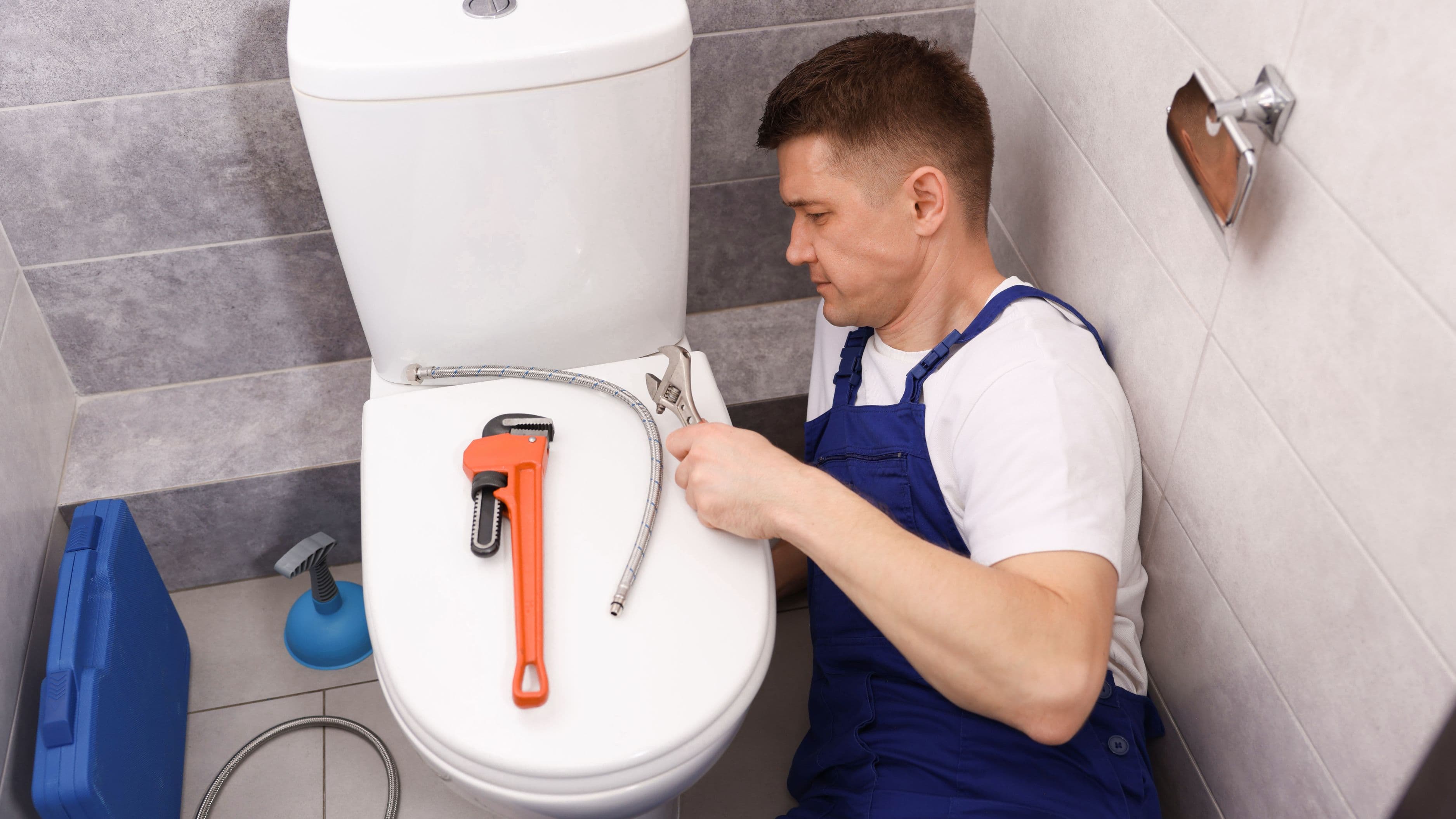
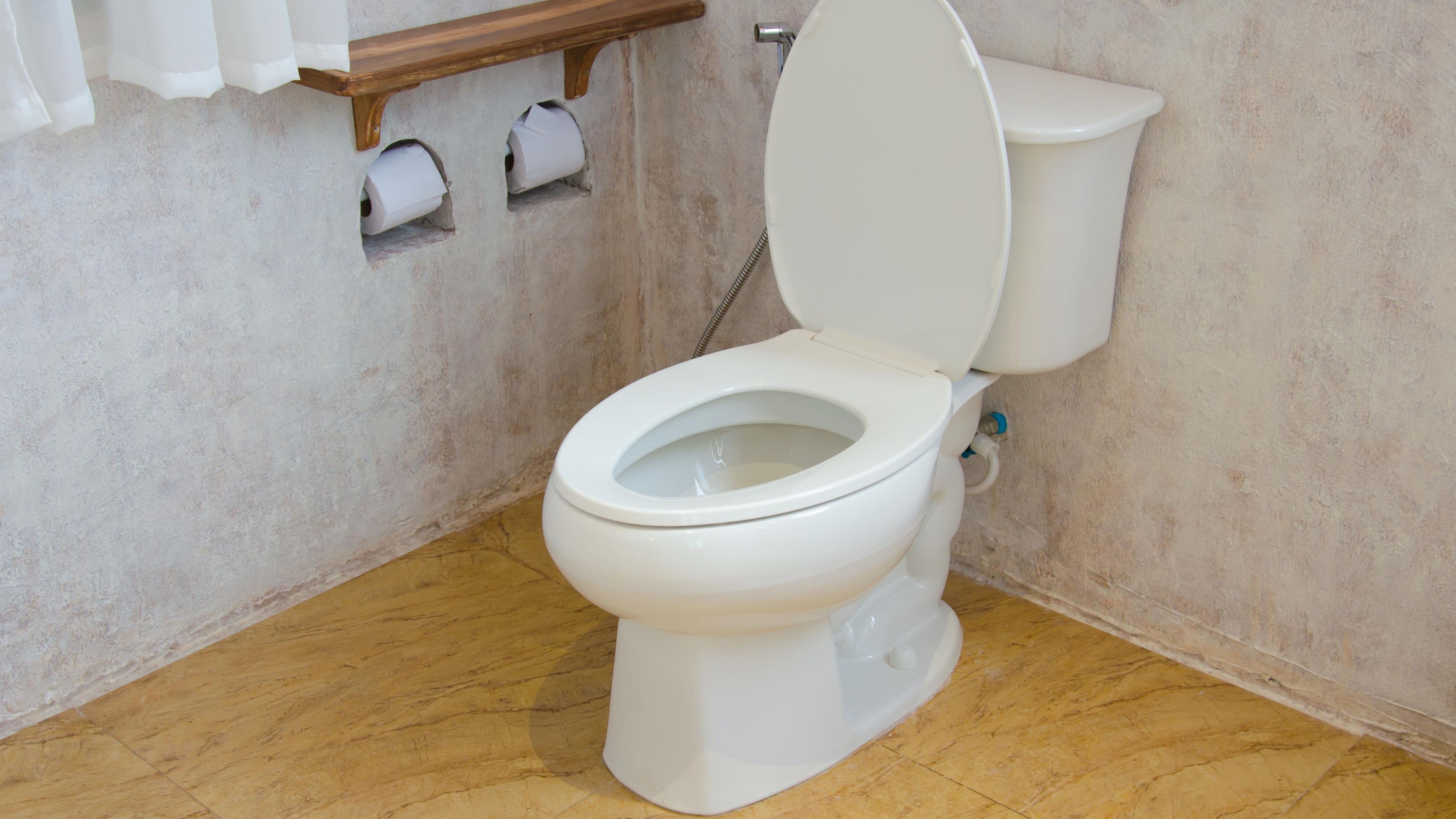
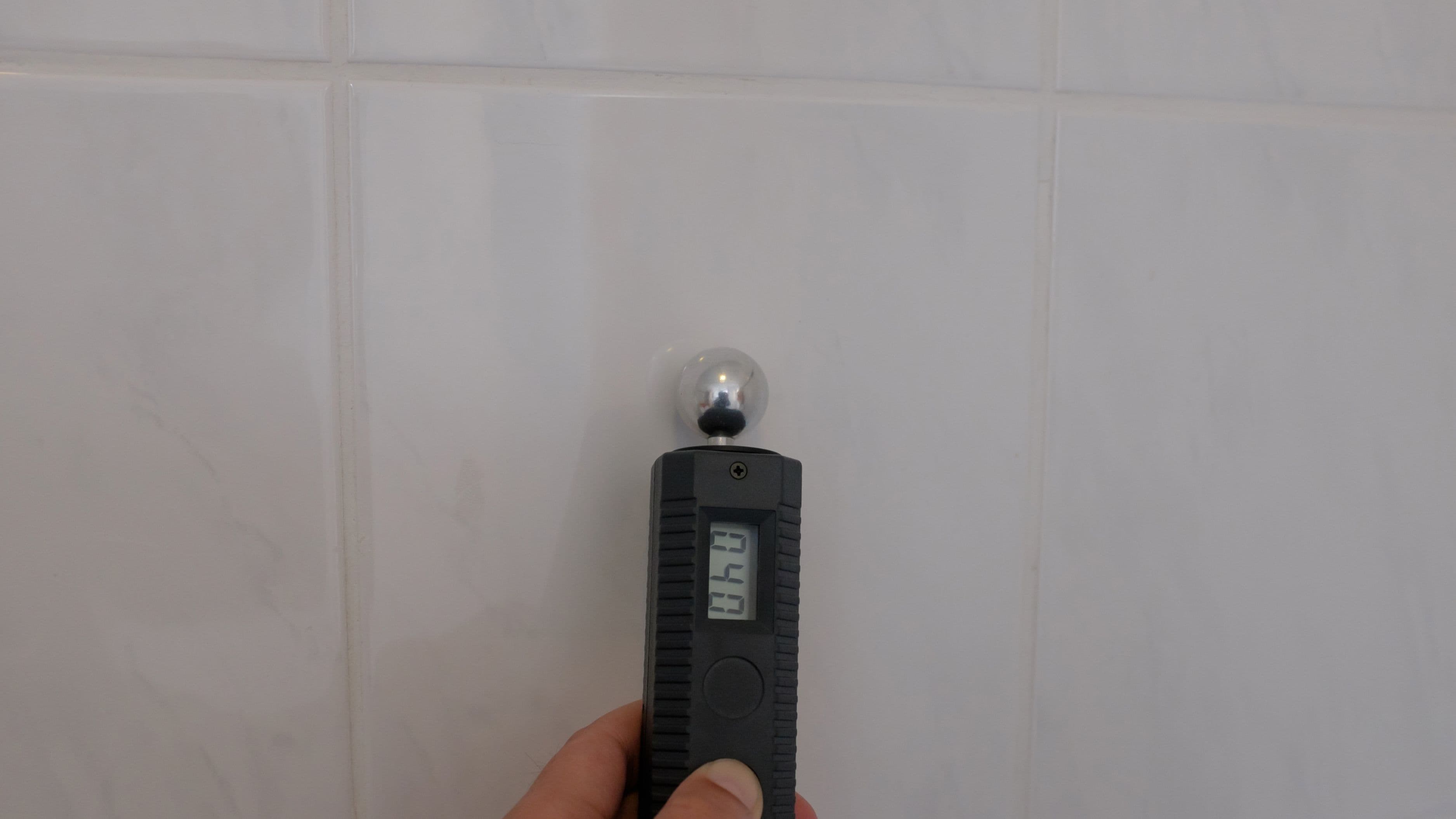
The single highest-leverage habit is catching leaks early, before they've had time to spread. Checking under sinks, around toilet bases, and near appliance connections every few months takes minutes and catches the small drips before they become structural problems. A moisture meter, which costs far less than a single repair visit, is a genuinely useful tool for periodically checking areas with a history of dampness or areas near plumbing runs.
Water leak detection sensors, small battery-powered devices placed near washing machines, water heaters, and under sinks, have also become inexpensive enough that placing a handful around common failure points is a reasonable investment relative to the repair costs they can help you avoid. Many connect to a phone app and alert you the moment moisture is detected, closing the exact gap, time between leak start and discovery, that makes water damage so expensive in the first place.
Regular maintenance on appliances with water connections, washing machines, dishwashers, refrigerators with ice makers, also matters more than most homeowners assume, since supply line failures on these appliances are one of the most common sources of significant water damage claims.
Common Mistakes
A common mistake is delaying repair on a "small" leak because it doesn't seem urgent, when the real cost of water damage comes from time, not the initial leak size. A slow drip left unaddressed for six months can cause more total damage than a larger leak caught and fixed within a day. Another mistake is drying visible surfaces after a leak and assuming the problem is solved, without checking whether moisture has traveled into wall cavities or subfloor where it isn't visible. Relying purely on smell or visible staining to judge whether a past leak caused lasting damage is also unreliable, since moisture can sit in structural materials without an obvious smell for some time.
When to Call a Professional
Any water damage involving more than a small, immediately contained area, standing water, ceiling staining, or any sign of mold growth warrants a professional water damage restoration assessment rather than a DIY approach. Professionals have moisture meters, thermal cameras, and drying equipment that can properly verify a structure is fully dry before repairs are closed up, which matters because closing up a wall over material that's still slightly damp is one of the most common causes of recurring mold problems after a repair.
FAQ
Does homeowners insurance cover water damage? It depends heavily on the cause. Sudden events like a burst pipe are typically covered, while gradual leaks from long-term neglect are frequently excluded or limited. Review your specific policy language, since coverage varies significantly between insurers.
How long does it take for water damage to become serious? Mold can begin developing within 24 to 48 hours in the right conditions, and structural wood damage can begin within days of sustained saturation, which is why quick response after any leak matters significantly.
Is it worth installing water leak sensors in an older home? Generally yes, especially near appliances with water connections and in areas with a history of moisture issues, given how inexpensive the sensors are relative to even a moderate water damage repair.
Outro
Water damage earns its reputation as the most expensive category of home repair because of what happens in the gap between when it starts and when you notice, not necessarily because the initial cause was especially severe. Closing that gap with regular checks, leak sensors, and quick response to even minor drips is the most reliable way to keep a small problem from quietly becoming a five-figure one.
📚 Sources
U.S. Environmental Protection Agency – A Brief Guide to Mold, Moisture, and Your Home. https://www.epa.gov/mold/brief-guide-mold-moisture-and-your-home
Insurance Information Institute – Water Damage Facts and Statistics. https://www.iii.org/fact-statistic/facts-statistics-homeowners-and-renters-insurance