Installation and Replacement
One of the main services HVAC companies provide is installing new systems. This includes furnaces, air conditioners, heat pumps, boilers, and ductless mini-split systems. A good contractor doesn't just swap old equipment for new. They calculate your home's heating and cooling needs, often using a load calculation such as Manual J, so the system is correctly sized. Oversized or undersized equipment wastes energy, wears out faster, and leaves rooms uncomfortable.
Repairs and Diagnostics
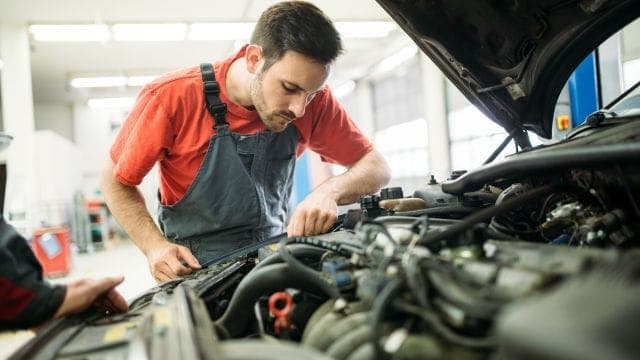
When something goes wrong, HVAC technicians diagnose and fix the problem. Common repairs include replacing failed capacitors, motors, igniters, and thermostats, fixing refrigerant leaks, and clearing drainage problems. Many companies offer emergency service for situations like no heat in winter or no cooling during extreme heat.
Preventive Maintenance
Regular maintenance is one of the most valuable services an HVAC company offers. A typical tune-up includes cleaning components, checking refrigerant levels, testing electrical connections, inspecting burners and heat exchangers, lubricating moving parts, and replacing filters. Experts commonly recommend servicing heating equipment before winter and cooling equipment before summer. Many companies sell annual maintenance plans that include scheduled tune-ups, priority service, and repair discounts.
Ductwork Services
Ducts carry heated and cooled air throughout your home, and leaks or poor design can waste a significant share of that energy. HVAC companies inspect, seal, repair, and replace ductwork, and they may design new duct layouts for additions or remodels. Some also offer duct cleaning, which can be useful after renovations or when ducts are visibly dirty.
Indoor Air Quality Solutions
Modern HVAC companies often help improve the air inside your home. Services can include installing upgraded air filters, air purifiers, whole-home humidifiers and dehumidifiers, and ventilation systems such as energy recovery ventilators (ERVs) or heat recovery ventilators (HRVs). These are especially helpful for households with allergies or in tightly sealed homes.
Thermostats and Controls
HVAC technicians install and configure smart and programmable thermostats, as well as zoning systems that let you control temperatures in different areas of the home separately. Proper setup can improve comfort and reduce energy use.
Energy Efficiency Guidance
Many HVAC companies help homeowners understand efficiency ratings, compare equipment options, and find available rebates from utilities or state programs. Some offer home energy assessments to identify where your home is losing heat or cool air.
What to Look for in an HVAC Company
Look for licensing as required in your area, proper insurance, and technicians with recognized training such as NATE certification. Technicians who handle refrigerants must hold EPA Section 608 certification. Ask for written estimates, warranty details, and references.
Mistakes to Avoid
Waiting for a breakdown before scheduling maintenance
Accepting a replacement quote without a load calculation
Ignoring leaky or poorly designed ductwork
Choosing a company based on price alone
Final Thoughts
HVAC companies do far more than fix broken equipment. From installation and maintenance to air quality and efficiency upgrades, they help keep your home comfortable year-round. Building a relationship with a reliable HVAC company before an emergency happens is one of the best investments you can make in your home's comfort.