
Why This Decision Matters More Than Most DIY Calls
Roofing mistakes compound in a way a lot of other home repairs don't. A poorly executed shingle replacement or a missed flashing seal doesn't just fail to fix the problem; it can actively create a new leak point that causes hidden water damage for months before it's noticed. Combine that with the physical risk of working at height, and roofing is one area where the cost of a mistake, in both money and safety, is genuinely higher than average.
Tasks That Are Reasonable to DIY
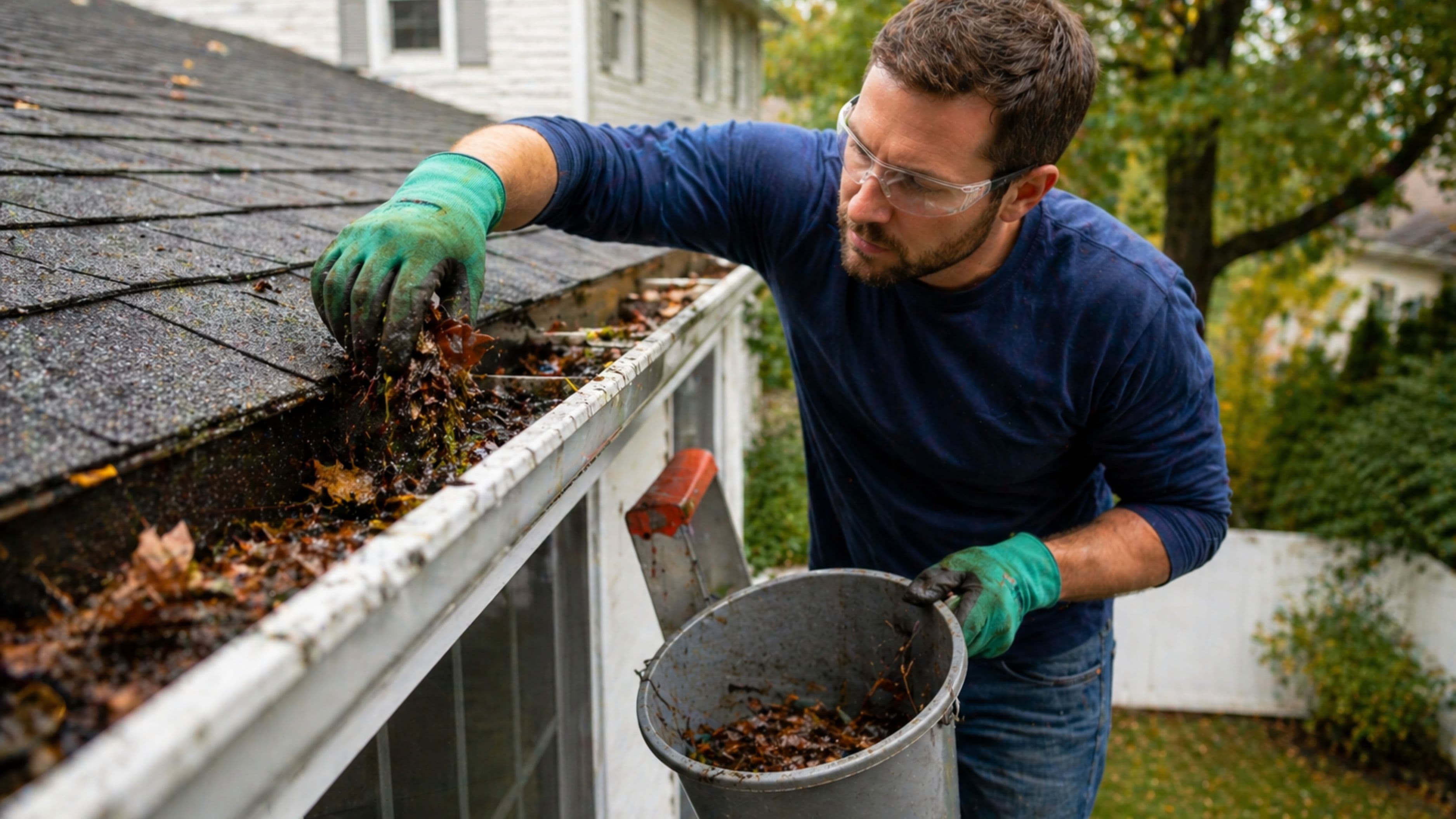
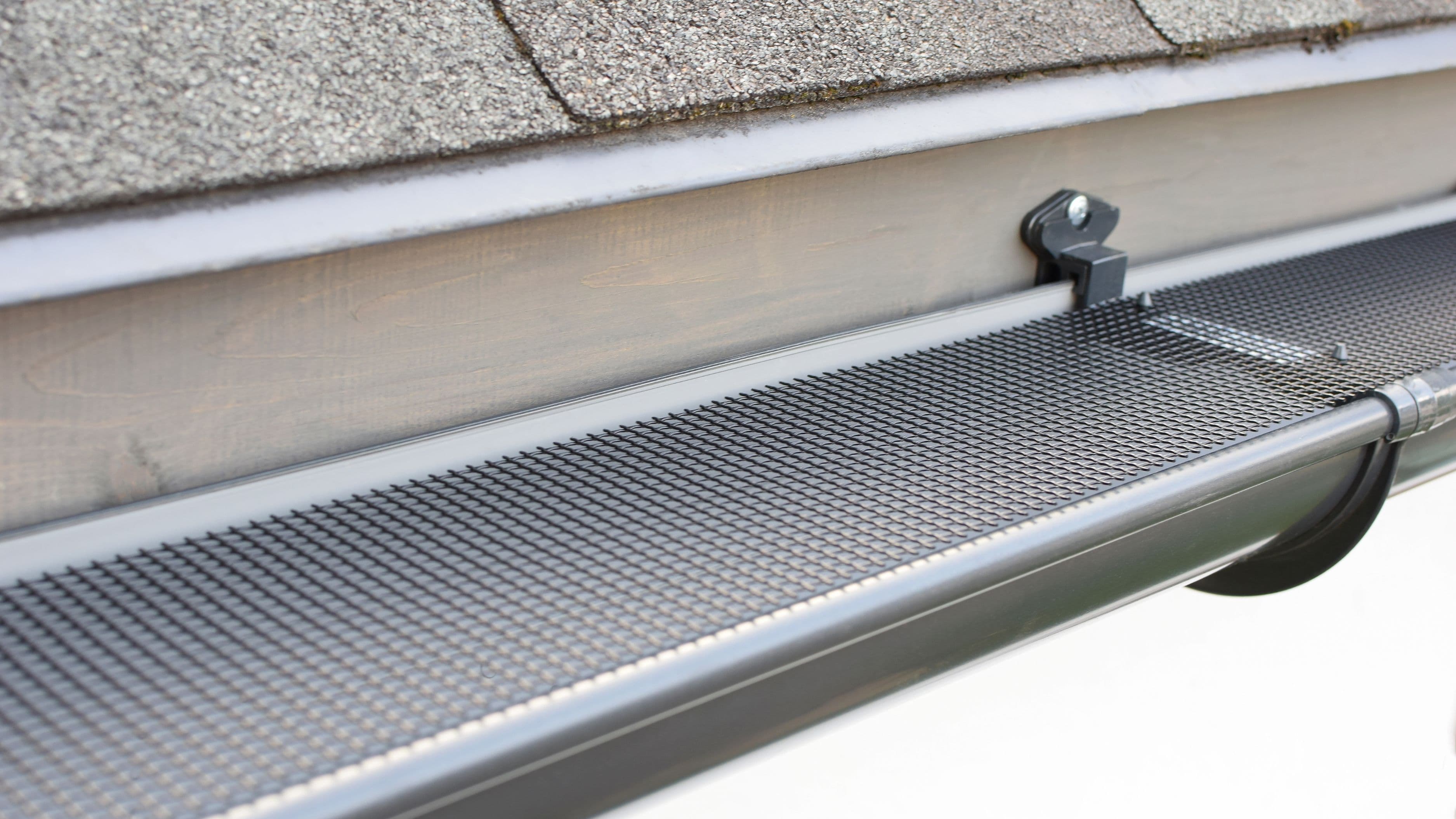
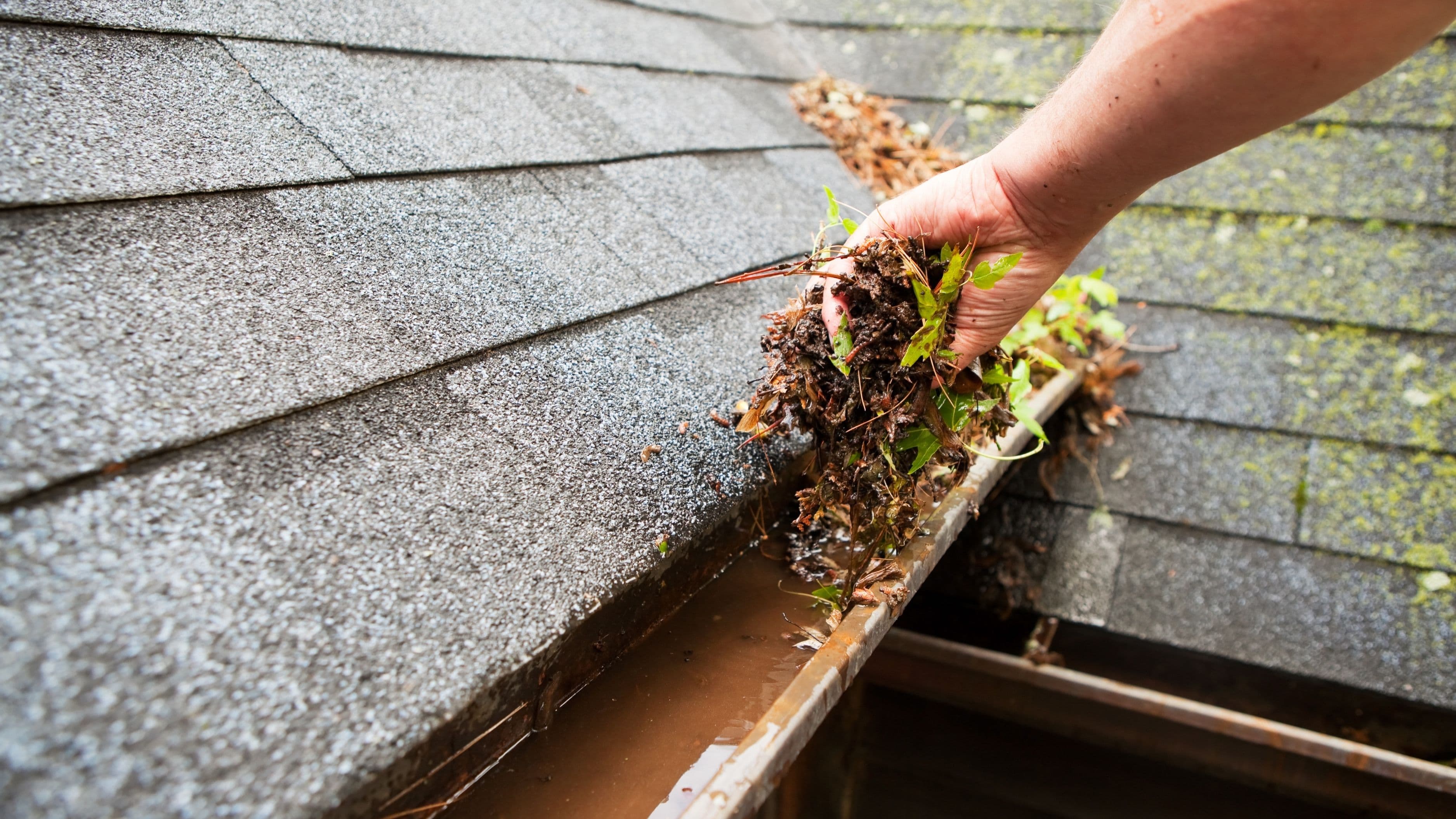
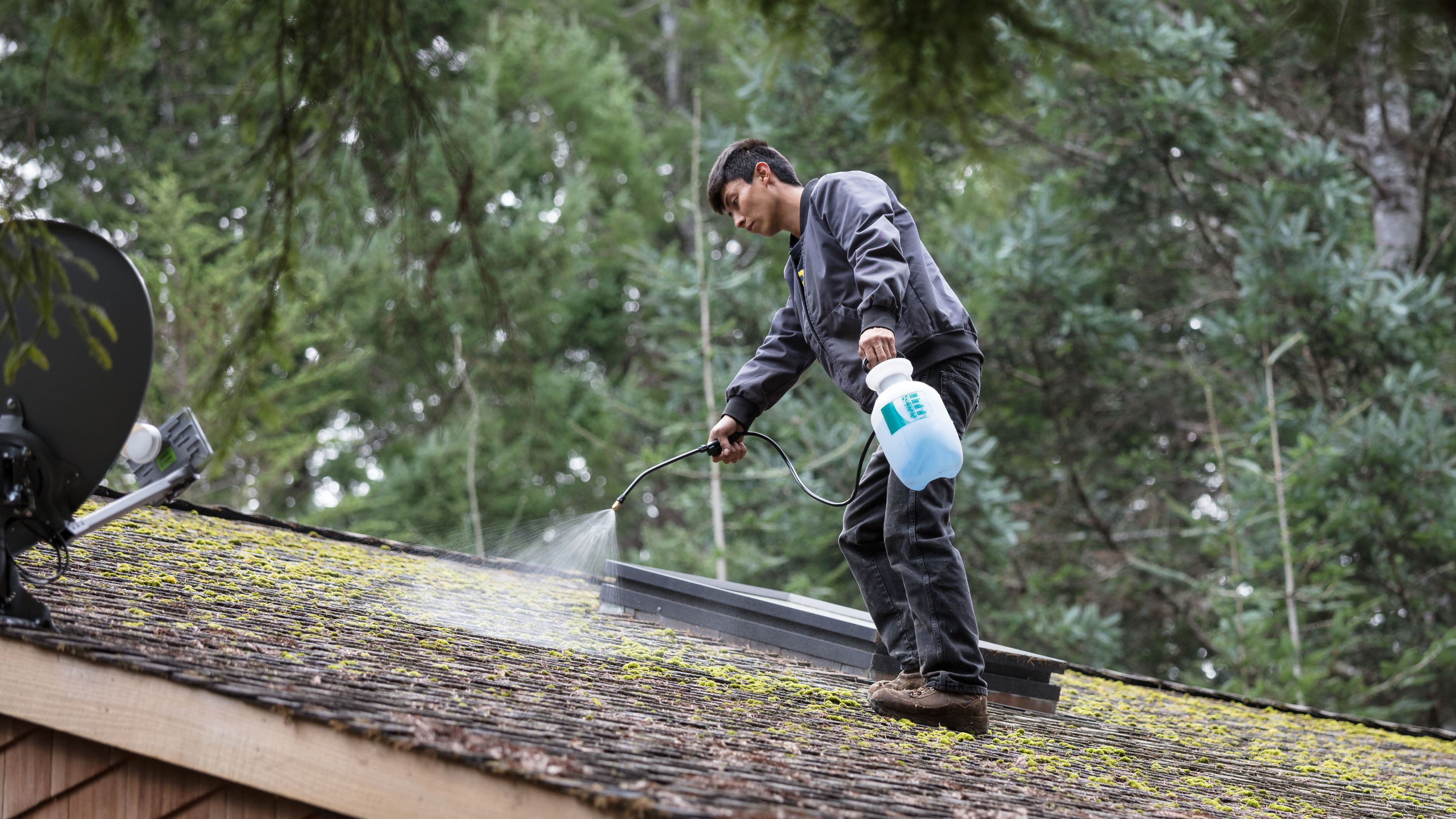
A handful of roofing tasks are within reach for a homeowner who's reasonably comfortable on a ladder and has done basic research beforehand. Cleaning gutters and removing roof debris is low-risk and doesn't require specialized skill, just careful footing and appropriate safety precautions. Replacing a single damaged or missing shingle on a low-pitch, easily accessible roof section is a manageable task with the right materials and a bit of patience.
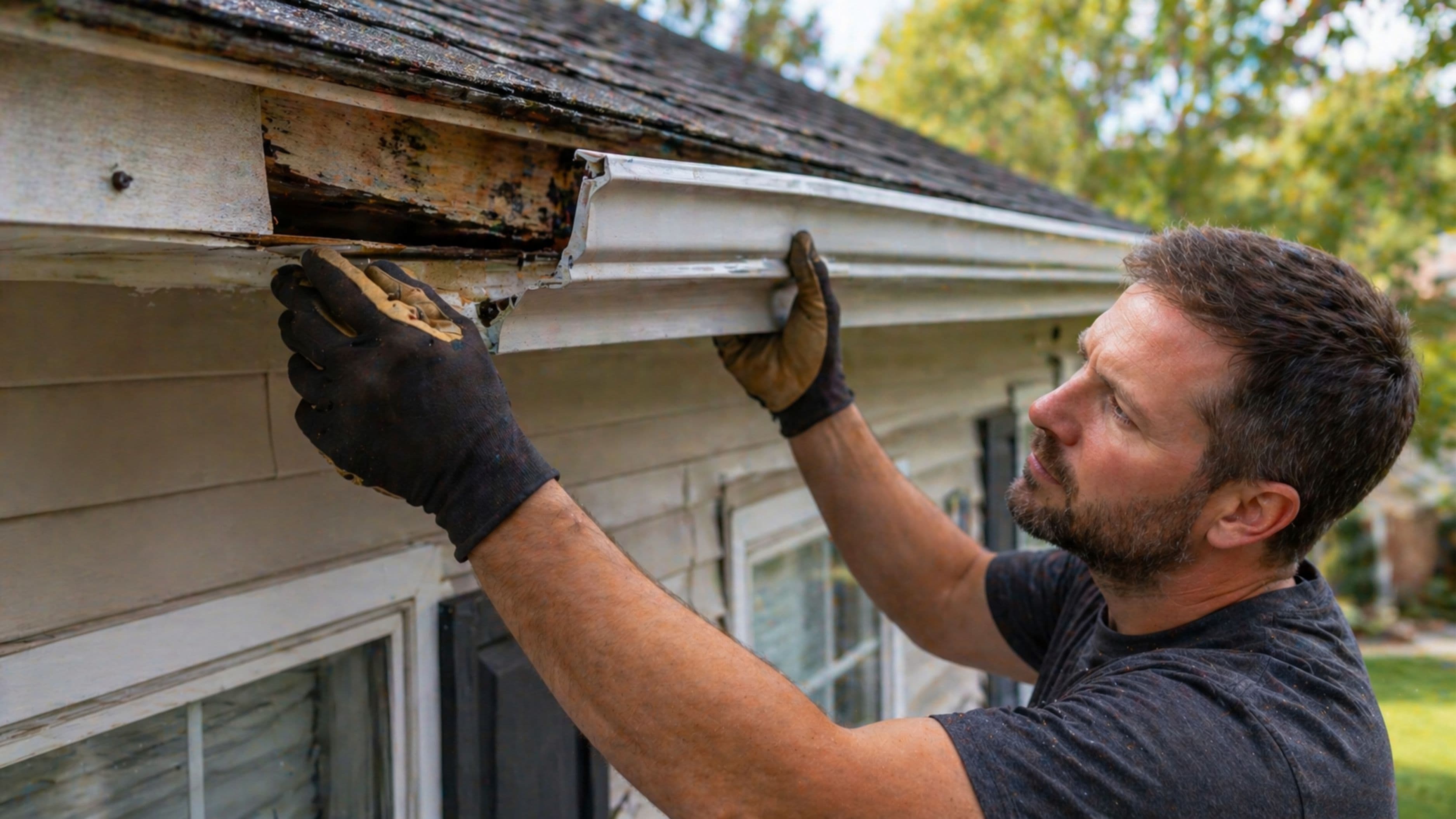
Resealing minor cracks in flashing sealant around vents or chimneys, using an appropriate roofing sealant, is another task within reach for many homeowners, provided the underlying flashing itself isn't damaged or separated. Basic visual inspections, checking for obvious wear, granule loss, or debris buildup, are safe and valuable to do yourself on a regular basis.
Tasks That Should Go to a Professional
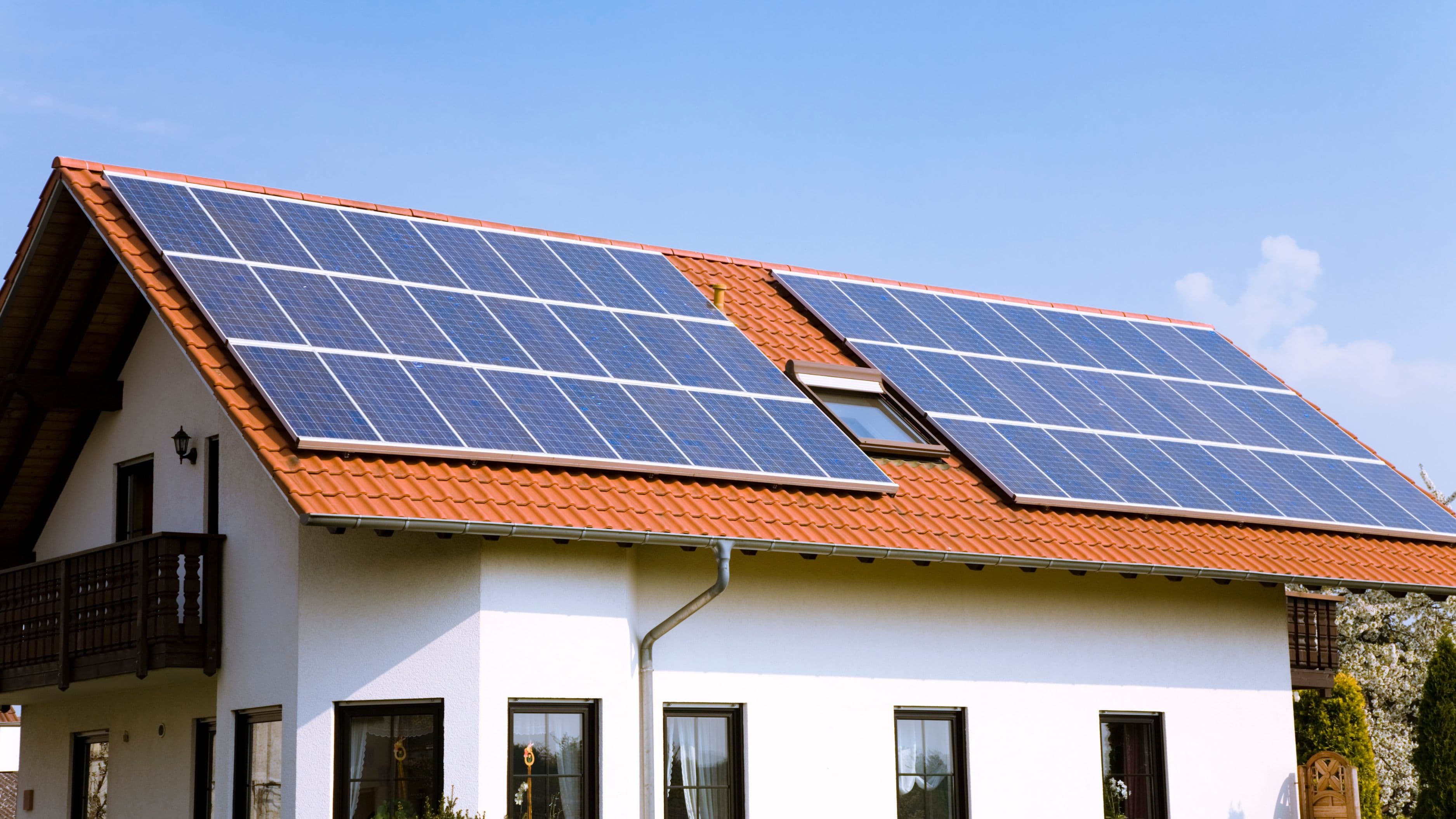
Anything involving structural repair, including replacing sections of roof decking or addressing sagging rooflines, requires a professional's assessment and expertise, since these issues often indicate underlying problems that go beyond the visible symptom. Extensive flashing replacement, particularly around complex roof features like valleys, skylights, or multiple chimney penetrations, involves a level of precision where a mistake can introduce a persistent leak that's difficult to trace later.
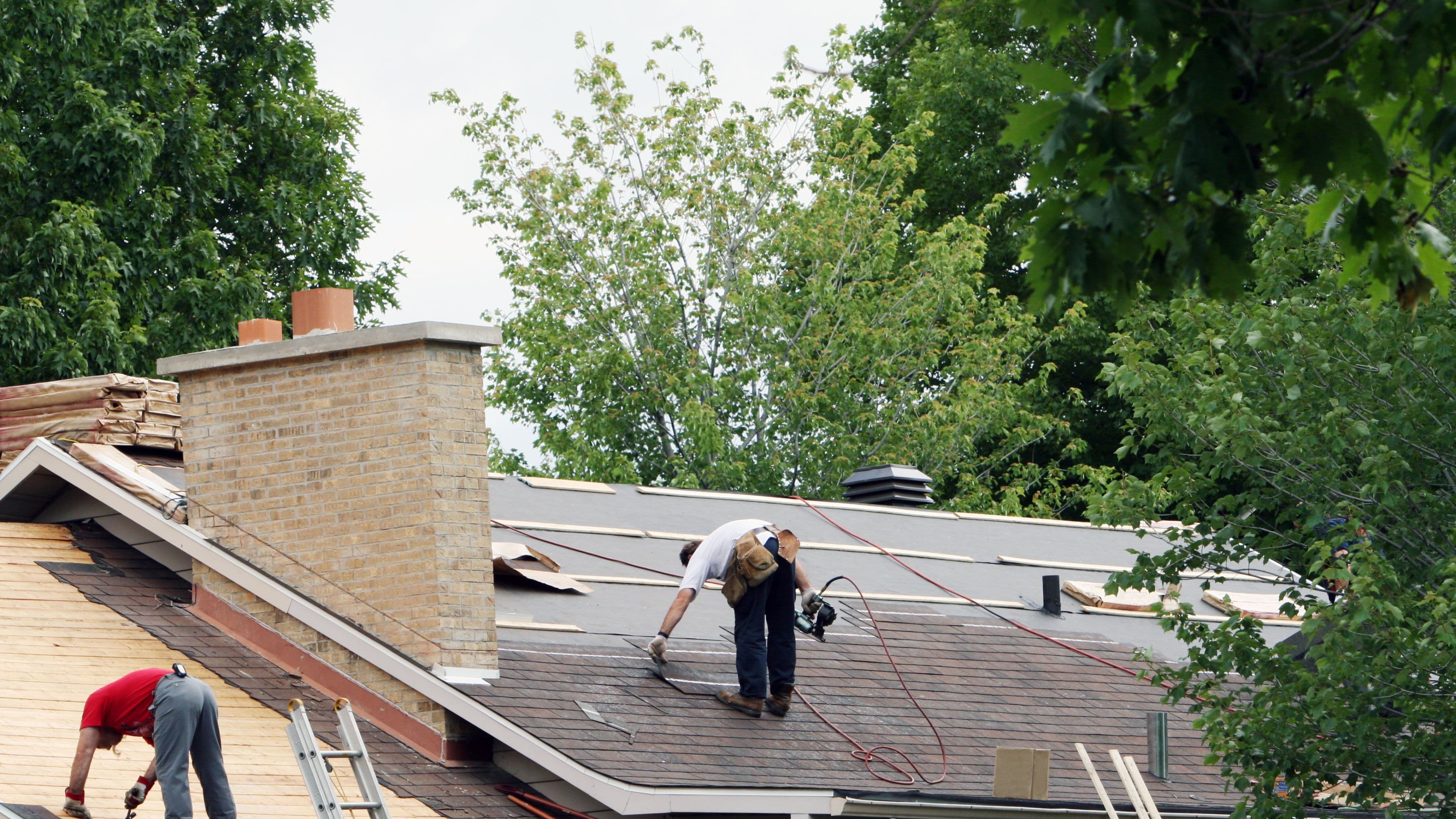
Full or partial roof replacement is squarely professional territory, both for the physical demands of the job and for the fact that most manufacturers require professional installation to honor material warranties. Any roof with a steep pitch beyond what you can safely and confidently navigate should be handled by a professional regardless of the specific task involved, since fall risk alone outweighs the savings of DIYing in that scenario.
Warning Signs That Signal Bigger Problems
Certain signs indicate a problem serious enough to warrant professional evaluation regardless of how minor it might initially look. Visible sagging anywhere along the roofline suggests structural compromise that needs assessment before any surface-level repair makes sense. Daylight visible through the roof deck from inside your attic indicates a breach significant enough that a simple patch likely won't resolve the underlying issue.
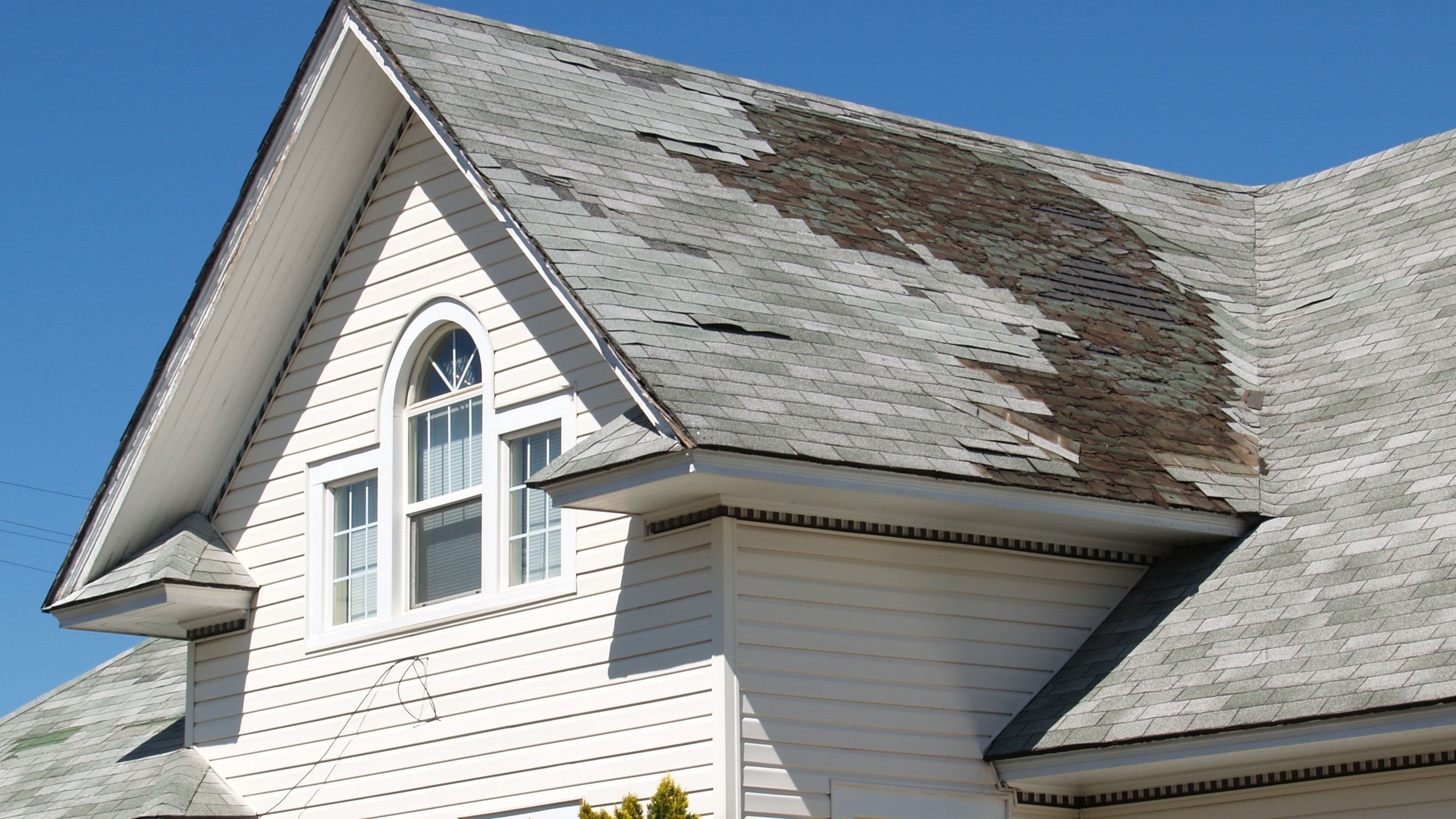
Widespread granule loss across large sections of shingles, rather than isolated spots, suggests the roofing material itself is failing broadly rather than dealing with a localized, fixable issue. Persistent leaks that keep recurring after a DIY repair attempt are also a clear signal that the underlying cause hasn't actually been addressed and needs a professional's more thorough diagnosis.
The Safety Factor You Shouldn't Discount
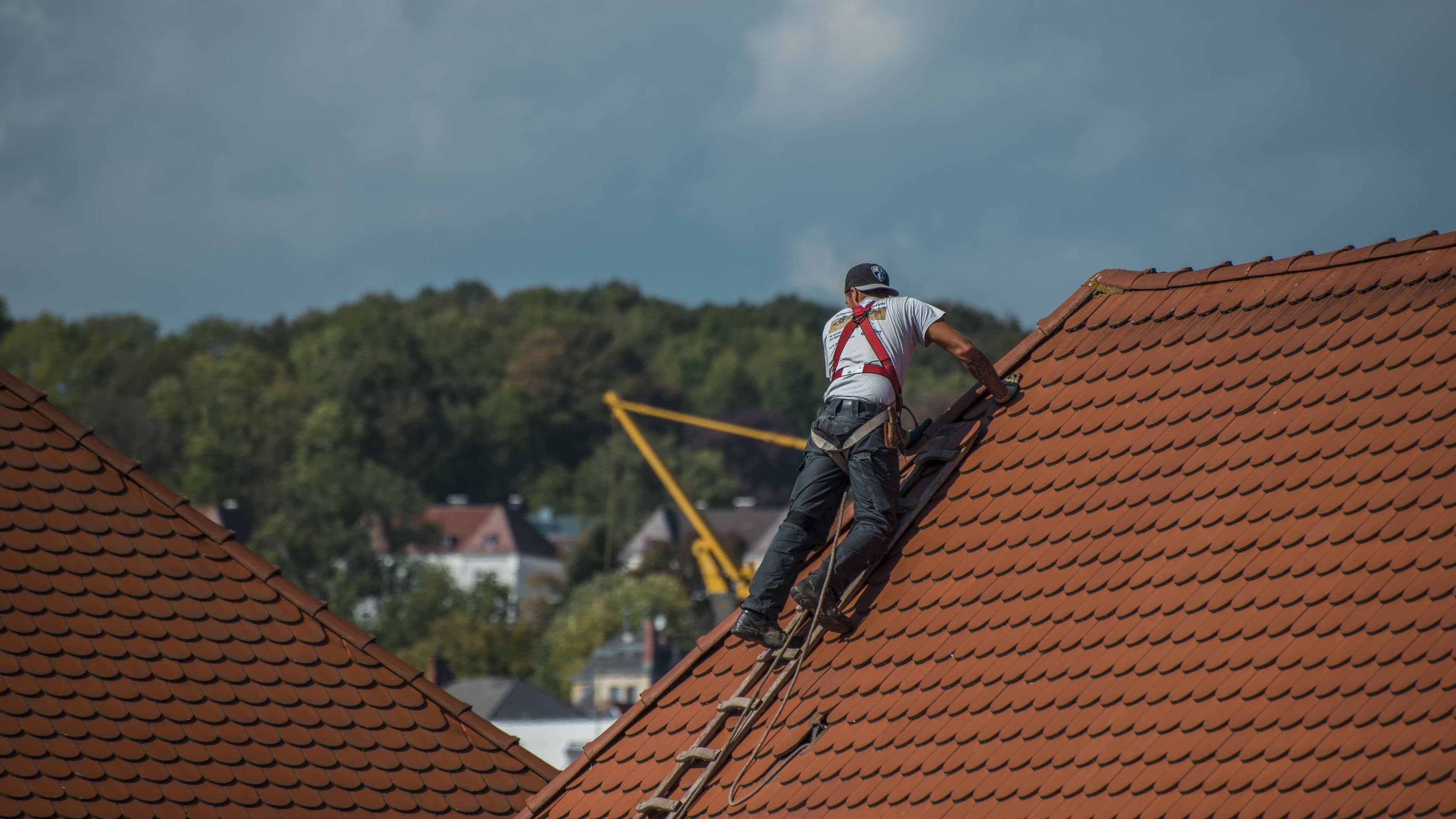
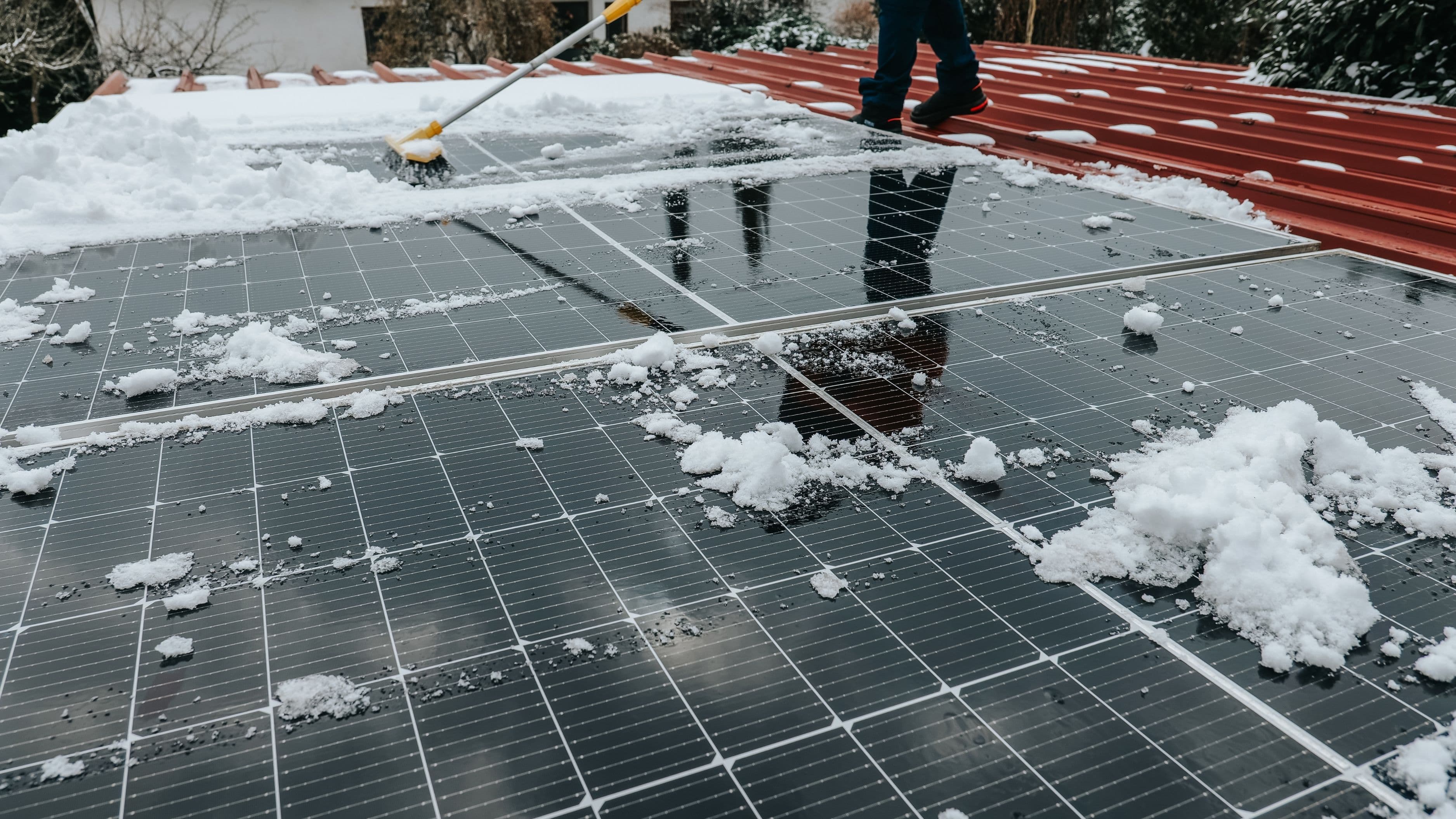
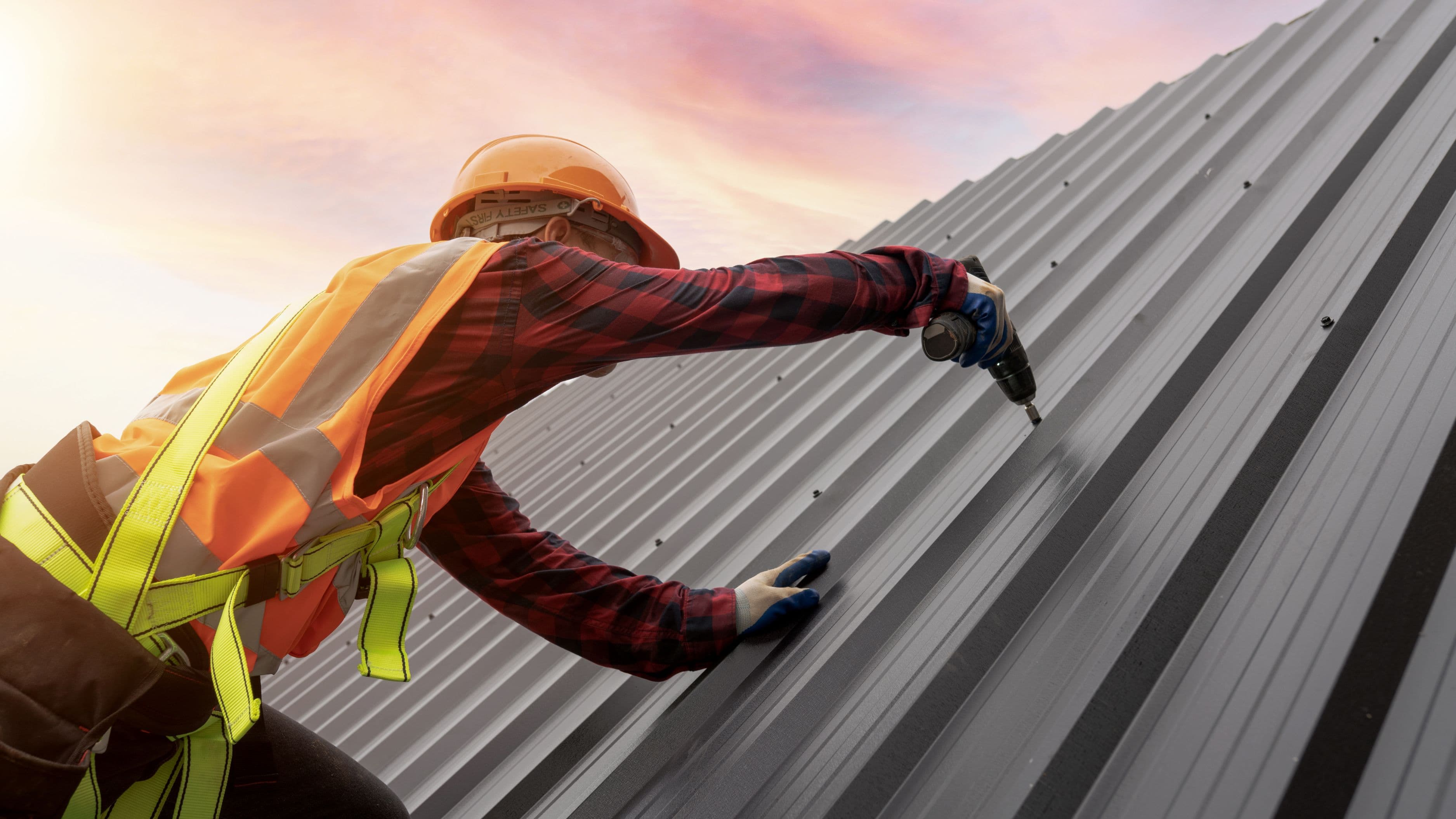
Beyond the technical skill required, roofing work involves genuine fall risk that shouldn't be minimized regardless of how capable you feel. Falls from roofs account for a significant share of home DIY injuries every year, and the risk increases meaningfully with roof pitch, wet or icy conditions, and unfamiliarity with proper safety equipment like harnesses and roof anchors.
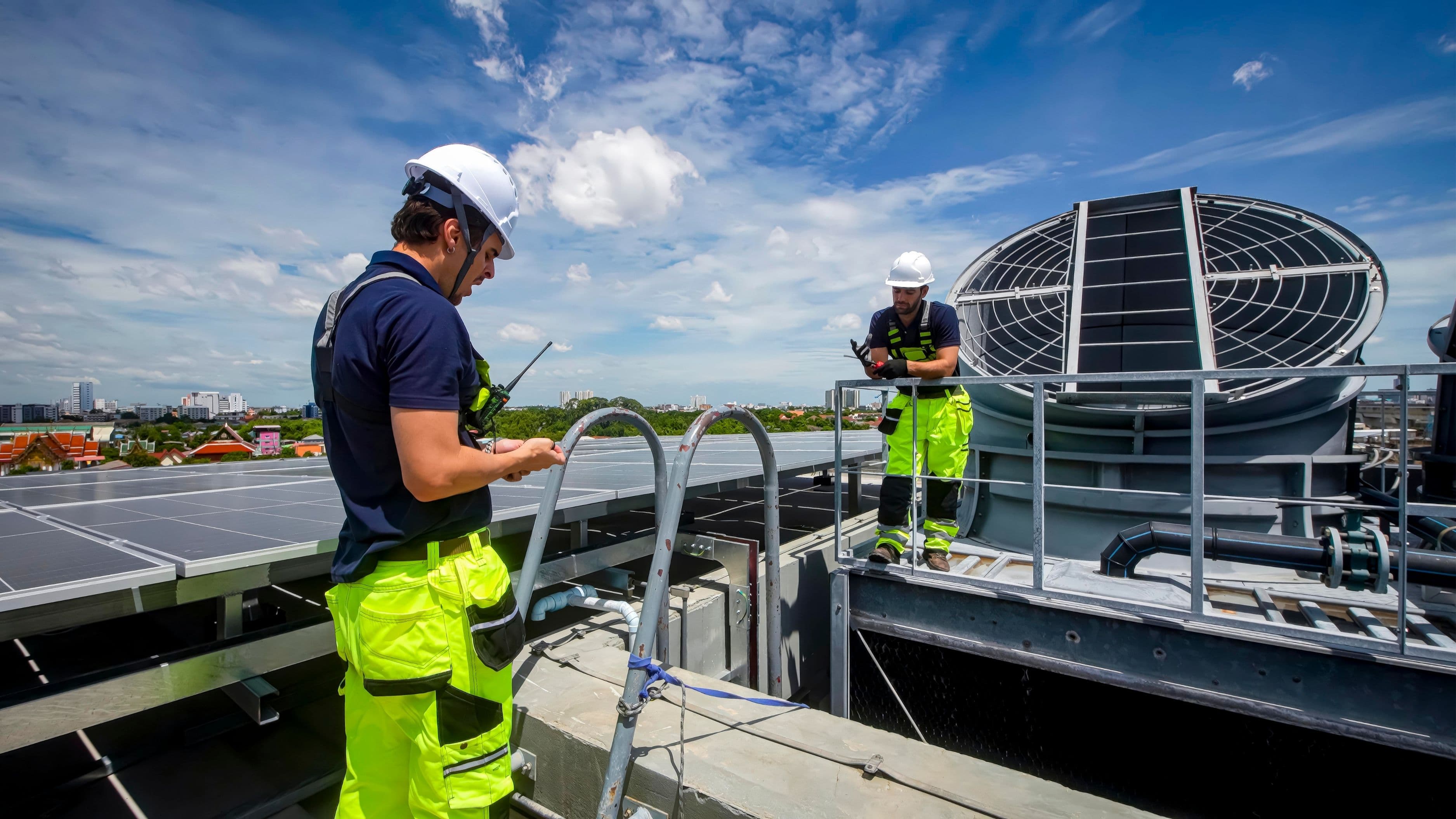
If a task requires you to work in an area where a fall would be genuinely dangerous, that alone is a legitimate reason to hire a professional, independent of whether you feel technically capable of the repair itself. Professional roofers carry insurance and safety equipment specifically designed for this risk, which is part of what you're actually paying for beyond the labor itself.
Cost Considerations
DIY repairs on the smaller, lower-risk tasks mentioned above can genuinely save meaningful money, since materials for something like a single shingle replacement or flashing resealant are inexpensive relative to a service call. But for larger repairs, a botched DIY attempt often costs more in the end than hiring a professional from the start, since you may end up paying for both the wasted materials and the eventual professional repair of the same issue, sometimes with additional damage that occurred in the interim.
It's also worth factoring in warranty considerations. Many roofing material and workmanship warranties are voided by unauthorized DIY repairs, meaning a seemingly minor DIY fix on a roof still under warranty could cost you coverage for a much larger future issue.
How to Choose a Licensed Roofing Contractor
When a task does call for a professional, verify that any contractor you're considering is properly licensed and insured in your state, and ask for proof of both before work begins. Request references from recent local jobs, and check for a documented history of complaints or unresolved issues with organizations like your state's contractor licensing board.
Get at least two or three quotes for anything beyond a minor repair, and be wary of unusually low bids, which sometimes indicate corners will be cut on materials or workmanship. A reputable contractor should be willing to provide a written estimate detailing materials and labor, along with a reasonable estimated timeline for the work.
Common Mistakes
A common mistake is underestimating the complexity of flashing work, which looks simple but requires precise layering and sealing to actually prevent leaks long term. Another is continuing to attempt repairs on a roof section with a pitch that's genuinely unsafe to navigate, purely to save on the cost of a professional. And a frequent oversight is not checking whether a planned DIY repair will void an existing manufacturer or workmanship warranty before starting the work.
FAQ
How do I know if my roof's pitch is too steep to safely DIY? As a general guideline, roofs with a pitch steeper than about 6:12 (a 6-inch rise for every 12 inches of run) become significantly more hazardous to navigate without professional safety equipment, and many professionals recommend treating anything steeper as professional-only territory.
Will a small DIY repair void my roof's warranty? It depends on your specific manufacturer and installer warranty terms, but many workmanship warranties do require professional service to remain valid, so it's worth checking your documentation before attempting even minor repairs.
How much does a professional roof inspection typically cost? Costs vary by region and roof size, but a standalone inspection is generally a modest expense relative to the cost of catching a major issue before it worsens.
What to Avoid
Don't attempt structural repairs or extensive flashing work without professional training, regardless of how straightforward it looks in an online tutorial. Don't work on a steep or wet roof surface without proper safety equipment. Don't ignore signs of sagging or widespread material failure, assuming they're isolated, minor issues. And don't skip checking your warranty terms before attempting DIY repairs on a roof that's still under coverage.
📚 Sources
Occupational Safety and Health Administration, "Falls from Ladders and Roofs" – https://www.osha.gov/falls
National Roofing Contractors Association, "Hiring a Professional Roofing Contractor" – https://www.nrca.net/