
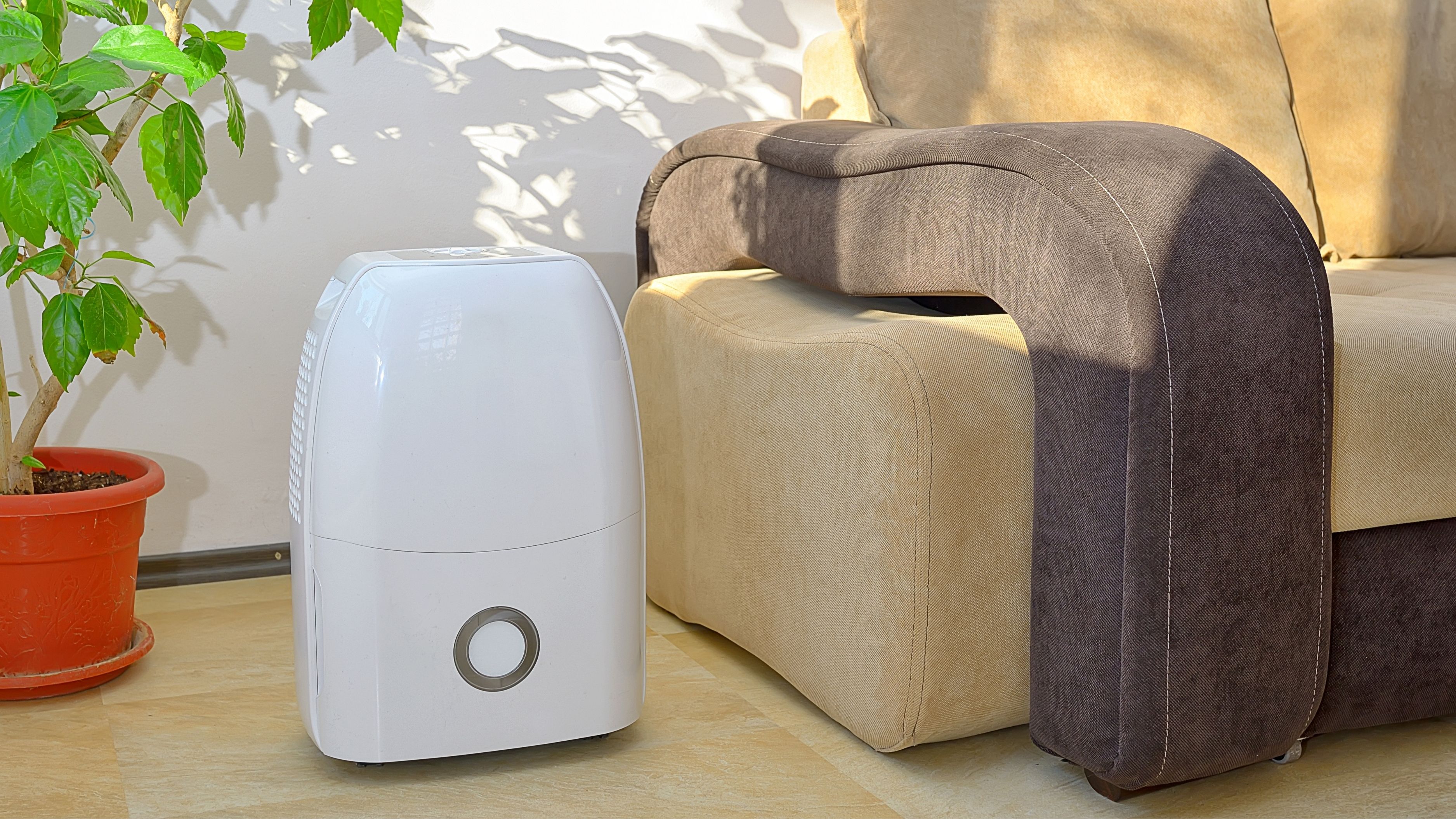
A whole-home dehumidifier is that better solution for a lot of households. But it's also a meaningful investment, and it's not the right fit for every situation. This guide breaks down exactly what these systems do, how they differ from the portable unit in your basement, the signs that suggest you actually need one, and what installation looks like so you can go in with realistic expectations.
What a Whole-Home Dehumidifier Actually Is
A whole-home dehumidifier – also called a whole-house dehumidifier or central dehumidifier – is a unit that integrates directly into your home's HVAC ductwork. Instead of treating a single room, it pulls air from throughout the house, removes moisture from it, and returns the drier air back through the duct system. The result is controlled humidity in every room simultaneously, not just wherever you've parked a portable unit.
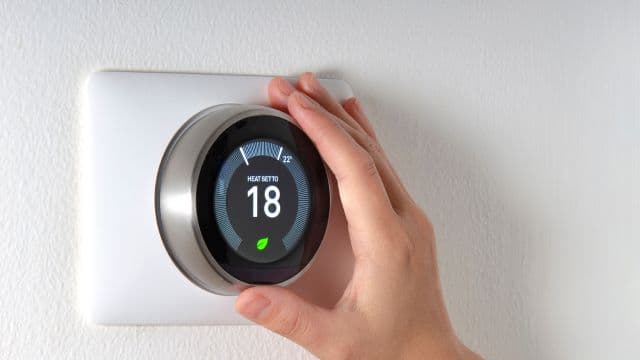
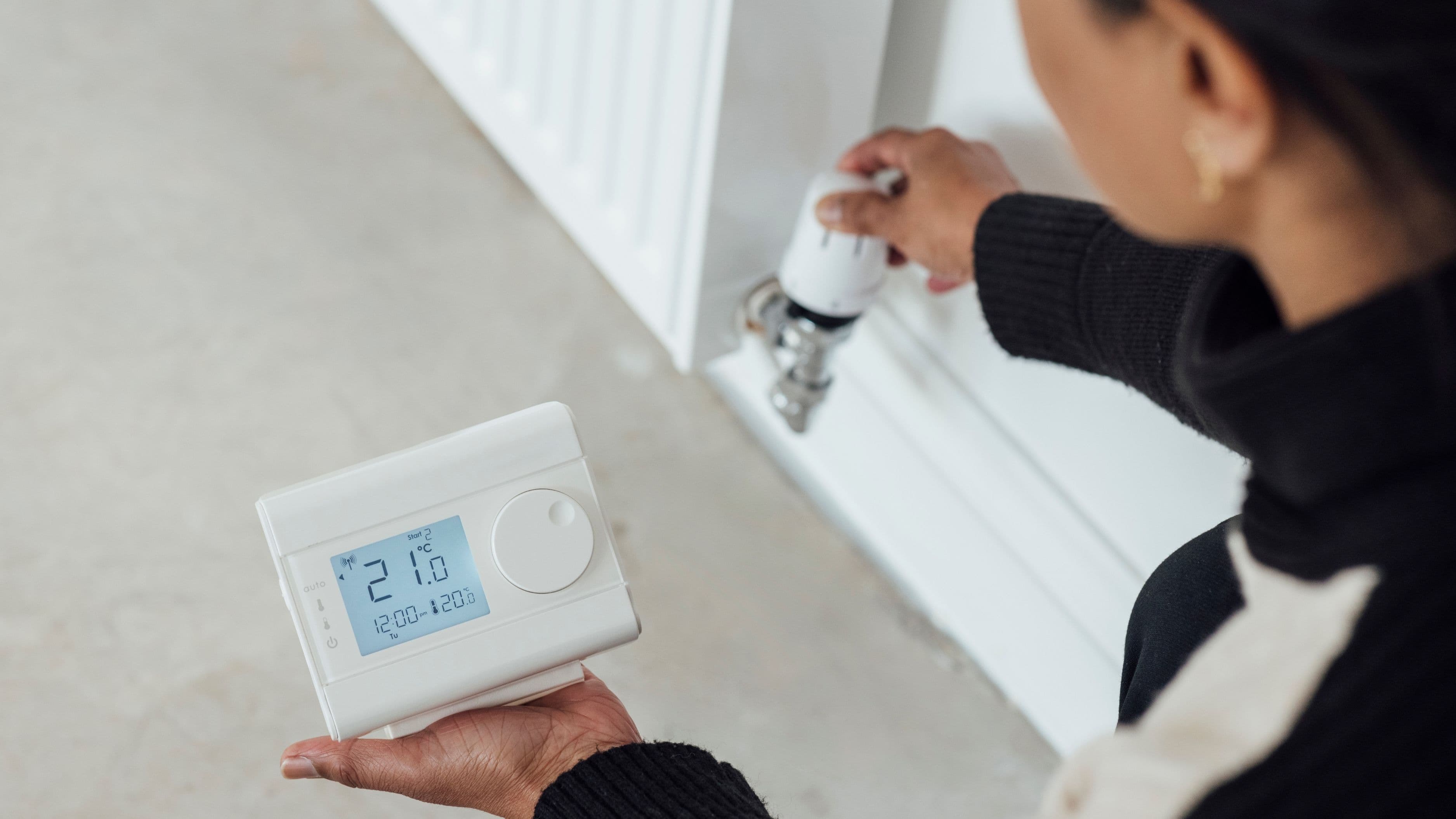
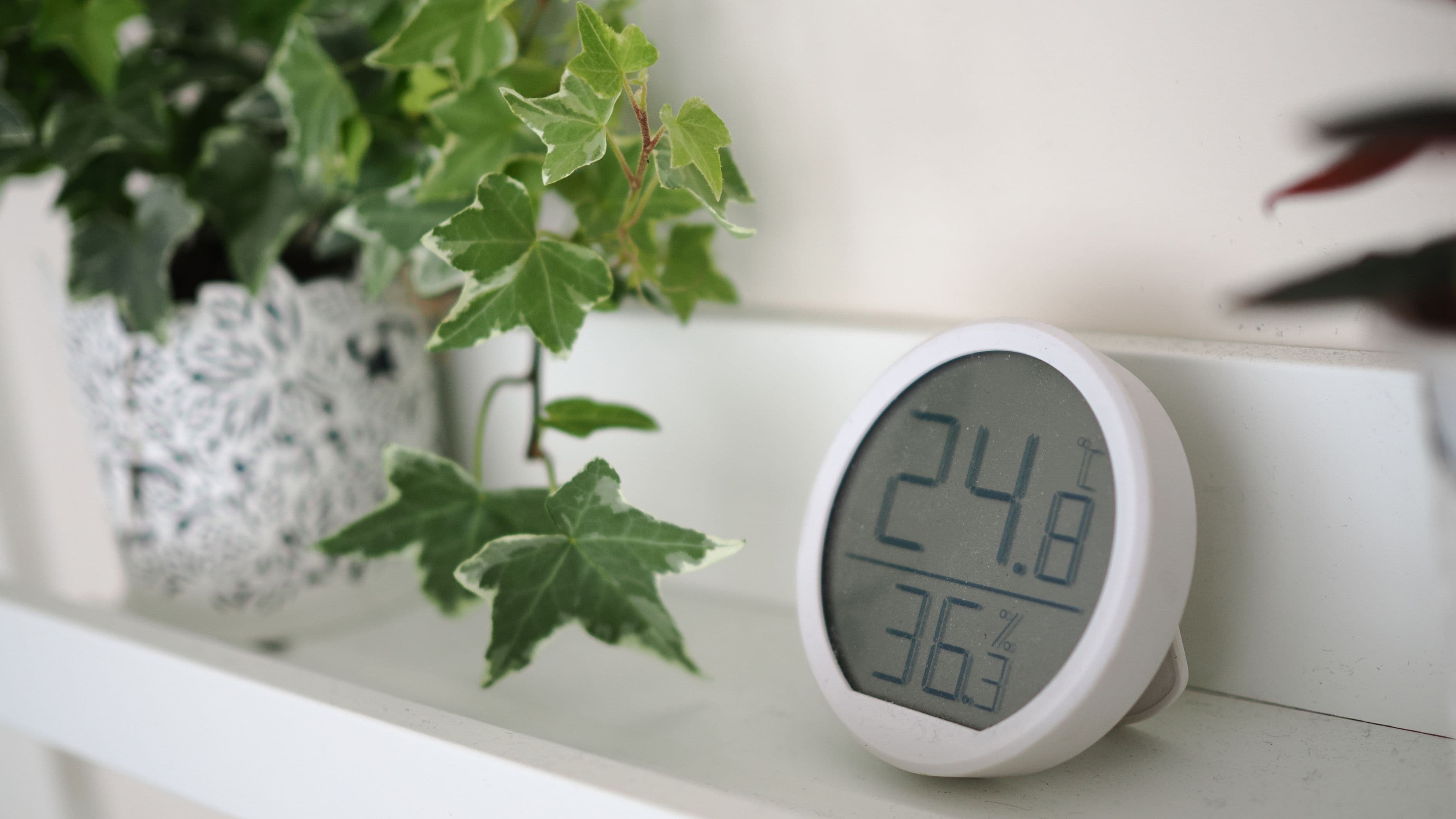
Most whole-home dehumidifiers are installed in the basement or utility room and connect to existing return and supply ducts. They include a built-in humidistat that monitors relative humidity and runs the unit automatically to maintain a set level – typically between 45% and 55% relative humidity, which is the range the EPA and most HVAC professionals recommend for indoor comfort and air quality. Unlike portable units, they drain continuously through a dedicated drain line, so there's no bucket to empty and no risk of the unit shutting off because the reservoir is full.
The units themselves are substantially more powerful than their portable counterparts. A good whole-home dehumidifier will remove 70–130 pints of moisture per day, compared to the 30–50 pints that a typical portable unit manages – and the whole-home unit does it across the entire house rather than one space.
How It Differs from a Portable Dehumidifier
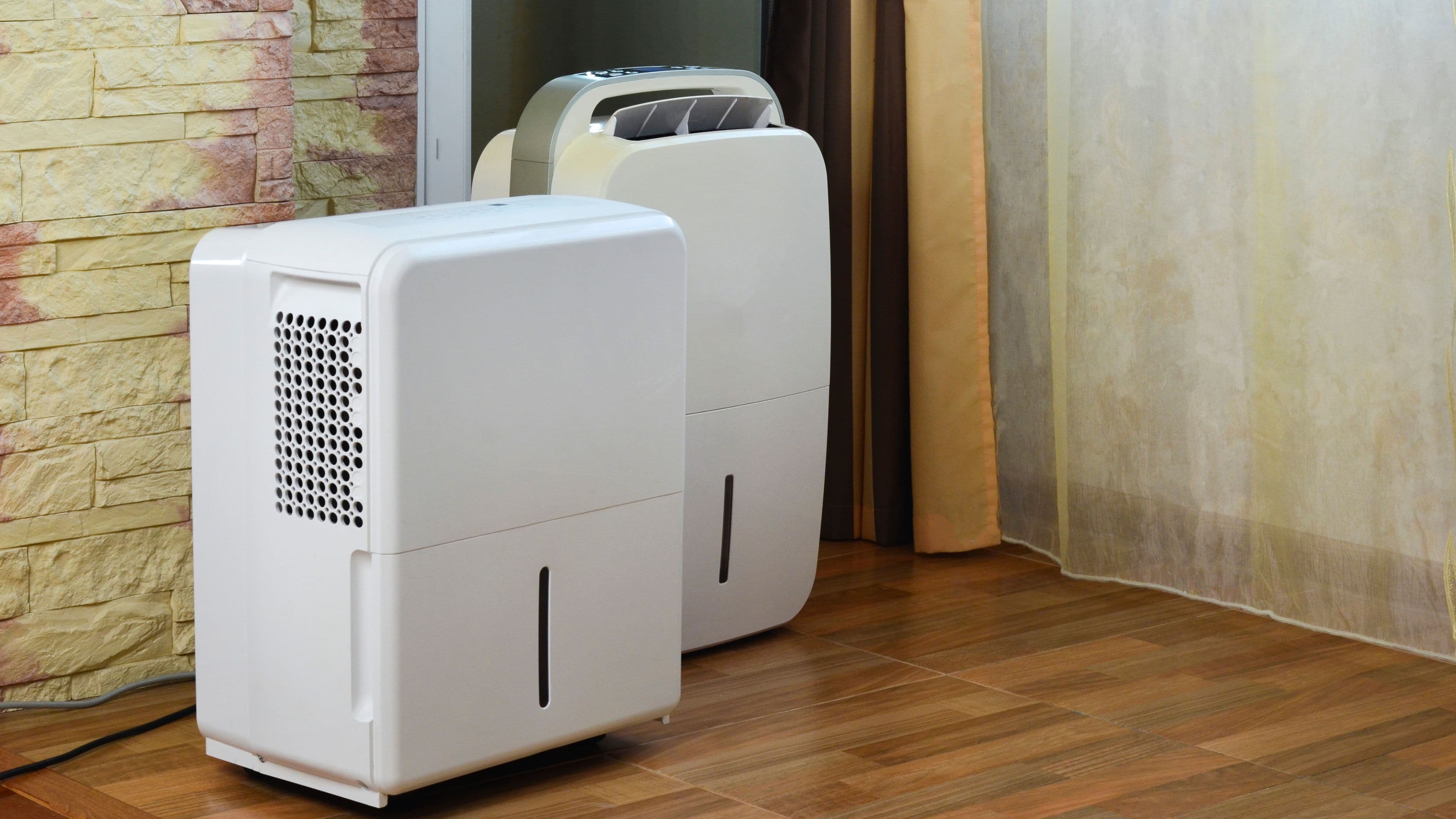
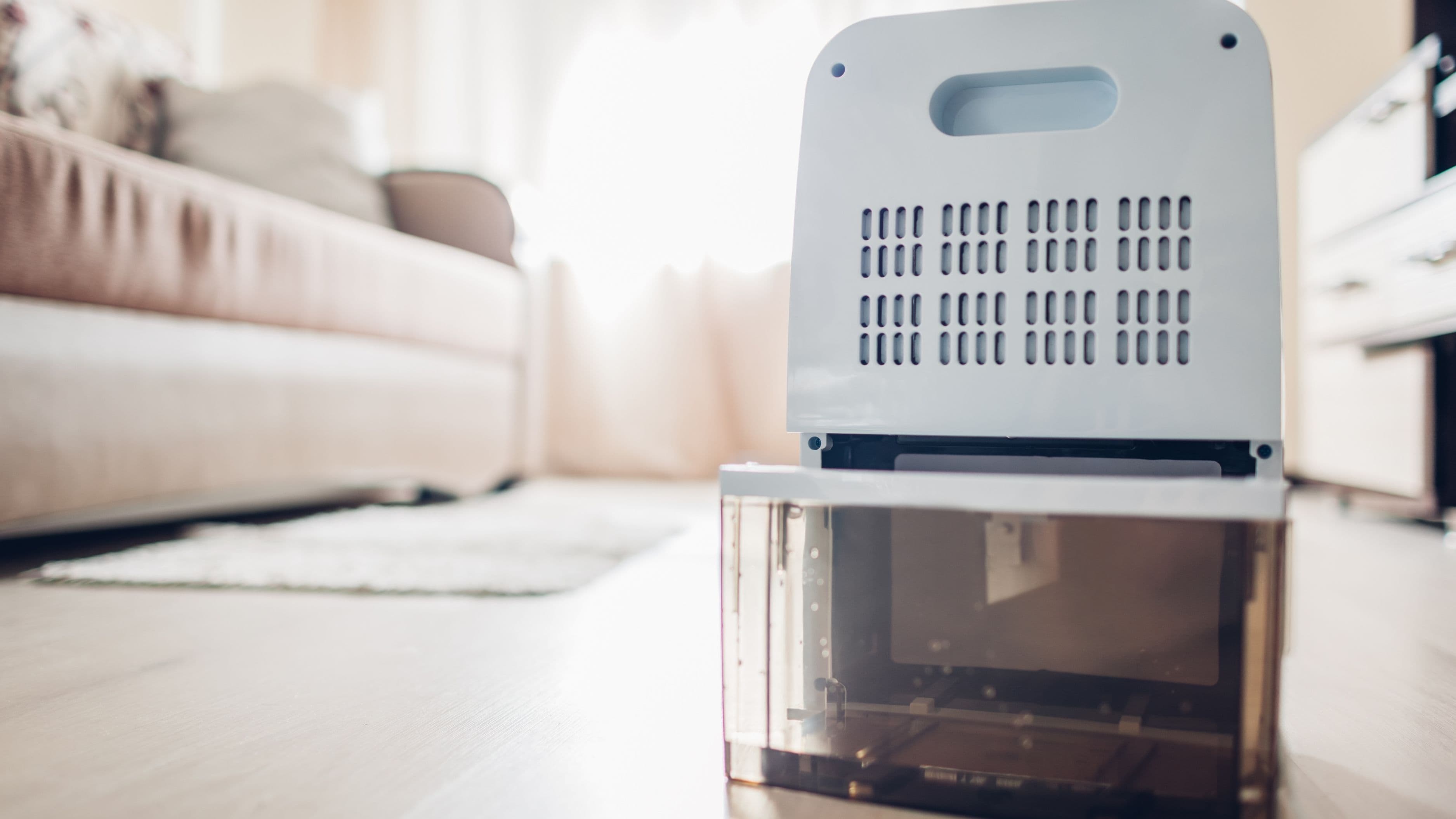
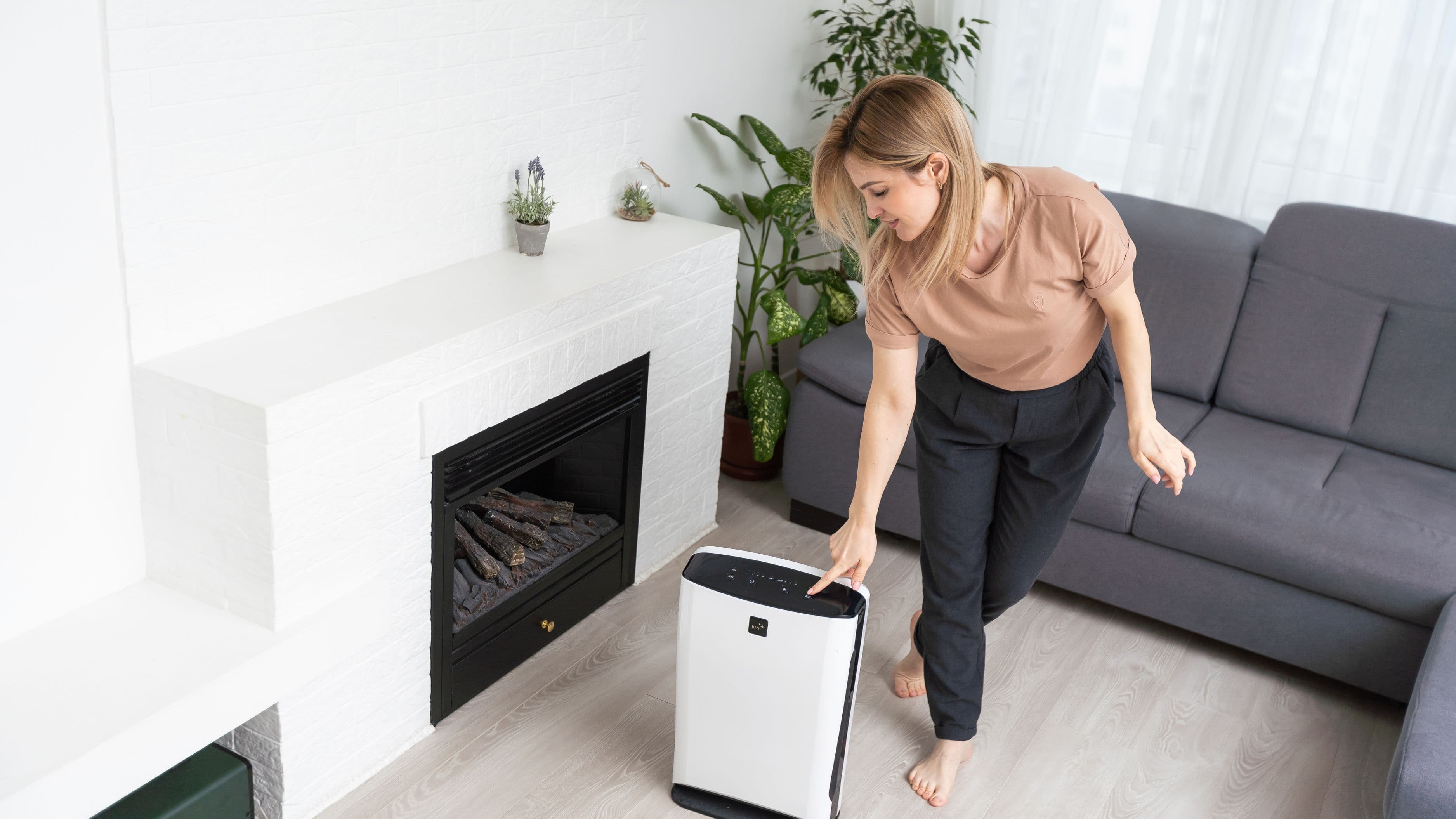
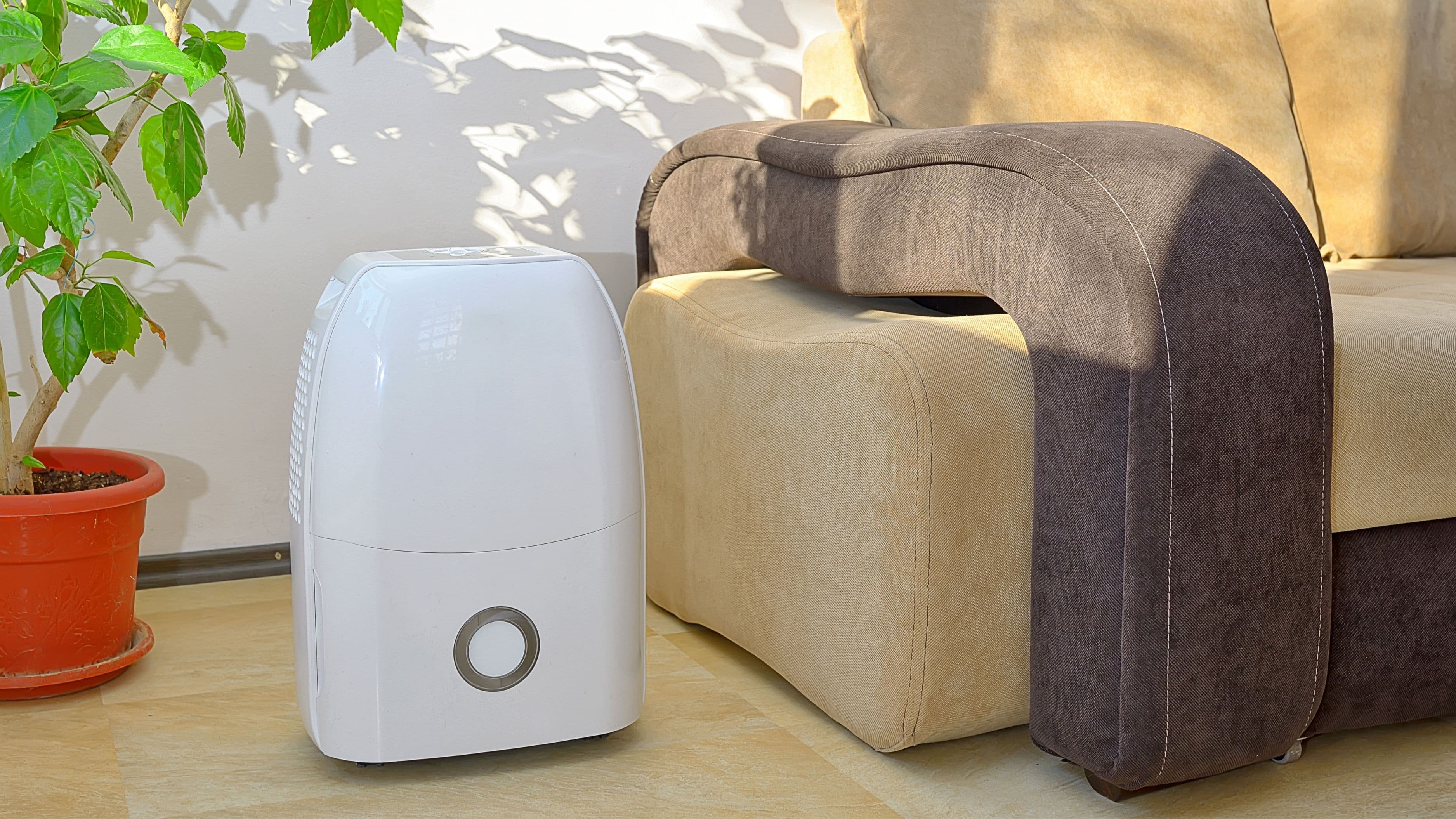
The difference isn't just scale. Portable dehumidifiers and whole-home systems operate on the same basic refrigeration principle – warm, humid air passes over cold coils, moisture condenses and drips into a collection tray or drain line, and drier air is released back into the room. But everything else about the two approaches is different.
A portable unit is a point solution. It treats the air in the immediate area where it's running, and its effectiveness drops off quickly with distance. In a basement, it might keep the area around the unit at acceptable humidity while the far corner and the adjacent laundry room stay damp. Moving the unit helps, but you're constantly chasing the problem around the space rather than solving it systematically.
Whole-home systems are integrated solutions. Because they connect to your ductwork, they draw from and deliver to the whole house simultaneously. Humidity readings in the bedroom, the living room, and the basement all trend toward the same target level. The humidistat makes the decisions about when to run, so you're not manually adjusting anything or noticing the problem only after it's already caused some damage.
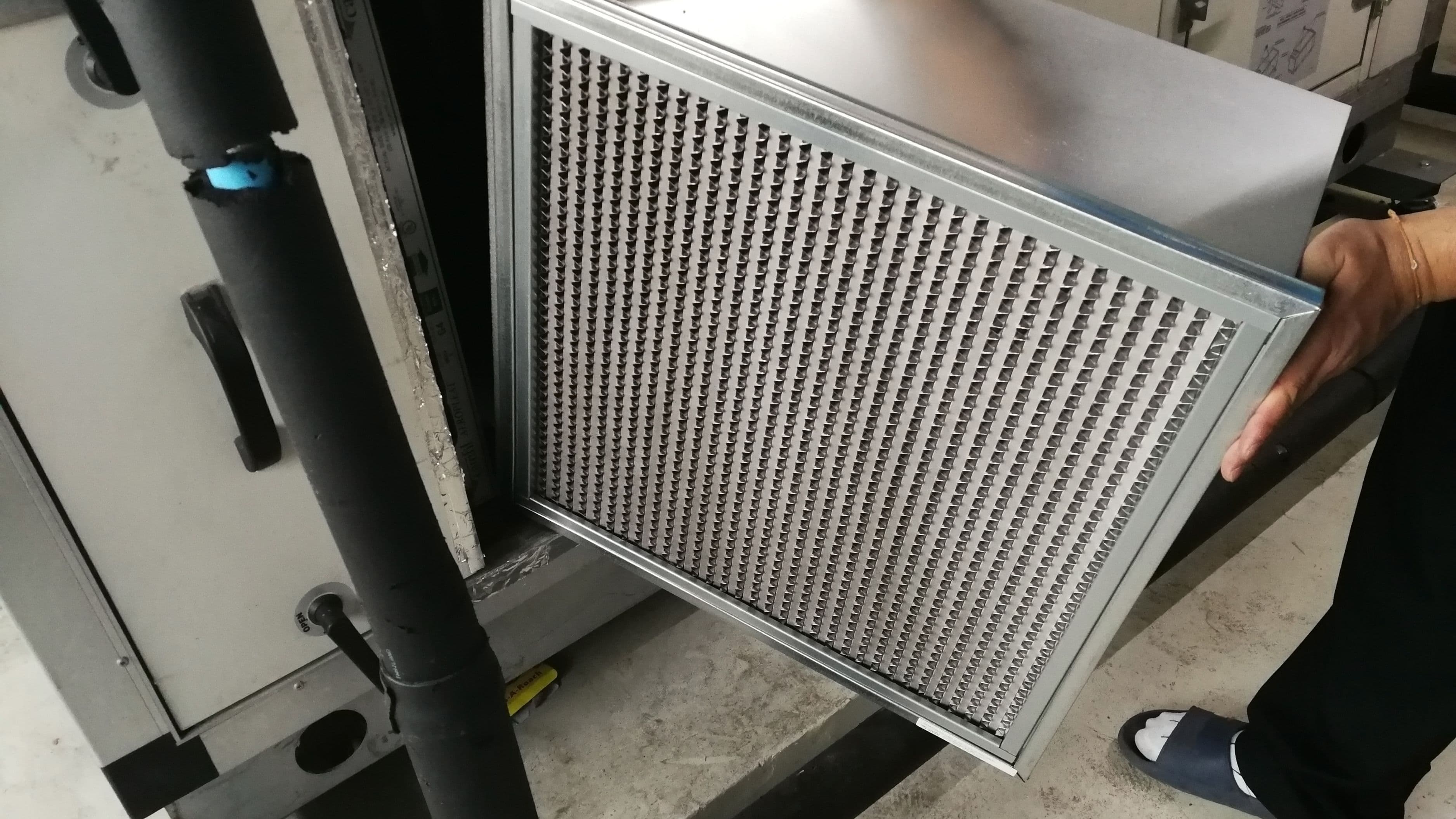
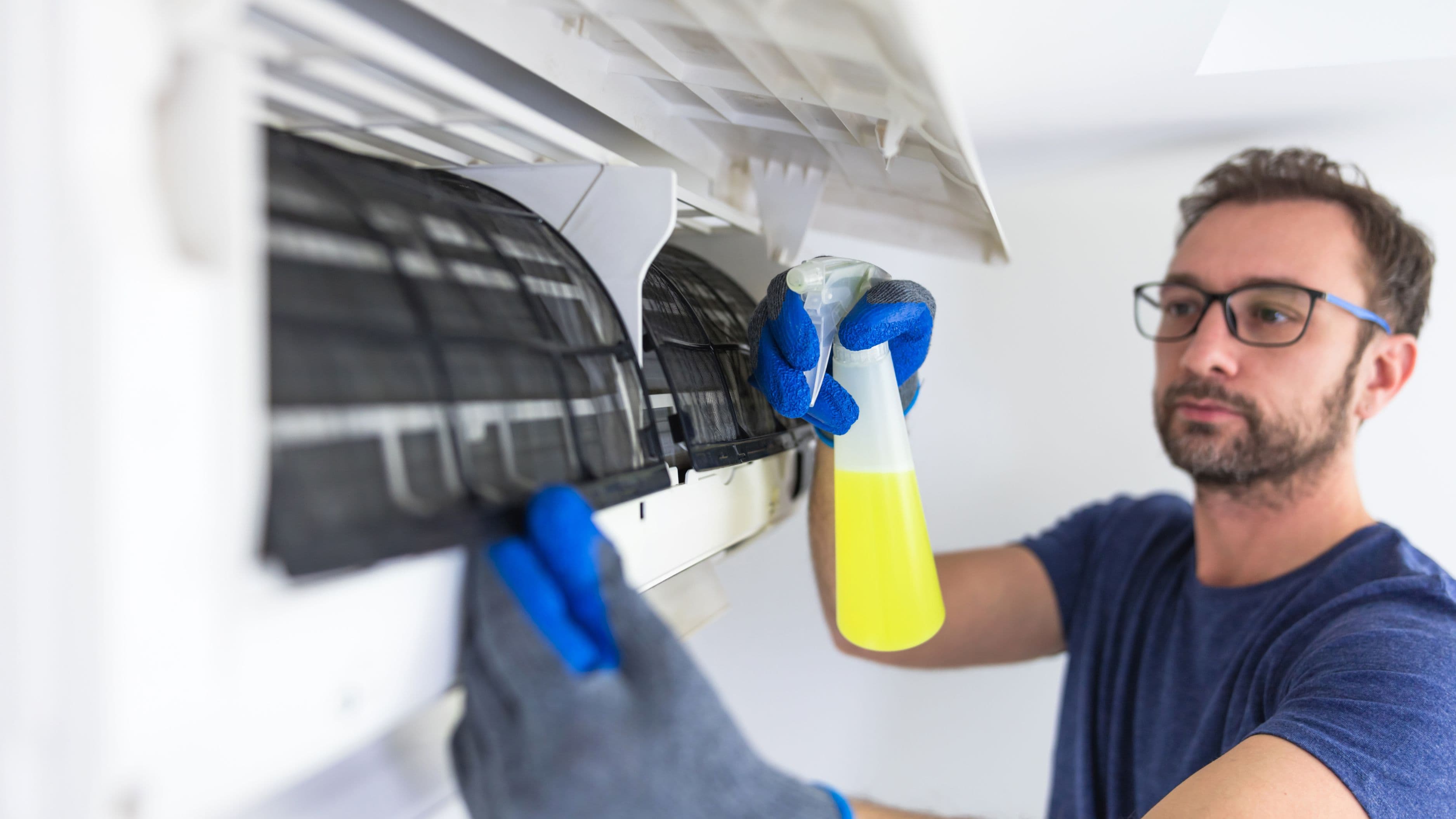
There's also a maintenance difference that matters over time. Portable dehumidifiers need the reservoir emptied (sometimes daily in humid climates), the coils cleaned periodically, and the filter changed. Whole-home units drain automatically, require filter changes every few months, and typically need a professional service check once a year – about the same frequency as your furnace or air conditioner. They're genuinely lower maintenance once installed.
Signs You Actually Need One
Not every home with occasional humidity needs a whole-home dehumidifier. The question is whether the problem is persistent, widespread, or severe enough that a whole-house solution makes more sense than targeted spot treatment. Here are the clearest indicators that you're in that territory.
Persistent basement dampness. If your basement feels humid year-round – not just after heavy rain – and a portable dehumidifier runs constantly without making a noticeable difference to comfort or musty smell, the moisture load is exceeding what a portable unit can handle. This is the most common scenario where a whole-home unit delivers a clear improvement.
Visible mold in multiple locations. Finding mold in one bathroom is usually a ventilation problem. Finding it in the bathroom, the basement, and on the window frames of your bedroom suggests the whole-house relative humidity is staying high enough to support mold growth. Treating each spot without addressing the underlying humidity level is a losing battle.
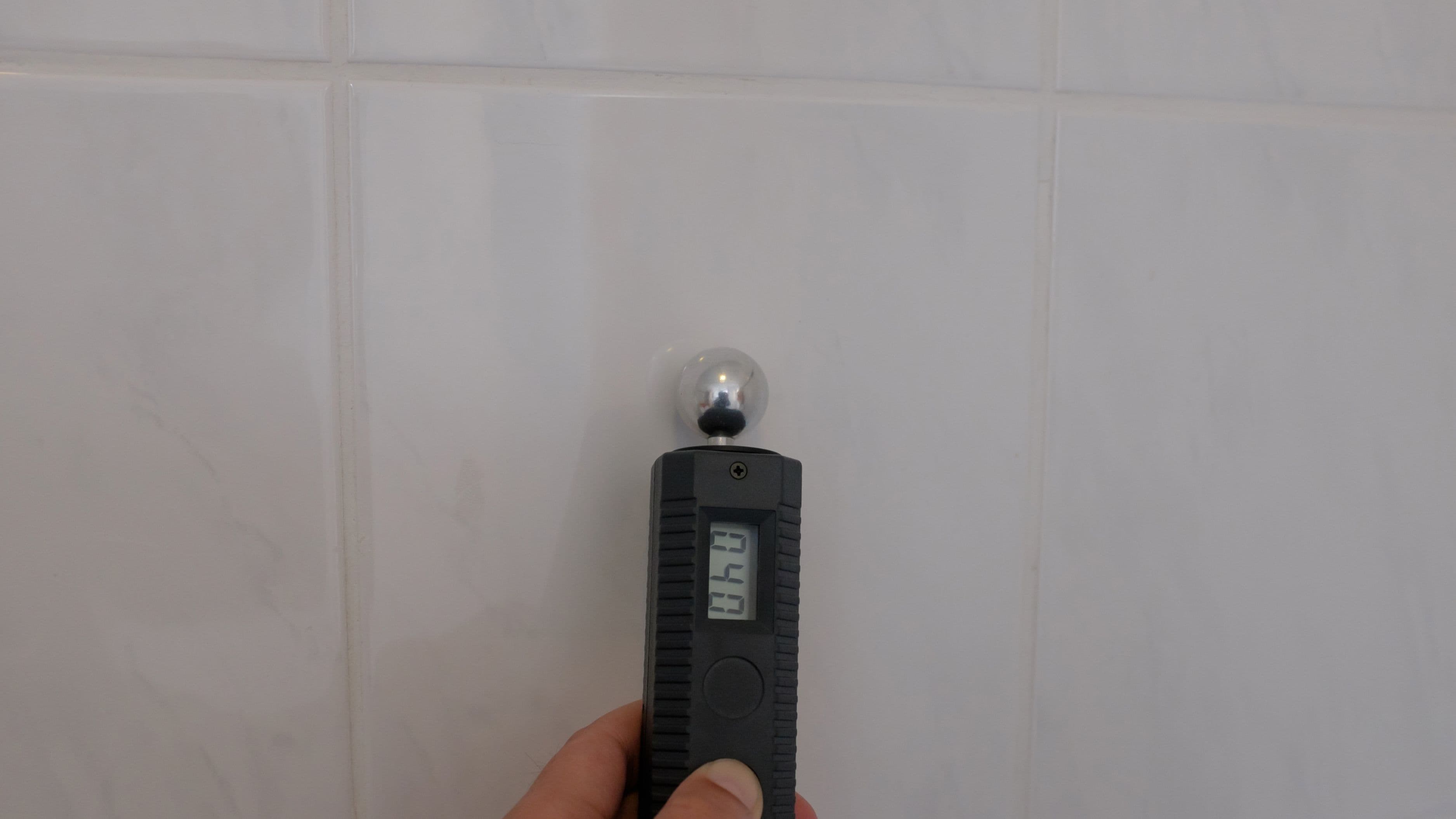
Condensation on windows and walls. When indoor humidity is high enough to condense on cool surfaces, it's above 55–60% relative humidity. Sustained condensation leads to water damage at window frames, peeling paint, and eventually mold growth in wall cavities where you can't see it.
Allergies or respiratory symptoms that improve outdoors. Dust mites thrive in environments above 50% relative humidity. If allergy symptoms are consistently worse indoors and your whole home is running humid, reducing whole-house humidity to the 45–50% range can meaningfully reduce dust mite populations.
You live in a humid climate. In the southeastern US, Gulf Coast states, and parts of the mid-Atlantic, summer outdoor humidity regularly reaches 80–90%. Even with air conditioning running, the latent humidity load on the house can be significant enough that a whole-home dehumidifier is essentially standard equipment for comfort.
Multiple portable units running simultaneously. If you already have two or three portable dehumidifiers going in different parts of the house, the combined cost, noise, maintenance, and electricity of those units often exceeds the cost of a whole-home system over a few years – particularly considering that the whole-home system will do a better job.
When You Probably Don't Need One
If your humidity problem is isolated to one room – a single bathroom without a good exhaust fan, or a crawlspace that's the only damp area – a targeted fix (improved ventilation, a crawlspace encapsulation, or a single well-placed portable unit) is the more proportionate response. Whole-home systems are most cost-effective when the humidity issue is genuinely whole-house in scope.
If you're renting, a whole-home unit obviously isn't an option – that's a landlord conversation and a building infrastructure decision. And if you live in a dry climate where summer outdoor humidity rarely exceeds 40–50%, your air conditioner likely handles whatever latent moisture load exists without any supplemental dehumidification.
What Installation Looks Like
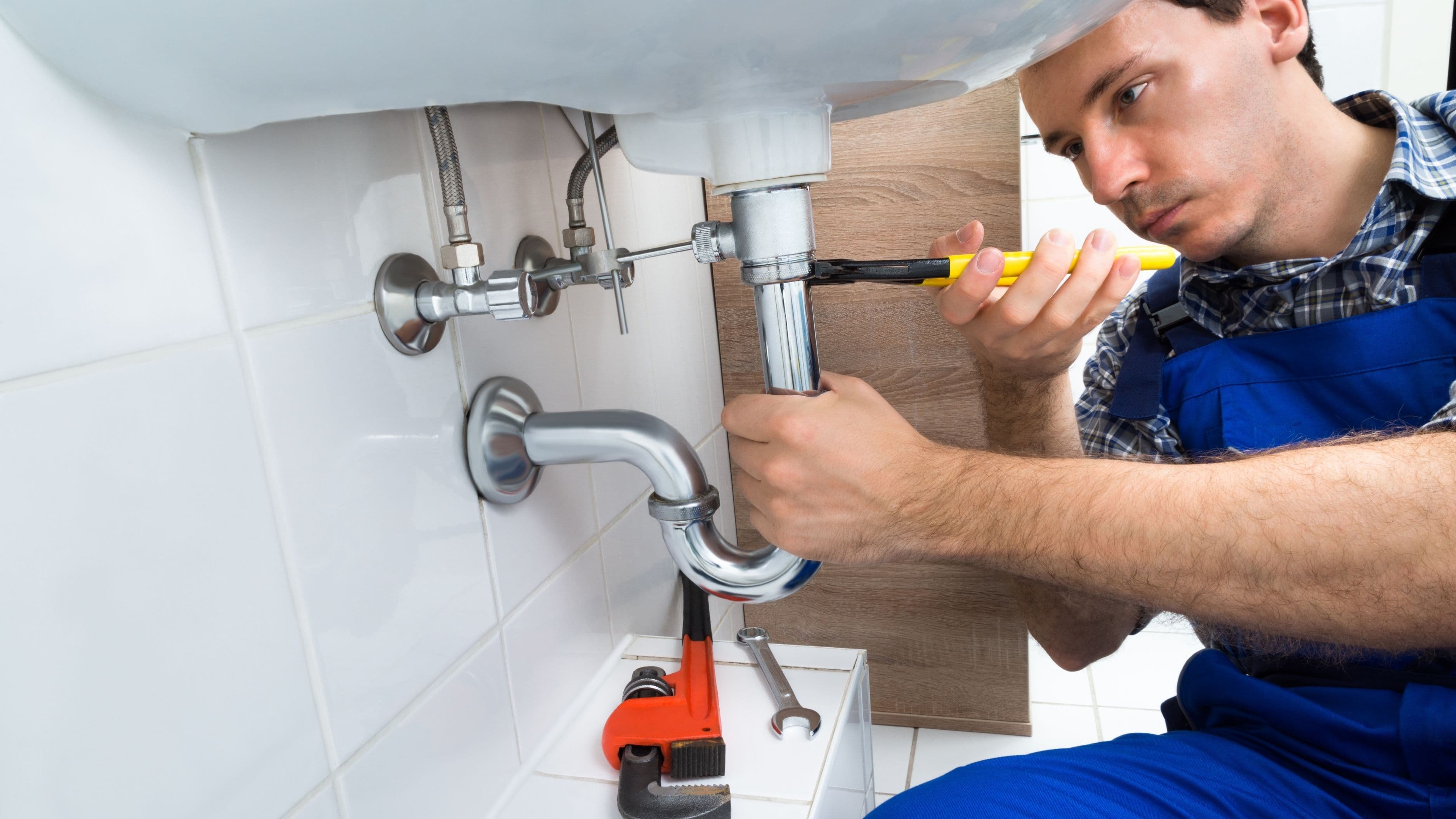
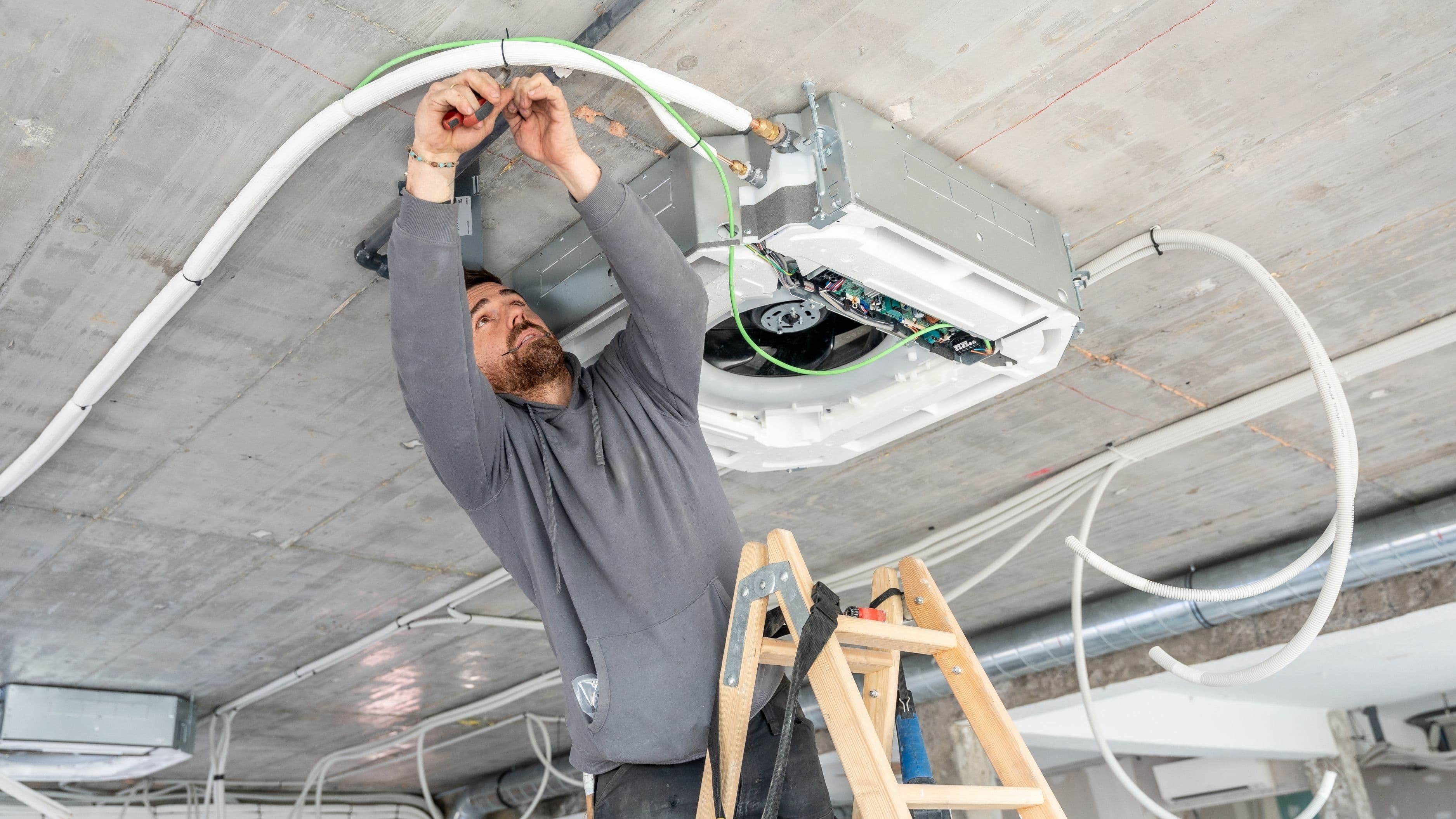
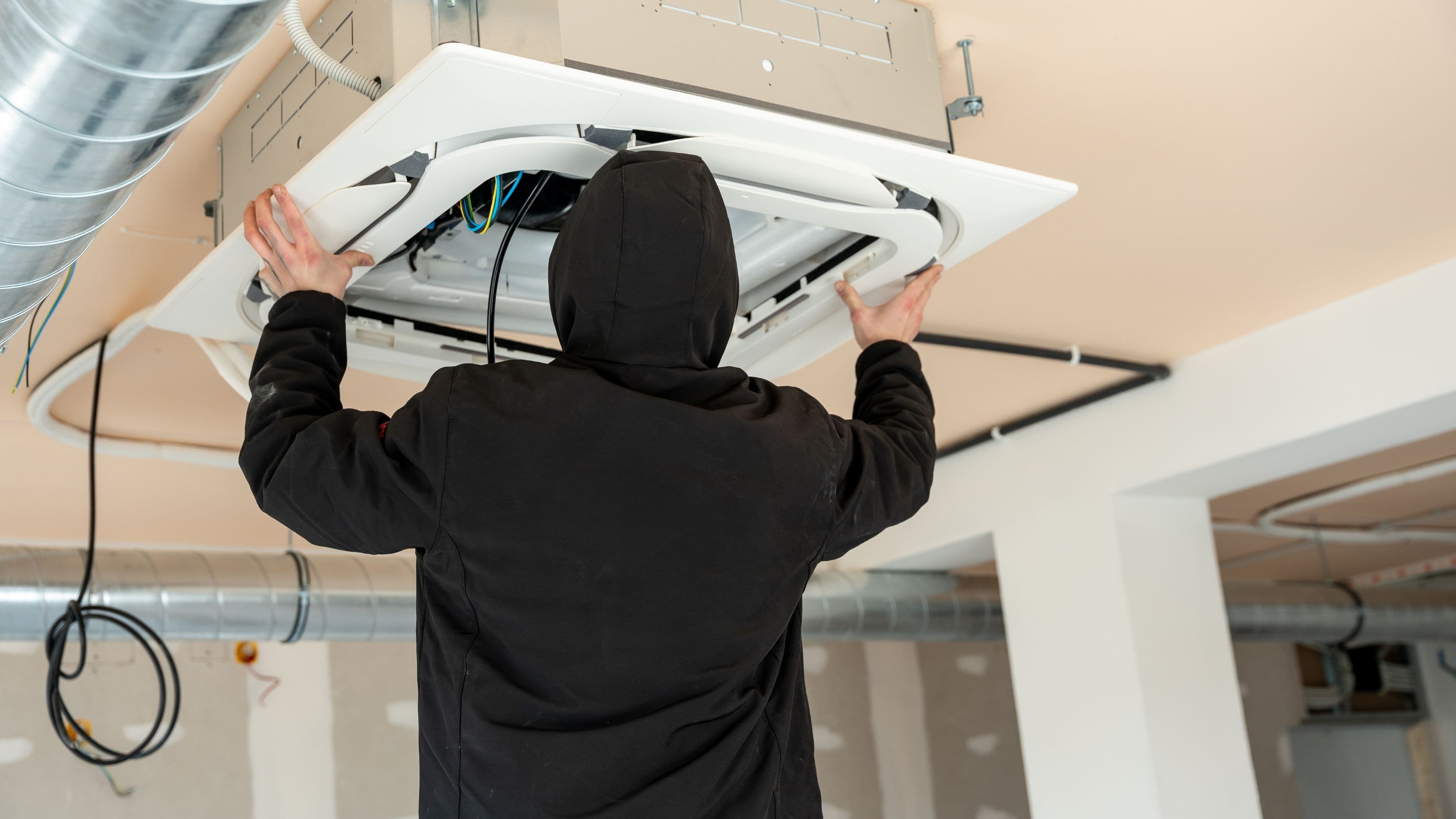
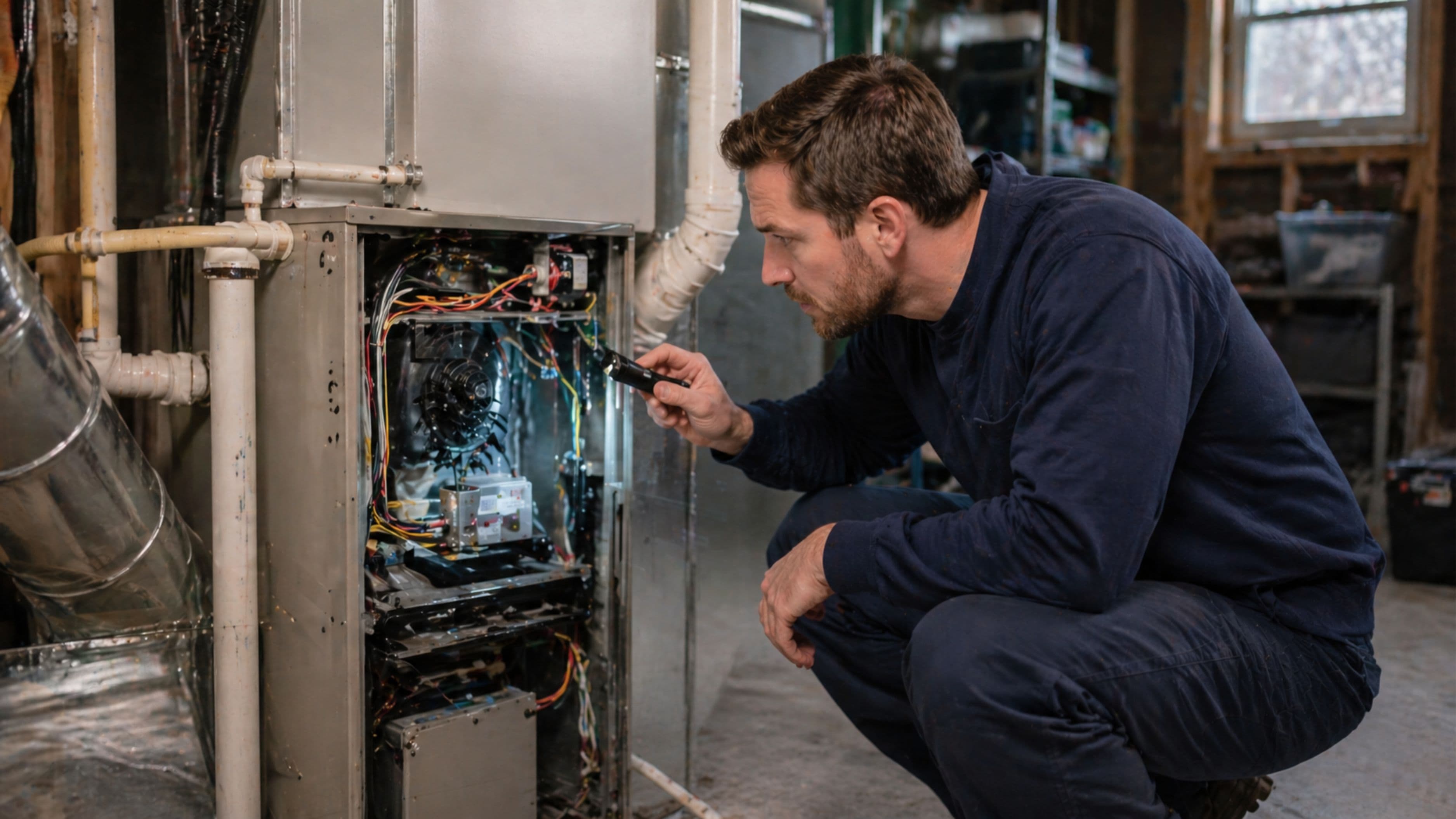
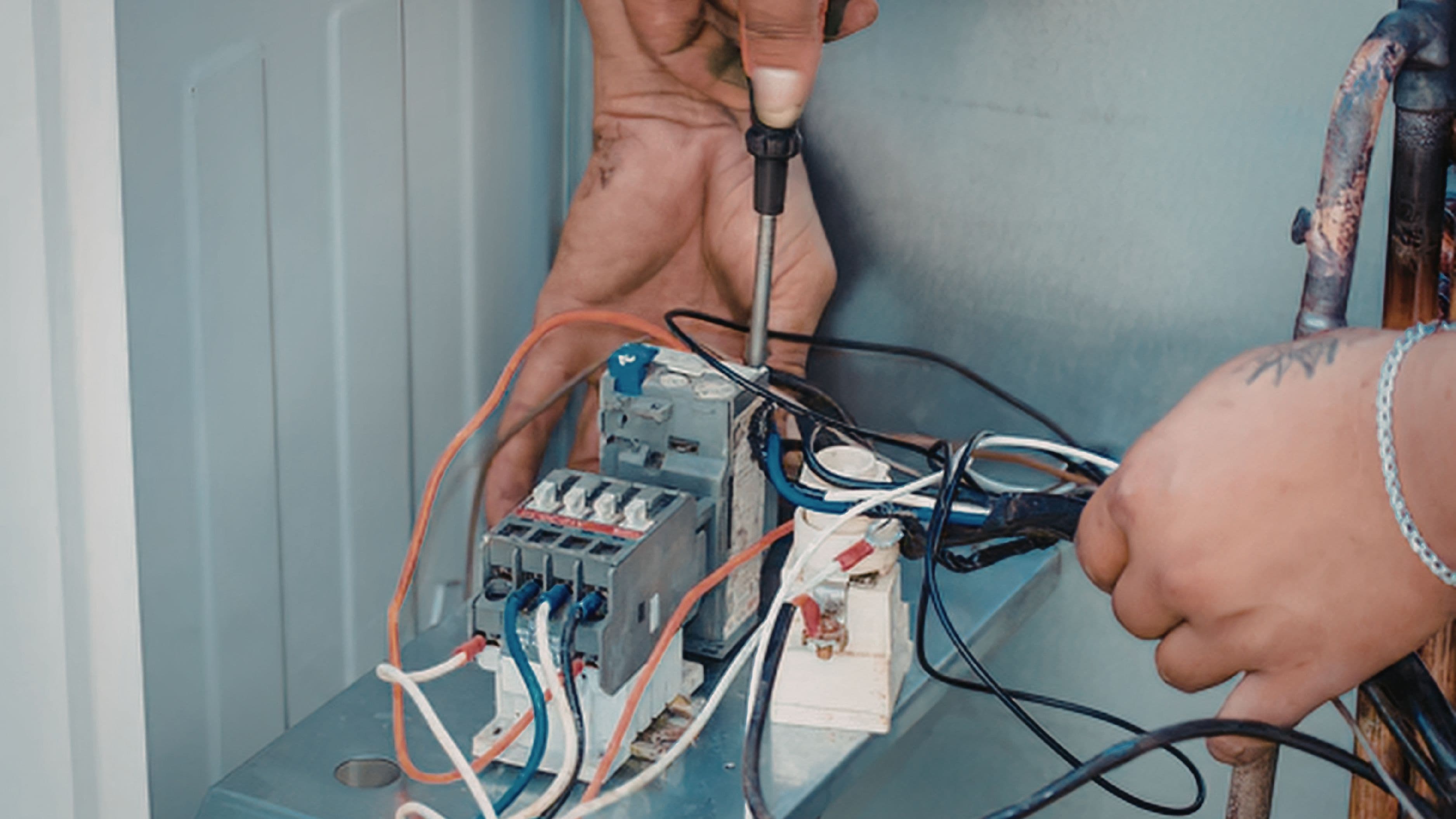
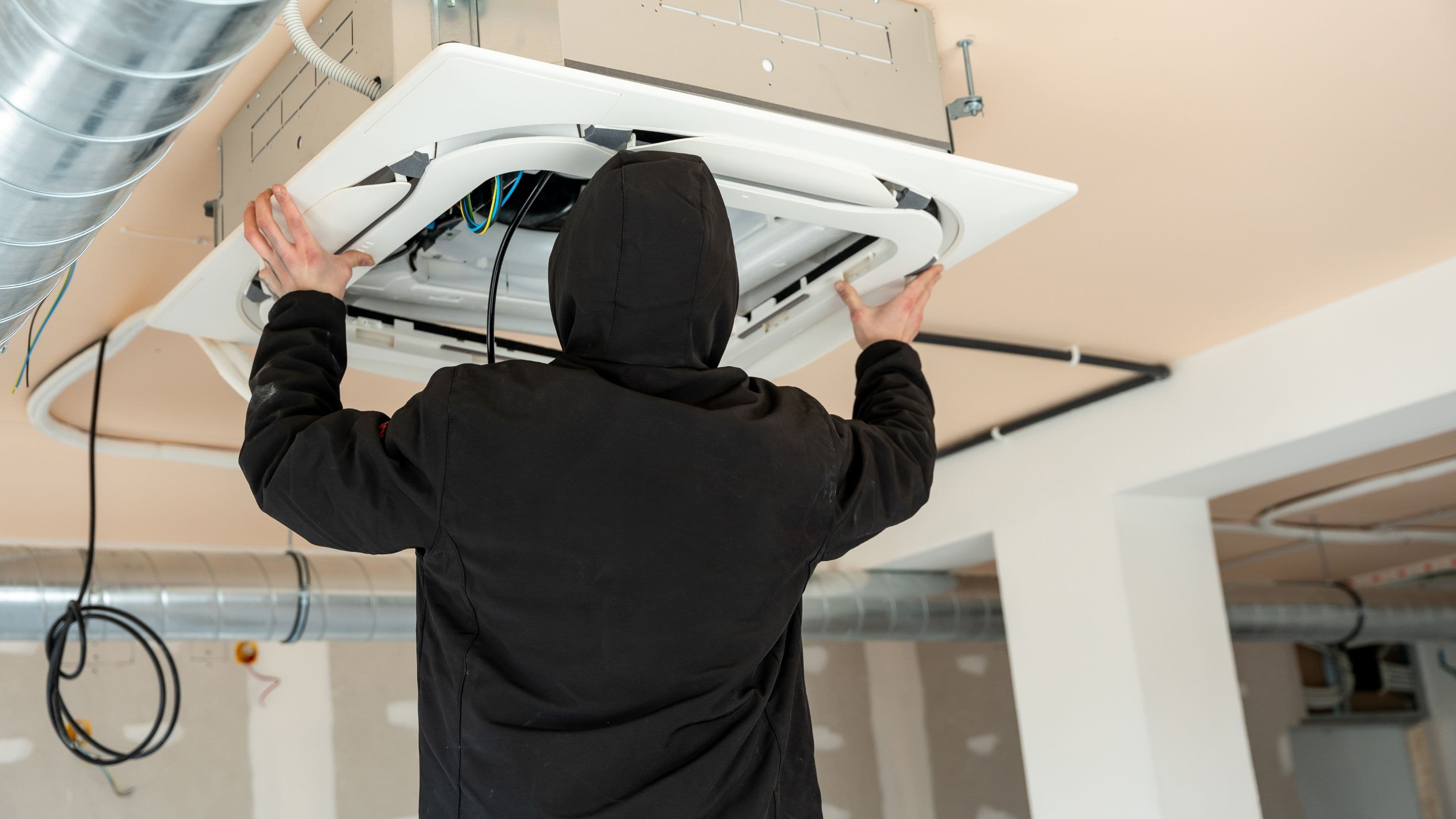
This is not a DIY installation for most homeowners. Connecting a whole-home dehumidifier to existing ductwork requires sheet metal work, electrical connections (most units run on 240V and need a dedicated circuit), and configuring the drain line. Most installations also involve integrating the humidistat with the existing thermostat or HVAC control system so everything communicates correctly.
The installation is typically handled by an HVAC contractor and takes 4–8 hours depending on the complexity of your duct system and the accessibility of your mechanical space. Labor costs typically run $300–$600, on top of the unit cost.
The units themselves range from around $1,000 to $2,500 depending on capacity and brand. Aprilaire and Santa Fe are the two most commonly recommended brands by HVAC contractors, with Aprilaire occupying the mid-range price point and Santa Fe leaning toward higher-capacity systems for more demanding applications. The total installed cost for most homes falls between $1,500 and $3,000.
That sounds like a significant investment compared to a $250 portable unit – and it is. But run the numbers on a portable dehumidifier that costs $60–$80 per month in electricity, needs a $200 replacement every 3–4 years, and still doesn't solve the problem completely, and the whole-home system often pays for itself within 5–7 years while actually fixing the problem.
What to Expect After Installation
In the first few weeks after installation, you'll likely notice the system running frequently as it works down the moisture that's accumulated in the house's structure, furniture, and framing. This is normal. Once the baseline humidity is brought to the target level, run time will decrease significantly and the system will cycle on periodically to maintain that level.
Musty odors typically resolve within 2–4 weeks of consistent operation. Window condensation should stop. If you had visible mold, the dehumidifier will prevent new growth but won't remediate existing mold – that requires cleaning with an appropriate solution and addressing whatever surface damage occurred.
Maintenance is minimal: replace the filter every 3–6 months (manufacturer guidance varies), keep the drain line clear, and schedule an annual HVAC service visit that includes checking the dehumidifier's operation and cleaning the coils. Most units carry 5-year warranties on parts and compressor.
Common Mistakes to Avoid
Buying undersized capacity is the most frequent mistake. A unit rated for 70 pints per day in a 2,500 sq ft humid-climate home will run constantly and still not keep up. Use manufacturer sizing guides that account for your square footage, climate zone, and the severity of the problem – not just the base ppt rating.
Installing it in an unconditioned space without considering temperature is another pitfall. Refrigerant-based dehumidifiers don't work efficiently below about 65°F. If you're installing in a basement that drops below that in winter, look for a unit with a low-temperature defrost mode or consider a desiccant-based dehumidifier for cold applications.
Assuming the dehumidifier replaces air conditioning is also worth clarifying. Air conditioners do remove some humidity as a byproduct of cooling, but they're not sized or controlled to maintain specific humidity levels. In shoulder seasons when temperatures are mild but humidity is high, an AC that isn't running frequently will allow indoor humidity to climb. The dehumidifier handles that gap.
FAQ
Can I install a whole-home dehumidifier myself? Technically possible for someone with HVAC and electrical experience, but most homeowners should hire a contractor. The 240V electrical work requires a licensed electrician in many jurisdictions, and improper duct connections can create airflow problems that affect the whole HVAC system. The money saved on labor isn't worth the risk of getting it wrong.
Does a whole-home dehumidifier work with any HVAC system? Most whole-home units are designed to work with standard forced-air systems. If you have a radiant heat system with no ductwork, a standalone dehumidifier with its own internal fan (sometimes called a "ducted" dehumidifier without connection to HVAC) is the alternative. Your HVAC contractor can assess the best approach for your system.
What's the ideal indoor humidity level? The EPA recommends keeping indoor relative humidity between 30% and 50%. In practice, 45–55% is the comfort sweet spot for most people – low enough to inhibit mold and dust mites, high enough that the air doesn't feel uncomfortably dry.
Will a whole-home dehumidifier increase my electricity bill significantly? Whole-home units use more electricity than portables per hour of operation, but they're also more efficient at moisture removal and don't run as constantly once the baseline is established. Most homeowners see a modest increase of $15–$40/month during peak humid months, offset by the ability to run the air conditioner less aggressively.
How do I know what capacity I need? A rough guide: 90-pint capacity for homes under 2,000 sq ft in moderately humid climates, 120+ pint capacity for larger homes or those in high-humidity climates like the Gulf Coast or Southeast. Your HVAC contractor should do a proper load calculation rather than guessing from square footage alone.
A whole-home dehumidifier isn't a purchase to make impulsively, but if your home has been fighting persistent humidity across multiple spaces and portable units have become a fact of life rather than a solution, it's one of those improvements that quietly changes how your home feels to live in. Drier air, no mold battles, no buckets – and a house that's better protected against the slow, expensive damage that high humidity does to wood, insulation, and finishes over time.
If you're on the fence, get an HVAC contractor to assess your situation before committing. A good contractor will tell you honestly whether your problem warrants the investment or whether a simpler fix will do the job.
📚 Sources
EPA – A Brief Guide to Mold, Moisture, and Your Home: https://www.epa.gov/mold/brief-guide-mold-moisture-and-your-home
ASHRAE – Standard 55: Thermal Environmental Conditions for Human Occupancy: https://www.ashrae.org/technical-resources/bookstore/standard-55-thermal-environmental-conditions-for-human-occupancy
Energy Star – Dehumidifiers product specifications and efficiency: https://www.energystar.gov/products/dehumidifiers
CDC – Mold prevention and control in the home: https://www.cdc.gov/niosh/topics/indoorenv/mold.html
Aprilaire – Whole-home dehumidifier installation guide: https://www.aprilaire.com/whole-house-products/dehumidifier
Building Science Corporation – Moisture control in homes: https://www.buildingscience.com/documents/digests/bsd-013-moisture-control-in-homes